Where to stay
Where to stay in Mendoza: downtown, Luján de Cuyo or the Uco Valley?
We may earn a commission when you book through links on this page, at no extra cost to you. We don't visit or try the places we cover: we summarize published sources. How we work
In short
- First stay, small budget or short stays: downtown Mendoza. A compromise between vineyards and comfort: Chacras de Coria and Luján de Cuyo.
- Boutique stay among the vines: the Uco Valley, about 80 to 100 km (50 to 62 mi) from Mendoza, with a car or a driver.
- Adventure and mountains: Potrerillos or Uspallata, for rafting and hiking.
- Three nights show you the city and two wine areas; four to five nights suit you if you add the Uco Valley or the mountains.
Mendoza is both a pleasant, tree-lined city and an immense wine region stretched out at the foot of the Andes. This dual nature complicates the choice of lodging: should you stay downtown, where everything is on foot, or settle in the middle of the vines, even if it means depending on a driver? This guide compares the main areas to help you choose by budget, way of getting around and the kind of stay you imagine.
In short:
- First stay, small budget or short stays: downtown Mendoza
- Compromise between vineyards and comfort: Chacras de Coria and Luján de Cuyo
- Boutique stay in the middle of the vines: the Uco Valley, with a car or driver
- Adventure and mountains: Potrerillos or Uspallata, for rafting, hiking and Aconcagua
How to choose your area in Mendoza
Before comparing places, ask yourself three questions. The first is about getting around: without a car, downtown and its nearby surroundings are much simpler. The second is about the goal of the trip: if wineries come before everything, staying close avoids round trips. The third is about pace: some travelers like to dine in a lively restaurant, others prefer the silence of the vines.
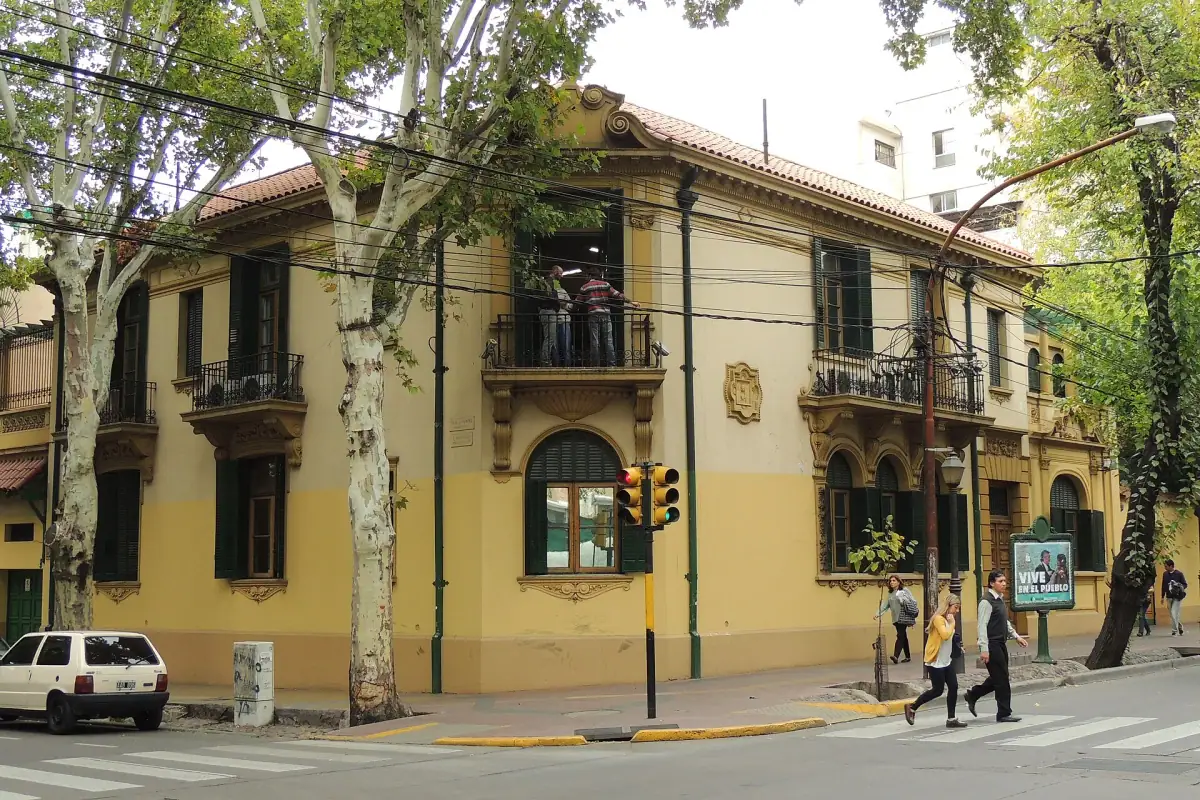
The city of Mendoza is laid out on a grid, with wide sidewalks, large squares and rows of trees fed by irrigation canals, the acequias. Distances are reasonable, and the range of lodging is wide. Around it, the vineyards are divided into large zones: Luján de Cuyo and Maipú, close to the city, then the Uco Valley, farther southwest, higher and more extensive.
The climate is dry, the sun generous. Temperature differences between day and night can be marked, especially at altitude: bring a warm layer even in summer if you sleep in the heights. To choose your dates, see our guide on when to go to Argentina.
Downtown Mendoza: practical and lively
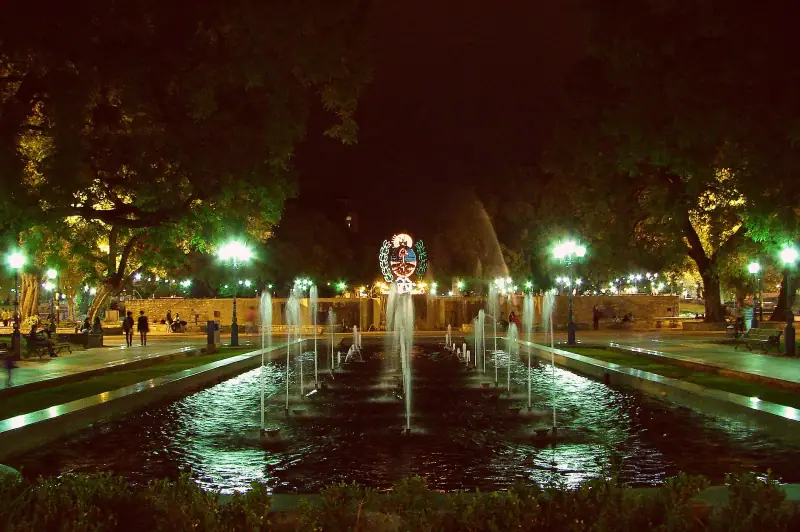
Downtown is organized around Plaza Independencia, the large central square, surrounded by four smaller squares. It is the most versatile area for a first stay: you find hotels of every category, hostels, apartments, and a high density of restaurants, wine bars and shops.
The main advantage is flexibility. You can walk to the parks, restaurants and agencies that offer excursions in the vineyards or the mountains. Taxis and ride-hailing easily reach the wineries of Luján de Cuyo and Maipú. Avenida Aristides Villanueva, very busy in the evening, is known for its sidewalk cafés and nightlife; it can be noisy, so ask for a quiet room if you are a light sleeper.
The downside: you sleep in town, far from the postcard landscape. If you dream of vines and mountains as soon as you wake up, this is not the ideal area. And in busy periods, good rooms go quickly.
Who is it for? First stay, short stay, small budgets, travelers without a car, fans of restaurants and wine bars.
Staying in Mendoza?
Compare hotels, hostels and apartments downtown by dates and budget.
Chacras de Coria: the residential village at the city’s gates
Chacras de Coria is a residential town south of Mendoza, in the Luján de Cuyo department, about ten kilometers (6 mi) from the center. It is known for its shaded streets, village atmosphere and small lively center of restaurants and shops, which also attracts city residents on weekends.
It is a good compromise for those who want a calmer setting than downtown without isolating themselves. Many guesthouses and small boutique hotels offer gardens and pools, welcome on the hot days of the austral summer. Several wineries are a few minutes away by road. However, public transport is less practical than in town: rely on taxis, ride-hailing or a car.
Who is it for? Couples, travelers who like calm, stays of several days with a car or transfers, those who want to combine village and vineyards.
Luján de Cuyo and Maipú: staying near the wineries
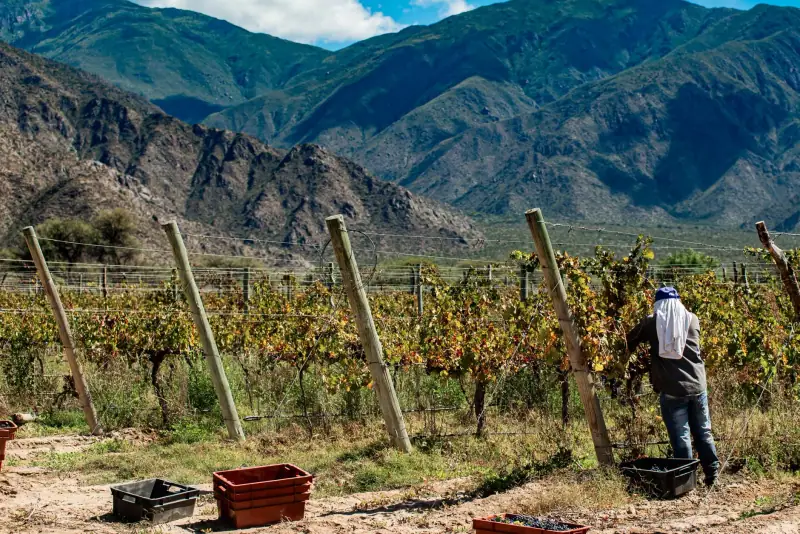
Luján de Cuyo is considered one of the historic areas of Argentine malbec. It stays close to Mendoza, which makes it an ideal base for visiting several wineries without spending hours on the road. Several hotels and lodges have set up among the vines, with a view of the cordillera in clear weather.
Maipú, to the east, is flatter and often associated with bike rides between the estates: the atmosphere is more relaxed, sometimes more family-oriented. Lodging there is generally simpler than in the luxury lodges, and the distances between estates suit bike outings, as long as you stay reasonable with the tastings.
To prepare your visits, our article on Mendoza’s vineyards details the zones and types of experiences, and the one on Argentine wines helps you understand what you will taste.
Who is it for? Wine lovers, travelers who want to combine comfort and proximity to the city, a first wine-focused stay.
The Uco Valley: the boutique stay at the foot of the Andes
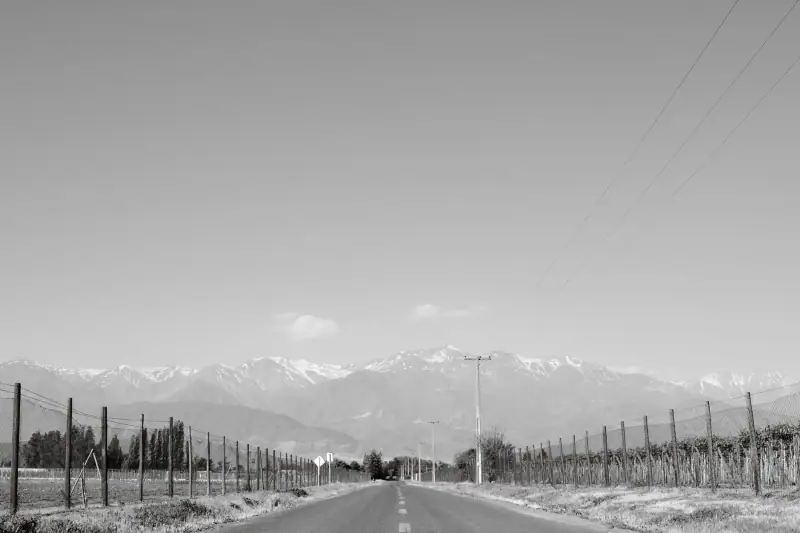
The Uco Valley, southwest of Mendoza, notably includes the areas of Tupungato, Tunuyán and San Carlos. It lies about 80 to 100 km (50 to 62 mi) from the city of Mendoza, a little over an hour and a half by road depending on the destination. The vines grow at a higher altitude than in the areas close to the city, which gives spectacular landscapes, with the cordillera as a backdrop.
Much of the region’s boutique lodging is concentrated here: lodges in the middle of the vines, estates with rooms, spas, gourmet restaurants. The atmosphere is peaceful and out of the ordinary, ideal for a romantic getaway or a honeymoon. Nights can be cool, even in summer, and the starry sky is a big plus.
The constraints are worth knowing. Distances between estates are greater, public transport is rare, and the most sought-after places are often isolated. A rental car or a private driver is strongly advised, especially if you plan tastings. Rates are generally higher than in town, and small properties fill up fast in high season.
Who is it for? Couples, honeymooners, wine lovers with time, travelers with a vehicle.
Tastings and winery visits
Compare wine excursions around Mendoza, with or without transport, and book ahead in high season.
Potrerillos and Uspallata: staying in the mountains
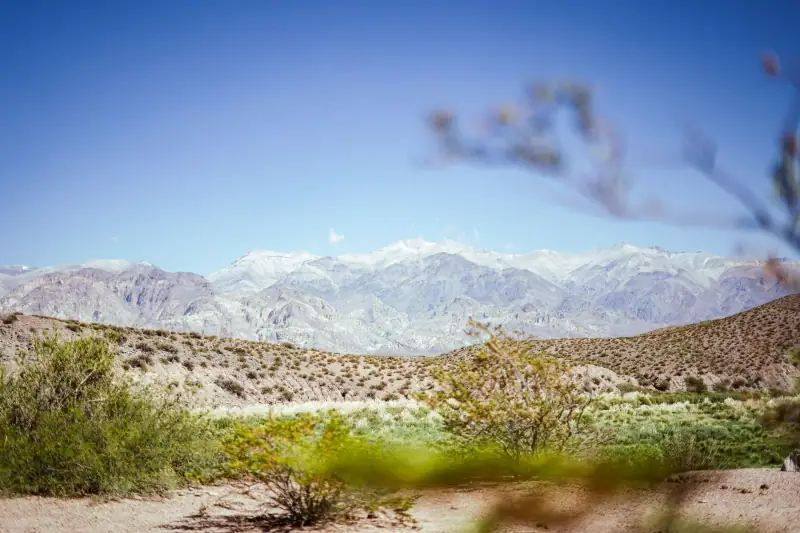
If your trip revolves around the outdoors rather than wine, the mountains offer an appealing alternative. Potrerillos, on the edge of a reservoir lake about fifty kilometers (31 mi) from Mendoza, is known for whitewater sports, notably rafting, as well as hiking and horseback rides. You sleep in cabañas, campsites or small hotels.
Farther along the road to Chile, Uspallata is about 100 km (62 mi) from Mendoza. This small mountain town is a base for exploring the high cordillera and the desert landscapes around. Options there are simpler, with modest boutique lodging, hostels and campsites. Altitude and cool nights call for suitable gear.
The high mountains have their rules: check road and weather conditions before leaving, especially in winter, when high-altitude roads can be temporarily closed. For high-altitude hiking, ask your doctor or a travel clinic, and see the official travel health pages (CDC in the US, TravelHealthPro in the UK).
Who is it for? Active travelers, families who like outdoor activities, those who add a mountain stop to their wine stay.
Which type of lodging to choose?
Beyond the area, you have to choose the format. Mendoza offers the whole range, which lets you adapt the stay to almost every budget.
Downtown hotels offer classic comfort: reception, breakfast, sometimes a rooftop or patio pool. They suit short stays and travelers who like simplicity.
Hostels are plentiful and well kept, with dorms and private rooms, shared kitchen and terrace. They are ideal for meeting other travelers and organizing group outings, notably by bike in the vines.
Apartments and houses become interesting from three or four nights, or with family: a kitchen, washing machine and extra space are welcome, especially as you sometimes come back with a few bottles. Check the cancellation conditions and recent reviews.
Lodges and winery hotels are the treat option. The price is justified by the setting, the food and the calm, not by proximity to the city. Read carefully what is included: breakfast, dinner, tasting, transfers.
Cabañas and campsites, finally, are typical of Potrerillos and Uspallata. They suit travelers who like nature and independence. To refine your overall envelope, see our guide to the budget in Argentina.
How much to budget for lodging in Mendoza
Prices change with the season, events and the exchange rate, and they move fast in Argentina. Rather than remember a specific figure, keep the general logic: hostels and small downtown hotels are at the low end, mid-range hotels and the guesthouses of Chacras de Coria in the middle, and the lodges of the Uco Valley at the top.
A few habits help keep control of the budget. Compare rates with breakfast included, check whether taxes are included, and look at free cancellation conditions, very useful in a country where plans can change. Harvest periods and long weekends push rates up: book early if your dates are fixed.
Also think about the hidden cost of isolation. Staying in the Uco Valley can seem cheap if the room rate is decent, but transfers, meals in the valley and car rental can inflate the bill. Conversely, staying in town lets you eat and get around more cheaply.
Common mistakes to avoid
Underestimating distances. Mendoza Province is vast. The Uco Valley is not “next to” the city: allow time for trips, especially if you want to link two or three estates in the same day.
Staying in the Uco Valley without transport. Without a car or driver, you risk staying confined to your estate. It is perfect for a retreat, but frustrating if you want to explore.
Booking too late during the harvest. It is one of the most in-demand periods. With boutique properties full, you will have less choice and higher prices.
Forgetting air conditioning or heating. Summers are hot and winters cool, especially at night at altitude. Check the equipment before booking.
Driving after a tasting. Tastings add up quickly. Hand the wheel to a driver or to a designated driver, and remember that driving rules are strict in Argentina.
Sample plans by length of stay
Two nights: the essentials. Stay downtown, devote a day to the Luján de Cuyo wineries and enjoy the evening in a restaurant or wine bar.
Three to four nights: a good balance. Two nights in town, then one or two nights in Chacras de Coria or in a Luján de Cuyo lodge. You gain calm and setting without multiplying trips.
Five nights or more: the complete experience. Start with two nights in town, spend two nights in the Uco Valley, then finish in the mountains, at Potrerillos or Uspallata, for an outdoor activity. To fit Mendoza into a wider trip, see our two-week itinerary in Argentina.
A lodge or a hotel in the vines?
Compare lodging in the Uco Valley and Luján de Cuyo, with free cancellation on many offers.
Getting around from your lodging
Mendoza has an international airport, about ten kilometers (6 mi) from the center, linked to the city by taxi or ride-hailing. It is served by domestic flights, notably from Buenos Aires. A bus terminal also serves the other major cities of the country, and long-distance bus links are very widespread in Argentina.
In the urban area, taxis and ride-hailing are the simplest way to reach Chacras de Coria, Luján de Cuyo or Maipú. Organized excursions generally include transport from your hotel, which saves you from driving. For the Uco Valley, compare the cost of a car with that of a day excursion or a driver: depending on the number of people, the calculation changes.
Another very popular option is to rent a bike in Maipú for a day in the vines and return in the evening to sleep downtown. Your host can often help you organize a transfer or book an excursion.
Finally, if you have an early or late flight, choose a night in town the day before: the trip is short, and you avoid the stress of the road in the morning. Before leaving, note that entry rules depend on your passport. Check the official travel advice of your government before you book: travel.state.gov (US), GOV.UK (UK), travel.gc.ca (Canada), Smartraveller (Australia) (checked November 2026); see also our page on entry requirements for Argentina. Consider travel insurance suited to your stay.
A suggested approach
For a first stay of three or four nights, a good approach is to combine two areas: a downtown base to enjoy local life, then one or two nights in Chacras de Coria or Luján de Cuyo to get a feel for the atmosphere of the vineyards. This formula limits travel, stays affordable and leaves room for a stress-free tasting day.
If budget and time allow, treat yourself to a night in the Uco Valley: that is where the landscape is most striking. And if you have a taste for adventure, add a mountain stop. In any case, book early in harvest season, choose free-cancellation rates and check recent reviews before confirming.
Frequently asked questions
Where should you stay in Mendoza for a first visit?
Downtown is the simplest choice: restaurants, bars, parks and excursion agencies are within walking distance, and the wineries can be reached by taxi, organized excursion or rental car. It is also the area with the widest range of prices.
Should you stay in the vineyards?
It is not required, but it is the most memorable experience for a romantic stay or a honeymoon. Winery lodging is more expensive and isolated: a car or organized transfers are almost essential to get out.
Do you need to rent a car in Mendoza?
To stay in town and visit a few Luján de Cuyo wineries, taxis, ride-hailing and excursions are enough. For the Uco Valley, larger and less served, a car or a driver makes things much easier. If you drink at tastings, choose a driver.
How many nights should you plan in Mendoza?
Three nights let you see the city and two wine regions. Four to five nights suit you if you add the Uco Valley, the high mountains or a day of rafting or hiking.
What is the best time to stay in Mendoza?
The grape harvest, from about February to April, is very popular: book well in advance. The austral summer (December to February) is hot, winter (June to August) cool and dry, with snow at altitude. Prices vary with the season and events.
Is Mendoza safe for travelers?
The tourist areas can be visited without difficulty with the usual precautions: valuables out of sight, official taxis or ride-hailing in the evening. Mendoza is a seismic zone, which is taken into account in building construction. Ask your host for advice.
More Argentina guides
Keep reading
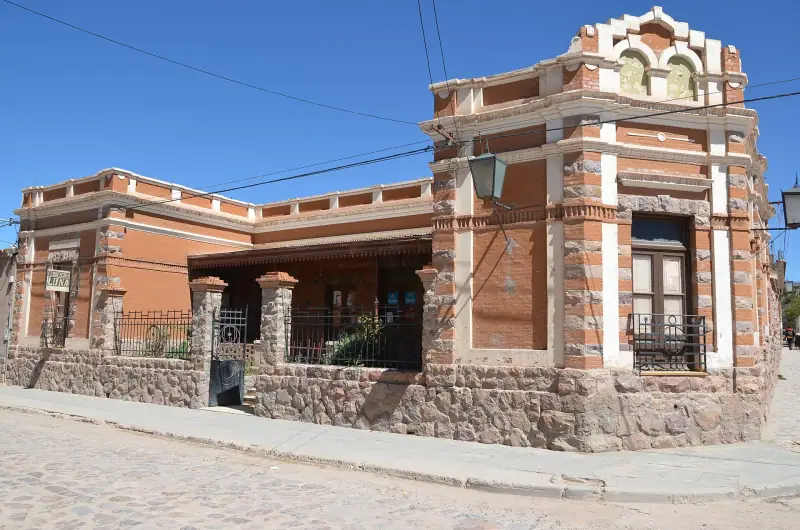
Where to stay in Salta and the Quebrada de Humahuaca: neighborhoods, villages and tips
Where to stay in Salta, Purmamarca, Tilcara, Humahuaca or Cafayate? Neighborhoods, lodging types, altitude, seasons and booking tips.
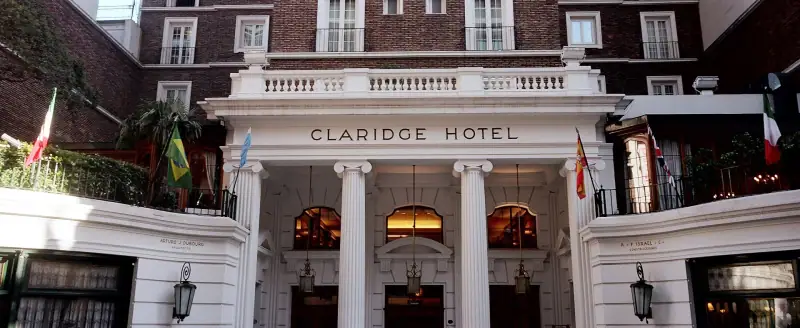
Where to stay in Buenos Aires: which neighborhood to choose for your trip
Palermo, Recoleta, San Telmo, Puerto Madero or Retiro: compare Buenos Aires neighborhoods to choose where to stay by budget, tastes and safety.
Argentina budget: real costs by item and 3 travel profiles
What budget for Argentina? Real costs by item (lodging, transport, meals, activities), three profiles priced per day and tips to spend less.
Ready-made
Argentina itineraries
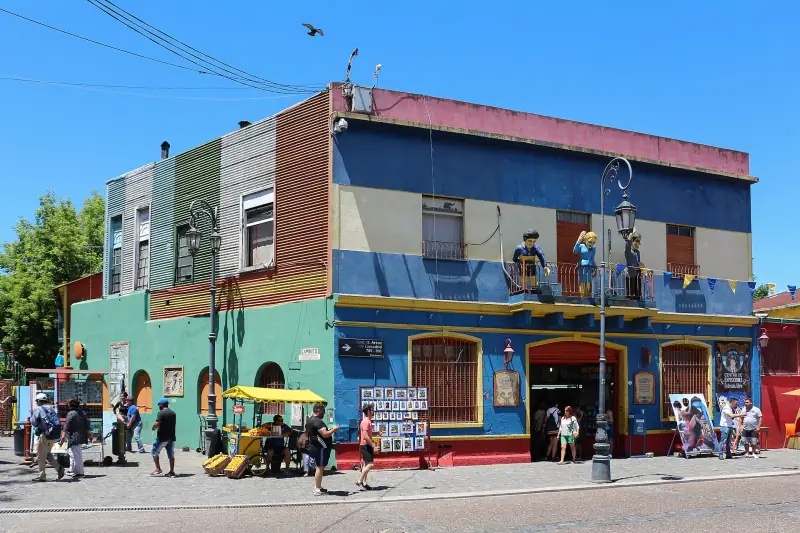
14 days
Argentina in 2 weeks: Buenos Aires, Iguazú, Salta and Mendoza
Buenos AiresPuerto IguazúSaltaMendoza
22 days
Argentina in 3 weeks: Buenos Aires, Iguazú, Northwest, Mendoza, Córdoba and Valdés
Buenos AiresPuerto IguazúSalta and the NorthwestMendozaCórdobaPuerto MadrynBuenos Aires
8 days
Northwest Argentina road trip: Salta, Cafayate, Cachi and Humahuaca in 8 days
SaltaCafayateCachiSaltaPurmamarcaTilcara