What to see
Algarve Travel Guide: Regions, Highlights, Budget and Tips
We may earn a commission when you book through links on this page, at no extra cost to you. We don't visit or try the places we cover: we summarize published sources. How we work
In short
- The Algarve is about 150 km (93 mi) of coast in five moods: Barlavento cliffs, Sotavento lagoon, Sagres and the Costa Vicentina, Faro and Albufeira, and the inland hills.
- A week covers the east, center and west of the coast. With 4 or 5 days, stay in one area, for example Lagos and its surroundings.
- May to June and September to October are often the best balance of weather, sea temperature, prices and crowds.
- A rental car is the most flexible way to reach coves, inland villages and the west coast. Lagos is the most versatile base for a first stay.
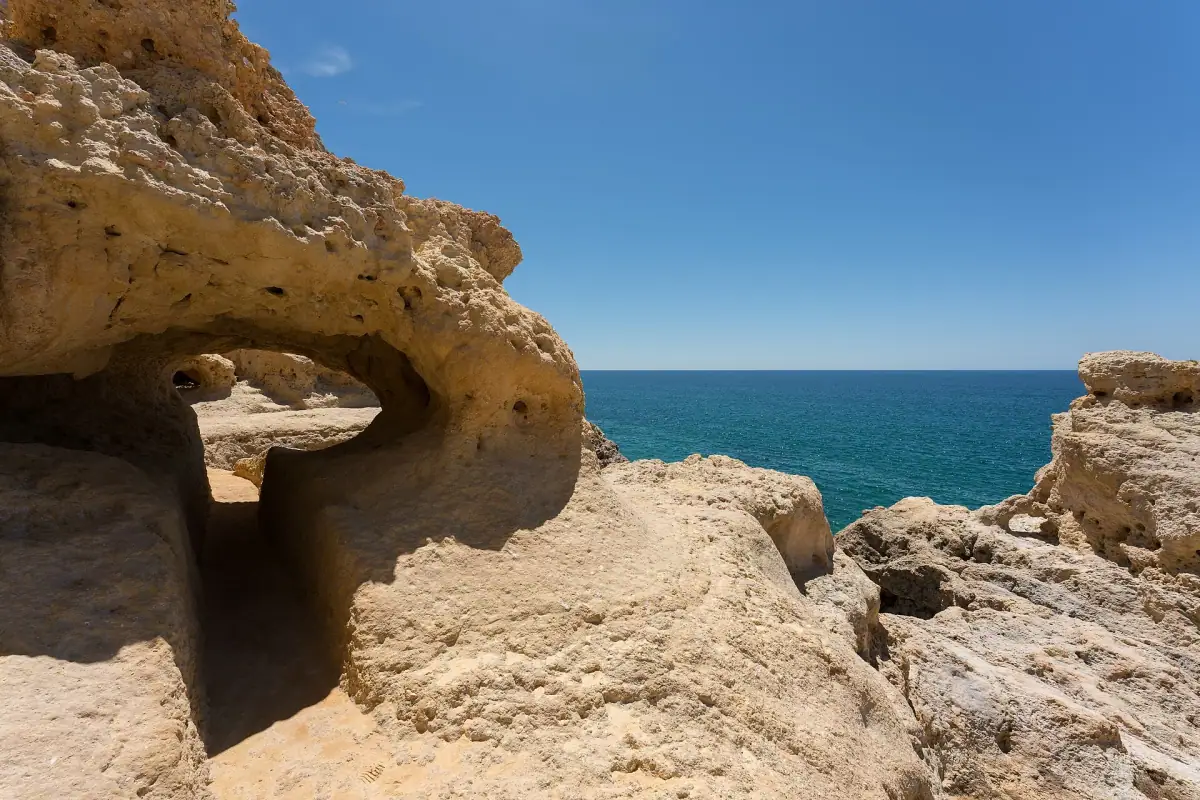
In the south of Portugal, the Algarve packs very different landscapes into a few dozen kilometers: ocher cliffs pierced by arches and caves, long sandy beaches, a protected lagoon, white villages, hills covered in cork oaks and a cape beaten by the Atlantic. The region draws visitors all year, but it pays to plan: the choice of base, the season, the way you get around and the pace of the trip change the experience a lot.
This guide is the main article of the site. It presents the destination, its regions and towns, the highlights, the best time to go, how to get there and around, where to stay and the budget. At each step it points to a detailed article: you can read it in one go or pick what answers your questions.
All our Algarve guides at a glance
Here are all the articles of the site, sorted by theme, to help you navigate.
Planning the trip
- When to go to the Algarve: weather, seasons and best months
- Algarve trip budget: real costs and 3 priced traveler profiles
- Formalities for the Algarve: documents, health, insurance and customs
Where to stay, where to eat
- Where to stay in the Algarve: which town to choose for your trip
- Eating in the Algarve: specialties, markets and good addresses
Planning your itinerary
Visiting the towns and sights
- Visiting Lagos: Ponta da Piedade, beaches and old town
- Visiting Tavira and the Ria Formosa: what to see and do in 2 days
- Visiting Sagres and Cape St. Vincent
- Silves, Monchique and the Algarve hinterland
- The most beautiful beaches of the Algarve: a selection by area
Activities
The Algarve in brief: one coast, five moods
The Algarve is the southernmost region of mainland Portugal. It stretches from west to east over about 150 km (93 mi) of coastline, between Cape St. Vincent at the southwest tip and the Spanish border, marked by the Guadiana River. Its administrative capital is Faro, home to the airport through which the vast majority of visitors arrive.
The region is small: by car, you cross the whole coast in a little over two hours without stopping. But it is far from uniform. It is usually divided into broad zones, which we detail below:
- The Barlavento, in the west: cliffs, coves and sea caves, around Lagos, Portimão and Carvoeiro.
- The Sotavento, in the east: sandy beaches, the Ria Formosa lagoon and barrier islands, around Tavira.
- Sagres and the Costa Vicentina, in the far west: wild coast, wind, surf and hiking.
- Faro and Albufeira, in the center: the gateway and the big lively beaches.
- The inland Algarve: Silves, Monchique and the villages of the interior.
The words Barlavento and Sotavento come from Portuguese nautical vocabulary and mean the windward side and the leeward side. They are still used today to tell the rockier west from the flatter, sandier east.
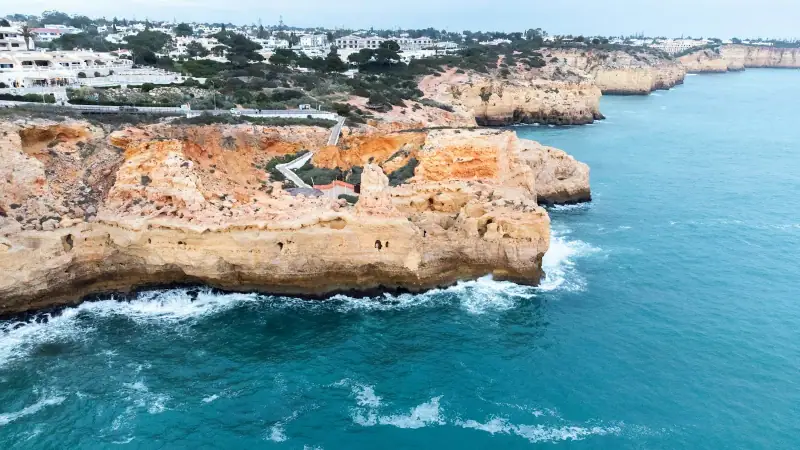
The Barlavento: cliffs, coves and caves
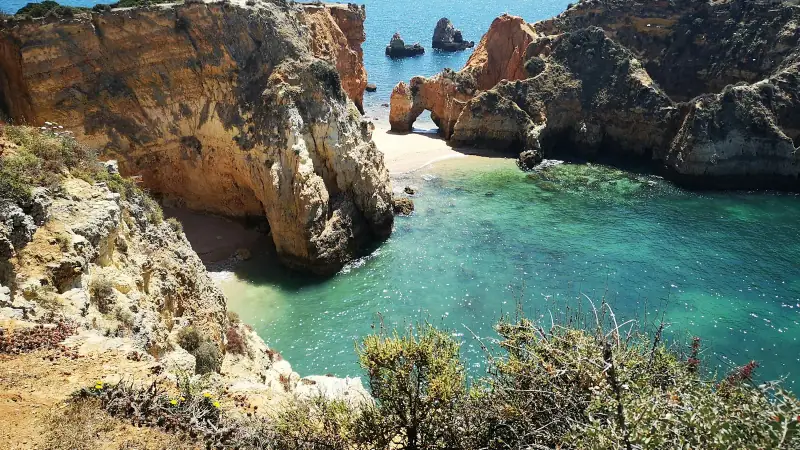
This is the most photographed part of the Algarve, and for good reason. Between Lagos and Carvoeiro, the coast is cut into golden sandstone cliffs, hollowed out with arches, caves and small beaches that can sometimes only be reached by sea. The scenery is more spectacular than on the rest of the coast, and this is where boat and kayak trips are concentrated.
Lagos is the main town of the area. Its historic center, partly enclosed by walls, is pleasant on foot, with its lanes, squares and restaurants. Nearby, Ponta da Piedade and its rock formations are one of the region’s most emblematic sights. We have a full article on the town: visiting Lagos, Ponta da Piedade, the beaches and the old town.
Portimão is the largest town of the area, with a port, many shops and the big beach of Praia da Rocha. It is often cheaper than Lagos for accommodation and remains well connected by road and rail.
Carvoeiro is a small, low-key seaside resort, nestled around a small beach between the cliffs. It is the closest base to Benagil Cave, which has become one of the symbols of the Algarve. Access rules, boat, kayak or paddleboard options and practical tips are detailed in our guide: how to visit Benagil Cave.
For those short on time, the Barlavento is the best compromise: in three or four days you can see cliffs, coves, an old town and a trip out to sea.
Boat trips and activities in the Algarve
Sea trips along the cliffs, kayaking, dolphin watching: compare the activities offered from Lagos, Portimão and Carvoeiro.
The Sotavento: Tavira, the Ria Formosa and the barrier islands
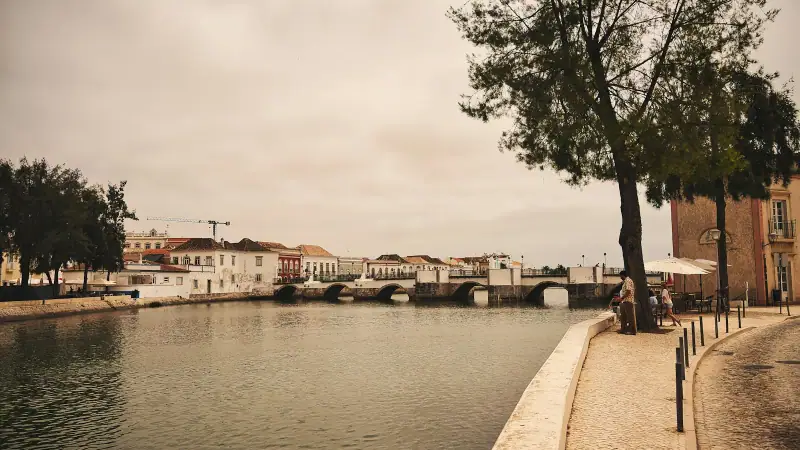
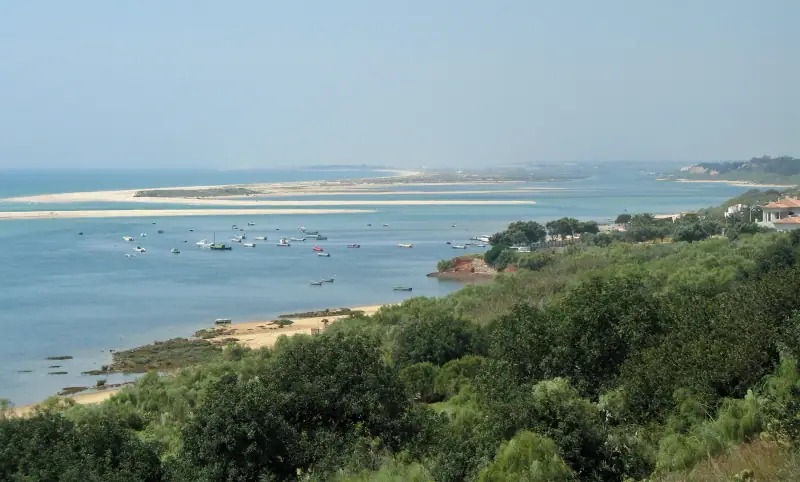
East of Faro, the landscape changes clearly. The cliffs give way to a flat shoreline, bordered by the Ria Formosa, a vast lagoon sheltered by a string of islands and sandbanks. It is a natural park, important for birds, explored by shuttle boat or on an excursion.
Tavira is its main town. It spreads on both sides of the Gilão River, linked by a Roman-style bridge, with a center of white lanes, churches and tiled roofs. The mood is calmer and more authentic than in the big resorts of the west. The beaches are on the island, a few minutes away by boat from town.
Further east, Cacela Velha is a small white village perched facing the lagoon, much appreciated for its quiet. The water is generally calmer and warmer than on the west coast, which appeals to families.
Everything is detailed in our article Visiting Tavira and the Ria Formosa: what to see and do in 2 days, which also offers a two-day plan.
Sagres and the Costa Vicentina: Portugal’s end of the world
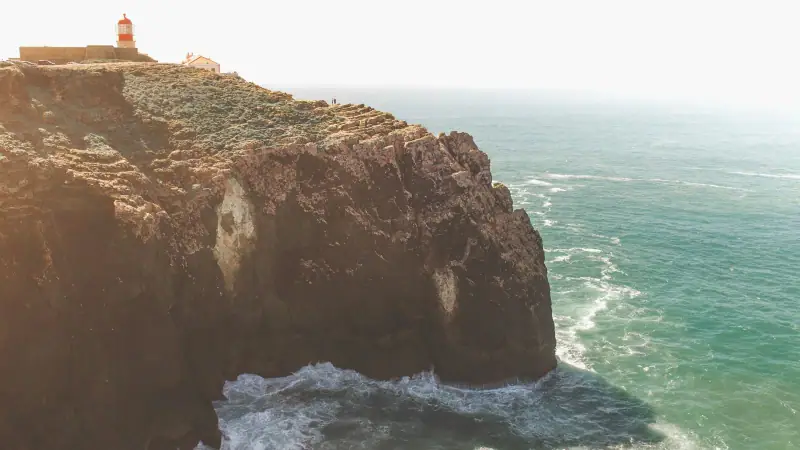
At the southwest tip of the country, the coast becomes wilder. Sagres is a small village dominated by a fortress set on a headland, with the Atlantic and spectacular sunsets as a backdrop. A few kilometers away, Cape St. Vincent and its lighthouse are considered one of the most emblematic points of southwestern Europe.
The Costa Vicentina, which runs north, is protected by a natural park. The cliff trails attract hikers, the beaches of the west attract surfers, and outside summer the mood is clearly less touristy than in the center of the Algarve. The ocean is cooler and more powerful here: swim with caution, paying attention to the flags and lifeguards.
Fortress, lighthouse, beaches and trails are detailed in our guide Visiting Sagres and Cape St. Vincent. Plan on a car: public transport there is limited.
Faro and Albufeira: the gateway and the big beaches
Faro is the regional capital and the arrival point for most travelers. Its walled historic center is easy to visit in half a day, and the Ria Formosa borders the town. Many visitors only spend an arrival or departure night there, but the place deserves a stroll, especially if you are waiting for a flight.
Albufeira, about 40 km (25 mi) from Faro, is the liveliest resort in the Algarve. Old town, beaches below the cliffs, many hotels, restaurants and bars: it is a base popular with families and groups of friends, with nightlife concentrated in certain areas. If you want quiet, check the location of your accommodation before you book.
This central area is also handy for day trips: in one day you can reach Tavira to the east as well as Lagos to the west. To compare these bases in detail, see our comparison of where to stay in the Algarve.
The inland Algarve: Silves, Monchique and the white villages
Many visitors never leave the coast, and that is a pity. A few dozen minutes from the shore, the inland Algarve offers a completely different face: wooded hills, quiet villages, hot springs and a much cooler feel in summer.
Silves was one of the great cities of Portugal in Moorish times. Its red sandstone castle overlooks the town, and its cathedral and lanes are worth a half-day visit. Monchique, in the mountains of the same name, offers wooded scenery and milder temperatures in midsummer; the spa village of Caldas de Monchique, lower down, is a charming spot at the bottom of a small valley.
These stops combine well with a day away from the beach, in case of changeable weather or simply for variety. The detail is in our article on Silves, Monchique and the inland Algarve.
The highlights not to miss
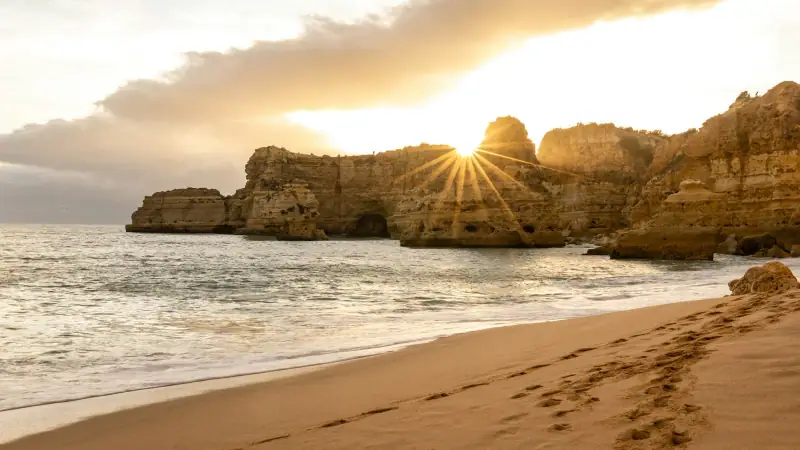
If you only have a few days, these are the experiences that sum up the region best.
- The Lagos coast and Ponta da Piedade: rock formations, caves and coves reached on foot or by boat. See our Lagos guide.
- Benagil Cave: a sea cave open to the sky, reached from the sea. Trips are in high demand in high season, so book ahead. See our Benagil Cave guide.
- The most beautiful beaches: the Algarve has dozens, each with its own personality, from tucked-away coves to huge stretches of sand. Our selection of the most beautiful beaches in the Algarve sorts them by area.
- Tavira and the Ria Formosa: the authentic feel of the east, between old town and lagoon. See Tavira and the Ria Formosa.
- Sagres, the fortress and Cape St. Vincent: for many visitors the most memorable sunset of the trip. See Sagres and Cape St. Vincent.
- Silves and the Serra de Monchique: a break inland. See the inland Algarve.
- The local table: grilled fish, seafood, cataplana, sweets made with almonds and figs. We detail the specialties and markets in Eating in the Algarve.
Do not try to see everything: the Algarve is best enjoyed at a relaxed pace, with one or two big visits a day and time for the beach.
When to go to the Algarve
The Algarve has a Mediterranean climate with many sunny days, but each season has its advantages and limits.
- Spring (March to May): green landscapes, flowers, pleasant temperatures for hiking and sightseeing. The water stays cool; swimming is possible but short. May is often an excellent compromise.
- Early summer (June): the sea warms up, days are long, and crowds stay reasonable before July.
- Summer (July-August): high season. Sun, lively beaches, a festive mood, but the highest prices, full car parks and very busy sites. You need to book well in advance.
- Fall (September-October): many travelers consider this the most pleasant period: the sea has kept its summer warmth, crowds thin out and rates drop.
- Winter (November to February): mild temperatures compared with the rest of Europe, but more rain, more wind and cool water. It is the season of coastal hikes, almond blossom and low rates, with some businesses closed.
We have a full article on this, with advice depending on your priorities: when to go to the Algarve.
Flights to the Algarve
Compare flights to Faro, the region's main airport, for your travel dates.
How to get to the Algarve
By air: Faro Airport (FAO) is the gateway to the region. Connections are more frequent in summer and rarer in winter, so check schedules when you book. From Faro, allow about an hour’s drive to reach Lagos and roughly 30 minutes to Tavira.
Via Lisbon: if flights to Faro are expensive or unavailable, you can land in Lisbon and reach the Algarve by road or public transport. The drive takes about two and a half to three hours depending on the destination and traffic. Long-distance trains and buses also link the two regions.
By car from elsewhere in Europe: it is possible, but the trip is long. Consider it if you travel with a lot of luggage or if you extend your stay with a wider trip across the Iberian Peninsula.
Entry rules: they depend on your passport. Check the official travel advice of your government before you book: travel.state.gov (US), GOV.UK (UK), travel.gc.ca (Canada), Smartraveller (Australia) (checked November 2026). More on documents, health and insurance in the article on formalities for the Algarve.
How to get around the Algarve
A rental car is the most practical way to explore the region. It gives access to remote coves, inland villages, the Costa Vicentina and free schedules. Driving is generally simple, with a coastal motorway (the A22) crossing the Algarve from east to west. Some sections have electronic tolls: ask your rental company how to pay them, as the arrangements have changed over the years. In high season, parking near beaches and in historic centers is difficult, so leave early.
The train runs along the coast and links several coastal towns, including Faro, Albufeira (via a station some distance from the center), Portimão, Lagos and Tavira. It is handy for travel between towns, but does not serve isolated beaches.
Buses complete the network, especially to reach Sagres and villages with no station. Frequencies drop sharply outside summer and in the evening.
Boats: shuttles to the islands of the Ria Formosa, excursions along the cliffs and sea trips are a pleasant way to get around and to see the coast from another angle.
On foot and by bike: the historic centers are compact. Cliff trails let you link several beaches on foot, sometimes over just a few kilometers. The paths of the Costa Vicentina suit experienced hikers well.
Where to stay in the Algarve
The choice of base is the most important decision after the season. Here is a summary, detailed in our comparison of where to stay in the Algarve.
- Lagos: the versatile base for a first stay. Old town, beaches, excursions, many types of accommodation.
- Albufeira: lively, big beaches, a very wide hotel offering, ideal for families and groups.
- Portimão and Praia da Rocha: the widest choice of accommodation, often at more accessible rates.
- Carvoeiro: quieter, close to Benagil and the best sights of the area.
- Tavira: authentic, quiet, with the lagoon and islands nearby.
- Faro: handy for a late arrival or an early departure.
- Sagres: surf, nature and wide open spaces, with a more modest choice of accommodation.
Accommodation types are varied: hotels, apartments with a kitchen, guesthouses, tourist residences, hostels and campsites. In July-August, book several months ahead; off season, you can decide later and find good deals. Also think about the exact location: distance to the beach, noise, parking and stairs often make the difference.
Places to stay in the Algarve
Compare hotels, apartments and guesthouses in the region for your dates and budget.
Budget: how much a trip to the Algarve costs
The Algarve remains generally more affordable than many seaside destinations in Western Europe, but the budget varies strongly with the season. The three main items are accommodation, transport and food.
- Accommodation weighs the most, and it is the item that varies the most: prices are much higher in July-August than in spring or fall. An apartment with a kitchen can cut the bill, especially for families.
- Transport depends on the mode chosen: a rental car (fuel and tolls extra), or train and bus if you stay in a served area. Booking early helps contain the price of flights and cars.
- Food can stay reasonable: markets, small neighborhood restaurants and set lunch menus are good benchmarks, while seafront places cost more.
- Activities: many sites are free (beaches, trails, villages), while boat trips, excursions and some visits are paid.
For figures, three traveler profiles and money-saving tips, see our article Algarve trip budget. There we detail real costs rather than rough averages.
Eating in the Algarve: a word on the table
Algarve cuisine looks to the sea: grilled fish, seafood, sardines in season, and the cataplana, a dish stewed in a two-shell copper pot, usually made with fish and seafood. For dessert, almonds, figs and eggs feature in many traditional sweets. The region’s wines are also increasingly appreciated.
Municipal markets are a good way to discover local products and eat well without spending much. Our article Eating in the Algarve details the specialties and local habits.
For a guided taste of local food, a tasting or a cooking class are also good options.
Tastings and food tours in the Algarve
Discover local food with a guide: tastings, food tours and cooking classes.
Which itinerary to choose by length of stay
Here are a few benchmarks to build your trip. They are indicative: adjust them to your pace and season.
3 to 4 days: choose a single base, preferably Lagos or Carvoeiro, and explore the cliffs, coves and Benagil Cave, with half a day in town. That is enough for a first look.
5 to 7 days: combine two bases, for example Tavira or Faro in the east and then Lagos in the west, with an excursion to Sagres. The 7-day road trip from east to west offers a complete plan, step by step.
10 days to 2 weeks: add the inland Algarve (Silves, Monchique), the Costa Vicentina, coastal hikes and rest days. At this pace, you can change base three times without getting tired.
Whatever the length, avoid multiplying trips: the region is compact, but secondary roads, parking and summer crowds can slow down the day.
Practical tips to prepare your trip
A few simple points avoid unpleasant surprises.
- Money and payment: Portugal uses the euro. Bank cards are accepted almost everywhere, but a little cash is still useful for small shops, markets and some car parks.
- Sun and heat: in summer, protect yourself from the sun (sunscreen, hat, water). On cliff trails, leave early and carry enough water.
- Safety by the sea: respect the beach flags, keep away from the cliff edge, as some cliffs are unstable, and follow the posted instructions. Boat and kayak excursions should be done with licensed operators.
- Beaches and tides: some small beaches can shrink or be cut off at high tide. Check before settling into an isolated cove.
- Phone: check your carrier’s international plan or use a travel eSIM.
- Health and insurance: consider travel insurance. Ask your doctor or a travel clinic, and see the official travel health pages (CDC in the US, TravelHealthPro in the UK). Details on documents are in the article on formalities for the Algarve.
- Language: Portuguese is the local language. In tourist areas, English generally gets you by, and a few polite words in Portuguese are always welcome.
- Reservations: in high season, book accommodation, car and the most popular excursions, such as those to Benagil, in advance.
- Respect for the environment: the Ria Formosa and the Costa Vicentina are protected natural areas. Stay on the trails, take your trash with you and avoid disturbing wildlife.
Our advice: making the most of your stay
For a first trip, our advice is simple: pick Lagos or Carvoeiro as a base, go in May-June or September-October, rent a car for at least a few days and keep some free time. Add a boat trip to see the cliffs from the water, a day in Tavira or the Ria Formosa for the feel of the east, and a sunset at Sagres to finish.
If you come back, explore what many people miss: the inland Algarve, the trails of the Costa Vicentina, the villages off season. The Algarve is often reduced to its beaches; it has much more to offer to those who take the time to move away from the shore.
To continue your preparation, here are the most useful next steps: choose the season, set the budget, book the right base and build the itinerary. Enjoy your trip!
Frequently asked questions
How long do you need to visit the Algarve?
A week lets you see the essentials: 7 days cover the east, center and west of the coast. With 4 or 5 days, focus on one area, for example Lagos and its surroundings. Ten days to two weeks leave time to add the inland Algarve, the Costa Vicentina and beach days without rushing.
What is the best time to visit the Algarve?
May-June and September-October are often the most balanced: pleasant weather, pleasant water in late summer, lower prices and fewer people than in July-August. Winter is mild but rainier and the water is cool. The month-by-month detail is in our guide to the best time to go.
Do you need to rent a car in the Algarve?
It is the most flexible way to reach the coves, the inland villages and the west coast. Without a car, you can stay in a well-served town such as Lagos, Faro, Tavira or Albufeira and add trains, buses and organized excursions.
Do you need a visa or a passport to visit the Algarve?
Entry rules depend on your passport. Check the official travel advice of your government before you book: travel.state.gov (US), GOV.UK (UK), travel.gc.ca (Canada), Smartraveller (Australia) (checked November 2026).
Is the Algarve good for families?
Yes, it is one of the most family-friendly destinations in southern Europe: wide sandy beaches, calm water in the Barlavento and Sotavento, many places to stay with a kitchen and a variety of activities. On the west coast, waves and wind call for more care with young children.
Can you swim all year in the Algarve?
Swimming is comfortable from June to October. In spring the air is pleasant but the water stays cool, and in winter few visitors venture in. The water is generally cooler on the west coast than on the south coast.
Which town should you pick for a first stay?
Lagos is the most versatile base: historic center, coves, boat trips and good connections. Tavira suits you if you want a more authentic feel, and Albufeira if you want lively nights and big beaches.
More Algarve guides
Keep reading
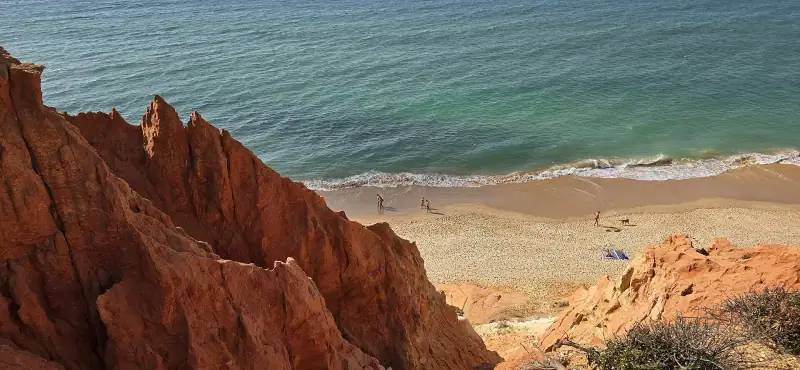
The Most Beautiful Beaches in the Algarve: A Selection by Area
The best beaches in the Algarve: Lagos coves, Carvoeiro cliffs, Ria Formosa islands and the wild west coast. Where to go depending on what you want.
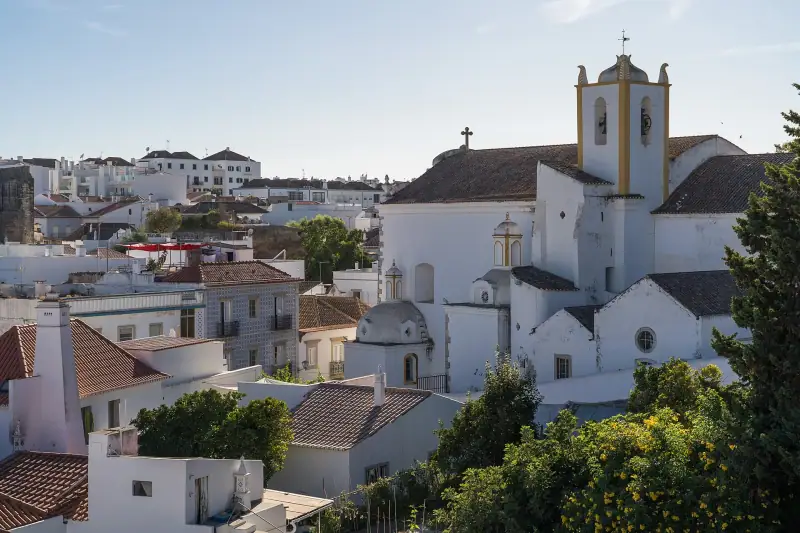
Visiting Tavira and the Ria Formosa: What to See and Do in 2 Days
What to see in Tavira and the Ria Formosa? Historic center, bridge, barrier islands, Cacela Velha and practical tips to plan your visit in the Algarve.
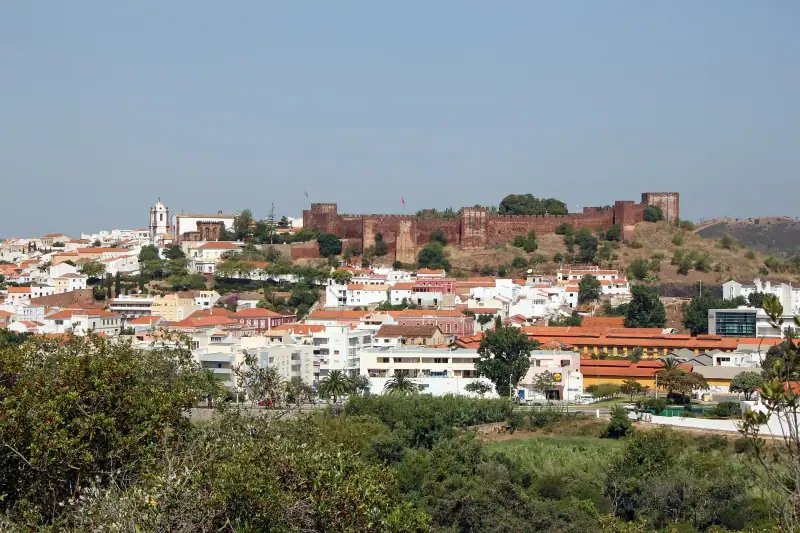
Silves, Monchique and the Inland Algarve: What to See
Away from the beaches, the inland Algarve: Silves Castle, Serra de Monchique, Alte and Loulé. What to see, how to get there and how to plan the day.
Ready-made
Algarve itineraries
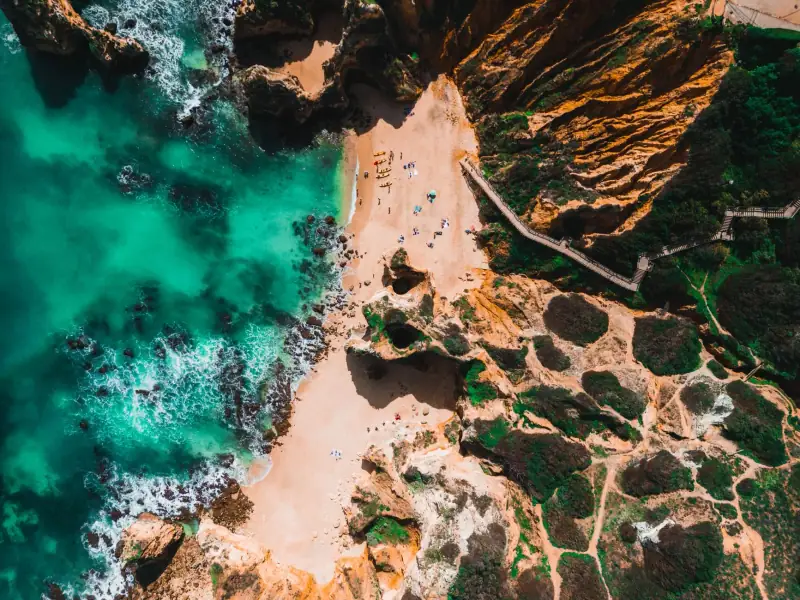
3 days
4 days
7 days
Algarve Road Trip: A 7-Day Itinerary from East to West
A 7-day Algarve road trip from Faro to Sagres: stops, distances, beaches, white villages and tips for driving and sleeping along the coast.