Itineraries
Algarve in 4 Days Without a Car: A Realistic Train and Bus Itinerary
We may earn a commission when you book through links on this page, at no extra cost to you. We don't visit or try the places we cover: we summarize published sources. How we work
Day by day: 4 days by train and bus
- Day 1Arrive in Faro, settle in Tavira, evening walk
- Day 2Beach on a Ria Formosa island, lagoon walk
- Day 3Train to Lagos, old town, Ponta da Piedade at sunset
- Day 4Boat trip to the caves, or bus to Sagres
Where to sleep
- Tavira2 nights
- Lagos2 nights
Estimated budget
$220 – $360 per person (€200 – €330)
For 2 travelers sharing a double room, with mid-range lodging.
| Item | Per person |
|---|---|
| Lodging | $150 – $230 |
| Paid visits | $74 – $140 |
Not included: international flights, meals, local transport and insurance.
In short
- The train runs along almost the whole coast, from Vila Real de Santo António to Lagos; Sagres is a bus ride of about 1 h from Lagos.
- This 4-day plan uses two bases only: Tavira (2 nights) and Lagos (2 nights).
- Tavira to Lagos is about 110 km (68 mi), 2 h 30 to 3 h with a change at Faro or Tunes: day 3 is the longest travel day.
- Wild coves, the inland area and Cape St. Vincent are hard to reach without a car: replace them with boat trips or organized excursions.
“Do you absolutely need a car to visit the Algarve?” No, but you have to accept working with the geography. The region stretches over about 150 km (93 mi) of coast, and the railway runs along almost all of it, from Vila Real de Santo António in the east to Lagos in the west. What remains out of the train’s reach are the wild coves and Cape St. Vincent. This 4-day itinerary is built around only two bases, Tavira then Lagos, to limit moving suitcases and connections.
The principle: two bases and a rail axis
For four days, two nights in the east and two nights in the west are enough. Distances are short, but public transport journey times are longer than by car.
| Stage | Approximate distance | Public transport journey |
|---|---|---|
| Faro Airport → Faro station | a few km | 15 to 25 min (city bus, taxi) |
| Faro → Tavira | about 30 km (19 mi) | about 40 min by train |
| Tavira → Lagos | about 110 km (68 mi) | 2 h 30 to 3 h, with a change at Faro or Tunes |
| Lagos → Sagres | about 35 km (22 mi) | about 1 h by bus |
| Lagos → Ponta da Piedade | about 3 km (1.9 mi) | 40 min on foot or a few minutes by taxi |
Schedules change with the season: check them on the day on the website of the railway company Comboios de Portugal and on those of the bus operators (Rede Expressos, Vamus). On Sundays, service is reduced: avoid making it your main transfer day.
Flights to Faro
Landing in Faro simplifies everything: the station is within reach by bus or taxi.
Day 1: arrival in Faro and settling in Tavira

Ideally, land in Faro in the morning. Get to the station, leave your luggage at your accommodation in Tavira, or in a luggage storage service if you arrive too early, then enjoy the afternoon.
In Tavira, you can do everything on foot: the Roman bridge, the castle, the white lanes and the churches. In the evening, a walk along the Gilão River is enough to set the tone, with no imposed pace.
Sleeping in Tavira rather than Faro is a comfort choice: the town is calmer, prettier in the evening, and the station remains in the center. Our guide on where to stay in Tavira details the neighborhoods.
Hotels in Tavira
Choose accommodation near the station and the center so you can do without a taxi.
Day 2: Ria Formosa and a car-free beach
The beaches of the east are on barrier islands, reached by water taxi or ferry from town or from the small neighboring landing stages. That is even an advantage: no parking question. Plan a beach day, a walk in the Ria Formosa natural park, and a lunch of grilled fish.
The details (landing stages, islands, seasonality of crossings) are in our guide to visiting Tavira and the Ria Formosa. Connections depend on the season: find out the last return of the day.
If you have the energy, a late-afternoon visit to the salt pans and bird-watching spots rounds off the day, with no extra transport.
Day 3: transfer to Lagos and cliffs
This is the longest day in transport: allow about 3 hours of travel from Tavira to Lagos. Leave early to arrive in the early afternoon. The train trip runs along the coast and passes through Faro, Albufeira and Portimão; a change is often needed.
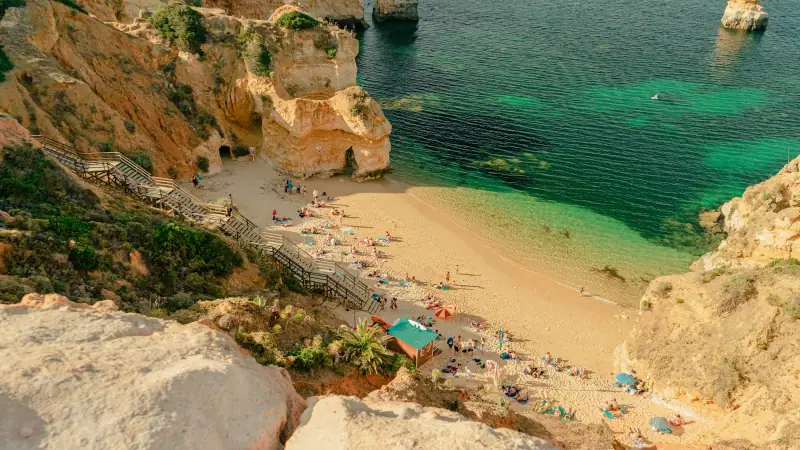
Once settled in Lagos, do not push it: the old town, the harbor and the walls are covered on foot. Finish at sunset at Ponta da Piedade, about 3 km (1.9 mi) from the center: you get there on foot along the coast, with viewpoints and stairs down to the cliffs. See our guide to visiting Lagos and Ponta da Piedade.
Hotels in Lagos
The historic center lets you do everything on foot, stations included.
Day 4: caves by boat or Sagres by bus
Two options, depending on what you prefer, to choose the day before by checking the weather and swell.
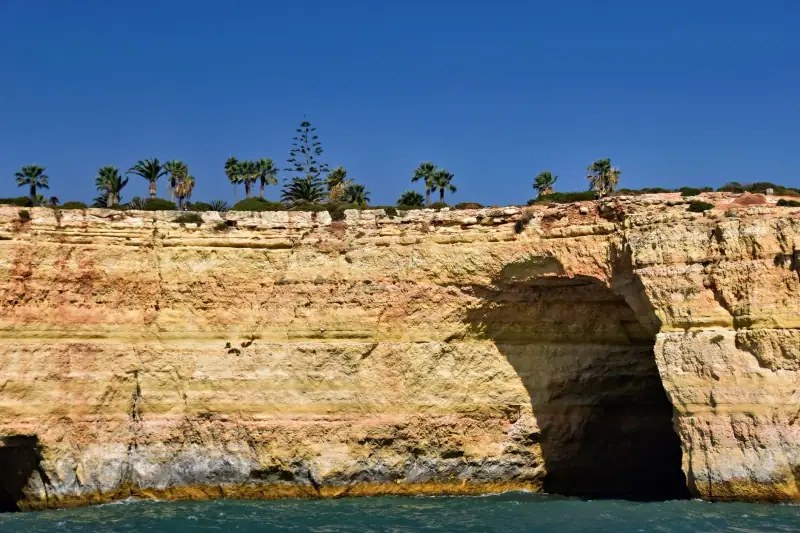
Option A, the sea: a boat trip from Lagos to the caves and cliffs, with a swim. It is the best substitute for a car to see the coves that the road does not serve. The details of the options are in our article on Benagil Cave.
Boat trip to the caves
Excursions from Lagos: transport is included, no car needed.
Option B, the end of the world: a bus from Lagos to Sagres (about 35 km / 22 mi, about 1 h) lets you spend the day on the western tip. The fortress and Cape St. Vincent are a few kilometers from each other, and a taxi or a group excursion links the two. Our guide Sagres and Cape St. Vincent details what to see. Be sure to check the time of the last bus back.
What does not work without a car
Let us be honest: some sites remain poorly served. The inland area (Silves, Monchique), the wild beaches of the Vicentine coast and the coves of the center are hard to reach by public transport. For these places, favor an organized excursion over an improvised trip.
If these visits matter more to you than freedom of movement, compare with our 7-day road trip: a car makes sense from 5 or 6 days.
Practical tips
- Light luggage: connections and cobbled streets do not go well with a big suitcase.
- Tickets: buy them at stations or in the official apps, and validate them if the system requires it.
- Taxis and ride-hailing: useful for the last kilometers and late transfers; check fares before getting in.
- Season: in spring and fall, transport options are easier to figure out and trains less crowded. See when to go to the Algarve.
Guided excursions
For the inland area and the Vicentine coast, an organized trip avoids the transport hassle.
Budget and insurance
Without a car, the heaviest item remains accommodation: expect two nights in Tavira and two nights in Lagos, with a clear difference in rates between summer and the shoulder season. Public transport, for its part, costs little: a few euros per trip by train or regional bus, to be checked on the operators’ websites. Add boat excursions, taxis for the last kilometers and meals, and you get a stay noticeably cheaper than with a rental, fuel and tolls included, especially for a solo traveler.
Our Algarve budget gives ranges. Travel insurance remains worth considering for your trip.
Frequently asked questions
Can you visit the Algarve without a car in 4 days?
Yes, as long as you stick to the coastal axis. The train links Lagos, Portimão, Albufeira, Faro and Tavira, and buses complete the network toward Sagres. Isolated coves and the inland area remain hard to reach without a vehicle: replace them with boat trips or minibus excursions.
What is the best base for going without a car?
Lagos is the most practical: train station, bus station, beaches on foot, boats to the caves and buses to Sagres. Tavira is an excellent second base in the east, calm and linked to Faro by train.
How do you get from Faro Airport to the town center without a car?
The airport is a few kilometers from the center. A city bus, a taxi or a ride-hailing car can take you to Faro station, from where trains leave for the east and west. Check up-to-date schedules and fares before you go.
Are trains in the Algarve frequent?
The regional line serves the coast with a train roughly every one to two hours depending on the section, with fewer departures in the evening and on Sundays. Check the official timetable for the day of your trip rather than relying on a theoretical frequency.
How can you see Benagil Cave without a car?
The simplest is to book a boat trip from Lagos, Portimão or Carvoeiro: transport is included and you avoid the parking question. See our dedicated guide to the cave for the different options.
Do you need to book buses in advance?
In high season (July-August), yes for long-distance routes and trips to Sagres, where seats are limited. Outside summer, buying your seat on the day is generally possible, but it costs nothing to check the day before.
How much does the Algarve cost without a car?
Public transport is cheap: allow a few euros per trip by train or regional bus. The transport budget for 4 days stays clearly below a car rental, fuel and tolls included, especially if you travel alone.
More Algarve guides
Keep reading
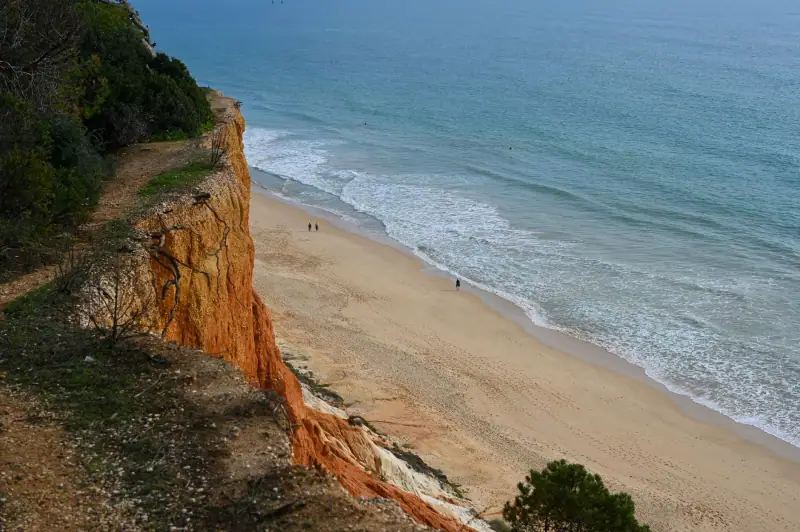
Algarve Trip Budget: Real Costs and 3 Priced Traveler Profiles
What budget for the Algarve? Real costs by item (stay, transport, meals, activities), three priced profiles and tips to spend less.
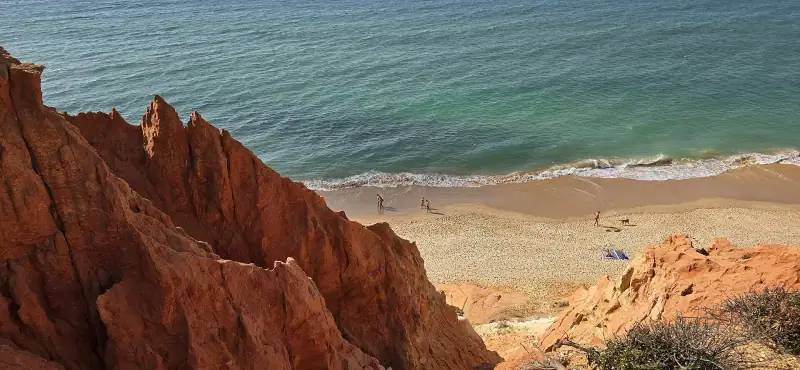
The Most Beautiful Beaches in the Algarve: A Selection by Area
The best beaches in the Algarve: Lagos coves, Carvoeiro cliffs, Ria Formosa islands and the wild west coast. Where to go depending on what you want.

Visiting Tavira and the Ria Formosa: What to See and Do in 2 Days
What to see in Tavira and the Ria Formosa? Historic center, bridge, barrier islands, Cacela Velha and practical tips to plan your visit in the Algarve.
Ready-made
Algarve itineraries
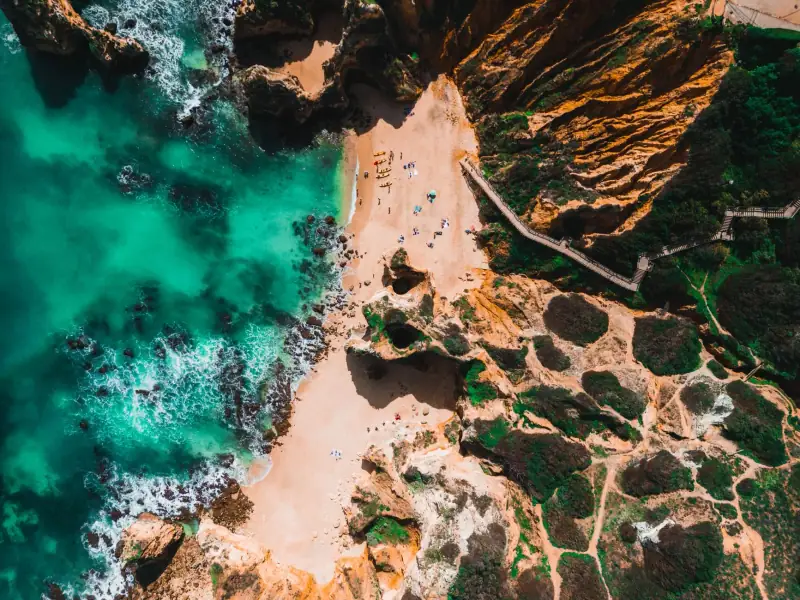
3 days
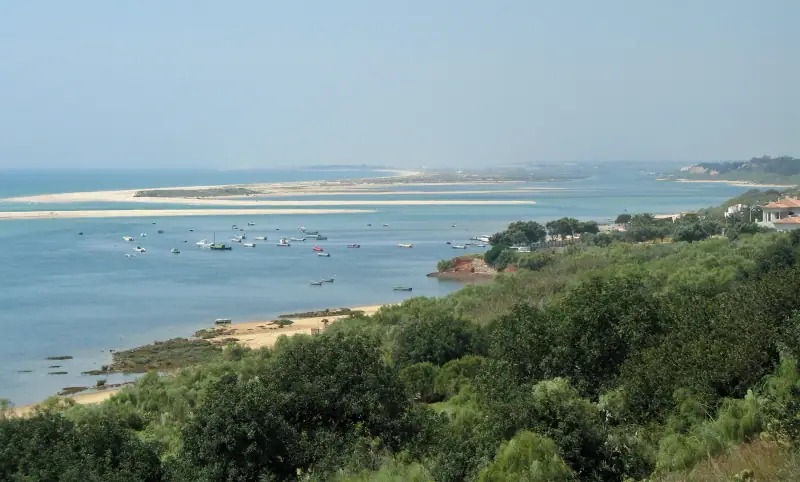
7 days
Algarve Road Trip: A 7-Day Itinerary from East to West
A 7-day Algarve road trip from Faro to Sagres: stops, distances, beaches, white villages and tips for driving and sleeping along the coast.