What to see
The Most Beautiful Beaches in the Algarve: A Selection by Area
We may earn a commission when you book through links on this page, at no extra cost to you. We don't visit or try the places we cover: we summarize published sources. How we work
In short
- Lagos and Carvoeiro have the most spectacular coves, arches and cliffs; Albufeira and Portimão have big, well-equipped beaches for families.
- East of Faro, the Ria Formosa islands off Tavira have long, calm sandy beaches reached by shuttle boat.
- The west coast around Sagres is wilder, with surf, wind and stronger waves; swim with caution and respect the flags.
- Swimming is best from June to September, and the Atlantic is generally cool, cooler on the west coast than on the south coast.
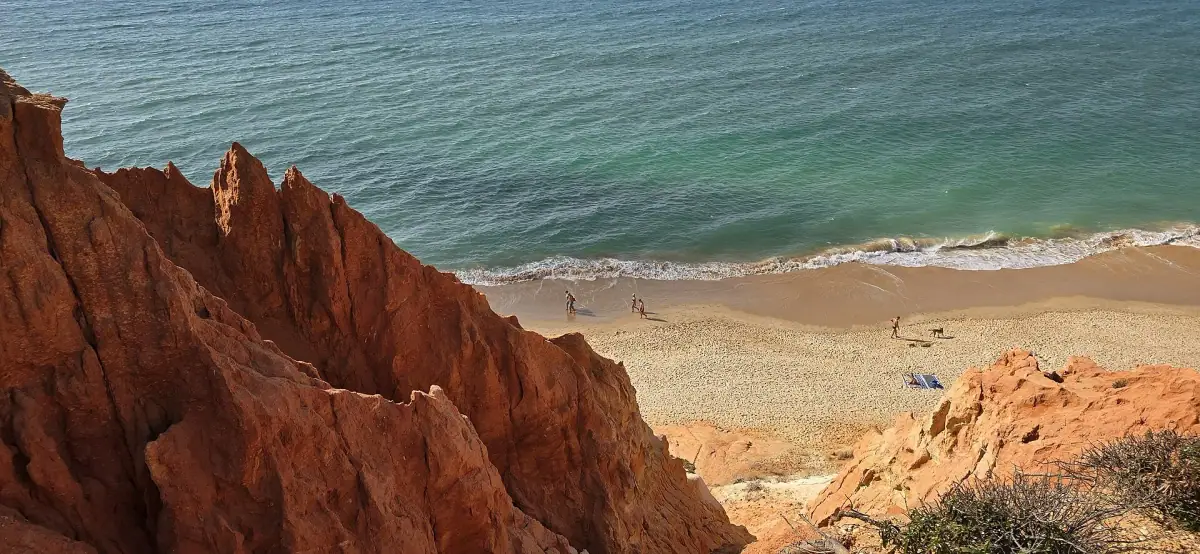
Golden cliffs, arches sculpted by the ocean, coves barely wider than a towel, long ribbons of sand facing the lagoon: the Algarve has something for almost every kind of swimmer. This variety comes from geography. In the west, the Barlavento lines up ocher sandstone cliffs cut into small bays; in the east, the Sotavento unfolds flatter, longer beaches; right at the end, the coast of Sagres and the Costa Vicentina face the Atlantic unfiltered. Here is a selection, area by area, to choose where to lay your towel.
Lagos and its coves: the most spectacular setting
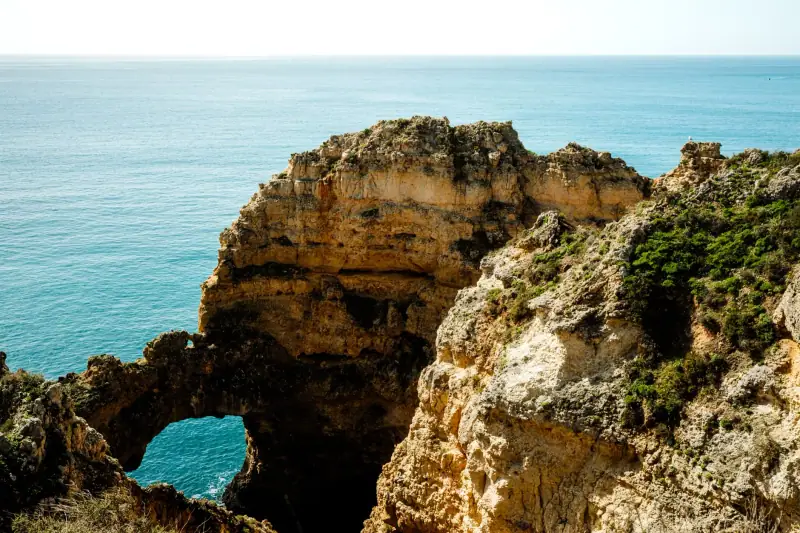
Around Lagos, the coast is a festival of golden rock. It is the place to go if you like unusual scenery and accept sharing the sand in high season.
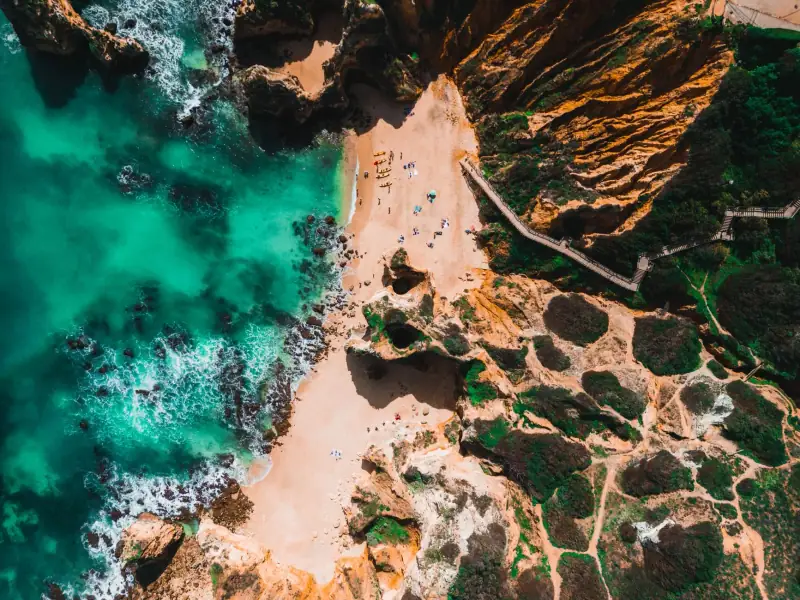
Praia Dona Ana is one of the best known: a bay framed by cliffs, a short distance from the town center, with clear water and rocks that make you want to get out your mask and snorkel. It is easy to reach, which explains its crowds. A little further, Praia do Camilo is famous for its long wooden staircase going down to a small cove nestled between the cliffs. The view from the top of the steps is worth the detour on its own, but remember to climb back up with your belongings and your water.
Nearby, Ponta da Piedade is not strictly a beach, but a headland of rocks, arches and sea caves that you admire from the cliff trails or, better, from the sea. Boat or kayak trips from Lagos give access to coves that cannot be reached on foot.
A few practical tips: arrive early in the morning in summer, as the small beaches fill up fast, and avoid settling too close to the foot of the cliffs, some areas of which are unstable. Always respect the signs and markings in place.
Stay in Lagos, near the most beautiful coves
Compare hotels, apartments and guesthouses in Lagos for your dates.
Carvoeiro and Portimão: cliffs, arches and big beaches
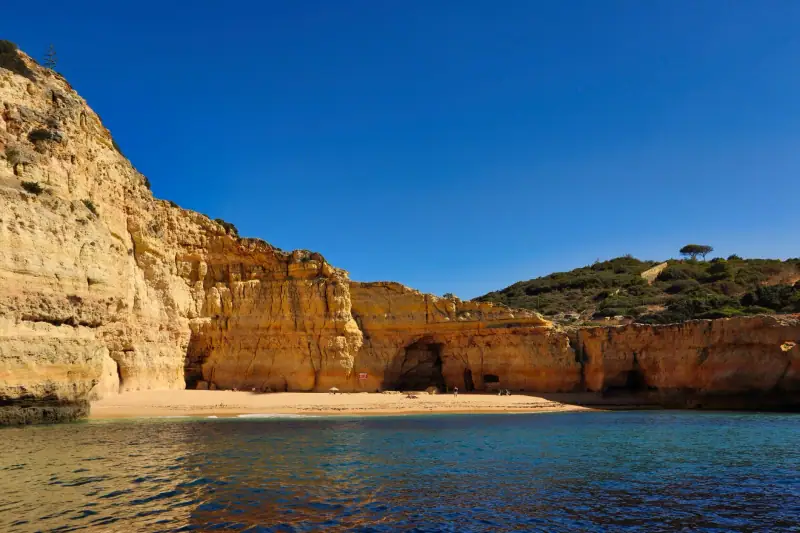
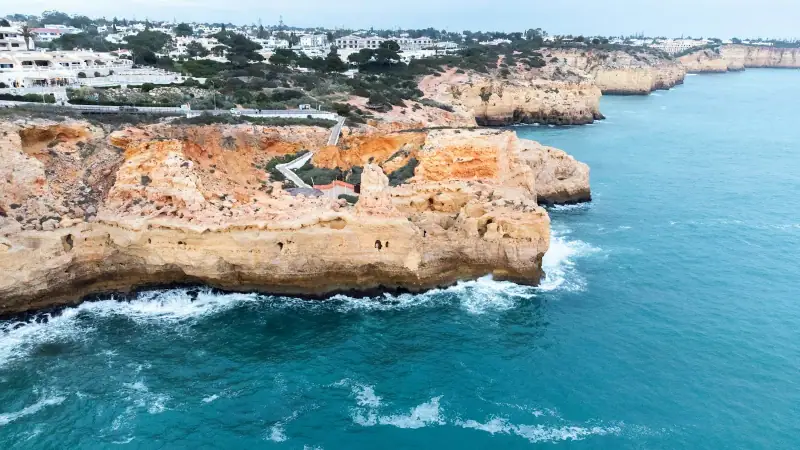
Between Portimão and Albufeira, the coast offers two very different faces. Around Carvoeiro, you find the ocher cliffs and turquoise water that made the region’s reputation. Praia da Marinha is often cited among the most beautiful beaches in Portugal: eroded rocks, arches, crystal-clear water and a cliff trail with superb viewpoints. It takes a little effort to get down to the sand, but it remains very accessible overall.
In the same area, Carvoeiro’s small beach, tucked into a notch in the cliff, is perfect if you like the feel of a seaside village where you do everything on foot. It is also the closest base to Benagil Cave: we detail access, rules and the different ways to visit it in our Benagil Cave guide.
In Portimão, Praia da Rocha changes register: it is a very large beach of golden sand, lined with cliffs and a full-fledged seaside resort with restaurants, shops and nightlife. It appeals to families and to those who want services within reach. For a quieter stay, favor Carvoeiro; for life and choice, Portimão.
Albufeira and the center: the family classic
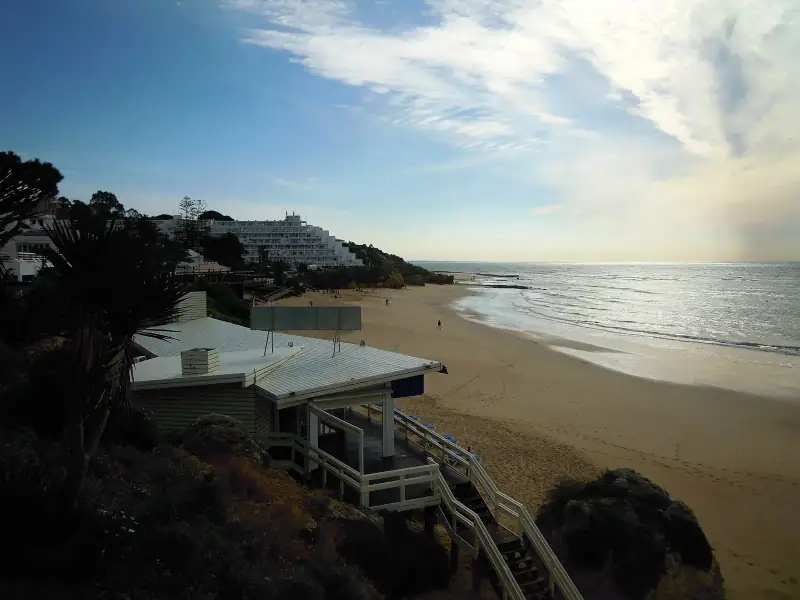
In Albufeira, the beaches slip in below the old town, with easy access and plenty of services. It is one of the liveliest resorts in the Algarve, very busy in summer. If you travel with young children and want big, equipped beaches, nearby restaurants and water activities, it is a practical choice.
East of Albufeira, other long beaches lined with red cliffs, like Praia da Falésia, offer a more open and often calmer setting, with particularly contrasting colors at sunset. Fans of long walks along the water will be happy there.
Our advice: choose this area for ease and infrastructure more than for solitude. For a more intimate stay, look instead toward Lagos, Carvoeiro or the Sotavento. We compare the bases in our guide where to stay in the Algarve.
Tavira and the Ria Formosa: sandy beaches on the islands
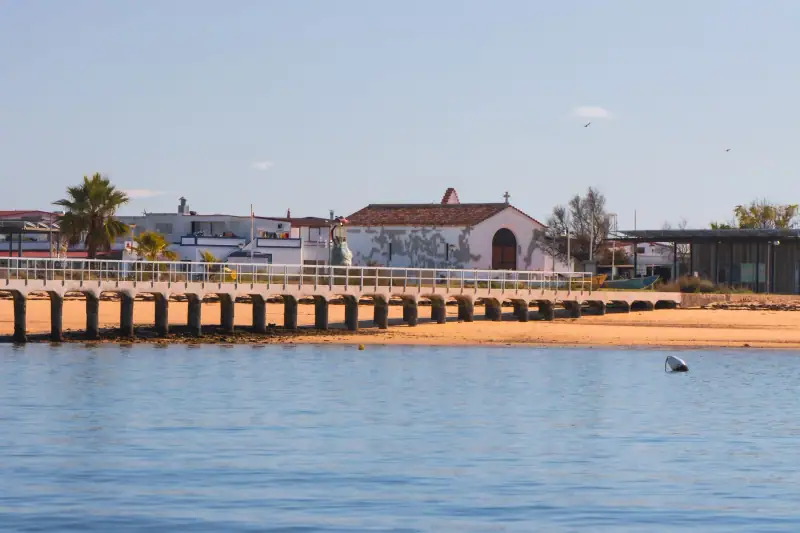
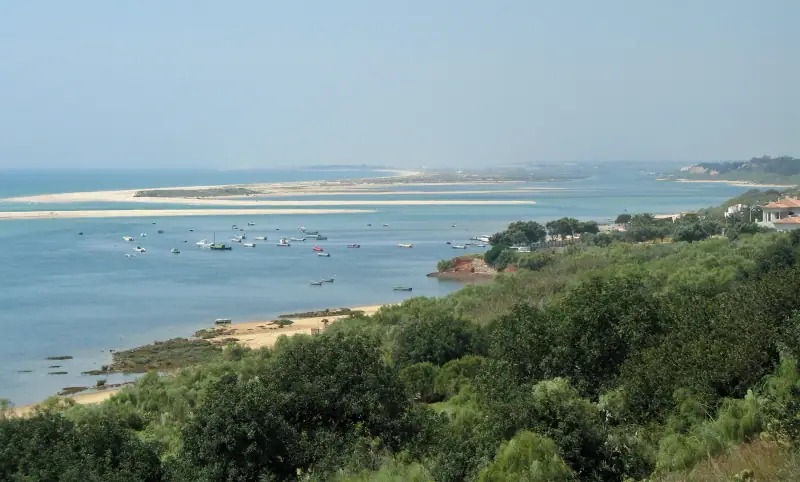
In the east, the scenery changes completely. Off Tavira, the Ria Formosa forms a system of lagoons, channels and sandy barrier islands protected as a natural park. The beaches are on these islands: you reach them by a small shuttle boat from Tavira or from a neighboring landing stage, which adds to the sense of getting away.
The result? Long stretches of pale sand, few cliffs, a clear horizon, and a calmer atmosphere than on the coast of coves. Praia da Ilha de Tavira is the best known in the area: it is ideal for families, walkers and those who prefer space to hidden little bays. The water is often a little milder than on the west coast. From Olhão, the ferry also goes to Armona, Culatra and Farol: our guide to the islands of the Ria Formosa compares the three.
The islands of the Ria Formosa also shelter fragile nature, with flora and birds to preserve. Stay on the paths, leave no trash, and check the shuttle schedule so you do not miss the last return. Tavira itself deserves a stroll: white lanes, an old bridge and an atmosphere far less noisy than the big resorts.
Explore the Ria Formosa by boat
Guided trips in the lagoon and to the barrier islands of the Algarve.
Sagres and the Costa Vicentina: the wild coast
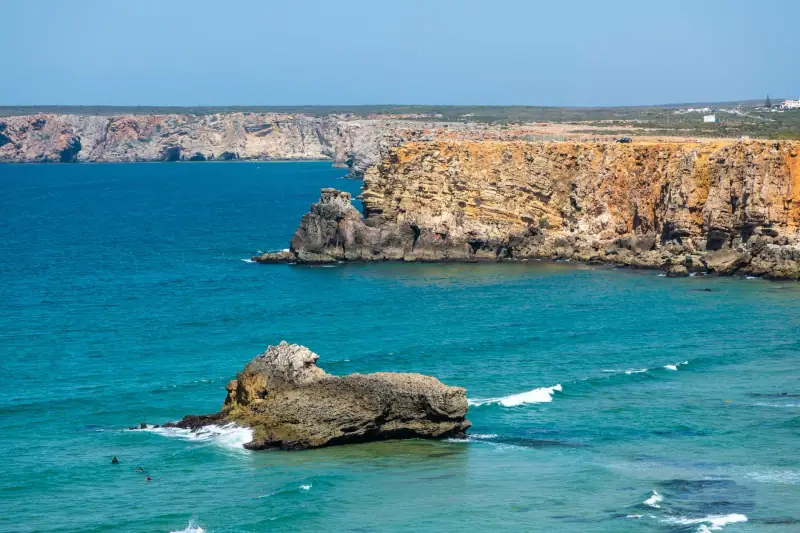
In the far west, the Algarve becomes rougher and more authentic. Around Sagres, wind, swell and cliffs beaten by the Atlantic give the coast a completely different face. This is the territory of surfers, hikers and lovers of wide open spaces.
The beaches on this side are wilder and less developed: you come for the scenery, the waves and the feeling of being at the end of Europe. Praia do Amado, on the west coast, is a reference for surfing and has schools for beginners and experienced surfers alike. Swimming there calls for caution: currents, waves and wind can make the sea more demanding than on the south coast. Respect the flags and the lifeguards’ instructions where they are present.
In Sagres, several small sheltered beaches also allow swimming in better conditions, depending on the wind direction. The simplest is to look at the day’s marine forecast and choose the exposed or sheltered beach accordingly. The sunset view over the cliffs of the cape is a highlight, even for those who do not swim.
This part of the coast is most pleasant to explore by car: distances between beaches are short, but public transport is infrequent. As a base, Lagos is a good compromise, as it lets you range east as well as west in a day.
How to choose your beach by profile
To sum up, here is a simple benchmark depending on what you want:
- Photos and spectacular scenery: Lagos and Carvoeiro, with their coves, arches and cliffs.
- Families and services nearby: Albufeira and Portimão, with long, very well-equipped beaches.
- Quiet and big spaces of sand: the Ria Formosa islands, off Tavira.
- Surf, wind and wild nature: Sagres and the Costa Vicentina.
A few rules apply everywhere. Come early in July and August, as the small beaches fill up quickly. Bring water, a hat and sunscreen, as shade is rare. Keep in mind that the ocean is cooler than the Mediterranean. Finally, respect safety instructions, especially at the foot of cliffs and when flags signal dangerous seas.
You can also combine several areas: the Algarve is easy to travel, and a rental car lets you change beach depending on the weather and wind. For trips from Faro, allow about an hour’s drive to reach Lagos, depending on traffic. Arriving via Lisbon? Simply allow more time to reach the south coast.
Places to stay in the Algarve
Find accommodation near the beach for your dates and budget.
Frequently asked questions
What is the most beautiful beach in the Algarve?
It all depends on what you are looking for. Praia da Marinha, near Carvoeiro, is one of the most photographed for its cliffs and arches. Praia do Camilo, in Lagos, charms with its coves. For a big, calm ribbon of sand, the barrier islands off Tavira are a very good option.
Where can you find the calmest beaches for children?
The Sotavento, in the east, offers long, shallow beaches, often sheltered by the barrier islands. In the Barlavento, the big beaches of Albufeira and Portimão also have a lot of family facilities.
Is the water warm in the Algarve?
It is the Atlantic: the water is generally cool, even in summer, and colder on the west coast than on the south coast. It is often a little milder in the east, in the Sotavento. It is very good for swimming in August and September.
Do you need a car to reach the best beaches?
For the beaches of Lagos, Albufeira or Portimão, no: they are close to the centers. For the isolated coves and the west coast, however, a car is very useful. Near Tavira, a small shuttle boat serves the islands.
What is the best time to enjoy the beaches in the Algarve?
From June to September for swimming. July and August are the busiest months: if you want more calm, aim for June or September, often more pleasant for a visit.
Can you surf in the Algarve?
Yes, mostly on the west coast, toward Sagres and the Costa Vicentina, exposed to the Atlantic swell. The beaches of the south coast are generally more sheltered and calmer.
More Algarve guides
Keep reading
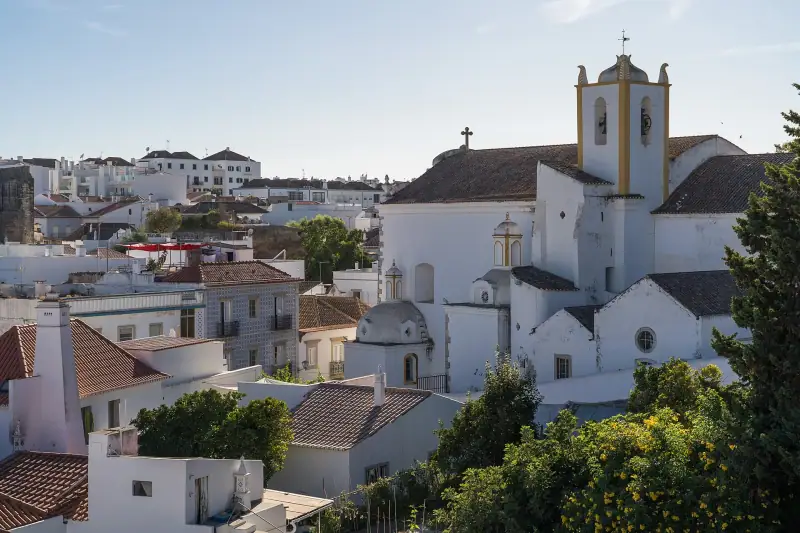
Visiting Tavira and the Ria Formosa: What to See and Do in 2 Days
What to see in Tavira and the Ria Formosa? Historic center, bridge, barrier islands, Cacela Velha and practical tips to plan your visit in the Algarve.
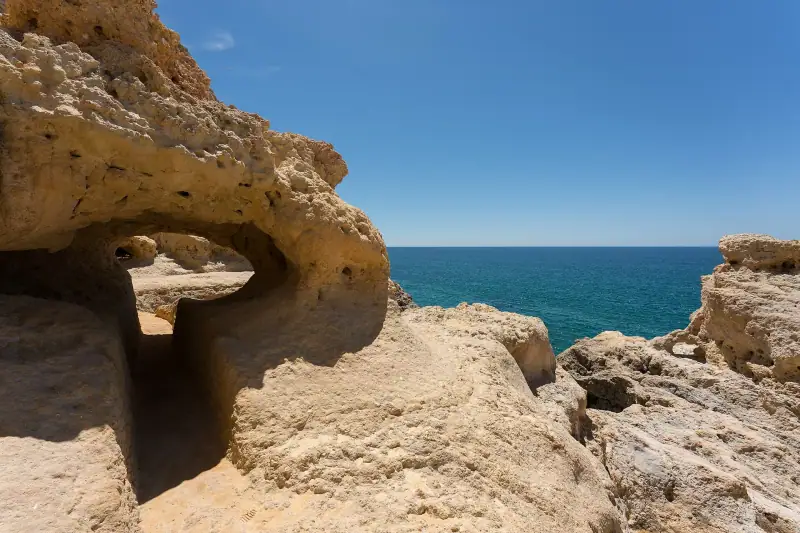
Algarve Travel Guide: Regions, Highlights, Budget and Tips
Visiting the Algarve: regions and towns, highlights, best time to go, getting around, where to stay and budget. The main guide to plan your trip.
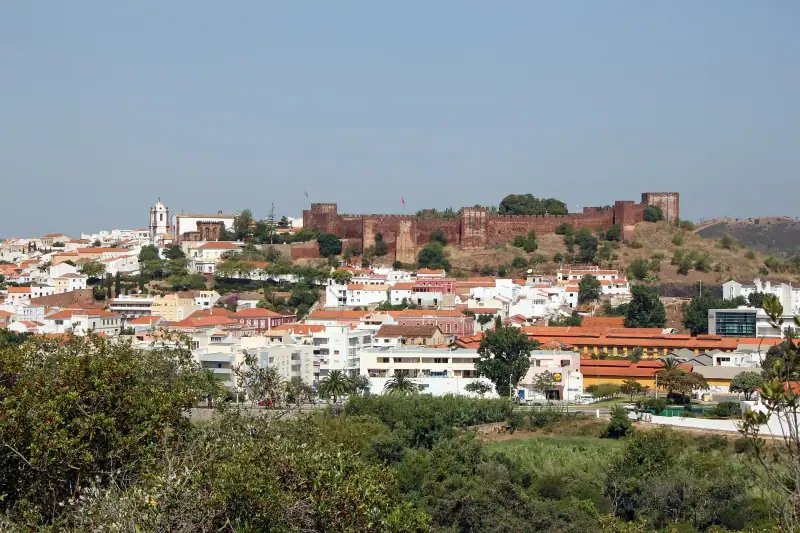
Silves, Monchique and the Inland Algarve: What to See
Away from the beaches, the inland Algarve: Silves Castle, Serra de Monchique, Alte and Loulé. What to see, how to get there and how to plan the day.
Ready-made
Algarve itineraries
3 days
4 days
7 days
Algarve Road Trip: A 7-Day Itinerary from East to West
A 7-day Algarve road trip from Faro to Sagres: stops, distances, beaches, white villages and tips for driving and sleeping along the coast.