What to see
Visiting Karakalpakstan: a complete guide to Uzbekistan's forgotten region
We may earn a commission when you book through links on this page, at no extra cost to you. We don't visit or try the places we cover: we summarize published sources. How we work
In short
- Karakalpakstan is an autonomous region in northwest Uzbekistan, about 166,590 km² (64,320 sq mi); its capital Nukus holds the Savitsky Museum, with over 82,000 items.
- The fastest way from Tashkent is a domestic flight to Nukus (about 1 h 30 to 2 hours); the train takes about 16-18 hours.
- The Khorezm fortresses (Ayaz Kala, Toprak Kala, Chilpik) and Moynaq's ship graveyard are the main excursions; a local driver-guide is strongly recommended.
- Spring and fall (15 to 28 °C / 59 to 82 °F) are best; summer reaches 35-45 °C (95-113 °F) in the desert.
In northwest Uzbekistan, beyond the Kyzylkum and Karakum deserts, lies a region most travelers never reach: Karakalpakstan. An autonomous republic, wedged between the vanishing Aral Sea and the endless steppes of the Ustyurt Plateau, it is at once one of the most remote and most fascinating regions of Central Asia.
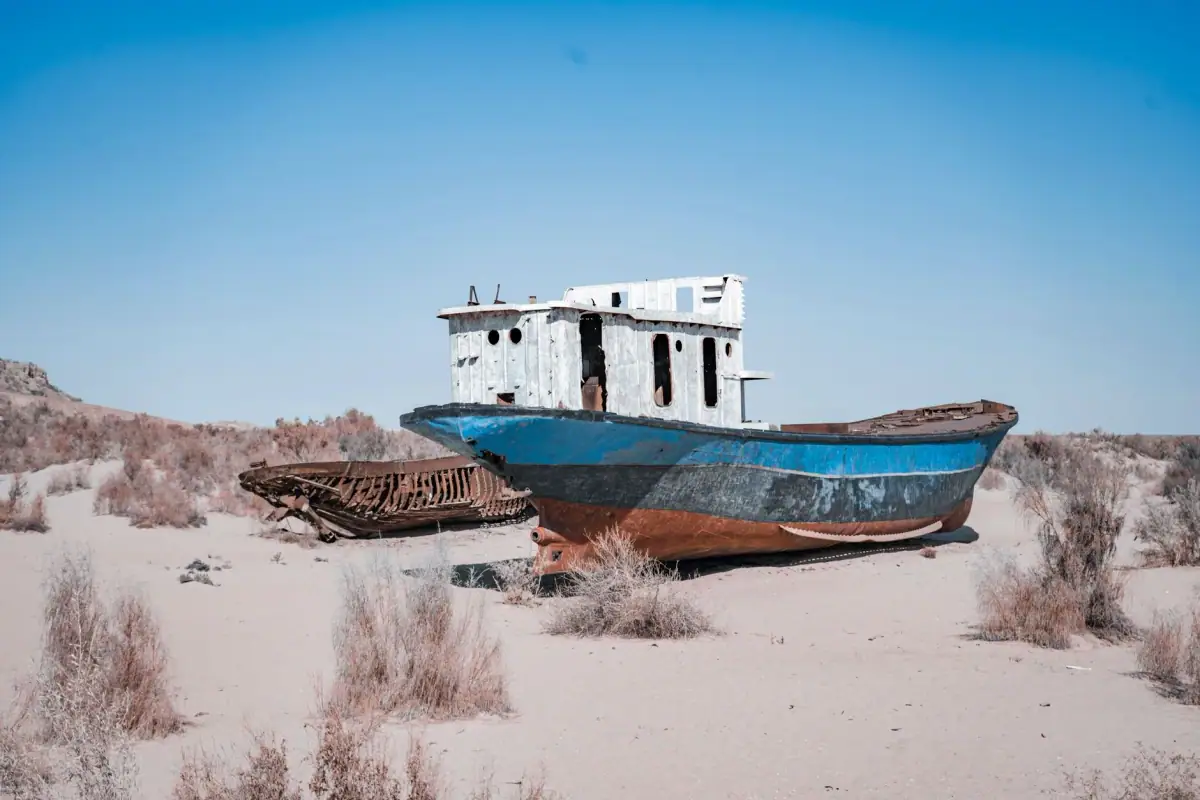
Here, ancient fortresses emerge from the sands like mirages, remnants of the old kingdom of Khorezm. In the capital Nukus, an improbable museum houses one of the world’s most important collections of Soviet avant-garde art, saved in the nick of time from Stalinist censorship. And in Moynaq, rusting boat hulks lie on the former bed of the Aral Sea, silent witnesses of the 20th century’s greatest ecological catastrophe.
Karakalpakstan is not an easy destination. Distances are huge, infrastructure is limited and temperatures are extreme. But for travelers looking to leave the beaten track of the Silk Road, the region offers an experience of rare depth: breathtaking desert landscapes, a history of more than two millennia, and a people, the Karakalpaks, whose culture is distinct from the rest of Uzbekistan.
This guide helps you plan your stay in Karakalpakstan: what to see, how to get there, where to sleep and how to organize your days.
Nukus and the Savitsky Museum
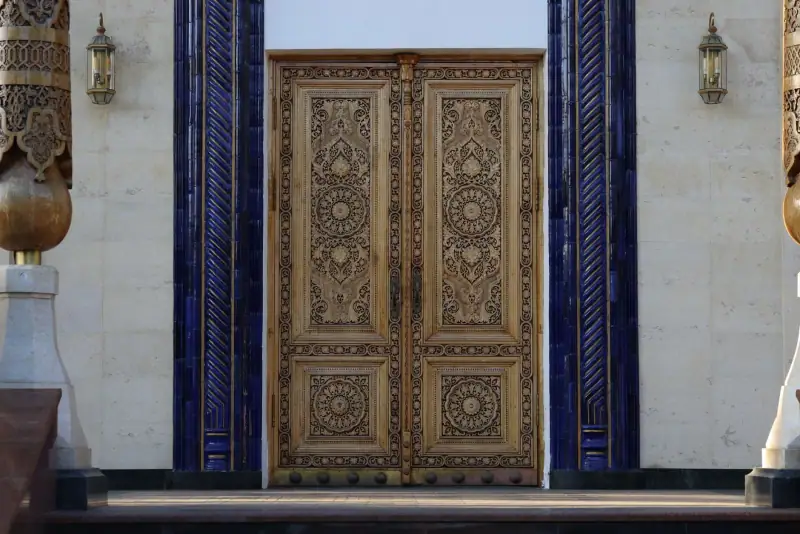
The regional capital Nukus is a functional Soviet city, built from scratch in the USSR era. At first glance it is unremarkable: wide straight avenues, brutalist architecture, oppressive summer heat. But this is where one of the most extraordinary and least-known art collections in the world is hidden.
The Igor Savitsky Karakalpakstan State Museum of Arts
The Savitsky Museum, officially the Karakalpakstan State Museum of Arts, owes its existence and extraordinary contents to one man: Igor Savitsky (1915-1984), a Ukrainian Soviet artist who settled in this remote region in the 1950s for archaeological digs and stayed there all his life.
Savitsky undertook a secret and dangerous mission: collecting and preserving the works of Soviet artists whose style had been condemned by Stalinist socialist realism. In the 1930s-1950s, thousands of avant-garde artists were persecuted and their works confiscated or destroyed. Savitsky crisscrossed the USSR, persuading families to entrust him with the forbidden paintings, storing them in this museum at the end of the world, so far from Moscow that censors paid no attention.
Today the museum holds more than 82,000 items: paintings of the Russian and Soviet avant-garde of the 1920s-1940s, traditional Karakalpak art (embroidery, jewelry, reconstructed yurts), sculptures, ceramics and archaeological artifacts from the digs of ancient Khorezm. Its collection of Soviet avant-garde paintings is considered the second in the world after that of the Russian Museum in Saint Petersburg. Many of the names are little known in the West but essential for understanding 20th-century art history.
The avant-garde hall is striking: constructivism, Soviet expressionism, portraits on the edge of realism and abstraction coexist in air-conditioned rooms, far from the chaos of Moscow. The atmosphere is one of revelation, and you understand why the international press nicknamed this museum “the Louvre of the steppes”.
Practical information: The museum is open most days (generally closed Mondays). Hours and fares change, so check at your hotel or the Nukus tourist office on arrival. Allow half a day. A room guide is not included in the ticket but can be arranged there.
Flights to Nukus or Tashkent
Compare flights to Uzbekistan, with a connection in Tashkent then a domestic flight to Nukus.
The Khorezm fortresses
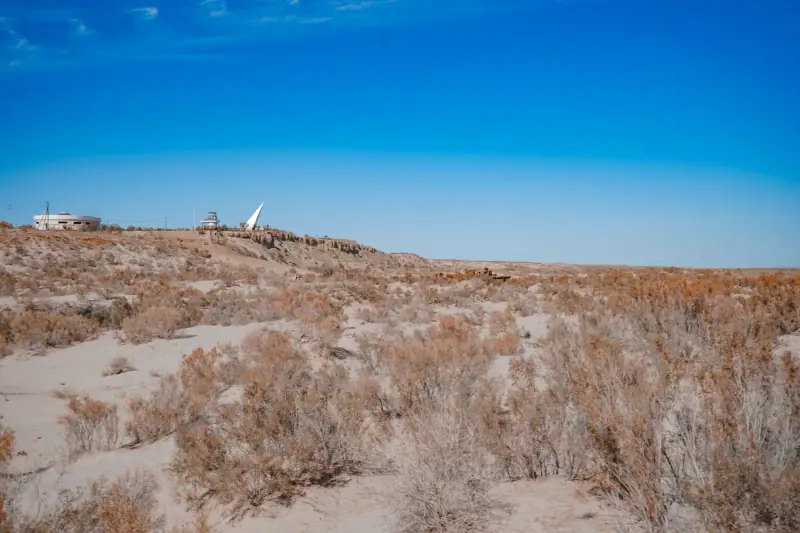
In the heart of the desert, between Nukus and Khiva, lies one of Central Asia’s least-visited archaeological heritages: the fortresses of ancient Khorezm. The Khorezm oasis, watered by the Amu Darya, was the cradle of a brilliant civilization from the 4th century BCE. At its peak, between the 1st and 4th centuries CE, the kingdom of Khorezm covered much of what is now western Uzbekistan and southern Kazakhstan.
When Alexander the Great conquered eastern Persia, the king of Khorezm sent him ambassadors, proof that this kingdom was powerful enough to deal as an equal with the Macedonian conqueror. After the region’s Islamization in the 8th century and the Mongol raids of the 13th century, these fortresses were gradually abandoned and swallowed by sand.
Ayaz Kala: the three-level fortress
Ayaz Kala is the region’s most spectacular and most visited fortified complex. Located about 70 km (43 mi) north of Khiva (and about 130 km / 81 mi south of Nukus), it actually comprises three fortresses built at different times between the 4th century BCE and the 8th century CE.
The upper fortress (Ayaz Kala 1), perched on a sandstone hill, offers a 360-degree panoramic view over the desert and the Amu Darya floodplains, one of the most striking views in Karakalpakstan. The mud-brick walls, sometimes several meters high, are astonishingly well preserved. The climb to the top takes about twenty minutes on a sandy path.
Nearby, a traditional yurt camp lets you spend the night in the desert, an experience recommended for the starry sky and the sunrise over the ruins.
Toprak Kala: the royal city
Toprak Kala (“earth fortress” in Turkic-Uzbek) is arguably the most important archaeological site in all of Khorezm. Built between the 1st and 4th centuries CE, it was the capital of the Khorezmian kingdom at its peak, a true walled city with a three-tower royal palace, temples and residential districts.
Soviet excavations of the 1940s-1960s (led by the archaeologist Sergei Tolstov) uncovered exceptional wall frescoes, stucco and terracotta sculptures, and tablets of Khorezmian writing, a script still only partly deciphered. Most of the finds are now displayed in the Savitsky Museum in Nukus.
There you will see the foundations of the city, the remains of the royal palace and the enclosure walls. The site is less photogenic than Ayaz Kala but historically more significant. It lies about 70-72 km (43-45 mi) north-northeast of Khiva, a few kilometers from the main road.
Chilpik: the Zoroastrian tower of silence
About 43 km (27 mi) southeast of Nukus, on the road heading south, stands Chilpik, an imposing circular brick tower perched on a lone hill rising from the plain. It is not a military fortress but a dakhma (or “tower of silence”), a Zoroastrian funerary monument probably dating from the 1st century BCE or the 1st century CE.
In Zoroastrian tradition, the bodies of the dead were to be neither buried (so as not to defile the earth) nor burned (so as not to defile the sacred fire). They were exposed at the top of circular towers so that birds (vultures) would strip the flesh, before the bones were collected in a central ossuary. Chilpik is one of the few surviving dakhma examples in Central Asia.
The climb to the top of the hill (about 40-50 meters / 130-165 ft high) takes about fifteen minutes. The view over the Amu Darya and the desert plains is remarkable, especially at sunset.
Car rental in Uzbekistan
A vehicle is essential to explore the Khorezm fortresses scattered across the Karakalpakstan desert.
The Aral Sea and Moynaq
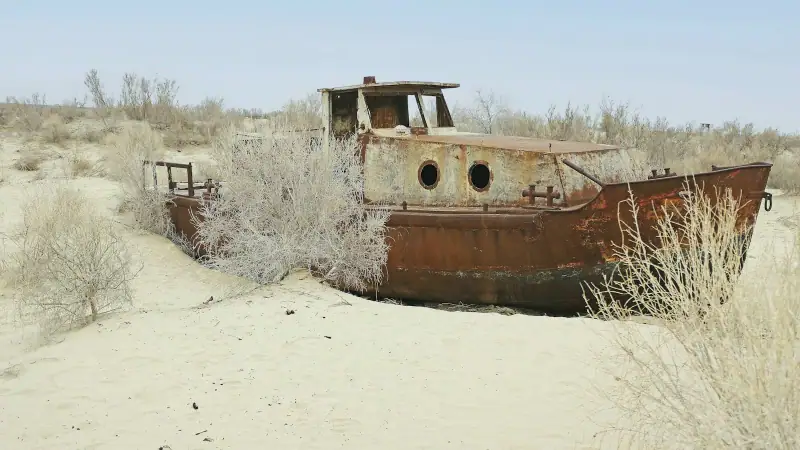
The Aral Sea, or rather what is left of it, is one of the most poignant destinations in Central Asia. In the 1960s it was the fourth-largest body of water in the world, with an area of about 66,450 km² (25,660 sq mi). Today, after decades of diverting its feeder rivers (Amu Darya and Syr Darya) to irrigate Soviet cotton fields, it has lost more than 90% of its volume. What remains is divided into several small residual lakes.
Moynaq (Muynak): the port town in the desert
Moynaq is the former fishing capital of the Aral Sea. In the 1950s-1960s it was a busy port of more than 30,000 inhabitants, whose fish canneries shipped their output across the USSR. Today the remains of the South Aral Sea have almost disappeared; the dried-up seabed stretches north of Moynaq, and the town, reduced to a few thousand inhabitants, finds itself in the middle of a salt desert.
The most photographed site is the ship graveyard: about ten rusted fishing-ship hulls lie on the former seabed, on a plateau of sand and cracked salt. These wrecks, which you can approach on foot, have become the global symbol of the Aral Sea catastrophe. An esplanade overlooks the site, with a memorial plaque.
The village of Moynaq also has a small Aral Sea museum (photos, maps, objects from the fishing era) and a sculpture dedicated to the fishermen. The museum visit is short but moving.
How to get there: Moynaq is about 170-200 km (106-124 mi) north of Nukus. The road is paved for most of the trip but pavement condition can vary. Allow about 3 hours each way from Nukus. The excursion is best done by taxi or rented vehicle with driver, as public transport is rare and unreliable. Agencies in Nukus offer organized day trips.
To learn more about the Aral Sea’s ecological history, see our dedicated article: The Aral Sea: history of an ecological catastrophe.
Excursions in Karakalpakstan
Organized tours from Nukus or Khiva: Khorezm fortresses, the Aral Sea, a night in a yurt in the desert.
The Ustyurt Plateau
In northwest Karakalpakstan, the Ustyurt Plateau (or Ustyurt) is one of the least-known and most spectacular deserts in Central Asia. This vast limestone plateau extends over about 200,000 km² (77,200 sq mi) between the Aral Sea, the Caspian Sea and Turkmenistan, an immensity of gray stones and brown earth, almost without vegetation or water.
The plateau’s edges are cut by steep cliffs (called “chinks” in Russian) that can reach several tens of meters in height, forming dramatic landscapes reminiscent of Mars. These escarpments are especially striking at sunset, when the rock takes on orange and golden hues.
The Ustyurt is also an important migration corridor for birds (raptors, bustards, greylag geese) and shelters one of the last wild populations of saiga, a prehistoric antelope with arched nostrils unique in the world. Conservation programs are in place to protect this threatened species.
Who is it for? The Ustyurt is a destination for experienced travelers in good physical condition who appreciate total isolation and raw landscapes. Tracks are unpaved and require a 4x4. Organizing with a guide or a specialist agency is strongly recommended. It is an excursion of at least 2-3 days from Nukus.
How to get to Karakalpakstan
By plane (recommended)
The fastest solution is a domestic flight from Tashkent to Nukus. Uzbekistan Airways and other local operators run several flights a week (duration: about 1 h 30-2 hours). Tickets are bought online or through an agency in Tashkent. This option is clearly preferable to the overland trip for travelers short on time.
Alternatively, from Urgench (UGC), reachable from Tashkent by ordinary night train or by plane, Nukus is about 150-180 km (93-112 mi) to the north (2 h 30 to 3 hours by road). Note that the Afrosiyob high-speed train stops at Bukhara; since May 2026, another high-speed train (the “Jaloliddin Manguberdi”) serves Urgench and Khiva (about 7 h 42 from Tashkent); check schedules with Uzbekistan Railways.
By train from Tashkent
A night train links Tashkent to Nukus (via Bukhara and Urgench) in about 16-18 hours. Uncomfortable but affordable, it is an option for travelers who are not in a hurry and who like the Soviet railway atmosphere. Book ahead on the Uzbekistan Railways site.
Via Khiva (recommended circuit)
Most travelers include Karakalpakstan in a wider circuit including Khiva. From Khiva, Nukus is about 170-190 km (106-118 mi) to the north (2 h 30-3 hours by road). This road passes several Khorezm fortresses, so you can visit them along the way. Our article on the 7-day itinerary for Uzbekistan offers one possible organization.
Where to stay in Karakalpakstan
In Nukus: The regional capital offers a range of hotels from simple guesthouses to upper-category properties for the region. Mid-range options generally offer comfortable rooms with air conditioning, essential in summer. Book ahead in high season (April-May, September-October), as decent hotels are few.
In the desert, near the fortresses: Several yurt camps offer a night in the open desert near Ayaz Kala. Basic comfort (outdoor shower, dry toilets) but a memorable experience: hearty Uzbek meals around a fire, a starry sky with no light pollution, sunrise over the ruins. Booking advised in season.
In Moynaq: Lodging options in Moynaq are very limited and of modest comfort. Most travelers do the excursion as a day trip from Nukus.
Hotels in Nukus
Find the best lodging in Nukus, capital of Karakalpakstan, as your exploration base.
Suggested itinerary: 4 days in Karakalpakstan
Day 1: Arrival in Nukus and the Savitsky Museum
- Arrive at Nukus airport (or by train/car from Urgench)
- Lunch in a local restaurant
- Afternoon (2 pm-6 pm): visit the Savitsky Museum, allowing 2 to 3 hours
- Settle into the hotel, dinner downtown
Day 2: The Khorezm fortresses
- Early start by taxi or rented vehicle with driver
- Chilpik (Zoroastrian tower of silence, 45-55 km / 28-34 mi southeast of Nukus): 1 hour there
- Toprak Kala (ancient royal capital): 1 h 30 there
- Ayaz Kala (hilltop fortresses, panoramic view): 2 hours there
- Night in a yurt camp near Ayaz Kala (recommended) or return to Nukus
Day 3: Aral Sea and Moynaq
- Early start from Nukus (6:30-7 am) for Moynaq
- Outbound trip ~3 hours
- Visit the ship graveyard and the Aral Sea museum (2-3 hours there)
- Return to Nukus in the late afternoon
- Dinner and night in Nukus
Day 4: Exploration and departure
- Free morning in Nukus: local market, Uzbek-Karakalpak neighborhoods
- Lunch and transfer to the airport for the flight back to Tashkent
- Or continue the circuit to Khiva (2 h 30-3 hours south)
Practical tips
Money: ATMs exist in Nukus (downtown, near the bazaar and the big hotels) but sometimes run out of cash. Bring enough Uzbek som in cash before heading to the fortresses or Moynaq; there are no ATMs in the desert.
Water and supplies: Always carry 2-3 liters (2 to 3 quarts) of water per person for desert excursions, even in overcast weather. Distances between sites are large and resupply points are very rare outside Nukus.
Heat: Between June and August, temperatures regularly exceed 40 °C (104 °F) in the desert. Plan site visits early in the morning (7-11 am) or late afternoon (5-7 pm). Avoid midday completely.
Phone connection: The mobile network (Ucell, Beeline UZ) covers Nukus and the main road. Away from main roads, coverage is weak or nonexistent on the Ustyurt Plateau. Tell someone your itinerary before isolated excursions. Check your carrier’s international plan or use a travel eSIM.
Language: Karakalpak is the main language of the region (a Turkic language close to Uzbek and Kazakh), but Uzbek and Russian are also understood. English is little spoken outside the Savitsky Museum.
Guide or not: For the fortresses and Moynaq, a local driver-guide is strongly recommended. Not only does a driver-guide know the tracks, they can also tell you the history of the sites and put you in touch with the local families who offer nights in a yurt. Agencies in Nukus, Khiva and Urgench offer tours of one to several days.
Health: The dust and salt of the dried Aral Sea can be irritating. If you have concerns about this, ask your doctor or a travel clinic, and see the official travel health pages (CDC in the US, TravelHealthPro in the UK).
Karakalpakstan is a region that demands travel effort but generously rewards those who venture there. Between the silent emotion of the Savitsky Museum, the end-of-the-world feeling on the ruins of Toprak Kala and the deep melancholy of Moynaq’s rusted boats, it is Uzbekistan off the beaten track, raw and authentic.
For your complete circuit, also see our guide to Nukus, our article on the Aral Sea, and our tips for the 7-day itinerary for Uzbekistan.
Frequently asked questions
What is Karakalpakstan?
Karakalpakstan (officially the Republic of Karakalpakstan) is an autonomous region of Uzbekistan in the northwest of the country. It covers about 166,590 km² (64,320 sq mi), or 37% of Uzbekistan's total area. Its capital is Nukus. The region is known for its fortresses of ancient Khorezm, the Savitsky Museum (one of the most important in the world for the Soviet avant-garde), and the ecological catastrophe of the Aral Sea.
How do you get to Karakalpakstan from Tashkent?
The fastest way is a domestic flight from Tashkent to Nukus (about 2 hours of flight, several flights a week). By train, the trip of more than 1,100 km (684 mi) from Tashkent takes about 16-18 hours. By car or taxi, allow 12-15 hours on the road via Bukhara and the desert. Most travelers combine a stop in Khiva (reachable from Urgench, about 150-180 km / 93-112 mi south of Nukus) to optimize their circuit.
Is the Savitsky Museum in Nukus worth visiting?
Absolutely. The Savitsky Museum in Nukus is one of the most striking cultural surprises in Central Asia. It houses one of the largest collections in the world of Soviet and Russian avant-garde art, thousands of works saved from Stalinist destruction. Nicknamed "the Louvre of the steppes", it is worth the trip to Nukus on its own. Allow half a day for a full visit.
What is the best time to visit Karakalpakstan?
Spring (April-May) and fall (September-October) are the best periods. Temperatures are mild (15 to 28 °C / 59 to 82 °F), ideal for exploring the fortresses and the Ustyurt Plateau. Summer (June-August) is extremely hot (35 to 45 °C / 95 to 113 °F in the desert), hard for outdoor excursions. Winter (November-March) is very cold, with temperatures that can fall to -15 to -20 °C (5 to -4 °F) on the plateau.
Do you need a guide to visit the Khorezm fortresses?
A guide is not required for the most accessible fortresses (Ayaz Kala, Toprak Kala), but it is strongly recommended. The sites are in the middle of the desert, often without signage, and some access tracks are poorly marked. A local guide knows the best tracks and the best light, and can tell the history of each fortress. Agencies in Nukus and Khiva offer one or two-day tours including several fortresses.
Can you see the Aral Sea from Nukus?
No, the former Aral Sea is no longer visible from Nukus. To see the most emblematic remains, the rusting ship graveyards of Moynaq (formerly Muynak), you need to travel about 170-200 km (106-124 mi) north of Nukus, on partly unpaved roads. The excursion takes a full day from Nukus. Some travelers go farther (200-250 km / 124-155 mi) to the current shore of what remains of the South Aral Sea.
Is Karakalpakstan safe for tourists?
Karakalpakstan is generally considered a safe region for travelers, and Uzbekistan in general has a very good level of safety for tourists. Outside urban areas, distances and the lack of infrastructure in the desert are the main risk. Always leave with enough water, a charged phone and preferably in company or with a local driver-guide who knows the tracks. For current conditions, check your government's official travel advice.
More Uzbekistan guides
Keep reading
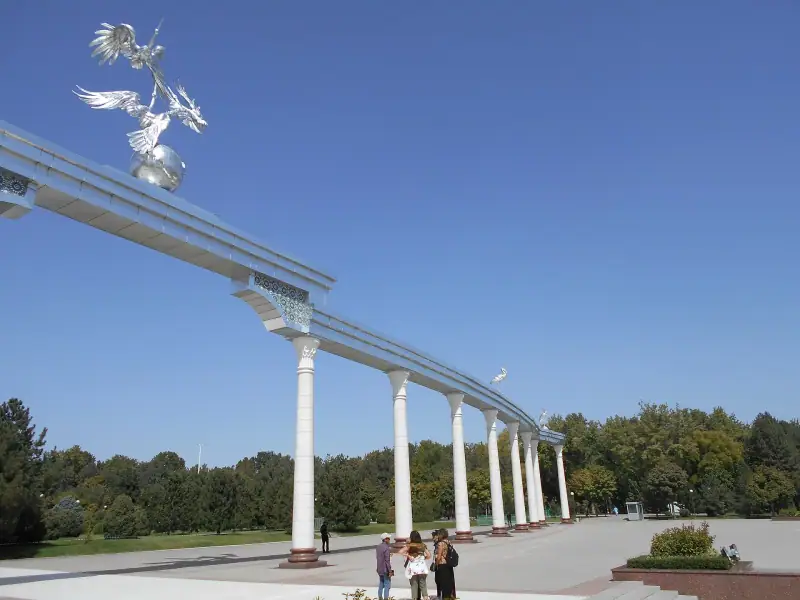
Tashkent top sights: what to see and do in Uzbekistan's capital
Tashkent's top sights: Chorsu Bazaar, Khast-Imam Mosque, museums, restaurants and neighborhoods in Central Asia's largest city.
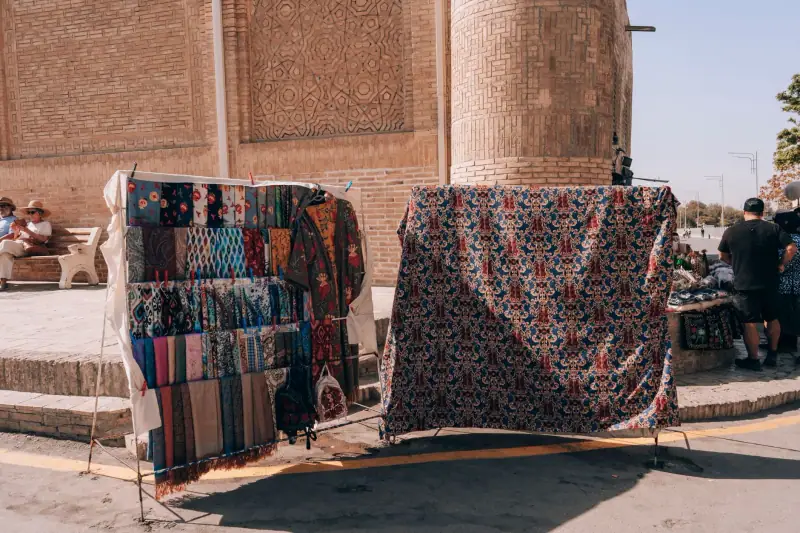
Visiting Ferghana: a complete guide to the Ferghana Valley
Visiting Ferghana and the Ferghana Valley: Margilan, Kokand, silk, bazaars and food. A complete guide to this little-known jewel of Uzbekistan.
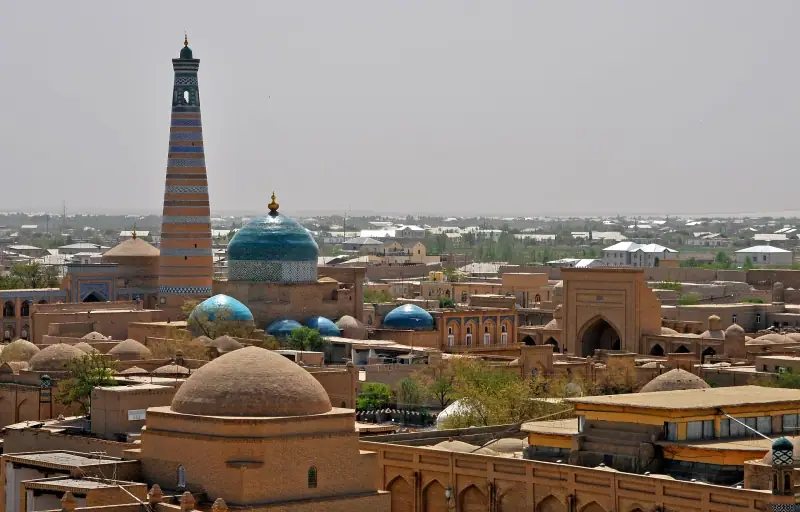
Visiting Khiva: a complete guide to the walled city of the Silk Road
Visiting Khiva: Itchan Kala, minarets, palaces, lodging and transport. A complete guide to exploring this pearl of the Uzbek Silk Road.
Ready-made
Uzbekistan itineraries
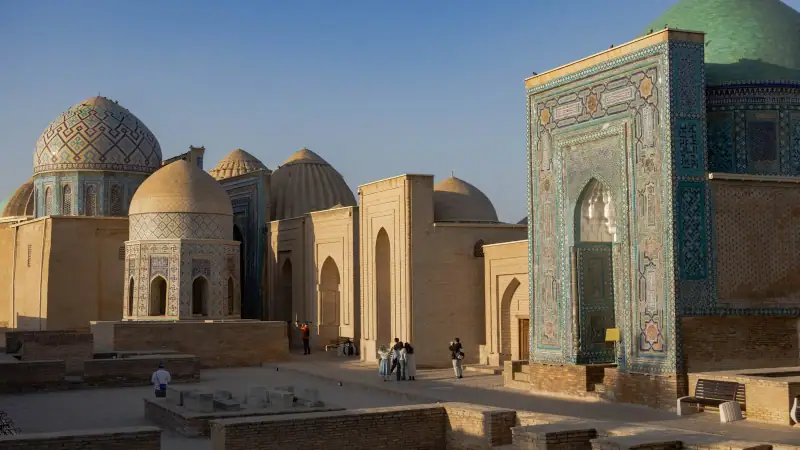
10 days
Uzbekistan in 10 days: a complete itinerary with the Ferghana Valley
TashkentFerghanaSamarkandBukharaKhiva
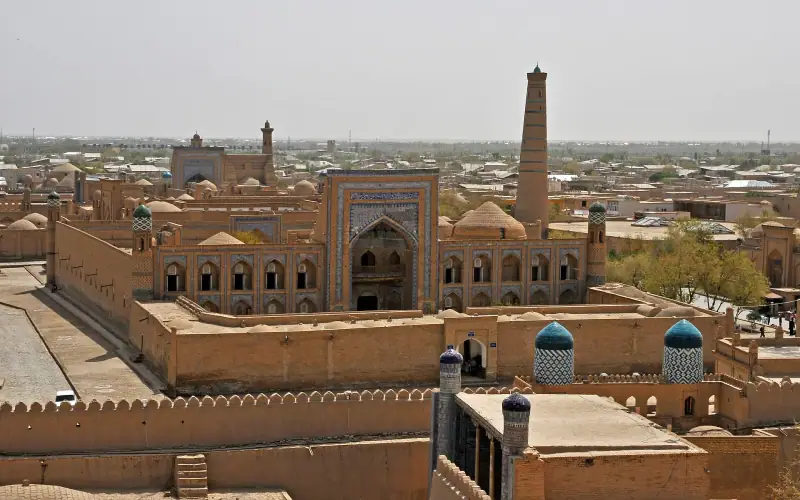
7 days
Uzbekistan in 7 days: the ideal Silk Road itinerary
TashkentSamarkandBukharaKhiva
9 days
Uzbekistan in 9 days with kids: stops and a family-friendly pace
TashkentSamarkandBukhara