What to see
Visiting Piran: a complete guide to the pearl of the Slovenian Adriatic
We may earn a commission when you book through links on this page, at no extra cost to you. We don't visit or try the places we cover: we summarize published sources. How we work
In short
- Piran is about 120 km (75 mi) from Ljubljana: 1 h 30 to 2 h by car, 2 h 30 to 3 h by bus; there is no train to Piran, the line stops at Koper.
- One day covers Tartini Square, the walls, St. George's Church and a swim at Fiesa; the old town is closed to non-resident traffic, so park at the entrance of the peninsula or in Portorož.
- Old-town double rooms cost about €90 to €200 (~$105 to $230) in high season; Portorož, 3 km (2 mi) away, offers more choice at lower prices.
- Book 2 to 3 months ahead for July-August, and arrive early or late in the day to avoid the crowds between 10 am and 6 pm.
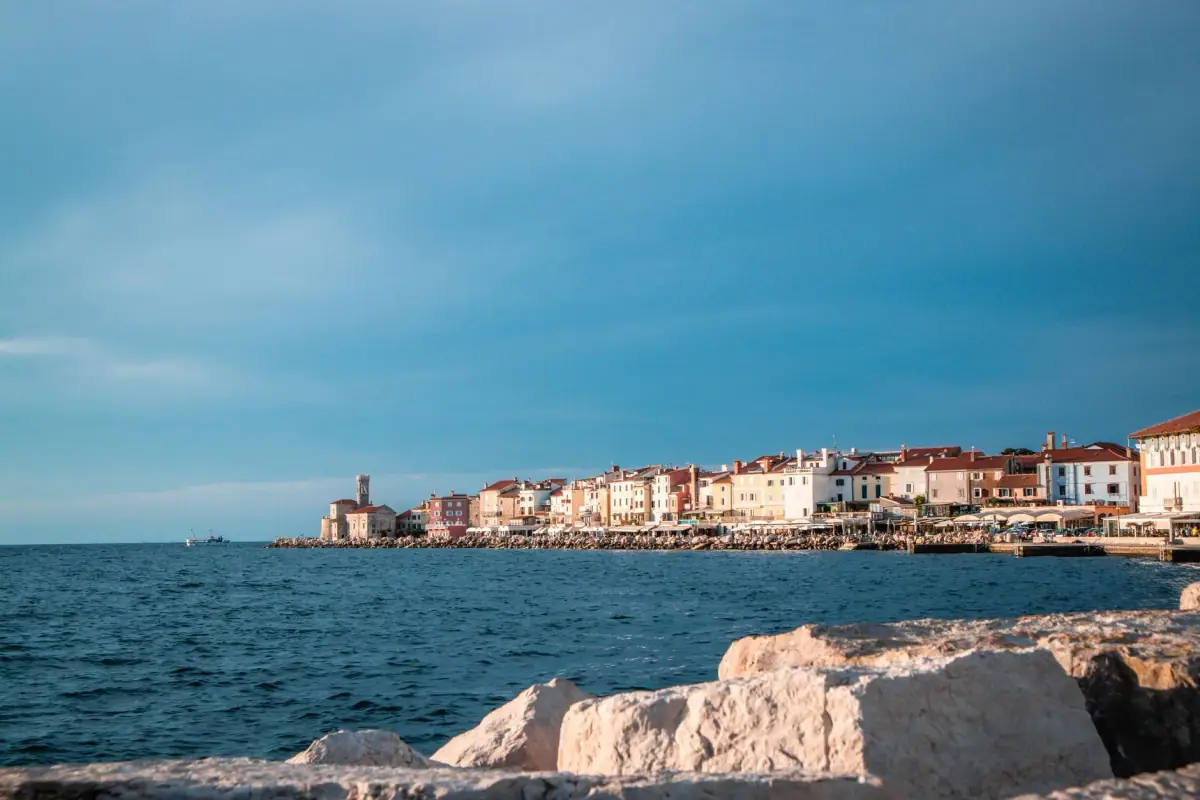
Piran is one of those places that make everyone who discovers it say: “I did not know this existed.” Nestled on a small peninsula jutting into the Adriatic Sea, this medieval town of a few thousand residents is one of the best-preserved jewels of the whole eastern Adriatic coast. Its Venetian lanes, orange-tiled roofs, walls plunging into a turquoise sea and strikingly beautiful central square make it a destination apart in Slovenia.
Unlike Bled or Ljubljana, Piran is still little known to mass tourism, at least out of season. That is both its weakness (fewer services than a big seaside resort) and its greatest strength: preserved authenticity, an Adriatic dolce vita atmosphere and a sense of discovery that few other Slovenian destinations still offer.
Tartinijev trg: the heart of the town
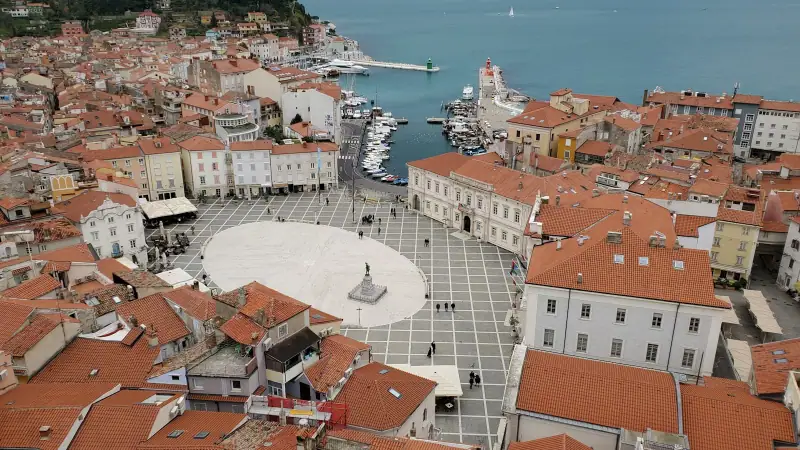
Tartini Square, or Tartinijev trg in Slovenian, is the undisputed center of Piran. Oval and surrounded by facades in soft colors (ocher, pink, pale green), it opens onto the harbor at one end. In the middle stands the bronze statue of the Baroque violinist Giuseppe Tartini, born in Piran in 1692, a composer famous notably for his sonata The Devil’s Trill.
This square is the soul of Piran. In the morning it welcomes regulars at the cafés with shaded terraces. In the evening it becomes an open-air living room where children on bikes, strollers and street musicians mingle. No car crosses it: it is an entirely pedestrian space.
Do not miss around the square:
- The Venetian House (Beneška hiša): this 15th-century Gothic house, with its balcony facade and floral ornaments, is one of the finest examples of Venetian architecture on the whole coast. It dates from the middle of the 15th century.
- The Prefecture: a baroque building that now hosts temporary exhibitions
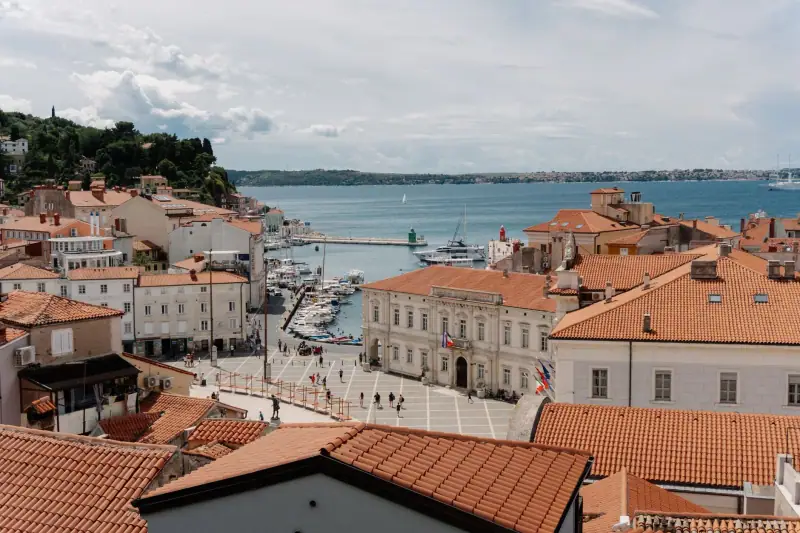
- Piran harbor: a short walk from the square, traditional fishing boats moored beside restaurant terraces. The atmosphere is especially beautiful at sunset.
St. George’s Church and the view from the walls
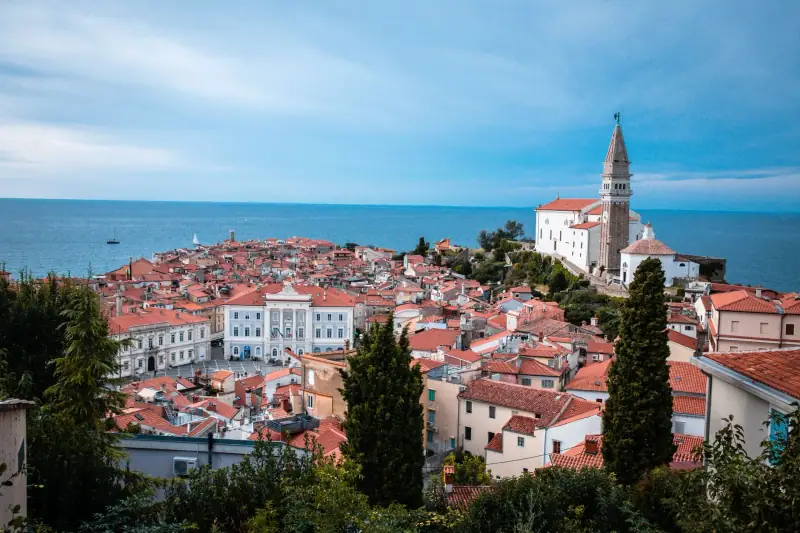
Perched on the hill above the old town, St. George’s Church (Cerkev sv. Jurija) dominates Piran with its elegant bell tower. Founded in the 14th century and rebuilt several times until the 17th century, it is accompanied by an octagonal baroque baptistery (1650) and shows a mix of Gothic and baroque styles typical of the region.
Its bell tower, an explicit imitation of the campanile of St. Mark’s Square in Venice, can be climbed for a modest contribution. The reward: a 360° panoramic view over the old town, the walls, the Adriatic Sea and, in clear weather, the Italian and Croatian coasts on the horizon.
The medieval walls
The walls of Piran form a partially preserved belt around the upper part of the peninsula. Built mainly in the 14th and 15th centuries to defend the town against Ottoman raids and various maritime threats, they wind for a few hundred meters along the ridge. A walk on the walls is one of the highlights of a visit to Piran: the views over the rooftops and the sea are breathtaking, especially in the late afternoon when the Mediterranean light tints everything warm gold.
Access to the walls is paid (about €4 / ~$5 per person, hours vary by season; check on portoroz.si). The circuit takes about 20 to 30 minutes.
Beaches and swimming around Piran
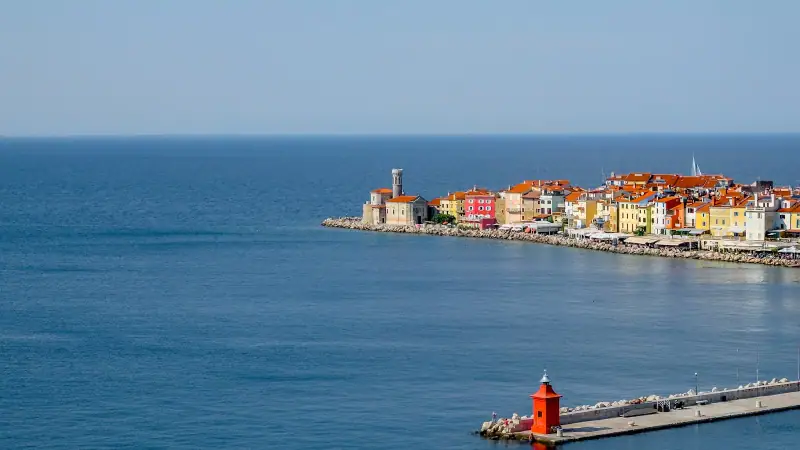
Piran is not a seaside resort in the classic sense: no long fine-sand beaches, no beachfront hotel complexes. That is precisely what gives it its character. Swimming is done from the developed waterfront and the small rocky shelves around the peninsula.
Fiesa: the unspoiled cove
About 1.5 km (0.9 mi) from the old town along a path following the cliff, the bay of Fiesa is the one locals like best. It has two small coastal lakes and a sea swimming area, with a few restaurants and cafés. The atmosphere is relaxed and family-friendly. The coastal path that leads there from Piran is itself very pleasant to walk.
Portorož: the big beach 3 km away
If you want a real beach with umbrellas, sun loungers and activity, Portorož is 3 km (2 mi) from Piran (local bus or a walk of about 40 minutes along the waterfront). This more developed resort offers a long landscaped beach, bars and all the amenities of a beach resort.
What to eat in Piran
Piran’s food is a fusion of Adriatic tradition and Venetian influences. Seafood naturally dominates, but the Slovenian coast also has land specialties inherited from the karst hinterland.
The essentials of the Slovenian coast
- Buzara: seafood (mussels, shrimp, crab) cooked in a broth of white wine, garlic and aromatic herbs. Served in a pot, it is one of the most emblematic specialties of the coast.
- Grilled squid (lignji na žaru): whole grilled squid, drizzled with olive oil and lemon. Simple, fresh and delicious.
- Tuna steak (tunin zrezek): Adriatic tuna, prepared like a meat, is a popular regional specialty.
- Pasta with clam sauce: a direct influence of neighboring Italian cooking, found in all the coastal restaurants.
- Sečovlje salt: the Sečovlje salt pans, a few kilometers from Piran, produce a salt known for its minerals and its fleur de sel crystals. You will find it in all the local markets and grocery stores.
Where to eat
Along the harbor and the waterfront, several restaurants offer fresh fish menus. The terraces facing the sea are especially pleasant. Going a street or two away from Tartini Square, you will find less touristy places with more reasonable prices. Plan to book in high season (July-August), because the best restaurants are often full in the evening.
Excursions from Piran
Discover the salt pans, caves and the Karst from the Slovenian coast.
What to do around Piran: the key excursions
Piran’s position at the crossroads of several regions makes it an ideal base for exploring southwestern Slovenia.
The Sečovlje salt pans (15 min by car)
About 8 km (5 mi) south of Piran, the Sečovlje Salt Pans (Sečoveljske soline) form a nature park unique of its kind. This landscape of salt basins, canals and salt-tolerant vegetation hosts remarkable biodiversity and remains one of the few places where traditional salt production is still practiced using age-old methods. The salt museum there explains the whole harvesting process and offers workshops. It is an excursion not to be missed, especially with children.
Koper: the big town of the coast (30 min by car)
Koper, about 17 km (11 mi) north of Piran, is the big town of the Slovenian coast. Its historic center, less touristy than Piran, nevertheless deserves half a day: its Romanesque cathedral, bell tower, medieval palaces and central square (Titov trg) form a coherent and impressive architectural ensemble. It is also the commercial town of the region, with the biggest choice of restaurants and shops on the coast.
Postojna and Predjama caves (1 h drive)
About 65 km (40 mi) from Piran, Postojna Cave is one of the most visited tourist attractions in Slovenia. This network of underground galleries more than 24 km (15 mi) long is visited by small electric train. Only 10 km (6 mi) away, Predjama Castle, set into a cliff at mid-height, is a striking sight. These two sites combine easily into a day excursion from Piran.
To learn more about the caves, see our guide to the caves of Slovenia.
The Karst region (45 min by car)
The Slovenian Karst begins a few kilometers east of Piran: a limestone plateau dotted with sinkholes, caves and stone villages with austere architecture. It is also the home region of Karst prosciutto (kraški pršut), a cured meat aged in brisk air that rivals the best Italian and Spanish products. Many producers welcome visitors for tastings directly at the farm.
Where to stay in Piran
Accommodation in Piran is limited by the size of the old town: there is no big hotel chain within the walls. That preserves its authenticity, but you must book well ahead in high season.
In the old town
A few small hotels and guesthouses are set in historic buildings of the old town. Sleeping there means waking up in the medieval lanes before the tour buses arrive, an incomparable experience. Prices reflect the scarcity of rooms: allow €90 to €200 (~$105 to $230) in high season for a double.
In Portorož (3 km / 2 mi)
Portorož offers a much wider choice of hotels, apartments and beach residences, at prices generally more affordable than in Piran itself. Regular shuttles or a pleasant coastal path link the two places. It is a recommended option if you travel with family or look for resort facilities (pool, spa, etc.).
Accommodation in Portorož and Piran
From sea-view apartments to spa hotels, every option.
How to get around the region
By car
A car remains the most practical way to explore the Slovenian coast and its surroundings. Note that Piran’s old town is closed to non-resident traffic: paid parking lots at the entrance of the peninsula (notably the Fornače parking lot) take vehicles. In high season, these parking lots can be full by the morning: leave early or choose Portorož.
To rent a car, online comparison sites let you find the best offers. Rental companies are present at Ljubljana airport and in the big towns.
By bus
Buses link Piran to Ljubljana and Koper; connections to Trieste (Italy) and Zagreb (Croatia) vary by season, so check with the carriers. Piran’s bus station is at the entrance of the old town. Allow about 2 h 30 to 3 h from Ljubljana.
On foot in the old town
Piran is a walking town. The peninsula is barely 700 m (2,300 ft) long and 400 m (1,300 ft) wide. All the main attractions can be reached in 10 to 15 minutes’ walk. It is one of the great pleasures of the town: getting lost in its lanes without a set route.
Car rental in Slovenia
Explore the coast, the Karst and the Julian Alps at your own pace.
How long to spend in Piran
- One day: enough to visit the old town (Tartini Square, walls, St. George’s Church), have lunch by the harbor and swim at Fiesa.
- 2 days: lets you add half a day of relaxing, a visit to the Sečovlje salt pans (ticket, hours, Lera or Fontanigge entrance) and an evening enjoying the restaurants by candlelight.
- 3 to 4 days: ideal for combining Piran with excursions to Koper, Postojna, the Karst and possibly neighboring Croatia (Rovinj, Poreč or Pula, 1 h 30 to 2 h by road).
Piran fits perfectly into a road trip in Slovenia or a 7-day trip combining Ljubljana, the Julian Alps and the coast.
Practical tips for visiting Piran
- Avoid high season if possible: in July-August, Piran’s lanes can be overrun with tourists between 10 am and 6 pm. Arrive early in the morning or in the late afternoon to enjoy the town in peace.
- Book your accommodation 2 to 3 months ahead for July-August, especially for the old town within the walls.
- Bring cash: a few small shops and cafés do not accept bank cards.
- Border checks: Slovenia, Italy and Croatia are part of the Schengen area, but temporary checks at internal borders have been reinstated in recent years (lifted with Croatia in June 2026): check the situation before you leave and carry your passport or ID with you (as of October 2026). Entry rules depend on your passport. Check the official travel advice of your government before you book: travel.state.gov (US), GOV.UK (UK), travel.gc.ca (Canada), Smartraveller (Australia) (checked November 2026).
- There is no cable car in Piran: the climb to the walls and the church is on foot, on lanes that are sometimes steep and cobbled. Bring comfortable shoes.
- Parking lots are expensive in high season: some day-parking options are better value. Ask when you arrive.
- Currency is the euro: Slovenia has been a member of the euro area since 2007.
To plan your overall budget, see our Slovenia budget guide.
Piran is one of those towns you have to earn: a little off the main circuits, accessible but never ordinary. Its medieval beauty against the Adriatic, its seafood, its Italian-flavored atmosphere and its calm (at least outside July and August) make it one of the highlights of a trip to Slovenia. Do not miss it.
Frequently asked questions
How do you get to Piran from Ljubljana?
Piran is about 120 km (75 mi) from Ljubljana, 1 h 30 to 2 h by car depending on traffic. Buses link Ljubljana to Piran (often via Koper), taking about 2 h 30 to 3 h; check timetables on nomago.si. There is no direct rail link to Piran: the train stops at Koper, then a local bus takes over (about 30 to 45 min).
Can you visit Piran as a day trip?
Yes, Piran is easy to see in one day from Ljubljana or Bled. The old town is small and compact. Allow 3 to 4 hours to walk around it, plus time for lunch and enjoying the sea. Staying overnight still lets you experience the town at its own pace, away from the tour buses.
What is the best time to visit Piran?
May, June and September are ideal: pleasant temperatures (20-25 °C / 68-77 °F), the sea warm enough to swim in, and crowds more reasonable than in summer. July and August are the hottest and busiest months. Winter (November to March) is quiet and not very touristy, but the weather is less reliable.
Can you reach Piran by car?
The historic old town is closed to traffic for non-residents. Paid parking lots are available at the entrance of the peninsula. In high season, it is recommended to park in Portorož and take the shuttle or walk 20 to 30 minutes to Piran.
What is there to do in Piran in bad weather?
The old town can be visited in the rain without any problem: maritime museum, St. George's Church with its bell tower, covered market, art galleries and small cafés. Bad weather also gives the medieval lanes a particularly romantic atmosphere.
Are there beaches in Piran?
Piran has small beaches and swimming areas along its peninsula, notably around the Fiesa district, 10-15 minutes' walk from the old town. For larger beaches, Portorož (3 km / 2 mi away) has a long beach of sand and pebbles.
More Slovenia guides
Keep reading
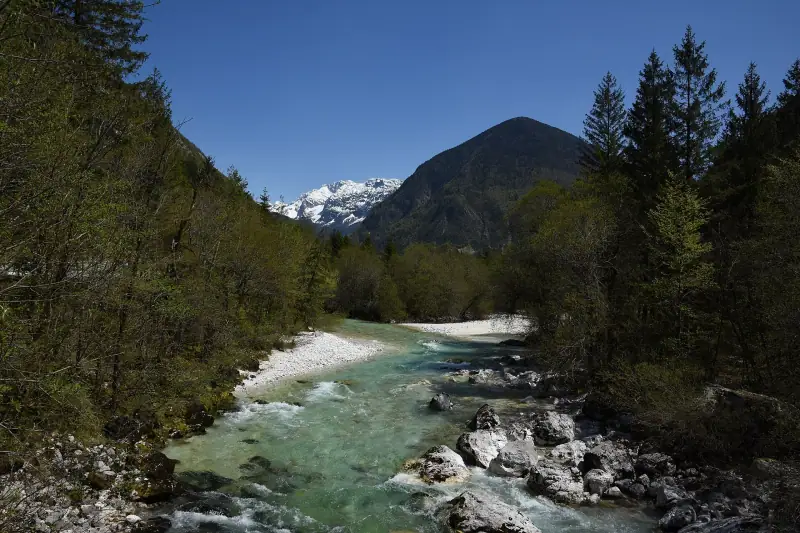
Visiting Bovec: a complete guide to Slovenia's adventure capital
Discover Bovec and the Soča: rafting, canyoning, Julian Alps hikes, Boka Waterfall and practical tips for an unforgettable stay.
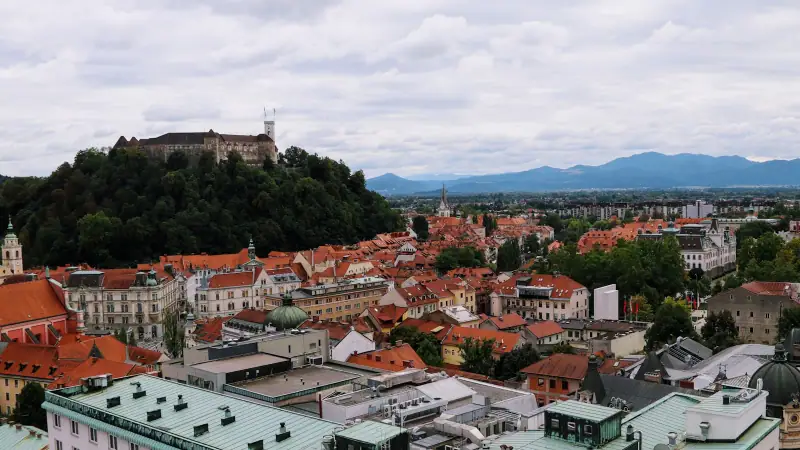
Visiting Ljubljana: a complete guide to Slovenia's capital
Complete guide to visiting Ljubljana: castle, old town, districts, food, where to stay and practical tips for the capital of Slovenia.
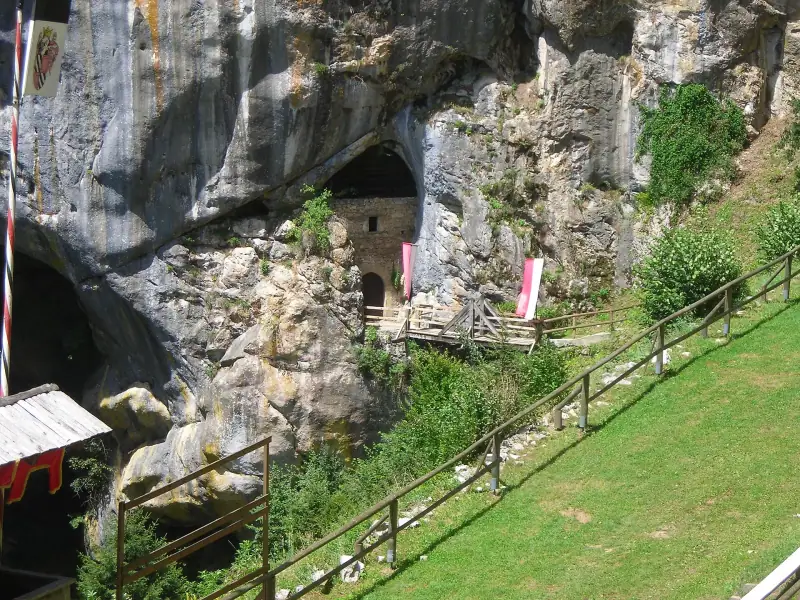
Visiting Postojna: a complete guide to the caves and Predjama Castle
Discover Postojna, capital of the Slovenian Karst: Postojna Cave, Predjama Castle, hikes and practical tips to plan your stay.
Ready-made
Slovenia itineraries
10 days
Slovenia in 10 days: the complete itinerary to see it all
LjubljanaBledBovecPiran or KoperLjubljana
5 days
Slovenia road trip: the complete guide to driving the country
Plan your Slovenia road trip: itineraries, scenic roads, practical tips and the highlights you should not miss by car.
6 days