What to see
Visiting Ljubljana: a complete guide to Slovenia's capital
We may earn a commission when you book through links on this page, at no extra cost to you. We don't visit or try the places we cover: we summarize published sources. How we work
In short
- Two days cover the essentials (old town, castle, riverbanks, main districts); three days add museums and a day trip to Bled or Postojna.
- The historic center is entirely pedestrian; a funicular links the old town to the castle.
- May, June and September are the best balance of weather and crowds (18-25 °C / 64-77 °F); a decent meal costs €12 to €25 (~$14 to $29) per person.
- Bled is about 55 km (34 mi) away, Postojna about 53 km (33 mi) and the coast about 120 km (75 mi): Ljubljana is a good base for day trips.
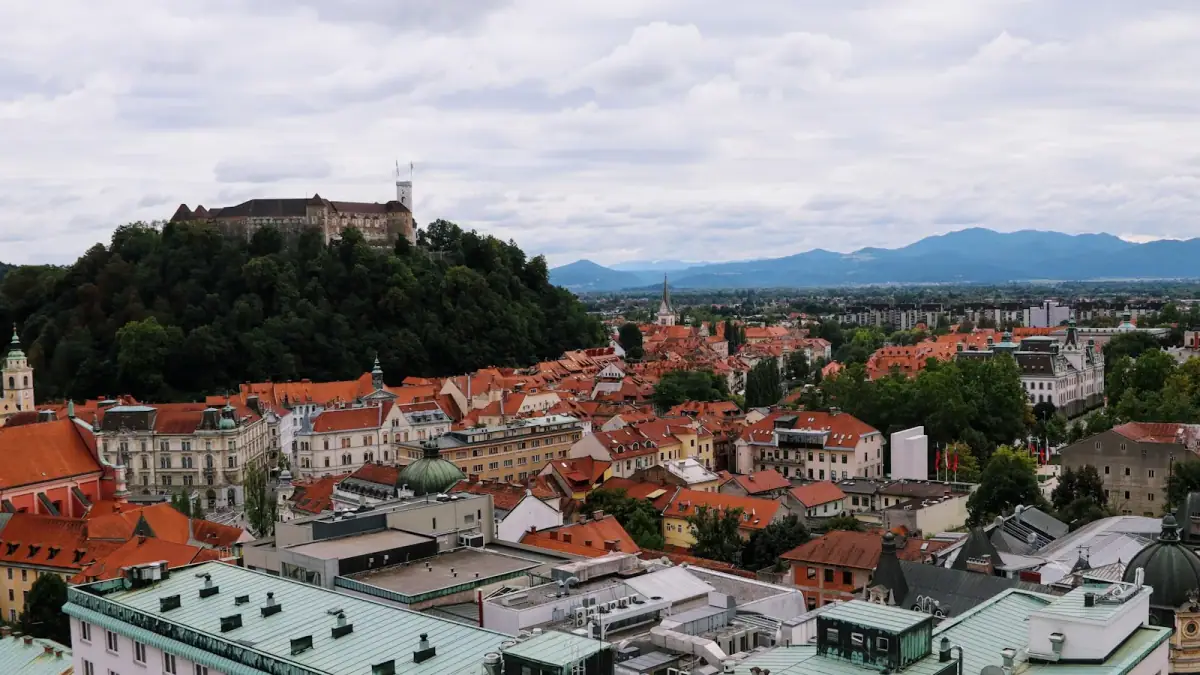
Ljubljana is a surprise. Many travelers cross Slovenia giving it no more than a night’s stopover, thinking the capital too small to deserve more. They are wrong. This city of 280,000 residents is one of the most pleasant European capitals to visit: an entirely pedestrian historic center crossed by a green river, a medieval castle on a wooded hill, Art Nouveau and baroque architecture of remarkable coherence, terraces lively until late at night and a youthful energy kept up by its many universities.
Ljubljana is not Prague, nor Budapest, nor Vienna. It does not try to be. Its strength is being human-scale, accessible, authentic: a city where residents still mix naturally with tourists in the same cafés, on the same squares. That is an increasingly rare quality in central Europe.
Ljubljana Castle
Ljubljana Castle (Ljubljanski grad) is the symbol of the city. Perched on a wooded hill 375 m (1,230 ft) high, it overlooks the old town and can be seen from almost every district. The first fortifications on the site date back to the Iron Age, but the current castle, with its towers, ramparts and inner courtyard, was mainly built and remodeled between the 11th and 16th centuries under Habsburg influence.
How to get there
Three options:
- The funicular: fast (1 minute) and scenic, it leaves from the bottom of the old town on Krekov trg. Paid; included in the Ljubljana Card.
- Walking up: several marked paths cross the wooded hill from different points of the old town. The most direct climb takes 10 to 15 minutes. The effort is moderate, and the forest walk above a capital is a unique experience.
- The road: little used by visitors, but passable by car.
What to see at the castle
Access to the inner courtyard is free. For the towers and permanent exhibitions (the history of Slovenia through the centuries, an exhibition on the death penalty), an entrance fee is charged. The Lookout Tower is the highlight: from its top, the 360° view over Ljubljana, the surrounding plain and the Julian Alps in the background is striking, especially in good weather. The castle also hosts events (concerts, markets, festivals) throughout the year, particularly in summer.
The old town and Plečnik’s bridges
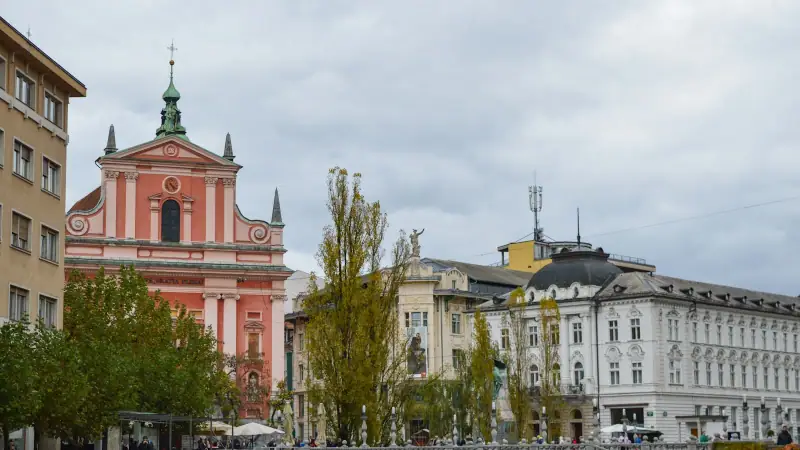
Ljubljana’s true jewel is its historic center, concentrated on both banks of the Ljubljanica between the castle and the central market. This part of the city is entirely pedestrian, which gives it a quality of life rare for a capital.
The Triple Bridge (Tromostovje)
The architect Jože Plečnik is to Ljubljana what Gaudí is to Barcelona: a visionary who deeply marked the face of the city. His best-known work is the Triple Bridge, built in 1932: a main bridge flanked by two pedestrian walkways that create a three-branched crossing over the Ljubljanica. In the evening, lit by its historic lamps, it is one of the most photographed places in Slovenia.
The Dragon Bridge (Zmajski most)
A little downstream, the Dragon Bridge dates from 1901. Its four bronze dragons at the corners, a symbol of the city for centuries, have become Ljubljana’s modern emblem. According to legend, the dragons wag their tails when a virgin crosses the bridge. The architectural truth is less romantic but just as fine: this Art Nouveau reinforced-concrete bridge is one of the first of its kind in central Europe.
The Ljubljanica River and its banks
The banks of the Ljubljanica are the living heart of the city. On each side of the river, a succession of cafés, restaurants and bars animates the riverbanks well past midnight in summer. It is here, on a terrace facing the water, that you understand why Ljubljana is regularly cited among the most pleasant cities in Europe for quality of life.
Hotels in Ljubljana
Stay in the old town or facing the banks of the Ljubljanica.
The central market and Plečnik’s market halls
Ljubljana’s central market (Osrednja tržnica) is an institution in the city. Set along the banks of the Ljubljanica since the Middle Ages, it was redesigned in the 1940s by Jože Plečnik with his famous colonnaded arcades in white stone. It is one of the most beautiful markets in central Europe.
In the morning (Monday to Saturday, generally until 1-2 pm), the stalls overflow with local produce: vegetables from nearby growers, flowers, honey, mountain cheeses, Karst cured meats, herbs. It is an ideal place to buy regional products to take home (Sečovlje salt, Slovenian wines, Carniolan honey).
Next to the halls, the covered market offers meat, cheese and dairy products indoors. On Sunday morning, an antiques and flea market sets up on the neighboring square, a tradition loved by the people of Ljubljana.
Districts not to miss
Metelkova: the alternative district
About ten minutes’ walk from the center, Metelkova is an alternative cultural district set in a former Austro-Hungarian military barracks. After the Yugoslav army left in 1991, an artists’ collective took over the abandoned buildings to create a self-managed cultural space: art galleries, music studios, concert halls, alternative bars and community spaces have developed there for more than thirty years.
Metelkova comes alive mostly in the evening and at night: its inner courtyards and graffiti-covered facades form an open-air museum of urban art. It is also one of the most inclusive spaces in the city, notably welcoming the Slovenian LGBTQ+ community. Entry to the courtyards is free. Some clubs charge an entrance fee on concert nights.
Šiška: neighborhood life
More residential, the Šiška district northwest of the center draws locals looking for bars and restaurants more affordable than in the old town. Its main shopping street and unpretentious cafés give a glimpse of daily life away from the tourist circuits. A good address for those who want to explore the city beyond its historic showcase.
Tivoli Park
Tivoli Park is Ljubljana’s big green lung. Five minutes’ walk west of the city center, it is part of the Tivoli-Rožnik-Šiška landscape (about 460 ha / 1,137 acres including the surrounding wooded hills) and has shaded paths, a castle converted into a museum (Tivoli Castle), greenhouses, tennis courts and jogging trails much used by locals. The central avenue (Jakopičevo sprehajališče), wide and straight, regularly hosts open-air photo exhibitions. It is an ideal place for a break between visits.
Guided tours of Ljubljana
Discover the secrets of Plečnik's architecture and the city's history with a local guide.
Food: what to eat in Ljubljana
Ljubljana has a surprisingly varied food scene for a capital of this size, mixing traditional Slovenian cooking, influences from neighboring countries (Austria, Italy, the Balkans) and contemporary restaurants that showcase local producers.
Slovenian specialties to try
- Potica: a traditional Slovenian rolled cake filled with walnuts, poppy seeds or honey. Found in every pastry shop, it is the national sweet par excellence.
- Žlikrofi: dumplings filled with potato and herbs, from the Idrija region. Served with a meat sauce or simply with butter.
- Kranjska klobasa: the Carniolan sausage, a protected specialty, cooked and served with mustard and horseradish. An institution in markets and casual restaurants.
- Štruklji: rolls of dough steamed or boiled, filled with fresh cheese, walnuts or herbs, in savory or sweet versions depending on the time of day.
- Grilled meats: a strong Balkan influence in the many gostilna (traditional taverns), where lamb chops and skewers are king.
Where to eat
The best concentrations of restaurants are on the banks of the Ljubljanica (the more touristy side, with riverside terraces), in the old town around Mestni trg square, and in the streets between the central market and the Dragon Bridge. For a more local experience, the districts around Metelkova and Šiška have no-frills but authentic places.
Our guide to restaurants in Ljubljana details the best places for each budget and type of cuisine.
Cafés and café culture
Ljubljana has a deeply rooted café culture, inherited from its Austro-Hungarian past. The historic cafés of the city center (some dating from the 19th century) are social institutions where the people of Ljubljana meet at any hour. The kavarna (café-salon) is a place to live as much as a food business: you stay, read and chat for hours without pressure.
Museums and culture
Ljubljana has a remarkable concentration of museums for a city of its size. Here are the main ones:
- The National Museum of Slovenia (Narodni muzej): an archaeological and historical collection from prehistory to modern times. Essential for understanding the country’s history. Open all year.
- The Museum of Modern Art (Moderna galerija): a permanent collection of 20th-century Slovenian art, with regular temporary exhibitions by contemporary artists. Located at the edge of Tivoli Park.
- The City Museum of Ljubljana (Mestni muzej Ljubljana): housed in a 17th-century baroque palace, it traces the history of the city from Roman times (the Roman site of Emona is partly visible in the courtyard).
- The Plečnik House (Plečnikova hiša): the house-studio where the architect worked and lived, restored and open to the public. Essential for understanding his influence on the city. Note that it is the ensemble “The works of Jože Plečnik in Ljubljana” that has been a UNESCO World Heritage Site since 2021, grouping seven architectural components of the city.
Car rental in Ljubljana
Explore Slovenia from Ljubljana: Lake Bled, Postojna Cave and the coast in complete freedom.
Excursions from Ljubljana
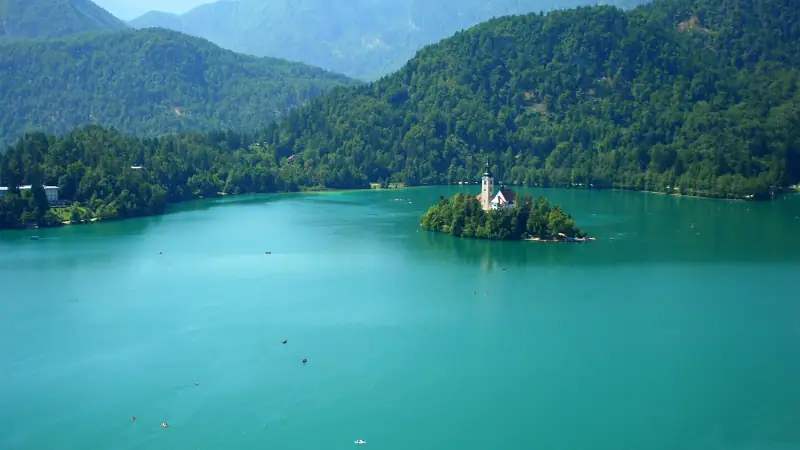
Ljubljana’s central position in Slovenia makes it an ideal base for day trips to the country’s most emblematic sites.
Lake Bled (55 km / 34 mi, ~1 h by car)
Lake Bled is the most popular excursion from Ljubljana. Its turquoise alpine lake, its island with a baroque church and its medieval castle perched on a rock make up the most photographed image of Slovenia. The road from Ljubljana is quick and easy. See our complete guide to Lake Bled and Lake Bohinj.
Postojna Cave (~53 km / 33 mi, about 35-40 min by car)
Postojna Cave is one of the largest karst caves in Europe. A small electric train takes visitors through a network of galleries stretching several kilometers. Only 10 km (6 mi) away, Predjama Castle, set into a vertical cliff, completes the day ideally. These two sites can be combined in the same excursion from Ljubljana.
The Slovenian coast (120 km / 75 mi, ~1 h 30 by car)
By car, the Slovenian coast (Piran, Koper, Portorož) is reachable in under two hours from Ljubljana. A fine excursion for a coastal day with swimming and Adriatic food.
Where to stay in Ljubljana
There is a wide choice of accommodation in Ljubljana, from backpacker dorms to characterful boutique hotels in the old town.
In the old town (historic center)
Sleeping in the old town lets you enjoy the center early in the morning and late in the evening, before and after the tourist flows. Small hotels and apartments in historic buildings offer authentic charm. It is the most sought-after area and therefore the most expensive, and the least accessible by car (parking is difficult).
Around the central station and the center
A few minutes’ walk from the historic heart, the mid-range hotels around the central station offer good value and practical access to buses and trains for excursions. It is the most common choice for travelers on a moderate budget.
Hostels
Ljubljana is known for the quality of its hostels, several of which have been ranked among the best in Europe by specialist guides. Concentrated around the center, they offer dorms and private rooms, friendly common areas and bars. Ideal for solo travelers or young groups.
Our complete guide to where to stay in Ljubljana compares the best places by district and budget.
How long to spend in Ljubljana
- 1 day: castle, old town, Triple Bridge, riverbanks: the essentials in one busy day.
- 2 days: a more comfortable pace, with the market, Metelkova, the museums and the riverbanks at night.
- 3 days or more: lets you add an excursion to Bled or Postojna while taking the time to settle into the city.
On a first trip to Slovenia, Ljubljana is generally the starting point of a circuit. Our 7-day itinerary for Slovenia guides you step by step.
Practical tips for visiting Ljubljana
- The Ljubljana Card pays off if you visit several museums and use the funicular: compare the individual costs before buying.
- The city is small: no need to rent a car to visit the city itself. A car is, however, very useful for excursions in the country.
- The pedestrian center: the streets around the Ljubljanica and the old town are closed to cars. Park in a parking lot (several are available at the edge of the center) and explore on foot.
- Nightlife: Ljubljana has a very active bar and club scene for its size, especially around Metelkova. The riverside terraces stay lively until midnight in summer.
- Language: Slovenian is the official language, but English is very widely spoken in shops, restaurants and hotels in the center.
- Events: summer is rich in festivals (music, open-air cinema, food). Check the tourist office’s calendar before your visit so as not to miss the highlights.
- Currency: Slovenia has used the euro since 2007. Bank cards are accepted in the vast majority of places in the center.
To prepare your stay in Slovenia, see our practical guide and budget.
Ljubljana will surprise you with its quiet beauty, its preserved authenticity and its ability to be at once a historic capital, a young university town and the perfect base for exploring one of the smallest but most diverse nations in Europe. Two days are enough to fall under its spell, and to regret not having planned more.
Sources
Frequently asked questions
How many days do you need to visit Ljubljana?
Two days are enough to see the essentials: old town, castle, riverbanks and main districts. Three days allow a more relaxed pace with the museums and excursions to Bled or Postojna Cave. On a first trip to Slovenia, Ljubljana is generally the starting point before exploring the rest of the country.
How do you get around Ljubljana?
Ljubljana's historic center is entirely pedestrian and very easy to cover on foot. A paid funicular links the bottom of the old town to the castle. For outlying districts, the city has a network of city buses and bike sharing (Bicikelj). Walking remains the best way to discover the city.
What is the best time to visit Ljubljana?
May, June and September offer the best balance: pleasant temperatures (18-25 °C / 64-77 °F), long days, lively terraces and few people compared with high season. July and August are hotter and busier, with many open-air festivals. Winter (December-February) is cold but charming, with Christmas markets and far fewer tourists.
Is Ljubljana expensive for a tourist?
Ljubljana is one of the least expensive capitals in central Europe, although prices have risen in recent years. A meal in a decent restaurant costs between €12 and €25 (~$14 to $29) per person. Accommodation ranges from €20-30 (~$23-35) for a dorm bed to €80-150 (~$93-175) for a 3-4 star hotel in the center. Castle admission costs about €15 (~$17) for entry only and €19 (~$22) with the round-trip funicular (2026 guide prices). Many public spaces and walks are free.
Can you visit Ljubljana without a car?
Absolutely. Ljubljana is one of the most pleasant cities in Europe to explore on foot. The center is entirely pedestrian. Public transport (buses) serves the outlying districts. For excursions (Bled, Postojna, the coast), direct buses and trains leave regularly from the central station, or you can book organized tours from Ljubljana.
Is there a tourist card for Ljubljana?
Yes, the Ljubljana Card (available as a 24, 48 or 72 hour pass) includes unlimited city bus use, free entry to the castle and several museums, the funicular and discounts at many partner restaurants and shops. It is sold at tourist offices and some hotels. It only pays off if you plan several museums in addition to the castle: compare with the cost of individual tickets before buying, and check the content and prices on the official site.
How do you get from Ljubljana to Bled?
Bled is about 55 km (34 mi) from Ljubljana (about 45 to 60 minutes by car depending on traffic). Regular buses leave Ljubljana's bus station several times a day (about 1 h 15). There is also a train to Lesce-Bled station, then a bus or taxi to the lake. With a rental car, the road is simple and scenic.
More Slovenia guides
Keep reading
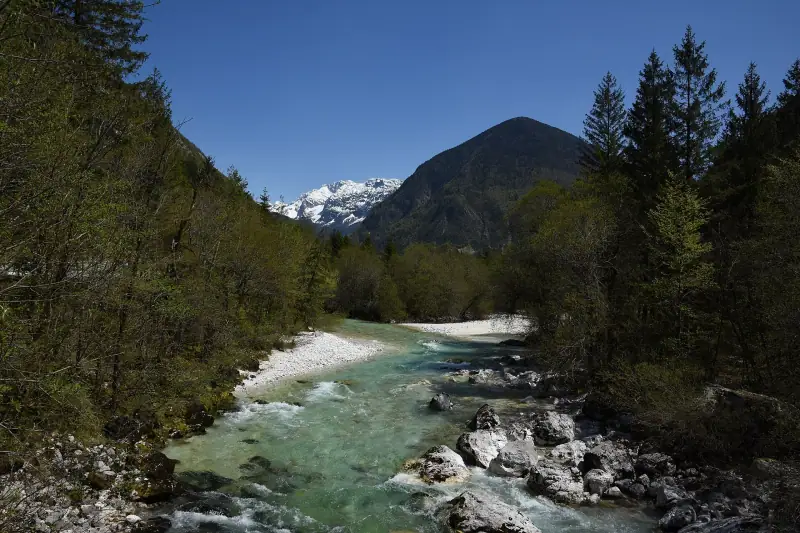
Visiting Bovec: a complete guide to Slovenia's adventure capital
Discover Bovec and the Soča: rafting, canyoning, Julian Alps hikes, Boka Waterfall and practical tips for an unforgettable stay.
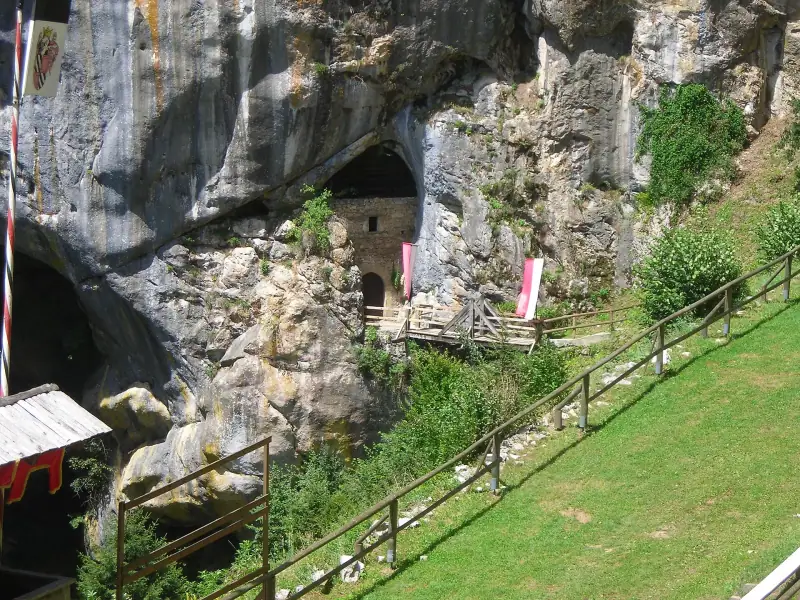
Visiting Postojna: a complete guide to the caves and Predjama Castle
Discover Postojna, capital of the Slovenian Karst: Postojna Cave, Predjama Castle, hikes and practical tips to plan your stay.
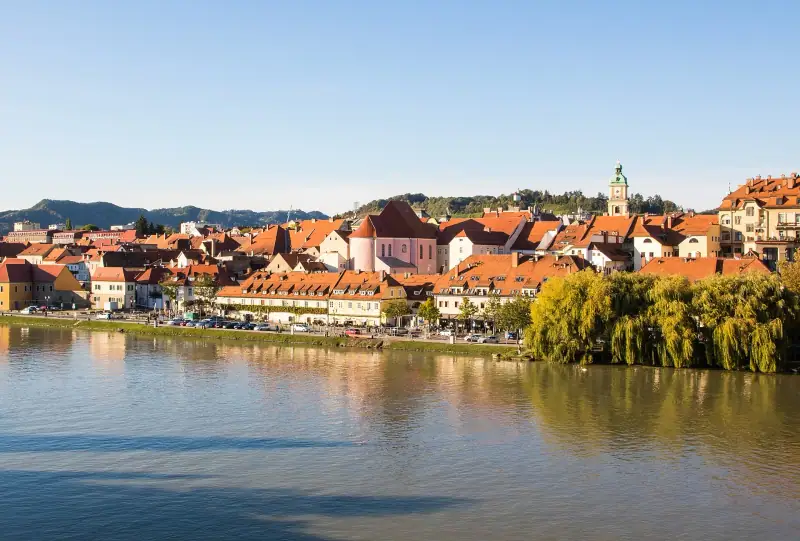
Visiting Maribor: a complete guide to Slovenia's second city
Discover Maribor, cultural capital of eastern Slovenia: the world's oldest vine, the Lent district, Pohorje and Styrian wines.
Ready-made
Slovenia itineraries
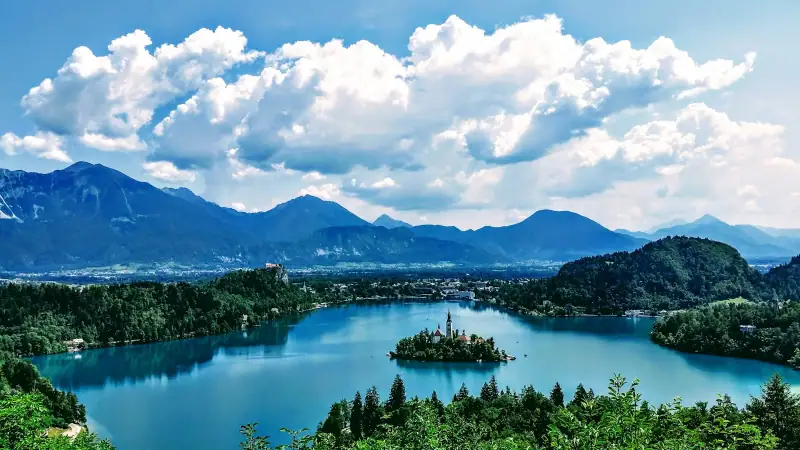
10 days
Slovenia in 10 days: the complete itinerary to see it all
LjubljanaBledBovecPiran or KoperLjubljana
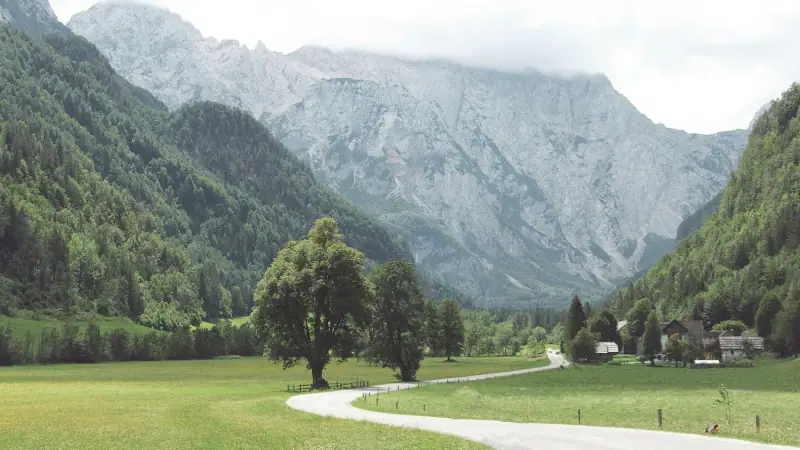
5 days
Slovenia road trip: the complete guide to driving the country
Plan your Slovenia road trip: itineraries, scenic roads, practical tips and the highlights you should not miss by car.
6 days