Things to do
Caves in Slovenia: Postojna, Škocjan and the other underground wonders
We may earn a commission when you book through links on this page, at no extra cost to you. We don't visit or try the places we cover: we summarize published sources. How we work
In short
- Postojna Cave (24 km / 15 mi of galleries, electric train) costs about €35 (~$41) for adults; the guided visit lasts 1 h 30 to 2 h. Book online in July-August.
- Škocjan Caves (UNESCO) cost €20 (~$23) for adults; the guided visit is compulsory and lasts 2 h to 2 h 30 with a lot of walking.
- Predjama Castle is 10 km (6 mi) from Postojna; the combined ticket (about €24 / ~$28) is cheaper than two separate entries.
- Postojna and Škocjan, about 40 km (25 mi) apart, can be done on the same day by starting early. Bring a sweater and closed shoes.
Slovenia sits on one of the largest karst cave networks in the world. The Karst plateau (which gave its name to the geological phenomenon called “karst”) is dotted with thousands of underground cavities, including two systems of exceptional scale and beauty: Postojna Cave and the Škocjan Caves. Visiting the Slovenian caves is one of the must-do experiences of a trip to this country.
Postojna Cave
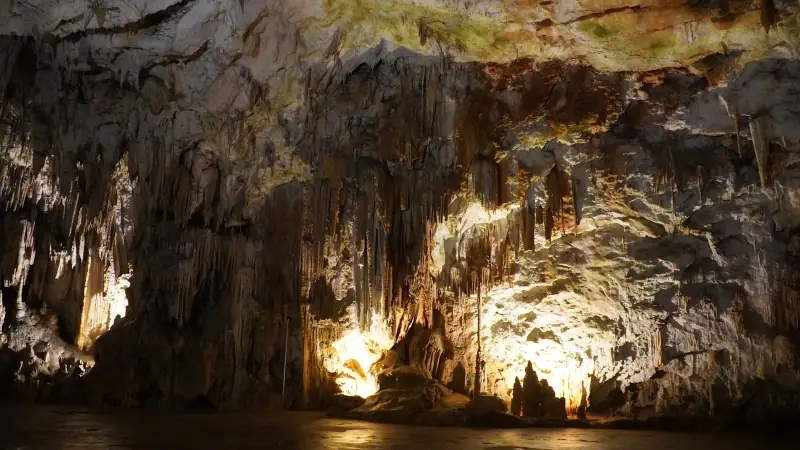
Overview
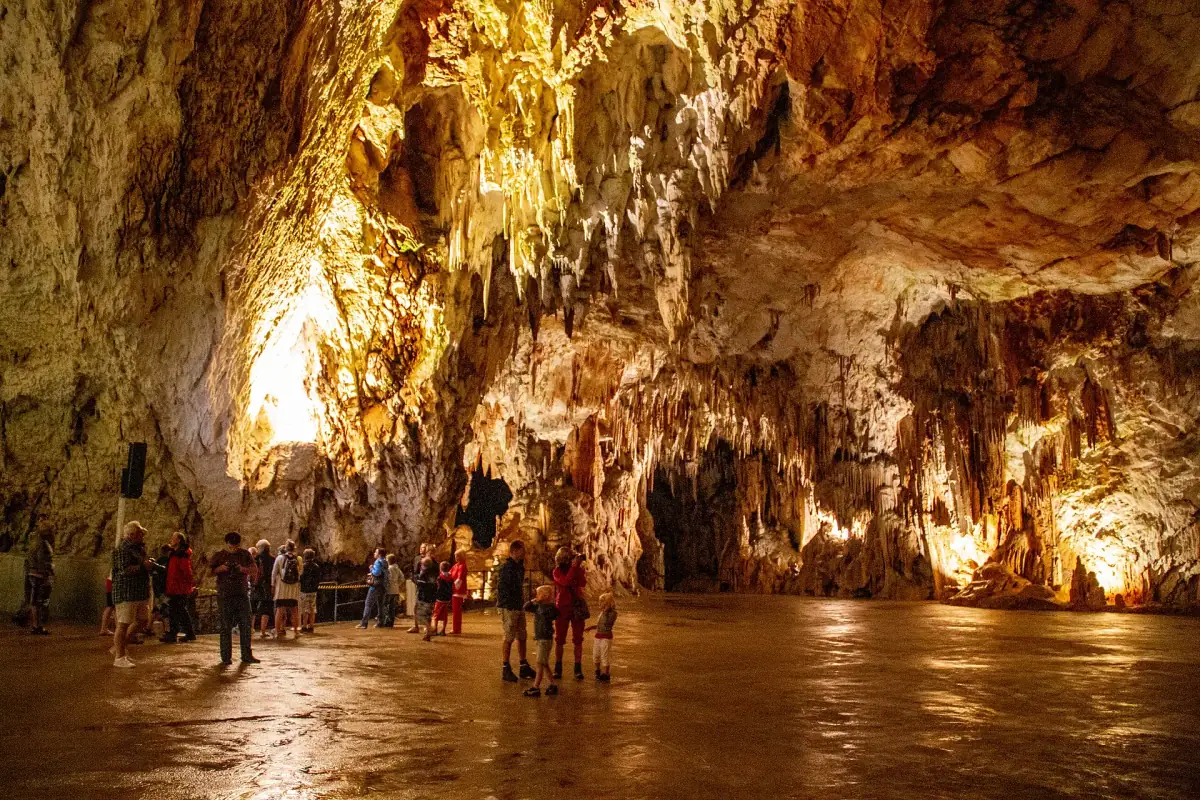
Postojna Cave is the most famous in Slovenia and one of the most visited tourist destinations in Europe. With 24 kilometers (15 mi) of explored galleries, it is the second longest karst cave network in Europe.
The visit begins with a ride on a small electric train (3.7 km / 2.3 mi round trip through the galleries), followed by a walk of about 5 km (3 mi) through the most spectacular halls. The temperature inside is about 10 °C (50 °F).
What you see
The Concert Hall: an immense hall (10,000 m² / 107,600 sq ft) with spectacular limestone formations, used for concerts and artistic performances. The acoustics are extraordinary.
The White Hall: with pure white stalagmites and stalactites, formed over hundreds of thousands of years.
The Brilliant Pillar (Briliantni Steber): a particularly photogenic calcite column.
The olm aquariums: the olm (Proteus anguinus), this fascinating blind, white-pink amphibian living only in the underground waters of the Balkans, can be seen in aquariums. One of the rarest and most mysterious animals in the world.
Practical information
- Visit length: 1 h 30 to 2 h
- Prices: adults about €35 (~$41), reduced rate for ages 6-15 (see the official site)
- Hours: guided visits every hour in high season, every 2 hours in low season
- Booking: online at postojnska-jama.eu (highly recommended in summer)
- What to bring: a warm sweater (about 10 °C / 50 °F), closed shoes
Getting there: 50 km (31 mi) southwest of Ljubljana, A1 motorway, Postojna exit. Large free parking lot.
Predjama Castle (to combine with Postojna)
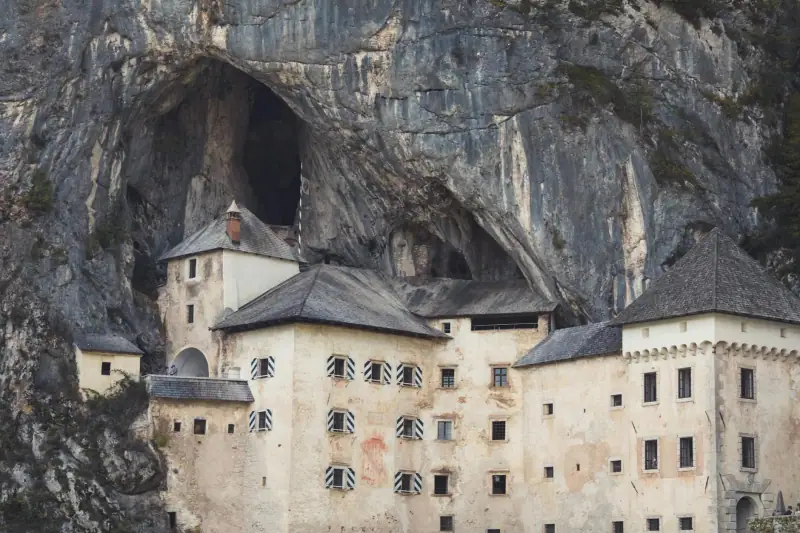
10 kilometers (6 mi) from Postojna, Predjama Castle is a site unique in the world. This Renaissance castle built at the entrance of a natural cave, hanging from a 123 m (404 ft) cliff, is the largest cave castle in the world. Without a car, see how to get there in our guide to Predjama Castle without a car.
History and legend
The castle is associated with the legend of Erasmus of Lueg, a 15th-century robber knight who held out for a year against imperial troops thanks to the network of underground tunnels through which his allies brought him food. He was finally killed through a betrayal in 1484.
Visit
- Length: 45 min to 1 h
- Prices: about €24 (~$28) (combined Postojna + Predjama ticket cheaper than two separate entries: see the official site)
- Tip: buy the combined ticket, it is clearly cheaper
Škocjan Caves
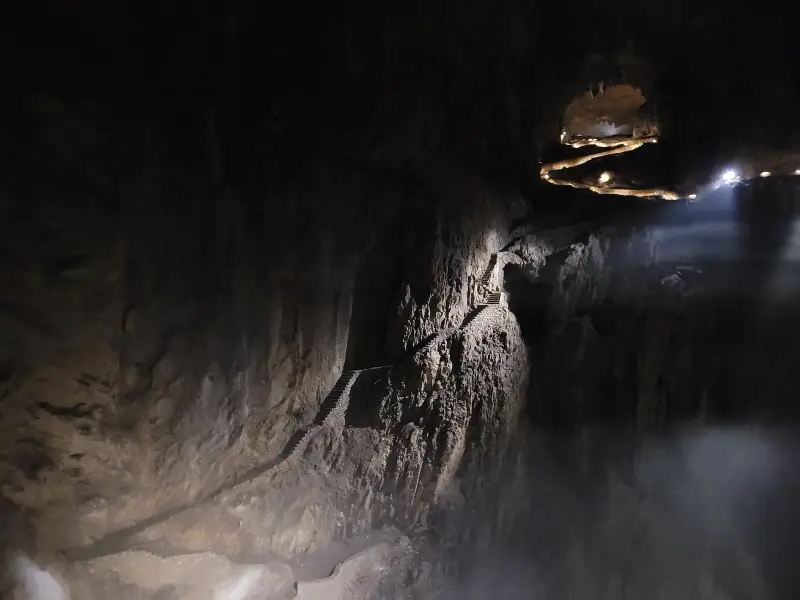
Why are the Škocjan Caves unique?
The Škocjan Caves (a UNESCO World Heritage Site since 1986) are different from Postojna. Less “touristy” in the good sense of the word, they offer a rawer and more striking experience.
The Reka River disappears underground and has carved a dizzying underground canyon with giant cavities, the largest (the Great Hall or Martelova dvorana) reaching 500 m (1,640 ft) long with a volume of 3 million m³ (106 million cu ft). It is one of the largest underground halls open to the public in the world.
What you see
The underground canyon of the Reka River: you follow the river on walkways attached to the walls at dizzying heights.
The Great Silent Hall: an immensity of limestone formations in almost absolute silence.
The natural bridges and chasms: spectacular geological formations that the river has carved over millions of years.
The atmosphere is wilder and more impressive than at Postojna. The sound of the river below, the passages in the dark, the walkways over the void… it is a visit that stays with you.
Practical information
- Length: 2 h to 2 h 30 (guided visit compulsory)
- Prices: adults €20 (~$23), children (6-15) €10 (~$12)
- Hours: see the official site (more limited than Postojna)
- Note: the visit involves a lot of walking, including climbs. Not recommended for people with reduced mobility.
- Getting there: 80 km (50 mi) from Ljubljana, 40 km (25 mi) from Postojna
Official site: park-skocjanske-jame.si
The other caves of Slovenia
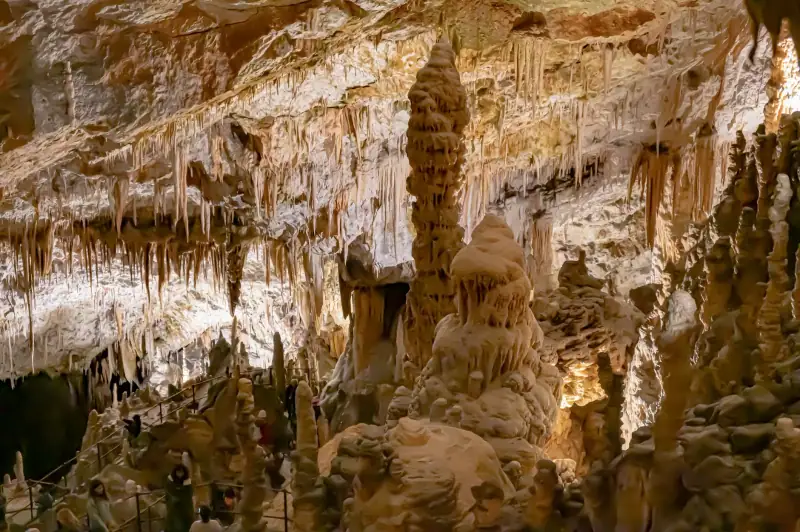
Križna jama
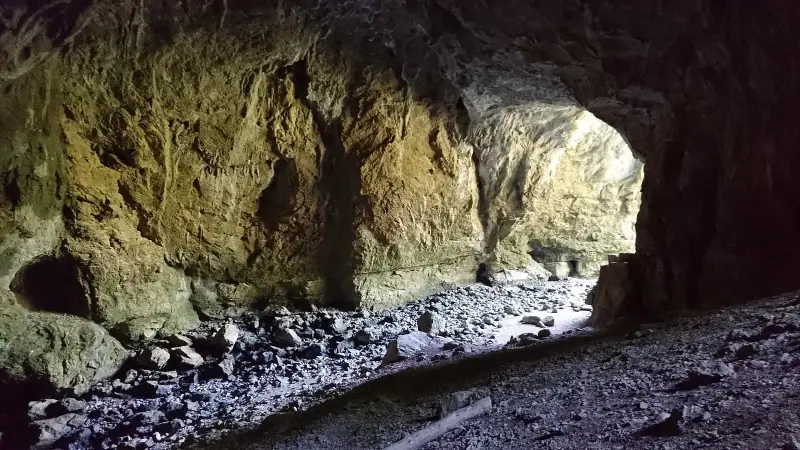
A remarkable cave with an underground river that you travel by boat. Less well known, so less crowded. The atmosphere is unique.
- Visit: guided only, by reservation
- Length: 2 to 4 h depending on the type of visit (short or long boat trip)
- Price: about €15 to €25 (~$17 to $29) depending on the option
Kostanjeviška jama
A cave with particularly colorful formations, in the Posavje region (eastern Slovenia). Less spectacular than Postojna but far less crowded.
Pekel Cave
Famous for its underground waterfalls, in the Šaleška dolina region. A more original experience for caving fans.
Tips for planning your cave visit
Planning
- Book online for Postojna in July-August: morning slots are the most in demand
- Postojna + Predjama combined: buy the combined ticket, it costs clearly less than two separate entries
- Škocjan and Postojna on the same day: doable by starting early (Škocjan in the morning, Postojna in the afternoon)
- Avoid July-August weekends at Postojna: that is when the crowds are at their peak
Temperature and equipment
- Inside: about 10 °C (50 °F) (Postojna) and about 10-14 °C (50-57 °F) (Škocjan)
- Bring a sweater or light jacket even in summer
- Closed shoes compulsory (no sandals)
- Camera: flash is often not allowed, but the lighting is managed
With children
Postojna Cave is ideal for children from age 5-6. The small train delights them, and the strange shapes of the formations stimulate the imagination. Bring warm clothes.
Škocjan is less suited to very young children (a lot of walking, narrow passages, impressive chasms).
To fit the caves into your itinerary, see our 7-day guide to Slovenia and our road trip guide.
Frequently asked questions
Which is the best cave to visit in Slovenia: Postojna or Škocjan?
They are two very different experiences. Postojna impresses with its size and its famous electric train (24 km / 15 mi of galleries). Škocjan, a UNESCO site, has a wilder atmosphere with its dizzying chasms. Ideally, visit both.
Do you need to book ahead for Postojna Cave?
Yes, in July and August booking ahead is strongly recommended, especially for morning slots. The site has online ticketing. Queues without a reservation can exceed 1 hour.
Is Postojna Cave suitable for children?
Yes, Postojna Cave is great for children. The ride on the small electric train delights them, and the walk through the lit galleries is accessible from age 4-5. Bring a warm sweater (about 10 °C / 50 °F inside).
Can you visit Postojna and Škocjan on the same day?
Yes, the two caves are about 40 km (25 mi) apart. Starting early, you can do Škocjan in the morning and Postojna in the afternoon. Allow about 1 h 30 to 2 h for Postojna and 2 h 30 to 3 h for Škocjan, plus travel time.
What is the olm?
The olm (Proteus anguinus), called the "little dragon" or "human fish" in Slovenia, is a blind amphibian that lives only in the underground waters of the Balkans. It can survive 10 years without food and live up to 100 years. You can see it in the aquariums of Postojna Cave.
More Slovenia guides
Keep reading
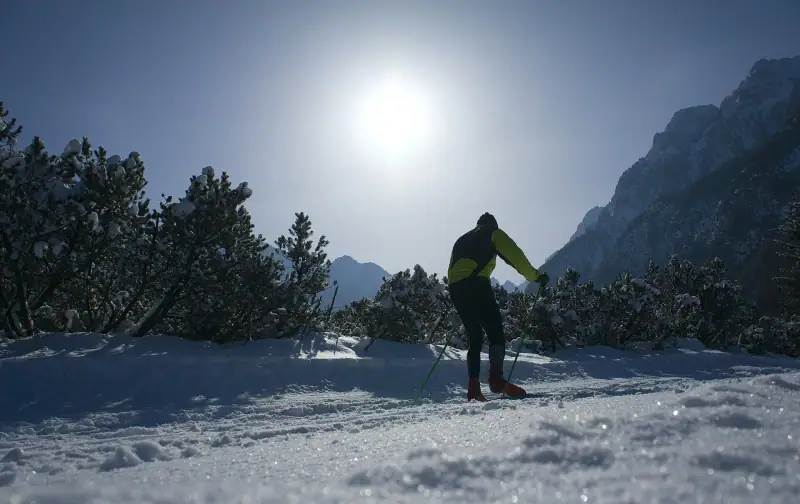
Skiing in Slovenia: Kranjska Gora, Vogel, Krvavec, resorts and prices
Skiing in Slovenia: Kranjska Gora, Vogel and Krvavec compared, lift passes, 2026-2027 opening dates, access from Ljubljana, lodging and budget.
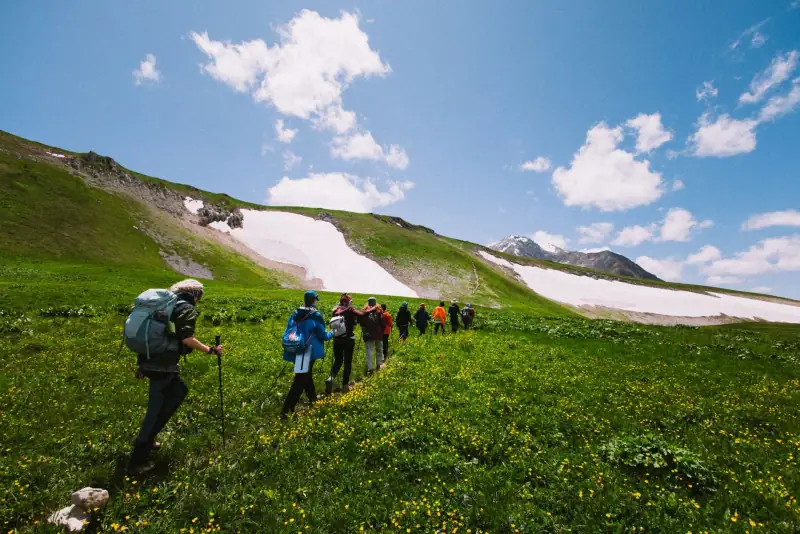
Hiking in Slovenia: the best trails for every level
The best hikes in Slovenia: Lake Bled, Triglav, Vintgar Gorge, the Soča. Levels, durations, tips and trail overview.
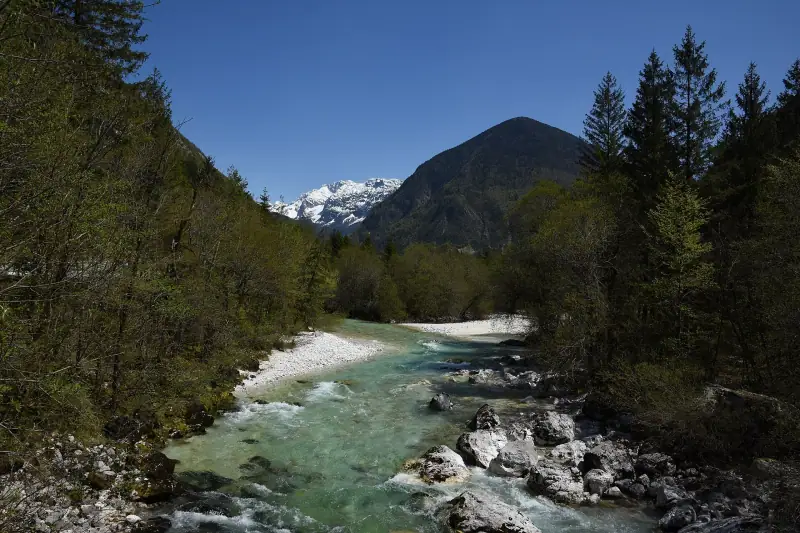
Visiting Bovec: a complete guide to Slovenia's adventure capital
Discover Bovec and the Soča: rafting, canyoning, Julian Alps hikes, Boka Waterfall and practical tips for an unforgettable stay.
Ready-made
Slovenia itineraries
10 days
Slovenia in 10 days: the complete itinerary to see it all
LjubljanaBledBovecPiran or KoperLjubljana
5 days
Slovenia road trip: the complete guide to driving the country
Plan your Slovenia road trip: itineraries, scenic roads, practical tips and the highlights you should not miss by car.
6 days