What to see
Visit Catania: A Complete Guide to the City of Mount Etna
We may earn a commission when you book through links on this page, at no extra cost to you. We don't visit or try the places we cover: we summarize published sources. How we work
In short
- Two days are ideal for the Baroque center, the Pescheria fish market and a half day on Mount Etna; one day covers the essentials but is tight.
- The Pescheria runs Monday to Saturday from about 6 am to 1 pm; go before 9 am to see it at its liveliest.
- Etna excursions from Catania cost €50-80 (~$58-93) with a guide; a guide is required above 2,900 m (9,515 ft).
- The Alibus links Fontanarossa Airport to the central station in 20 minutes for €4 (~$5); the historic center is largely a ZTL (limited traffic zone).
Catania is the surprise many travelers in Sicily keep for last, and end up regretting not having spent more time there. Built on Mount Etna’s lava flows, destroyed and rebuilt after the earthquake of 1693, the city offers a remarkably consistent Baroque in black and white, dark and luminous at once. Sicily’s second city and a lively university town, Catania is also the ideal starting point for climbing Mount Etna.
Catania in a few words
Catania has about 300,000 inhabitants and is the economic heart of eastern Sicily. Its official motto could be “born under a volcano, rebuilt after an earthquake, never defeated”: the city was buried under Mount Etna’s lava flows in 1669, then almost entirely destroyed by the earthquake of 1693.
That catastrophe paradoxically gave Catania its present face: the architects of the reconstruction, foremost among them Giovanni Battista Vaccarini, designed a Baroque city of almost classical rigor, with wide grid avenues, open squares and palaces of black volcanic basalt set with white limestone.
The result: a Baroque unique in the world, recognizable among all others, a UNESCO World Heritage site since 2002 along with the other Baroque towns of the Val di Noto.
1. Piazza del Duomo: the heart of Catania
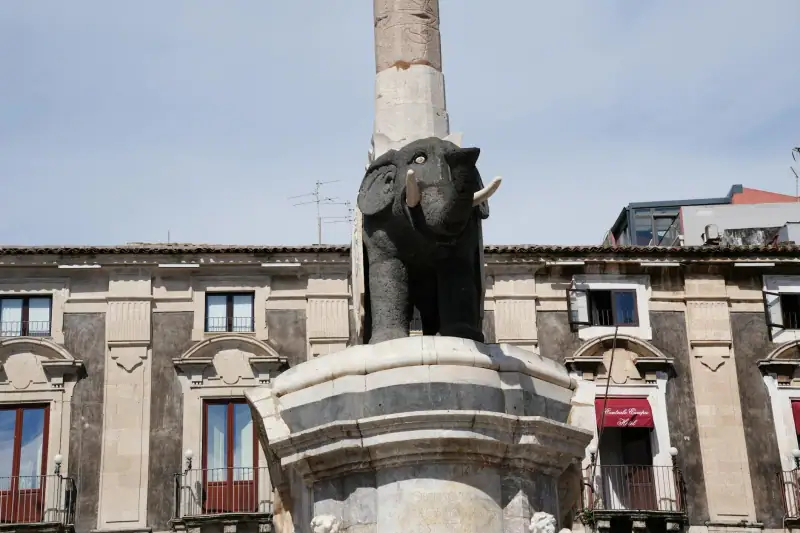
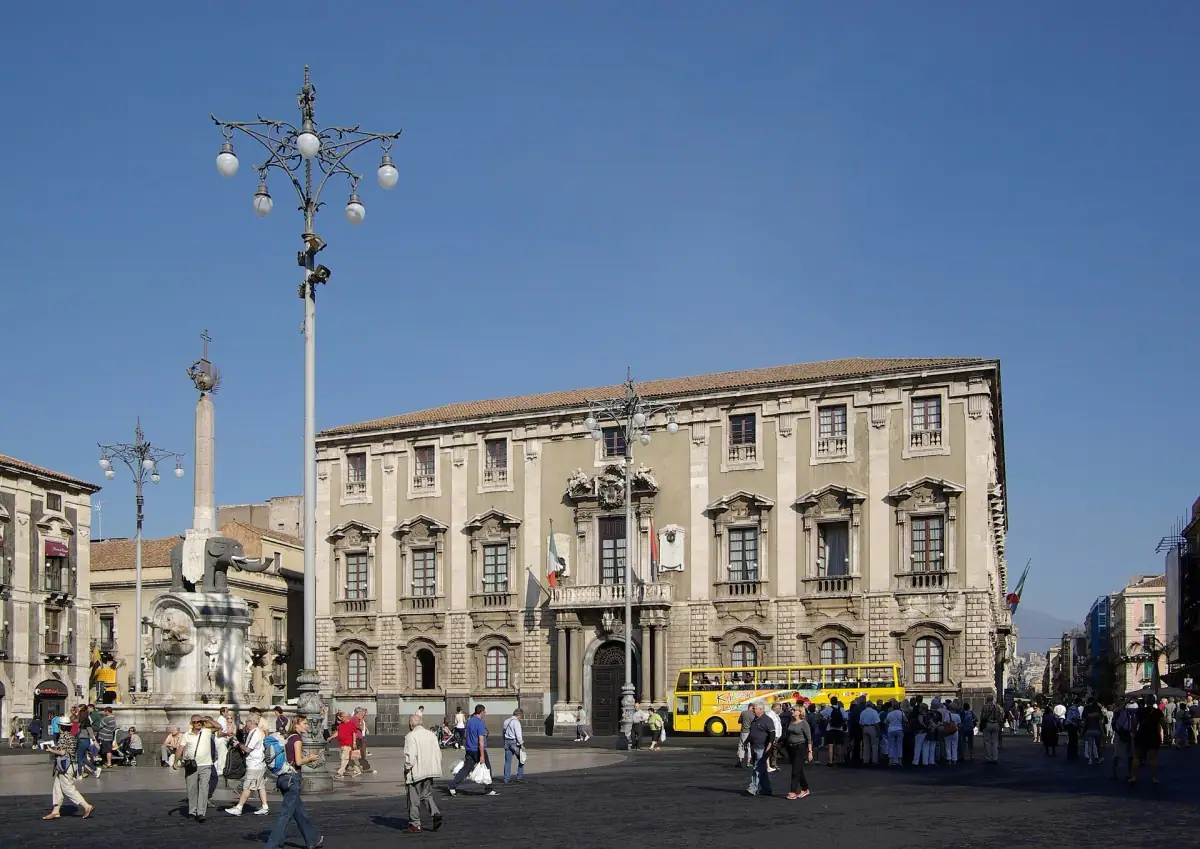
Catania’s great central square is one of the most elegant in southern Italy. In its center stands the Elephant Fountain (Fontana dell’Elefante), the city’s symbol since 1736: a black basalt elephant of Roman or Arab origin carries an Egyptian obelisk, all topped by a bronze armillary sphere. Sober and bizarre at once, this fountain is the heart of Catanian life.
The square is framed by four monumental facades:
- The Sant’Agata Cathedral (18th century, Baroque style), dedicated to the city’s patron saint. It houses the chapel of Saint Agatha and the relics that are the subject, each year on February 3, of one of Italy’s biggest religious festivals.
- The Palazzo degli Elefanti (the town hall), with a sumptuous Baroque facade.
- The Porta Uzeda, a triumphal arch opening onto the port.
- The Palazzo del Municipio and its arcades.
Practical information: The cathedral is open from 7 am to 7 pm, free entry. The crypt and treasures are paid (€3-5 / ~$3-6).
2. The Pescheria: Sicily’s most spectacular fish market
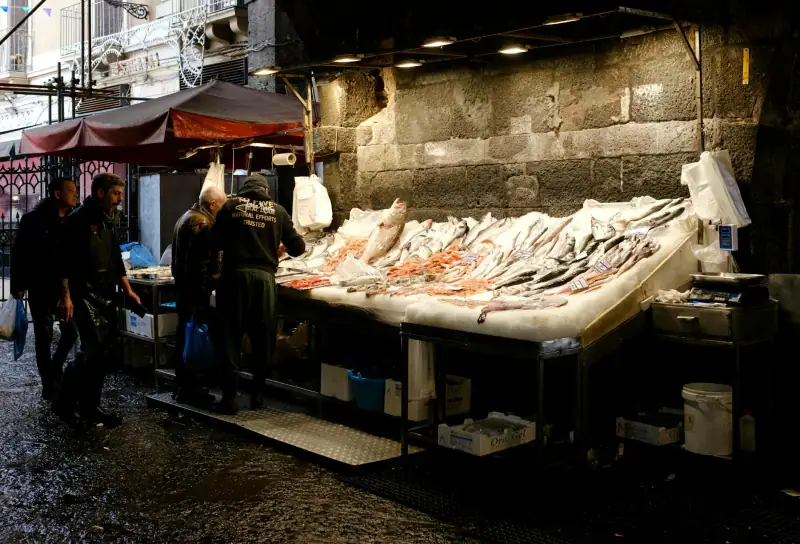
Hidden behind Piazza del Duomo, reached through the Porta Uzeda, Catania’s fish market is a total sensory experience. From 6 am, dozens of stalls take over an old Roman square (built on a Roman amphitheater of the 1st century) to display an abundance of fish, octopus, sea urchins, shrimp and sliced tuna, all in a chorus of vendors shouting their prices with the energy of preachers.
It is not only a food market: it is the theater of Catanian life. Come early (before 9 am) to see it at its liveliest.
What you find there:
- Whole fish: sea bass, sea bream, red mullet, swordfish
- Seafood: clams, mussels, sea urchins
- Tuna: the “mattanza” tradition (traditional tuna fishing) is less practiced, but tuna is still everywhere
- Spices, vegetables, citrus from the slopes of Mount Etna
The market runs Monday to Saturday, from about 6 am to 1 pm. Sunday is an exception: a few stalls stay open but the atmosphere is very different.
Guided tour of Catania + Pescheria
Discover the Pescheria and Catanian Baroque with a passionate local guide. Street food tasting included.
3. Via Etnea: the Baroque backbone
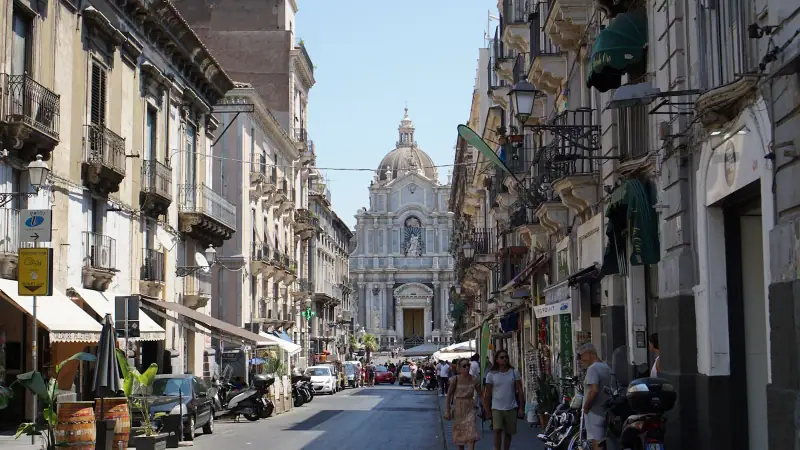
Via Etnea is Catania’s main artery: a straight avenue of 3 km (2 mi) running from north to south toward the sea. Laid out during the post-1693 reconstruction, it is lined with Baroque palaces, churches and cafés. On a clear day, you can see the snow-capped cone of Mount Etna at the end of the perspective, a striking effect.
Via Etnea is the place of the Catanian passeggiata, the daily evening stroll. At aperitif time (6 to 8 pm), café terraces spill onto the sidewalk.
Highlights on Via Etnea:
- Sant’Agata al Carcere (2nd-century church, partly Roman)
- Villa Bellini: Catania’s loveliest public garden, with shaded pergolas and an open view of Mount Etna
- Palazzo Biscari: the largest private Baroque palace in Sicily, open to visits by appointment
- Teatro Bellini: Catania’s opera house, opened in 1890, one of the most beautiful in southern Italy
4. The Roman amphitheater and ancient monuments
Catania is built on a Greek Catana of the 8th century BC and an important Roman Catina. Several ancient monuments are visible, often discovered during works and preserved in situ.
The Roman Amphitheater on Piazza Stesicoro: Partly visible in the middle of the great square in the north of the city, it was one of the largest amphitheaters of the Roman Empire (estimated capacity: 16,000 spectators). Only a portion of the arc-shaped structure is accessible from the street.
The Odeon and the Roman Theater: Two structures side by side near Via Vittorio Emanuele. The theater (2nd century AD) is largely preserved and partly open to visits. Entry: €4 (~$5).
The Roman baths: Several Roman bath complexes have been uncovered under Catania. The Indirizzo baths (Via Indirizzo) and those of Piazza Dante are the most accessible.
5. The cathedral and the cult of Saint Agatha
The city’s patron saint deserves a stop. Saint Agatha was a young Catanian Christian martyred in the 3rd century under Decius for refusing the advances of the governor Quintianus. Her breasts were cut off (the saint is shown holding a plate with her breasts, often mistaken for bells or domes), and she was rolled over burning coals before being imprisoned.
Her feast, on February 3 and 4, is one of the most important in Europe: more than a million pilgrims follow on foot, dressed in white sacks (the sacconi), the shrines holding the saint’s relics through the streets of Catania. A religious spectacle of rare intensity, and not at all touristy.
The cathedral keeps the treasure of Saint Agatha (jewels, reliquaries, sacred vestments from the 11th to the 18th century). Paid visit from the sacristy.
Where to stay in Catania
Hotels and B&Bs in the Baroque center, a short walk from Piazza del Duomo and the Pescheria.
6. Mount Etna from Catania
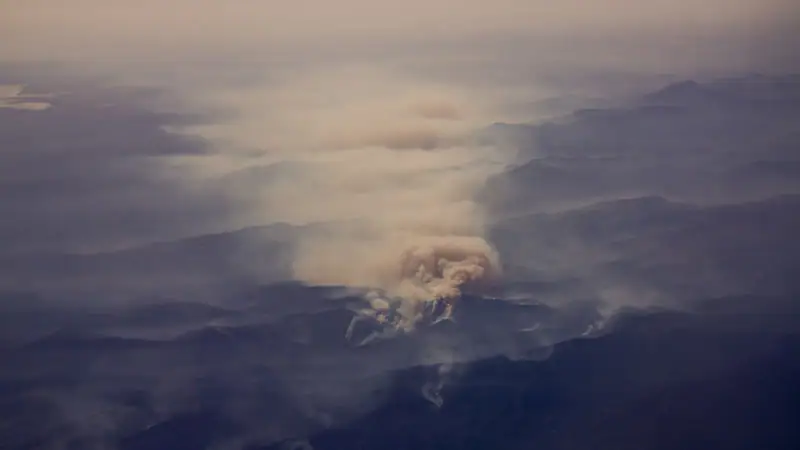
Mount Etna is not in Catania, but Catania is the most practical base for getting there. The volcano peaks at about 3,350 m (10,990 ft; the altitude varies with eruptions) and remains one of the most active volcanoes in Europe, so an impressive eruption or fumarole is almost guaranteed.
Options for visiting Mount Etna from Catania
Organized excursion (the simplest): Minibus departure from Catania, climb to the central crater with a certified guide. Duration: 6-8 h. Price: €50-80 (~$58-93) depending on the operator, guide included. The climb above 2,900 m (9,515 ft) must be guided.
Circumetnea train (independent): A regional train circles Mount Etna, with stops in the villages on its flanks. Departure from Catania-Borgo station. Duration of the line to Riposto: about 3 h 30. Ticket depending on distance (about €8 / ~$9 for the full line according to 2026 fares). Some sections are replaced by buses: check timetables on circumetnea.it. Views of Etna’s flanks but no ascent.
Rental car + independent access: Drive up to Rifugio Sapienza (1,910 m / 6,270 ft) by the south-side road. From there, take the cable car (about €35 to 55 / ~$41-64 round trip depending on the option: check the Funivia dell’Etna website) up to 2,500 m (8,200 ft), then a guide for the upper craters. Our guide to hiking on Mount Etna details the routes.
7. Neighborhoods to explore on foot
San Berillo Vecchio
The district around the Pescheria, dense and working-class, with narrow lanes, ruined palaces and inner courtyards. Not always in good condition, but it is the heart of non-touristy historic Catania.
La Plaja di Catania
Catania’s beach, south of the city (bus no. 27 from the center). Popular in summer, lined with lidi (beach establishments). Clean water despite the proximity of the city.
Via Crociferi
Catania’s most Baroque street, adorned with monasteries, churches and 18th-century palaces in an exceptional state of preservation. At night, lit up, it is magical.
Aci Castello and Aci Trezza (coastal excursions)
15 km (9 mi) to the north, Aci Castello has a Norman castle built on a peak of black lava above the sea. Aci Trezza, the neighboring fishing village, is famous for its Faraglioni, volcanic rocks rising from the sea, identified in Greek mythology as the rocks the Cyclops Polyphemus hurled at Odysseus.
Rental car in Catania
Essential for exploring Mount Etna, the coast and the surrounding villages at your own pace.
Catanian food: what to taste
Catanian cooking has its own specialties, distinct from the rest of Sicily.
The essentials
The arancino (masculine in Catania!): Catania and Palermo have argued for centuries over the correct spelling. In Catania, it is arancino (not arancina), and it is generally conical (shaped like Mount Etna, say the Catanians). Filled with meat ragù, peas and cheese. Price: €1.50-2 (~$2).
Pasta alla Norma: Catania’s emblematic dish. Invented here in the 19th century and named in honor of Bellini’s opera “Norma” (Bellini was a Catania native), it is simply pasta with fried eggplant, tomatoes, basil and salted ricotta. A simple recipe, an exquisite result.
Granita and brioche: The classic Catanian breakfast. Lemon, almond or coffee granita, with a brioche (col tuppo) for dipping. Try it at Bar Savia (Via Etnea, legendary since 1897) or at Pasticceria Spinella.
The “stigghiola”: Goat or lamb intestines grilled over a fire, eaten in the street with bread. Catania street food, less known than arancini but just as popular with locals.
Horse meat: Catania is one of the Italian cities where macellerie equine (horse butchers) are still numerous. Cavatuni (horse sausages) and rollò (stuffed horse roll) are eaten at the butcher-delis of the center.
Where to eat in Catania
- Trattoria La Paglia (Via Pardo): local canteen, unbeatable pasta alla Norma, reasonable prices
- Osteria dei Vespri (Piazza Arcivescovado): refined Sicilian cooking in a Baroque palace
- Friggitoria Stella (Via Pescheria): fried fish and arancini from morning to night, at the foot of the market
To go further on Sicilian food, see our guide to Sicilian cuisine.
Practical information
How to get to Catania
By air: Catania-Fontanarossa International Airport (CTA) is the second in Sicily (first by summer traffic volume). Airport to center: Alibus (€4 / ~$5, 20 min) or taxi (€15-20 / ~$17-23).
By train: From Messina (1 h 30), Syracuse (1 h 20), Palermo (3 h to 3 h 30 depending on the line). Catania central station is a 10-minute walk from the Duomo.
By car: A18 motorway (Messina-Catania), A19 (Palermo-Catania). Parking is available on the outskirts; the historic center is largely a ZTL (limited traffic zone).
Getting around Catania
The historic center can be visited entirely on foot. AMT buses cover the farther districts and the beaches. For Mount Etna and the surroundings, a rental car is recommended (see our guide to car rental in Sicily).
Where to stay in Catania
Historic center (recommended): Around Piazza del Duomo and Via Etnea. Boutique hotels in renovated Baroque palaces, B&Bs, apartments.
Pescheria-port district: Livelier and more working-class, fewer tourists. Ideal if you like authenticity.
Indicative budget: Double B&B in the center €60-90 (~$70-105) a night, 3-star hotel €90-140 (~$105-165), charming boutique hotel €150-250 (~$175-290).
Catania in 2 days: suggested itinerary
Day 1: Baroque Catania and local flavors
Morning:
- 7 am: Pescheria (fish market), the earlier the better
- 9 am: Granita-brioche breakfast at Bar Savia (Via Etnea)
- 10 am: Piazza del Duomo, Elephant Fountain, Sant’Agata Cathedral
- 12 pm: Via Crociferi and Via Etnea on foot
Afternoon:
- 1 pm: Lunch at Trattoria La Paglia, pasta alla Norma
- 3 pm: Roman amphitheater on Piazza Stesicoro
- 4 pm: Roman Theater and Odeon
- 6 pm: Passeggiata on Via Etnea
- 8 pm: Dinner in the historic district
Day 2: Mount Etna and the coast
Morning:
- 8 am: Leave on a Mount Etna excursion (organized half day)
- 1 pm: Back in Catania
Afternoon:
- 2 pm: Lunch of fresh fish (restaurant on Via Pescheria)
- 4 pm: Excursion to Aci Castello and Aci Trezza (30 min by car)
- 7 pm: Back for an aperitif on Piazza del Duomo
To fit Catania into a wider trip, see our Sicily road trip for a complete itinerary of the island.
What sets Catania apart from Palermo
Catania is often relegated to “Sicily’s second city, less interesting than Palermo”. That is a mistake. The two cities are profoundly different:
| Catania | Palermo | |
|---|---|---|
| Architecture | Uniform black-and-white Baroque | Arab-Norman-Baroque mix |
| Atmosphere | University town, young, energetic | Bigger, more diverse |
| Unique asset | Mount Etna 30 min away, Pescheria | Cappella Palatina, Arab-style markets |
| Size | 300,000 inhabitants | 670,000 inhabitants |
| Tourism | Less visited | More touristy |
If you only have time to choose, Catania is the better base for eastern Sicily (Mount Etna, Syracuse and Taormina are all within an hour). Palermo is a must for western Sicily and the Arab-Norman treasures.
For travelers who hesitate, our article Palermo vs Catania will help you decide according to your profile.
Catania is a city that deserves more time than it is usually given. Its Pescheria, its volcanic Baroque, its Piazza del Duomo and the proximity of Mount Etna make it a major stop on any trip to Sicily. Let yourself be surprised.
Frequently asked questions
How many days do you need to visit Catania?
Two days are ideal to discover the Baroque center, the Pescheria and spend a half day on Mount Etna. In a single day, you can see the highlights (Piazza del Duomo, market, Via Etnea) but it is tight.
How do you get to Catania from the airport?
Fontanarossa Airport is about 5 km (3 mi) from the center. The Alibus (AMT line, €4 / ~$5) links the airport to the central station in 20 minutes. A taxi costs about €15-20 (~$17-23). Walking to the center is not an option.
Is Catania dangerous?
Catania has a reputation that is sometimes exaggerated. The historic center (Piazza del Duomo, Via Etnea, Pescheria) is safe and lively. As in any Italian city, stay alert in less busy areas at night and beware of pickpockets in the markets.
Is it better to visit Catania or Palermo?
The two cities are complementary. Catania is more compact, more university-oriented and student-filled, with a very consistent black-and-white Baroque architecture and direct access to Mount Etna. Palermo is bigger, more monumental, with a stronger Arab-Norman history. On a 10-day trip, both deserve a stop.
Can you climb Mount Etna from Catania?
Yes, it is one of the big attractions. The Circumetnea train or organized excursions leave from Catania. Climbing to the central crater requires a guide (mandatory above 2,900 m / 9,515 ft) and half a day. For a light hike on the flanks, allow a full day.
When is the best time to visit Catania?
April to June and September-October are the best periods: pleasant warmth (22-28 °C / 72-82 °F), few crowds, good sea. July-August are very hot (35-40 °C / 95-104 °F) and crowded. Winter is mild, but some Etna excursions are closed depending on volcanic conditions.
More Sicily guides
Keep reading
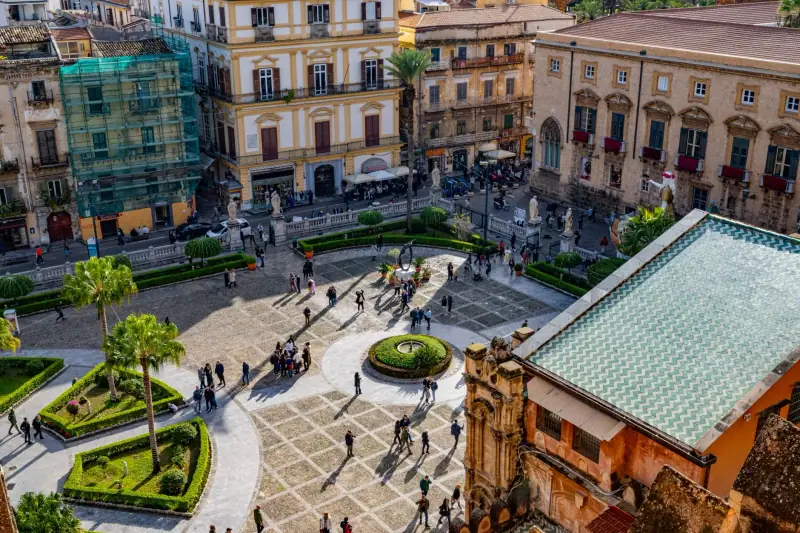
Palermo Highlights: The 12 Sights Not to Miss
What to see in Palermo? Our selection of 12 highlights: Cappella Palatina, markets, cathedral, Kalsa, Monreale. Practical guide with hours and tips.
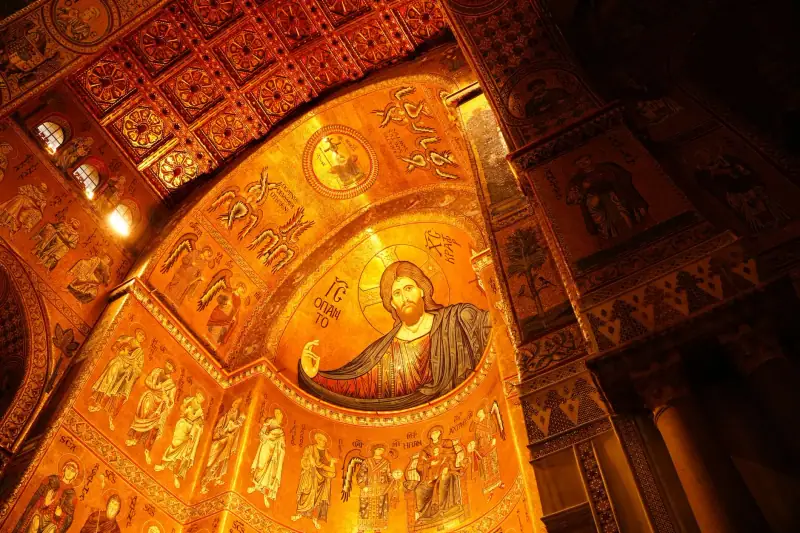
Monreale from Palermo Without a Car: Bus 389, Hours and Prices
How to get from Palermo to Monreale by bus without a car: AMAT line 389, a €1.40 ticket, cathedral hours, cloister, terraces and how long to allow.
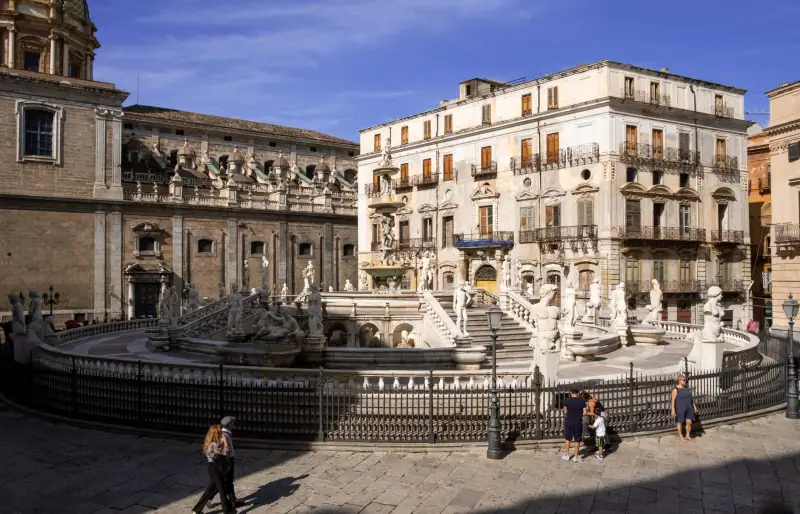
Visit Palermo: A Complete Guide to the Capital of Sicily
What to do in Palermo? Cappella Palatina, Ballarò and Vucciria markets, street food, Monreale. Practical guide, 2-3 day itinerary and FAQ.
Ready-made
Sicily itineraries
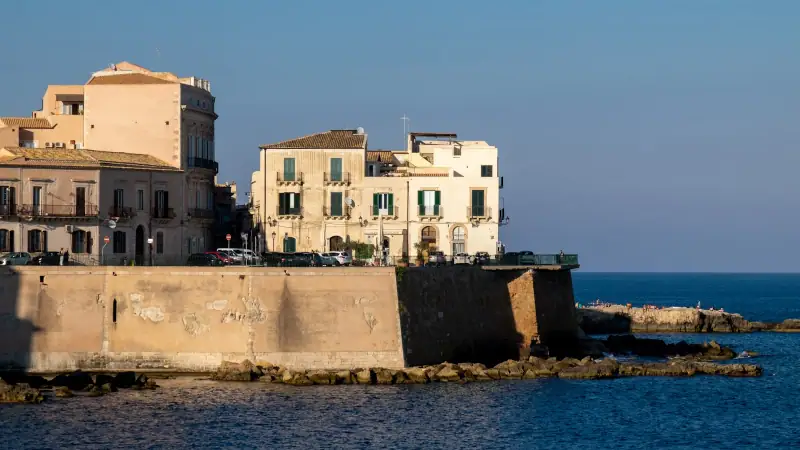
6 days
Southeast Sicily Itinerary: Syracuse, Noto, Ragusa and Agrigento in 6 Days
SyracuseRagusa or NotoAgrigento
5 days
Western Sicily in 5 Days: Trapani, Marsala and the Aegadian Islands
A 5-day itinerary in western Sicily: Trapani and its salt pans, Marsala and its wine, Segesta, the Aegadian Islands. Practical tips for 2026.
14 days
Sicily Road Trip: The Full Island Loop in 14 Days
A 2-week Sicily road trip itinerary: full loop of Palermo, Mount Etna, Syracuse, Agrigento and Trapani, with practical tips for driving the island.