What to see
Visiting Cilaos: Complete Guide to Réunion's Volcanic Cirque
We may earn a commission when you book through links on this page, at no extra cost to you. We don't visit or try the places we cover: we summarize published sources. How we work
In short
- Cilaos sits at about 1,200 m (3,940 ft); the RN5 road from Saint-Louis climbs about 36 km (22 mi) and roughly 400 bends, in 1 h to 1 h 15.
- Plan at least 2 days; 3 to 4 days lets you add the Piton des Neiges (3,070 m / 10,070 ft) or a crossing to Mafate.
- Mornings are usually clear and clouds often fill the cirque by early afternoon; the dry season (roughly May to November) is best.
- A car is practically essential, and the road can close after heavy rain because of rockfall risk.
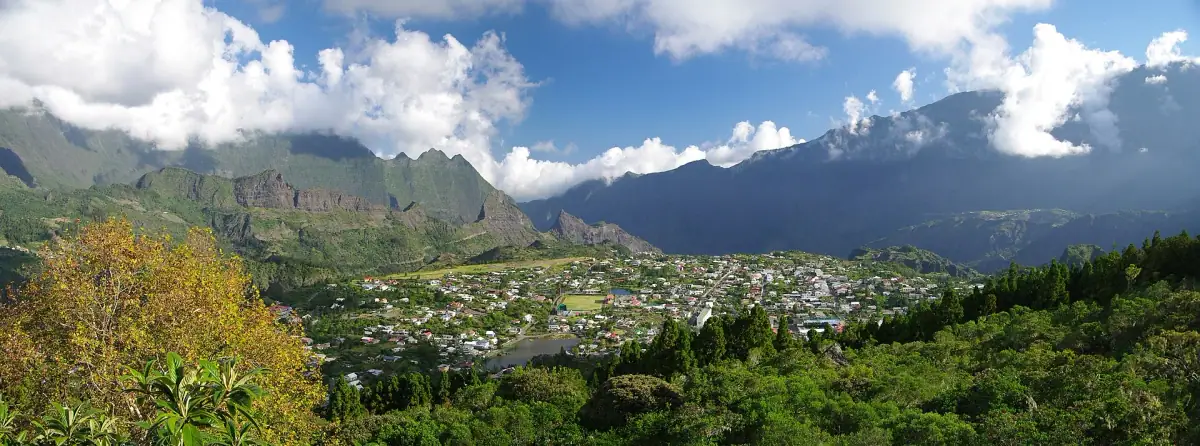
Nestled at about 1,200 meters (3,940 ft) in the heart of the island, the Cilaos cirque is one of the most striking sights Réunion has to offer. Surrounded by volcanic walls that seem to cut off the outside world, it holds a charming village, a unique local culture (wine, lentils, embroidery) and is the starting point for some of the island’s greatest hikes, including the climb of the Piton des Neiges, the highest summit in the Indian Ocean basin.
Cilaos is not just a place to pass through or a stop on an itinerary. It is a destination in its own right, with a strong identity and real local life, which visitors who take the time to linger discover with an astonishment often tinged with emotion. Between its lanes of colorful houses, the trails that wind into the cliff walls and the tables filled with the aromas of carry and local wine, Cilaos captivates those who agree to slow down.
The Cilaos cirque: geography and history
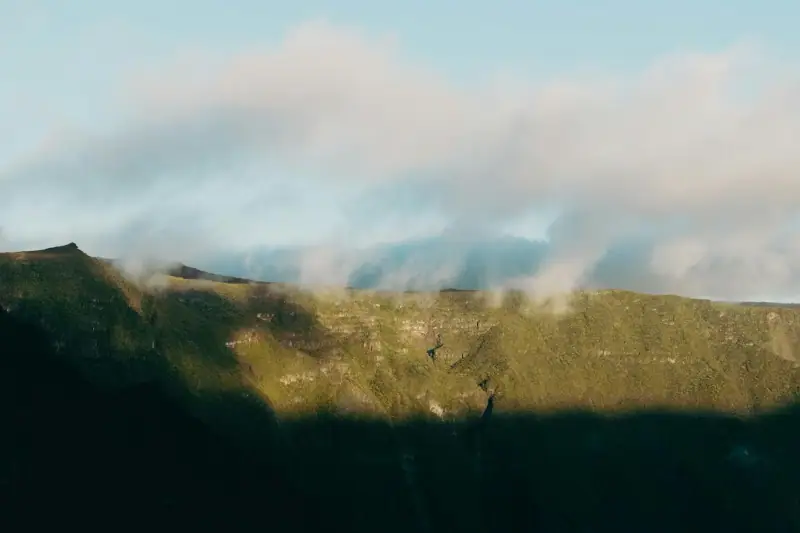
The Cilaos cirque is one of the three collapsed calderas that carve out the interior of Réunion, along with Mafate to the west and Salazie to the east. It formed through the gradual collapse of the former Piton des Neiges, a volcanic massif that went extinct about 12,000 years ago after creating the geological structures seen today.
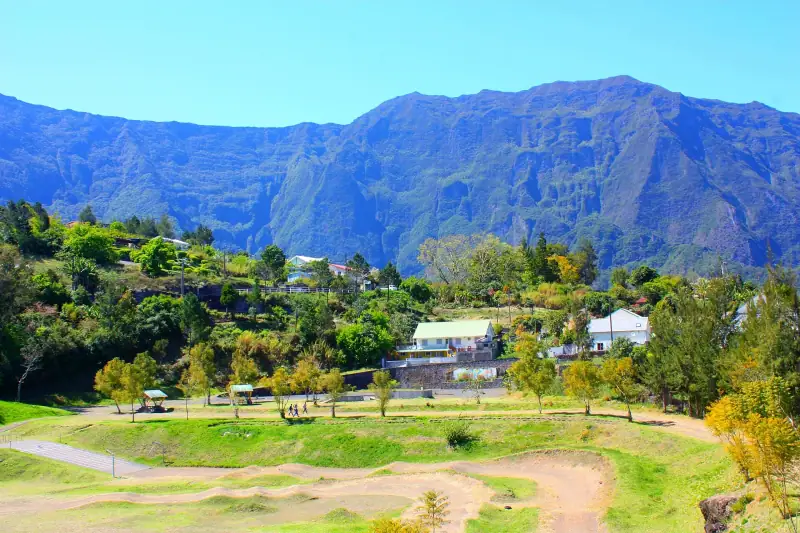
The Cilaos caldera is the southernmost of the three. It opens to the south, toward Saint-Louis and the coast. The walls that encircle it sometimes rise above 2,000 meters (6,560 ft), forming almost vertical faces whose colors vary from brick red to golden ocher depending on the time of day. The floor of the cirque is green and cultivated, with plots of vines, lentils and Creole gardens stepped across the slopes.
Historically, Cilaos was settled by maroons, runaway slaves who found in the inaccessibility of the cirques protection from their pursuers. This population cleared the first land and formed the first human settlements in the cirque. In the 19th century, the discovery of hot springs turned Cilaos into a resort for Réunion’s colonial bourgeoisie, a history still recalled by the village’s architecture: houses with flowered varangues and well-kept gardens.
The legendary road of 400 bends
The road linking Saint-Louis to Cilaos is one of the most impressive in France. Over about 36 kilometers (22 mi), it winds along the cliff walls through some 400 bends, many extremely tight and overlooking dizzying drops. Some sections are cut into the rock itself, others run along sheer drops of several hundred meters without a guardrail.
The trip generally takes 1 h to 1 h 15 from Saint-Louis depending on traffic. Traffic jams are frequent at rush hour and on weekends. Drive carefully, keep right in narrow passages, and give yourself time to stop at the viewpoints along the climb: the views of the cliff walls and the island’s south coast are among the most spectacular you will see in Réunion.
Warning: The Cilaos road is regularly closed after heavy rain because of the risk of rockfall. Before leaving, check local road information or call the Cilaos town hall.
Car rental in Réunion
Essential for reaching Cilaos and exploring the roads of the cirque. Book ahead, especially in high season.
The Cilaos hot springs: a centuries-old thermal tradition
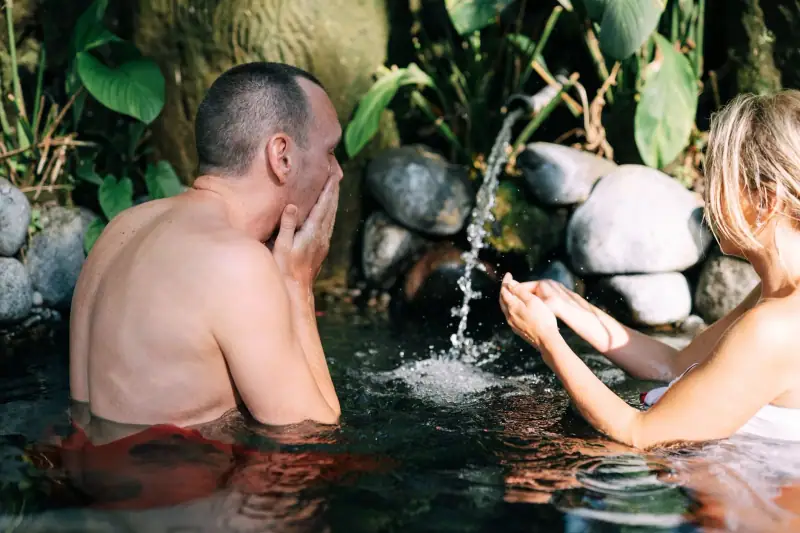
The Cilaos hot springs were discovered in the 19th century and quickly gave the village its reputation as a resort. These waters, which well up naturally from the volcanic rock at a warm temperature and are rich in minerals, have long been known for their therapeutic virtues, notably for rheumatism and joint conditions.
A thermal wellness facility has taken over from the old thermal tradition. You can enjoy treatments using the cirque’s mineral waters in a pleasant setting facing the cliff walls. It is an original way to discover this part of Cilaos’s identity while giving tired hiking legs a well-deserved break.
Cilaos thermal water is slightly ferruginous, with a characteristic reddish tint that can be seen on some stones at the edge of the springs. It is drinkable (some cirque residents drink it straight from the natural springs) and its pronounced metallic taste immediately sets it apart from tap water.
Cilaos wine: vines at 1,200 meters (3,940 ft)
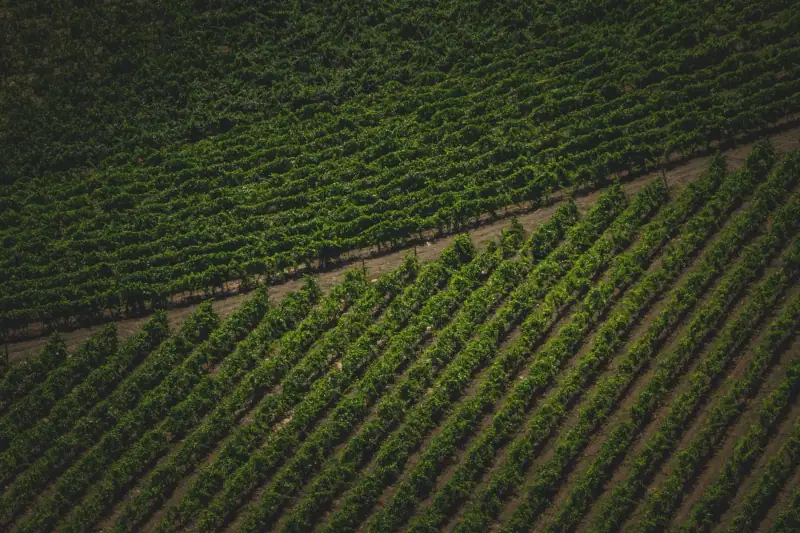
Cilaos is one of the few places in the world where vines are grown at high altitude in a tropical climate. The Cilaos vineyard, which covers a few hectares on the slopes of the cirque, produces an atypical wine made from grape varieties selected by CIRAD in the 1990s: Pinot Noir and Malbec for reds, Chenin for the white. Isabelle, an American hybrid once grown in the cirque, was banned in Réunion in 1975 and is no longer part of commercial Cilaos wine production.
Cilaos wine comes in red, white and rosé. It has very particular aromas, often described as fruity and slightly floral, very different from European wines. Some find it too sweet or too rustic; others are immediate fans. Either way, it is an authentic local souvenir to enjoy on the spot with a Réunion carry.
Local producers’ cellars offer visits and tastings right in the cirque. Purchases are made directly from producers or in the village shops. Bottles of Cilaos wine are available in many stores across the island but are produced in limited quantities, so if you see some, don’t hesitate to buy a few bottles.
Cilaos lentils and the cuisine of the cirque
Cilaos is also renowned for its lentils. Grown at high altitude in volcanic soil of exceptional mineral richness, Cilaos lentils do not, as far as is known, hold an officially granted PGI (check the status with INAO), a label that would make their origin and traditional growing method official. Small, thin-skinned and tender, they cook quickly and have a slightly nutty taste that common lentils lack.
The signature dish is lentil carry, a spiced stew with onions, turmeric, ginger, garlic and sometimes smoked meat, served with white rice and rougail. It is simple, comforting and deeply Réunionese. Cilaos cuisine also draws on the cirque’s vegetables: chouchous (chayote), brèdes (leafy greens), mild chili peppers and fresh herbs that grow in Creole gardens.
Cilaos excursions and guided tours
Discover the Cilaos cirque, the vineyards and the hikes with an expert local guide.
Cilaos embroidery: an exceptional craft
Cilaos embroidery is one of the most refined and distinctive crafts of Réunion. Born in the 19th century and passed down from generation to generation, this Cilaos stitch technique involves working on a light fabric, creating floral motifs with drawn-thread work and needle embroidery. The work is extremely meticulous and can take dozens of hours for a single piece.
Several craft workshops in Cilaos offer demonstrations and sell original pieces: tablecloths, blouses, dresses, handkerchiefs and decorative items. Buying Cilaos embroidery directly at the workshop supports a living craft that is part of the island’s intangible heritage. Prices vary with the complexity and size of the pieces; expect to pay several dozen euros for a fine piece.
Hikes from Cilaos: from the roof of the Indian Ocean to hidden waterfalls
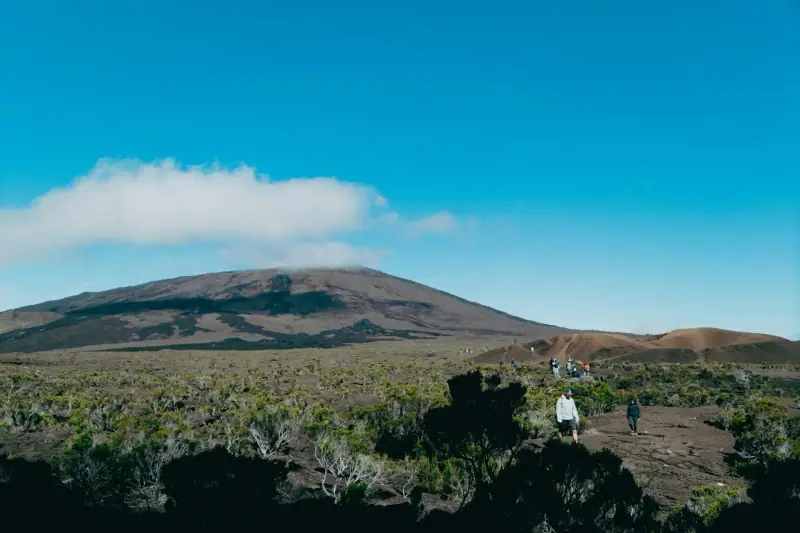
Cilaos is the starting point for some of the most spectacular and demanding hikes in Réunion. The proximity of the Piton des Neiges, the highest summit in the whole Indian Ocean basin at about 3,070 meters (10,070 ft), makes it a must for serious hikers.
Climbing the Piton des Neiges
The Piton des Neiges is the roof of the entire Indian Ocean. Climbing it from Cilaos is one of the island’s great hikes, accessible to walkers in good physical shape without requiring mountaineering skills. The main trail starts at the Bloc parking area (D241, about 3 km / 2 mi from the center of Cilaos, reachable by car). From there, the path climbs to the Caverne Dufour, a mountain hut at 2,478 m (8,130 ft) reachable only on foot, where most hikers spend the night before heading to the summit at 3,070 m (10,070 ft).
Most hikers split the climb into two days, sleeping at the mountain hut halfway up. The departure from the hut is very early in the morning, often at 2 or 3 am, to reach the summit at sunrise and before clouds hide the view. The panorama from the summit, when the sky is clear, takes in the whole island and sometimes extends to the neighboring islands.
Requirements: good physical condition, full hiking equipment (mountain boots, warm clothing, rain jacket, headlamp for the night start), and a mandatory reservation at the mountain hut in high season.
To prepare your climb, see our complete guide to hiking in Réunion.
The Bras Rouge waterfall
Less demanding than the Piton des Neiges, the hike to the Bras Rouge waterfall is accessible to most walkers. The trail starts in the village of Cilaos and descends into the Bras de Cilaos gorges to the foot of a waterfall set in black basalt and dense tropical vegetation. The round trip takes between 3 and 5 hours depending on pace.
The path is sometimes slippery after rain, so shoes with good grip are recommended. The waterfall itself, fed by the cirque’s rainwater, is especially impressive in the rainy season.
The crossing to Mafate
From the heights of the Cilaos cirque, marked trails allow experienced hikers to reach the Mafate cirque, which is completely inaccessible by car. The crossing via the Col du Taïbit, the only pass linking Cilaos to the Mafate cirque, toward the hamlet of Marla, is one of Réunion’s great hiking adventures. (The Col des Bœufs, often cited wrongly in this context, links Salazie to Mafate from the opposite side of the island.) It requires careful logistics: reservations in the Mafate gîtes, carrying food, and knowledge of weather conditions. To learn everything about Mafate, see our guide to the Mafate cirque.
Accommodations in Cilaos
Charming gîtes, Creole guesthouses and hotels in Réunion's most iconic volcanic cirque.
Canyoning and outdoor activities
The Cilaos cirque is also an exceptional playground for outdoor activities. Canyoning is especially popular: the gorges carved by the cirque’s rivers offer technical routes for all levels, with rappels, natural slides and pools of cool, crystal-clear water.
Several operators based in Cilaos offer descents led by certified guides, with equipment provided. Routes range from family introductions (from age 10-12) to descents for seasoned hikers. To learn more about canyoning across Réunion, our canyoning guide lists the island’s best spots.
Rock climbing on the cliff walls, via ferrata and paragliding flights from the heights of the cirque are other activities available depending on the season and weather conditions.
Where to stay in Cilaos
The accommodation offering in Cilaos is diverse and of good quality. It ranges from comfortable hotels to charming rural gîtes, plus guesthouses in colorful Creole houses. For a full overview of the options, with a comparison of areas and booking tips, see our complete guide to accommodations in Cilaos.
In high season (July-August and French school holidays), lodging goes fast: book at least two to three months ahead for the most sought-after charming gîtes. Trail huts, notably the Piton des Neiges mountain hut, also require advance reservation (see reunion.fr or the Réunion National Park for current procedures).
Practical information
How to get there:
- From Saint-Denis: Via the Route des Tamarins or the interior to Saint-Louis, then the RN5 to Cilaos. Allow about 2 h to 2 h 30 in total.
- From Saint-Gilles: Via the Route des Tamarins to Saint-Louis, then the climb to Cilaos. Allow about 1 h 15 to 1 h 45.
- From Saint-Pierre: Via Saint-Louis, then the RN5. Allow about 1 h to 1 h 30.
- Public transport: Regular buses link Saint-Louis to Cilaos, but frequency is limited and poorly suited to sightseeing. A car remains the most practical way.
Recommended duration:
- Minimum: 2 days (road, village, short hike)
- Ideal: 3 to 4 days (include the Piton des Neiges or the Mafate crossing)
- For hikers: up to a week to explore all of the cirque’s trails
When to go: Morning is the best time for views, as clouds often fill the cirque in early afternoon. The dry season (May to November) is the ideal period for hikes and major crossings. To choose the best time for your stay in Réunion, see our guide to the best times to go.
Indicative budget:
- Entering the village and strolling: free
- Local wine tasting and purchase: prices vary by estate (ask at the estate)
- Meal in a local restaurant: €12-20 (~$14-23) per person
- Table d’hôtes dinner: €20-30 (~$23-35) per person
- Accommodation: €60-130 (~$70-150) per night depending on type and season
- Guided Piton des Neiges hike: about €60-100 (~$70-115) per person (check rates with Cilaos guides)
- Canyoning outing: €70-110 (~$81-130) per person
What to bring: Hiking boots are mandatory for the trails. Warm clothing: Cilaos’s altitude brings cool temperatures in the evening and at night, often below 15 °C (59 °F). Light rain jacket. Headlamp if you climb the Piton des Neiges at night. Sun protection: UV radiation is very high at altitude.
Phone coverage: Network coverage in the village of Cilaos is good. High-altitude trails may be out of range in places, so always tell someone your route before heading out on a hike.
The Cilaos cirque is much more than a spectacular backdrop: it is a world apart, rich in a culture, cuisine and history of its own. Between the magic of the access road, the silent immensity of the cliff walls, a glass of local wine enjoyed facing the mountains and the satisfaction of a summit reached at sunrise, Cilaos leaves lasting memories for everyone who takes the time to really discover it. A destination you have to earn, and worth every bend.
Frequently asked questions
How do you get to Cilaos from Saint-Denis?
From Saint-Denis, take the national road toward Saint-Louis (west/south coast), either via the Route des Tamarins or through the interior. From Saint-Louis, the RN5 climbs to Cilaos over about 36 km (22 mi) with its famous 400 bends. Allow 2 h to 2 h 30 in total from Saint-Denis depending on traffic. The road is fully paved but very winding and sometimes narrow.
What is the best time to visit Cilaos?
The dry season, from April to November, is ideal: skies are clearer, hikes are less risky and views of the cliff walls are at their best. Mornings are almost always clear, while in the afternoon clouds regularly fill the cirque. Avoid the cyclone season (December to March), when heavy rain can close the road and make trails dangerous.
Can you visit Cilaos without a car?
Technically yes: buses serve Cilaos from Saint-Louis, but frequency is limited and schedules are poorly suited to sightseeing. To explore the cirque, reach the hiking trails and see the surrounding hamlets, a car (or motorbike) remains essential. Renting a car is the most practical solution from Saint-Denis airport.
How long should you plan for Cilaos?
Plan at least two days to see the essentials: the access road, the village, the hot springs, a local wine tasting and a short hike. For the Piton des Neiges (the highest mountain in the Indian Ocean basin), plan a dedicated day with a very early start, or stay two nights for a climb from the mountain hut. Three to four days allow full immersion in the cirque.
Is Cilaos wine any good?
Cilaos wine is a unique oenological curiosity: produced at about 1,200 m (3,940 ft) in the tropics, it surprises with its atypical character. Since the grape selection led by CIRAD in the 1990s, it is made from Pinot Noir and Malbec for reds and Chenin for the white. It comes in red, white and rosé. Its rarity and local roots make it an essential souvenir, though it remains hard to export in large quantities.
Are Cilaos lentils really different?
Yes, Cilaos lentils have a unique profile: grown at high altitude in particularly rich volcanic soil, they are smaller than common lentils and have a thin skin that makes them very tender when cooked. No official PGI (protected geographical indication) appears to have been granted so far; check the status with INAO. They are available directly from producers in the cirque, at local markets and in some shops across the island.
More Réunion guides
Keep reading
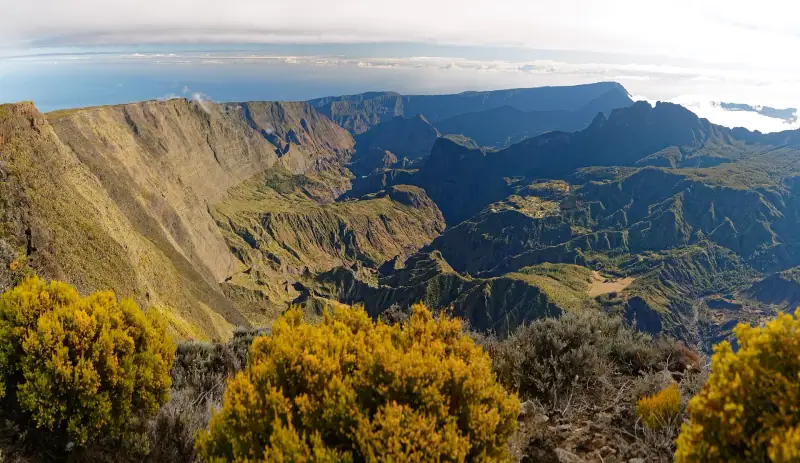
Cirque de Mafate: A Complete Guide to Réunion's Only Road-Free Cirque
Cirque de Mafate: multi-day hikes, access, villages (îlets), places to stay and practical tips for Réunion's only cirque with no road.
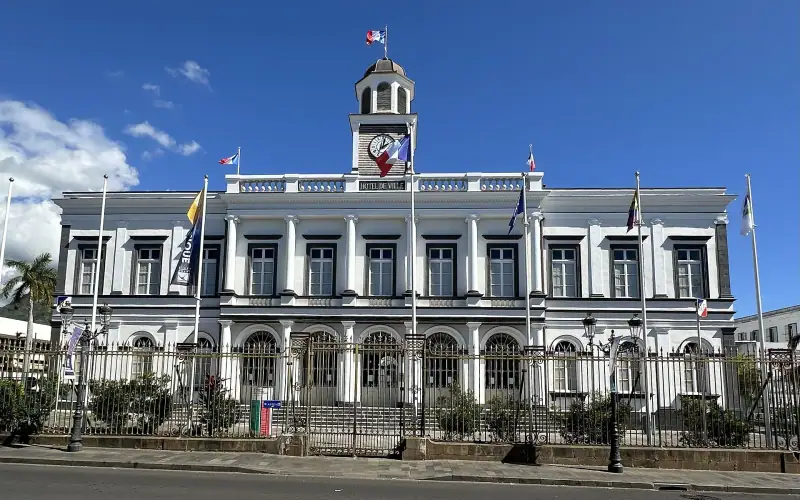
Saint-Denis: What to See and Do in Réunion's Capital
Saint-Denis guide: top sights, museums, markets, restaurants and neighborhoods to visit in Réunion's Creole capital.
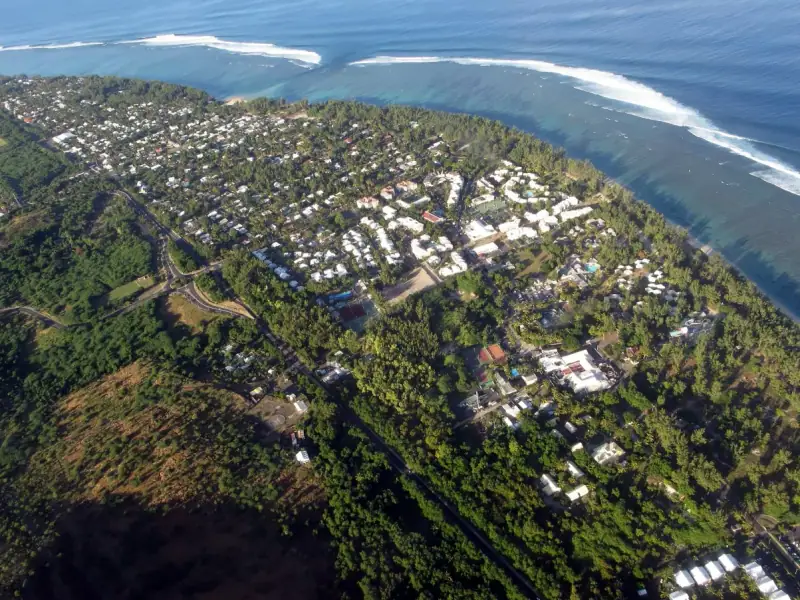
Visiting Saint-Gilles-les-Bains: Complete Guide to Réunion's Beach Resort
Saint-Gilles-les-Bains guide: beaches, lagoons, marina, diving, surfing and nightlife. Réunion's essential beach resort.
Ready-made
Réunion itineraries
3 days
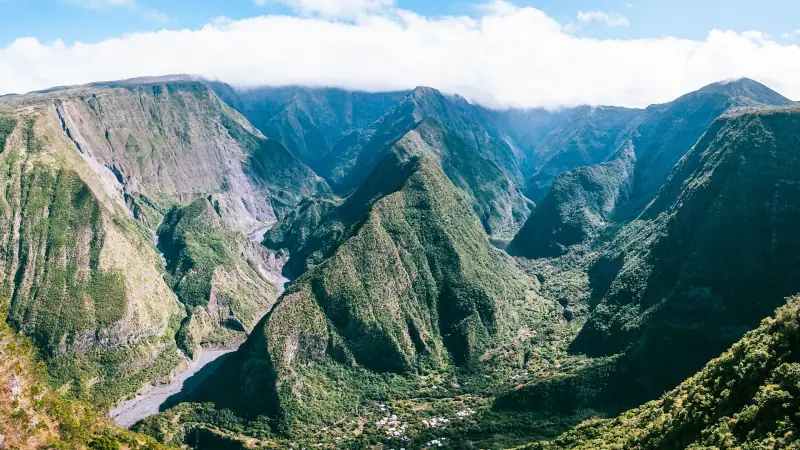
3 Days in Cilaos: A Weekend Hiking Itinerary in the Highlands
What to do in Cilaos in 3 days? Hikes, thermal baths, lentils and local wine. A full weekend itinerary for the cirque.
14 days
Réunion Road Trip: A 2-Week Driving Itinerary
The best 14-day road trip itinerary in Réunion: coasts, cirques, the volcano and Creole villages. Full guide with stops, places to stay and tips.
8 days
Réunion in 8 Days with Kids: Stops, Miles and a Realistic Pace
Saint-Gilles-les-BainsCilaosSaint-Pierre