Things to do
Canyoning in Réunion: The Best Canyons and a Practical Guide
We may earn a commission when you book through links on this page, at no extra cost to you. We don't visit or try the places we cover: we summarize published sources. How we work
In short
- A guided half day costs about €40-75 (~$46-87) per person and a full day about €70-120 (~$81-140); gear is always included.
- Beginner canyons include Fleur Jaune (3 to 4 h) and Bras Rouge in Cilaos (3 h); Trou Blanc and Grand Galet suit intermediate canyoneers.
- The dry season, May to October, is best; some canyons close from November to April because of flash-flood risk.
- Use a certified guide (DEJEPS or Brevet d'État) and check their liability insurance.
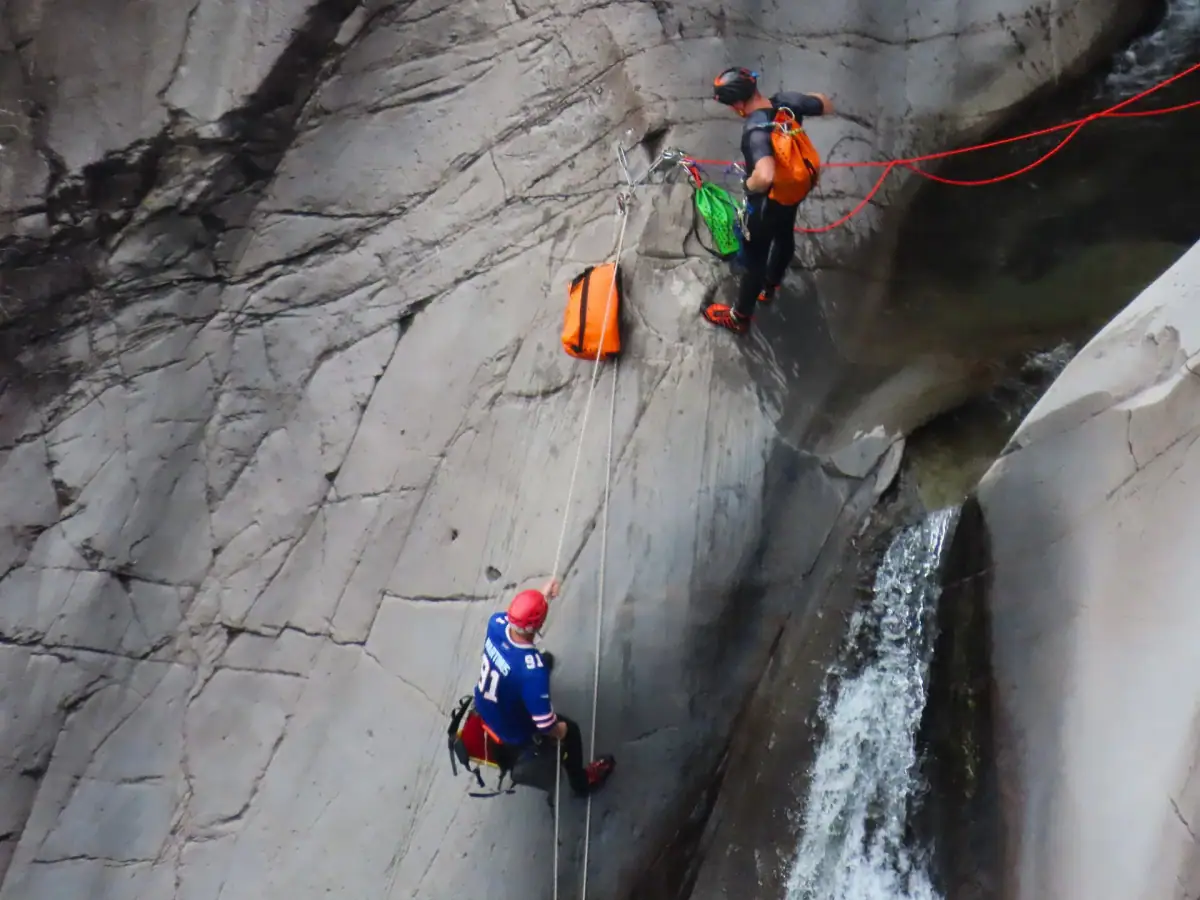
Réunion is widely recognized as one of the world’s top canyoning destinations. The reputation is deserved: the island packs into a small area a density of spectacular canyons that no other destination can match. Waterfalls of 50 to 150 m (165 to 490 ft), crystal-clear natural pools, gorges carved into volcanic lava: each canyon in Réunion is a unique natural wonder.
Why is Réunion unique for canyoning?
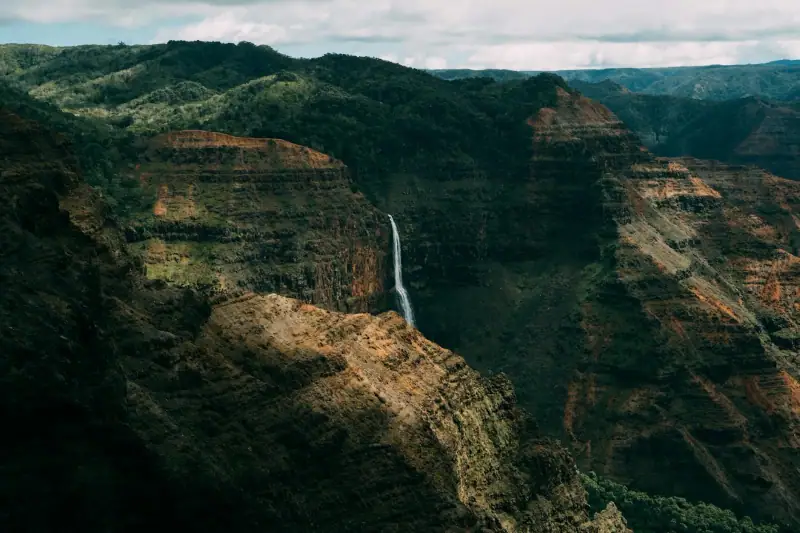
The island’s volcanic origin explains the exceptional quality of its canyons. Basaltic lava, as it solidified and was eroded for millennia by tropical rivers, created extraordinary rock formations: pools shaped like natural swimming holes, smooth walls ideal for rappelling, and waterfalls that follow one another like giant stairs.
The variety of canyons is also remarkable. From a family canyon open to children (Fleur Jaune) to a technical canyon reserved for experienced practitioners (Trou Blanc, Mafate), Réunion offers a full range of experiences.
The must-do canyons
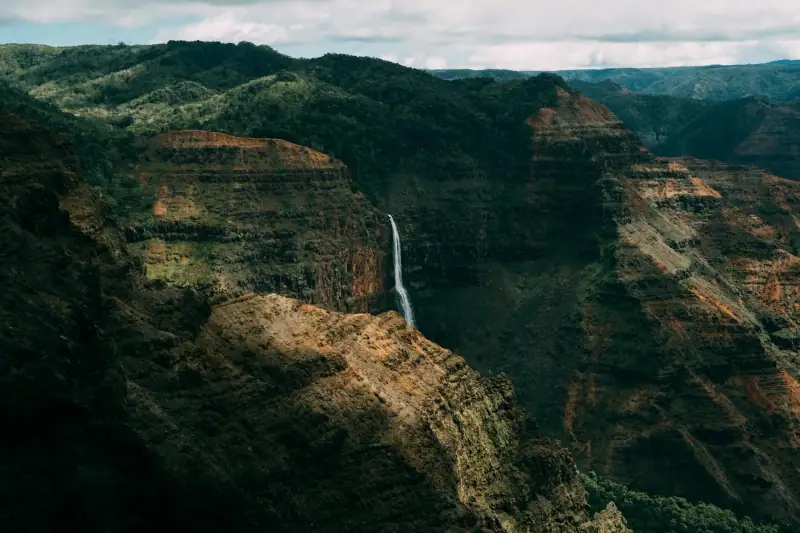
Canyons for beginners
Fleur Jaune (Bras de la Plaine, Entre-Deux) This is Réunion’s most popular introductory canyon. Its natural slides in polished basalt, blue-green pools and small waterfalls make it a wonderful playground. It is open to families and non-athletic people.
- Duration: 3 to 4 h
- Elevation change: about 100 m (330 ft)
- Highlights: Natural slides, pools, volcanic scenery
- Level required: None
Bras Rouge (Cilaos) The most accessible canyon in the Cirque de Cilaos. In a striking natural setting in the heart of the cirque, Bras Rouge offers modest rappels and beautiful pools.
- Duration: 3 h
- Setting: In the middle of the Cirque de Cilaos, with views of the walls
- Level required: Beginner
Intermediate canyons
Trou Blanc (Plaine des Cafres) One of the most beautiful canyons in Réunion. Pools of unreal milky blue water (colored by volcanic silica), impressive rappels and lush vegetation. Trou Blanc is often considered the most photogenic canyon on the island.
- Duration: Half day or full day depending on the route
- Main waterfall: 40 m (130 ft) rappel
- Highlights: The turquoise water of the pools, the magical setting
- Level required: Intermediate
Grand Galet (Langevin) The Langevin River and its Manapany pools can be reached on foot, but the technical canyon that goes up the river offers rappels beneath waterfalls of 30 to 60 m (100 to 200 ft).
- Duration: Full day
- Highlights: Impressive waterfalls, very clear water
- Level required: Intermediate to sporty
Expert canyons
La Mafate Canyon descents in the Cirque de Mafate are reserved for experienced practitioners accompanied by professional guides. Rappels exceed 100 m (330 ft) and safety conditions must be perfect.
Bras Sec (Cilaos) A very technical canyon with rappels in the darkness of lava tunnels. A unique experience reserved for experienced canyoneers.
Rivière des Pluies (Saint-Denis) This canyon in the highlands above Saint-Denis has rappels of 80 to 120 m (260 to 395 ft) for the most advanced practitioners.
Canyoning safety
Choose a qualified operator
Require a certified guide. Canyoning guides must hold the DEJEPS (Diplôme d’État de la Jeunesse, de l’Éducation Populaire et du Sport) or the Brevet d’État canyon. These qualifications guarantee serious safety training.
Check the insurance. Every professional operator must carry professional liability insurance. Ask to see the certificate.
Beware of prices that are too low. A professionally guided canyoning trip costs at least €40 (~$46) for a half day. Below that, ask questions about the guide’s qualifications.
Natural hazards
Flash floods. If it rains at altitude, rivers can rise very quickly. A clear canyon can become dangerous within minutes if rain falls upstream. Professional guides check weather data before every outing.
Rockfall. Volcanic cliffs are sometimes unstable, especially after rain. Helmets are mandatory.
Hypothermia. Canyon water is often cold (18-22 °C / 64-72 °F), even in summer. A neoprene wetsuit is essential for trips lasting several hours.
What to wear for a canyoning trip
Operators provide the technical gear. Here is what you need to bring:
Clothing:
- Fitted swimsuit (under the wetsuit)
- Synthetic underwear or a technical shirt (no cotton, which stays cold when wet)
- Light high-top shoes you don’t mind getting wet (running sneakers or trail shoes)
- Tall socks
Other:
- Beach towel
- Waterproof bag for documents and phone
- Warm change of clothes left in the vehicle
- Snacks and water for full-day trips
- Sunscreen (apply before putting on the wetsuit)
Gear provided by the guide:
- Neoprene wetsuit suited to the temperature
- Harness and seat harness
- Helmet
- Ropes and safety equipment
Places to stay near the canyons
Stay nearby to start your outings early in the morning.
The environment of Réunion’s canyons
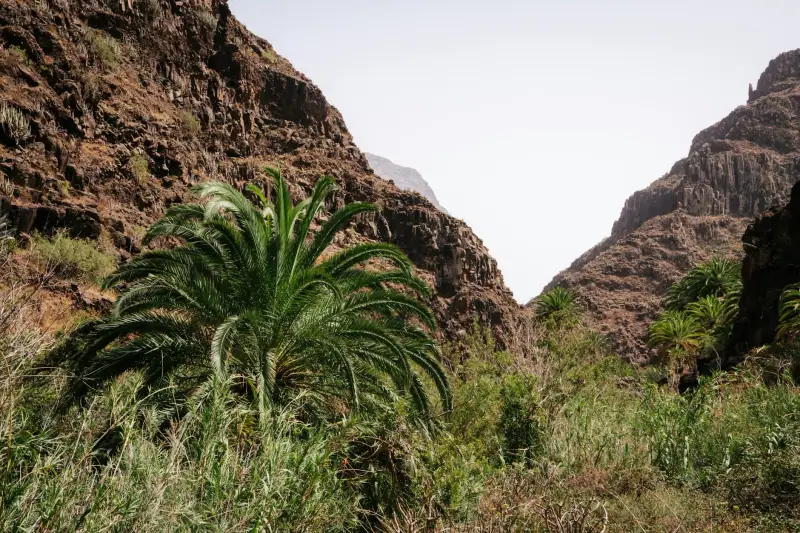
Réunion’s canyons are remarkable ecosystems. The rivers have carved gorges that shelter unique endemic plants and animals.
Species to look for:
- The boucan shrimp (Atya gabonensis), a large freshwater shrimp
- River eels (Anguilla bicolor), found in deep pools
- The tenrec, known locally as “tangue” (Tenrec ecaudatus), a small insect-eating mammal often seen by riverbanks
- Many species of ferns and mosses that cover the damp canyon walls
Respect the environment:
- Don’t collect anything in the canyons
- Leave no trash
- Stay on marked trails outside the canyoning routes
- Avoid swimming in the pools with sunscreen on your skin
Réunion is without question a canyoning paradise. There is no need to travel to New Zealand or Switzerland for extraordinary descents: this Indian Ocean island packs some of the world’s most beautiful canyons into less than 2,500 km² (965 sq mi).
Frequently asked questions
Is canyoning in Réunion dangerous?
Canyoning is a risky activity that needs professional supervision. Going with a certified guide (Brevet d'État or DEJEPS canyoning) greatly reduces the risks. Never attempt a canyon without a guide if you lack the experience and proper gear.
What is the minimum age for canyoning in Réunion?
The minimum age varies by canyon. On introductory canyons (Fleur Jaune, Bras Rouge in Cilaos), accompanied children aged 8-10 can take part. Technical and sporty canyons are reserved for adults or teenagers aged 14 and over. Each operator sets its own conditions.
What should you bring for a day of canyoning?
Operators provide the technical gear (wetsuit, harness, helmet, ropes). You need to bring a swimsuit to wear under the wetsuit, sports shoes or grippy sneakers you don't mind getting wet, a towel, a change of clothes, and a picnic for full-day trips.
What is the best time for canyoning in Réunion?
The dry season (May to October) is ideal: rivers run lower and safety conditions are better. Some canyons close in the rainy season (November to April) because of the risk of flash floods. A few canyons stay open all year.
How much does a canyoning trip cost in Réunion?
A guided half day of canyoning costs between €40 and €75 (~$46-87) per person depending on the canyon and operator. A full day runs €70 to €120 (~$81-140). Gear is always included in the price.
More Réunion guides
Keep reading
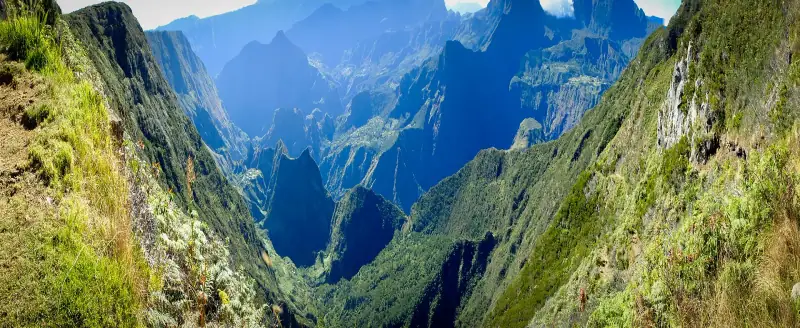
Maïdo at sunrise: when to leave, the road and the fog risk
Watching sunrise at Maïdo: when to leave from Saint-Gilles or Saint-Paul, the forest road, the cold, fog and a plan B if the view is socked in.
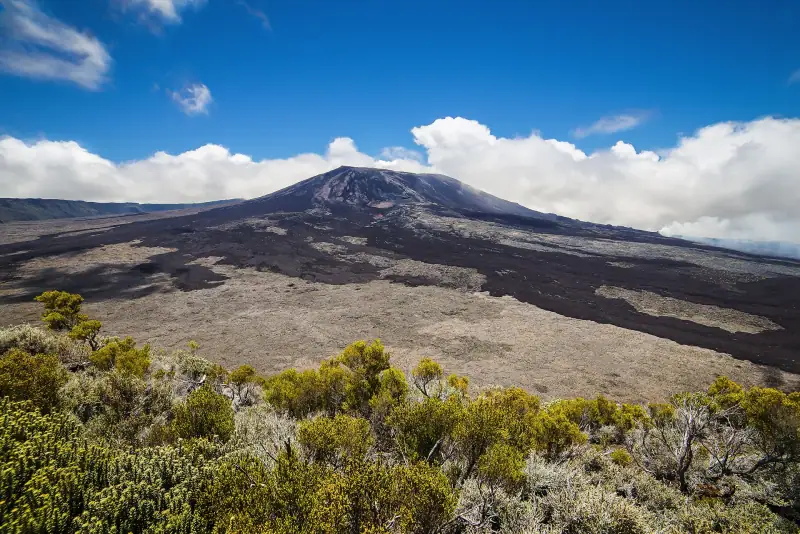
Piton de la Fournaise: complete guide to visiting the active volcano
Everything on the Piton de la Fournaise: access, hikes, eruptions, nearby lodging and tips for this one-of-a-kind volcanic experience.
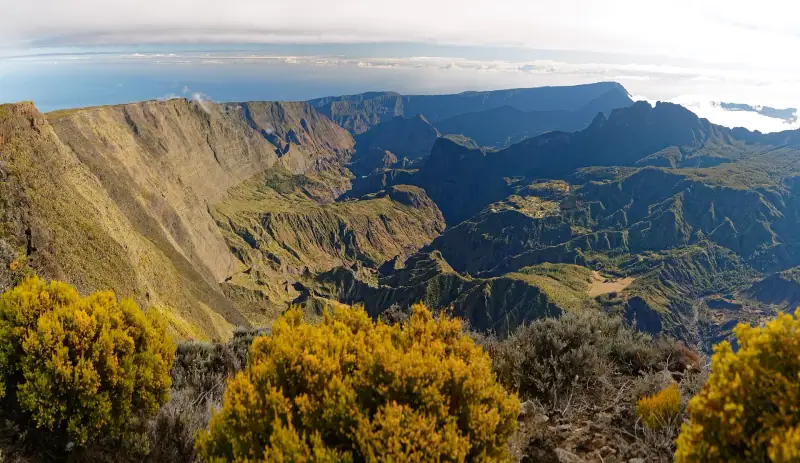
Cirque de Mafate: A Complete Guide to Réunion's Only Road-Free Cirque
Cirque de Mafate: multi-day hikes, access, villages (îlets), places to stay and practical tips for Réunion's only cirque with no road.
Ready-made
Réunion itineraries
3 days
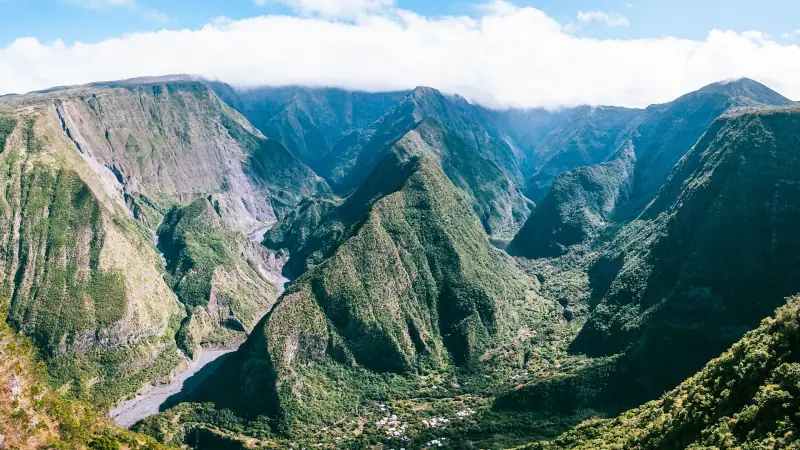
3 Days in Cilaos: A Weekend Hiking Itinerary in the Highlands
What to do in Cilaos in 3 days? Hikes, thermal baths, lentils and local wine. A full weekend itinerary for the cirque.
14 days
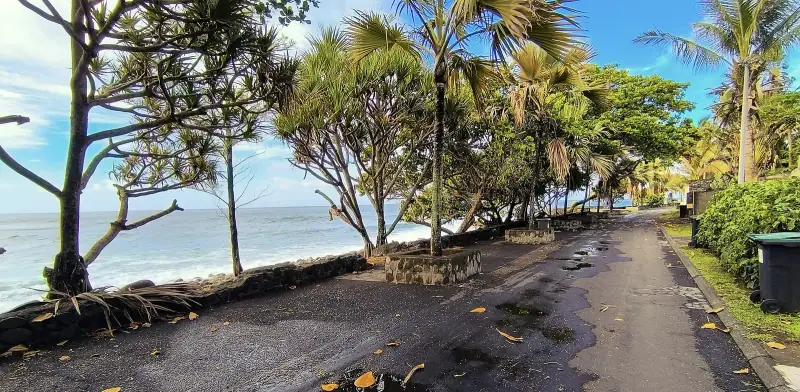
Réunion Road Trip: A 2-Week Driving Itinerary
The best 14-day road trip itinerary in Réunion: coasts, cirques, the volcano and Creole villages. Full guide with stops, places to stay and tips.
8 days
Réunion in 8 Days with Kids: Stops, Miles and a Realistic Pace
Saint-Gilles-les-BainsCilaosSaint-Pierre