Itineraries
Réunion Road Trip: A 2-Week Driving Itinerary
We may earn a commission when you book through links on this page, at no extra cost to you. We don't visit or try the places we cover: we summarize published sources. How we work
Day by day
- Days 1-2Saint-Denis, then Saint-André, Sainte-Suzanne and Bras-Panon
- Days 3-4Salazie cirque, Voile de la Mariée, Hell-Bourg hikes
- Days 5-7Cilaos cirque: Col du Taïbit, Piton des Neiges, Bras Rouge
- Days 8-9Route des Laves, Saint-Philippe, Pointe de la Table
- Day 10Piton de la Fournaise from Pas de Bellecombe
- Days 11-12Saint-Pierre, Plaine des Cafres, Maïdo, Rivière des Remparts
- Days 13-14Saint-Gilles-les-Bains lagoon and diving, evening flight
In short
- The coastal loop around the island is about 220 km (137 mi); a full 14-day road trip with detours to the cirques and volcano covers about 850 km (528 mi).
- Day by day: Saint-Denis, Salazie, Cilaos (3 nights), the Wild South, Piton de la Fournaise, Saint-Pierre, then Saint-Gilles-les-Bains.
- Leave early every morning: main roads are busy 7 to 9 am and 4 to 6 pm on weekdays, and viewpoints fill up fast.
- There are no tolls in Réunion. A standard car works for about 90% of roads; an SUV helps on the Plaine des Sables tracks.
Réunion is made for road trips. Its compact size, the variety of its landscapes and its excellent road network make it an ideal destination for traveling by car at your own pace. In two weeks you can combine coast and high mountains, beaches and volcanoes, Creole Saint-Denis and wild Mafate.
Here is a recommended itinerary for a 14-day road trip around Réunion.
Preparing your Réunion road trip
The rental car
Book your car before you leave, especially in high season (July and August). The big international agencies (Europcar, Avis, Hertz, Budget) are at both airports. Local companies sometimes offer more competitive rates.
Tips:
- Take full-coverage insurance, or check that your premium credit card covers the deductible
- An SUV is recommended if you want to drive the Plaine des Sables tracks
- Check that there is a spare tire in the trunk
The essential app
Download Komoot or Maps.me with the offline maps of Réunion. Google Maps works well on the coast but sometimes loses signal at altitude. The IRT app (Île de La Réunion Tourisme) brings together trails, accommodations and points of interest.
Road trip stops (14 days)
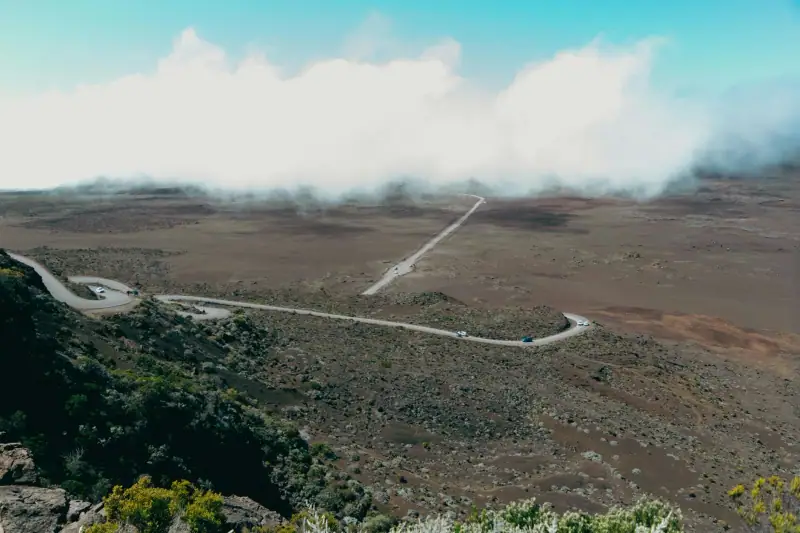
Days 1-2: Saint-Denis and the north coast
Start in Saint-Denis, the capital. You arrive at Roland Garros airport (in the north), pick up your car and take time to explore the city: the Barachois, the Rue de Paris and its Creole houses, and the Léon Dierx museum (contemporary art of the Indian Ocean).
On the second day, head for the northeast coast: Saint-André and its colorful Tamil temples (Réunion has France’s largest Tamil community), the vanilla of Sainte-Suzanne, and the Niagara waterfall in Bras-Panon.
Where to stay: Saint-Denis or Saint-André.
Days 3-4: The Salazie cirque
From Saint-André, drive up toward Salazie. The road follows the Rivière du Mât and climbs gradually into the cirque. Be sure to stop for photos at the Voile de la Mariée (Bridal Veil) waterfalls.
Hell-Bourg deserves two nights so you can enjoy the hikes around it. The Trois Bras trail (5 h, intermediate) gives a plunging view over the whole cirque.
Where to stay: Hell-Bourg (guesthouse or Creole gîte).
Days 5-7: The Cilaos cirque (3 nights)
Head back to the coast (Saint-André → Saint-Louis), then climb to Cilaos. The D241 road, with its 400 bends, is spectacular.
Three nights let you do the signature hikes: the Col du Taïbit (8 h, hard, view of Mafate), the Piton des Neiges (3,070 m / 10,070 ft, the highest peak in the Indian Ocean, a night start is recommended) and the banks of the Bras Rouge.
Where to stay: Cilaos (gîte with half board recommended).
Days 8-9: The Wild South
Drive down from Cilaos to Saint-Louis, then head east on the Route des Laves. The RN2 crosses the large lava flows of the Piton de la Fournaise that reached the sea during the latest eruptions. The lunar landscape is guaranteed to impress.
Stops: Saint-Philippe and its Plaine des Sables garden, the blowhole (a natural water jet in the volcanic rock), and the black sand beach at Pointe de la Table.
Where to stay: Sainte-Rose or Saint-Philippe.
Day 10: The Piton de la Fournaise
A full day devoted to the volcano. Leave very early (5:30 to 6 am) to reach the Pas de Bellecombe before the clouds. The climb to the crater rim (8 km / 5 mi round trip, 3 h) is one of the best hikes in Réunion.
Access to the enclosure and the volcano trails is regulated and can be restricted or closed depending on activity (eruption, rockfalls): check the OVPF bulletins and the prefecture orders before you go. If the volcano is actively erupting, an access permit may be granted to watch from the safety zone. Glowing lava at night is an unforgettable sight.
Where to stay: Plaine des Cafres or Saint-Pierre.
Volcano excursion
Guided hike or helicopter flight over the Piton de la Fournaise.
Days 11-12: Saint-Pierre and the south coast
Saint-Pierre is the capital of the south of the island, with a more relaxed atmosphere than Saint-Denis. The Saturday morning market, the seafront restaurants and the town beach are very popular with locals.
From there, explore the Plaine des Cafres (a high plateau with cattle farming and typical misty landscapes), the Maïdo (a panorama at 2,200 m / 7,218 ft over Mafate, with an exceptional sunrise) and the Rivière des Remparts gorges.
Where to stay: Saint-Pierre or Petite-Île.
Days 13-14: The west coast and the way back
Return to the west coast to finish on the beaches. Spend the last two nights in Saint-Gilles-les-Bains to enjoy the lagoon, go scuba diving and eat at the marina restaurants.
Last evening: a gourmet dinner or one more Creole curry, your choice. The return flight is usually in the evening from Saint-Denis.
Distance summary
| Stage | Distance | Driving time |
|---|---|---|
| Saint-Denis → Salazie | 45 km (28 mi) | 1 h |
| Salazie → Saint-Louis | 70 km (43 mi) | 1 h 30 |
| Saint-Louis → Cilaos | 37 km (23 mi) | 1 h 20 |
| Cilaos → Sainte-Rose | 95 km (59 mi) | 2 h |
| Sainte-Rose → Plaine des Cafres | 50 km (31 mi) | 1 h |
| Plaine des Cafres → Saint-Pierre | 25 km (16 mi) | 45 min |
| Saint-Pierre → Saint-Gilles | 65 km (40 mi) | 1 h 15 |
Total: about 850 km (528 mi) for the full circuit.
Tips for your Réunion road trip
Leave early every morning. Traffic on the main roads is heavy on weekdays from 7 to 9 am and from 4 to 6 pm. Natural sites (Pas de Bellecombe, Maïdo, viewpoints) also fill up quickly. Aiming for a 7 am start gives you quiet and easy parking.
Adapt to the weather. The weather can change radically from one coast to the other and at altitude. If clouds block your plan for the day, switch to a coastal activity or a cultural visit in a town.
Don’t overlook the small roads. Secondary roads (marked “C” on maps) go through authentic villages and offer views that the main roads don’t show. Take the time to get a little lost.
Always carry water. Public fountains are rare, and it is advisable to keep 1 to 2 liters (about 1 to 2 quarts) of water in the trunk, especially on hiking days.
This two-week road trip will show you Réunion from every angle. From the heat of the coast to the cold wind of the summits, from the bustle of Saint-Denis to the absolute silence of Mafate, the island reveals itself as an endless series of striking contrasts.
Sources
- Reunion Island Tourism (IRT): figures checked November 2026
- Reunion Island Tourism (IRT): figures checked November 2026
Frequently asked questions
How many kilometers is a drive around Réunion?
The coastal loop around the island is about 220 km (137 mi). With detours into the cirques and up to the volcano, a full 14-day road trip adds up to 800 to 1,200 km (500 to 750 mi). Mountain roads are slow (average speed 40 to 50 km/h, or 25 to 31 mph, in the cirques).
What kind of car do you need for a road trip in Réunion?
A standard-category car (Clio, 208) is fine for 90% of roads. An SUV or 4x4 is useful for some high-altitude forest tracks (Plaine des Sables, the heights above Cilaos). Dirt tracks are rare but they exist. Avoid very low city cars for the cirque roads.
Are there tolls in Réunion?
No, there are no tolls on Réunion's roads. The Route des Tamarins (the west coast expressway) is free. You only need to budget for gas, with prices similar to, or slightly lower than, mainland France.
Can you drive around Réunion in one day?
Technically yes (220 km, or 137 mi, along the coast), but it makes little sense: you would be driving and seeing nothing. The coastal loop deserves at least 5 to 7 days for the main stops, not counting the cirques and the volcano.
Are the roads in Réunion dangerous?
Roads in Réunion are generally well maintained but demand attention. Mountain roads (cirques, highlands) are narrow and winding. Be extra careful in heavy rain (landslides, flooded roads). Check Bison Futé Réunion or Météo-France before every mountain outing.
More Réunion guides
Keep reading
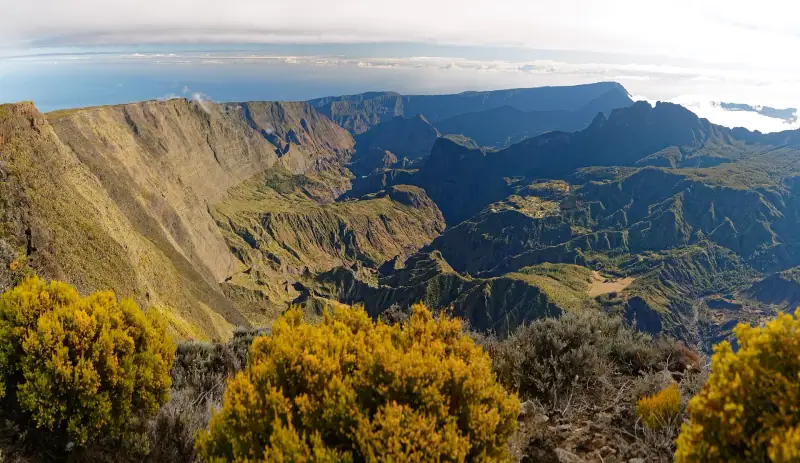
Cirque de Mafate: A Complete Guide to Réunion's Only Road-Free Cirque
Cirque de Mafate: multi-day hikes, access, villages (îlets), places to stay and practical tips for Réunion's only cirque with no road.
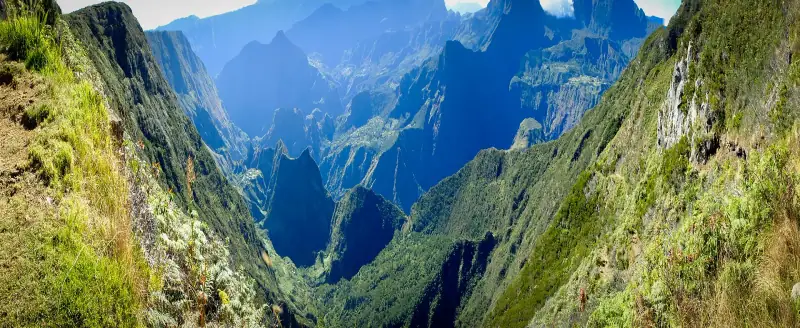
Maïdo at sunrise: when to leave, the road and the fog risk
Watching sunrise at Maïdo: when to leave from Saint-Gilles or Saint-Paul, the forest road, the cold, fog and a plan B if the view is socked in.
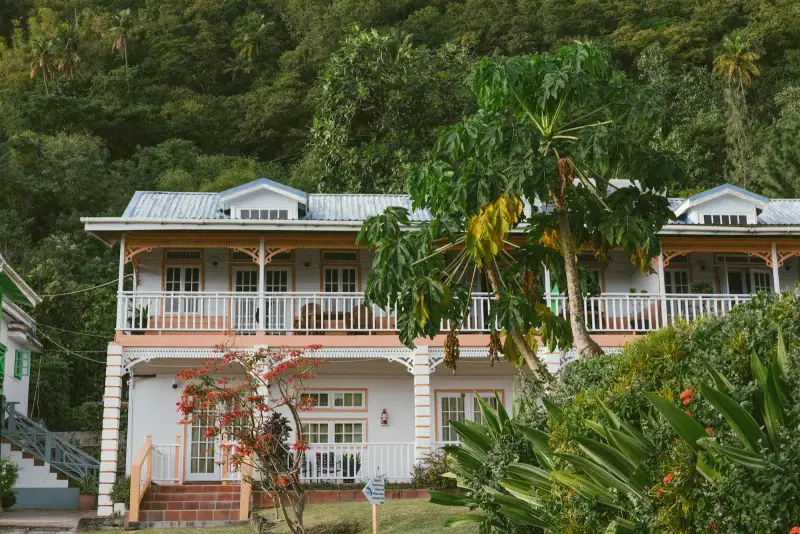
Where to Stay in Cilaos and the Cirques: Gîtes and Lodging
The best places to stay in Cilaos, Hell-Bourg and the cirques of Réunion. Creole gîtes, mountain gîtes and authentic addresses.
Ready-made
Réunion itineraries
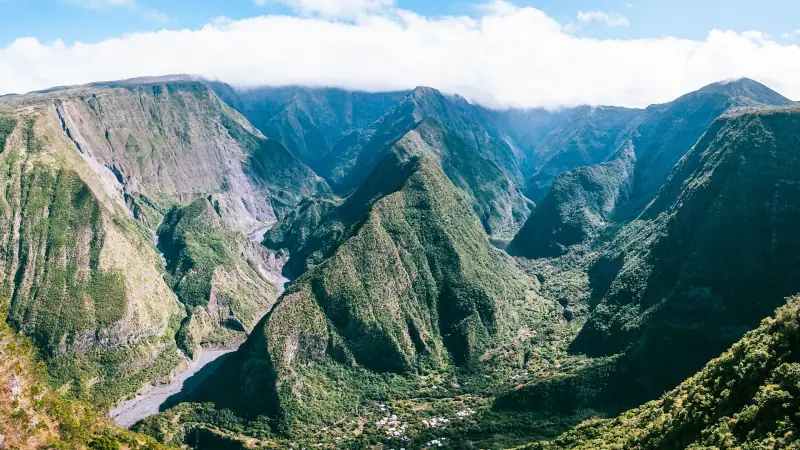
3 days
3 Days in Cilaos: A Weekend Hiking Itinerary in the Highlands
What to do in Cilaos in 3 days? Hikes, thermal baths, lentils and local wine. A full weekend itinerary for the cirque.
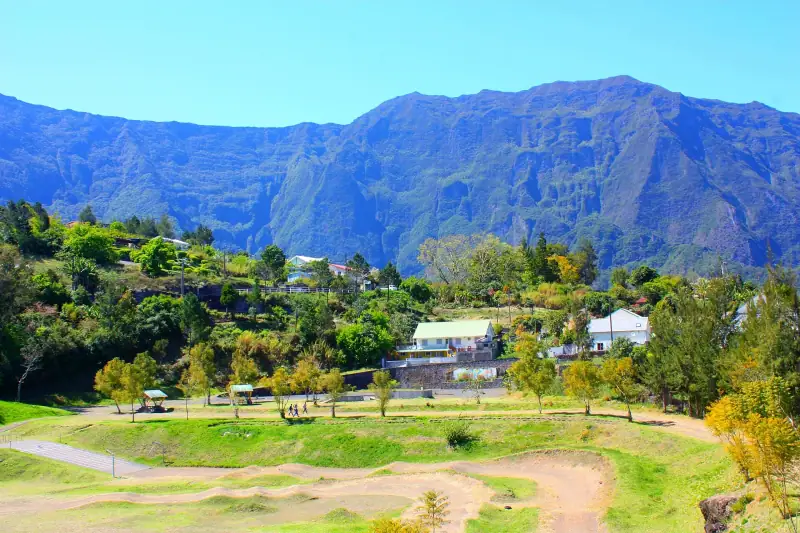
8 days
Réunion in 8 Days with Kids: Stops, Miles and a Realistic Pace
Saint-Gilles-les-BainsCilaosSaint-Pierre
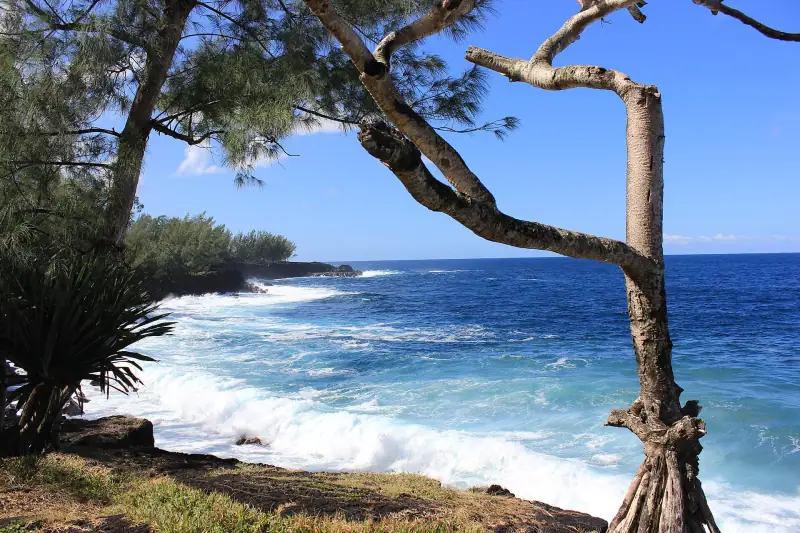
Réunion's Wild South: A Complete Guide to the Volcanic Coast
Réunion's Wild South: Route des Laves, Langevin Waterfall, Saint-Philippe, the Grand Brûlé lava fields and the church spared by lava at Sainte-Rose.