Things to do
Verdon Gorge: hiking, kayaking and activities not to miss
We may earn a commission when you book through links on this page, at no extra cost to you. We don't visit or try the places we cover: we summarize published sources. How we work
In short
- The Verdon Gorge is a canyon about 25 km (15.5 mi) long. Most activities run May to September; July and August suit kayaking and swimming but are hottest and busiest.
- The Blanc-Martel trail is the classic: a full day, demanding, with tunnels (bring a headlamp) and a return transfer to arrange. Shorter walks start from viewpoints and villages.
- The Route des Crêtes loop takes about half a day with stops. Kayaks and pedal boats are rented near the Pont du Galetas and on Lake Sainte-Croix.
- A car is by far the most practical way to get around; mountain roads are winding and slower than the map suggests. Fill up before heading in.
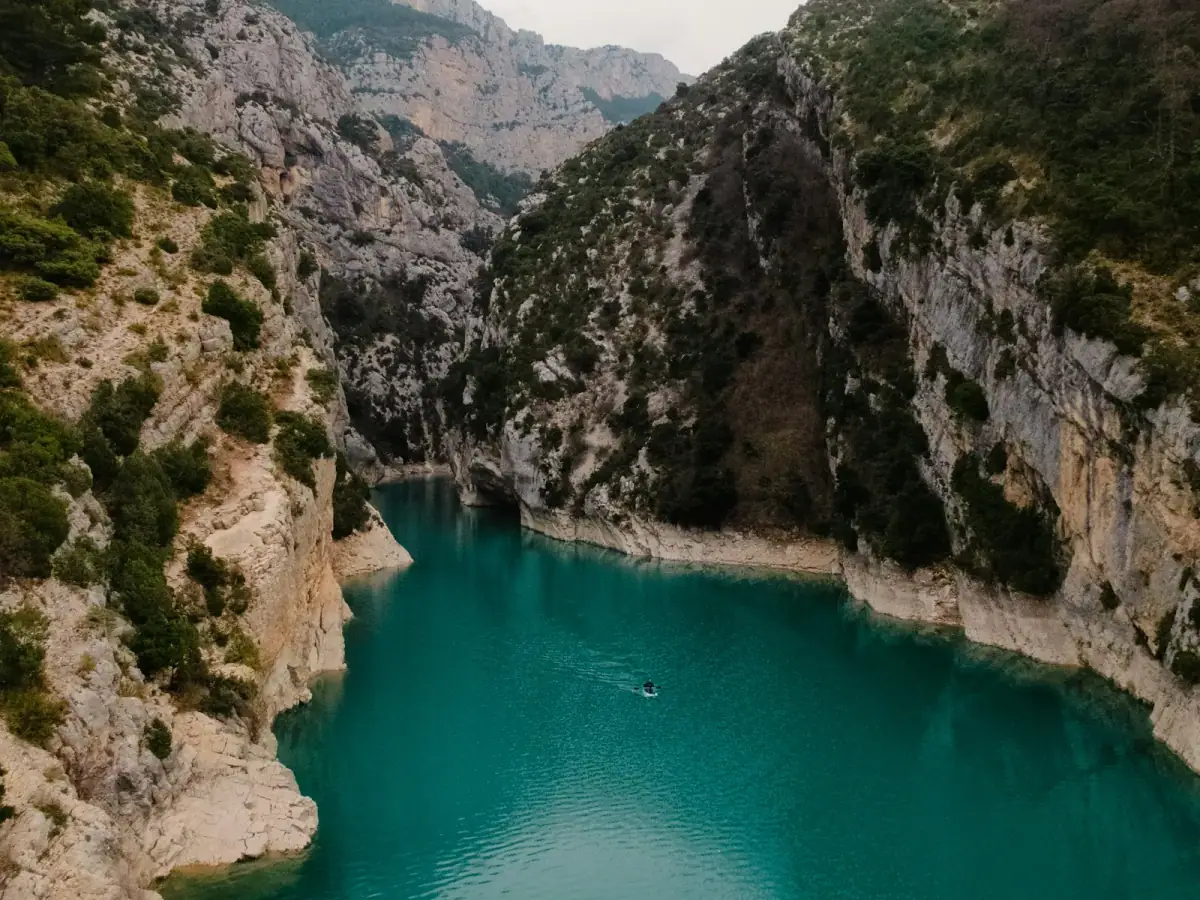
With their turquoise waters, vertical limestone cliffs and villages clinging to the rock, the Verdon Gorge is among the most spectacular natural landscapes in France. Located in the Provençal backcountry, on the border between the Var and the Alpes-de-Haute-Provence, it forms a canyon about 25 kilometers (15.5 mi) long, whose walls reach several hundred meters in height in places. No wonder it is often nicknamed Europe’s “Grand Canyon.”
But the Verdon is not just a viewpoint for a photo. It is above all a playground: hikes along the edge of the void, kayaking between the walls, pedal boats on Lake Sainte-Croix, canyoning with a guide, climbing, cycling… This guide helps you choose your activities according to your level, the season and the time you have, without missing the essentials.
Hiking in the Verdon Gorge
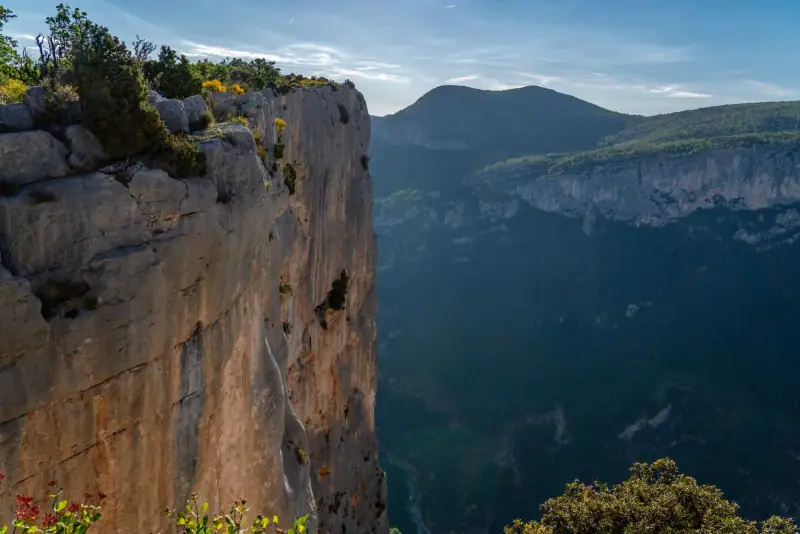
Hiking is the top activity in the canyon. The Verdon offers very varied trails, from walks of a few dozen minutes to the big crossings that take a whole day. Before you set off, keep a few rules in mind, valid for every route: check the weather, start early, carry plenty of water (few water points on the way), a hat, sunscreen and good shoes with grippy soles.
The Blanc-Martel trail: the great classic
The Blanc-Martel trail is the canyon’s most famous route. It follows the bottom of the gorge, on the left bank, between the Point Sublime area and the Chalet de la Maline, passing through equipped sections, staircases and tunnels cut into the rock. It is a long hike, generally counted as a full day, and rather demanding: the cumulative elevation gain is significant and the route has exposed sections.
Good to know before you start:
- Bring a headlamp or flashlight to cross the unlit tunnels.
- The gorge is narrow: once committed, it is hard to give up halfway. Assess your fitness carefully.
- An organized return (seasonal shuttle, two vehicles or local transport) is necessary, because the start and finish points are far apart. Ask the tourist office about the options available in season.
- Watch the weather: in a storm, it is better not to enter the canyon.
More accessible walks
If you travel as a family or prefer moderate effort, there are many shorter trails, often starting from viewpoints or villages. They offer fine panoramas without the constraint of a big crossing. The tourist offices of La Palud-sur-Verdon, Moustiers-Sainte-Marie and Castellane offer maps and hiking sheets with the duration and difficulty of each route.
One tip: choose routes suited to the least athletic member of the group and leave extra time for the return. Distances on maps are deceptive, because the terrain slows walking noticeably.
Guided hike in the Verdon
Not comfortable setting off alone? Compare outings led by a local guide.
The Route des Crêtes and the viewpoints
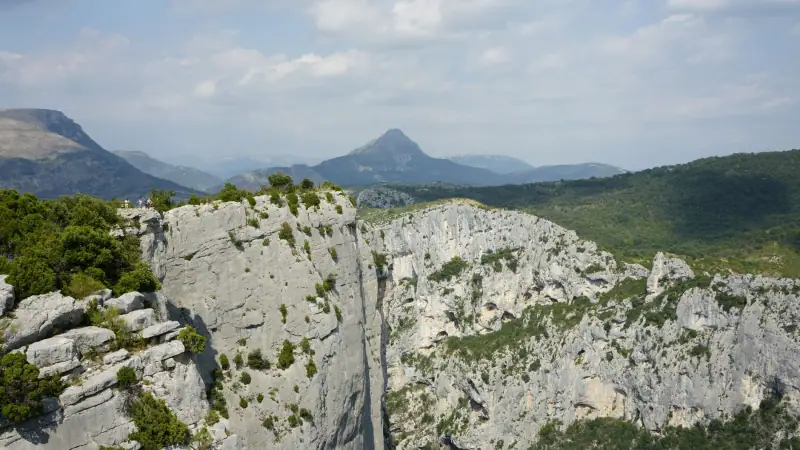
For those who prefer to admire the canyon without walking long, the Route des Crêtes is an excellent option. This one-way scenic road, laid out on the north rim from La Palud-sur-Verdon, follows the cliff edge and serves a succession of viewpoints. It forms a loop that can be driven at leisure in half a day, counting stops, with many views of the canyon and the green waters far below.
The south rim is served by the Corniche Sublime road, which offers another type of landscape, with plunging views of the canyon and cliffside stretches. The two roads can be combined to go all the way around the gorge, as long as you allow a day and drive carefully: the roads are narrow, winding and busy with many cyclists and motorcyclists.
A few practical tips:
- Stop only at designated places and respect the safety barriers.
- Leave early in the morning: the light is softer and traffic flows better.
- In summer, viewpoint parking lots fill up fast by midday.
- Check road opening status in advance: some may be closed in bad weather or in winter.
Kayak, canoe and pedal boat: the Verdon seen from below
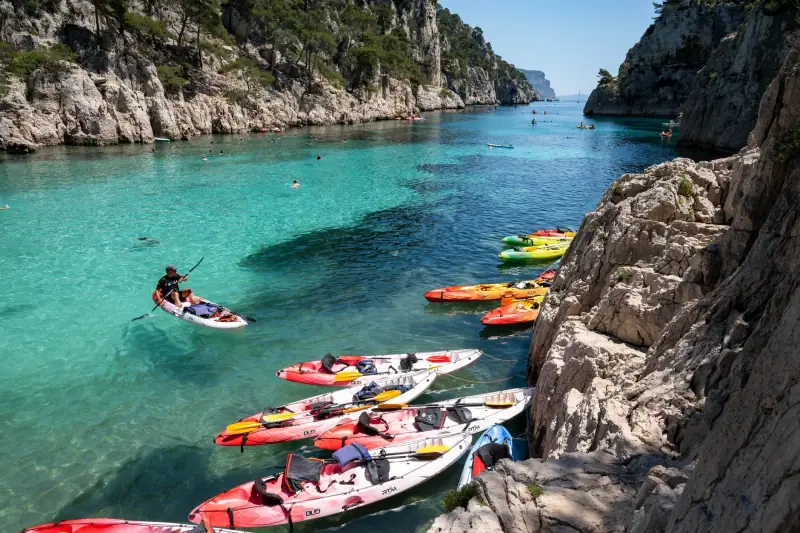
Paddling at the bottom of the canyon is a striking experience. You see the cliffs rise on each side, you glide on turquoise water and the silence is broken only by the sound of paddles. It is one of the most popular Verdon activities in summer.
The Pont du Galetas area and Lake Sainte-Croix
Lake Sainte-Croix, downstream of the gorge, is a large artificial lake fed by the Verdon. It is the gateway to most water activities. Several rental companies offer kayaks, canoes, pedal boats and electric boats, notably near the Pont du Galetas, at the foot of the gorge. You can thus go a little way up the canyon by paddle or pedal boat, without too much effort, to admire the walls from the water.
For a first time, it is the simplest option: rental by the hour or half day, equipment supplied, no particular experience required. Life jackets are mandatory, sun protection is essential: the sun reflects off the water and the cliffs.
A few precautions
- The level and current in the canyon can vary with releases from the dams upstream. Always follow the rental companies’ instructions and information signs.
- Keep water, a hat and a waterproof bag for your belongings.
- Avoid setting out late in the afternoon, especially if you plan to come back on foot.
- Children must be accompanied and fitted with life jackets of the right size.
Kayak and water activities
Compare kayak, canoe or boat outings in the gorge and on Lake Sainte-Croix.
Swimming around Lake Sainte-Croix
Lake Sainte-Croix is where people come to cool off in summer. Its green-turquoise waters, pebble beaches and small coves make it a favorite place to relax after a morning of hiking. Several villages surround it, such as Les Salles-sur-Verdon, Bauduen or Sainte-Croix-du-Verdon, which offer developed beaches, shops and restaurants in season.
Swimming is generally pleasant from June to September. The water remains rather cool early in the season, though. If you travel with young children, it is best to choose supervised beaches and respect the marked swimming zones, since boating areas are separate. Bring water shoes: the bottom is often stony.
Canyoning, climbing and via ferrata
The Verdon is also a reference for vertical sports. The limestone cliffs are known to climbers around the world, and the surroundings offer several canyoning and via ferrata sites.
- Climbing: there are many routes at very varied levels. Beginners can start with a qualified instructor, who supplies the equipment and chooses a suitable site.
- Canyoning: descending ravines by walking, jumping, natural slides and rappelling. The activity is generally led by professional guides, which is strongly recommended: conditions can change quickly with the weather and flow rates.
- Via ferrata: routes equipped with cables and rungs on the cliff, accessible to hikers in good shape with specific equipment (harness, lanyards, helmet) often rented there.
In all cases, go through qualified professionals if you are a beginner, and never improvise these activities outside the planned conditions.
Stay near the Verdon Gorge
Compare hotels and B&Bs in Moustiers-Sainte-Marie, La Palud and around.
Moustiers-Sainte-Marie: the ideal base
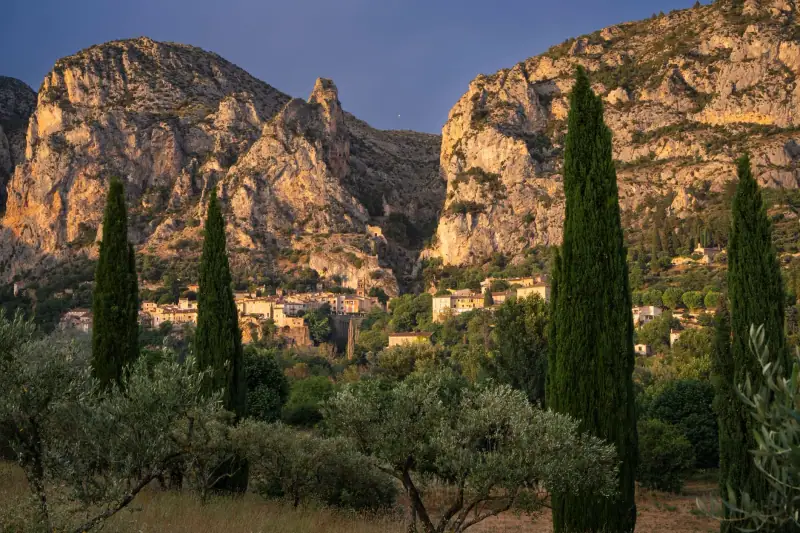
Moustiers-Sainte-Marie is one of the most beautiful villages in France and the classic gateway to the Verdon Gorge. Nestled at the foot of a cliff cut by a cleft, it is crossed by a torrent and lined with cobbled lanes, stone houses and faience workshops, the village’s historic specialty. A star hung above the village, suspended between two rocks, is among its most famous images.
The village is a good starting point: it has accommodation, restaurants, craft shops and quick access to the Route des Crêtes and Lake Sainte-Croix. It is very busy in summer: visit early in the morning or late in the day to enjoy the atmosphere, and allow a little time to walk up to the chapel overlooking the village, if your fitness allows.
Other villages in the area deserve a detour, such as La Palud-sur-Verdon, close to the middle of the canyon and very practical for hikers, or Castellane, further east, which marks the northern entrance of the gorge and offers other activity options.
When to come and how to organize
Each season has its advantages in the Verdon Gorge:
- Spring (April-June): pleasant temperatures for hiking, green landscapes, moderate crowds outside long weekends. The water is still cool.
- Summer (July-August): ideal period for kayaking, pedal boats and swimming, but also the hottest and busiest. Leave early in the morning for hikes.
- Early fall (September-October): soft light, fewer people, swimming still possible in September. Some activities and rental companies reduce their hours or close.
- Winter: quiet, but the range of activities is limited and some roads or accommodation may be closed.
To choose your period more precisely, notably if you want to combine the gorge with the lavender fields of the Valensole plateau, see our guide to when to go to Provence.
As for transport, a car is by far the most practical solution. Distances between viewpoints, villages and beaches seem short on a map, but the roads are winding: always allow more time than planned. Remember to fill up before heading into the backcountry, because gas stations there are rare.
What to bring
- Good walking shoes and water shoes
- At least 1.5 to 2 liters of water per person for a hike
- Hat, sunglasses, sunscreen
- Headlamp (for the Blanc-Martel trail tunnels)
- Swimsuit and a light towel
- Waterproof bag for water activities
- A light jacket: it is cooler at the bottom of the gorge
Extending your stay in Provence
The Verdon Gorge fits very well into a wider stay in Provence. If you are preparing a circuit between Avignon, the Luberon and the Camargue, our 5-day Provence itinerary gives you a base to adapt, with a possible extension to the east to discover the Verdon. And to fill your evenings after the day’s efforts, discover Provence wines and their appellations, in particular rosé, perfect to go with the region’s cooking.
Safety and environmental tips
The Verdon is a protected and fragile natural site. So that everyone can enjoy it for a long time:
- Stay on marked trails and throw no litter, even organic.
- Respect the bans and posted instructions, notably in fire-risk periods: access to some massifs may be restricted in summer.
- Make no fire or barbecue outside authorized areas.
- Always tell someone your route and expected return time.
- Mobile networks are patchy in the canyon: don’t count on your phone to find your way.
Key takeaways
To make the most of the Verdon Gorge, combine several types of activity rather than just one: a hike or a scenic road in the morning, an outing on the water or a swim in the afternoon, and dinner in a village of the region to end the day. Book your accommodation early for summer, leave before the crowds, respect the safety instructions and leave some flexibility in your schedule. The Verdon rewards those who take their time: its landscapes, often photographed, are even more impressive in person.
Frequently asked questions
What is the best time for activities in the Verdon Gorge?
From May to September for most activities. Spring and early fall suit hiking well, while July and August are the ideal months for kayaking, pedal boats and swimming, but also the busiest and hottest.
Can you swim in the Verdon?
Swimming is mostly done on Lake Sainte-Croix, where the water is turquoise and calm. In the canyon, the water is cool and the current can vary with dam releases: always follow local instructions and information signs.
Do you need to be athletic to hike in the gorge?
It depends on the route. Many viewpoints and short walks are accessible to everyone. The big canyon trails, such as the Blanc-Martel trail, are long, sometimes demanding and require good fitness, good shoes and serious preparation.
Do you need to book kayaks or pedal boats?
In summer, and especially in July and August, it is wise to book ahead or arrive early in the morning. Off-season, there are fewer rental companies and some close: check before you come.
How do you get around the Verdon Gorge?
A car remains the most practical way, because public transport is limited and sites are scattered. Roads are winding and trips longer than you would imagine from the map: allow extra time.
Where should you stay to enjoy the Verdon Gorge?
Moustiers-Sainte-Marie, La Palud-sur-Verdon or Castellane are common bases. Book early for summer: supply is limited and prices climb quickly in high season.
Can you visit the Verdon Gorge in one day?
Yes, by focusing on one area: for example the Route des Crêtes with its viewpoints, then an activity on Lake Sainte-Croix. Two or three days, however, let you enjoy the place far better, without rushing.
More Provence guides
Keep reading
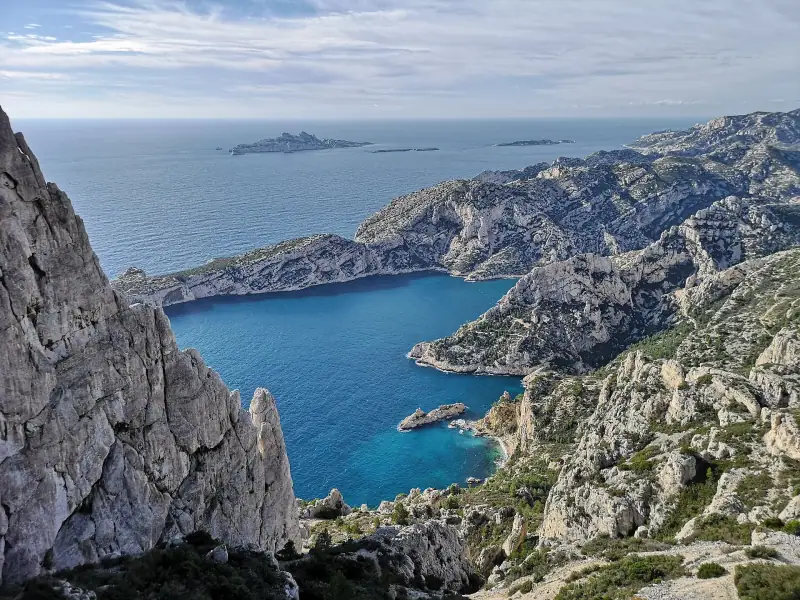
Calanque de Sugiton: mandatory reservation, dates, how to book and alternatives
Sugiton requires a free reservation in summer: 2026 dates, booking opens 3 days ahead, 400 spots a day, access from Luminy and calanques without booking.
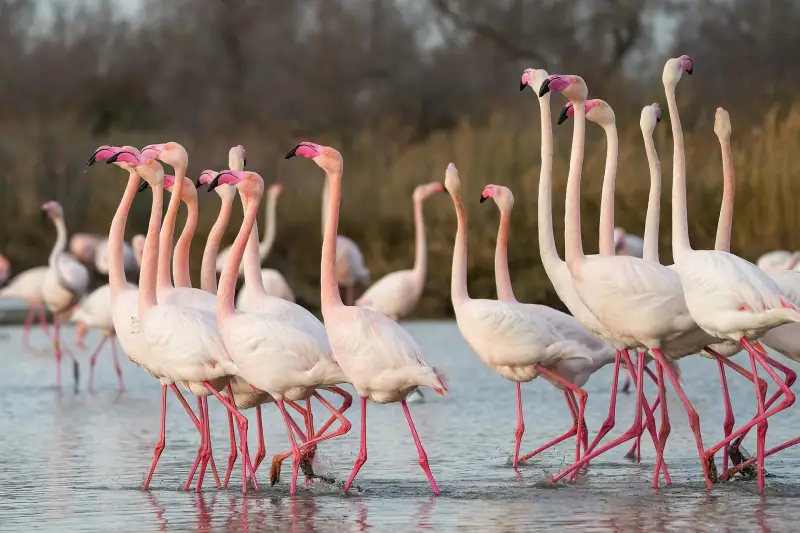
Camargue: activities, pink flamingos, horses and Saintes-Maries-de-la-Mer
What to do in the Camargue: watch pink flamingos, ride horses, cycle the sea dike, visit the salt pans and Saintes-Maries-de-la-Mer. Tips by season.
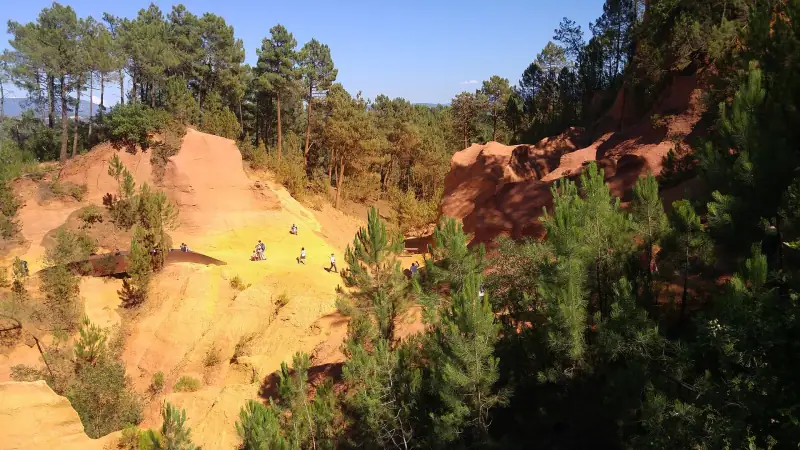
Roussillon Ocher Trail: price, hours, duration and practical tips
Roussillon Ocher Trail: €3.50 ticket, 30 or 50 minutes on foot, hours by season, parking, dogs, strollers and what to wear.
Ready-made
Provence itineraries
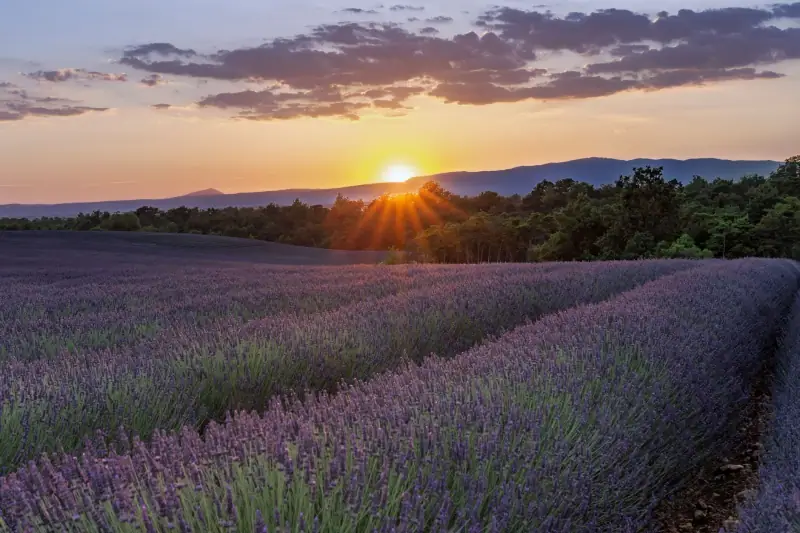
3 days
Lavender route in Provence in 3 days: Valensole, Sault and the Luberon, stops and distances
Moustiers-Sainte-MarieSault
3 days
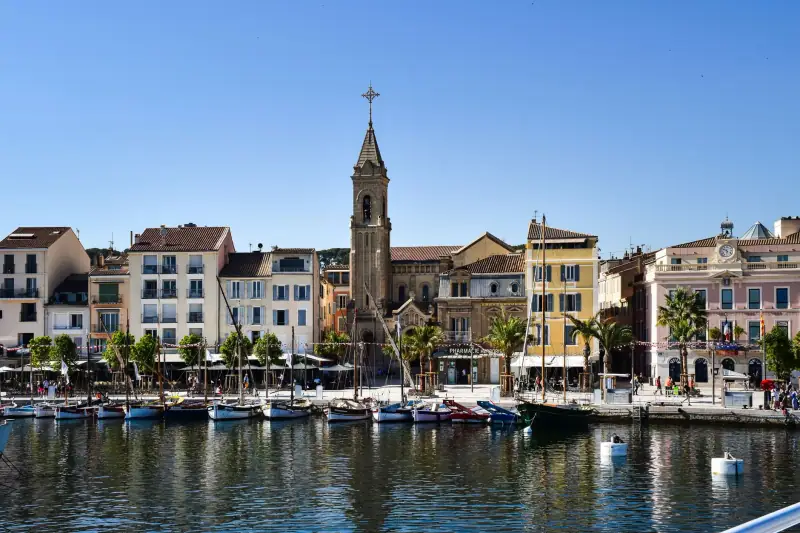
3 days between Marseille, Cassis and Aix-en-Provence: a detailed itinerary
3-day Provence itinerary: Marseille and the Vieux-Port, Cassis calanques, Aix-en-Provence and its fountains. Day by day, distances and tips.
5 days
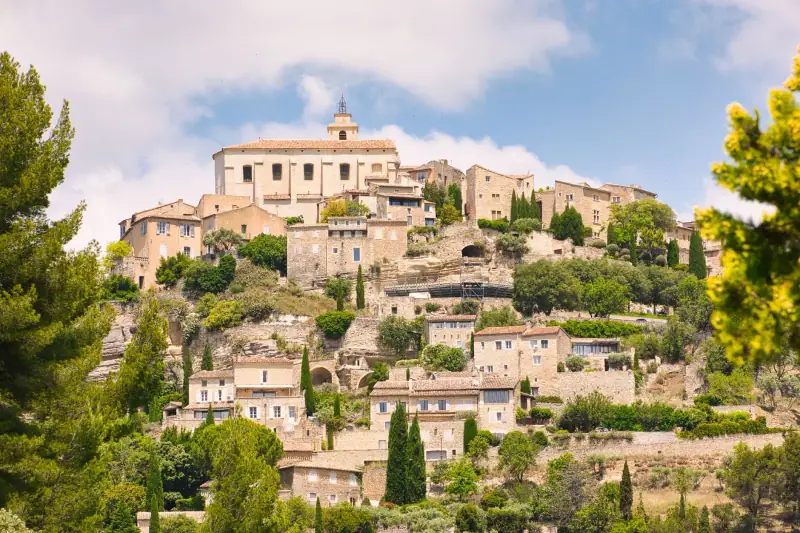
5-day Provence itinerary: Avignon, Luberon, Alpilles and Camargue
A day-by-day 5-day Provence itinerary: Avignon, Luberon, Alpilles, Arles, Camargue, Aix and Cassis, with realistic distances and practical tips.
Can be adapted in the planner