What to see
Visiting Boracay: Complete Guide to the Philippines' Best Beach
We may earn a commission when you book through links on this page, at no extra cost to you. We don't visit or try the places we cover: we summarize published sources. How we work
In short
- From Manila, fly to Caticlan (55 minutes), then take a tricycle and a 15-minute bangka to the island. Allow 2.5 to 4 hours door to door.
- Plan 3 to 4 days for White Beach, Puka Beach and a few water activities; 5 to 7 days if you dive or kitesurf.
- The dry season runs November to April; kitesurfing season is October to March at Bulabog Beach.
- Boracay is the most expensive destination in the Philippines: about €60-80 (about $70-93) a day at mid-range.
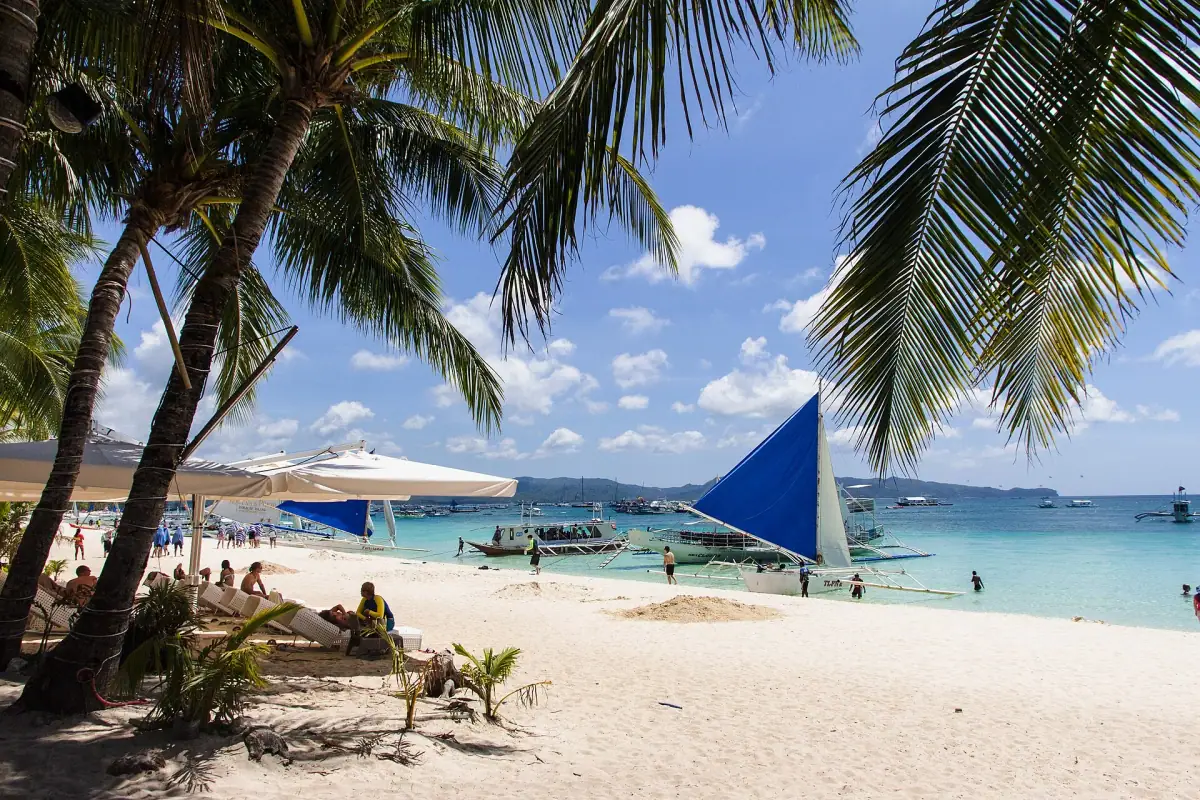
Boracay is often ranked among the most beautiful beaches in the world, and it is easy to see why. Its 4 km (2.5 mi) White Beach, with sand as fine as talcum powder and water that shifts from turquoise to emerald depending on the light, is simply spectacular. Add a sunset that sets the horizon on fire every evening, a surprisingly rich food scene, world-class kitesurfing and some of the friendliest locals in the Philippines: Boracay earns its place as the archipelago’s number one destination.
This complete guide explains how to make the most of the island, season by season, activity by activity, peso by peso.
Where Boracay is and how to get there
Boracay is a small island of 10 km² (about 4 sq mi) in the province of Aklan, in the Western Visayas. It sits at the northern tip of Panay island, about 315 km (196 mi) south of Manila as the crow flies.
From Manila (the fastest option)
Option 1: Caticlan (MPH): a direct 55-minute flight with Cebu Pacific, Philippine Airlines or AirAsia. On arrival, a tricycle (100-150 PHP) takes you to Caticlan port in 10 minutes, then a bangka (traditional outrigger boat) crosses in 15-20 minutes to Cagban port on Boracay. At the boarding terminal, expect a boat ticket (~50 PHP) + environmental fee (~300 PHP for foreigners) + terminal fee (~150 PHP), paid on the spot or prepaid online depending on current rules (check with the Aklan tourism office). Allow 2 to 2.5 hours door to door.
Option 2: Kalibo (KLO): flights are often cheaper (€20-40 / about $23-46 less). Kalibo airport is served by international flights from several Asian cities (check current routes). From Kalibo, allow 1.5 to 2 hours by bus or van to Caticlan port (200-350 PHP in a shared van). Longer, but economical if you are arriving from abroad.
From Cebu City
Direct Cebu-Caticlan flights exist depending on the season (check with Cebu Pacific or AirAsia Philippines); otherwise, connect through Manila. There is no direct Cebu-Caticlan ferry: by sea the trip is long and goes through Iloilo, so check with the ferry companies before planning.
White Beach: the beach of superlatives
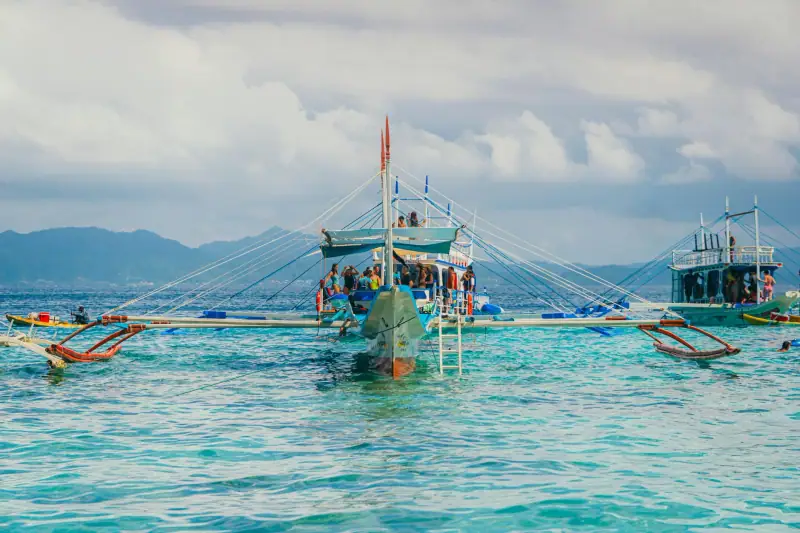
White Beach is the soul of Boracay. At 4 kilometers (2.5 mi) long, this brilliant white strip of sand runs along the island’s west coast. The water is shallow and the waves almost nonexistent on the lagoon side, which is perfect for swimming or simply floating.
The three stations (Stations 1, 2, 3)
White Beach is informally divided into three zones, which you will see on mapping apps:
Station 1 (north): the quietest and most upscale. Few vendors, high-end hotels, an intimate atmosphere. The sand is widest here and the sunset view is unobstructed.
Station 2 (center): this is where Boracay’s heart beats. D’Mall, the island’s main shopping center, sits just behind the beach. Restaurants, bars, souvenir shops, tour agencies: everything is within reach. It is livelier, more popular and more photographed. Ideal if you want to be in the middle of the action.
Station 3 (south): more popular, cheaper and more family-oriented. Lodging costs less than in Station 1. There is less nightlife, but it is easy to reach Cagban port (10 minutes on foot).
Hotels in Boracay for every budget
Station 1, 2 or 3: compare the best addresses and availability.
Sunset from White Beach
Every evening from 5:30 pm, a quiet crowd gathers on the sand of White Beach to watch the show. The sun sinks behind the Sibuyan Sea, coloring the sky in shades of orange, pink and purple. It is a daily ritual, often accompanied by a cocktail or a freshly opened coconut.
Puka Beach: the antidote to White Beach
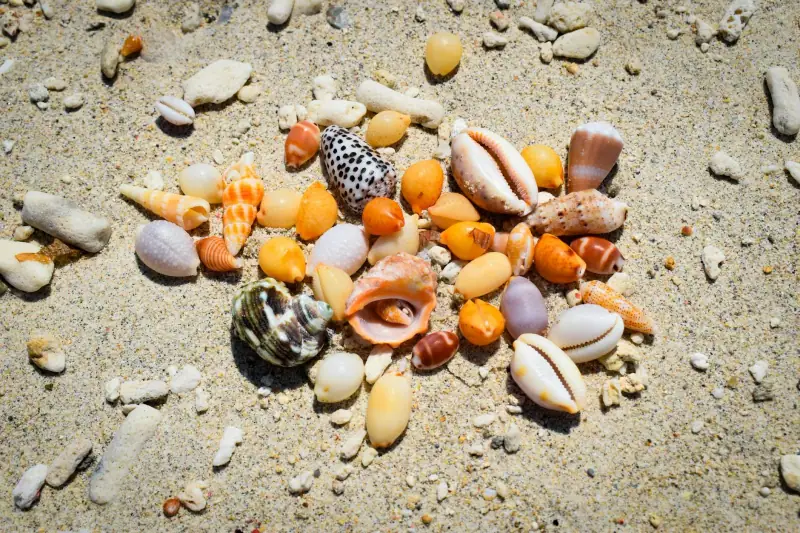
About 5 km (3 mi) northwest of White Beach, Puka Beach is the wild counterpoint to its famous neighbor. Named after the white disc-shaped shells (puka shells) that litter its sand, this 800 m (2,625 ft) beach is less touristy, quieter and noticeably windier.
The water is rougher and the beach is rockier in places. People come here to get away from the crowds, to read in the shade of a coconut palm, or to see marine life that is easier to reach by snorkeling along the rocks.
A few grilled-fish restaurants and wooden stands line the back of the beach. The atmosphere is that of an authentic Philippine beach. To get there, take a tricycle from White Beach (80-150 PHP) or rent a scooter.
Water sports: kitesurfing, windsurfing and more
Boracay is a world-class destination for board sports. Its secret: trade winds that blow steadily and predictably from October to March, and two beaches facing different directions so you can practice in any season.
Bulabog Beach: the temple of kitesurfing
Bulabog Beach, on the east side of the island (a 15-minute walk from White Beach via D’Mall), is the main spot. From November to March, winds steadily reach 15 to 25 knots. Dozens of IKO-accredited (International Kiteboarding Organization) schools offer:
- Beginner lesson (3 h): €50-70 (about $58-81) with equipment provided
- Intermediate / advanced lesson: €40-60 (about $46-70) per hour
- Rental only: €30-50 (about $35-58) per session (2 h)
Windsurfing is just as developed, with clubs that store equipment and provide instructors. The beach has a well-marked entry and exit zone for the water to prevent accidents.
White Beach: lagoon-side activities
On the west side, the calm waters of White Beach lend themselves to parasailing, stand-up paddleboarding (SUP), kayaking and glass-bottom bangka rides. Most activities are booked directly on the beach with local operators.
| Activity | Indicative price |
|---|---|
| Parasailing (tandem, 15 min) | 800-1,200 PHP (€14-20, ~$16-23) |
| Kayak (1 h) | 200-400 PHP (€3.50-7, ~$4-8) |
| SUP paddleboard (1 h) | 300-500 PHP (€5-8, ~$6-9) |
| Glass-bottom bangka (1 h) | 800-1,200 PHP / boat |
| 2-tank dive (Crocodile Island) | €60-85 (~$70-99) |
Tours and activities in Boracay
Kitesurfing, diving, island hopping, sunset sailing: book online.
Diving around Boracay
Boracay is not the top dive destination in the Philippines (Palawan and Tubbataha steal the spotlight), but its sites are worth a detour, especially for beginner or intermediate divers.
Crocodile Island: the essential site, 15 minutes by boat from White Beach. The island’s shape resembles a crocodile from the air, hence the name. The corals are dense, colorful fish are abundant (parrotfish, lionfish, clownfish) and a few stingrays often glide near the sandy bottom.
Camia Wreck (Laurel Island): an old fishing boat wreck lying at 18-22 m (59-72 ft) deep, covered in soft corals and home to moray eels. Accessible from Open Water level. The atmosphere is more immersive and mysterious than the coral sites.
Yapak: for advanced divers only. A dizzying wall dropping to 40+ m (130+ ft), where blacktip sharks and tuna circulate in blue water. Currents are possible, so it is reserved for advanced open water divers and Rescue Divers.
Food in Boracay: where and what to eat
Boracay has a surprisingly varied food scene for an island of 10 km² (4 sq mi). From local seafood restaurants to international tables, plus the inevitable Philippine chains, there is something for every taste and budget.
Street food to try
Isaw (grilled chicken intestine skewers): a staple of the streets around D’Mall, 10 to 20 PHP a skewer. The smoky flavor is addictive. Kwek-kwek (quail eggs coated in orange batter and fried): an omnipresent street snack, 5-10 PHP each. Pork BBQ on a stick (liempo): fatty, caramelized, sold at stalls in the evening.
Recommended restaurants
D’Talipapa Market: the fresh fish market at D’Mall. Buy your shrimp, lobster or fish directly from the fishermen, then pay a neighboring restaurant to cook them the way you like (grilled, with garlic, sinigang). Allow 200-400 PHP for the fish + 100-200 PHP for cooking.
White Beach, Stations 1 and 2: dozens of beachfront restaurants with sunset views. Prices are marked up (20-30%) but the experience is worth it for one evening. Order the bangus (grilled milkfish) or the sugpo (big prawns).
International cuisine: Korean, Japanese, Italian, Mexican: Boracay welcomes them all, especially around D’Mall. Useful if you are traveling with kids who balk at sinigang.
Suggested itinerary: Boracay in 4 days
Day 1: Arrival and White Beach
- Arrive in Caticlan, bangka to Cagban port
- Check in to your hotel
- Afternoon: first swim at White Beach Station 2
- Evening: sunset + seafood dinner on the beach
Day 2: Kitesurfing or water activities
- Morning: kitesurfing lesson at Bulabog Beach (3 h)
- Lunch: D’Talipapa Market (fresh seafood at market prices)
- Afternoon: rest at White Beach or SUP paddleboarding
- Evening: cocktails at D’Mall, explore the restaurants of Station 1
Day 3: Diving + Puka Beach
- Morning: dive trip to Crocodile Island (2 tanks)
- Lunch: local snack at Station 3
- Afternoon: tricycle to Puka Beach for some downtime away from the crowds
- Evening: dinner at a seafood restaurant on Puka Beach
Day 4: Free exploring and departure
- Morning: walk to Diniwid Beach (a wild cove north of Station 1)
- Optional: parasailing or a sunset sail on a paraw
- Afternoon: souvenir shopping at D’Mall (puka shells, spices, crafts)
- Departure to Cagban port
Flights to Boracay (Caticlan or Kalibo airport)
Compare prices and schedules to reach Boracay from Manila or abroad.
Where to stay in Boracay: areas and budget
Station 1: premium, totally quiet
The most sought-after zone for demanding travelers. Luxury hotels and boutique hotels sit right on White Beach. The sand is widest here and the crowd thinner than in Station 2. Budget: €60-250 (about $70-290) a night depending on the property.
Station 2: ideal for being in the middle of the action
Proximity to D’Mall makes Station 2 a practical choice for travelers who want everything within reach: restaurants, shops, activity agencies. The beach is livelier, sometimes noisier in the evening. Budget: €30-120 (about $35-140) a night.
Station 3: budget-friendly and family-oriented
The most affordable station, a 10-15 minute walk from D’Mall. Plenty of family guesthouses and small resorts. The beach is decent but narrower. Ideal for budget travelers or families who prefer calm. Budget: €20-60 (about $23-70) a night.
Bulabog Beach: for kitesurfers
If you are coming mainly for kitesurfing, stay on the east side. The atmosphere is sportier and more international, and the lodging less luxurious than on White Beach. Budget: €25-70 (about $29-81) a night.
See also our guide to the best beaches in the Philippines to plan your overall itinerary.
Budget for visiting Boracay
Boracay is the most expensive destination in the Philippines, but prices remain reasonable by Asian tourism standards.
| Item | Tight budget | Comfort budget | Luxury budget |
|---|---|---|---|
| Lodging / night | €20-35 (~$23-41) | €60-100 (~$70-115) | €150-300 (~$175-350) |
| Meals / day | €15-20 (~$17-23) | €30-50 (~$35-58) | €60-100 (~$70-115) |
| Activities / day | €15-25 (~$17-29) | €40-70 (~$46-81) | €80-150 (~$93-175) |
| Local transport | €5-10 (~$6-12) | €10-20 (~$12-23) | €20-40 (~$23-46) |
| Total / day | €55-90 (~$64-104) | €140-240 (~$162-278) | €310-590 (~$360-685) |
Tip: hotel prices drop 30 to 50% in the low season (June to October). If you can put up with a few passing showers, it is the ideal time to enjoy Boracay without breaking the bank and without fighting for a sun lounger.
Getting around the island
Electric tricycle: since the 2018 closure, gas-powered tricycles have been replaced by e-trikes (electric tricycles). They are the main means of transport for trips of 1 to 5 km (0.6 to 3 mi). Official fares: 10-20 PHP (€0.18-0.35, ~$0.20-0.40) per trip in a shared shuttle, or 100-200 PHP for a private ride.
On foot: White Beach can be walked end to end in 45-50 minutes. The beach path is reserved for pedestrians and bikes, which is ideal for strolling, taking photos and snacking as you go.
Scooter: available to rent (300-500 PHP/day), but the inland roads are narrow and congested. Reserved for people comfortable on two wheels in Philippine traffic.
Practical tips before heading to Boracay
Environmental fee: since 2018, a fee has been collected at boarding in Caticlan; it currently runs about 300 PHP (€5 / about $6) for foreigners, on top of the terminal fee, and can be paid or prepaid online (check current amounts before departure). It helps fund the preservation of the island.
Rules to follow: drinking alcohol is banned on the beach and in public places (it is still allowed in bars and restaurants). Smoking on the beach is banned (though sometimes tolerated outside the busiest areas). No wild barbecues on the beach. These rules, introduced in 2018, are generally respected.
Local SIM: buy a Globe or Smart SIM at Caticlan or Kalibo airport. Budget 200-300 PHP for 7 days of unlimited data. 4G coverage is good across the island.
Money: ATMs are found at D’Mall and around Station 3. Bring cash for street food stalls, tricycles and small shops. Bank cards are accepted at mid-range to luxury hotels and at Station 1 restaurants.
Health insurance: essential. Care in Boracay is limited to minor cases. In a serious emergency, evacuation to Iloilo or Manila is necessary. Take out travel insurance that covers repatriation.
To plan the rest of your trip to the Philippines, read our guide to the best time to visit the Philippines and our selection of island hopping in the Philippines to combine Boracay with other beautiful islands.
Frequently asked questions
How do I get to Boracay from Manila?
From Manila, fly to Caticlan Airport (MPH), a 55-minute flight, then take a tricycle to Caticlan port and a 15-minute bangka (traditional boat) to the island. Flights to Kalibo (KLO) are cheaper but add 1.5 to 2 hours by bus to the port. In all, allow 2.5 to 4 hours door to door from Manila.
How many days should I plan in Boracay?
3 to 4 days is ideal to see White Beach and Puka Beach, try a few water activities and enjoy the sunsets. If you like diving or kitesurfing, plan 5 to 7 days. Boracay also fits into a 2-night stop combined with other destinations such as Cebu or El Nido.
What is the best time to visit Boracay?
The dry season from November to April is the ideal period, with peak crowds in December-January and in March-April (Holy Week). Kitesurfing season runs from October to March, driven by the habagat trade winds. The monsoon (June to October) makes some beaches less appealing, but prices are 30 to 40% lower.
Is Boracay expensive compared with other Philippine islands?
Boracay is the most expensive destination in the Philippines, comparable to Bali or a Thai beach resort. Allow €60-80 (about $70-93) a day on a mid-range budget (lodging, meals, activities). On a tight budget it is possible for about €35-50 (about $41-58) a day if you stay away from White Beach. Luxury options run €200-400 (about $232-465) a night.
Can you kitesurf and windsurf in Boracay?
Yes, Boracay is one of the best destinations in the world for these sports. Bulabog Beach, on the east side of the island, is the dedicated kitesurf and windsurf spot thanks to steady winds from October to March. Dozens of IKO-accredited schools offer beginner lessons from €50-70 (about $58-81) for 3 hours. Outside the wind season, White Beach is where water sports fans go.
Are there coral reefs for diving around Boracay?
Yes, several dive sites surround Boracay. Crocodile Island, 15 minutes by boat, is the best known, with hard corals, lionfish and barracuda. Camia Wreck is a wreck accessible from Open Water level. Visibility is generally good (10-20 m / 33-66 ft) but lower than in Palawan or Tubbataha.
Is Boracay still as beautiful after the 2018 closure?
Absolutely. In fact, the island is nicer than before. The 6-month closure ordered by President Duterte in 2018 allowed the waters to be cleaned up, illegal buildings to be removed and strict environmental standards to be put in place. The sand is pristine again and the water clearer. Current rules limit beach vendors and ban alcohol on the beach and wild barbecues.
More Philippines guides
Keep reading
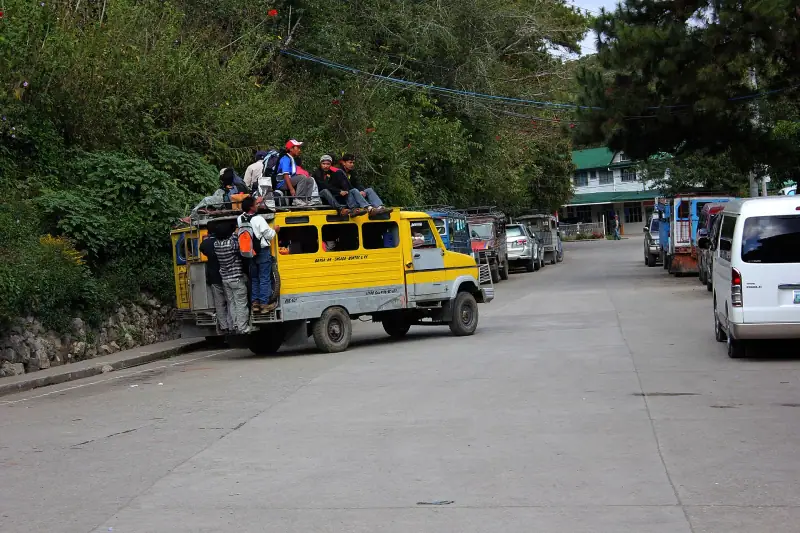
Sagada without a car: how to get there from Manila, Baguio or Banaue
Reach Sagada by bus or jeepney from Manila, Baguio or Banaue, then see it all on foot: routes, travel times, registration, guides and pitfalls.
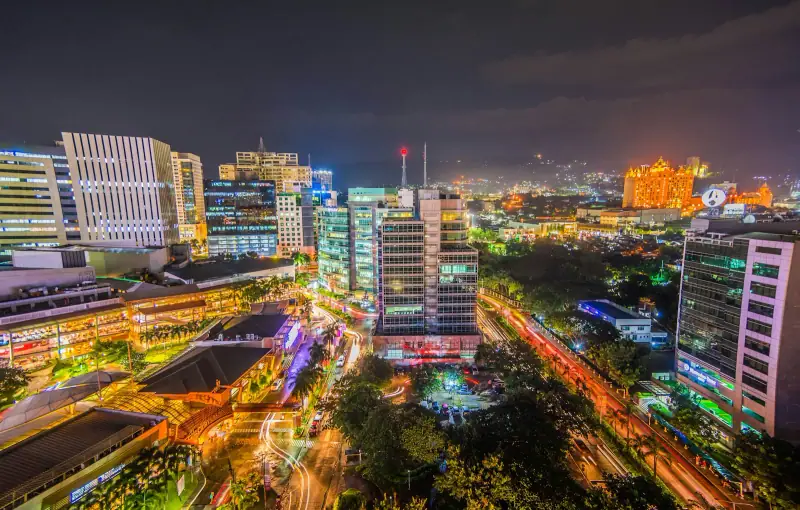
Visiting Cebu: Complete Guide to the Pearl of the Visayas
Visiting Cebu: Magellan's Cross, Oslob, Kawasan Falls, Mactan, Moalboal, beaches and street food. Budget, transport and a day-by-day itinerary.
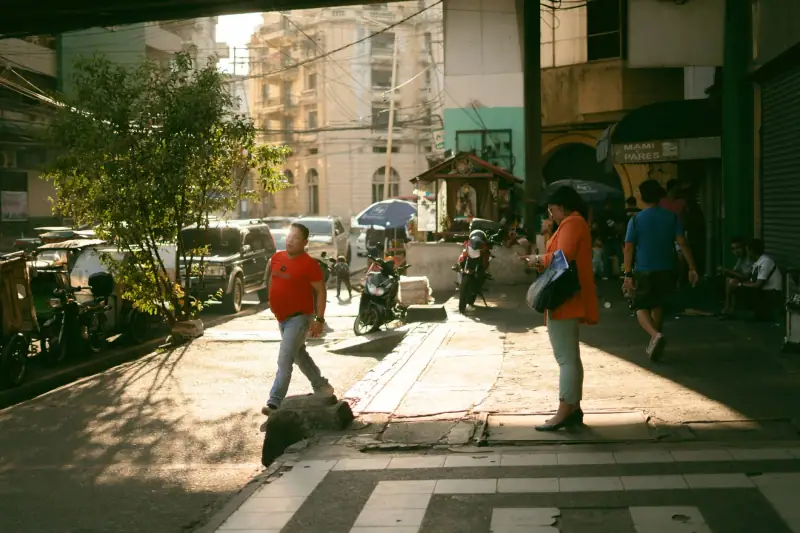
Manila top sights: what to see on a layover or stay
What to do and see in Manila? Intramuros, Binondo, BGC, museums and food: the capital's top sights for 1 to 3 days in the Philippines.
Ready-made
Philippines itineraries
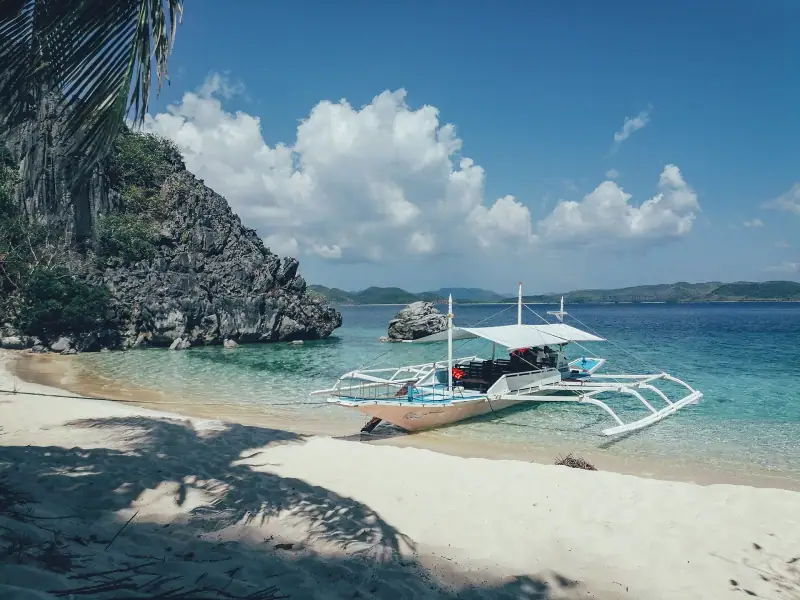
10 days
The Philippines in 10 days with kids: stops, pace and travel times
Cebu (Mactan)Bohol (Panglao)Boracay
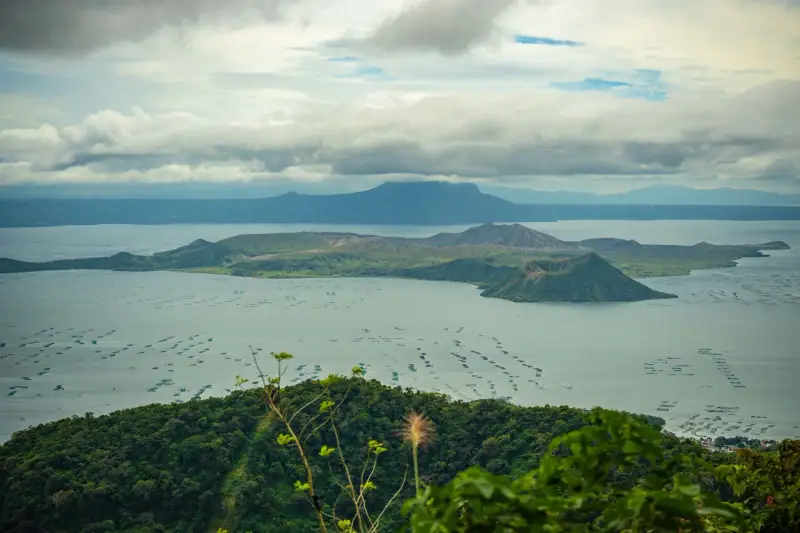
12 days
The Philippines in 12 days without a scooter or car: a realistic itinerary
ManilaEl NidoCoronManila
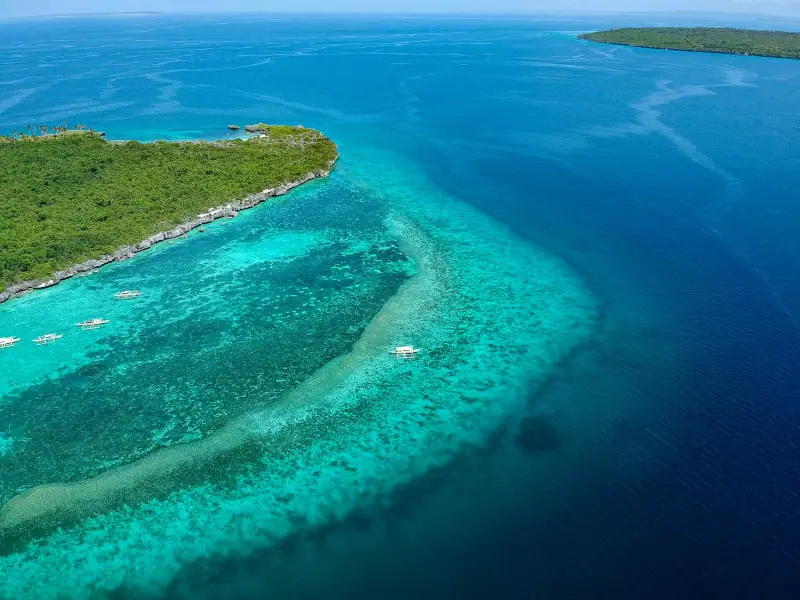
10 days
Cebu, Bohol and Siargao: 10 Days in the Visayas
Cebu CityPanglaoGeneral Luna