What to see
Sagada without a car: how to get there from Manila, Baguio or Banaue
We may earn a commission when you book through links on this page, at no extra cost to you. We don't visit or try the places we cover: we summarize published sources. How we work
In short
- From Manila: a direct overnight bus from Cubao (Coda Lines, check current schedules) or a bus to Baguio, then one to Sagada; about 12-13 hours in total.
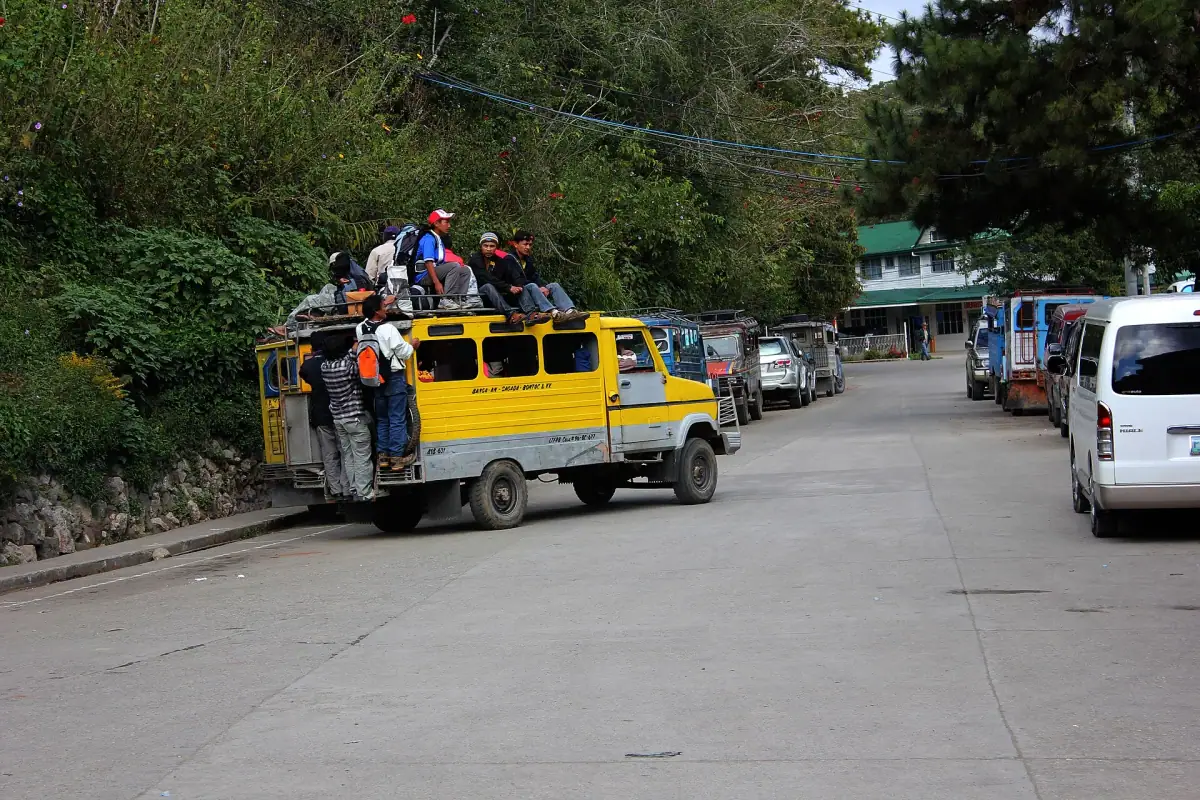
- From Banaue: jeepney or van to Bontoc (about 2 hours), then to Sagada (about 45 minutes); 3 to 4 hours in all.
- Register at the tourism office on arrival; a local guide is required for the caves and the fee is per group, not per person.
- Withdraw cash in Baguio or Bontoc before heading up, and pack a fleece: nights are cool at about 1,500 m (4,920 ft).
Sagada is one of the few mountain villages in the Philippines that you can visit very well without a car or scooter: everything is done on foot from the center, and buses and jeepneys climb up from Manila, Baguio or Banaue. Here are the routes, what to know before heading up, and how to plan two or three days there.
In short: from Manila, take a direct overnight bus (Coda Lines, leaving from Cubao) or a bus to Baguio and then another to Sagada; from Banaue, jeepney to Bontoc and then to Sagada (3 to 4 h). Once there, register at the tourism office, hire a guide for the caves and walk the rest. Withdraw cash before heading up.
Sagada from Manila: direct bus or via Baguio
This is the route most travelers search for, and the longest: about 390 km (242 mi) of road, with the last hours on hairpin bends.
Option 1: the direct overnight bus
Coda Lines launched a direct Manila-Sagada bus leaving from Cubao, in Quezon City, with two classes: semi-deluxe (no onboard toilet) and super-deluxe (reclining seats, toilet). At launch, tickets were sold online up to a month ahead, for about 760 PHP and 980 PHP one way. Those fares date from 2020: check prices, schedules and frequency before planning, especially in high season and on long weekends.
Option 2: Manila → Baguio → Sagada
The classic and more flexible route: an overnight bus Manila-Baguio, a breakfast stop in Baguio, then a daytime bus to Sagada from the Dangwa terminal (about 6 hours for this second leg, according to travelers). The total trip is around 12 to 13 hours. The upside: Baguio lets you withdraw cash and buy a fleece; the downside: buses to Sagada leave mostly in the morning, and the connection may make you wait.
What about flying?
There is no flight to Sagada. A flight-plus-road combination (via Tuguegarao, in the northeast) exists on paper but only saves time if you don’t mind the ticket price: the mountain road is still long.
Sagada from Banaue: jeepney via Bontoc
If you have already explored the Banaue rice terraces or done the Batad trek without an agency, the simplest thing is to link them:
- Banaue → Bontoc: jeepney or shared van, about 2 hours, around 120 to 150 PHP.
- Bontoc → Sagada: jeepney or van, about 45 minutes, around 60 to 80 PHP.
These fares and durations come from our Luzon guide; they shift with the seasons and road conditions. Leave early in the morning: vehicles leave when full, and the last departures are in the early afternoon. A stretch of the road can be cut off after heavy rain: ask your guesthouse before leaving.
Where to sleep in Sagada without a car
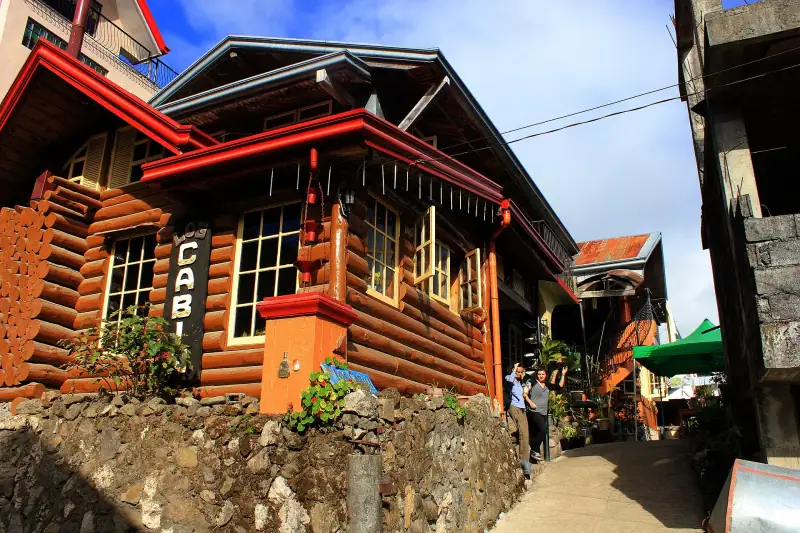
Choose lodging near the center (Poblacion): the whole village is walkable, and you avoid paying for a tricycle or jeepney every time you go out. Lodges farther out have charm, but plan for the walk (or transport) at dinner time.
Places to stay in Sagada
Mountain guesthouses, hostels and small lodges close to the village center.
On arrival: registration and guides
In Sagada, you start at the village tourist reception office. Registration (with an environmental fee) is requested before visiting natural sites; travelers cite about 100 PHP, an amount that has changed over the years. Keep the receipt, since you may be asked for it on some trails.
Guides are organized by the village and their fee is paid per group, not per person. For the caves, expect around 500 PHP for a small group at Sumaguing, and 200 to 300 PHP for Echo Valley and the hanging coffins. These figures come from traveler reports, some of them old: the tourism office posts the current rates. The more people, the lower the cost per head: don’t hesitate to join other travelers from your hostel.
What to see on foot in 2 days
Everything below is reachable on foot or by tricycle from the center.
Echo Valley and the hanging coffins
The walk (about 30 minutes from the center) leads to a cliff where wooden coffins, several centuries old, hang from the rock face: a funerary practice of the Kankana-ey people. Respect the site: don’t touch the coffins and don’t photograph them too closely.
The Sumaguing and Lumiang caves
Sumaguing is the best known: a limestone gallery, cool water pools, narrow passages. A guide is required. Wear quick-drying clothes and shoes with good grip, or go barefoot in the pools as the guides do.
Kiltepan: the sea of clouds without a car
Kiltepan is the best-known viewpoint for the sea of clouds at sunrise, from about November to May. Without a vehicle, there are two options: a tricycle or shuttle booked the day before (the simplest), or a walk in the dark (bring a headlamp). Arrive before 5:30 am; the show depends on the weather.
Wandering the village
The cafes, weavers, local market and small bakeries are what make Sagada interesting beyond the sights. Sagada lends itself to long pauses: keep half a day with no plan.
Practical tips without a car
- Cash: withdraw before heading up (Baguio, Bontoc). See our guide to cash and bank cards in the Philippines.
- Clothing: fleece, windbreaker, closed shoes. Nights are cool, especially from December to February.
- Typhoons: typhoon season runs from June to November; the mountain road can be cut off. Follow local authorities’ instructions and your government’s official travel advisories.
- No scooter: on unfamiliar mountain roads, it’s better to skip it if you lack experience.
- Tricycles: negotiate the price before getting in, as explained in our guide to bargaining and tricycles.
To organize guided excursions, you can also look at the activities offered in the region.
Excursions and activities around Sagada
Compare the guided visits, treks and excursions available in the Cordillera.
Quick table: routes to Sagada
| From | Route | Approximate time | Good to know |
|---|---|---|---|
| Manila (Cubao) | Direct overnight bus | ~12 h | Check schedules and frequency |
| Manila | Bus to Baguio, then bus to Sagada | ~12-13 h | Sagada bus from the Dangwa terminal |
| Baguio | Direct bus | ~6 h | Departures mostly in the morning |
| Banaue | Jeepney to Bontoc, then Sagada | 3-4 h | One change in Bontoc |
| Bontoc | Jeepney or van | ~45 min | Last departure in the early afternoon |
Frequently asked questions
Is there a direct bus from Manila to Sagada?
Yes, one company, Coda Lines, has offered a direct overnight bus from Cubao (Quezon City), in semi-deluxe and super-deluxe versions. Schedules and frequency change: check online or at the terminal a few days before. Otherwise, go via Baguio, where buses to Sagada leave from the Dangwa terminal.
How long does it take to get from Manila to Sagada?
Allow about twelve hours at best, sometimes more with stops, roadworks and fog. In every case, the last stretch is a winding mountain road. Plan for a night on the bus and half a day of recovery.
Can you go from Banaue to Sagada without a car?
Yes, in two legs: jeepney or van Banaue-Bontoc (about 2 hours), then Bontoc-Sagada (about 45 minutes). In all, allow 3 to 4 hours, with a change in Bontoc. Leave in the morning: the last departures are in the early afternoon.
Do you need a guide to visit Sagada?
For the caves (Sumaguing, Lumiang) and most natural sites, the tourist reception office requires a local guide; the fee is shared per group, not per person. To wander the village, visit cafes or walk marked paths, you are free to go on your own.
How much does registration at the tourism office cost?
A registration with an environmental fee is requested on arrival; travelers report an amount around 100 PHP, but it has changed over the years. Confirm the amount there and keep the receipt.
Should you withdraw cash before arriving?
Yes, it is safer. ATMs in the mountains can be empty or out of order, and many guesthouses and small eateries accept only cash. Withdraw in Baguio or Bontoc.
Is it cold in Sagada?
Nights are cool at this altitude (about 1,500 m / 4,920 ft), especially from December to February. Bring a fleece and a windbreaker: few rooms are heated.
More Philippines guides
Keep reading
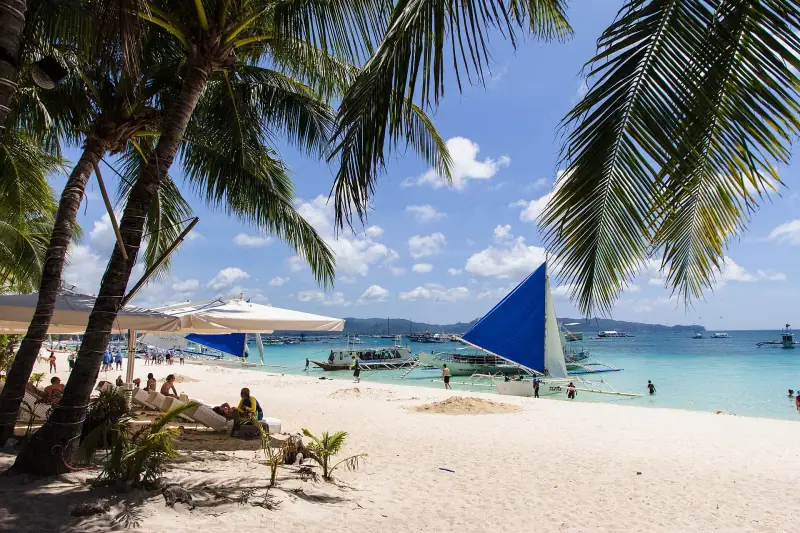
Visiting Boracay: Complete Guide to the Philippines' Best Beach
Visiting Boracay: White Beach, Puka Beach, kitesurfing, diving, where to stay and budget. A complete 2026 guide to making the most of the island.
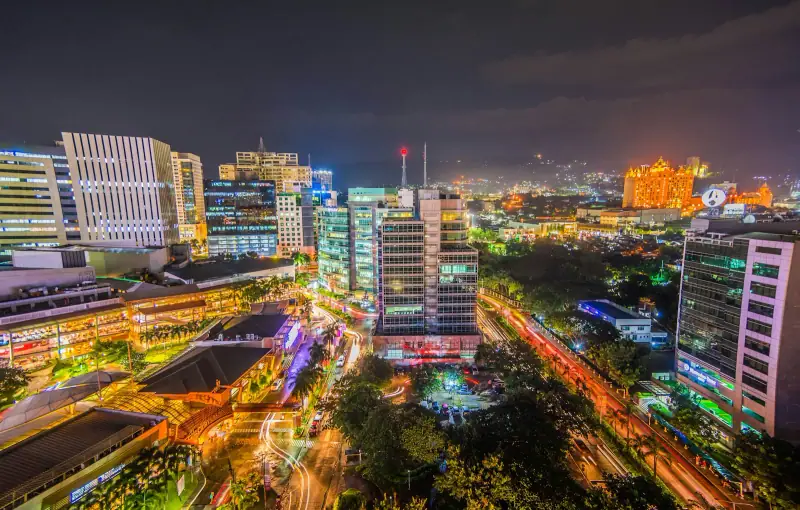
Visiting Cebu: Complete Guide to the Pearl of the Visayas
Visiting Cebu: Magellan's Cross, Oslob, Kawasan Falls, Mactan, Moalboal, beaches and street food. Budget, transport and a day-by-day itinerary.
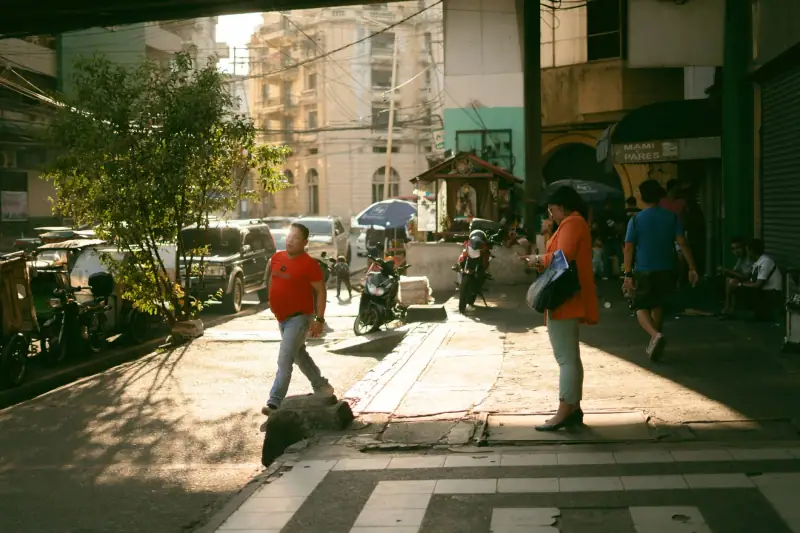
Manila top sights: what to see on a layover or stay
What to do and see in Manila? Intramuros, Binondo, BGC, museums and food: the capital's top sights for 1 to 3 days in the Philippines.
Ready-made
Philippines itineraries
10 days
The Philippines in 10 days with kids: stops, pace and travel times
Cebu (Mactan)Bohol (Panglao)Boracay
12 days
The Philippines in 12 days without a scooter or car: a realistic itinerary
ManilaEl NidoCoronManila
10 days
Cebu, Bohol and Siargao: 10 Days in the Visayas
Cebu CityPanglaoGeneral Luna