What to see
Moray and Maras Salt Pans Without a Tour from Cusco: Transport, Prices and Hours
We may earn a commission when you book through links on this page, at no extra cost to you. We don't visit or try the places we cover: we summarize published sources. How we work
In short
- Moray and Maras can be done independently: colectivo from Cusco to Urubamba, another vehicle to the Maras turnoff, then a local taxi between the two sites.
- Expect about 60 to 120 soles per person all in (transport, shared taxi, salt pan entry), with Moray covered by the Boleto Turístico.
- Allow half a day: 45 minutes to 1 hour at Moray, 45 minutes at the salt pans, plus travel. By public transport, 6 to 7 hours round trip from Cusco.
- Arrive at opening (around 7 to 8 am) or after 3 pm; tour groups cluster between 10 am and 2 pm.
In every Cusco travel agency, the “Maras – Moray” excursion is displayed in the window. Yet it is one of the easiest outings to organize on your own: two nearby sites, frequent local transport and a taxi to share there. Here is the route, realistic prices, opening hours and the traps to avoid.
Moray and Maras: what are they?
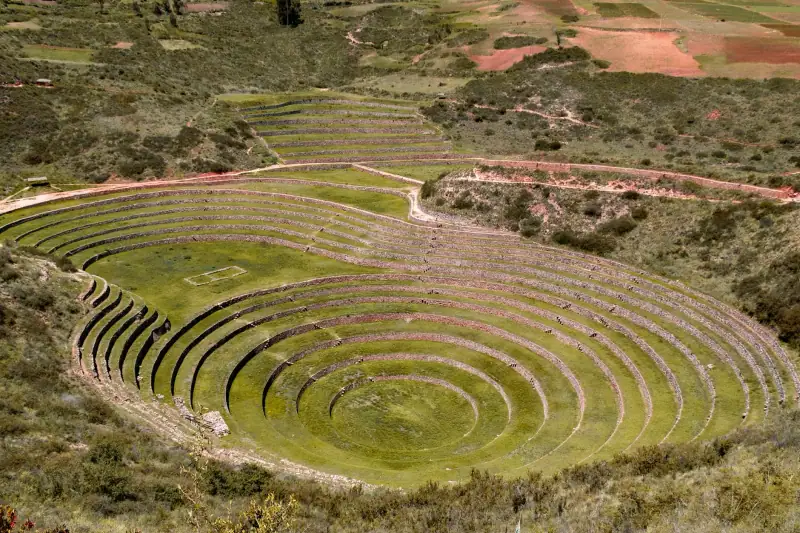
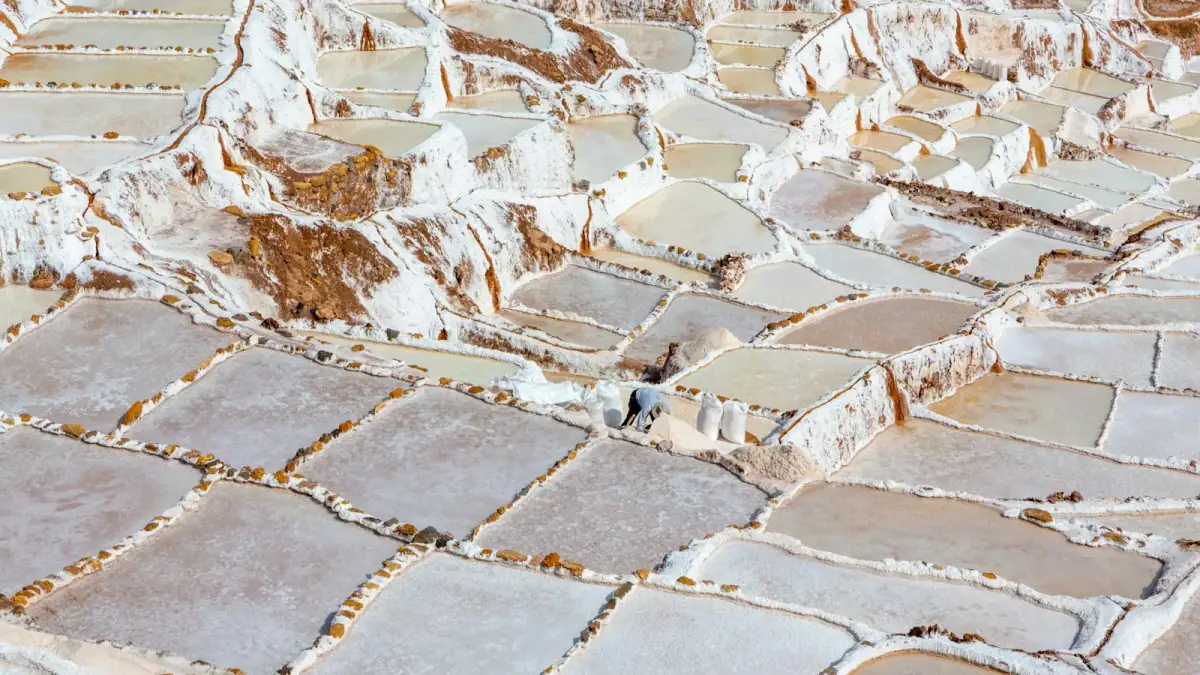
Moray is a set of large circular Inca terraces dug into a natural depression at about 3,500 m (11,500 ft) above sea level. The temperature differences between the levels are said to have been used to experiment with crops. The Maras salt pans, for their part, consist of several thousand small terraced basins fed by a salty spring, worked since Inca times by families of the community.
Both sites sit on the plateau above Urubamba, in the Sacred Valley. They go well with the major sites described in our guide to the Inca sites of Peru.
Maras and Moray excursion from Cusco
If you would rather not organize anything: compare half-day departures with a guide and transport.
How to get there without a tour
Step 1: Cusco to Urubamba by colectivo
From Cusco, colectivos and minibuses leave for Urubamba (about 1 h 30 to 2 h depending on traffic) for a few soles. Departures are frequent from the morning. Ask to get off at the Maras junction if the driver stops there, or continue to Urubamba.
Step 2: to the Maras turnoff
From Urubamba, a colectivo serves Maras for a few soles. It drops travelers at the turnoff, about 3 km (2 mi) from the village. Taxis wait there for visitors.
Step 3: local taxi between the two sites
A taxi for a Maras – Moray – salt pans circuit with waiting time generally costs 60 to 120 soles per vehicle, to be shared between 3 or 4 people. Agree on the price, the route and the waiting time before getting in. Our tips on bargaining with taxis and at markets in Peru apply here.
Variation: on foot or by bike
A road and paths link Maras to Moray (about 9 km / 6 mi): walking is pleasant but the altitude is tiring. By bike, the descent to the salt pans is a classic, if you take it easy.
Real budget: on your own or on a tour?
| Item | On your own | Group tour |
|---|---|---|
| Cusco ↔ Urubamba transport | 10 to 20 soles | included |
| Shared taxi Maras – Moray | 20 to 40 soles | included |
| Salt pans entry | about 20 soles | often included |
| Moray entry | via Boleto Turístico | often paid extra |
| Indicative total | 60 to 120 soles | 80 to 150 soles |
Prices are indicative and change regularly. The saving is real mainly if you are several people or already have the tourist ticket. Keep cash in small bills, as cards are not accepted: see our guide to money in Peru.
Tickets: what to know
Moray is generally part of the Boleto Turístico del Cusco, sold as a full version (several days, many sites) or a partial one (Sacred Valley circuit). It can be bought at official offices in Cusco or at some sites. The Maras salt pans have a separate entry fee, paid in cash at the site. Rules and prices change: check them before you leave.
Where to sleep in the Sacred Valley or Cusco
Staying in Urubamba noticeably shortens the trip to Maras and Moray. Compare places to stay.
Hours and best time to avoid the crowds
The sites open in the morning, generally around 7 to 8 am, and close in the late afternoon. Organized groups arrive mostly between 10 am and 2 pm. To enjoy the places:
- arrive at opening, with soft light and few people;
- or come in the late afternoon: the salt pans take on warm tones;
- avoid Peruvian public holidays and high-season weekends;
- in the rainy season (November to March), the paths at the salt pans become slippery.
To choose your period, see the best time to visit Peru.
Altitude and preparation
Moray sits at about 3,500 m (11,500 ft), like Cusco. Take it slow, and bring water and sunscreen: the sun is strong. For anything related to altitude, ask your doctor or a travel clinic, and see the official travel health pages (CDC in the US, TravelHealthPro in the UK).
Moray or Maras: which to choose with little time?
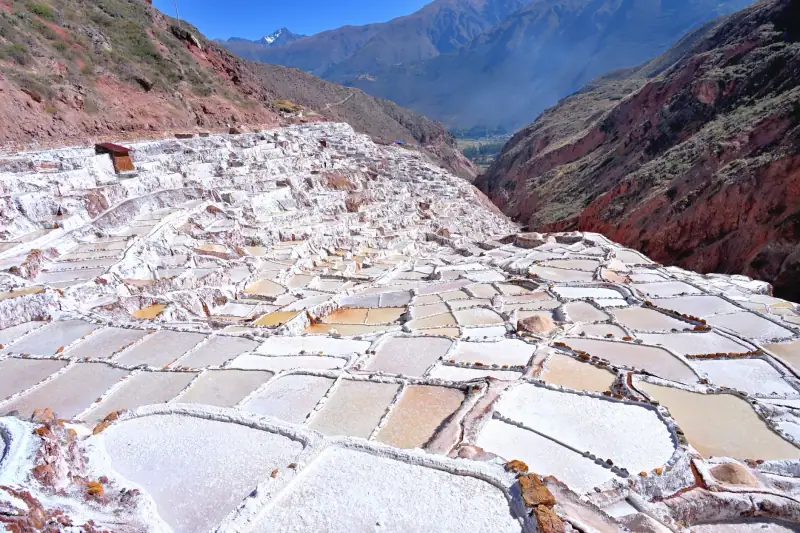
If you only have an hour: the salt pans. The landscape is immediately spectacular and the visit takes 30 to 45 minutes. Moray appeals more to those interested in Inca agriculture: the visit is often limited to a viewpoint over the terraces, though you can go down onto some levels. As the two sites are close, half a day is the best formula.
Combining with other stops
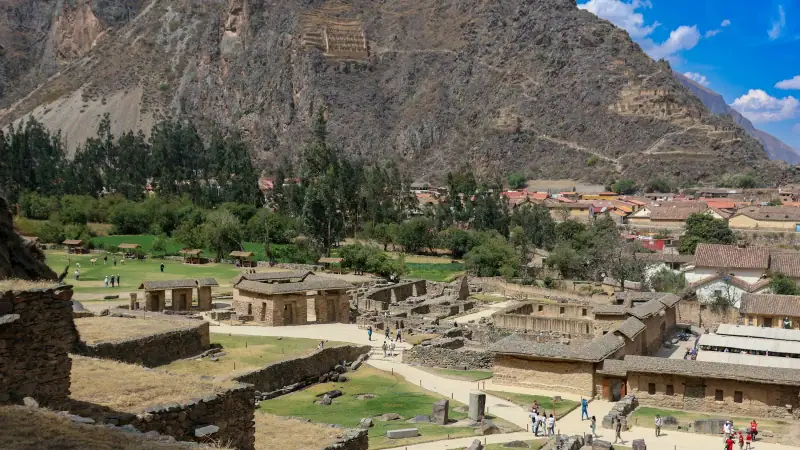
From Maras, it is easy to continue to Ollantaytambo or Chinchero, or to head back to Cusco in the late afternoon. To plan several days in the area, see our page on visiting Cusco and the list of things to do in Cusco.
Sacred Valley circuit in one day
Pisac, Ollantaytambo, Moray and Maras combined, with transport from Cusco.
When a tour is preferable
A tour is simpler if you have few days, if you travel alone and do not want to negotiate, or if you visit in the rainy season, when transport is less regular. For a small group, a private half-day taxi is often the best compromise.
A tour has another advantage: the guide explains the function of the Moray terraces and the history of salt production, which the signs there cover little. On the other hand, traveling alone lets you choose your schedule, stay longer at the viewpoint and combine freely with Chinchero or Ollantaytambo. If you hesitate, go out on your own and keep a taxi for the return, when altitude fatigue sets in.
Frequently asked questions
The essentials: Moray and Maras can be visited without a tour with a colectivo, a shared taxi and cash; the budget is close to that of an excursion; and arriving at opening avoids most of the crowd. Prices and ticketing rules change, so keep a margin in your budget. The answers below cover the most common questions.
Frequently asked questions
Can you visit Moray and Maras without a tour?
Yes. Take a colectivo from Cusco to Urubamba, then another vehicle to the Maras turnoff, and a local taxi links the two sites. No special permit is required: you just need entry tickets and some cash.
How much does it cost to visit without a tour?
Expect about 60 to 120 soles per person all in (transport, shared taxi, salt pan and Moray entry, not counting the tourist ticket). Prices vary by season and negotiation: allow a 20% margin.
Do you need the Boleto Turístico for Moray?
Entry to Moray is generally included in the Boleto Turístico del Cusco (full ticket or partial Sacred Valley ticket), sold in Cusco and at some sites. The Maras salt pans have a separate entry fee, paid in cash at the site. Check the current conditions before you go.
How much time should you allow?
Half a day is enough: about 45 minutes to 1 hour at Moray, 45 minutes at the salt pans, plus travel. By public transport, allow 6 to 7 hours round trip from Cusco, more if you add Ollantaytambo.
When is the best time to avoid the crowds?
Arrive at opening (around 7 to 8 am) or after 3 pm. Organized groups concentrate between 10 am and 2 pm. The dry season, May to October, offers the best skies but also the most people.
Can you swim or taste the salt at the salt pans?
No. The pans are worked by families of the community, and access to the pans has been forbidden for some years. You can take photos from the paths and buy salt in the shops at the entrance.
Moray or Maras: which to choose if you only have an hour?
The salt pans are more visually spectacular and quicker to see, while Moray offers more historical interest with its circular Inca terraces. If time is short, choose the salt pans; the best option is to combine both, as they are about 15 minutes apart.
More Peru guides
Keep reading
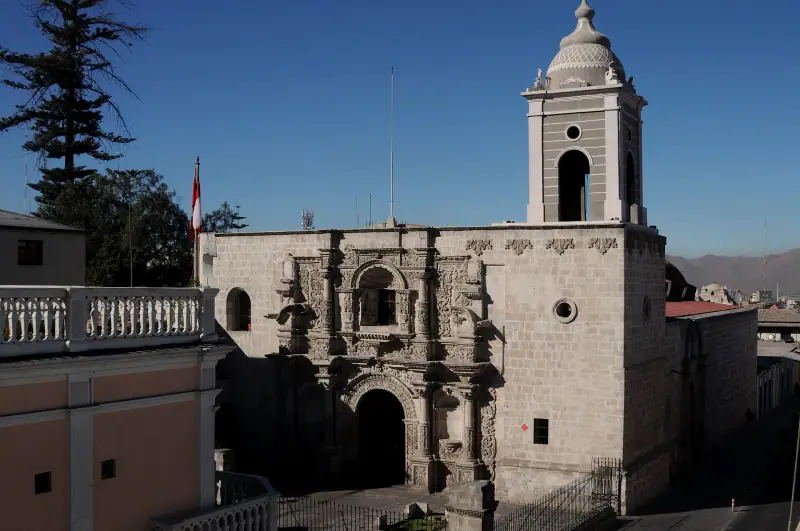
Visiting Arequipa: Complete Guide to Peru's White City
Complete Arequipa guide: Santa Catalina Monastery, Colca Canyon, UNESCO, hotels and practical tips for your stay in Peru's White City.
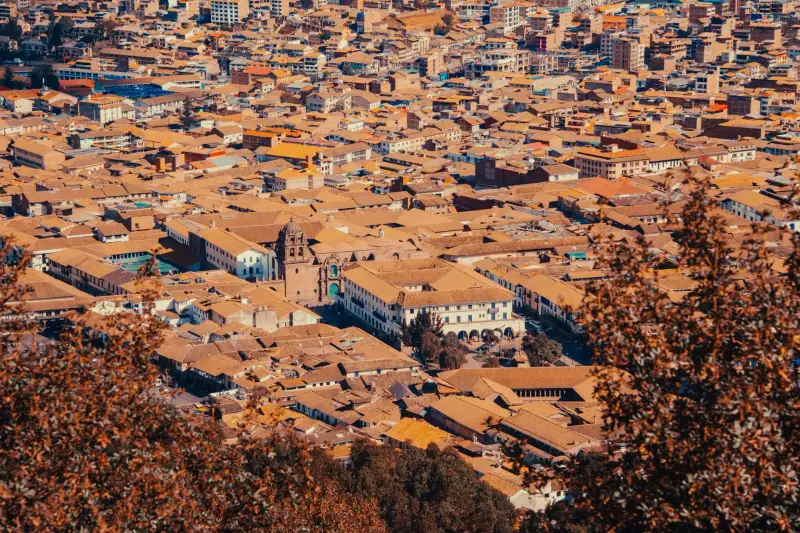
Visiting Cusco: Complete Guide to the Former Inca Capital
Complete Cusco guide: Plaza de Armas, Qorikancha, Sacsayhuamán, San Blas, Sacred Valley. Where to stay, food, the Boleto Turístico and itineraries.
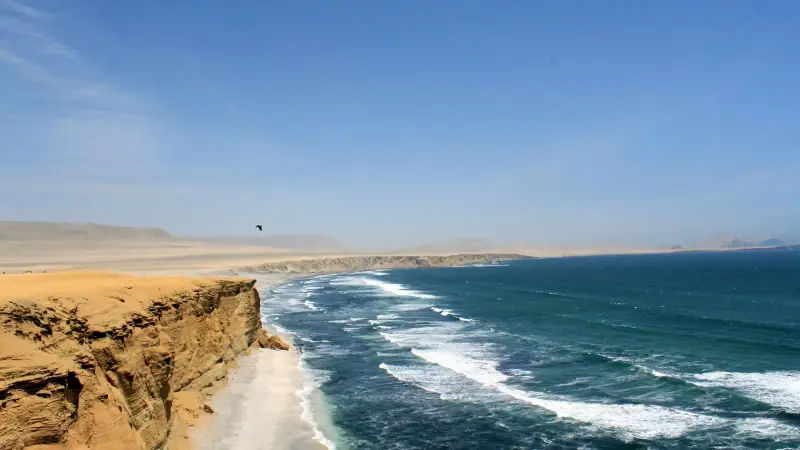
Visiting the Peruvian Coast: Complete Guide to the Pacific Coast
Complete guide to the Peruvian coast: Lima, Paracas, Huacachina, Nazca Lines, Trujillo and Máncora. UNESCO sites, desert and Pacific beaches.
Ready-made
Peru itineraries
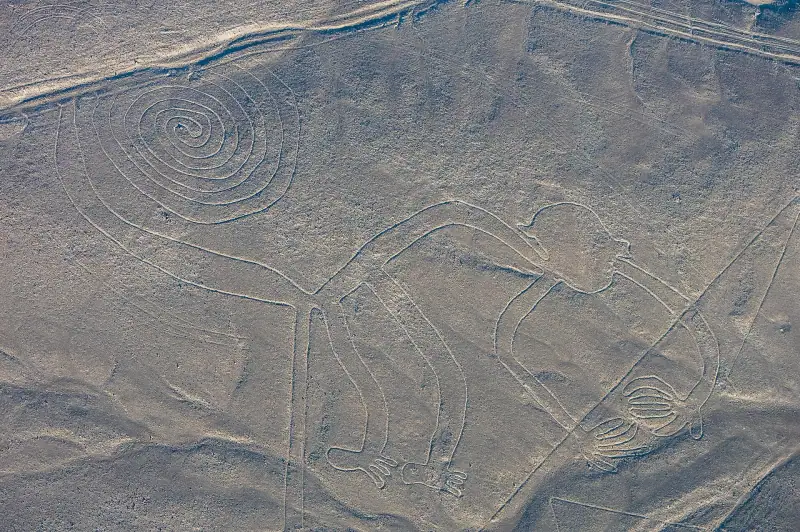
7 days
Peru in 7 Days: The Ideal One-Week Itinerary
LimaCuscoAguas CalientesCusco
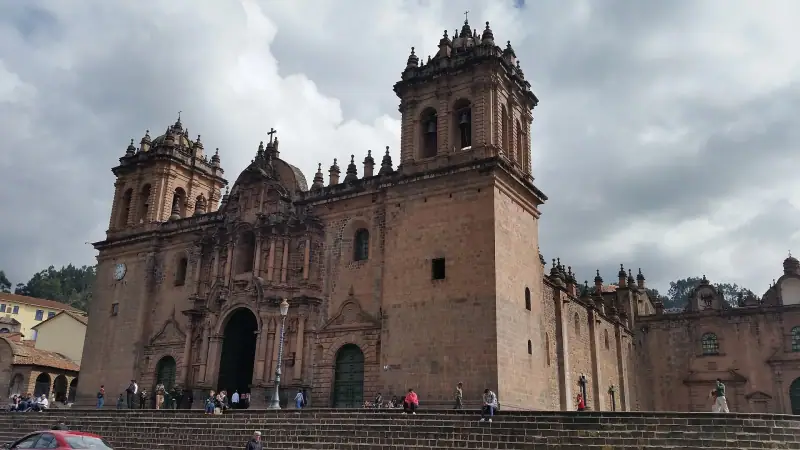
12 days
Peru Sierra Road Trip: 12 Days from Cusco to Huaraz
12-day Peruvian Sierra road trip: Cusco, Machu Picchu, Lake Titicaca, Arequipa, Colca, Huaraz. Complete itinerary with budget.

4 days
Lima, Paracas, Huacachina and Nazca in 4 Days by Bus: Doable Without a Car?
Lima, Paracas, Huacachina and Nazca in 4 days by bus: stages, km, real travel times, recommended departures and what to sacrifice to keep the pace.