What to see
Visit Puerto Natales: a complete guide to the gateway to Torres del Paine
We may earn a commission when you book through links on this page, at no extra cost to you. We don't visit or try the places we cover: we summarize published sources. How we work
In short
- Puerto Natales is the gateway to Torres del Paine: 1 to 2 days are enough for the town, 2 to 3 days with the Cueva del Milodón and fjord cruises.
- The bus from Punta Arenas takes about 3 h for €8-12 (about $9 to 14); by rental car, about 2 h 30 on the paved RCH 9.
- Shuttles run daily to Laguna Amarga (about 2 h) and Pudeto (up to 3 h); book park refuges and campsites months ahead for November to March.
- It is the best place to rent trekking gear and stock up on food; withdraw cash here rather than in the park.
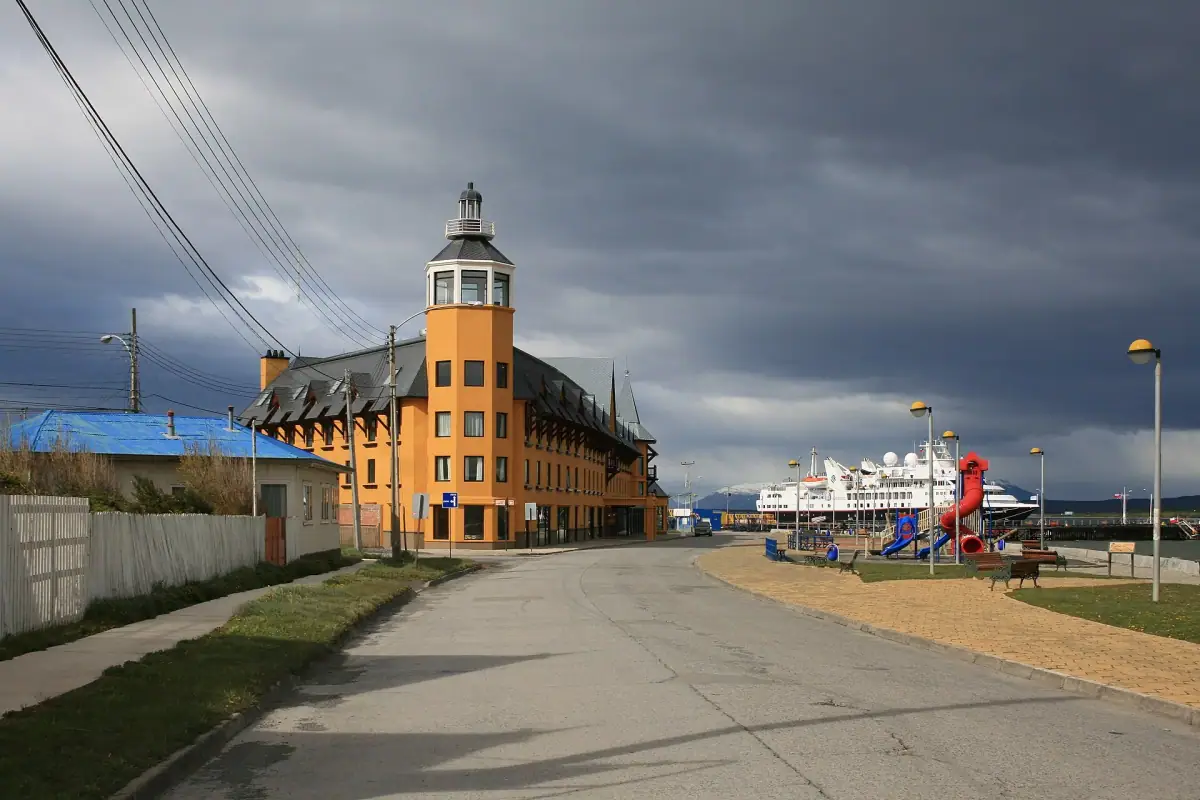
Puerto Natales is a quiet town that most travelers pass through without really lingering, in a hurry to reach Torres del Paine National Park. That is a mistake. This small town of 20,000 inhabitants, set on the shore of the Última Esperanza Fjord (“Last Hope”) in Chilean Patagonia, has a distinctive atmosphere: a mix of pioneer town, international base camp and open door to one of the most beautiful wild regions in the world.
Founded in 1911 as a trading post for the sheep industry, Puerto Natales long lived to the rhythm of the estancias and the ferry that came up the fjords from Puerto Montt. Since the 1990s, the Patagonian tourism boom has turned it into an essential hub for all the trekkers who come to walk the W circuit or the O circuit in Torres del Paine.
Here is everything you need to know to make the most of your time in Puerto Natales.
Where Puerto Natales is and how to get there
Puerto Natales is in the Magallanes region, in southern Chile, about 250 km (155 mi) north of Punta Arenas and 70-112 km (43-70 mi) southeast of the main entrance of Torres del Paine National Park.
From Punta Arenas (international airport)
Punta Arenas’s Presidente Carlos Ibáñez del Campo airport is the main air hub of the region. From there, you have several options:
- Bus: Several companies (Bus Sur, Buses Fernández, Turbus) run the Punta Arenas – Puerto Natales service in 3 h. Fare: €8-12 (about $9 to 14) one way. Several departures a day in high season.
- Rental car: The RCH 9 road is fully paved. Allow 2 h 30-3 h depending on the weather. Renting in Punta Arenas gives more flexibility to explore the region at your own pace.
- Private shuttle: Some Puerto Natales lodgings arrange transfers from Punta Arenas airport. Ask when you book.
From Argentina (El Calafate or El Chaltén)
For travelers combining Argentine and Chilean Patagonia, which is strongly recommended, several connections exist:
- El Calafate → Puerto Natales: Bus via the Paso Dorotea or Paso Río Don Guillermo border crossing, 5-6 h. The companies Turismo Zaahj and Bus Sur run regular departures in high season.
- El Chaltén → Puerto Natales: A longer trip (6-8 h via El Calafate or via the Cancha Carrera border), but doable in one day.
Car rental in Chilean Patagonia
Explore Puerto Natales and the surroundings at your own pace. Compare prices from Punta Arenas.
What to do in Puerto Natales: the essentials
The waterfront and the Última Esperanza Fjord
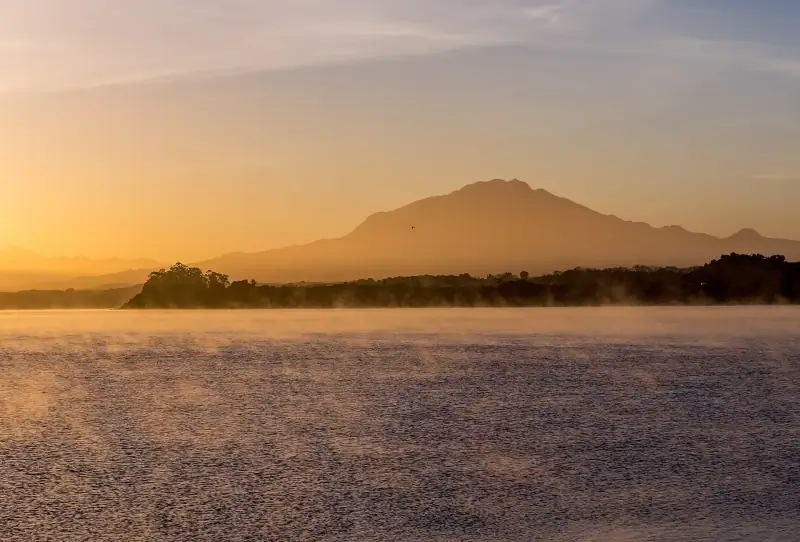
The Costanera, the promenade along the fjord, is the first thing to do on arriving in Puerto Natales. Named “Last Hope” by the 16th-century Spanish explorers looking for a passage to the Pacific, the fjord offers a striking panorama of Cerro Toro, Monte Balmaceda and the snowy peaks of the Riesco range.
In clear weather (not so rare early in the day), the reflection of the mountains in the gray-blue waters of the fjord is as photogenic as it gets. Sunset from the pier, with the pink silhouettes of the peaks above the fjord, remains a strong image of any trip to Patagonia.
The Plaza de Armas and the historic heart
Puerto Natales’s central square is surrounded by colorful wooden houses typical of Chilean Patagonia. The dark wood Maria Auxiliadora church (inaugurated 1930, parish established 1918) and the monument to the pioneers set the tone: this is a town of recent history, built by Croatian, Dalmatian, Spanish and Chilean immigrants in the wool-gold era.
Strolling along Eberhard, Baquedano and Blanco Encalada streets reveals the outdoor gear shops, restaurants and cafés that are now the town’s main business.
The Cueva del Milodón: a meeting with prehistory
24 km (15 mi) north of Puerto Natales, the Cueva del Milodón is one of the most original attractions of the region. This immense natural cave (30 m / 98 ft high, 50 m / 164 ft wide, 200 m / 656 ft deep) yielded, in the late 19th century, the bones of a milodon, a giant Pleistocene ground sloth 3 m (10 ft) tall that lived in Patagonia more than 10,000 years ago. At the cave entrance stands an impressive life-size replica of the animal.
The site is classified as a National Natural Monument and also includes the Cueva del Medio and Cueva Chica caves. Allow half a day for the visit. Shuttles from Puerto Natales are available, or you can get there by car.
Excursions from Puerto Natales
Cueva del Milodón, fjord cruises, kayaking in Chilean Patagonia.
Fjord cruises: to the Balmaceda and Serrano glaciers
One of the most beautiful excursions from Puerto Natales is the cruise to the Serrano and Balmaceda glaciers, reached via the Última Esperanza Fjord and the Río Serrano. Boats leave every morning from the Puerto Natales pier for a full day of sailing.
The typical program: sail to the Balmaceda Glacier (which pours directly into the fjord), then land at the foot of the Serrano Glacier for a short hike. Return by boat or by road via Torres del Paine (you can combine it with a park entry).
- Duration: Full day (departure 8 am, return 5 pm)
- Price: €70-100 (about $81 to 115) per person depending on the operator
- Booking: Advised in high season (companies Turismo 21 de Mayo, Grey Expediciones)
The Padre Alberto de Agostini municipal museum
Small but interesting, this museum traces the natural and human history of the Magallanes region: Patagonian wildlife, glacial geology, the Kawésqar people (the nomads of the channels), and the era of the estancias. A good introduction to the regional context before entering the park. Free or low-cost entry. Located on Avenida Bulnes, facing the waterfront.
Puerto Natales, starting base for Torres del Paine
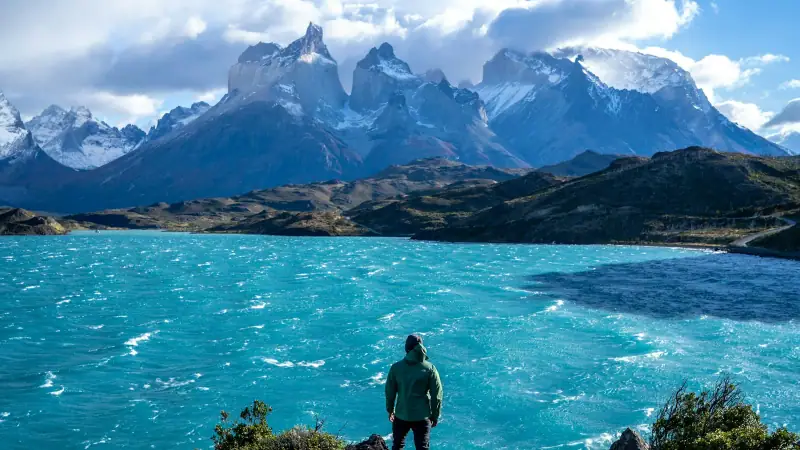
Puerto Natales is the required stopover for all trekkers heading to Torres del Paine. It is here that you make your last food purchases, rent your gear, book the park’s refuges or campsites, and take the shuttle to the entrances.
Preparing your trek from Puerto Natales
Booking lodging in the park: In high season, the refuges of the W and O circuits are booked months ahead on the Vertice Patagonia and Las Torres Patagonia websites (as of October 2026). Don’t leave it to the last minute.
Gear rental: Several shops offer rentals:
- Antü Outdoor (Calle Eberhard): crampons, poles, gaiters, sleeping bags
- Base Camp (Calle Tomás Rogers): tents, sleeping pads, stoves and gas
- Aldea Nativa: complete equipment for high-mountain trekking
Food shopping: The supermarkets of Puerto Natales (Unimarc, local supermarkets) are well stocked. Buy your supplies here because the shops in the park are very limited and very expensive.
Shuttles to the park: Bus Sur and Turismo Zaahj run daily departures to Laguna Amarga (main entrance) and Pudeto (for the catamaran to Paine Grande camp). Departures are generally at 7:30 am and 2:30 pm from the Puerto Natales terminal. Duration: about 2 hours.
For everything about the trek itself, see our complete guide to the Torres del Paine trek.
Where to stay in Puerto Natales
The town offers a very wide range of lodging, from youth hostels to upscale lodges. In high season (November-March), be sure to book several weeks or months ahead, as demand far exceeds supply on trekking weekends.
Budget (hostels and basic guesthouses)
Puerto Natales is full of hostels and family lodgings offering affordable dorms and private rooms:
- Hostel Patagonia Bonita: Well located downtown, warm atmosphere, good value. Dorm €12-18 (about $14 to 21), double room €45-60 (about $52 to 70).
- Hostal Mi Don: Family lodging with breakfast included in some rates. Clean rooms, ideal for a transit night.
- Camping Los Pioneros: For campers, a few camping options on the edge of town.
Mid-range (hotels and B&Bs)
Most travelers choose this level, notably for the recovery night after the trek:
- Hotel Simple Patagonia: Modern, well equipped, solid breakfast. Partial fjord view from some rooms. €80-120 (about $93 to 140) a night.
- Lago Grey Hotel (in the park, 2 h away): A comfort hotel on the shore of Lago Grey, for travelers who want to sleep right in the park. Very early booking required.
- Indigo Patagonia: One of the most appreciated addresses in town. Sober wood-and-glass design, panoramic fjord view from the bar and some rooms. €120-180 (about $140 to 210) a night.
Luxury (lodges and premium hotels)
- The Singular Patagonia: Set in the restored buildings of the former Puerto Bories cold-storage plant (5 km / 3 mi from town), it is the reference upscale address in the region. Pool with fjord view, fine-dining restaurant, private excursions. Expect €400-700 (about $465 to 810) a night.
- Noi Indigo Patagonia: More affordable than The Singular, but also offers an excellent level of comfort and a fine fjord view.
Lodging in Puerto Natales
Compare hotels, B&B and hostels. Book early for Torres del Paine's high season.
Where to eat in Puerto Natales
Puerto Natales’s food scene is surprisingly developed for a town this size. Several restaurants serve local products of remarkable quality.
Places to try
El Asador Patagónico: The best address for cordero al palo, Patagonian lamb spit-roasted for several hours. The meat is melt-in-your-mouth, scented with herbs, and the fjord view from the dining room is magnificent. Reservation advised in the evening. Calle Prat.
Afrigonia: A surprising fusion of African and Patagonian cuisine. One of the most original and best-loved restaurants in town. Specialties of rabbit, trout and lamb with spices unusual in the region. Calle Eberhard.
La Mesita Grande: Artisan pizzeria that also serves homemade pasta dishes. Very popular with trekkers recharging before or after Torres del Paine. Calle Prat.
Café Kaiken: Café-restaurant ideal for breakfast or lunch. Homemade empanadas, generous sandwiches, homemade cakes and quality coffee. Warm atmosphere.
El Living: Bar-restaurant with a relaxed atmosphere, perfect for an evening drink with a fjord view. Good selection of Chilean craft beers and a tapas menu.
Specialties to try
- Patagonian lamb (al palo or oven-roasted): Free-range lamb raised in Chilean Patagonia is of exceptional quality. It is the regional specialty.
- Centolla (channel spider crab): The emblematic crustacean of the Magellanic fjords. Season May-October. High price but incomparable flavor.
- Patagonian trout: Farmed or caught in local rivers, often served smoked or steamed.
- Empanadas de horno: Oven-baked pastries filled with meat, mushrooms or seafood.
- Calafate sour: Local cocktail made with pisco and calafate syrup (the dark blue berry typical of Patagonia). Try it at least once.
Practical tips for visiting Puerto Natales
Daily budget
Puerto Natales is more affordable than most Argentine Patagonian destinations. The Chilean peso often offers better buying power for foreign travelers:
- Backpacker (dorm, self-catering, shuttle): €35-55 a day (about $41 to 64)
- Comfort (3-star hotel, restaurants): €90-140 a day (about $105 to 160)
- Luxury (premium lodge, private excursions): €300+ a day (about $350+)
For more on managing your budget, see our Patagonia budget guide.
When to go
High tourist season runs from November to March (austral summer). It is the only practical period for the Torres del Paine trek. December and January offer the longest days (up to 17 hours of daylight) but also the heaviest crowds.
The austral autumn (March-April) is increasingly appreciated for its blazing colors in the lenga (Antarctic beech) forest and lighter crowds.
To choose the best time, see our guide when to go to Patagonia.
Local transport
Puerto Natales is a compact town that can be seen entirely on foot. For excursions outside town (Cueva del Milodón, Puerto Bories), a taxi or a rental car is needed.
Taxi: Plentiful and affordable in town. Expect €5-10 (about $6 to 12) for a ride in town.
Bike rental: A few shops rent bikes by the day, handy for reaching Puerto Bories (5 km / 3 mi) or exploring the immediate surroundings.
Connectivity and services
- Wi-Fi: Available in all lodging and most cafés. Quality varies.
- Local SIM: Entel and Claro are the two carriers with the best coverage in Chilean Patagonia. Buy a SIM in Punta Arenas rather than in Puerto Natales (better availability). You can also check your carrier’s international plan or use a travel eSIM.
- ATMs: Several in the town center (Banco Estado, Banco de Chile). Withdraw here rather than in Torres del Paine National Park.
- Entry rules: They depend on your passport. Check the official travel advice of your government before you book: travel.state.gov (US), GOV.UK (UK), travel.gc.ca (Canada), Smartraveller (Australia) (checked November 2026). When arriving from Argentina, the border crossing is simple but check the restrictions on food products.
Suggested itinerary: 2 days in Puerto Natales
Day 1: Arrival and exploring the town
- Morning: Arrive from Punta Arenas or Argentina. Check in at your lodging. Walk on the Costanera, visit the Plaza de Armas.
- Afternoon: Visit the Padre Alberto de Agostini museum. Shop in the outdoor gear stores for last purchases before the trek. Book the shuttles to Torres del Paine.
- Evening: Dinner at El Asador Patagónico for the cordero al palo. Calafate sour at El Living.
Day 2: Cueva del Milodón and fjord cruise
- Morning: Excursion to the Cueva del Milodón (half day, 24 km / 15 mi from town). The prehistoric cave and its surroundings deserve 3-4 hours of visiting.
- Afternoon: Cruise on the fjord to the Balmaceda Glacier (day excursion), or prepare your gear for the next day’s trek.
- Evening: Light dinner and early to bed before the big Torres del Paine adventure.
Puerto Natales in a wider Patagonia circuit
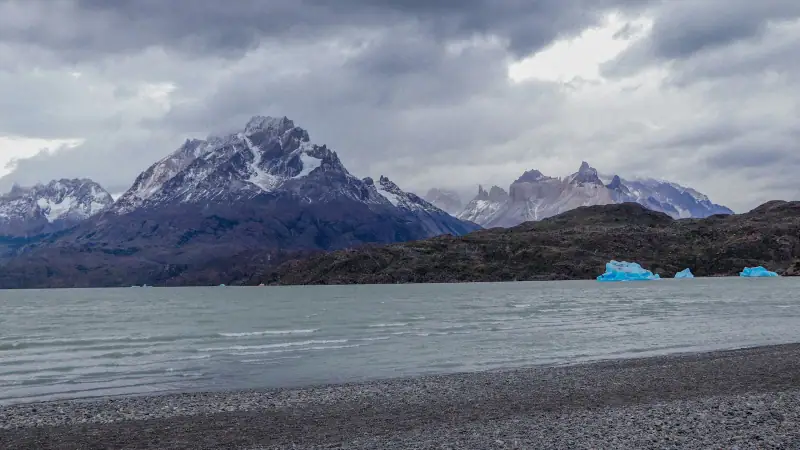
Puerto Natales fits perfectly into a big Patagonian circuit combining Argentina and Chile. The town is:
- 250 km (155 mi) from Punta Arenas (3 h by bus), air hub and access to the Magellanic channels
- 70-112 km (43-70 mi) from Torres del Paine National Park (about 3 hours), a must
- 280 km (174 mi) from El Calafate (Argentina, 5 h by bus via the border), Perito Moreno Glacier
- 420 km (261 mi) from El Chaltén (Argentina, 9-12 h), Fitz Roy and Cerro Torre trekking
A classic 2 to 3 week itinerary includes: Puerto Natales + Torres del Paine (5-7 days) + El Calafate (2-3 days) + El Chaltén (4-5 days) for a complete tour of southern Patagonia.
To discover the different ways to combine these destinations, see our 14-day Patagonia itinerary and our Patagonia road trip.
In short: Puerto Natales is worth much more than a transit night
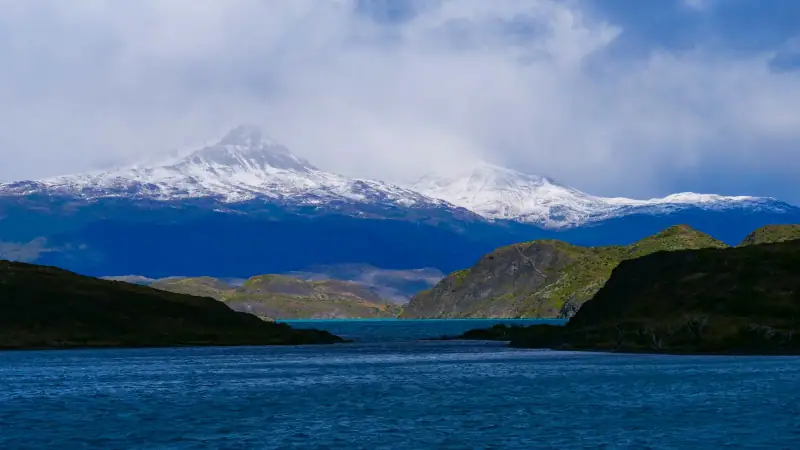
Puerto Natales is often sacrificed to Torres del Paine: travelers spend only the night there before the trek, without really remembering it. That is a pity. With its spectacular fjord, its prehistoric Cueva del Milodón, its authentic food (the best cordero al palo in Patagonia!) and its frontier-town atmosphere that keeps reinventing itself, Puerto Natales deserves a real 2-day stop.
Those who take the time to linger often come away with the impression of having seen the “real” Patagonia, less touristy and more authentic than the expected photos of Torres del Paine. A town worthy of its mountains.
To prepare your trip, also see our complete guide to Patagonia and our guide to the Torres del Paine trek.
Frequently asked questions
How many days should you spend in Puerto Natales?
1 to 2 days are enough to visit the town itself. Most travelers stop 1 night on the way in and 1 night on the way back from Torres del Paine. If you want to explore the surroundings (Cueva del Milodón, Última Esperanza Fjord), plan 2 to 3 days.
How do you get from Punta Arenas to Puerto Natales?
Direct bus from the Punta Arenas terminal, about 3 hours. The companies Bus Sur, Buses Fernández and Turbus run several departures a day. Fare: €8-12 (about $9 to 14) one way. You can also rent a car in Punta Arenas and drive in 2 h 30 via the RCH 9.
Do you need to book lodging in Puerto Natales far in advance?
Yes, in high season (November-March) it is strongly advised to book 2 to 3 months ahead, especially for well-located places. The town is saturated during trekking season because every traveler heading to Torres del Paine passes through.
Can you go straight from Puerto Natales to Torres del Paine?
Yes. Daily shuttles link Puerto Natales to the entrances of Torres del Paine National Park: about 2 hours to Laguna Amarga (main entrance) and up to 3 hours to Pudeto (access to the Lago Grey catamaran). The companies Bus Sur and Turismo Zaahj run morning and midday departures in high season. You can also go by rental car.
Are there Wi-Fi and ATMs in Puerto Natales?
Yes, the town is well equipped: most lodging and restaurants have Wi-Fi, and several ATMs accept Visa and Mastercard. Withdraw money in Puerto Natales rather than in Torres del Paine National Park, where options are very limited.
What gear should you buy or rent in Puerto Natales?
Puerto Natales is the best place to rent trekking gear: tents, sleeping bags, crampons, poles, stoves. Several specialized shops (Patagonia, Antü Outdoor, Base Camp) rent by the day or week. There is no need to buy heavy gear at home if you only need it for the W or O circuit.
More Patagonia guides
Keep reading
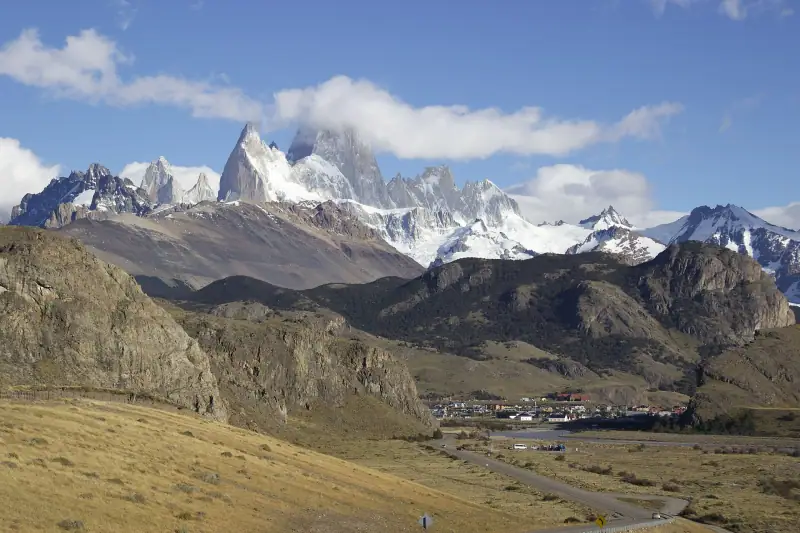
Visit El Chaltén: a complete guide to the trekkers' village
El Chaltén, Patagonia's trekking capital: Fitz Roy, Cerro Torre, hikes, lodging and practical tips for a successful stay.
Visit Punta Arenas: a complete guide to the capital of Chilean Patagonia
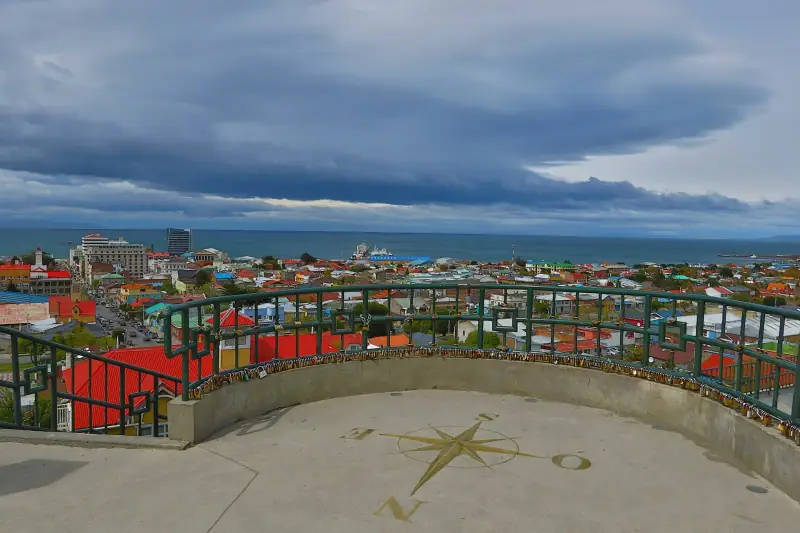
Punta Arenas, gateway to Patagonia: penguins on Isla Magdalena, the Strait of Magellan, historic palaces and the start for Torres del Paine.
Isla Magdalena: penguins near Punta Arenas, schedules, prices and season
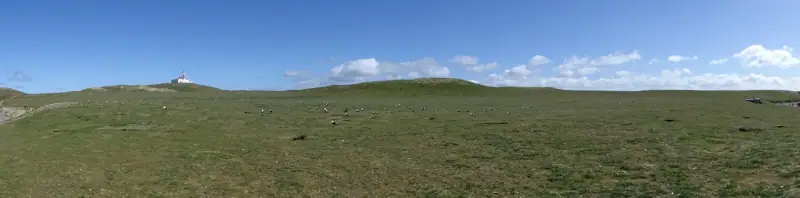
Isla Magdalena in practice: penguin season (Oct.-March), departures, tour and entry prices, duration. Seno Otway is closed: here is the alternative.
Ready-made
Patagonia itineraries
21 days
Patagonia road trip: a 3-week itinerary by car
BarilocheEsquelPerito Moreno townEl ChalténEl CalafatePuerto NatalesPunta ArenasUshuaia
12 days
Patagonia in 12 days without a car: a realistic bus itinerary
El CalafateEl ChalténPuerto NatalesPunta Arenas
10 days
Patagonia 10-day itinerary: from Bariloche to Ushuaia
BarilocheEl CalafateEl ChalténUshuaia