10 days
Patagonia in 10 days: El Calafate, Torres del Paine and El Chaltén by car
Puerto NatalesEl CalafateEl Chaltén
Two countries, two Patagonias
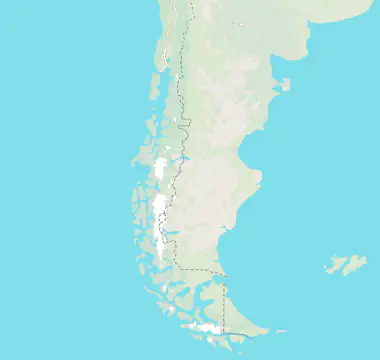
Patagonia by rental car means two separate road-trip areas: the far south around El Calafate and Torres del Paine, and the northern lakes around Bariloche and Pucón. Each crosses the Argentina-Chile border.
We may earn a commission when you book through links on this page, at no extra cost to you. We don't visit or try the places we cover: we summarize published sources. How we work
Itineraries
Ready-made routes across several countries, with real drive times, the border crossings and where to sleep.
10 days
Puerto NatalesEl CalafateEl Chaltén
11 days
El ChalténEl CalafatePuerto NatalesPunta Arenas
12 days
Puerto VarasPucónBarilocheEsquel
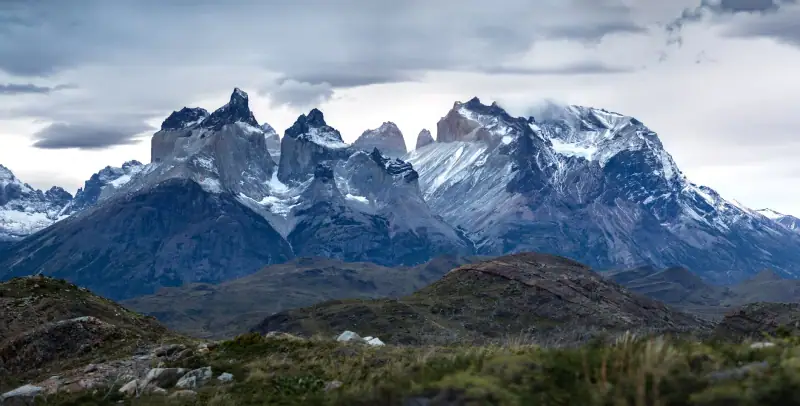
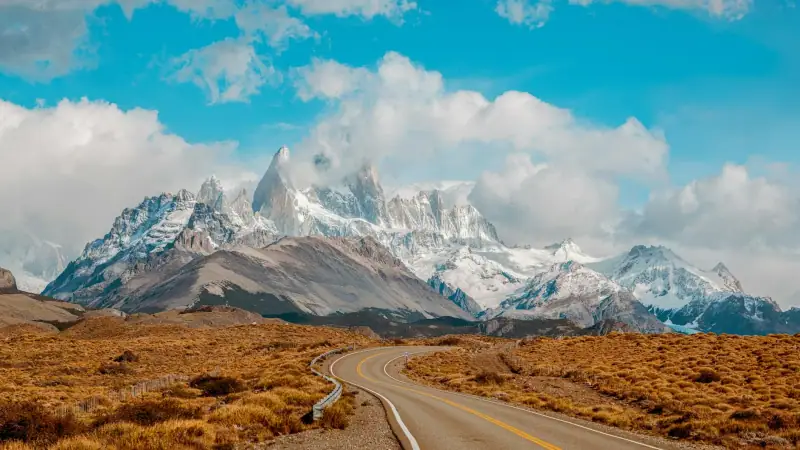
Patagonia is shared by Argentina and Chile, and the best drives often cross the Andes. In the far south, the Perito Moreno Glacier, the Fitz Roy trails of El Chaltén and Torres del Paine sit on opposite sides of the border, within a few hours of each other. In the north, Bariloche’s lake shore and Esquel on the Argentine side pair with Puerto Varas, Frutillar and Pucón on the Chilean side.
Those two areas are separate trips. They are about 16 hours apart by road, and our guides link them by plane. Combine towns inside one area, not across both. Our Patagonia 10-day itinerary, 11-day itinerary and 12-day Lakes District loop each stay inside one.
What to skip: Ushuaia and the full Bariloche-to-Ushuaia route. Our Patagonia road trip guide covers it in 21 days, but it does not fit a short trip. There is no trip planner for this tour, because the two areas are 16 hours or more apart by road.
10 days, far south. The loop from El Calafate airport (FTE) takes in Puerto Natales (4 nights), El Calafate (2) and El Chaltén (3). It covers about 937 km (583 mi) in four legs of 3 h 40 to 4 h 35, with the border crossed twice.
11 days, far south, one-way. Fly into FTE and out of Punta Arenas (PUQ): El Chaltén (3 nights), El Calafate (2), Puerto Natales (4) and Punta Arenas (1). About 950 km (590 mi), no leg over 4 h 40, one border.
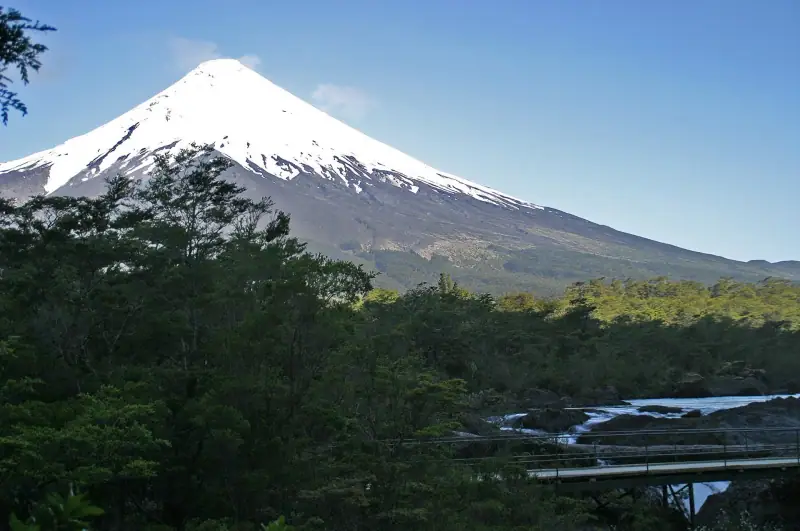
12 days, northern lakes. The loop from Bariloche Airport (BRC) runs Puerto Varas (3 nights), Pucón (3), Bariloche (3) and Esquel (2), crossing the border on day 1 and day 7. The longest day is Pucón to Bariloche, about 6 h 30, 379 km (235 mi), plus the border.
On the lakes route, Bariloche to Puerto Varas is 4 h 30, 304 km (189 mi); Puerto Varas to Bariloche is 4 h 25, 303 km (188 mi). These are real road figures without border waits.
A trip covering both areas needs about three weeks and a flight between them, with a separate rental in each. No guide gives that flight, so check airlines.
For the Patagonia regions, our guide names November and March as the best months. Mid-November has everything open, flowers out and fewer visitors. December is still manageable in its first half. January is the busiest and most expensive month, with Torres del Paine refuges full. March brings prices 20 to 40% lower, steadier weather and calmer winds, with autumn colors starting late in the month.
Spring temperatures run 5 to 12 °C (41 to 54 °F) in El Calafate, 3 to 14 °C (37 to 57 °F) in Torres del Paine and 8 to 18 °C (46 to 64 °F) in Bariloche. Summer days are 15 to 22 °C (59 to 72 °F). Winds can reach 120 km/h (75 mph). In winter, most Torres del Paine refuges and the high trails at El Chaltén close, though Bariloche is a ski area. Read best time to visit Patagonia.
For Chile’s Lakes District (Puerto Varas, Pucón), the best window is about November to April, the safest for the Villarrica climb, rafting and hiking. December to February is warmest and busiest, and March and April are often a good choice. It rains in any season. See best time to visit Chile. Both Andean passes of the lakes loop can close in snow.
From the Patagonia budget guide (Argentina and Chile far south, per person, excluding domestic transport and flights): a mid-range day is €80-150 (~$93 to 175) and a comfort day €150-300 (~$175 to 350). The same guide gives an economy car at €40-60 (~$46 to 70) a day, an SUV at €60-100 (~$70 to 115), full insurance at €15-25 (~$17 to 29) a day extra, and fuel at about €10-15 (~$12 to 17) per 100 km (62 mi). Park entries: Torres del Paine about €25-50 (~$29 to 58), Los Glaciares 50,000 ARS since June 2026 (~$32 to 35), Nahuel Huapi 35,000 ARS (~$23). See the Patagonia travel budget.
From the Chile budget guide (Lakes District, at about 1,050 to 1,060 pesos per €1 in August 2026): a double room at 50,000 to 80,000 CLP (~$58 to 93) is mid-range, and the Villarrica climb costs about 150,000 CLP per person, or around 85,000 CLP at some agencies. Add the crossing fee from the next section.
All three of our itineraries cross the Argentina-Chile border.
A rental car crosses between Argentina and Chile only with a permit that the rental company obtains in advance. Chile’s customs authorizes each car, free, on the company’s request, valid up to 90 days. You ask for it when you book, days ahead, and pay the company’s fee. Tell the company every country you will enter.
Published 2026 examples show how much this varies. Avis/Budget Argentina charges ARS 206,611.57 per rental from El Calafate or Bariloche, with the request 7 business days ahead. Avis Chile charges CLP 120,000 plus tax, requires at least 72 business hours, covers Argentina only, allows 30 days at most and does not allow a drop in Argentina. Europcar Chile (terms of June 2024) needs 7 working days and lets only SUVs, pickups and minivans cross. Rental companies say they are not responsible if a border closes.
Chile requires SOAPEX, a compulsory personal-accident insurance for foreign-registered cars (CMF, 2026). An Argentine rental car needs it, so ask whether it is included with the permit. It covers people, not damage to the car. There is no Green Card system here.
Neither Argentina nor Chile uses a vignette. No toll amounts are given here.
Passport, driving licence, rental contract and the company’s cross-border permit, plus the SOAPEX certificate if it is separate.
Everyone 18 or over fills in the free SAG sworn declaration, online at sag.gob.cl up to a day before or on paper at the border. You must declare fruit, vegetables, seeds, meat, dairy, honey and other animal or plant products. Undeclared food is fined, so plan to arrive with no fresh food.
These are external borders, not Schengen ones. Crossings used by our itineraries: Río Don Guillermo (formerly Cancha Carrera) between El Calafate and Puerto Natales; Cardenal Samoré between Bariloche and Osorno or Puerto Varas (summer schedule 8 am to 7 pm from September 6, 2026, per a press report; it closes in heavy snow); and Mamuil Malal between Junín de los Andes and Pucón (9 am to 6 pm in winter 2026, usually longer in summer, and closed for a few days of works in September 2026). Hours change, so check Chile’s pasosfronterizos.gob.cl or Argentina’s argentina.gob.ar before you go. Leave early on a crossing day.
A drop-off in another country is often refused or charged a high one-way fee. Avis Argentina allows some drops in Chile for ARS 225,000 from El Calafate to Puerto Natales or Punta Arenas (2026), on top of the crossing fee. Avis Chile does not allow a drop in Argentina. A loop back to the pick-up country avoids the one-way fee, and you pay only the crossing fee. The 10-day and 12-day itineraries are loops; the 11-day one is the one-way option.
For entry rules and driving licences, check your own government’s official advice: travel.state.gov (US), gov.uk/foreign-travel-advice (UK), travel.gc.ca/destinations (Canada) or smartraveller.gov.au (Australia).
An SUV is the guide’s recommendation for Patagonian roads, which include gravel (ripio) where you can expect 40 to 60 km/h (25 to 37 mph). The main roads in our itineraries are paved. Wind is the main hazard: gusts up to 100 km/h (62 mph) on the road to El Chaltén, and more in Torres del Paine. Leave early, since winds are generally weaker in the morning, and fill up in El Calafate before driving to El Chaltén, where there is no reliable gas station.
Andean passes can close without notice, so check the weather before each stage. Keep the Tarjeta Única Migratoria (TUM) you receive on entering Chile, as it is asked for when you leave. The guides mention no ferries on these three routes. Keep some pesos handy: Argentine pesos for Argentina and Chilean pesos for Chile.
Our guides describe no direct international flights to these airports, and none are invented here. Plan a long-haul flight to Buenos Aires or Santiago, then a domestic connection.
Gateways by area:
Open-jaw works for the 11-day route: arrive at FTE and leave from PUQ. For the loops, arrive and leave from the same airport. After a long flight from North America, sleep close to the airport your first night and start driving the next morning.
2 destinations
Each country or region of the trip has its own guides, itineraries and, often, its own planner.
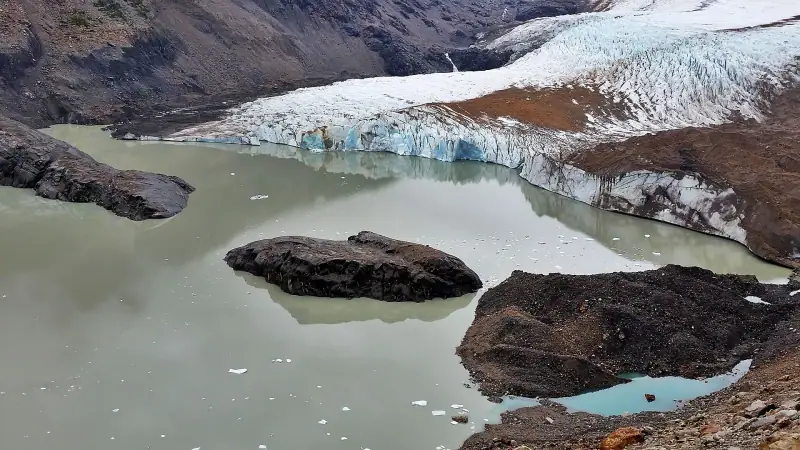
End of the world · Chile & Argentina
Torres del Paine, the Perito Moreno glacier, El Chaltén's trails and the long roads of the far south.
18 guides3 itinerariesTrip planner
Argentine Patagonia and Chile's far south: Perito Moreno, Fitz Roy trails, Torres del Paine, Punta Arenas, plus Bariloche and Esquel in the north.
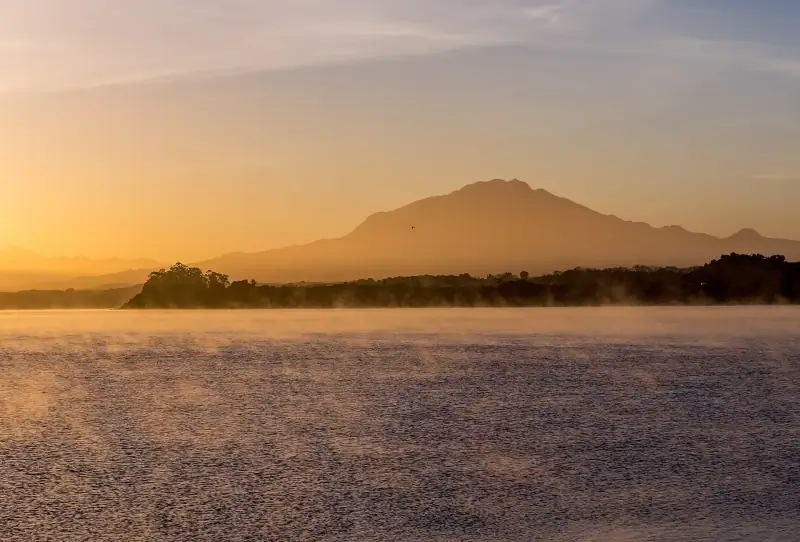
Desert to glaciers · Chile
The Atacama Desert, Santiago and the wine valleys, the lakes and volcanoes of the south, along a country 4,000 km long.
18 guides3 itinerariesTrip planner
Chile's northern Patagonia and Lakes District: Puerto Varas, Frutillar, Puerto Montt and Pucón, with volcanoes, lakeshore towns and hot springs.
Yes, but only with a permit the rental company obtains in advance, and you pay its fee. Ask for it when you book, days ahead.
It varies by company. Published 2026 examples: Avis/Budget Argentina charges ARS 206,611.57 per rental from El Calafate or Bariloche, and Avis Chile charges CLP 120,000 plus tax.
Chile requires SOAPEX, a compulsory personal-accident insurance for foreign-registered cars (CMF, 2026). Ask the rental company whether it comes with the permit. It covers people, not damage to the car.
Plan to arrive with no fresh food. Everyone 18 or over fills in the free SAG declaration and must declare fruit, vegetables, seeds, meat, dairy, honey and other animal or plant products. Undeclared food is fined.
Sometimes. Avis Argentina allows some drops in Chile for ARS 225,000 from El Calafate to Puerto Natales or Punta Arenas (2026), on top of the crossing fee. Avis Chile does not allow a drop in Argentina.
Not sensibly. The two areas are about 16 hours apart by road, and our guides link them by plane. Plan one rental in each area, or choose one area.
November and March are the best months in our Patagonia guide. January is the busiest and most expensive. Winter closes most Torres del Paine refuges and can close the Andean passes.