What to see
Visiting the Wahiba Sands: a complete guide to Oman's desert
We may earn a commission when you book through links on this page, at no extra cost to you. We don't visit or try the places we cover: we summarize published sources. How we work
In short
- The Wahiba Sands lie in the Sharqiyah region, about 200 km (124 mi) southeast of Muscat, with Bidiyah as the main road gateway.
- A 4x4 is essential to enter the desert; desert camps are reachable only by four-wheel drive, and some camps offer a shuttle from the paved road.
- Spend at least one night in a camp for sunset and sunrise on the dunes; two nights let you explore more.
- The best season is October to March (25 to 32 °C / 77 to 90 °F by day); avoid June to August, when heat regularly exceeds 45 °C (113 °F).
The Wahiba Sands are one of the most memorable experiences Oman has to offer. This vast sea of ocher and gold dunes covering more than 12,500 km² (4,826 sq mi) in the Sharqiyah region is not only a spectacular desert: it is a living territory, inhabited by Bedouin families for millennia, crossed by caravans and shaped by winds that carve new sand ridges every day. Here is everything you need to know to prepare your visit to the Wahiba Sands.
The Wahiba Sands, an exceptional desert
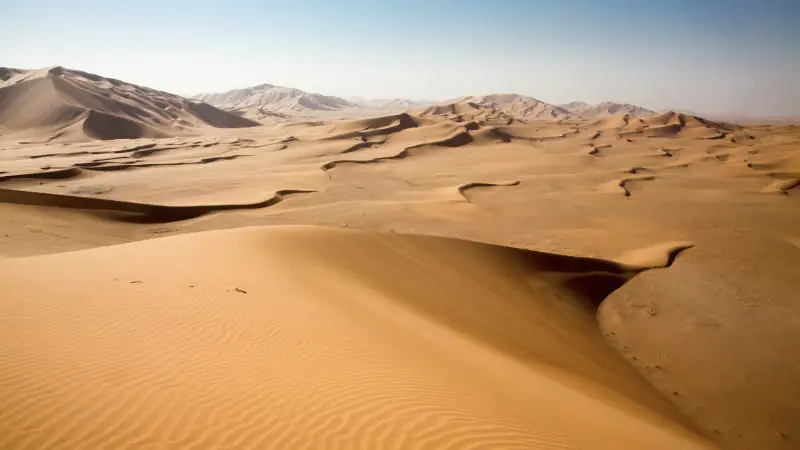
The Wahiba Sands, officially known as the Sharqiyah Sands, or Ramlat al-Wahiba in Arabic, form one of the most accessible and most beautiful deserts on the Arabian Peninsula. Unlike the Rub al Khali (the “Empty Quarter”), which stretches from Saudi Arabia to Yemen and remains largely inaccessible, the Wahiba Sands are meant to be experienced.
What makes this desert unique:
- The diversity of dunes: the Wahiba Sands combine transverse, longitudinal and star dunes. Some reach more than 100 m (330 ft) high, creating breathtaking landscapes from the ridges
- The changing color: depending on the hour, the sand goes from ivory to gold, to deep orange and to red at sunset, an extraordinary palette for photographers
- Wildlife and plants: scorpions, sand snakes, sand foxes, Arabian gazelles and even Arabian oryx have been reintroduced in protected areas. About a hundred animal species have been recorded in this desert
- Human presence: Bedouin families of the Wahibah tribe still live in the desert or come seasonally, continuing ancestral ways of life
The exceptional biodiversity of this seemingly hostile environment has fascinated scientists: the British Royal Geographical Society ran a study project of the Wahiba Sands from 1985 to 1987 (the Oman Wahiba Sands Project), discovering an ecosystem much richer than expected.
How to get to the Wahiba Sands
From Muscat (about 200 km / 124 mi)
The most used route takes the highway to Sinaw and then the road to Bidiyah. Allow about 2.5 to 3 hours by road depending on traffic. The road is excellent up to the edge of the desert, then sand takes over.
The recommended route:
- Muscat to Sinaw by highway (about 198 km / 123 mi, 2 h to 2 h 15)
- Sinaw to Bidiyah (about 50 km / 31 mi, 40 min)
- Bidiyah to the desert entrance and your camp (20 to 40 km / 12 to 25 mi by 4x4 depending on the location)
From Sur (about 80 to 100 km / 50 to 62 mi)
Sur is an excellent alternative base. From the Arabian Sea coast, you reach the Wahiba Sands in under 2 hours, which lets you combine desert and coast in one circuit. Read the guide to Sur to complete the itinerary.
Car rental
A 4x4 is essential. Several rental agencies offer suitable vehicles in Muscat, at the airport or in Nizwa. Book in advance without fail in high season (November to March), as 4x4s are snapped up.
4x4 rental in Oman
Compare the vehicles available in Muscat, Nizwa and Sur for your desert stay.
Desert camps: where to sleep in the Wahiba Sands
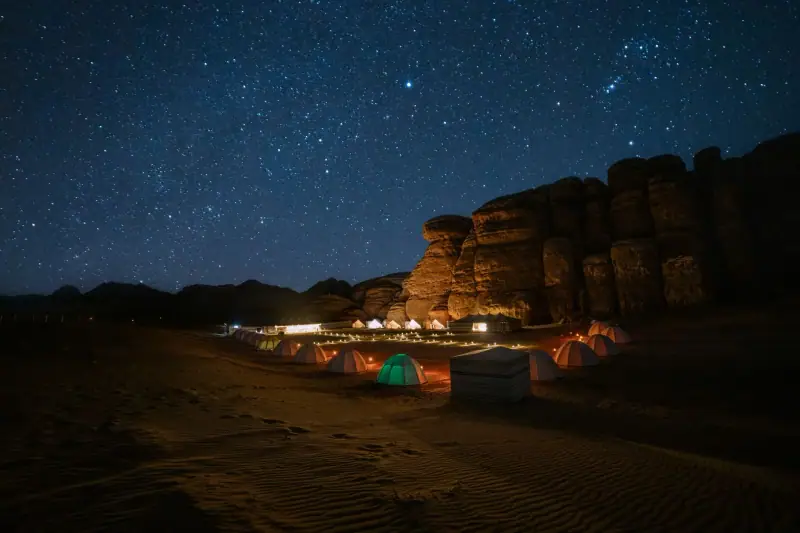
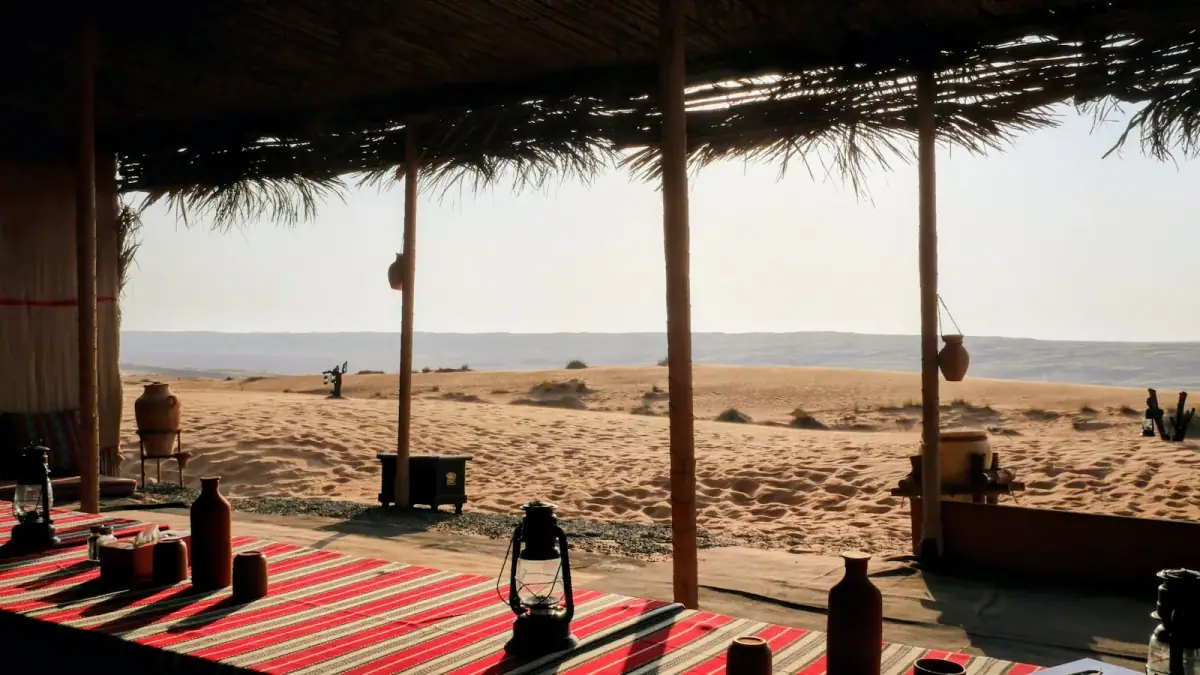
The central experience of the Wahiba Sands is the night in a desert camp. Between sunset over the dunes, a Bedouin meal under the stars and sunrise at dawn, it is one of the most memorable nights Oman can offer.
Types of camps
Authentic (Bedouin) camps: Run by local Omani families, these camps offer traditional tents (barastis) or decorated Arabian tents, meals cooked at the camp with local products (Bedouin bread on the fire, fish rice, camel or lamb for special occasions) and an atmosphere truly close to desert life. Prices are generally more affordable and the experience more sincere.
Mid-range camps: These places combine basic comfort (decent mattresses, bathrooms) and authentic decor. They host groups and often include activities: a camel ride, a dune hike, stargazing.
High-end camps: A few places offer glamping tents with air conditioning (or heating in winter), private bathroom, electricity and satellite connection. Although the comfort is higher, the desert experience remains similar.
What you find in the camps
- Meals: dinner is generally included. Expect grilled meats, spiced rice, vegetables, fruit and cardamom coffee. Breakfast too in most camps
- Activities: a camel ride at sunset, sandboarding on the dunes, 4x4 in the sand, stargazing, a visit to a traditional Bedouin house
- Wi-Fi: absent in most remote camps, a good chance to disconnect
- Electricity: often available by generator in the evening, sometimes limited
Practical tip: book your camp 3 to 5 days ahead in high season. In November and December and during Omani school holidays, the best spots go quickly.
Camps and lodging in the Wahiba Sands
Find your desert camp: from the authentic Bedouin experience to comfortable glamping.
Must-do activities in the desert
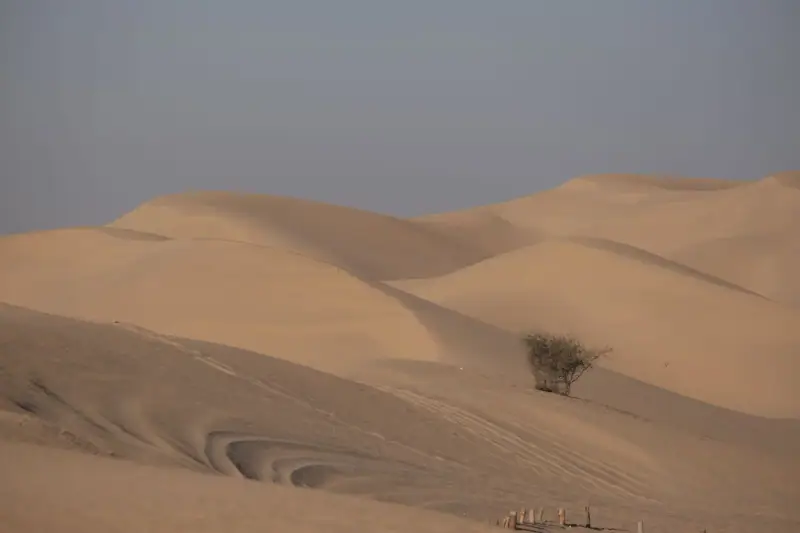
Climbing the dunes on foot at sunset
Climbing a big dune on foot is exhausting (two steps forward, one step as the sand gives way), but the reward at the top is incomparable. The panorama over the sea of dunes as far as the eye can see, the shadows lengthening as the sun goes down, the colors shifting to orange and then red: it is one of the most spellbinding sights in Oman.
Set off up the dune about 45 minutes before sunset to be at the top in time. Take water and closed-toe shoes: the sand can be scorching by day.
Sandboarding
Most camps offer sandboards for racing down the slopes. The activity is accessible to everyone from age 8 to 10, and adults take part with as much enthusiasm as children. For more speed, some use slicker plastic trays. Watch your knees on the first tries!
Camel ride
A highlight. An hour-long ride at dawn on a camel, guided by a Bedouin who has known the desert since childhood, gives a completely different perspective on the landscape. The camels of the Wahiba Sands are largely wild or semi-wild and are an integral part of the territory.
Local anecdote: the Bedouins of the Wahiba desert still gauge their wealth by the number of camels today. These animals remain a symbol of social status and an economic resource; their milk, meat and hair are used in daily life.
4x4 in the dunes
If you are comfortable in a 4x4 and your vehicle is suitable, driving in dunes is an experience in itself. The techniques are specific: lower tire pressure to 1.5 to 1.8 bar (22 to 26 psi), depending on the type of sand, keep speed up on climbs, never stop on a slope. If you are not experienced, trust local guides for 4x4 excursions.
Stargazing
After dark, far from any urban light, the Wahiba Sands sky reveals the Milky Way to the naked eye. It is one of the best spots in Oman for amateur astronomy. Some camps offer introductory sessions with a guide who identifies the constellations and tells Bedouin stories tied to the stars, an oral tradition thousands of years old in these regions where caravans navigated by the stars.
Bedouin culture in the Wahiba Sands

The Wahibah tribe
The desert takes its name from the Wahibah, a Bedouin tribe that has occupied this territory for centuries. Today, although many members of the tribe live in towns such as Ibra or Sur, some families keep a seasonal presence in the desert, notably in winter when temperatures allow camel herding.
Traditions to know
Cardamom coffee (qahwa): in any Bedouin home, the welcome begins with a small cup of qahwa, a light coffee flavored with cardamom, served hot with dates. Refusing would be impolite. Accept, drink while showing your appreciation, and wait to be offered a second cup before gently swirling the empty cup (the Omani gesture meaning you are finished).
The khanjar: the ceremonial Omani dagger is worn by men on important occasions. In tourist camps, it is not unusual to see hosts in full traditional dress: a white dishdasha, an embroidered kummah and a khanjar at the belt.
Music: some camps host evenings with traditional Omani music, notably the rababa (a string instrument) and percussion. These moments shared between travelers and local hosts are often the most memorable of the stay.
Organized desert excursions
Guided tours from Muscat or Sur: dunes, Bedouin camps and activities included.
Wildlife and plants of the Wahiba Sands
Paradoxically, the Wahiba desert teems with life.
Wildlife:
- The Arabian oryx (Al Maha): reintroduced to the wild in Oman after being declared extinct in the wild in 1972, it is sometimes spotted in protected areas on the desert’s margins
- The sand gazelle: more discreet, it moves at dawn and dusk
- The sand fox (Arabian fennec): nocturnal, it rarely comes out by day but its tracks in the sand in the morning reveal its passage
- Snakes and scorpions: present but rarely met by day. Do not turn over stones and shake out your shoes in the morning
- Camels: semi-wild, they roam freely. If you meet them in a 4x4, slow down and let them pass
Plants: Some grasses, acacias and succulents dot the areas of stabilized sand. Their presence explains the animal biodiversity: where vegetation grows, even sparse, the food chain can establish itself.
When to visit the Wahiba Sands
High season: October to March
This is the ideal period. Days are mild (25 to 32 °C / 77 to 90 °F), nights cool or even cold (sometimes 10 to 15 °C / 50 to 59 °F in December and January, so bring a coat). The atmosphere is perfect for outdoor activities, dune hikes and nights under the stars.
Low season: April to September
To be avoided, especially June to August. Desert temperatures easily reach 45 °C (113 °F) by day, sometimes more on the sand surface. The heat can be dangerous and any outdoor activity becomes exhausting, even risky. If you visit Oman in summer (airlines sometimes offer attractive fares), stay on the coast or go up to higher altitude.
Ideal months
- November-December: magnificent light, perfect temperatures, few people
- January-February: nights can be cool (wear a sweater), but days are ideal
- March: the last days before the heat, still very pleasant
Practical tips for your visit
Essential equipment
- 4x4 required: no negotiation possible. An ordinary vehicle gets stuck in the sand immediately
- Tire pressure gauge: to deflate at the desert entrance and reinflate on the way out (gas stations at the desert’s edge often have compressors)
- Plenty of water: at least 2 liters per person per hour of activity. Dehydration lurks, even in winter
- SPF 50 sunscreen: sand reflects UV, so use maximum protection
- Sunglasses and a hat: the sun and the glare off the dunes are intense
- Warm clothes for the night: even in the Omani winter, desert nights are cool
- Flashlight: for getting around camp at night without electric light
Driving in dunes
If you drive your own 4x4 in the desert:
- Lower tire pressure to about 1.5 bar (22 psi) (check with your guide depending on the type of sand)
- Engage four-wheel drive BEFORE entering the sand
- Keep a steady speed on climbs; stopping on a slope is the main cause of getting stuck
- If you get stuck, do not spin the wheels. Use recovery straps or call your camp for help
- Never drive alone: always in a convoy of at least 2 vehicles
Respecting the environment
- Leave no trash: the desert is fragile and heavily visited. Take your waste with you
- Do not buy fossils or stones: collecting geological items is forbidden in protected areas
- Respect wildlife: do not feed wild camels and keep your distance
Recommended circuit: Wahiba Sands + Sur in 3 days
Day 1: road from Muscat to the Wahiba Sands Leave Muscat in the morning. Take a break in Ibra (Wednesday market if available) then reach the desert in the early afternoon. Settle into the camp, climb the big dune for sunset, Bedouin dinner and a night under the stars.
Day 2: desert + Sur Sunrise over the dunes (wake-up at 5:30 am), breakfast at the camp. Explore the desert by 4x4 in the morning before the heat. Afternoon: drive to Sur (about 80 to 100 km / 50 to 62 mi depending on your camp). Visit the traditional shipyards (dhows) and sleep in Sur.
Day 3: Sur and return Morning in Sur: Ras al Jinz beach if you go on an excursion (watching green turtles in season), the lighthouse and the old town. Return to Muscat along the coast (about 3 hours) or inland (Wahiba, Bidiyah, Muscat, 3 hours).
For a fuller itinerary including Nizwa and Muscat, see the 10- to 14-day Oman road trip and the 7-day Oman circuit.
The Wahiba Sands are far more than just a desert to “check off” on an Omani itinerary: they are a total, immersive experience that slows time and recalls the essentials. Spending a night in the dunes, watching the stars with a Bedouin guide and hearing the wind sculpt the sand at dawn are among the moments travelers to Oman still cite years after returning.
Frequently asked questions
Where exactly are the Wahiba Sands?
The Wahiba Sands (officially Sharqiyah Sands or Ramlat al-Wahiba) are in the Sharqiyah region (eastern Oman), about 200 km (124 mi) southeast of Muscat. The town of Bidiyah is the main gateway to the desert by road.
Do you absolutely need a 4x4 to visit the Wahiba Sands?
Yes, a 4x4 is essential to enter the desert itself. Desert camps are reachable only by four-wheel-drive vehicle. You can lower tire pressure to improve traction in sand (and reinflate before getting back on the road). If you do not rent a 4x4, some camps offer a shuttle from the paved road.
How long do you need to visit the Wahiba Sands properly?
A minimum of one night in the desert is strongly advised to enjoy sunset and sunrise over the dunes, two absolutely magical moments. Two nights let you explore more and soak up the Bedouin atmosphere. A single day from Muscat remains superficial.
What is the best time to visit the Wahiba Sands?
From October to March, when daytime temperatures are pleasant (25 to 32 °C / 77 to 90 °F) and nights cool or even cold. Avoid June to August, when heat regularly exceeds 45 °C (113 °F) in the desert, making any outdoor activity dangerous.
Can you see stars from the Wahiba Sands?
Yes, it is one of the desert's major assets. Far from any light pollution, the night sky over the Wahiba Sands is exceptional. The most remote camps offer perfect conditions for stargazing, notably of the Milky Way between November and March.
Are Bedouin camps suitable for families with children?
Absolutely. Children love sliding down the dunes, watching the camels and discovering Bedouin life. Most camps have bathrooms and comfortable tents suited to families. Bring warm clothes for the night and sunscreen for the day.
More Oman guides
Keep reading
Visiting Jebel Akhdar: a complete guide to Oman's Green Mountain
Jebel Akhdar: Damask roses, hiking, perched villages and luxury resorts. A complete guide to visiting Oman's Green Mountain.
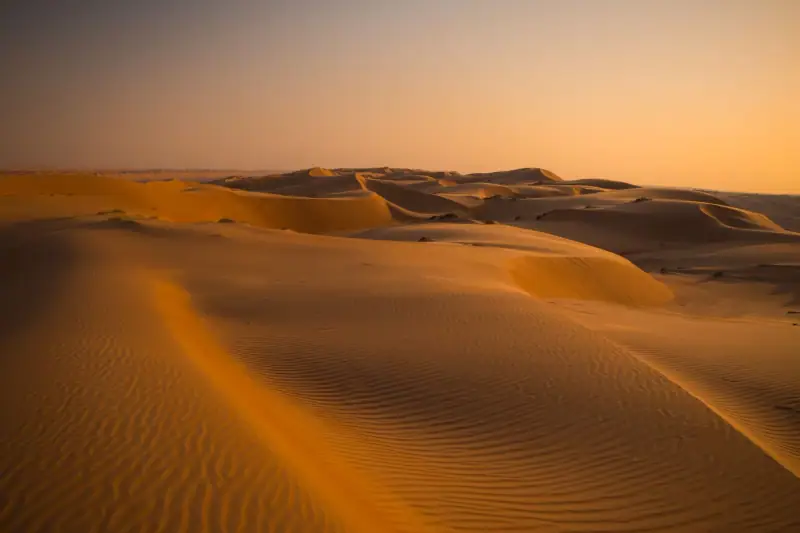
Visiting the Sharqiyah: Wahiba Sands, wadis and Oman's east coast
Complete guide to the Sharqiyah region: Wahiba Sands, Wadi Bani Khalid, Sur, Ras al Jinz and Wadi Shab. 4-day itinerary, lodging, practical tips.
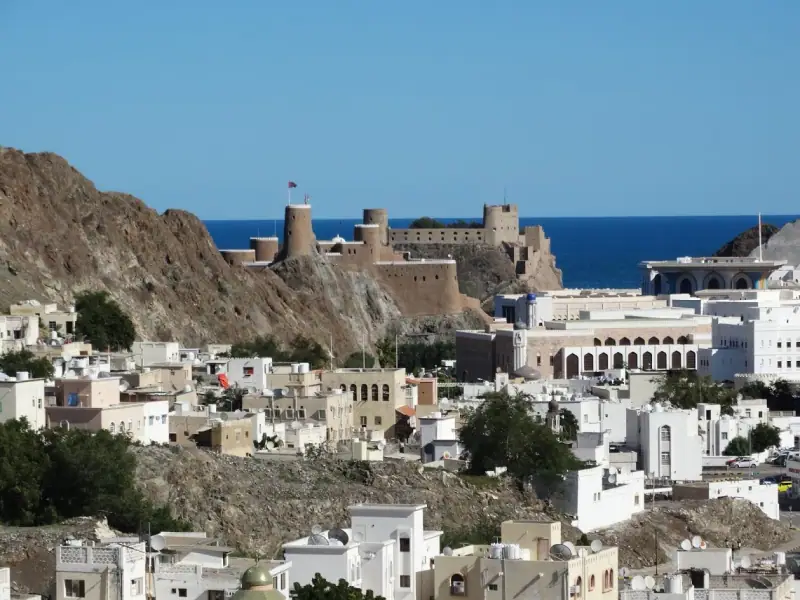
Muscat's top sights: the must-sees of Oman's capital
What to see in Muscat? Grand Mosque, Mutrah souk, Al Alam Palace and the corniche: the essential visits in the Omani capital.
Ready-made
Oman itineraries
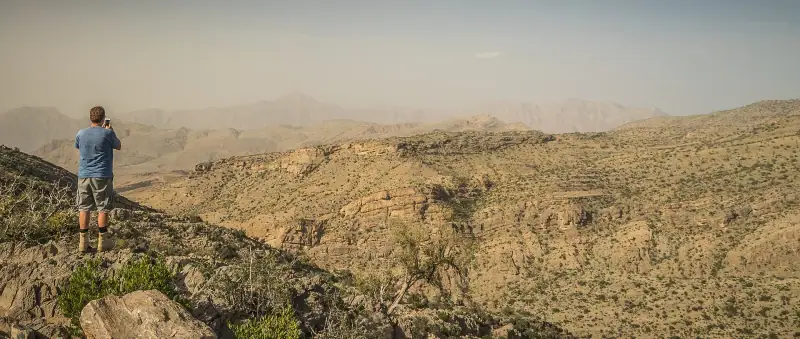
10 days
Oman road trip: a 10-day itinerary to explore the sultanate
MuscatNizwaJebel AkhdarWahiba desertSurSalalah
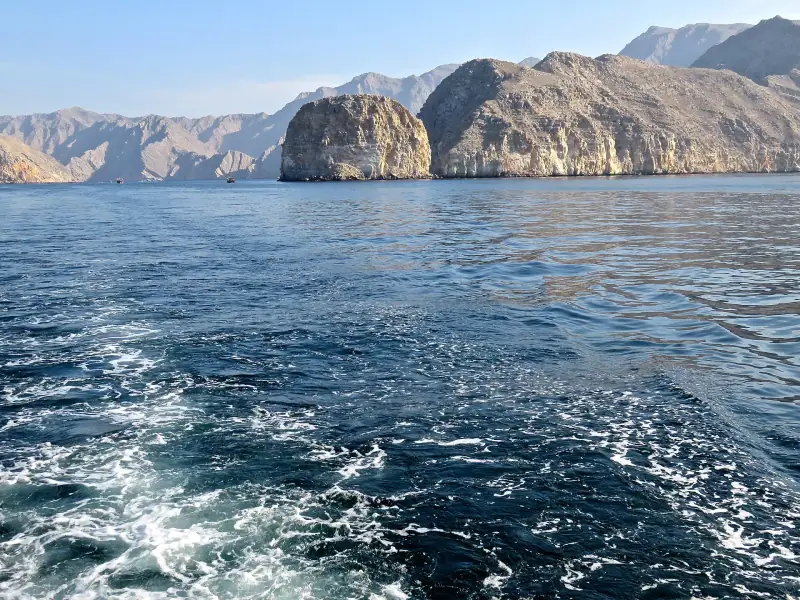
3 days
Musandam in 3 days: an itinerary through Oman's fjords
3-day Musandam itinerary: fjords, dolphins, dhow cruise and Khasab. All you need to plan a stay on Oman's enclave peninsula.
7 days