What to see
Muscat's top sights: the must-sees of Oman's capital
We may earn a commission when you book through links on this page, at no extra cost to you. We don't visit or try the places we cover: we summarize published sources. How we work
In short
- Plan at least 2 full days for Muscat's top sights; 3 days let you go deeper and explore less touristy districts.
- The Sultan Qaboos Grand Mosque is open to non-Muslims from 8 am to 11 am (not Friday); entry is free and modest dress is required.
- Al Alam Palace cannot be visited inside, but the square in front of it is open; the National Museum of Oman costs 5 OMR.
- Muscat is spread out, with districts 5 to 20 km (3 to 12 mi) apart; a car is recommended for stays of more than 3 days.
Muscat is a capital that defies every cliché. No skyscrapers, a sober and harmonious architecture, a capital that looks more like a set of merged villages than a classic Gulf metropolis. But behind this discretion lies a remarkable cultural and architectural richness. Here are the sights you should not miss.
The Sultan Qaboos Grand Mosque
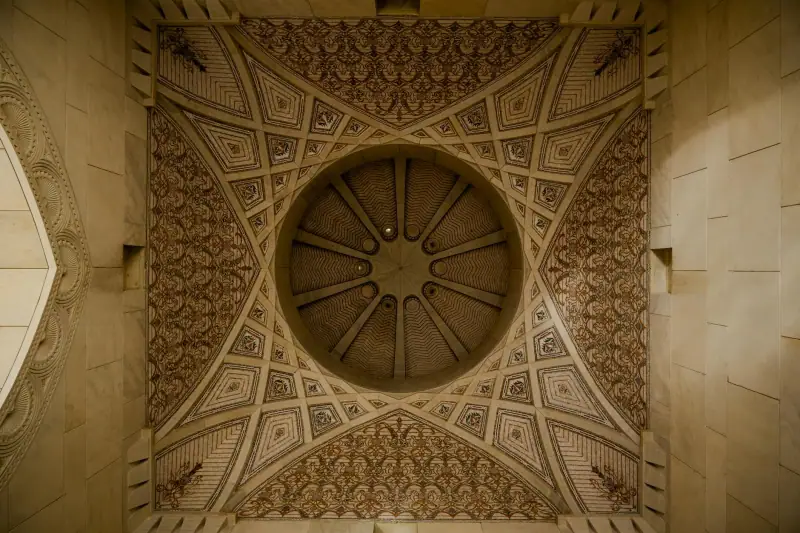
The Sultan Qaboos Grand Mosque is the architectural jewel of Muscat and one of the most beautiful mosques in the Islamic world. Built between 1995 and 2001 on the decision of Sultan Qaboos, it is both a monumental work of art and a living place of worship welcoming thousands of worshippers.
What makes it extraordinary:
- Size: the main prayer hall can hold 6,500 people
- The carpet: a single hand-woven carpet covers the whole main hall (70 × 60 m / 230 × 197 ft), made in Iran and weighing 21 metric tons (about 23 US tons). It took 600 women artisans and 4 years to make
- The chandelier: the main hall’s chandelier is 14 m (46 ft) tall and holds 1,122 bulbs. One of the most impressive pieces of craftsmanship in the world
- The minarets: 5 minarets, the main one rising to 90 m (295 ft)
- The gardens: 100,000 m² (about 25 acres) of carefully kept gardens, pleasant in the evening
Practical information:
- Hours: 8 am to 11 am for non-Muslims (except Friday)
- Entry: free
- Dress: proper dress is mandatory. Abayas for women are lent at the entrance if needed
- Photos: allowed in the gardens, restrictions in the main hall as indicated
Mutrah souk
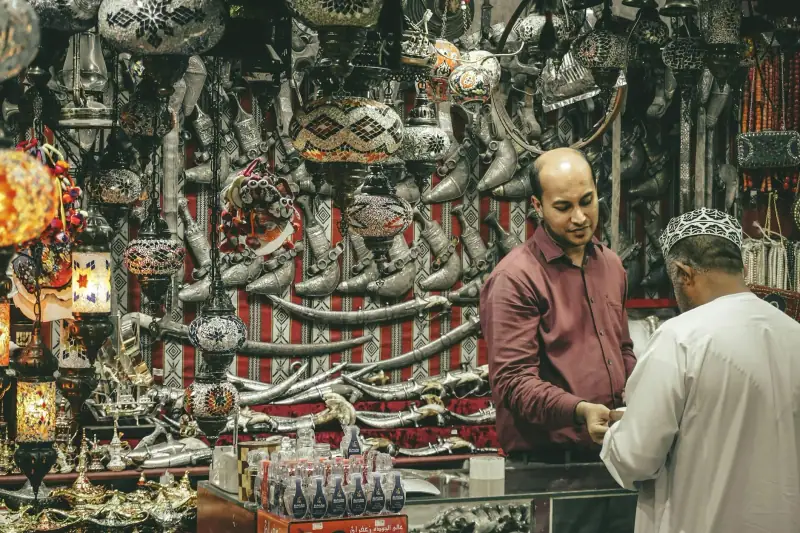
Mutrah souk is one of the oldest covered markets in the Gulf. Unlike the tourist souks of many destinations, this one is still used by Omanis themselves for their daily shopping. The labyrinthine lanes crisscross over several hundred meters, leading from an incense shop to a silver jeweler, from a textile merchant to a ceramics seller.
What to find at Mutrah souk:
- Incense and bukhoor: Omani incense (frankincense, oud, amber) is of exceptional quality and inexpensive. Copper burners make nice souvenirs
- Silver jewelry: rings, bracelets and necklaces in the traditional Dhofari or Muscati style. Bargain politely
- Khanjars (Omani daggers): the curved ceremonial knife is the national symbol. Handmade pieces are expensive but reproductions for tourists are affordable
- Textiles and shawls: colorful Indian and Omani fabrics
- Dates and spices: a food market in the inner lanes
Tips:
- Come in the evening (after 5 pm), when shops reopen after the afternoon heat and the atmosphere is livelier
- Always bargain (a 20 to 30% discount is normal)
- Note a few landmarks to find your way, as the maze can be disorienting
The Mutrah corniche
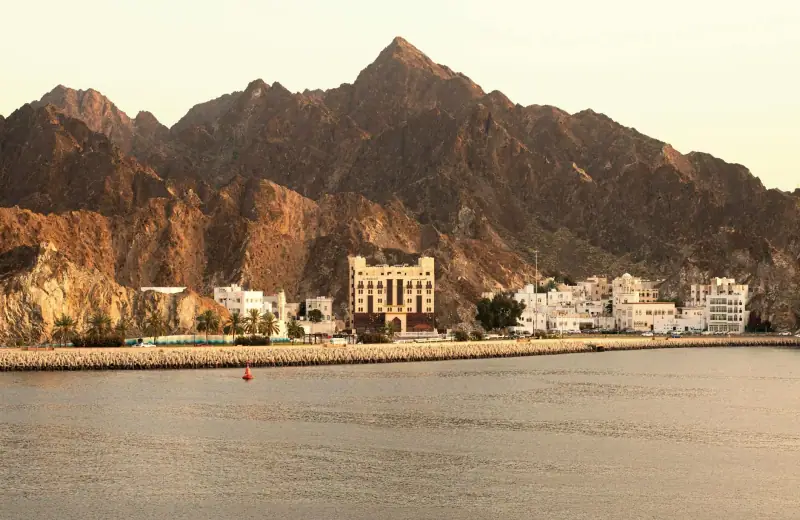
The Mutrah corniche runs along the historic harbor for 1.5 km (0.9 mi). It is the most beautiful promenade in Muscat, with benches facing the sea, traditional dhows moored in the port, and Mutrah Fort overlooking the bay from its promontory.
The ideal walk: Start at nightfall when the harbor lights come on. The sea takes on golden hues, the fort is lit, and Omani families enjoy the evening cool. Street vendors selling grilled corn, fresh fruit and cardamom coffee complete the atmosphere.
Al Alam Palace and the old town
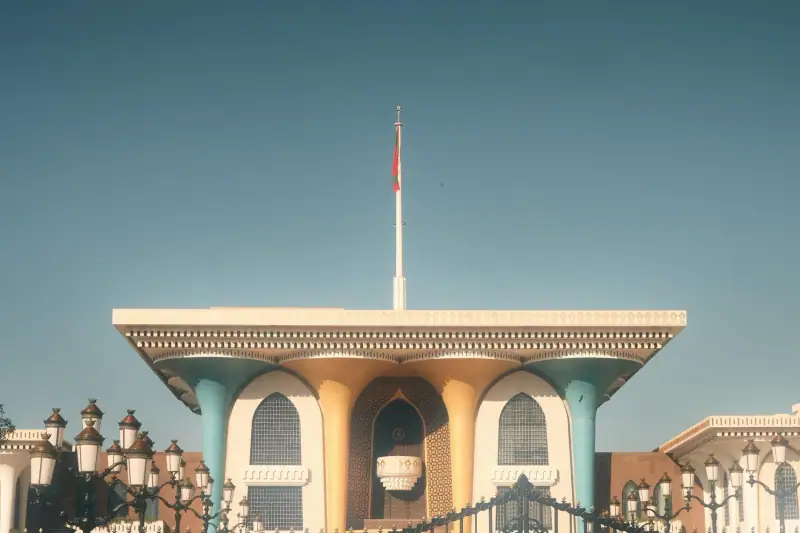
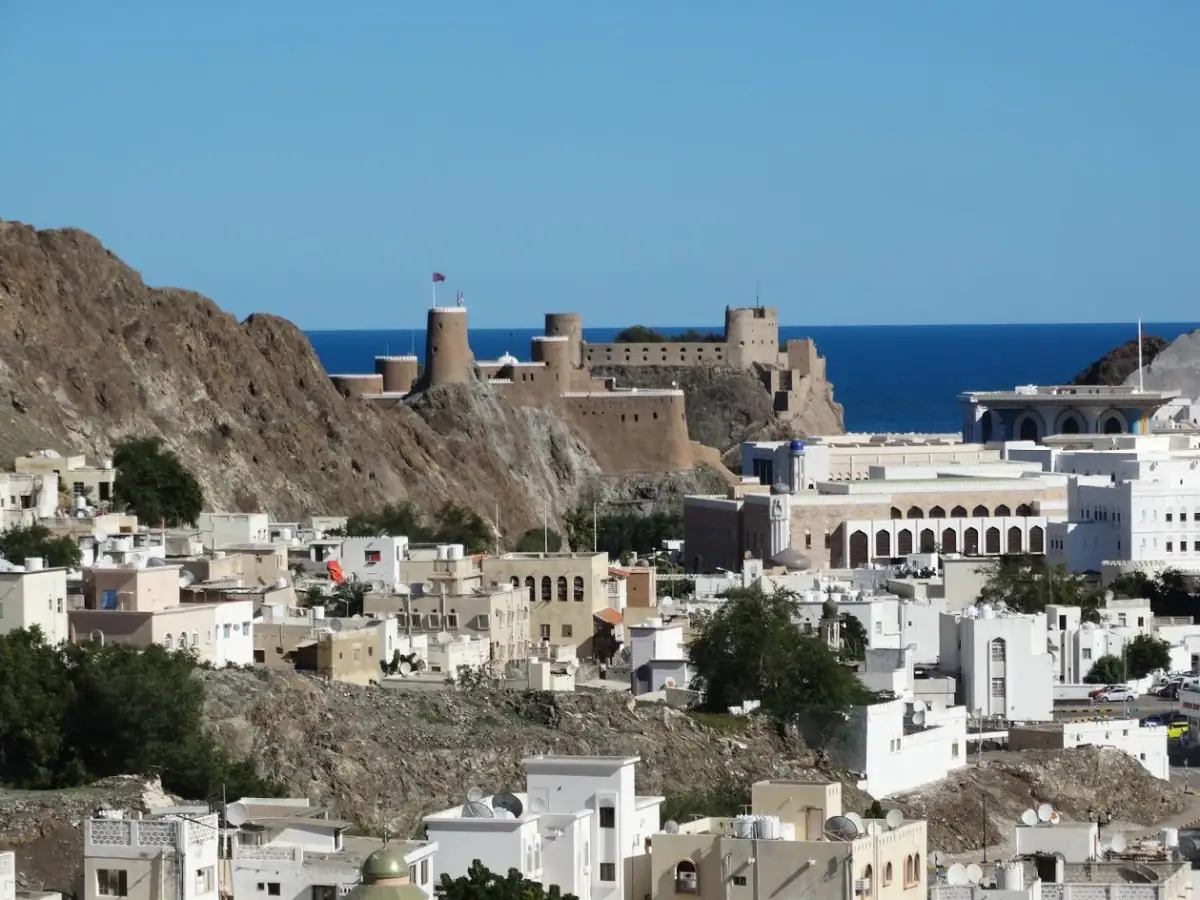
Al Alam Palace is the official residence of the Sultan of Oman. Its colorful facade (blue and gold), framed by two historic forts, is one of Muscat’s iconic images. The inside is not open to the public but the square in front of the palace is free to enter.
The Mirani and Jalali forts, flanking the historic harbor since the 16th century, are also visible from the corniche and add to the medieval atmosphere of the district.
The National Museum of Oman (opened in 2016) is 10 minutes away by car. It is one of the finest museums in the Gulf, tracing 10,000 years of Omani history through permanent and temporary exhibitions. Entry: 5 OMR.
Districts to explore
Madinat Al Sultan Qaboos (MQ)
This upscale residential district is pleasant for restaurants and cafés. The adjacent Qurum Beach is one of Muscat’s best urban beaches.
Al Khuwair
A diplomatic and business district, with a few good restaurants and most of the embassies.
Ghubra and Wadi Kabir
Lively Indian and Pakistani districts, with excellent curry restaurants and colorful textile markets. A fascinating cosmopolitan atmosphere.
Masirah Island (excursion)
Four hours from Muscat by car plus a ferry, Masirah Island is one of the wildest destinations in Oman. The world’s largest loggerhead turtle nesting beach, deserted beaches and exceptional surf conditions.
Photo viewpoints
- Mutrah corniche at sunset (view over the port and the fort)
- Ruwi from Mirani Fort (view over the old town)
- Qurum Beach at dawn (joggers, dhows at sea)
- The Grand Mosque late in the morning (white light on the marble)
- Mutrah fish market at 6 am (activity, colors)
Getting around Muscat
Muscat is a car city. Districts are 5 to 20 km (3 to 12 mi) apart.
- Local taxi apps (OTaxi, Oman Taxi…): the best option for non-drivers; Uber does not operate in Oman and Careem is not reliable, so check locally. Expect a few rials depending on distance
- Street taxis: always negotiate BEFORE getting in; there is no official meter
- Mwasalat buses: not practical for tourists but they serve the main arteries
- Car rental: recommended for stays of more than 3 days in Muscat
Frequently asked questions
How long do you need to visit Muscat?
Plan at least 2 full days for Muscat's top sights. Three days let you go deeper and explore less touristy districts.
Is the Sultan Qaboos Grand Mosque open to non-Muslims?
Yes, the Grand Mosque is open to non-Muslims from 8 am to 11 am (except Friday, reserved for Muslims). Proper dress is required: shoulders covered, long trousers for men, an abaya for women (available on site to borrow).
Is Mutrah souk dangerous?
Not at all; Mutrah souk is one of the safest souks in the Middle East. Vendors are welcoming without being aggressive. Just keep an eye on your belongings in the crowd.
Can you visit Al Alam Palace in Muscat?
The inside of Al Alam Palace (the Sultan's official residence) is not open to the public. But the square in front of the palace is freely accessible and offers a fine view of the colorful facade.
Is there a tourist bus in Muscat?
Yes, a tourist bus (Muscat City Tour) serves the main sights. But most visitors use taxis (booked through a local app) or a rental car, because Muscat is very spread out.
More Oman guides
Keep reading
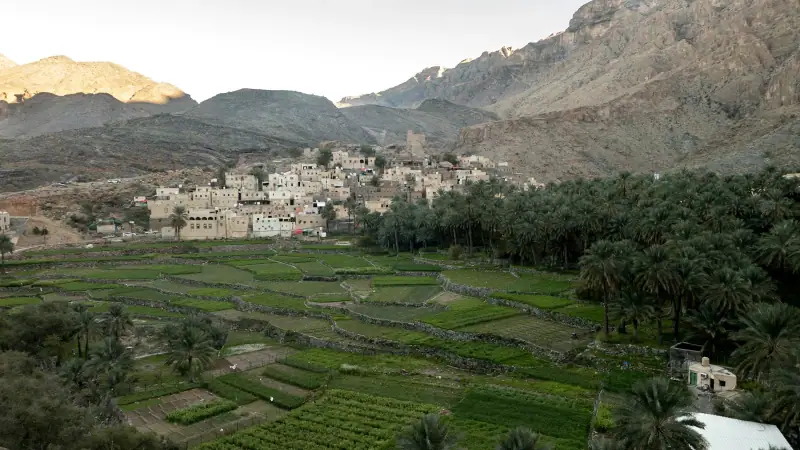
Visiting Jebel Akhdar: a complete guide to Oman's Green Mountain
Jebel Akhdar: Damask roses, hiking, perched villages and luxury resorts. A complete guide to visiting Oman's Green Mountain.
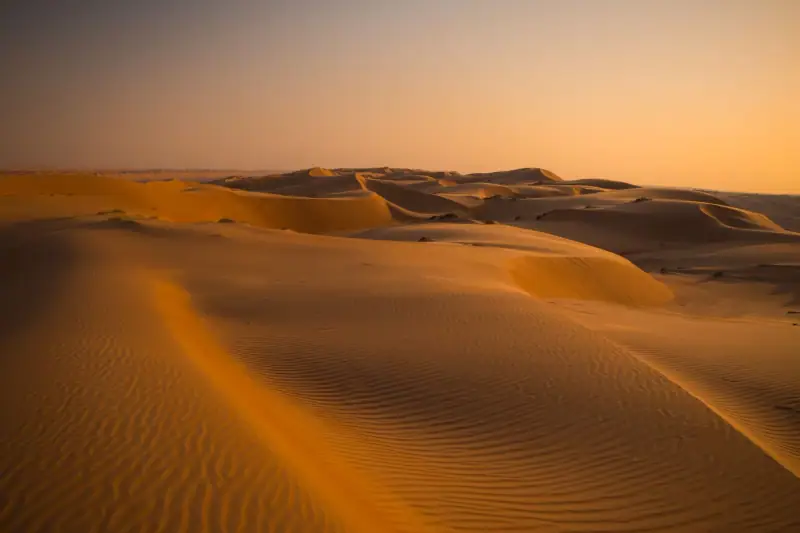
Visiting the Sharqiyah: Wahiba Sands, wadis and Oman's east coast
Complete guide to the Sharqiyah region: Wahiba Sands, Wadi Bani Khalid, Sur, Ras al Jinz and Wadi Shab. 4-day itinerary, lodging, practical tips.
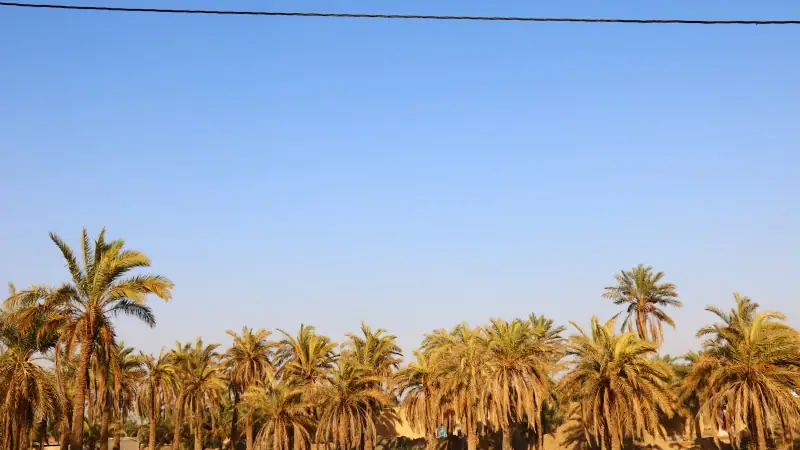
Visiting Nizwa: a complete guide to Oman's cultural capital
Nizwa in practice: medieval fort, Friday souk, Hajar mountains and oases. All you need to know to visit the pearl of inland Oman.
Ready-made
Oman itineraries
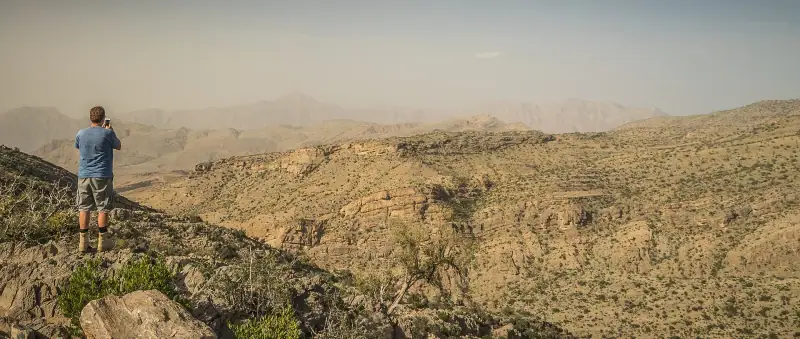
10 days
Oman road trip: a 10-day itinerary to explore the sultanate
MuscatNizwaJebel AkhdarWahiba desertSurSalalah
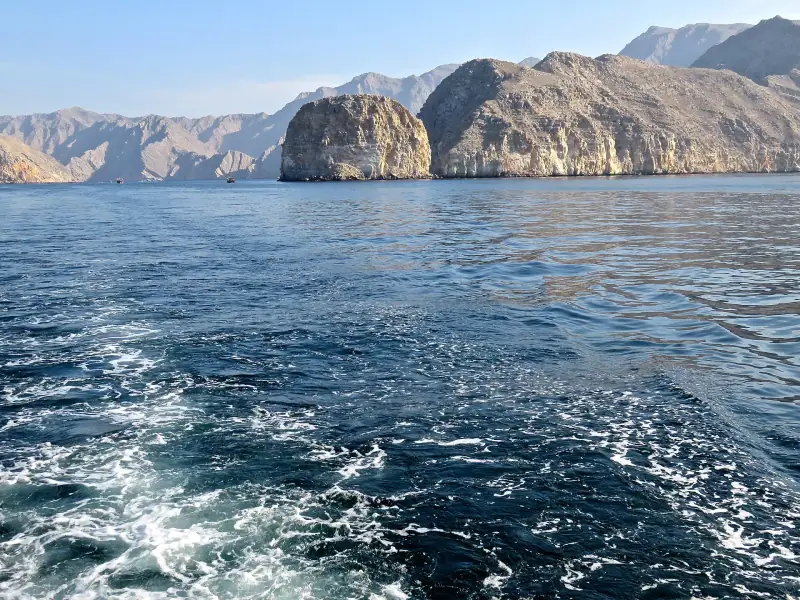
3 days
Musandam in 3 days: an itinerary through Oman's fjords
3-day Musandam itinerary: fjords, dolphins, dhow cruise and Khasab. All you need to plan a stay on Oman's enclave peninsula.
7 days