Itineraries
Norway in 10 Days Without a Car: A Realistic Train and Boat Itinerary
We may earn a commission when you book through links on this page, at no extra cost to you. We don't visit or try the places we cover: we summarize published sources. How we work
Day by day
- Days 1-2Oslo on foot and by public transit
- Day 3Train Oslo to Myrdal, Flåmsbana down to Flåm
- Day 4Nærøyfjord boat from Flåm to Gudvangen, bus to Voss
- Day 5Train Voss to Bergen, Bryggen and fish market
- Days 6-7Bergen: Fløyen funicular, Nordnes, museums, fjord excursion
- Day 8Short flight from Bergen to Trondheim
- Day 9Trondheim: Nidaros Cathedral, Bakklandet, bicycle lift
- Day 10Day train from Trondheim to Oslo
Where to sleep
- Oslo2 nights
- Flåm1 night
- Voss1 night
- Bergen3 nights
- Trondheim2 nights
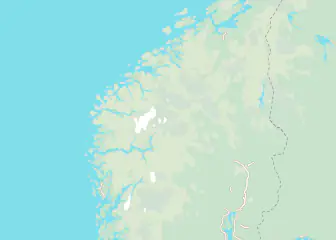
Opens the trip planner with these stops and nights already filled in. Add a stop, drop one or change the nights.
In short
- The car-free route is Oslo, Flåm, Bergen, Trondheim: train does most of the work, boats cover the fjords, buses fill the gaps.
- Day 3 is the key day: Oslo to Flåm via Myrdal is about 400 km (250 mi) and 6 h 30 to 7 h, with a short connection to the Flåmsbana.
- Budget roughly €250 to €450 (about $290 to $520) for domestic transport over ten days, flights included.
- Book the Flåmsbana, Nærøyfjord boat and night trains ahead in summer; skip the Lofoten Islands on this itinerary.
Ten days in Norway with no license and no rental car is entirely realistic, as long as you stay on a well-served axis: Oslo → Flåm → Bergen → Trondheim. The train does most of the work, boats add the fjords, and buses fill the gaps. Here is an itinerary with approximate distances and durations. Timetables change every season: check them before you book.
Why this itinerary works without a car
Norway is long, but its main tourist routes are linked by spectacular rail lines. The Oslo to Bergen trip crosses the Hardangervidda plateau, the Flåmsbana descends toward the Sognefjord, and ferries replace mountain roads. You lose some freedom, but you gain comfort: no tolls, no endless tunnels, and views without driving.
Summary: 10 days, 4 hubs
| Day | Stop | Transport | Approx. distance / duration |
|---|---|---|---|
| 1-2 | Oslo | On foot, tram, metro | – |
| 3 | Oslo → Myrdal → Flåm | Train + Flåmsbana | ~400 km (250 mi), 6 h 30 to 7 h |
| 4 | Flåm → Gudvangen → Voss | Nærøyfjord boat + bus | ~2 h by boat + ~1 h by bus |
| 5 | Voss → Bergen | Train | ~100 km (62 mi), 1 h 15 |
| 6-7 | Bergen | On foot, funicular | – |
| 8 | Bergen → Trondheim | Short flight | ~1 h 10 |
| 9 | Trondheim | On foot, bike | – |
| 10 | Trondheim → Oslo | Day train or flight | ~500 km (310 mi), 6 h 30 by train |
Days 1-2: Oslo, with no heavy transport

Oslo is best explored on foot and by public transit. Stay near the central station (Oslo S) to cut down on transfers: all your trains leave from there. Our guide to the Oslo highlights covers the museums, the waterfront and the neighborhoods worth seeing in two days. To choose a neighborhood, see where to stay in Oslo.
Hotels in Oslo
Stay near the central station, the starting point for all trains.
Day 3: Oslo → Flåm via Myrdal
This is the key day. Take the Bergen Line train to Myrdal (about 4 h 30 to 5 h), then change to the Flåmsbana, which descends to Flåm in about 55 minutes on one of the steepest gradients for a standard-gauge line. Book both legs: the connection at Myrdal is short and the Flåmsbana is in high demand in summer.
Spend the night in Flåm. The village is small, so plan to have dinner there; the choice is limited but sufficient.
Day 4: The Nærøyfjord by boat, then bus to Voss
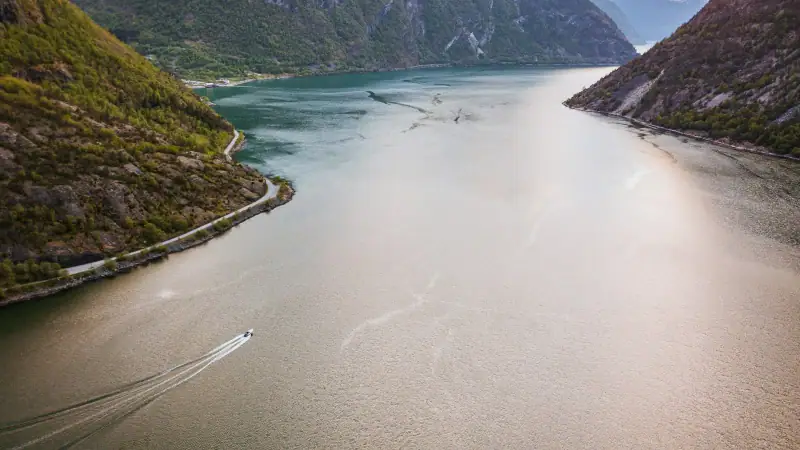
In the morning, board the Flåm to Gudvangen crossing on the Nærøyfjord, a UNESCO-listed fjord (about 2 hours). At Gudvangen, a bus reaches Voss in about an hour. If you are torn between this fjord and the Geirangerfjord, read our comparison Nærøyfjord or Geirangerfjord. Off season, bus and boat schedules are reduced: check before committing the day.
Day 5: Voss → Bergen
From Voss, the train to Bergen takes about 1 h 15 and runs all year. The route follows the Voss valley and then drops toward the coast, with tunnels and a few lakes along the way: sit by the window. On arrival, Bergen station is about ten minutes on foot from the center. Drop your bags at the hotel or in a locker, then explore the Bryggen district and the fish market. Keep this first evening simple: a walk along the harbor is enough after a day of boats and buses. For where to stay, see where to stay in Bergen.
Days 6-7: Bergen on foot and by funicular
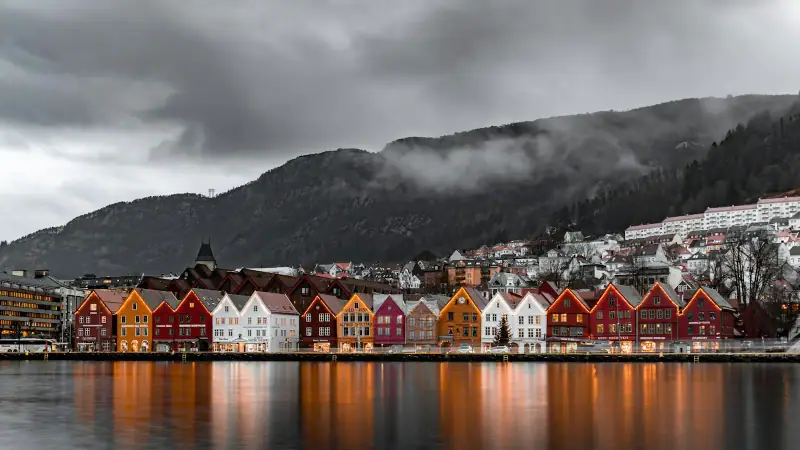
Bergen is compact. Take the funicular up Fløyen, stroll through Nordnes, visit the museums and keep one day for a fjord excursion from the harbor. The weather is often rainy: pack a waterproof jacket. For meals, our selection of restaurants in Bergen will help you avoid tourist traps.
Hotels in Bergen
The center and Bryggen are walkable, ideal without a car.
Day 8: Bergen → Trondheim
There is no direct rail link: the simplest option is a short flight (about 1 h 10), with an airport to center transfer of 30 to 45 minutes on each end. Allow a full half day, hotel to hotel. Low-cost airlines sometimes offer very low fares, but checked bags are often extra: traveling with a carry-on avoids unpleasant surprises. By road or rail, expect a long day with connections. If you are short on time, drop Trondheim and add a day in Bergen, or head straight back via Oslo.
Days 9-10: Trondheim and the return to Oslo
Trondheim can be seen in a day: Nidaros Cathedral, the Bakklandet waterfront, the bicycle lift. The day train back to Oslo takes about 6 h 30, with beautiful scenery. Leave a margin before your international flight: do not plan a flight the same morning without a safety buffer.
Budget: how much for transport?
Train tickets vary widely depending on when you book. Discounted fares start at a few hundred kroner; the full fare is much higher. Add the Flåmsbana, the Nærøyfjord boat and the bus. In total, plan roughly €250 to €450 (about $290 to $520) for domestic transport over these ten days, flights included. For the rest, see our Norway budget.
Pitfalls to avoid
- Booking too late: discounted fares disappear quickly in summer.
- A connection that is too tight at Myrdal: prefer a single ticket.
- Underestimating the rain in Bergen and in the fjords.
- Visiting off season without checking boat and bus schedules.
- Planning the Lofoten Islands into these ten days: it is not realistic without a car.
What if you change your mind about the car?
A car gives you freedom for viewpoints and small roads. If that appeals to you, read renting a car in Norway and compare rental companies on a car rental comparison site. For a road itinerary, see our fjords road trip. Travel insurance is still recommended.
Frequently asked questions
Can you visit Norway without a car?
Yes, along the Oslo, Flåm, Bergen and Trondheim axis, which is well served by train, boat and bus. Remote areas (Lofoten, small valleys) take more planning.
How much is the Oslo to Bergen train?
Discounted tickets start around 300 to 400 NOK if booked early, but the full fare often exceeds 900 NOK. Book as soon as sales open, a few months before departure.
Do you need to book transport in advance?
Yes in summer for the Flåmsbana, the Nærøyfjord boat and night trains. Off season, services are less frequent: check timetables before building your schedule.
What is the best season for traveling without a car?
June to early September, when boats, mountain buses and excursions run at full capacity. In winter, services are reduced but the Oslo to Bergen train runs all year.
Is luggage a problem on public transport?
No, but travel light: a carry-on suitcase plus a backpack is enough. Lockers at the Oslo, Flåm and Bergen stations let you sightsee between connections.
Can you get to the Lofoten Islands without a car?
It is possible by flying to Bodø, Leknes or Svolvær, then using buses and ferries, but it is slow. In ten days, it is better to focus on the south and west, or read our Lofoten and Tromsø comparison.
More Norway guides
Keep reading
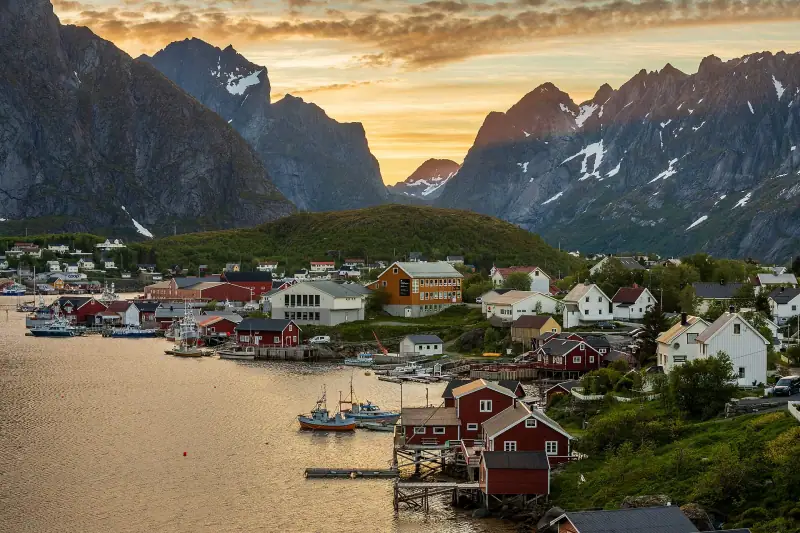
Norway Trip Budget: How Much Does a Trip Cost in 2026?
How much to budget for a trip to Norway? Detailed prices for lodging, food, transport and activities, plus tips to save money.
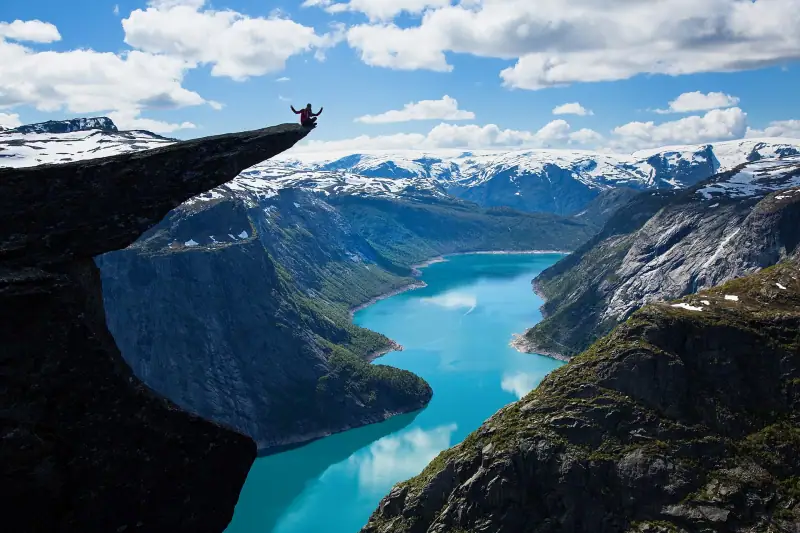
Trolltunga and Preikestolen: Guide to Norway's Two Iconic Hikes
All about Trolltunga and Preikestolen: access, difficulty, season, logistics. Norway's two most spectacular hikes explained in detail.

Where to Stay in Bergen: Best Neighborhoods and Hotels
Complete guide to where to stay in Bergen: historic Bryggen, the city center, Nordnes. Hotels, hostels and rentals for every budget.
Ready-made
Norway itineraries

7 days
Norway in 7 Days: Complete Itinerary for Oslo, Bergen and the Fjords
OsloBergen
Can be adapted in the planner
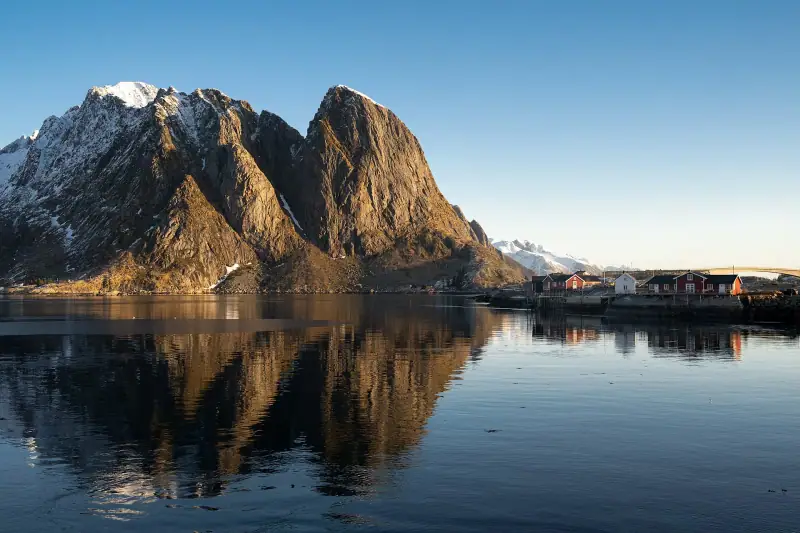
Road Trip Through the Norwegian Fjords: Itinerary and Tips
Complete guide to a fjords road trip in Norway: scenic routes, Geirangerfjord, Nærøyfjord, stops and practical driving tips.
7 days
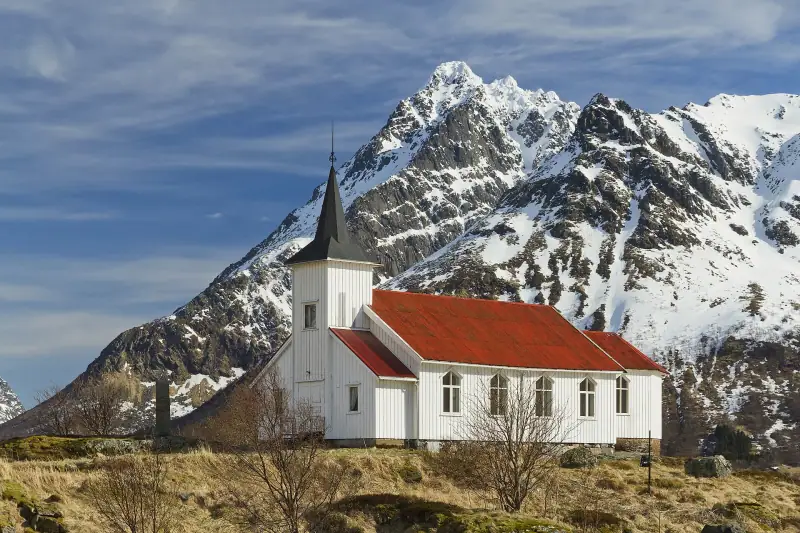
Lofoten and Tromsø in one week: doable or too ambitious?
Combining Lofoten and Tromsø in 7 days: real distances, travel times, a day-by-day plan and alternatives if the pace is too tight.