What to see
Oslo's Top Sights: 15 Things to Do
We may earn a commission when you book through links on this page, at no extra cost to you. We don't visit or try the places we cover: we summarize published sources. How we work
In short
- Two days cover the essentials (Munch Museum, Opera House, Vigeland Park); three days is comfortable, five adds the Oslofjord islands.
- The Viking Ship Museum is closed for expansion; reopening as the Museum of the Viking Age is announced for 2027, so check the museum's site.
- The 24-hour Oslo Pass costs 495 NOK and covers 30+ attractions plus all public transport.
- A single transit ticket costs 40 NOK (€3.60 / about $4.20); many sights are walkable from the center.
Oslo is often described as just another Nordic capital, but people who take the time to explore it tend to come away surprised. This city of 700,000 on the shores of the Oslofjord combines bold architecture, world-class museums, high-end dining and a quality of life that regularly tops international rankings. Here are 15 things to do in Oslo.
The top museums
1. The Viking Ship Museum (Vikingskiphuset)
Note: the museum is closed to the public for expansion work; its reopening, as the Museum of the Viking Age, is announced for 2027 (check the date on the museum’s site before planning your visit). It displays (and will display again) the three finest Viking ships in the world: the Oseberg (AD 850), the Gokstad and the Tune. These ships were found in burial mounds, where they had been buried with their owners more than 1,100 years ago.
The Oseberg is especially spectacular: 22 m (72 ft) long, 90% preserved, with wood carvings so fine that their modernity is startling. Around the ships, everyday Viking objects (sleds, carts, textiles) round out the picture of a civilization more sophisticated than you might imagine.
Practical information:
- Address: Huk Aveny 35, Bygdøy
- Hours and prices: check at reopening
- In the meantime: the Museum of Cultural History in Oslo displays objects from the Viking era, including finds from Oseberg
2. The Munch Museum
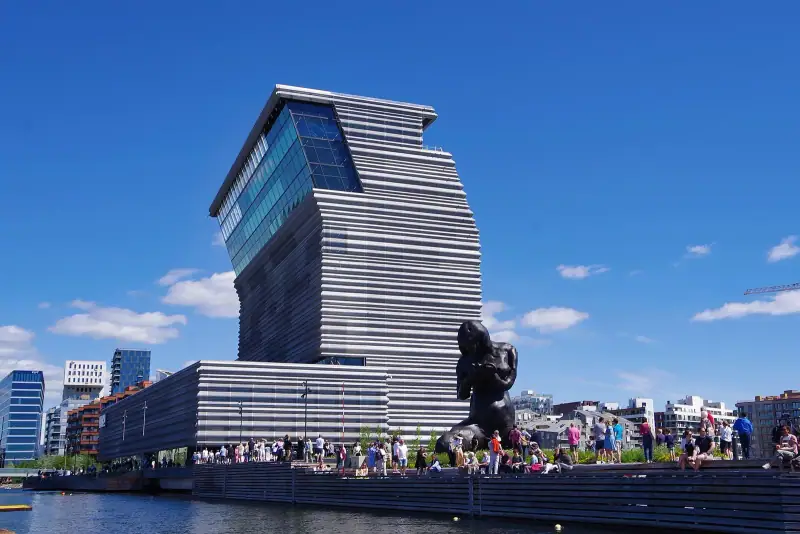
Opened in 2021, the new Munch Museum is a spectacular 13-story building on the Oslofjord in the Bjørvika district. It houses the complete collection of Edvard Munch, 28,000 works, including several versions of “The Scream” (Skrik), the most famous painting in Norway.
The building’s architecture is worth the visit in itself: a slightly tilted tower clad in perforated aluminum that seems to float above the sea. The panorama from the restaurant at the top is exceptional.
Practical information:
- Price: 175 NOK for adults (permanent collection) plus a supplement for temporary exhibitions
- A 10-minute walk from the Opera House
3. The Fram Museum
The Arctic, the Antarctic, the legendary polar explorations of Fridtjof Nansen and Roald Amundsen. The Fram Museum in Bygdøy houses the ship Fram, the wooden ship that has sailed farther north and farther south than any other, along with documents, equipment and accounts of the expeditions that fascinated the whole world.
Climbing aboard the Fram, picturing life on board in the polar ice, and understanding what these men went through is a striking experience.
Price: 200 NOK for adults.
4. The Kon-Tiki Museum
Next to the Fram, the Kon-Tiki Museum tells the story of Thor Heyerdahl’s 1947 expedition: a Pacific crossing on a balsa raft to prove that Polynesians could have come from South America. The original Kon-Tiki raft and the papyrus boat Ra II are on display.
Price: 160 NOK for adults.
Activities and guided tours in Oslo
Museum tours, guided visits of the old town, fjord excursions.
Contemporary architecture
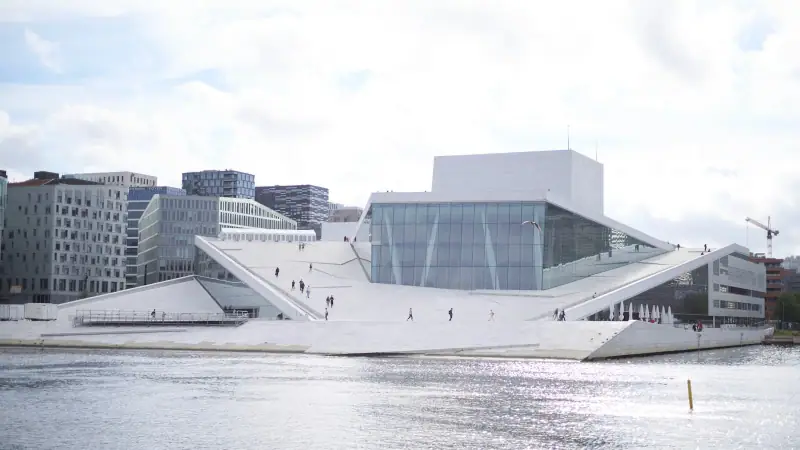
5. The Oslo Opera House

The Oslo Opera House (Operahuset), opened in 2008, is one of the most remarkable buildings in Europe. Designed by the Norwegian architecture firm Snøhetta, its white marble facade slopes down to the water of the Oslofjord, letting the public walk on it and reach the roof from ground level.
The view from the roof over the Oslofjord, the islands and the new Bjørvika district is worth the trip even if you don’t see a performance. The wood and metal interior is just as impressive.
Tips: Go up on the roof at dawn or sunset. The light on the white marble is especially beautiful. Outdoor access is free.
6. The Tjuvholmen district and the Astrup Fearnley Museum
Tjuvholmen is a former industrial port area turned into one of Oslo’s trendiest neighborhoods, with architecture by some of the biggest firms in the world (Renzo Piano, Snøhetta). The Astrup Fearnley Museum, devoted to international contemporary art, is one of the best in Scandinavia.
Parks and green spaces

7. Vigeland Park (Frognerparken)
Vigeland Park is the most visited park in Scandinavia. Across 80 hectares (200 acres), the sculptor Gustav Vigeland created more than 200 sculptures depicting the cycle of human life (birth, love, old age, death) in a direct, sometimes shocking figurative language.
The central installation, the Monolith, is a 14 m (46 ft) granite column on which 121 human figures intertwine in a dizzying spiral. It is the park’s most iconic work and the centerpiece of all of Vigeland’s art.
Practical information: Free entry, open 24 hours a day. The park is in Frogner, a 20-minute walk from the center, or you can take the tram.
8. The Nordmarka forest
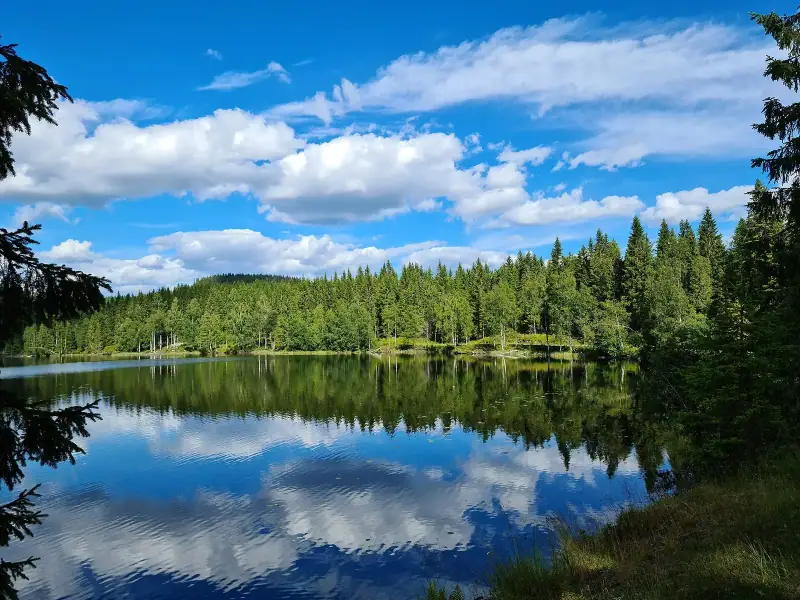
Only 30 minutes by metro from the center of Oslo is Nordmarka: 1,700 km² (656 sq mi) of forest, lakes, hills and trails. In summer, there is hiking and swimming in the lakes. In winter, cross-country skiing on trails lit in the evening. This is where Oslo residents come to recharge every weekend.
Getting there: Metro line 1 to Frognerseteren.
Hotels in Oslo
From boutique hotels to grand palaces, find the best place to stay for your trip.
Neighborhoods to explore
9. Grünerløkka: the hip neighborhood
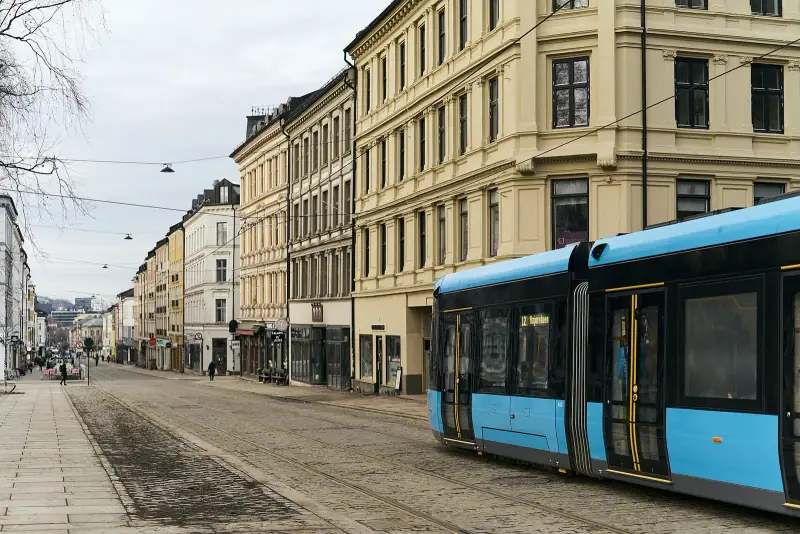
Grünerløkka is Oslo’s trendiest neighborhood: vintage shops, independent cafés, international restaurants, contemporary art galleries and cocktail bars follow one another. This is where the city’s creative heart beats.
What to do: Stroll along the Akerselva (river), visit the Sunday market, have brunch in one of the many cafés.
10. Aker Brygge and Tjuvholmen
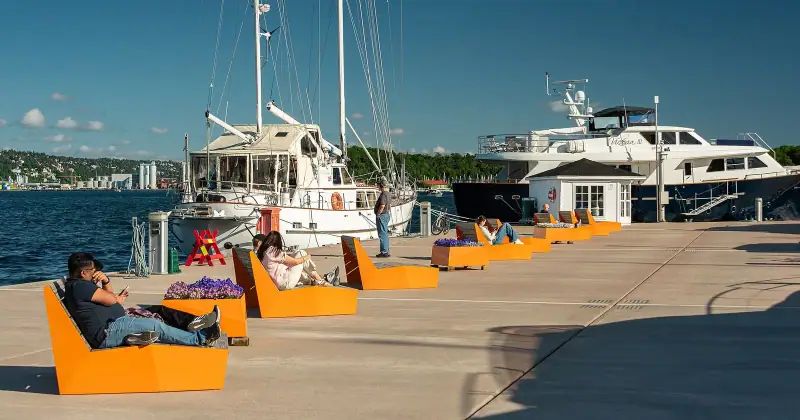
The former shipyard district, turned into a modern waterfront with restaurants, terrace bars and art galleries. In summer, Oslo residents gather here for drinks with a view of the fjord.
11. Mathallen: the food hall
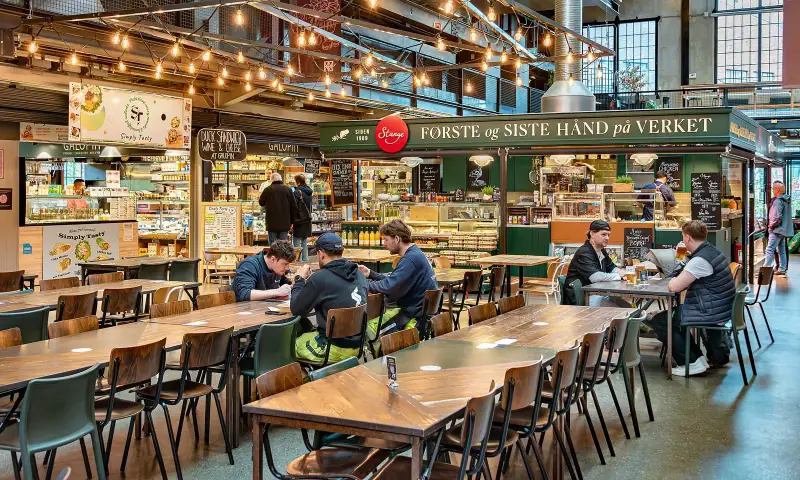
Mathallen Oslo is a covered food hall housing some of the best food producers and artisans in Norway: cheesemongers, charcutiers, bakers, craft brewers. It is a stop you shouldn’t skip if you are interested in Norwegian food.
The Oslofjord and its islands
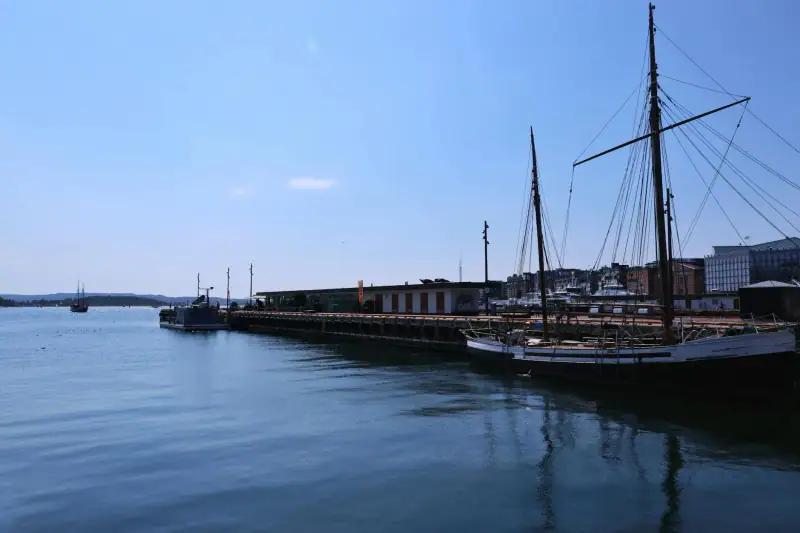
12. The Oslofjord islands
A 20 to 30 minute ferry ride from Aker Brygge, the Oslofjord islands offer a surprising beach-style getaway in summer. Langøyene, Hovedøya (with the ruins of a Cistercian monastery) and Gressholmen are the most popular.
In July and August, Oslo residents picnic, swim and kayak on these islands. The water of the Oslofjord reaches 18-20 °C (64-68 °F) in summer. Ferries are frequent and included in the Oslo Pass.
Akershus Fortress
13. Akershus Fortress
The medieval Akershus Fortress has overlooked Oslo’s harbor since the 14th century. It houses the national memorial to the Norwegian resistance during the German occupation (1940-1945) and the Armed Forces Museum. The view of the fjord from the ramparts is magnificent.
Entry: Free for the ramparts and the grounds. Museums charge admission (100-150 NOK).
Shopping and markets
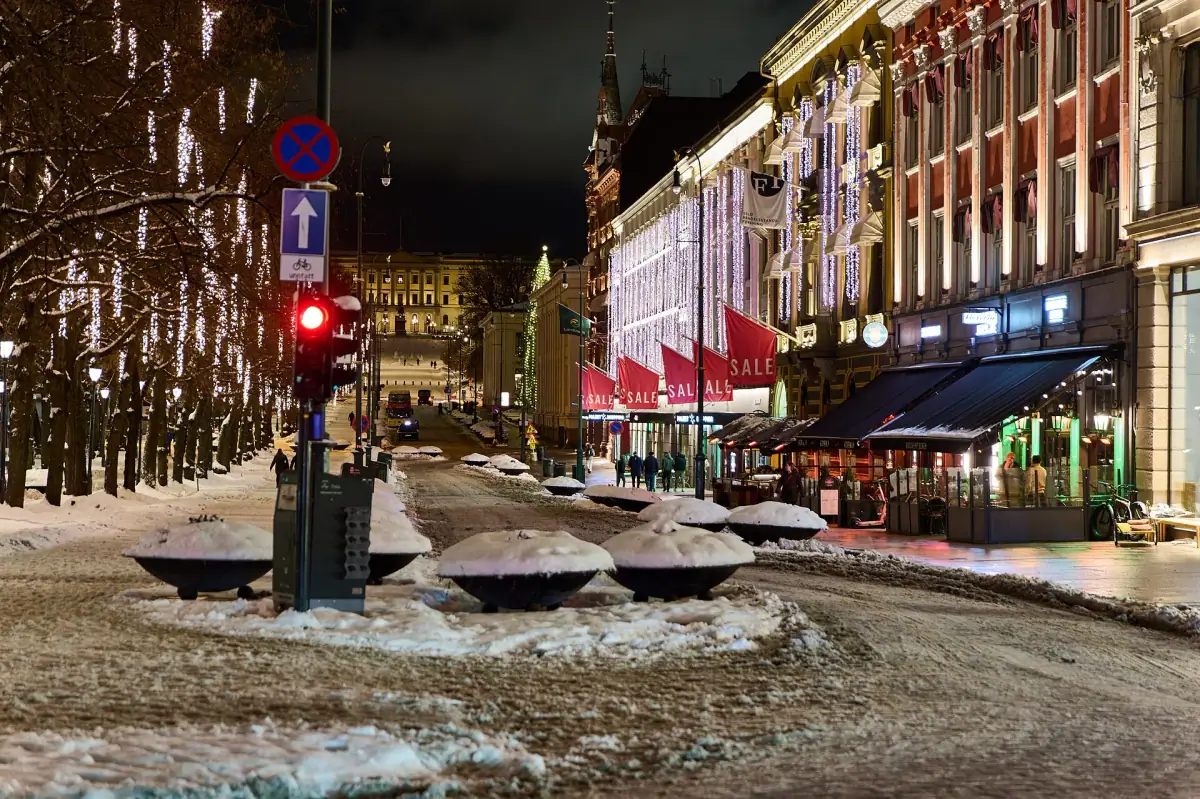
14. Karl Johans gate
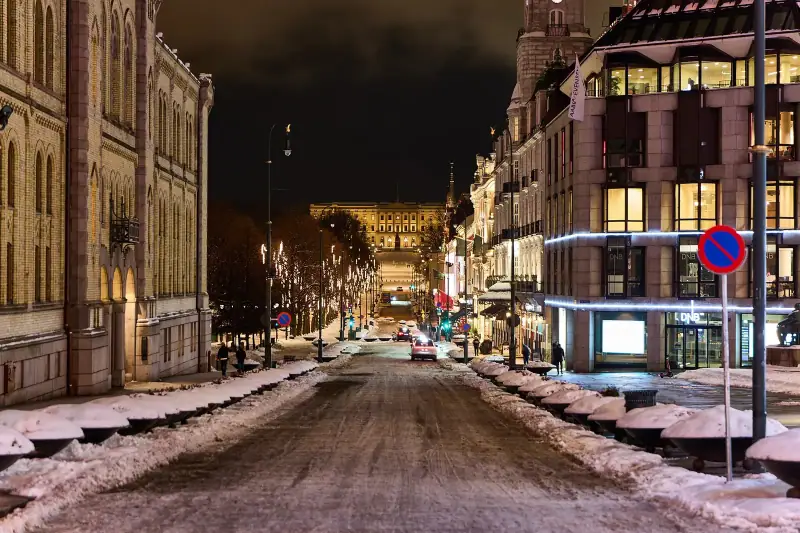
Oslo’s main thoroughfare, from the central station to the Parliament. Shopping, restaurants and bustle all day. Less interesting than the alternative neighborhoods, but worth a walk to feel the pulse of the city.
15. The Spikersuppa Christmas market
In December, the Christmas market around the Spikersuppa skating rink (in front of the Grand Hotel) is one of the most beautiful in Scandinavia. Gløgg (mulled wine), Norwegian waffles, local crafts and ice skating make for a magical atmosphere.
Frequently asked questions
How long do you need in Oslo?
Two days are enough for the essentials (Munch Museum, Opera House, Vigeland Park). Three days allow a comfortable visit. Allow five days if you want to include the Oslofjord islands and the less touristy neighborhoods.
Is the Oslo Pass worth it?
Yes, if you visit 2 or 3 major museums and use public transport. The 24-hour pass (495 NOK) covers entry to 30+ attractions and all transport. It pays for itself with 3 museums plus 2 days of transport.
What is the best museum in Oslo?
The Viking Ship Museum (Vikingskiphuset) is closed for expansion and is expected to reopen in 2027 as the Museum of the Viking Age (check the date on the museum's site). In the meantime, the Munch Museum, in its contemporary building, is a unique art experience. The Fram Museum tells the story of the polar explorations of Nansen and Amundsen.
Are Oslo's museums suitable for children?
Yes, especially the Fram Museum (polar adventure) and the Kon-Tiki Museum (the raft expedition). Both have interactive areas for families.
How do you get around Oslo?
Oslo has an excellent public transport network: metro (T-bane), tram, bus and ferry. A single ticket costs 40 NOK (€3.60 / about $4.20). The Oslo Pass includes unlimited transport. Many sights are walkable from the center.
More Norway guides
Keep reading
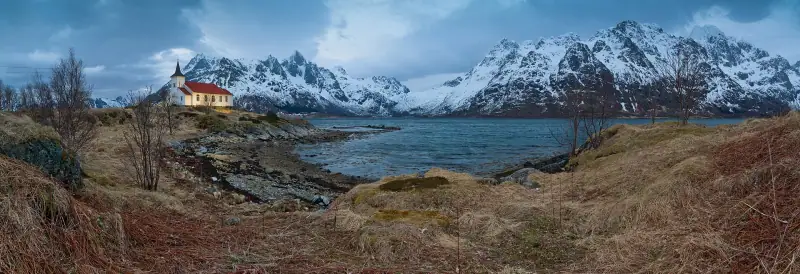
Visiting the Lofoten Islands: Complete Guide to Norway's Archipelago
Everything you need to visit the Lofoten Islands: fishing villages, hikes, northern lights, food and practical tips. 2026 guide.
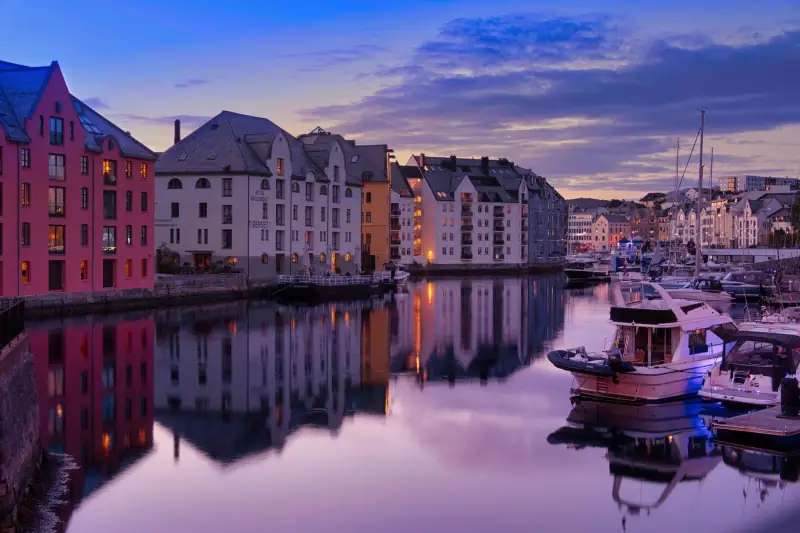
Visiting Ålesund: A Complete Guide to Norway's Art Nouveau City
Ålesund: Art Nouveau architecture, Sunnmøre fjords, Atlanterhavsparken, Geirangerfjord. A complete guide to planning your stay in western Norway.
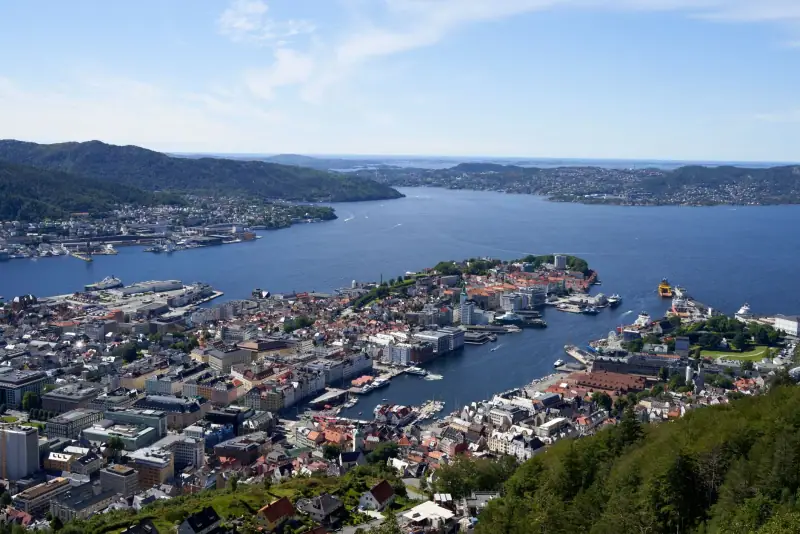
Visiting Bergen: A Complete Guide to the Gateway to the Fjords
Bergen, Norway's second city: Bryggen, Mount Fløyen, fjords and food. A complete guide to planning your stay in Bergen in 2026.
Ready-made
Norway itineraries
7 days
Norway in 7 Days: Complete Itinerary for Oslo, Bergen and the Fjords
OsloBergen
Can be adapted in the planner
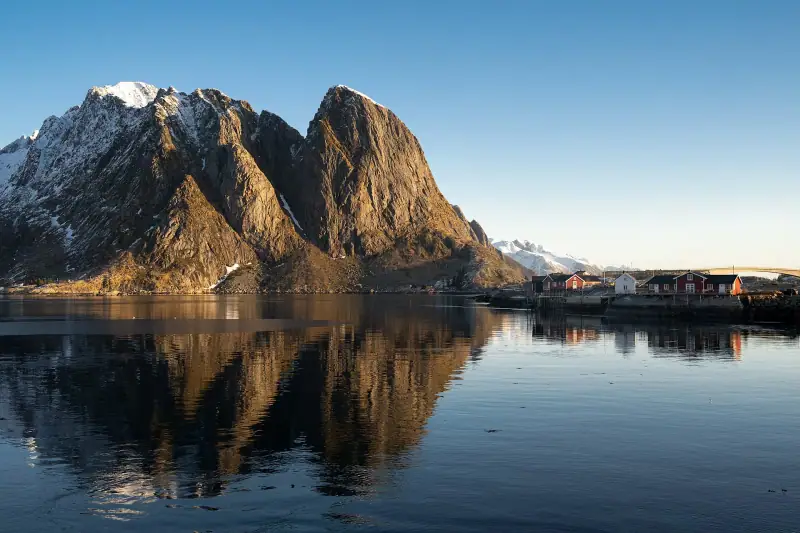
Road Trip Through the Norwegian Fjords: Itinerary and Tips
Complete guide to a fjords road trip in Norway: scenic routes, Geirangerfjord, Nærøyfjord, stops and practical driving tips.
7 days
Lofoten and Tromsø in one week: doable or too ambitious?
Combining Lofoten and Tromsø in 7 days: real distances, travel times, a day-by-day plan and alternatives if the pace is too tight.