Where to stay
Where to Stay in Oslo: Best Neighborhoods and Places to Stay
We may earn a commission when you book through links on this page, at no extra cost to you. We don't visit or try the places we cover: we summarize published sources. How we work
In short
- Sentrum, around Oslo S, is the best base for a first stay; Grünerløkka suits those who want a trendy local feel, and Aker Brygge the upscale waterfront.
- Oslo is one of Europe's most expensive cities for lodging: about 1,200-2,000 NOK (€110-185, about $130-215) for a 3-star hotel, 400-600 NOK (€36-55, about $42-64) in a hostel.
- Book at least 2 to 3 months ahead for summer (3 to 6 months for central areas); off season, 2 to 3 weeks is usually enough.
- The Flytoget airport train reaches Oslo S in 20 minutes, so a central base works well for airport trips.
Oslo often surprises first-time visitors. You expect a cold, austere city; you find an open, green capital, bathed by the Oslofjord and graced with bold contemporary architecture. While the Norwegian capital has a reputation as one of Europe’s most expensive cities, choosing your neighborhood carefully lets you make the most of your budget while enjoying the city to the fullest.
This guide presents the main neighborhoods for staying in Oslo, the types of lodging available and practical tips for booking well.
Where to stay in Oslo: the neighborhoods
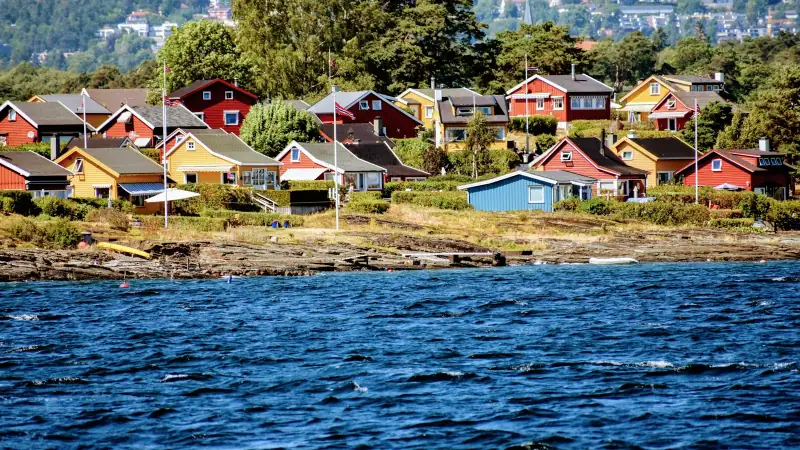
Oslo is a relatively compact city: the tourist center spreads over a radius of about 3 to 4 kilometers (2 to 2.5 mi) around the central station (Oslo S). The T-bane (metro) and trams cover all neighborhoods in under 20 minutes from the center.
Sentrum (city center): the ideal base for a first stay
Sentrum covers everything around the main station Oslo S, the Karl Johans gate district (the central avenue) and the shopping streets up to City Hall. This is where the highest density of lodging is found, in every category.
Advantages:
- Right next to Oslo S (Flytoget to the airport, trains to Bergen)
- Access to all T-bane and tram lines
- Close to the Opera House, the harbor and the museums of the center
- Wide choice of hotels at every budget
Drawbacks:
- Very busy and sometimes noisy
- The streets around Oslo S can be lively at night
Best for: business travelers, short stays, late arrivals/departures, a first visit.
Aker Brygge and Tjuvholmen: the chic waterfront
West of the center, these two neighborhoods form Oslo’s upscale waterfront. Aker Brygge is a former industrial zone converted into a lively promenade, with restaurants, shopping arcades and bars on the Oslofjord. Its neighbor Tjuvholmen is even more exclusive, with contemporary art galleries and architecture signed by international names.
Advantages:
- Spectacular view of the Oslofjord and Akershus Fortress
- Lively atmosphere in summer (outdoor cafés, boats, strollers)
- Close to the Astrup Fearnley Museum (contemporary art)
- Ferry to Bygdøy a few minutes’ walk away
Drawbacks:
- Few and costly places to stay (mostly upscale)
- Less well served by the T-bane (prefer the tram)
Best for: couples on a romantic getaway, well-off travelers, architecture and contemporary art lovers.
Hotels in Oslo
Compare prices for every Oslo neighborhood with free cancellation.
Grünerløkka: Oslo’s trendy soul
Grünerløkka (pronounced “Grünerlokka”) is Oslo’s bohemian and creative neighborhood, east of the center, on both sides of the Akerselva river. Once a working-class area, it has become the heart of Oslo’s alternative culture: independent cafés, thrift shops, tattoo studios, art galleries, vintage markets and ethical restaurants sit side by side.
Advantages:
- Authentic local atmosphere, away from the classic tourist circuit
- Oslo’s best cafés and brunches
- Lively, eclectic nightlife
- A very pleasant walk along the Akerselva
Drawbacks:
- A bit farther from the Bygdøy museums (30 min by public transport)
- Few traditional hotels: mostly Airbnb rentals and a few hostels
Best for: travelers curious about local life, young people, alternative food lovers, longer stays.
Frogner and Majorstuen: the chic residential neighborhood
West of the center, Frogner is one of Oslo’s most elegant neighborhoods, with its large Haussmann-style apartment buildings, embassies and plush villas. It borders the famous Vigeland Park, the largest sculpture park in the world by a single artist, with 212 bronze and granite sculptures (and wrought-iron gates) by Gustav Vigeland. Its neighbor Majorstuen is more commercial, with Bogstadveien, one of the busiest streets in the city.
Advantages:
- Quiet, green setting, very pleasant for strolling
- Vigeland Park on foot
- Close to Bygdøy (the museum peninsula) by bike or bus
- Well-served Majorstuen T-bane station
Drawbacks:
- A bit farther from Sentrum (15-20 min on foot or 5 min by tram/T-bane)
- Lodging is mostly mid-range and upscale
Best for: families with children, couples looking for peace and quiet, museum lovers (Fram, Kon-Tiki; the Viking Ship Museum is closed until late 2027).
Grønland and Tøyen: the accessible multicultural neighborhoods
Grønland and Tøyen are east of the center, just beyond Oslo S. Long overlooked by tourists, these multicultural neighborhoods are undergoing gentrification and offer the most affordable lodging in central Oslo.
Advantages:
- More accessible prices than the center or Frogner
- Multicultural food scene (kebabs, Asian and Middle Eastern restaurants)
- Close to the botanical garden and Tøyen (the Munch Museum moved to Bjørvika in 2021)
- Well served by T-bane lines 1, 2, 3, 4, 5 and 6
Drawbacks:
- Less visually charming than Bryggen in Bergen or the western neighborhoods
- Some streets around Grønland can be less quiet at night
Best for: travelers on a tight budget, fans of cultural diversity, backpackers.
Types of accommodation in Oslo
Upscale hotels (€180-400 / night, about $210-465)
Oslo has a remarkable range of upscale hotels, notably around the waterfront and in the center. The big Scandinavian chains (Scandic, Nordic Hotels & Resorts, Thon Hotels) sit alongside charming boutique hotels and a few luxury properties with views of the Oslofjord.
What you find:
- Polished Scandinavian design, often minimalist
- On-site restaurants with a quality Nordic menu
- Spa and fitness in the upscale properties
- Concierge service to organize fjord excursions or beyond
Tip: for luxury hotels around Aker Brygge, book during the week (business rates are sometimes lower) or through specialized portals that offer discounts.
Mid-range hotels (€90-180 / night, about $105-210)
The vast majority of the supply falls in this range. You find well-kept chain hotels, often with breakfast (a hearty Scandinavian buffet), free Wi-Fi and easy access to transport.
Realistic budget:
- Double room in a 3-star hotel: €120-160 in high season (about $140-185)
- Breakfast often included (real value of €20-30 per person, about $23-35)
- Parking: often extra, 150-250 NOK a night (€14-23, about $16-27)
Hostels (€30-60 / person, about $35-70)
Oslo has excellent hostels (vandrerhjemer) up to Scandinavian standards, meaning very clean, well equipped and often well located. Dorms of 4 to 8 beds are the norm, with lockers, enough showers and a shared kitchen.
Advantages of hostels in Oslo:
- Equipped kitchen: significant savings on meals (a supermarket dish costs 50-100 NOK, versus 200-350 NOK at a restaurant)
- International, friendly atmosphere
- Some offer private rooms (around €100-130 a night for 2, about $115-150)
Apartments and Airbnb rentals
For families, groups or stays of more than a week, renting an apartment is often the most economical and comfortable solution in Oslo.
Average prices:
- Private room in a host’s home: €70-120 per night (about $81-140)
- Whole apartment in Sentrum or Grünerløkka: €130-220 per night (about $150-255)
- House or apartment on the outskirts: €90-160 per night (about $105-185)
Tip: check that the apartment has a washing machine and an equipped kitchen if you stay more than 3 days, as this can considerably reduce your overall bill.
Practical tips for booking lodging in Oslo
Use the Oslo Pass if you book a central hotel. This pass (valid 24, 48 or 72 hours) covers all public transport and entry to more than 30 museums. From central lodging you quickly make it pay off, especially if you visit the Fram Museum, the Kon-Tiki Museum and Akershus Fortress in a day or two (the Viking Ship Museum is closed for reconstruction, reopening expected late 2027).
Be wary of hotels near the airport. Oslo Gardermoen Airport is about 35 km (22 mi) northeast of the center. Airport hotels exist for late arrivals, but they do not make it easy to visit the city.
The Flytoget (airport express train) changes the equation. In only 20 minutes, it links Gardermoen to Oslo S. Lodging in Sentrum or Grünerløkka reachable from Oslo S is therefore perfectly placed for airport round trips.
Plan for the season. Oslo is highly seasonal. In summer (June to August), prices climb and availability shrinks. In fall and winter, rates drop 30 to 50%, but some tourist lodging reduces its offering. Spring (May) is often the best compromise.
Think about night transport. Night lines (“Nattbuss”) run on weekends. On weekdays, the T-bane stops around 1 am. Lodging near a T-bane station spares you unpredictable taxi costs.
To learn more about Oslo’s highlights to explore from your lodging, see our guide to things to do in Oslo.
Activities in Oslo
Viking Ship Museum, Opera House, Holmenkollen, fjord excursions: book online.
Oslo by season: how it affects lodging
Summer (June to August): high season
This is the busiest period. Days stretch to about 11 pm and Oslo residents flood the parks, outdoor cafés and the Oslofjord. Lodging prices reach their peak. For travelers who want to combine Oslo with a 7-day tour of Norway, book the whole stay in advance.
Tip: book 3 to 6 months ahead for summer, especially if you target the central neighborhoods or Aker Brygge.
Fall (September to November)
The city takes on color and the flow of tourists drops noticeably. Prices fall 20 to 40% from the summer peak. It is a very good time to visit the museums (no lines), enjoy the Oslomarka forests in color and discover Norwegian food in the best restaurants.
Winter (December to March)
Oslo in winter deserves to be discovered. The city is transformed for Christmas, markets light up Karl Johans gate, and the Holmenkollen hills welcome skiers and walkers 30 minutes from the center by T-bane. Lodging prices are at their lowest (except during the Christmas and New Year holidays).
Tip: choose lodging with effective central heating and check the T-bane’s night hours.
Spring (April to May)
May is often the revelation. Constitution Day (May 17) turns Oslo into a huge national celebration: flags, traditional costumes (bunader) and parades across the city. Book early for this period, as central lodging is full from January.
Setting off by car from Oslo to the fjords
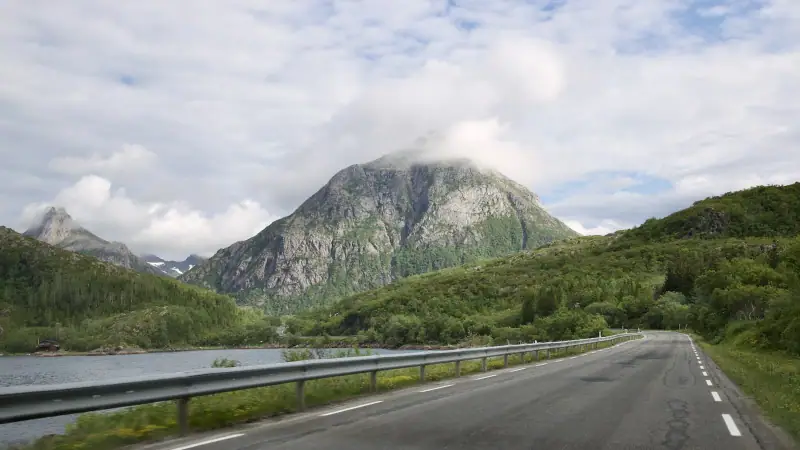
If Oslo is your starting point for a road trip through the western fjords, preferably choose lodging west of the center or on the outskirts with parking. This spares you from crossing Oslo on the morning you leave, and the signs for the E16 (Bergen road) or the E18 (south coast) are quickly reached from Frogner or Skøyen.
Car rental in Oslo: the main companies (Hertz, Avis, Sixt, Europcar) are at Gardermoen Airport and in the city center. Book ahead in summer to avoid sell-outs and get the best rates.
Quick comparison of Oslo’s neighborhoods
| Neighborhood | Vibe | Price | Best for |
|---|---|---|---|
| Sentrum | Urban, lively | ●●●● | First stays, transport |
| Aker Brygge | Chic, waterfront | ●●●●● | Couples, luxury |
| Grünerløkka | Trendy, bohemian | ●●● | Locals’ feel, long stays |
| Frogner/Majorstuen | Quiet, green | ●●●● | Families, museums |
| Grønland/Tøyen | Multicultural | ●● | Tight budgets |
To prepare your trip to Norway as a whole, also compare Oslo and Bergen to decide which will be your main base.
Oslo is a city that reveals more the longer you know it: the Oslomarka forests reachable in 30 minutes, the Oslofjord islands by ferry, world-renowned museums and a growing food scene. Whichever neighborhood you choose, Oslo’s compactness means you are always a few minutes from the essentials.
Frequently asked questions
What is the best neighborhood to stay in Oslo?
Sentrum (the city center around Oslo S) is ideal for a first stay: everything is reachable on foot or by public transport. Grünerløkka suits travelers who like a trendy, local atmosphere. Aker Brygge and Tjuvholmen appeal to those looking for the upscale waterfront.
Is Oslo expensive for accommodation?
Yes, Oslo is one of the most expensive cities in Europe for lodging. Plan 1,200-2,000 NOK (€110-185, about $130-215) for a standard 3-star hotel, and 400-600 NOK (€36-55, about $42-64) per person in a hostel. Hostels and Airbnb rentals can cut costs significantly.
Is it better to stay in Oslo or nearby to save money?
The immediate surroundings of Oslo (Asker, Sandvika, Ski) have hotels 20 to 30% cheaper with quick access to the center by regional train (30 to 45 min). It is a good option if you have a car or leave early in the morning for the fjords.
Do you need to book far ahead in Oslo?
In summer (June to August), book at least 2 to 3 months ahead. Oslo hosts many international events and good places fill up quickly. Off season, 2 to 3 weeks is usually enough.
Does public transport run well at night in Oslo?
Oslo has night lines on weekends (Nattbuss). On weekdays, the last T-bane runs around 1 am. If your lodging is in the city center or near a T-bane station, you can get around easily in the evening without a taxi.
Is parking easy in Oslo?
On-street parking in central Oslo is paid and limited (about 70-95 NOK for the first hour for a combustion car, about half that for an electric one). Large hotel chains have paid parking (about 200-300 NOK a night: check with the hotel). If you arrive by car to head on to the fjords, choose a hotel with parking included or near a park-and-ride (P+R).
Which Oslo neighborhood suits families with children?
Bygdøy is ideal for families: a concentration of museums (Fram, Kon-Tiki; the Viking Ship Museum is closed for reconstruction, reopening expected late 2027) reachable on foot or by ferry. Frogner, next to Bygdøy, is a quiet residential neighborhood with large green spaces. Vigeland Park is nearby.
More Norway guides
Keep reading
Where to Stay in Bergen: Best Neighborhoods and Hotels
Complete guide to where to stay in Bergen: historic Bryggen, the city center, Nordnes. Hotels, hostels and rentals for every budget.
Where to Stay in Ålesund: Best Neighborhoods and Places to Stay
Where to stay in Ålesund: Art Nouveau center, Brosundet canal, hotels and hostels. A guide for every budget in western Norway.
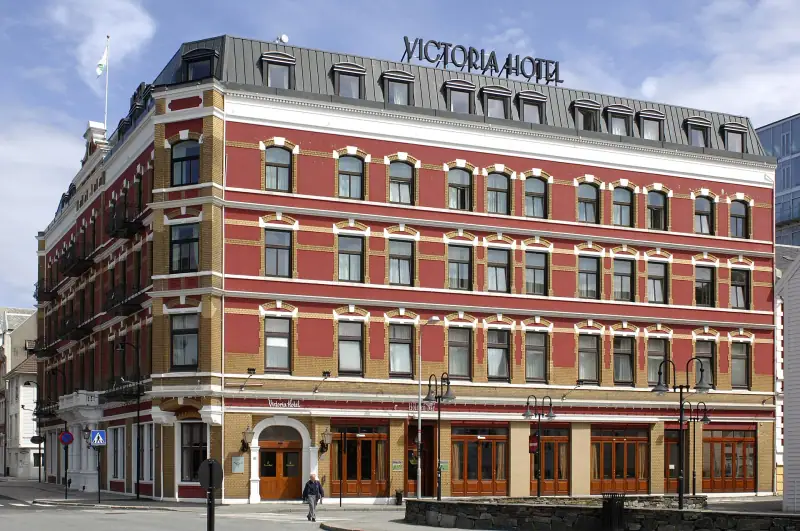
Where to Stay in Stavanger: The Best Areas and Hotels
Where to stay in Stavanger: Gamle Stavanger, the city center and the harbor. Hotels, hostels and rentals for every budget in Norway.
Ready-made
Norway itineraries
7 days
Norway in 7 Days: Complete Itinerary for Oslo, Bergen and the Fjords
OsloBergen
Can be adapted in the planner
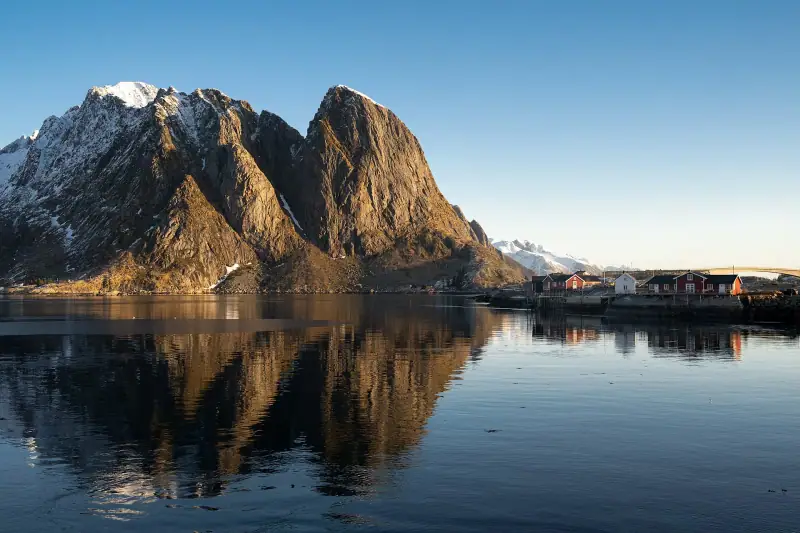
Road Trip Through the Norwegian Fjords: Itinerary and Tips
Complete guide to a fjords road trip in Norway: scenic routes, Geirangerfjord, Nærøyfjord, stops and practical driving tips.
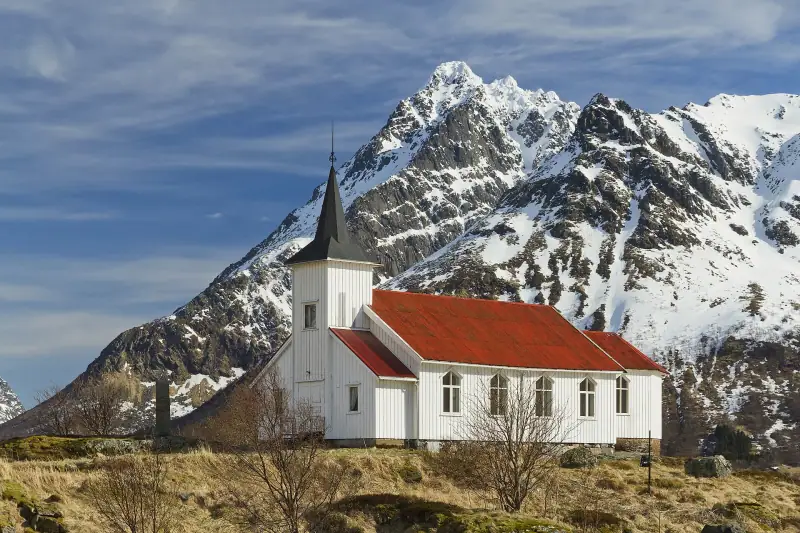
7 days
Lofoten and Tromsø in one week: doable or too ambitious?
Combining Lofoten and Tromsø in 7 days: real distances, travel times, a day-by-day plan and alternatives if the pace is too tight.