Plan your trip
Best Time to Visit Norway: Month-by-Month Guide
We may earn a commission when you book through links on this page, at no extra cost to you. We don't visit or try the places we cover: we summarize published sources. How we work
In short
- Summer (June to August) is best for fjords and hiking, but July and August bring the biggest crowds and highest prices.
- Northern lights are visible from mid-September to the end of March, peaking from November to January.
- In Tromsø the sun does not set from May 20 to July 22, and the polar night runs from November 26 to January 15.
- For fewer crowds, choose June, late August or September; for the lowest prices, November or February.
Norway is one of the few destinations where the answer to “when should I go?” really depends on what you came for. The northern lights only appear in winter. The midnight sun, only in summer. Waterfalls swollen with snowmelt, in spring. Autumn colors and the first snowflakes, in October. Every season has its own magic, constraints and advantages. Here is the complete guide to choosing your timing based on your priorities.
Summer in Norway (June to August)
Summer is Norway’s high tourist season, and for good reason: it is the most accessible period and the best for outdoor activities.
What you will find in summer
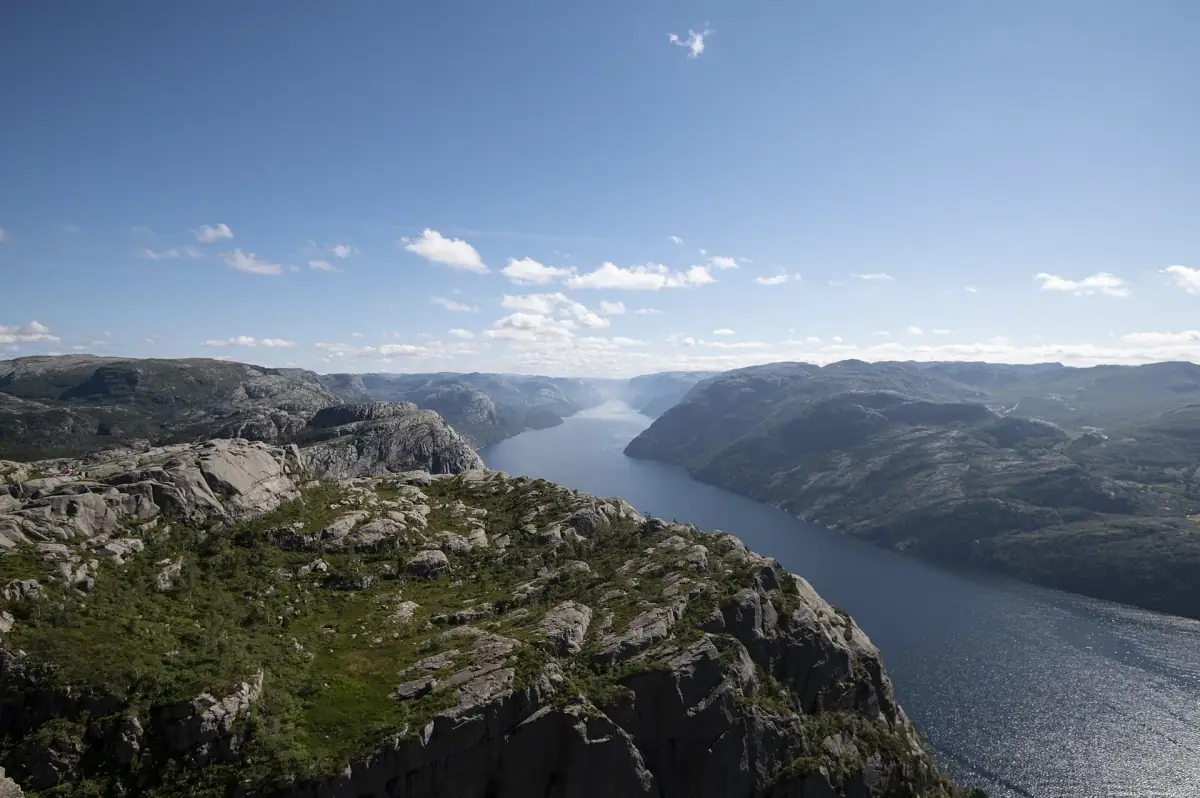
The fjords at their best. The water is calm and a deep blue-green. Waterfalls tumble down the rock walls, swollen by snowmelt. Villages are lively, and ferries and cruise boats crisscross the fjords. The light is extraordinary, especially in the evening when the sun is low on the horizon.
The midnight sun. North of the Arctic Circle (from Bodø), the sun does not set from mid-May to late July. In Tromsø, the midnight sun lasts from May 20 to July 22. This phenomenon creates a permanent golden light that is absolutely magical. You can hike at any hour of the day or night.
Accessible hikes. Mountain trails open gradually from June to early July depending on altitude and remaining snow. The big hikes such as Trolltunga and Preikestolen are doable from late June to September.
Pleasant temperatures. In summer, coastal temperatures range between 15 and 22 °C (59 to 72 °F). In the fjords it can reach 25 °C (77 °F) in good weather. On mountain plateaus and in the far north, expect 10 to 15 °C (50 to 59 °F).
The downsides of summer
- High season: July and August are the busiest months. The iconic sites (Trolltunga, Preikestolen, Geirangerfjord) can be packed. Be sure to book ahead.
- High prices: lodging and car rentals peak in July and August.
- No northern lights: the sky never gets dark enough in the north to see the aurora in summer.
- White nights can be hard for some: the midnight sun can disrupt sleep. Bring a sleep mask.
Summer at a glance
Best for: a first trip, families with children, hiking, fjords, the Lofoten Islands, Tromsø, road trips.
Skip if: you are on a tight budget or want to avoid crowds.
Hotels in Norway
Book early for summer: the best places go fast.
Autumn in Norway (September to October)
Autumn may be the most underrated season to visit Norway. Yet it is the one many seasoned travelers prefer.
What you will find in autumn
Fall colors. From mid-September to mid-October, Norway’s forests turn into a canvas of red, orange and gold. The fjords reflect these colors in their calm waters. The contrast with the already snow-capped peaks is striking.
The first northern lights. The aurora season starts in September. As soon as nights get dark enough again (around August 20 in the north), the first auroras appear. September and October sometimes offer the best auroras of the year.
Fewer people. After August 15, most summer tourists have gone home. The fjords regain their calm. Lodging is cheaper and easier to find.
Still mild temperatures. In September you can still enjoy pleasant temperatures on the coast (12 to 18 °C / 54 to 64 °F). In October you need to start dressing warmly, especially in the north.
The downsides of autumn
- Unpredictable weather: autumn is the rainiest season in some regions (Bergen in particular).
- Some lodging closes: a few lodges and campgrounds close in late August or early September.
- Days getting shorter fast: from October on, days shorten quickly.
Autumn at a glance
Best for: photographers, northern lights fans, hikers looking for quiet, smaller budgets.
Best combination: fjords + the start of the aurora season, late September.
Winter in Norway (November to March)
Norwegian winter is an experience in its own right. It is not a season for the cold-averse or the unprepared, but it is a magical one for those who venture out.
What you will find in winter
The northern lights. This is the prime season for the phenomenon. From November to March, nights are long in the north, creating the best conditions to see them. In December, Tromsø has a “polar night” (the sun does not rise at all). The northern lights in Norway are the most moving natural show the country can offer.
Snowy landscapes. Norway in winter has a fairytale beauty. Fjords framed by snow-covered mountains, Lofoten villages under the snow, silent forests… This is postcard Norway.
Winter sports and Arctic activities. Cross-country skiing, downhill skiing, dog sledding, snowmobiling, ice fishing, whale watching (around the Vesterålen islands from November to January): winter offers activities you can’t find anywhere else. For downhill skiing, our guide to skiing in Norway: Trysil, Hemsedal and the other resorts covers the season and access.
Lower prices outside the holidays. November, January and February have the lowest prices of the year. It is the ideal time to see the northern lights without breaking the bank.
The downsides of winter
- Intense cold: in Tromsø in January, temperatures regularly drop to -10/-20 °C (14 to -4 °F). You need proper gear.
- Very short days: in Tromsø, the polar night lasts from November 26 to January 15. Some people find the total absence of natural light hard.
- Some roads closed: mountain passes and some secondary roads are impassable.
- Fewer classic outdoor activities: summer hikes are not possible. You have to adapt to winter activities.
Winter at a glance
Best for: northern lights, Arctic activities, photography, romance, one-of-a-kind experiences.
Months to favor: December for Christmas magic + auroras, January for the polar night, March for auroras + the return of the light.
Northern lights tours
Guided tours from Tromsø and the Lofoten Islands to maximize your chances.
Spring in Norway (April to May)
Spring is a transitional season, less popular but with real strengths.
What you will find in spring
Waterfalls at full strength. Snowmelt swells the rivers, and waterfalls reach peak flow in April and May. The fjord waterfalls, already impressive, become raging torrents that are absolutely spectacular.
Fewer tourists. April and May are among the least busy months. You can enjoy the sites without the summer crowds.
Mid-range prices. Prices are more affordable than in summer. Lodging is available and rental cars are cheaper.
End of the aurora season. In early April you can still hope for northern lights in the north, especially if solar activity is strong.
The downsides of spring
- Trails not yet open: the big hikes stay snowy and dangerous until June.
- Changeable weather: spring can be very rainy, especially on the west coast.
- Some activities not yet available: summer fjord cruises have not started yet.
Month-by-month summary table
| Month | Weather | Northern lights | Hiking | Tourism | Budget |
|---|---|---|---|---|---|
| January | Cold, snow | Excellent | No | Low | Low |
| February | Cold, snow | Excellent | No | Low | Low |
| March | Cold → mild | Good | No | Medium | Low-medium |
| April | Cool, rain | Weak | Partly | Low | Medium |
| May | Mild | No | Partly | Medium | Medium |
| June | Nice, warm | No | Yes | Medium-high | High |
| July | Warm | No | Yes | Very high | Very high |
| August | Warm | No | Yes | High | High |
| September | Variable | Starting | Yes (early) | Medium | Medium |
| October | Cool, rain | Good | No | Low-medium | Low-medium |
| November | Cold, snow | Very good | No | Low | Low |
| December | Cold, snow | Excellent | No | Medium (Christmas) | Variable |
Recommendations by traveler type
- Families with children: July (midnight sun, varied activities, accessible fjords)
- Northern lights: December-January (polar night, highest probability)
- Hiking: mid-July to mid-August (open trails, stable weather)
- Photographers: September-October (fall colors + first auroras) or March (winter light + auroras)
- Smaller budgets: November or February (outside the holidays)
- Fjords without the crowds: June or late August-September
- Road trip: June to September (roads open, long days)
Whatever time you choose, Norway won’t disappoint. It is one of those rare countries where every season is worth experiencing.
Frequently asked questions
What is the best season to visit Norway?
It depends on what you want. Summer (June to August) is ideal for the fjords and hiking. Winter (Nov to March) is the time for the northern lights. Autumn is excellent for colors and smaller crowds.
When can you see the northern lights in Norway?
The northern lights are visible from mid-September to the end of March, peaking from November to January. Tromsø and the Lofoten are the best places.
When exactly is the midnight sun in Norway?
The midnight sun occurs north of the Arctic Circle (north of Mo i Rana). In Tromsø, the sun does not set from May 20 to July 22. In Svolvær in the Lofoten Islands, it lasts from late May to mid-July.
Can you visit the fjords in winter?
Yes, the fjords can be visited all year. In winter the snowy landscapes are magical and there are fewer tourists. Some mountain passes close, but the main roads stay open.
What time of year should you avoid in Norway?
July and August are high season, with the highest prices and the busiest sites. If you prefer fewer people, avoid that period or come in June or September.
More Norway guides
Keep reading
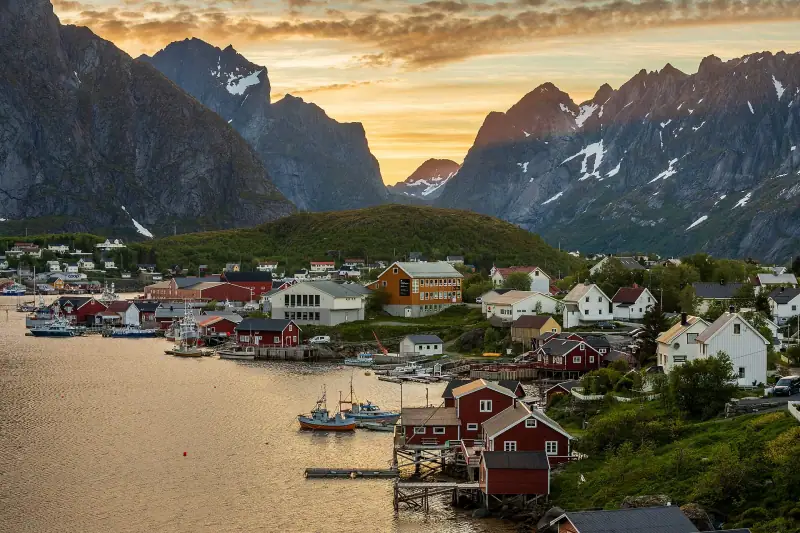
Norway Trip Budget: How Much Does a Trip Cost in 2026?
How much to budget for a trip to Norway? Detailed prices for lodging, food, transport and activities, plus tips to save money.
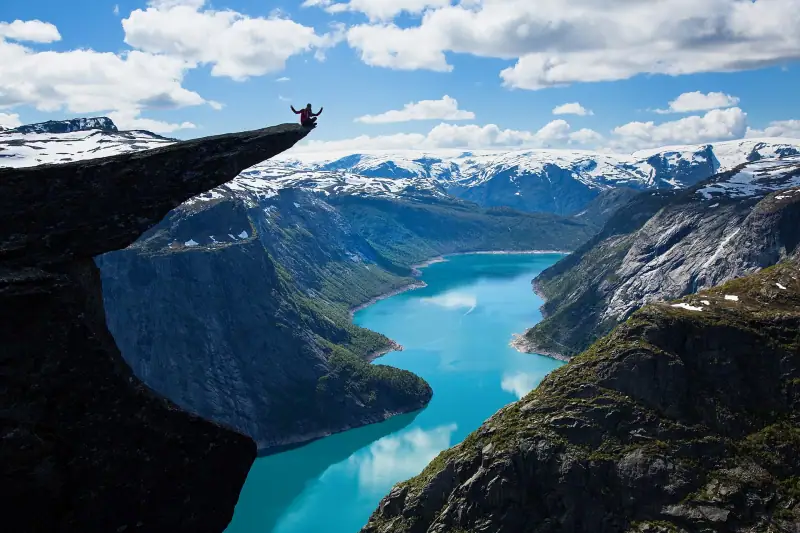
Trolltunga and Preikestolen: Guide to Norway's Two Iconic Hikes
All about Trolltunga and Preikestolen: access, difficulty, season, logistics. Norway's two most spectacular hikes explained in detail.
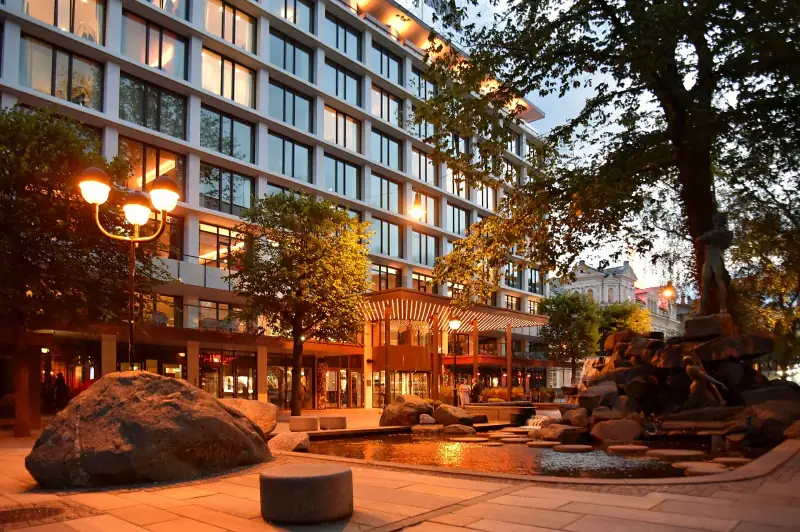
Where to Stay in Bergen: Best Neighborhoods and Hotels
Complete guide to where to stay in Bergen: historic Bryggen, the city center, Nordnes. Hotels, hostels and rentals for every budget.
Ready-made
Norway itineraries

7 days
Norway in 7 Days: Complete Itinerary for Oslo, Bergen and the Fjords
OsloBergen
Can be adapted in the planner
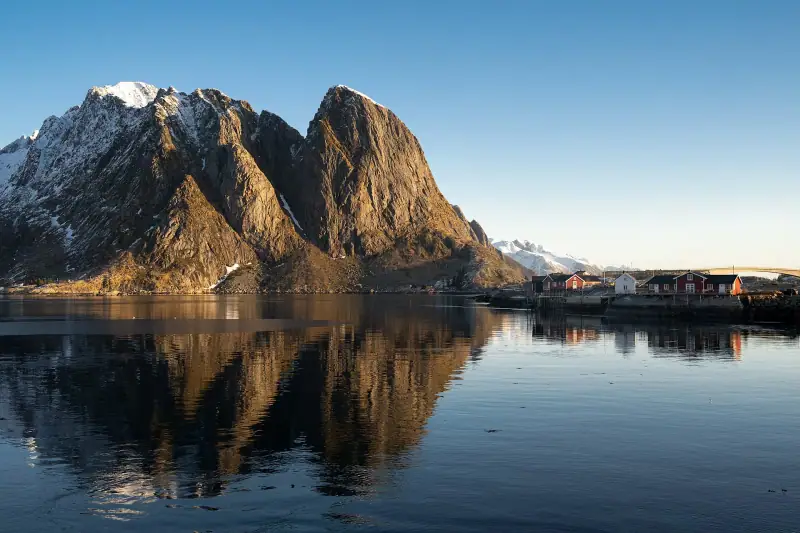
Road Trip Through the Norwegian Fjords: Itinerary and Tips
Complete guide to a fjords road trip in Norway: scenic routes, Geirangerfjord, Nærøyfjord, stops and practical driving tips.
7 days
Lofoten and Tromsø in one week: doable or too ambitious?
Combining Lofoten and Tromsø in 7 days: real distances, travel times, a day-by-day plan and alternatives if the pace is too tight.