Where to stay
Where to Stay in the Lofoten Islands: Rorbuer, Hotels and Lodging at the Best Price
We may earn a commission when you book through links on this page, at no extra cost to you. We don't visit or try the places we cover: we summarize published sources. How we work
In short
- A rorbu (traditional fishermen's cabin on stilts) is the signature place to stay: about 1,200-2,500 NOK (€110-225, about $130-260) a night in summer.
- Svolvær is the practical hub, Reine the most picturesque village, Henningsvær the artists' village; Å and Nusfjord suit travelers who want isolation.
- In July and August, book rorbuer and hotels 6 to 12 months ahead; for winter and the northern lights, 2 to 4 months. Winter prices drop 30 to 50%.
- A rental car is practically essential, and a kitchen in your lodging saves money since restaurants are rare and expensive.
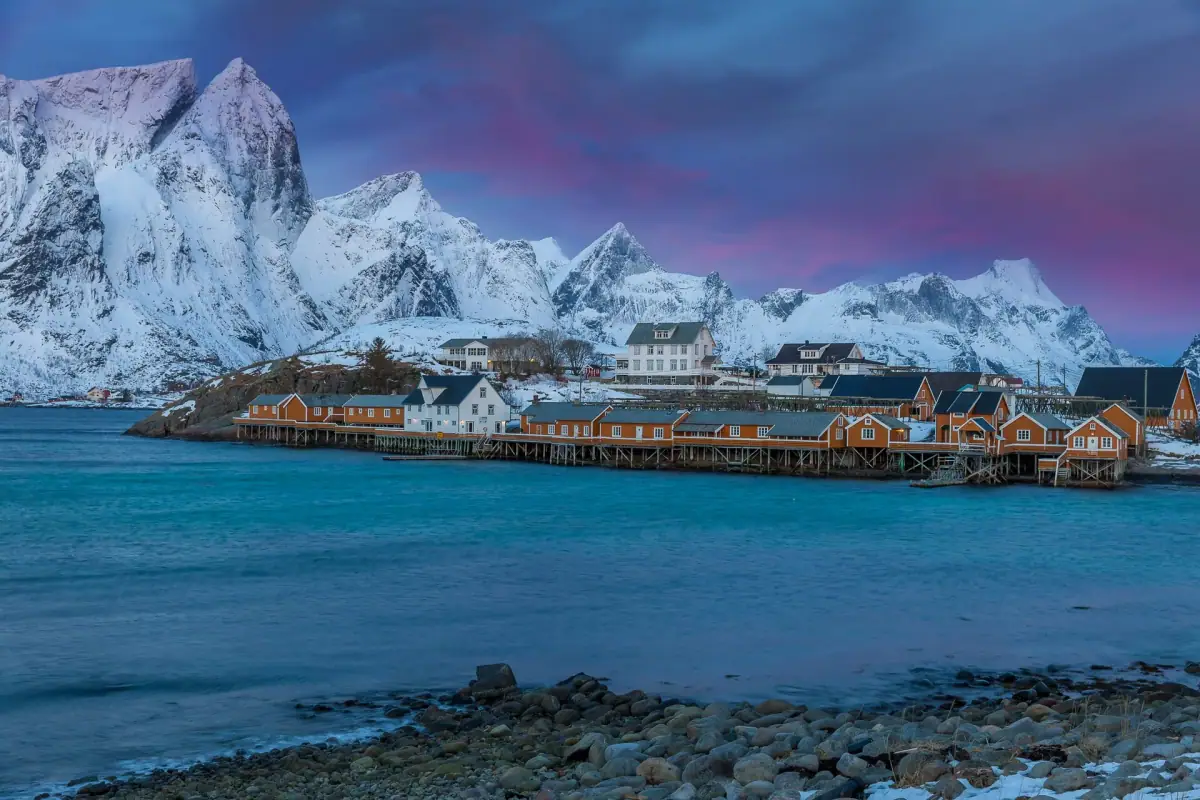
The Lofoten Islands are considered one of the most spectacular archipelagos in Europe. Peaks of black granite plunging into an emerald-green sea, fishing villages with red houses built over the fjord waters, white sand beaches contrasting with snowy mountains… The Lofoten Islands defy description. And the lodging lives up to the scenery.
Where you stay in the Lofoten Islands shapes your experience: a rorbu on stilts in a fishing village gives you direct access to Nordic authenticity, while a hotel in Svolvær offers more amenities and mobility. Here is the complete guide to making the right choice.
The villages of the Lofoten Islands: where to base yourself
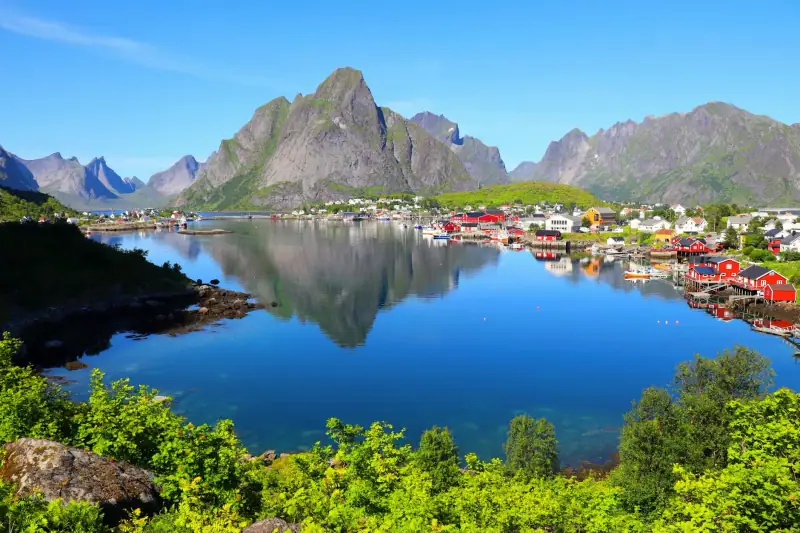
The Lofoten Islands archipelago stretches about 160 km (99 mi) from east to west, crossed by the E10 road (also called the “Lofoten road”). It is worth knowing the main villages before you book.
Svolvær: the main hub of the Lofoten Islands
Svolvær is the “capital” of the Lofoten Islands, with a population of about 4,700. Ferries from Bodø arrive here and most excursions leave from here. The town is not the most photogenic in the archipelago, but it has the fullest range of lodging, along with supermarkets, car rentals and transport connections.
Best for: logistics base, families with children, short stays, departure point for excursions.
Henningsvær: the artists’ village
Set on a group of small islands linked by bridges, Henningsvær is nicknamed the “Venice of the Lofoten Islands.” It is the favorite village of photographers and artists. It has several art galleries, trendy cafés and highly sought-after rorbuer.
Best for: photographers, couples, art and food lovers.
Reine: the most photographed village in the world
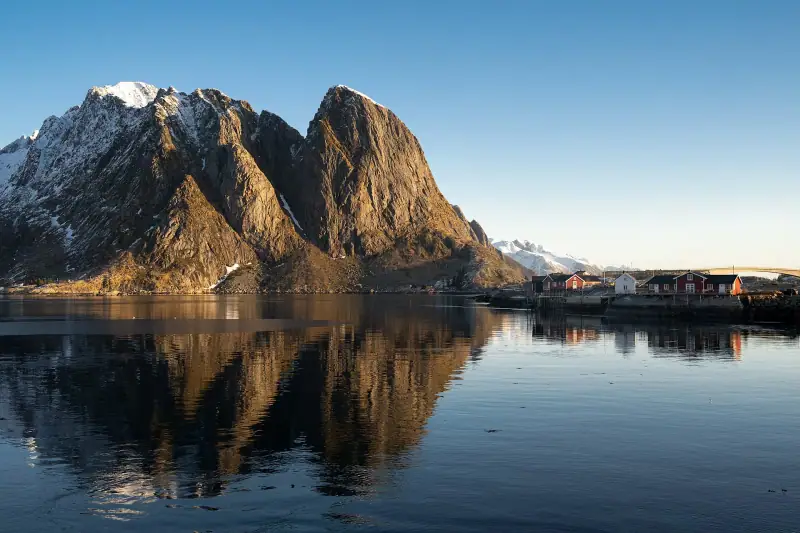
Reine is regularly cited as one of the most beautiful villages in the world. Its setting between the fjords and the granite peaks is absolutely spectacular. The rorbuer in Reine are among the most in-demand in Norway. Few amenities there, but breathtaking beauty.
Best for: honeymoons, romantic stays, photography, an authentic experience.
Å: the end of the world in the Lofoten Islands
Å (pronounced “O”) is the last village at the western tip of the Lofoten Islands, where the road ends. It is a living museum village, with a museum of fishing and cod, and rorbuer that seem unchanged for decades.
Best for: travelers looking for absolute authenticity, maritime history lovers, hikers.
Nusfjord: the protected village
Nusfjord is one of the best-preserved fishing villages in Norway, listed as a historic heritage site. You can rent rorbuer here and live an experience from another era.
Leknes and Stamsund: the practical alternatives
Leknes is the second town of the archipelago, with an airport (LKN) served from Oslo. Less picturesque than the other villages, it offers more affordable prices and easy access to the whole archipelago. Stamsund is a charming fishing village with a famous hostel on the harbor.
Lodging in the Lofoten Islands
Rorbuer, hotels and cabins: compare and book well ahead.
Types of accommodation in the Lofoten Islands
Rorbuer: the signature experience
Rorbuer (singular: rorbu) are the most iconic form of lodging in the Lofoten Islands. These red wooden cabins, originally used by cod fishermen who came from all over the country for the winter season (the world’s largest cod fishery takes place in the Lofoten Islands from January to April), have been renovated and turned into tourist lodging.
Features of a rorbu:
- Red wooden construction on stilts over the water
- Direct view of the fjord or harbor
- Equipped kitchen (most often)
- 1 to 4 bedrooms depending on size
- Unmatched authentic atmosphere
Rorbu prices:
- Small rorbu (2 people): 1,200-2,000 NOK (€110-180, about $130-210) a night in summer
- Large rorbu (4-6 people): 2,000-4,000 NOK (€180-365, about $210-425) a night in summer
- In winter: 30 to 50% cheaper
Where to find them: Reine, Å, Nusfjord, Henningsvær, Kabelvåg, Stamsund and most fishing villages.
Hotels
Standard hotels are mainly concentrated in Svolvær and Leknes. There are also a few in Henningsvær. Hotels in the Lofoten Islands often have modern architecture that plays with local materials (wood, stone).
Hotel prices:
- Standard hotel (3 stars): 900-1,400 NOK (€82-127, about $95-145) a night
- Boutique or design hotel: 1,500-2,500 NOK (€135-230, about $155-265) a night
Camping
Camping is a popular, economical option in the Lofoten Islands, with the bonus of watching the northern lights from your tent in winter, or enjoying the midnight sun in summer.
Camping options:
- Official campsites: 150-300 NOK (€14-27, about $16-31) a night for 2 people plus a tent
- Campsite cabins (hytter): 500-900 NOK (€45-82, about $52-95) a night
- Wild camping: free (legal on public land)
Gear needed: In summer, a comfortable sleeping bag and a waterproof tent are enough. In winter, you need four-season gear and winter camping experience.
Hostels
The Lofoten Islands have a few very well-located hostels. The one in Stamsund, right on the harbor, is an institution among travelers from around the world, who sometimes stay several weeks.
Prices: 250-450 NOK (€23-41, about $27-48) per person in a dorm, 700-1,100 NOK for a private room.
Activities in the Lofoten Islands
Hiking, fishing, kayaking, northern lights and surfing.
Lofoten in winter vs. summer: how it affects lodging
Summer (June to August)
This is peak season. The midnight sun lights the landscapes around the clock, hikes are possible, beaches are accessible. Rorbuer and hotels are full months ahead. Prices are at their peak. Book 6 to 12 months ahead to be sure of your first choice.
Tip: If you did not book early, look at last-minute rentals or lodging in lesser-known villages (Ballstad, Myrland, Borg).
Winter (November to March)
The season of the northern lights and of cod fishing. The snow-covered landscapes are dramatically beautiful. Prices drop 30 to 50%. The mood is quieter, more authentic. Rorbuer with a wood stove and a sea view under the stars create unforgettable memories.
Tip: Book 2 to 3 months ahead for winter. The cold can be intense (down to -10 to -15 °C, or 14 to 5 °F) but the lodging is well heated.
Practical tips for lodging in the Lofoten Islands
A car is essential. The Lofoten Islands have no reliable public transport between villages. A rental car is almost essential, unless you settle in a single village for a contemplative stay. Compare offers with our car rental guide.
Equipped kitchen = savings. Restaurants are rare and expensive in the Lofoten Islands. A rorbu or an apartment with a kitchen lets you buy fresh fish at the harbor (the cheapest there is) and cook for yourself. It is also an experience in itself.
Limited mobile network in some areas. In the fjords and the most isolated islands, coverage can be poor. Download offline maps.
Ferry access. To reach some of the Lofoten Islands islands (Værøy, Røst), you need to take a ferry. Check schedules ahead, as ferries are less frequent off season.
Car rental in the Lofoten Islands
Essential for exploring the archipelago. Book early.
Frequently asked questions
What is a rorbu in the Lofoten Islands?
A rorbu is a traditional red wooden fisherman's cabin built on stilts over the water. Once used by cod fishermen, they have been converted into tourist lodging and are the most authentic place to stay in the Lofoten Islands.
What is the best place to stay in the Lofoten Islands?
Svolvær is the main town and the practical hub. Reine is the most picturesque village. Henningsvær is the artists' village. For the northern lights and fishing, the outer islands such as Å or Nusfjord offer absolute isolation.
Is lodging in the Lofoten Islands expensive?
The Lofoten Islands are among the most expensive regions of Norway in summer. A rorbu costs 1,200-2,500 NOK (€110-225, about $130-260) a night. In winter, prices drop 30 to 50%. Camping is a popular budget alternative.
Do you need to book far ahead in the Lofoten Islands?
Absolutely. In July and August, rorbuer and hotels in the Lofoten Islands are booked 6 to 12 months ahead. It is one of the trendiest destinations in Europe. In winter (northern lights), book 2 to 4 months ahead.
Can you camp freely in the Lofoten Islands?
Yes, wild camping is legal in Norway (allemannsretten). You can pitch your tent on public land more than 150 meters (490 ft) from a dwelling. Respect the environment and leave the place clean.
More Norway guides
Keep reading
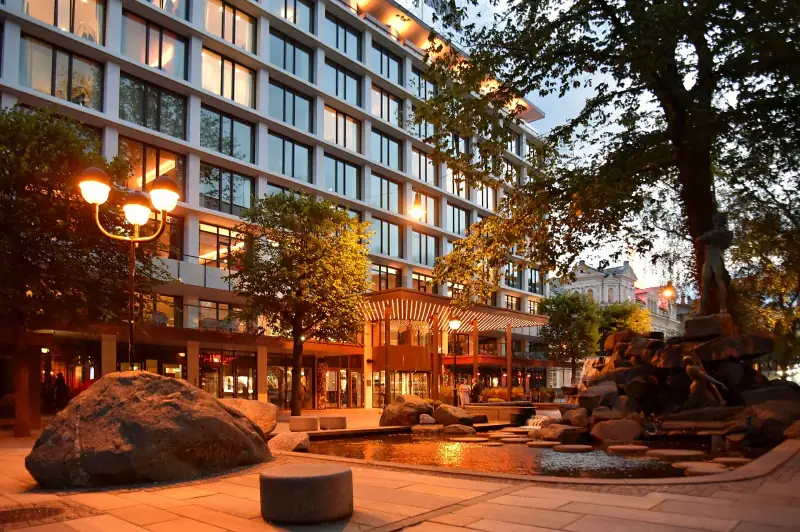
Where to Stay in Bergen: Best Neighborhoods and Hotels
Complete guide to where to stay in Bergen: historic Bryggen, the city center, Nordnes. Hotels, hostels and rentals for every budget.
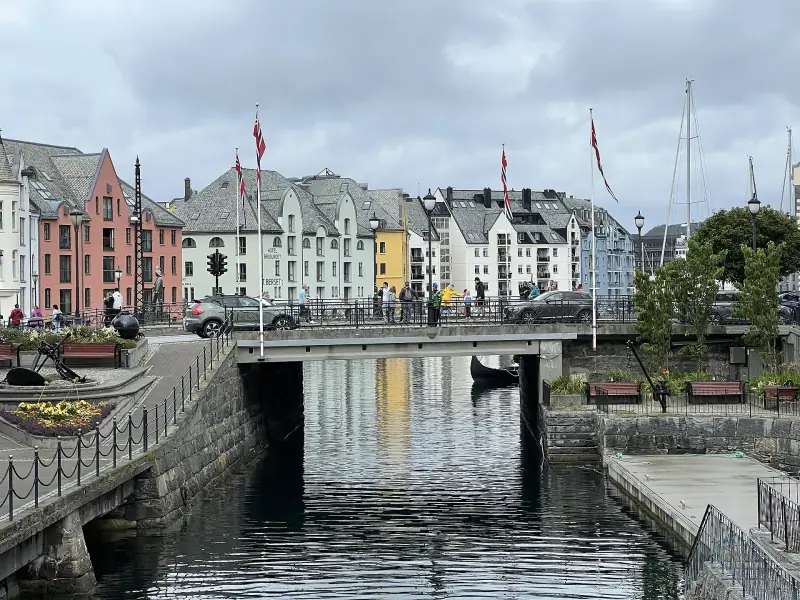
Where to Stay in Ålesund: Best Neighborhoods and Places to Stay
Where to stay in Ålesund: Art Nouveau center, Brosundet canal, hotels and hostels. A guide for every budget in western Norway.
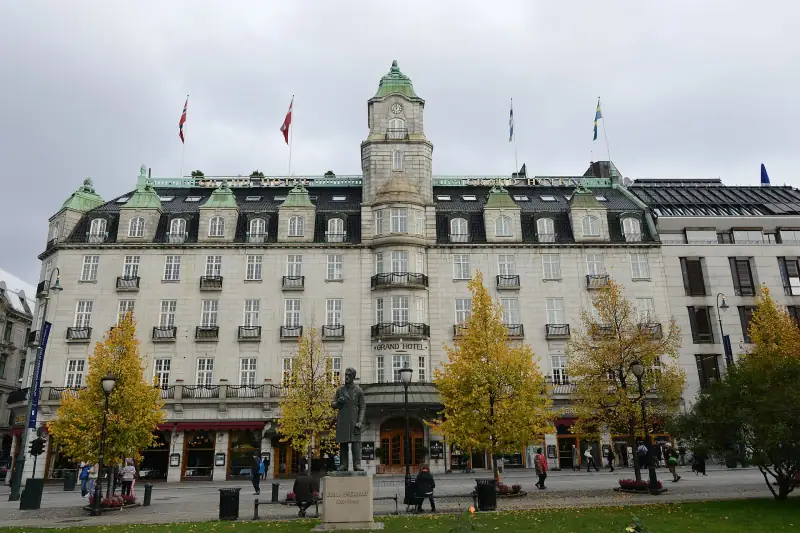
Where to Stay in Oslo: Best Neighborhoods and Places to Stay
Complete guide to where to stay in Oslo: Sentrum, Aker Brygge, Grünerløkka, Frogner, Grønland. Hotels, hostels and budget tips.
Ready-made
Norway itineraries
7 days
Norway in 7 Days: Complete Itinerary for Oslo, Bergen and the Fjords
OsloBergen
Can be adapted in the planner
Road Trip Through the Norwegian Fjords: Itinerary and Tips
Complete guide to a fjords road trip in Norway: scenic routes, Geirangerfjord, Nærøyfjord, stops and practical driving tips.
7 days
Lofoten and Tromsø in one week: doable or too ambitious?
Combining Lofoten and Tromsø in 7 days: real distances, travel times, a day-by-day plan and alternatives if the pace is too tight.