Things to do
Things to Do in Essaouira: Medina, Ramparts, Port and Beaches
We may earn a commission when you book through links on this page, at no extra cost to you. We don't visit or try the places we cover: we summarize published sources. How we work
In short
- One day covers the medina, ramparts and port; two days add the beach, the galleries and, if the wind allows, a water sport.
- From Marrakech it is about 175 km (109 mi), close to 3 hours by car; buses and organized transfers also run the route.
- The medina is small, laid out on a regular plan, and easy to walk alone. Sunset on the ramparts is the classic moment; bring a jacket for the wind.
- The Atlantic water stays cool even in summer, and the wind makes swimming less comfortable but suits kitesurfing and windsurfing.
Set on the Atlantic coast, west of Marrakech, Essaouira charms with an atmosphere very different from that of the big imperial cities. Here you stroll between ramparts beaten by the waves, whitewashed alleys and artisans’ shops, all set to the rhythm of the wind and the cry of seagulls. Once known as Mogador, the town has seen merchants, sailors and artists pass through, and it has kept a bohemian side that suits a relaxed stay. Here is what to see and do to make the most of the windy city.
The Essaouira medina: a UNESCO-listed city
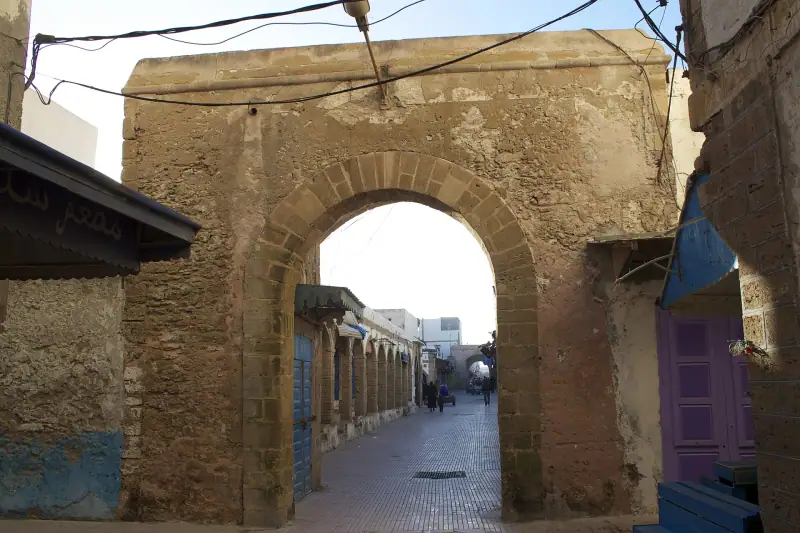
The medina is the focus of the stay. A UNESCO World Heritage site, it was laid out on a fairly regular plan, unusual for a medina, which makes it far easier to read than the mazes of Fes or Marrakech. You find your way easily, and you can get lost without anxiety, since the sea is never far.
The alleys are lined with houses with blue shutters, art galleries and workshops. Artisans work thuya wood, a local species with a warm tint and marked grain, found in boxes, chests and small inlaid furniture. Sellers are generally less insistent than in the big souks: the visit feels more relaxed.
A few pointers for enjoying the medina:
- Morning: the calmest time to walk the alleys and photograph doors and facades without the crowd.
- Afternoon: shops and workshops are fully active, and the mood is livelier around Moulay Hassan square.
- End of the day: the light on the white walls and ramparts is especially beautiful.
Allow at least half a day to cover it without rushing, more if you like to browse the stalls or stop in a café.
The ramparts and the Skala de la Ville
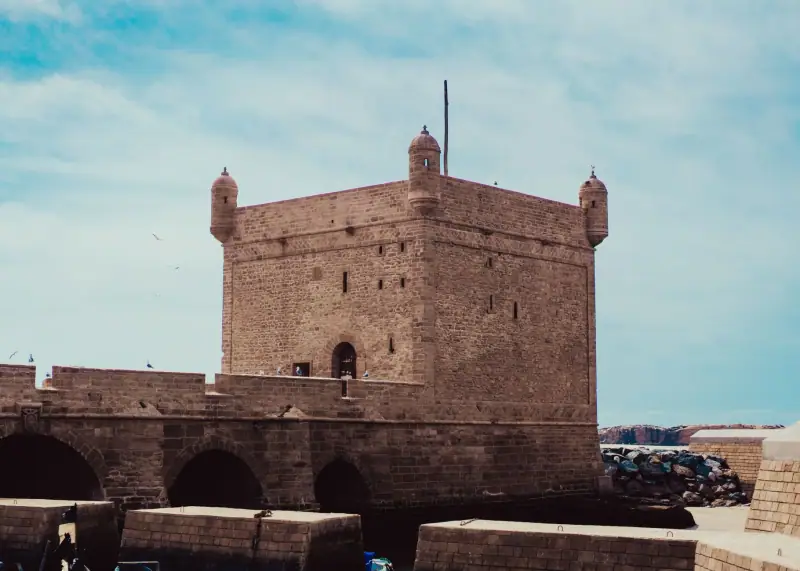
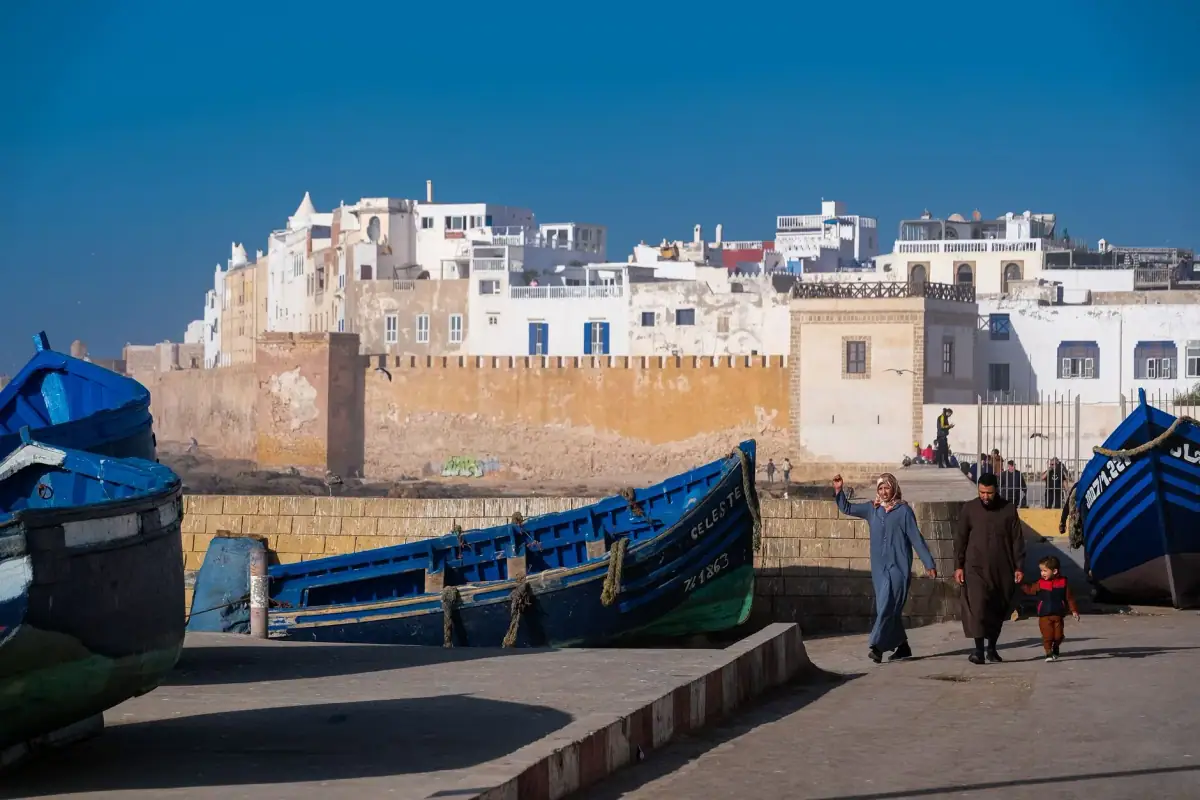
Essaouira’s fortifications are among its finest assets. Built in the 18th century with the help of European architects, they overlook the ocean and hold a long terrace lined with old cannons. This promenade, called the Skala de la Ville, offers an open view of the sea, the medina’s rooftops and the neighboring islets.
People mostly come in late afternoon, when the sun sinks over the Atlantic and the sky turns orange. The wind can be strong there: bring a jacket, even in summer. Artisans set up in the alcoves of the ramparts work thuya, so you can combine a walk with shopping.
The town has also served as a setting for several film shoots, including Orson Welles’s Othello. This history feeds its reputation as a place of creation, still felt in its galleries and festivals.
Where to stay in Essaouira
Medina riads or hotels facing the sea: compare lodgings for your dates and budget.
The fishing port and its blue boats
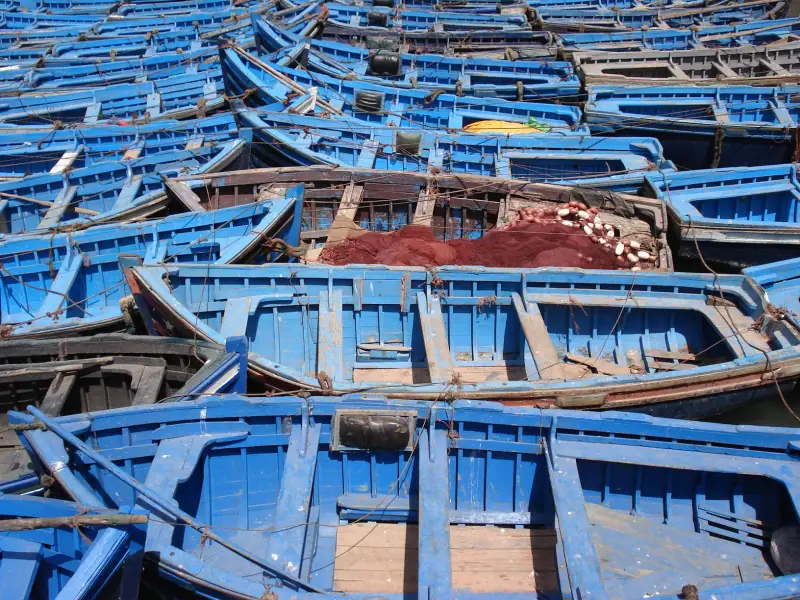
The port is one of the liveliest scenes in town. Wooden boats painted blue are lined up, nets dry on the quays and fishermen prepare their catch. It is a working place, where daily work mixes with the curiosity of visitors.
The visit is most interesting in late morning and at the end of the afternoon, when the boats return and the fish auction is in full swing. The smell of fish and the din of seagulls make for a very sensory experience, sometimes a bit strong for sensitive noses. Watch where you step, as the ground is often wet and slippery.
Nearby, fish and seafood stalls let you choose your piece, which is then grilled on the spot. It is a simple and friendly way to taste seafood. Compare the stalls before choosing and check the freshness of the fish: it should have a clear eye and firm flesh.
From the port you can also reach the Skala du Port, a bastion that offers another viewpoint over the medina and the boats. It is a good complement to the walk on the town’s ramparts.
The beach and wind sports
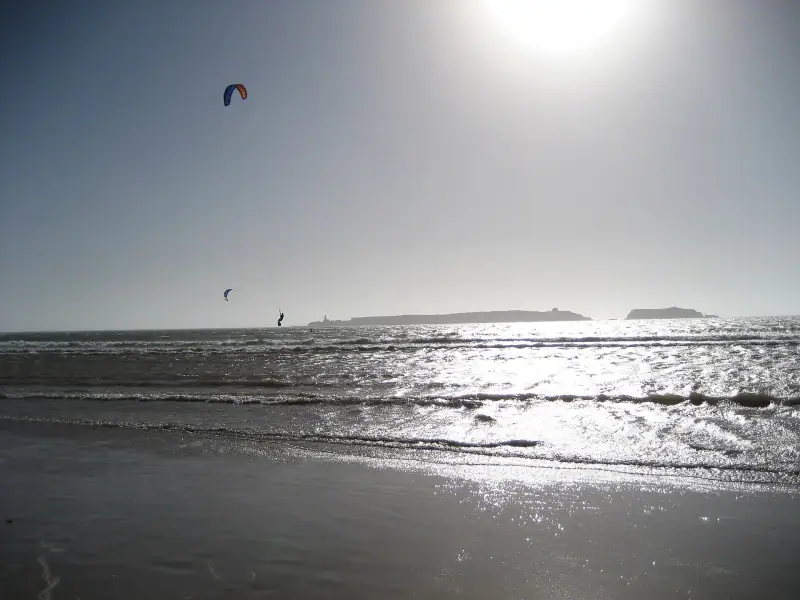
The long sandy beach that stretches south of the medina is the meeting place for residents and travelers alike. People stroll, play soccer, rent a horse or a camel for a ride and have lunch facing the ocean. The trade winds sweeping the bay are behind Essaouira’s reputation in board sports.
Kitesurfing and windsurfing are widely practiced, and several schools offer introductory lessons for beginners. The wind is generally steady, which makes learning easier, but it also makes swimming less comfortable: the water stays cool, even in summer, and very windy days do not suit everyone.
If you do not practice these sports, the beach remains pleasant for a walk at the end of the day. Bring sun protection despite the breeze, which masks the heat of the sun.
To go further, you can reach the neighboring coast on an excursion, with landscapes of dunes and cliffs swept by spray.
Excursions and activities in Essaouira
Kitesurfing lessons, horse or camel rides, guided tours: compare the experiences on offer locally.
Mogador Island and its birds
Off the bay, a small archipelago faces the town: Mogador Island, known for its colony of seabirds. The site is a classified nature reserve and a refuge for several species, including the rare Eleonora’s falcon, which nests there in summer. Access to the island is regulated to protect wildlife, and you generally have to settle for admiring it from the coast or the ramparts.
Its name recalls the town’s former name, Mogador, which designated both the port and the archipelago. In antiquity, the region was known for producing a purple dye extracted from shells, which earned these islets the name Purple Islands. This ancient history partly explains the interest archaeologists still take in the site.
Bird-watchers and wildlife photographers will find an unexpected playground here. Binoculars are very useful, especially in the calm morning hours.
Crafts, argan and galleries
Essaouira is renowned for its crafts. Besides thuya marquetry, you find silver jewelry, fabrics, babouches, rugs and decorative objects. Argan oil, produced inland from the fruits of the argan tree, is one of the region’s flagship products: it is found in food and cosmetic forms.
To shop under good conditions, a few tips are in order:
- Compare prices before deciding, as differences can be large from one shop to another.
- Negotiate with a smile: haggling is common, but it is done courteously.
- Choose cooperatives for argan: they generally guarantee better traceability of the product and recognized work for the women who make it.
- Check the authenticity of thuya: genuine wood gives off a characteristic smell and has a fine grain.
The art galleries, numerous in the medina, exhibit local painters whose naive, colorful style is often inspired by the sea and scenes of daily life. It is a good souvenir to bring home, more original than a mass-produced item.
Getting to Essaouira and getting organized
From Marrakech, the road is the most common option: about 175 km (109 mi), close to 3 hours depending on traffic. Scheduled buses and private transfers also run the route, which saves you from driving on a sometimes busy road. If you prefer the freedom of a rental car, it lets you stop in the argan-tree villages along the way.
In town itself, a car is useless: the medina is car-free and distances are short. Leave the vehicle outside the ramparts and get around on foot.
As for timing, Essaouira can be visited all year. Spring and fall offer a good balance between mildness and sunshine, while summer stays cool thanks to the wind, which makes it a popular stop when the interior of the country is very hot. To compare seasons across the country, see our guide on when to go to Morocco.
Ideas for organizing two days
To make the most of your stay, here is a simple proposal:
- Day 1: arrival, stroll through the medina, fish lunch at the port, then sunset on the ramparts.
- Day 2: morning at the beach or a board activity, visit to the galleries and artisans’ workshops, and dinner in a traditional restaurant in the center.
To extend the food experience, also see our tips on Moroccan dishes to taste, and if you are looking for a base in Marrakech, our guide to where to stay in Marrakech will help you choose.
Bottom line
Essaouira is an ideal stopover for those who want to catch their breath after the bustle of the big cities. Its readable medina, ramparts, lively port and windy beach form a coherent whole, easy to cover in two days. It is a good destination if you like relaxed atmospheres, crafts and sea air, and an excellent complement to a stay in Marrakech.
Frequently asked questions
How long do you need to visit Essaouira?
One day is enough to see the medina, the ramparts and the port. Two days let you enjoy the beach, wander the alleys without rushing and, if the wind cooperates, try a water activity.
How do you get from Marrakech to Essaouira?
The road from Marrakech to Essaouira is about 175 km (109 mi), close to 3 hours by car. Scheduled buses and organized transfers also run the route, which saves you from driving.
Why is it so windy in Essaouira?
The town is exposed to the Atlantic trade winds, which blow steadily for much of the year. This gives it its reputation as the "windy city" and its popularity with kitesurfers and windsurfers.
Can you swim in Essaouira?
Yes, the big beach in the bay is much enjoyed, but the Atlantic water stays cool and the wind can be strong. Follow local instructions and the marked swimming areas.
Is Essaouira suitable for a family visit?
Yes. The medina is explored on foot, the beach is vast and the mood is more relaxed than in Marrakech. Bring warm clothes for the evening, as the breeze cools the air quickly.
Do you need a guide to visit the medina?
It is not essential: the medina is small, well laid out on a grid and easy to walk alone. A guide can, however, offer useful insight into the history of the place.
More Morocco guides
Keep reading
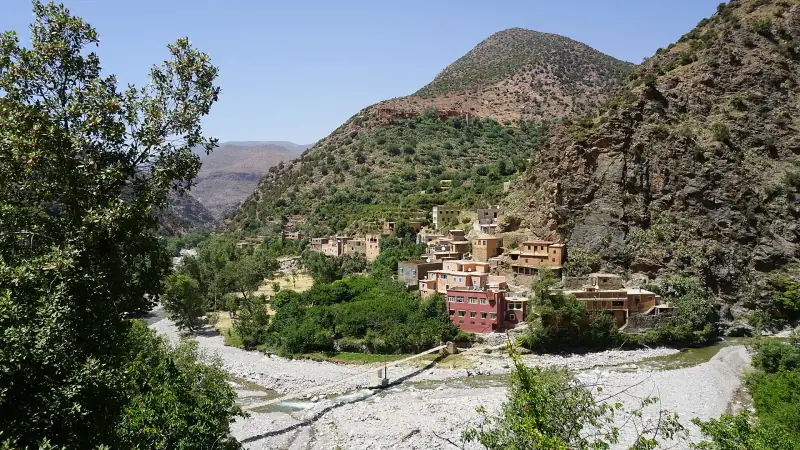
Setti Fatma Waterfalls (Ourika) Without a Tour: Transport, Guide, Difficulty
Setti Fatma on your own from Marrakech: grand taxi, bus or car, whether a guide helps, which waterfalls to pick by level, season and flash-flood risk.
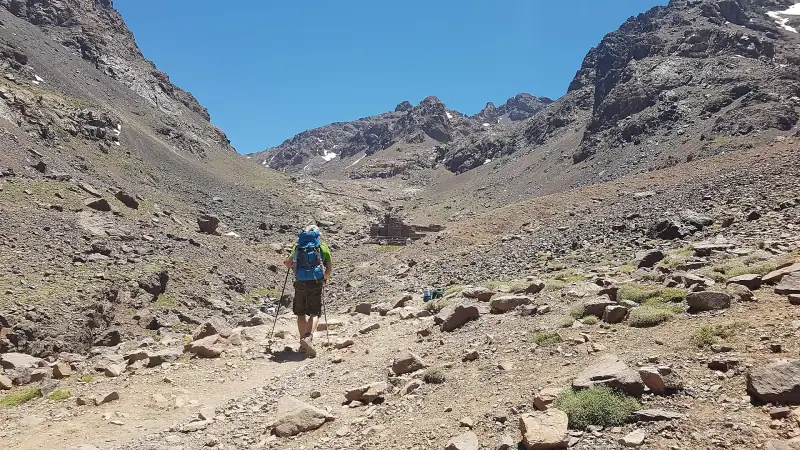
Hiking in the High Atlas: Imlil, Berber Valleys and Toubkal
Hiking in the High Atlas from Marrakech: easy walks around Imlil, climbing Toubkal, seasons, gear, guides and tips to get organized.
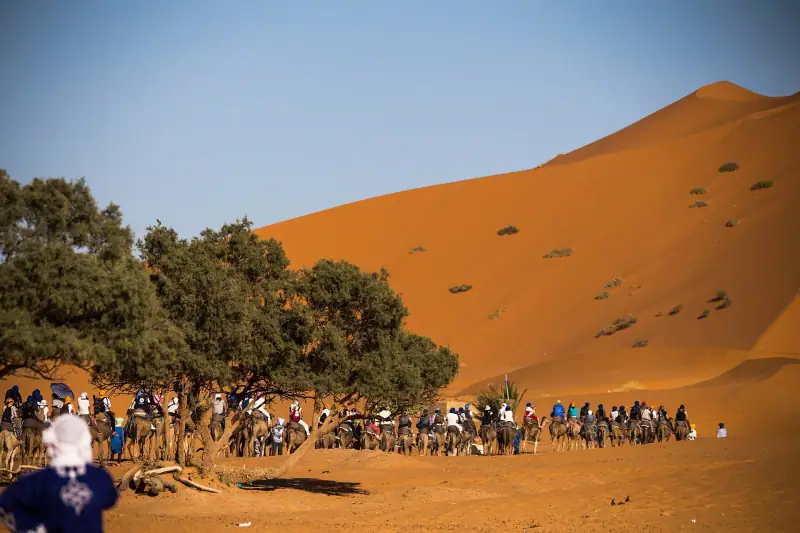
Merzouga Desert: How to Plan Your Erg Chebbi Excursion
Excursion to the Merzouga desert: access from Marrakech or Fes, a night in a desert camp, camel ride, ideal season and tips for choosing well.
Ready-made
Morocco itineraries
10 days
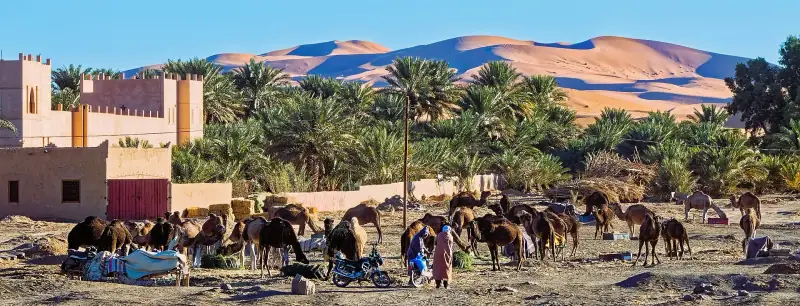
Morocco in 10 Days: Marrakech, the Merzouga Desert, Fes and Chefchaouen
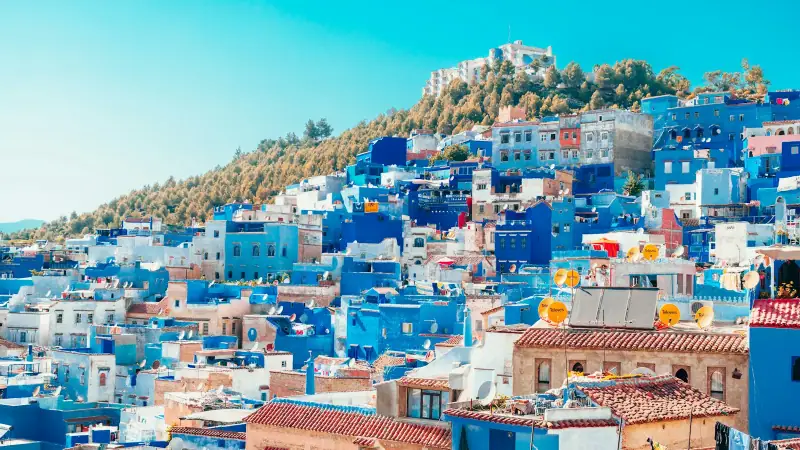
A 10-day Morocco itinerary, day by day: Marrakech, the Atlas, Aït Ben Haddou, Todgha Gorges, Merzouga desert, Fes and Chefchaouen, with drive times.
8 days
Morocco in 8 Days Without a Car: A Realistic Train and Bus Itinerary
Morocco in 8 days without a car: Marrakech, Essaouira, Rabat, Fes and Chefchaouen by train and CTM bus, with distances, travel times and pitfalls to avoid.
5 days
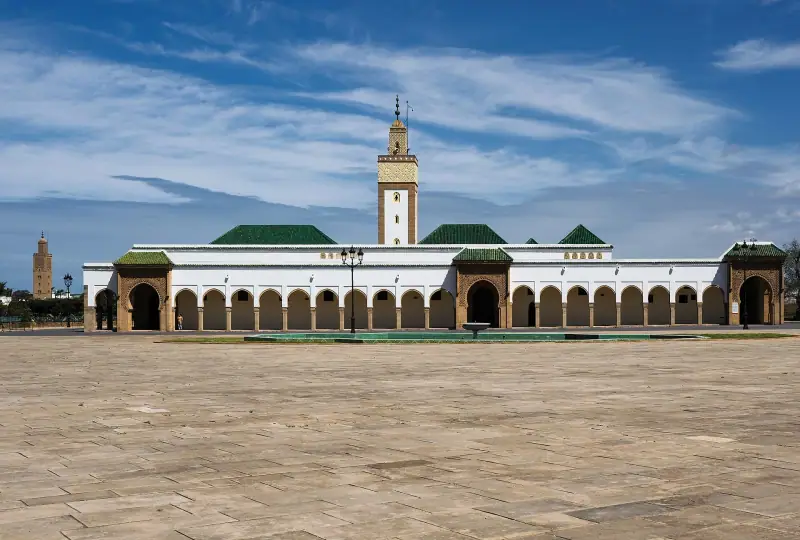
Morocco's Imperial Cities: Rabat, Meknes, Volubilis and Fes in 5 Days
RabatMeknesFes
Can be adapted in the planner