What to see
Visiting Karakorum: a complete guide to the ancient Mongol capital
We may earn a commission when you book through links on this page, at no extra cost to you. We don't visit or try the places we cover: we summarize published sources. How we work
In short
- Karakorum (Kharkhorin) is about 370 km (230 mi) from Ulaanbaatar, 5 to 7 hours by minibus or car; one full day covers Erdene Zuu, the museum and the ruins.
- The main highlight is Erdene Zuu Monastery, with 108 stupas along a 400 m (1,310 ft) wall, built with stones from the razed city.
- The Orkhon Valley, including Karakorum, has been a UNESCO World Heritage site since 2004; the Orkhon waterfall is about 120 to 135 km (75 to 84 mi) away.
- Shared minibuses cost about 10,000 to 15,000 MNT; yurt camps about 30,000 to 60,000 MNT per person per night. Bring MNT cash.
Once upon a time, in the heart of the Mongolian steppes, stood the capital of the largest continental empire ever built. Karakorum, Kharkhorin in Mongolian, was between 1235 and 1260 the center of the known world: Silk Road caravans, ambassadors of the pope and the king of France, Chinese craftsmen, Persian merchants, Buddhist monks and taiga shamans met there in a unique cosmopolitan bustle. Today the steppe has reclaimed these imperial ruins. But Karakorum is not dead: its Erdene Zuu Monastery, its stone turtles and the Orkhon Valley, a UNESCO World Heritage site, make it one of the most moving stops on a trip to Mongolia.
History: from imperial capital to forgotten steppe
The founding by Ögedei Khan (1235)
Genghis Khan himself chose the site of Karakorum as a permanent base for his armies around 1220, on his return from the campaign against the Uyghurs and Central Asia. But it was his son and successor Ögedei Khan (1229-1241) who ordered the construction of a true capital in 1235, surrounded by clay walls several kilometers long. Within a few decades, a cosmopolitan city of several thousand inhabitants emerged in the Orkhon Valley.
The city was organized into distinct quarters: Muslim merchants to the north, Chinese craftsmen to the south, and twelve temples of different religions bearing witness to the remarkable religious tolerance of the Mongols. There were mosques, Buddhist temples, a Nestorian church, and even a Catholic church attended by European captives.
The Great Khan’s silver tree
The Flemish traveler William of Rubruck, sent by King Louis IX of France in 1254, left the most detailed description of the city. He notably mentions the silver tree designed by the Parisian goldsmith William Boucher, captured during a raid in Hungary. This mechanical tree served drinks at the Great Khan’s banquets: wine flowed from one branch, kumiss (fermented mare’s milk) from another, fermented honey and fermented rice from the others. An angel at the top blew a trumpet to call the servers. Fiction or reality? Archaeology has confirmed the existence of Boucher’s workshop at Karakorum.
Decline and destruction
From 1260, Kublai Khan moved the capital to Khanbaliq (present-day Beijing) and Karakorum quickly lost its influence. The city was destroyed and burned by Ming Chinese troops in 1388, ending its imperial radiance for good. The steppe reclaimed the bricks and foundations of the city.
In 1586, the Mongol prince Abtai Sain Khan ordered the construction of a Buddhist monastery on the very ruins of Karakorum, using the stones of the imperial city as building material. This monastery, Erdene Zuu, is today the living symbol of Karakorum.
Guided tours of Karakorum and the Orkhon Valley
Explore Karakorum with a guide who knows Mongolian history.
Erdene Zuu: the monastery of 108 stupas
Architecture and enclosure
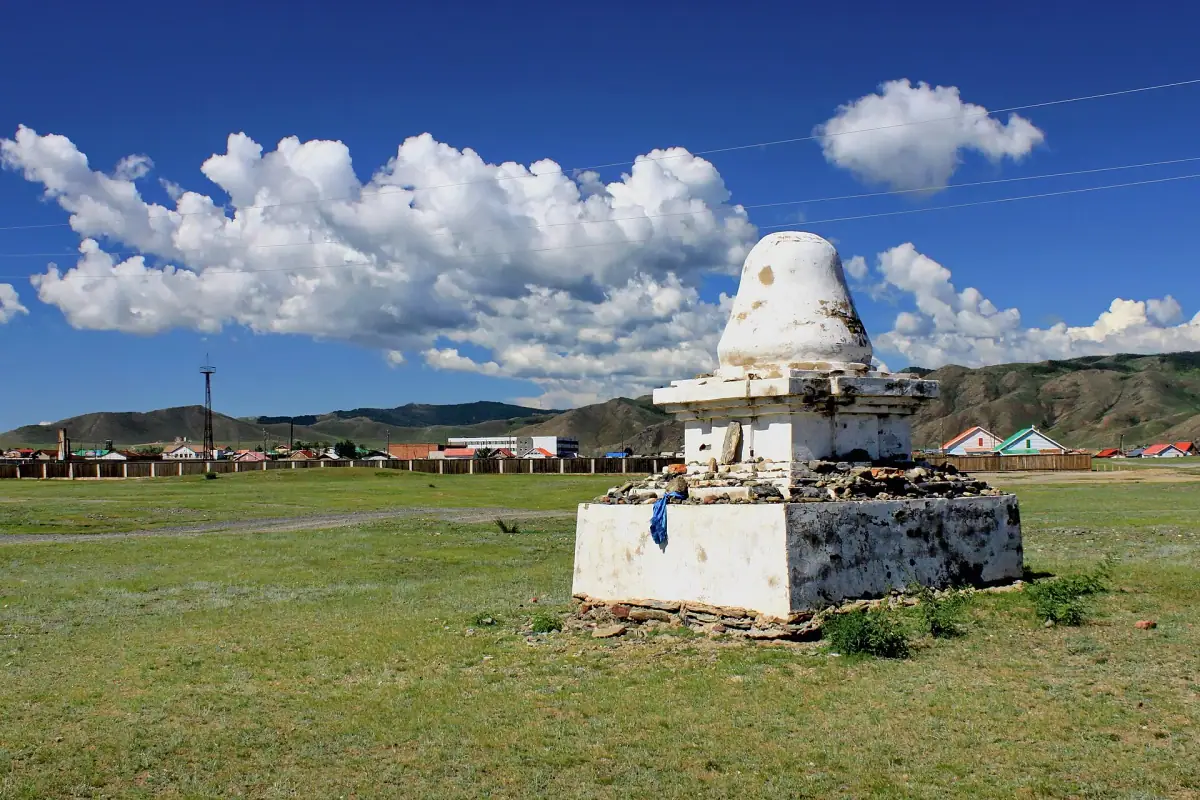
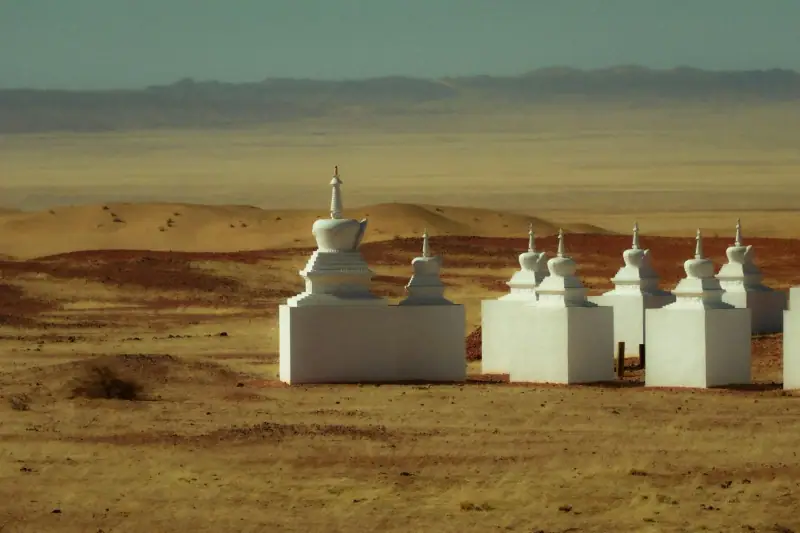
Erdene Zuu (literally “Hundred Treasures”) is surrounded by a white wall 400 m (1,310 ft) on each side, punctuated by 108 stupas, the sacred number of Buddhism. These white stupas with golden roofs shine in the low light of late afternoon and make up one of the most photographed images in Mongolia.
The monastery houses three main temples built in a hybrid Sino-Tibetan style:
West Temple (Baruun Zuu): dedicated to the Buddha of Genghis Khan’s childhood. The thangkas and bronze statues displayed there date from the 17th to the 19th century.
Central Temple (Zuu): the largest, dedicated to the adult Buddha. Note the murals depicting the Buddha’s previous lives and the central statue of Shakyamuni.
East Temple (Zuunzuu): dedicated to the Buddha in old age. It houses collections of Buddhist manuscripts in Tibetan and Mongolian.
The Lavrin temple (early 18th century), the only temple where religious ceremonies continued without interruption during the Soviet era, now houses a few resident monks.
The Soviet era: a history of destruction
In 1939, Stalin ordered the near-total destruction of the monastic complex: of about sixty temples, only three and the outer wall survived. Hundreds of monks were deported or executed. Erdene Zuu remained officially closed until 1990, when democracy and freedom of worship were restored in Mongolia.
Practical info: hours vary by season (generally 9 am to 5 or 6 pm); the enclosure may be freely accessible and entry to the temple-museums is paid (around 4,000 to 6,000 MNT, ~$1-2): check on arrival. Photos allowed in the enclosure, forbidden inside the temples. Monks are present in the morning.
Archaeological remains
The stone turtles
Four large stone turtles marked the corners of the ancient imperial city, symbols of longevity and stability in Mongolian cosmology. Two are still visible near Erdene Zuu, one northeast of the monastery, the other southwest. These granite sculptures from the imperial era (13th century) reach 1.5 m (5 ft) in height and once carried commemorative columns.
The mounds of the ancient city
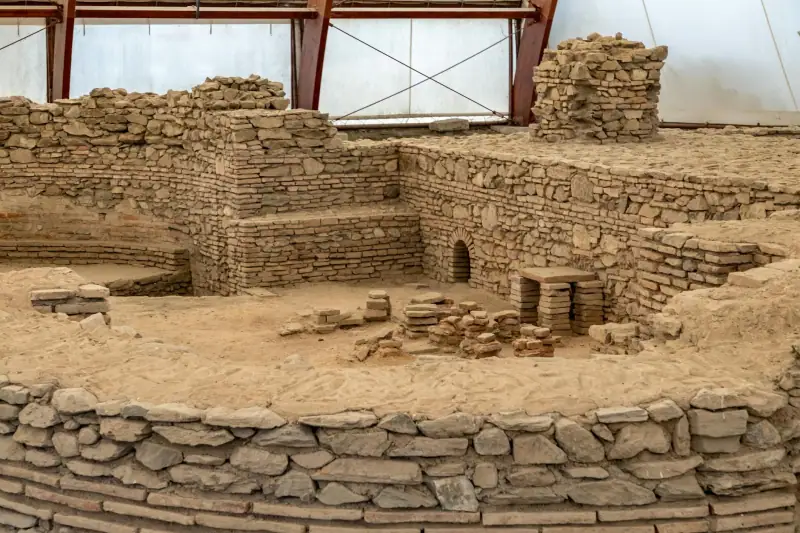
Outside the monastery, several hectares of discreet mounds stretch out, remains of the foundations and ramparts of Karakorum. A walk (or ride) lets you better grasp the extent of the ancient city. German-Mongolian archaeological excavations carried out since the 1990s have uncovered ceramics, coins, tools and architectural elements.
The Kharkhorin Archaeological Museum
Opened in 2011, this modern museum (co-financed by Japan) presents the archaeological discoveries of the Orkhon Valley, from prehistory to the Mongol Empire. Exhibits include models of the imperial city, everyday objects of the 13th century and explanations of nomadic building techniques.
Practical info: in principle open 9 am to 5 or 6 pm, with reduced hours in winter; check the closing day and the fee with the museum (entry around 5,000 to 10,000 MNT depending on sources). Signs in Mongolian and English.
Yurt camps in Kharkhorin
Sleep in a traditional yurt at the gates of Karakorum.
The Orkhon Valley: UNESCO and wide open spaces
The World Heritage site
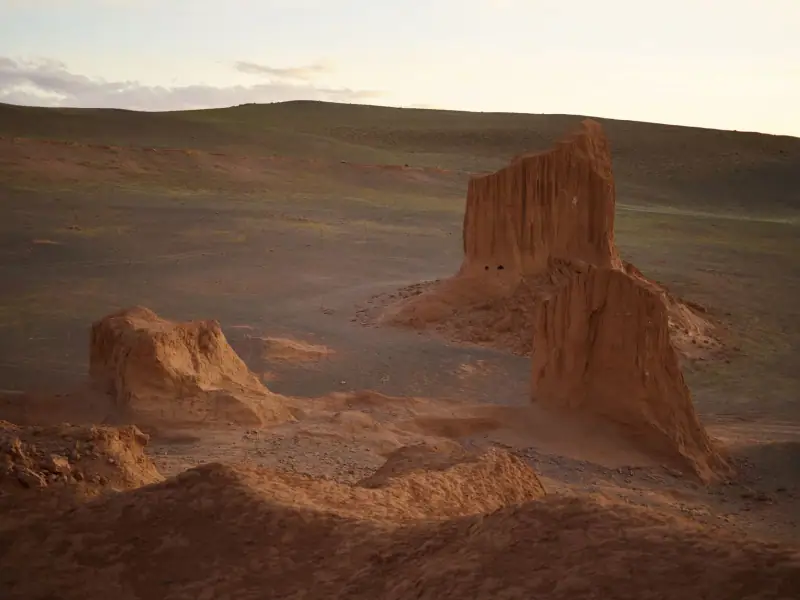
The Orkhon Valley has been a UNESCO World Heritage site since 2004. This 121,967-hectare (about 301,000-acre) corridor along the Orkhon River represents more than two millennia of continuous human occupation, from the Xiongnu (ancestors of the Huns) to the Mongols. You find there:
- The ruins of Karakorum and Erdene Zuu Monastery
- The Uyghur inscriptions of Kharabalgasun (ancient Uyghur capital, 8th century)
- The runic inscriptions on the steles of Khöshöö Tsaidam (8th century)
- Bronze Age burial mounds
- Prehistoric petroglyphs
The Orkhon waterfall (Orkhon Khurkhree)
About 120 to 135 km (75 to 84 mi) from Kharkhorin, the Orkhon waterfall (20 m / 66 ft high) pours from a basalt gorge formed during a volcanic eruption 20,000 years ago. Surrounded by meadows and dense vegetation, it is a popular yurt camp site. The trip is by 4x4 (2 hours from Kharkhorin) or on horseback (half a day).
The Orkhon River on horseback
The Orkhon Valley is one of the best places in Mongolia for horseback trekking. Local nomadic families offer half-day rides or multi-day treks following the river between yurt camps. It is an unmatched way to experience the rhythm of the steppe among herds of horses and cows.
See the guide to horse riding in Mongolia to prepare your riding circuit.
Getting to Karakorum
From Ulaanbaatar by public minibus
Shared minibuses and vans leave every morning from the Dragon Center bus station (Ulaanbaatar, Bayanzurkh) from 7 to 8 am, arriving in Kharkhorin in 5 to 7 hours (depending on road conditions). The fare is about 10,000 to 15,000 MNT (~$3-5) per person. Seats fill quickly in high season: arrive early.
By private car with driver
The most comfortable option. A driver-guide can be arranged from Ulaanbaatar for about 80 to 150 USD (round trip, rate to confirm with the agency), with the possibility of stopping on the way at the Genghis Khan statue at Tsonjin Boldog or Tövkhön Monastery. Duration: 4.5 to 5 hours on good roads.
On an organized tour
Most travel agencies in Ulaanbaatar offer a 3- to 5-day circuit combining Karakorum, the Orkhon Valley, the waterfall and sometimes Lake Khövsgöl. It is the ideal solution if you do not have time to organize the stages yourself. See the Mongolia road trip guide.
Where to sleep in Karakorum
Yurt camps
The essential experience: sleeping in a traditional yurt (ger) at a tourist camp on the edge of Kharkhorin. Most camps offer a Mongolian dinner (buuz, tsuivan, boiled meat) and breakfast included in the price. Plan on 30,000 to 60,000 MNT (~$9-17) per person per night.
Camps mentioned (check that they are still open before booking):
- Ger to Ger Network: stays with nomadic families, by reservation (ask the organization)
- Ancient Karakorum Camp: well located near the monastery, comfortable yurts
- Orkhon Valley Camp: exceptional natural setting, ideal for hikes
Guesthouses in Kharkhorin
The town has a few guesthouses and modest hotels for travelers on a tight budget. Basic facilities (shared shower, variable Wi-Fi). Price: 20,000 to 40,000 MNT (~$6-12) per night.
Eating in Karakorum
Restaurants are concentrated in the village of Kharkhorin. The options are simple but authentic:
Local specialties to try:
- Tsuivan: stir-fried noodles with lamb, a comforting steppe dish
- Buuz: steamed Mongolian dumplings stuffed with mutton
- Khorkhog: lamb cooked with hot stones in a metal can, the specialty for big occasions
- Suutei tsai: salted milk tea, the national drink
Most yurt camps prepare these dishes in the evening. Restaurants in Kharkhorin charge between 8,000 and 20,000 MNT (~$2-6) for a full meal.
When to visit Karakorum
High season (July and August)
The Naadam festival season (July 11 to 13 nationally; check the dates of local festivals in Kharkhorin) is especially festive: wrestling, archery, horse races on the steppe. The atmosphere is unique but yurt camps fill up. Book several weeks ahead.
Recommended shoulder season (May-June, September)
June and September are the ideal months: pleasant temperatures (15 to 25 °C / 59 to 77 °F by day), green grass, fewer tourists. In June, the foals have just been born and the yurts hum with activity. In September, the golden colors of the steppe and the low light create unforgettable photographic scenes.
Winter (October-April)
Karakorum in winter is an extreme experience: temperatures can drop to -30 °C (-22 °F) or below. Only experienced, well-equipped travelers venture there. Most yurt camps close from October to May.
See the guide to the best time to visit Mongolia to refine your planning.
Practical tips for your visit
Money: Kharkhorin has one or two ATMs (variable reliability). Bring enough tögrög (MNT) from Ulaanbaatar to cover lodging, meals and entry fees.
Connectivity: mobile coverage is decent in Kharkhorin (Mobicom, Unitel). In the Orkhon Valley and remote camps, plan to work offline. Check your carrier’s international plan or use a travel eSIM.
Dress: to enter the Erdene Zuu temples, shoulders and legs must be covered. A light shawl is welcome.
Photography: temple interiors are often off-limits to photography. Always ask permission before photographing nomadic families in their yurts.
Altitude: Kharkhorin is at about 1,300 m (4,265 ft). The sun is intense: sunscreen is essential.
Language: very little English is spoken outside tourist camps. A local guide or a bilingual driver makes communication much easier.
For everything on preparing a trip to Mongolia, see the complete Mongolia guide.
Karakorum is much more than an archaeological site: it is an invitation to the imagination. Close your eyes in front of the white walls of Erdene Zuu and listen to the wind in the tall grass, and you can almost hear the gallop of Genghis Khan’s horsemen across the steppes. Between imperial memory and still-living nomadic life, Karakorum offers one of the most authentic and profound experiences Mongolia has to offer. See also the 7-day Mongolia itinerary to fit Karakorum into your circuit.
Frequently asked questions
Where is Karakorum?
Karakorum (or Kharkhorin) is in Övörkhangai province, about 370 km (230 mi) southwest of Ulaanbaatar, in the Orkhon Valley. The trip by car or minibus takes 5 to 7 hours depending on track conditions.
What is left to see in Karakorum today?
The remains of the ancient city are mostly earth mounds and a few carved stones (the famous 'stone turtles'). The standout is Erdene Zuu Monastery, one of the oldest in Mongolia, built with stones from the razed city. The Kharkhorin Archaeological Museum completes the visit.
How long do you need to visit Karakorum?
One full day is enough for Erdene Zuu Monastery, the museum and the surrounding ruins. Two days also let you explore the Orkhon Valley (waterfalls, Uyghur runic inscriptions), ideally on horseback.
How do you get to Karakorum from Ulaanbaatar?
The most common option is the shared minibus from the Dragon Center bus station in Ulaanbaatar (5 to 7 hours, 10,000 to 15,000 MNT). A private car with driver is more comfortable but more expensive (80 to 120 USD round trip). There is no direct rail link.
Is Karakorum part of a UNESCO site?
Yes. The Orkhon Valley, which encompasses the Karakorum sites, has been a UNESCO World Heritage site since 2004 as the 'Orkhon Valley Cultural Landscape'. It brings together sites from the Xiongnu era (3rd century BC) to the Mongol Empire.
Can you sleep in Karakorum?
Yes, the town of Kharkhorin has about ten yurt camps and a few modest guesthouses. Yurt camps offer the most authentic experience with a traditional dinner included. Book ahead in high season (July and August).
More Mongolia guides
Keep reading
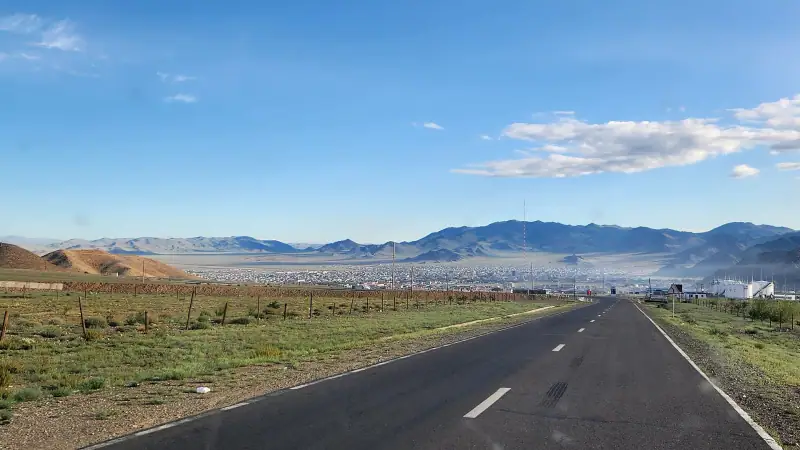
Visiting Ölgii: a complete guide to Mongolia's Kazakh capital
Ölgii, capital of Bayan-Ölgii: eagle hunting, the Golden Eagle Festival, Tavan Bogd, Kazakh culture. A practical guide to western Mongolia.
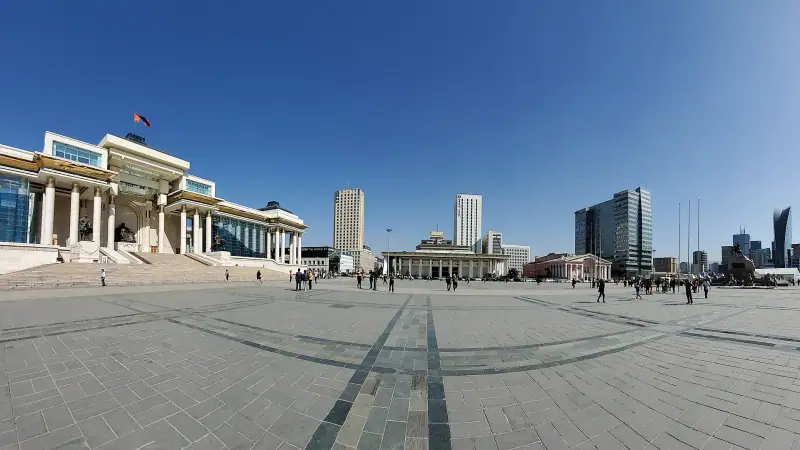
Visiting Ulaanbaatar: a complete guide to the Mongolian capital
What to do in Ulaanbaatar? Sukhbaatar Square, Gandan Monastery, museums, Narantuul Market and day trips. Complete guide to the Mongolian capital.
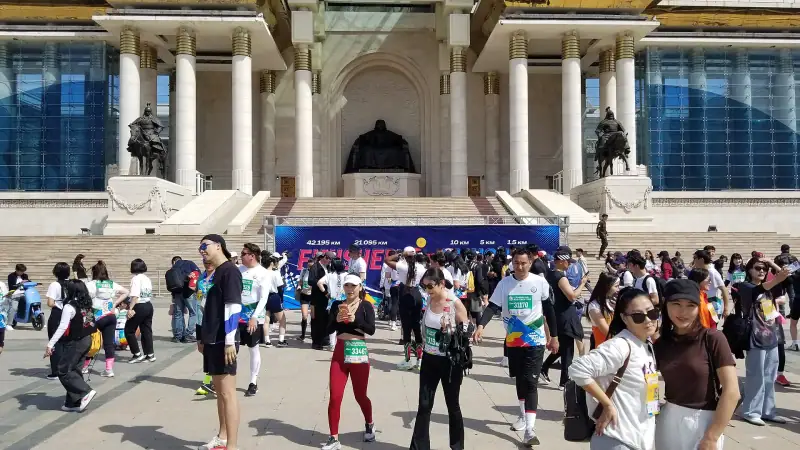
Ulaanbaatar: the top sights of the Mongolian capital
The must-see sights and activities in Ulaanbaatar: Gandan Monastery, museums, Genghis Khan statue, Narantuul Market and neighborhoods to explore.
Ready-made
Mongolia itineraries
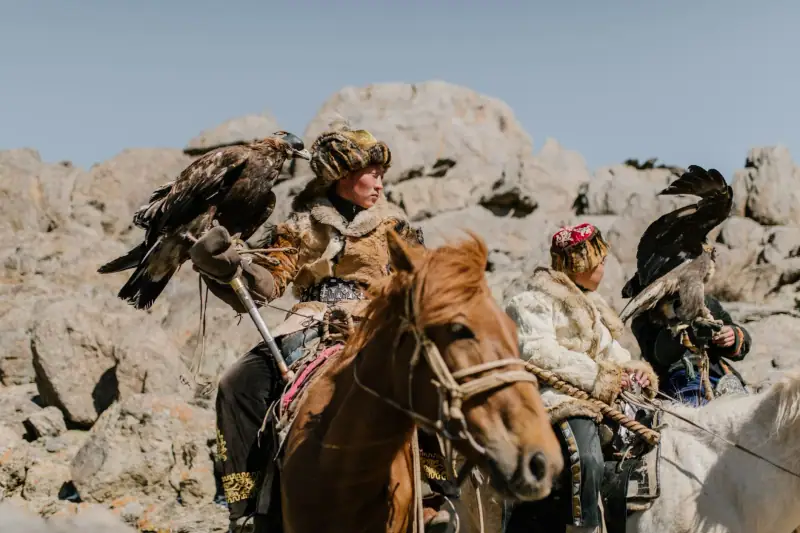
10 days
Western Mongolia in 10 days: Ölgii, the Altai and Kazakh culture
Western Mongolia in 10 days: Ölgii, the Kazakh Altai, eagle hunters, Tavan Bogd National Park. Full itinerary, budget and tips.
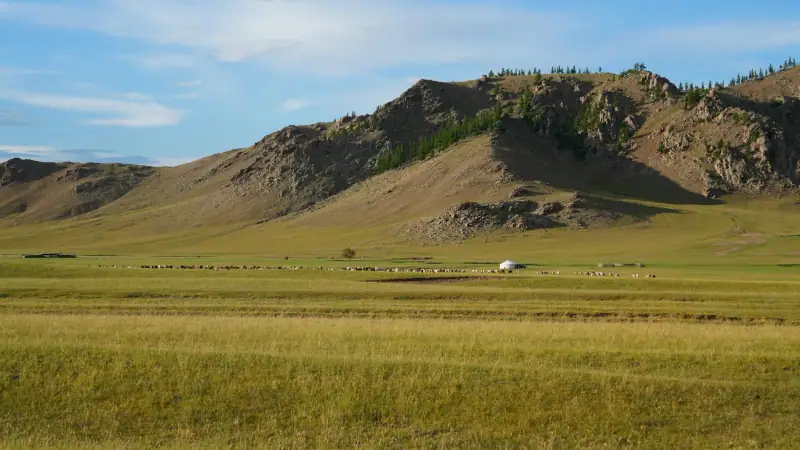
7 days
Mongolia in 7 days: a full itinerary around Ulaanbaatar
UlaanbaatarTereljKarakorumUlaanbaatar
14 days
Mongolia road trip: the grand tour in 14 to 21 days
Plan a Mongolia road trip: a 14 and 21-day itinerary through Ulaanbaatar, the Gobi, the steppe, Khövsgöl and the Altai, with logistics and budget.