Plan your trip
Best time to visit Mongolia: month by month
We may earn a commission when you book through links on this page, at no extra cost to you. We don't visit or try the places we cover: we summarize published sources. How we work
In short
- July is often cited as the best month: green steppes, temperatures of 20 to 25 °C (68 to 77 °F) and the Naadam festival on July 11 to 13 in Ulaanbaatar.
- June and September offer a better balance of authenticity and comfort, with fewer crowds and lower prices than July.
- Lake Khövsgöl and the north are for July and August only; the Gobi is best in May, September and October.
- Winter is demanding: temperatures regularly fall below -30 °C (-22 °F) and transport is difficult.
Mongolia has an extreme continental climate that deeply shapes the travel experience. Understanding the seasons is essential to planning your itinerary. This month-by-month guide helps you choose the ideal time according to your activities and preferences.
The Mongolian climate in brief
Mongolia has four well-marked seasons, with some of the largest temperature ranges in the world. In Ulaanbaatar, the capital, temperatures swing between -35 °C (-31 °F) in January and +35 °C (95 °F) in July. It is one of the coldest capitals in the world.
Sunshine is exceptional: Mongolia has more than 260 sunny days a year, earning it the nickname “Land of the Eternal Blue Sky” (Mönkh Khökh Tengri). Precipitation is low (200 to 400 mm / 8 to 16 in per year) and falls mainly in July and August.
Month by month
January: polar cold
Temperatures: -25 to -35 °C (-13 to -31 °F) in Ulaanbaatar, down to -50 °C (-58 °F) in the north Sunshine: low, very short days Tourism: almost none
January is the coldest month. Nomads stay holed up in their coal-heated yurts. The Gobi, paradoxically, is slightly milder (-15 to -20 °C / 5 to -4 °F). For adventurers, it is the season of the ice festival and ghostly winter landscapes.
February: winter drags on
Temperatures: -20 to -30 °C (-4 to -22 °F) Very few tourists, roads often impassable
The Tsagaan Sar festival (Mongolian lunar New Year) usually falls in February. It is one of the most important holidays of the year, marked by family gatherings and offerings in Buddhist temples. An authentic experience for those who brave the cold.
March: first signs of thaw
Temperatures: -10 to 0 °C (14 to 32 °F) The steppes are still brown, rivers begin to thaw
March remains cold and windy. Nature begins to wake up and the days noticeably lengthen. It is not yet tourist season, but travel conditions are improving.
April: spring arrives with turbulence
Temperatures: 0 to 10 °C (32 to 50 °F) by day, below freezing at night Risk of sandstorms in the Gobi
April is a transition month. The steppes take on a pale green tint, lambs and foals are born, and nomadic families begin their spring migrations. It is a good time to see wildlife and young animals, but sandstorms (kharaburan) can be violent in the Gobi.
May: nature wakes up
Temperatures: 10 to 20 °C (50 to 68 °F), cool nights (0 to 5 °C / 32 to 41 °F) Vegetation in full growth, steppe flowers in full bloom
May is one of the most pleasant months to travel. Nature is exuberant, temperatures are bearable and tourists are still few. Yurt camps begin to open. It is an excellent alternative to summer for those who want to avoid high season.
June: the good season begins
Temperatures: 15 to 25 °C (59 to 77 °F), cool nights (5 to 10 °C / 41 to 50 °F) Green steppes, rivers in flood in the north
June is the start of high season. The landscapes are at their best: green grass, intense blue sky, wildflowers on the steppe. All yurt camps are open and prices are still reasonable before the July peak. Recommended for those who want to avoid the Naadam crowds.
July: the star month
Temperatures: 20 to 30 °C (68 to 86 °F), nights 8 to 15 °C (46 to 59 °F) Tourist peak, Naadam festival (July 11 to 13)
July is the most popular month of the year. Temperatures are ideal, the landscapes magnificent, and the Naadam festival draws thousands of visitors from around the world. It is also the rainy month (short but heavy showers), and mosquitoes can be a nuisance near lakes and rivers. Be sure to book well in advance.
Naadam festival: activities and excursions
Attend Mongolia's most spectacular festival.
August: summer in full
Temperatures: 20 to 28 °C (68 to 82 °F) Green landscapes, passable rivers, good road conditions
August is ideal for the big itineraries: the Gobi, the central steppe, Lake Khövsgöl. The heat is more moderate than in July, mosquitoes become rare, and the landscapes are still magnificent. It is also the time of horse races across the steppe. Slightly less touristy than July.
September: golden light
Temperatures: 10 to 20 °C (50 to 68 °F), cool nights (0 to 5 °C / 32 to 41 °F) Russet steppes, exceptional photographic light
September is photographers’ favorite month. The grasses take on ocher and golden tones, herds fatten up for winter, and eagles resume training in the Altai. Tourists thin out and prices drop. Ideal for those who prefer to travel off the beaten path.
October: autumn rushes in
Temperatures: 0 to 10 °C (32 to 50 °F), first snow possible End of season for most yurt camps
October can still be very pleasant in the Gobi and the central steppe, but the north (Khövsgöl) and the Altai begin to close. The end of the month often brings the first snow. Experienced travelers love this period for its authenticity.
November to December: winter sets in
Temperatures dropping to -10 to -20 °C (14 to -4 °F) Almost no tourist infrastructure open in the provinces
Except for winter expeditions planned with specialist operators, these months are not recommended.
Summary table
| Month | Weather | Tourism | Ideal for |
|---|---|---|---|
| January | ❄️❄️❄️ | None | Winter adventurers |
| February | ❄️❄️ | Minimal | Tsagaan Sar |
| March | ❄️ | Low | n/a |
| April | 🌿 | Low | Young animals |
| May | 🌸 | Medium | Flowers, mild prices |
| June | ☀️☀️ | High | Nature, fair prices |
| July | ☀️☀️☀️ | Very high | Naadam, green steppe |
| August | ☀️☀️☀️ | High | Big itineraries |
| September | 🍂☀️ | Medium | Photography, quiet |
| October | 🍂 | Low | Autumn in the Gobi |
| November | ❄️ | Minimal | n/a |
| December | ❄️❄️❄️ | None | n/a |
Recommendations by activity
For the Naadam festival
Plan your stay from July 10 to 15 at a minimum. Book your hotel and flight 3 to 6 months ahead; places in Ulaanbaatar disappear in January and February.
For hiking and horse riding
June to September. July and August for the central steppe and the Gobi. June and July for Lake Khövsgöl.
For photography
September is unbeatable. The low morning and evening light, the autumn colors and the solitude of the wide open spaces make this month a paradise for photographers.
For meeting nomads
All summer, but June and September offer a better ratio of authenticity to comfort. In the middle of July, some families near the tourist routes are a little weary of travelers.
Accommodation in Mongolia
Yurt camps and hotels: compare and book.
For the Gobi specifically
May, September and October are excellent for the Gobi Desert: temperatures are milder than in July and August (which can reach 40 °C / 104 °F). Autumn brings fabulous light on the dunes.
For Lake Khövsgöl and the north
July and August only. The north is inaccessible from September to May because of snow and thaw mud.
For falconry in the Altai
The Golden Eagle Festival in Ölgii is held in early October. It is one of the most spectacular events in the country, less crowded than Naadam.
Whatever time of year you travel, Mongolia will surprise you. The key is to come prepared: clothing suited to all temperatures, flexibility in your itinerary, and total open-mindedness toward the unexpected. That is how the magic happens.
Frequently asked questions
What is the ideal month to visit Mongolia?
July is often cited as the best month: the steppes are green, temperatures are pleasant (20 to 25 °C / 68 to 77 °F) and the Naadam festival takes place from July 11 to 13 in Ulaanbaatar.
Can you go to Mongolia in winter?
It is possible but demanding: temperatures regularly drop below -30 °C (-22 °F) and transport conditions are difficult. It is reserved for experienced, well-equipped travelers.
Is Mongolia accessible in April and May?
Yes, but with precautions: spring brings frequent sandstorms in the Gobi and still very cold nights. It is nonetheless a good time to see young animals (lambs, foals).
When is the Naadam festival held?
The big national Naadam takes place from July 11 to 13 in Ulaanbaatar. Local Naadam festivals are held in other regions throughout July.
What is the cheapest season to visit Mongolia?
May, June and September offer the best rates on yurt camps and organized tours, with an excellent compromise on weather.
More Mongolia guides
Keep reading
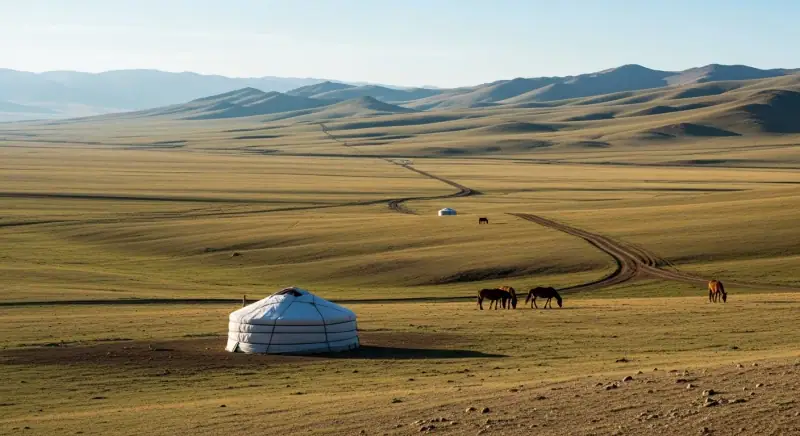
Mongolia budget: how much does a trip cost in 2026?
What budget to plan for Mongolia? Transport, accommodation, food, tours: a full breakdown of costs to plan your trip.
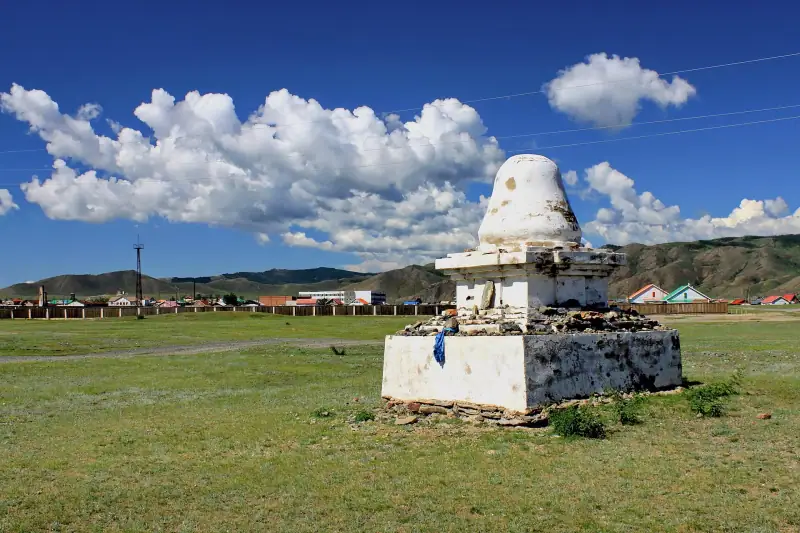
Visiting Karakorum: a complete guide to the ancient Mongol capital
Karakorum, heart of the 13th-century Mongol Empire: ruins, Erdene Zuu Monastery, the Orkhon Valley and practical tips for a memorable stay.
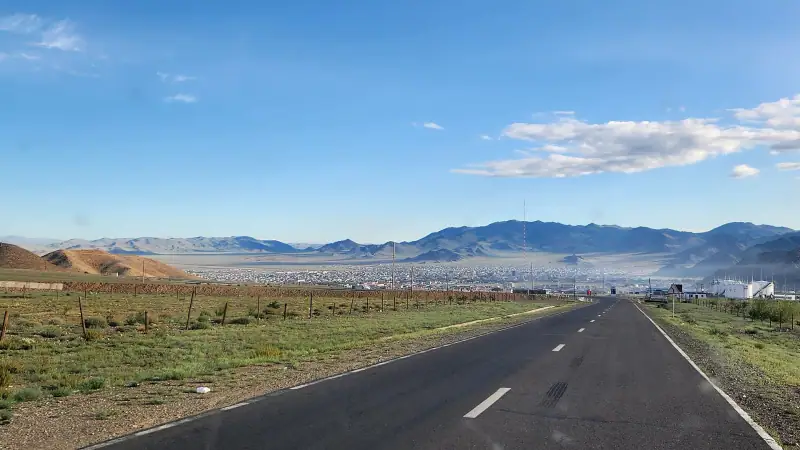
Visiting Ölgii: a complete guide to Mongolia's Kazakh capital
Ölgii, capital of Bayan-Ölgii: eagle hunting, the Golden Eagle Festival, Tavan Bogd, Kazakh culture. A practical guide to western Mongolia.
Ready-made
Mongolia itineraries
10 days
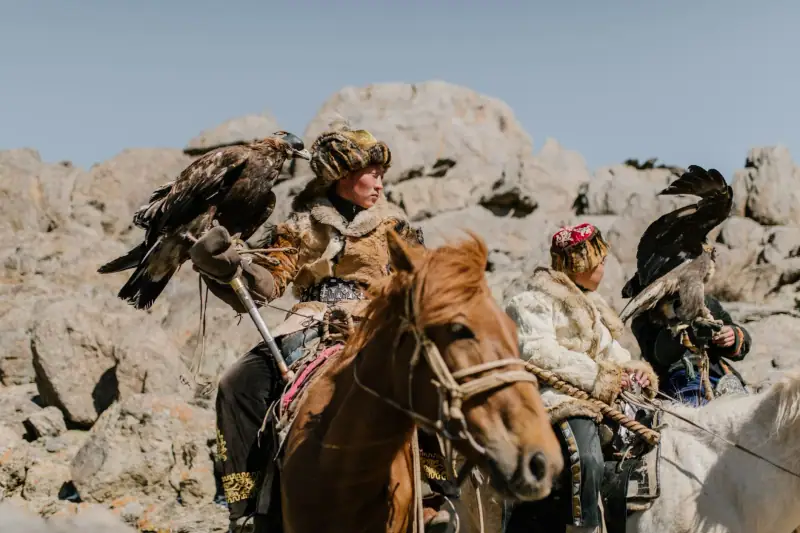
Western Mongolia in 10 days: Ölgii, the Altai and Kazakh culture
Western Mongolia in 10 days: Ölgii, the Kazakh Altai, eagle hunters, Tavan Bogd National Park. Full itinerary, budget and tips.
7 days
Mongolia in 7 days: a full itinerary around Ulaanbaatar
UlaanbaatarTereljKarakorumUlaanbaatar
14 days
Mongolia road trip: the grand tour in 14 to 21 days
Plan a Mongolia road trip: a 14 and 21-day itinerary through Ulaanbaatar, the Gobi, the steppe, Khövsgöl and the Altai, with logistics and budget.