What to see
Ulaanbaatar: the top sights of the Mongolian capital
We may earn a commission when you book through links on this page, at no extra cost to you. We don't visit or try the places we cover: we summarize published sources. How we work
In short
- Two full days cover the essentials; three days add markets, local life and an excursion to Terelj or the Genghis Khan statue.
- Main sights: Gandan Monastery (morning ceremony 7 to 9 am), Sukhbaatar Square, the National Museum of Mongolian History and the Natural History Museum.
- Most museums are open 9 am to 5 pm, Tuesday to Sunday; some close Monday. The historic center is walkable.
- Day trips: Genghis Khan statue (54 km / 34 mi), Terelj (80 km / 50 mi), Manzushir (80 km / 50 mi), Hustai (100 km / 62 mi).
Ulaanbaatar, which Mongolians often call “UB”, is a fascinating and paradoxical city. The coldest capital in the world, it is also one of the most dynamic capitals of Central Asia. Soviet skyscrapers, colorful Buddhist temples, yurts on the hills, trendy clubs and dusty markets: UB is all of these at once. Here are the essentials.
Major cultural sites
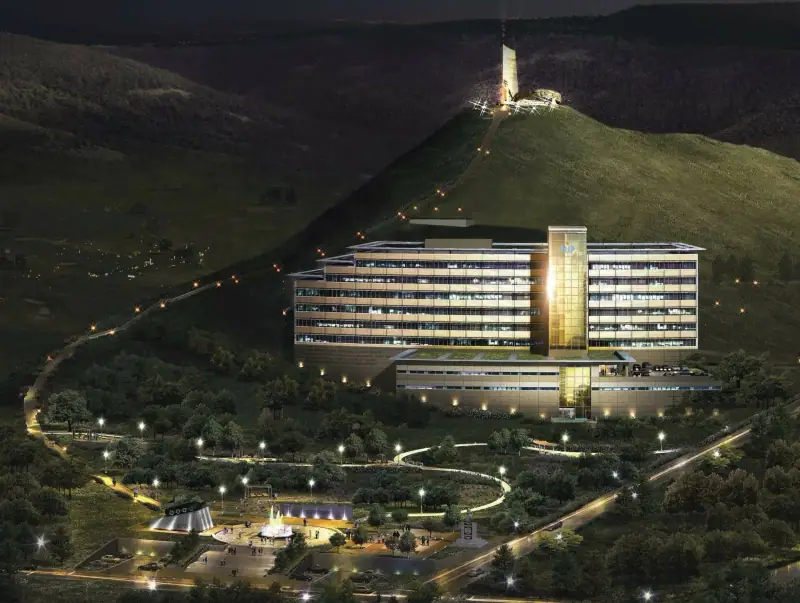
Gandantegchinlen (Gandan) Monastery
Gandan Monastery is the largest and most important active Buddhist monastery in Mongolia. Its full name means “great place of complete joy”. Built in the 19th century, it survived the Soviet purges of the 1930s (unlike most of the 700 Mongolian monasteries, which were destroyed) and remains a living spiritual center with several hundred monks.
What to see:
- The Megjid Janraisig statue: a 26.5 m (87 ft) Buddha of Compassion in gold and copper, one of the largest Buddhist statues in Inner Asia. It was destroyed under Stalin and rebuilt in 1996.
- The morning ceremony (7 to 9 am): monks in maroon robes recite prayers amid a hum of drums and bells. A striking atmosphere.
- The secondary temples: several temples surround the main complex, some very old and heavy with incense.
Practical info: free entry to the outer complex, about €2 for the main temple (~$2). Open 8 am to 6 pm.
Sukhbaatar Square
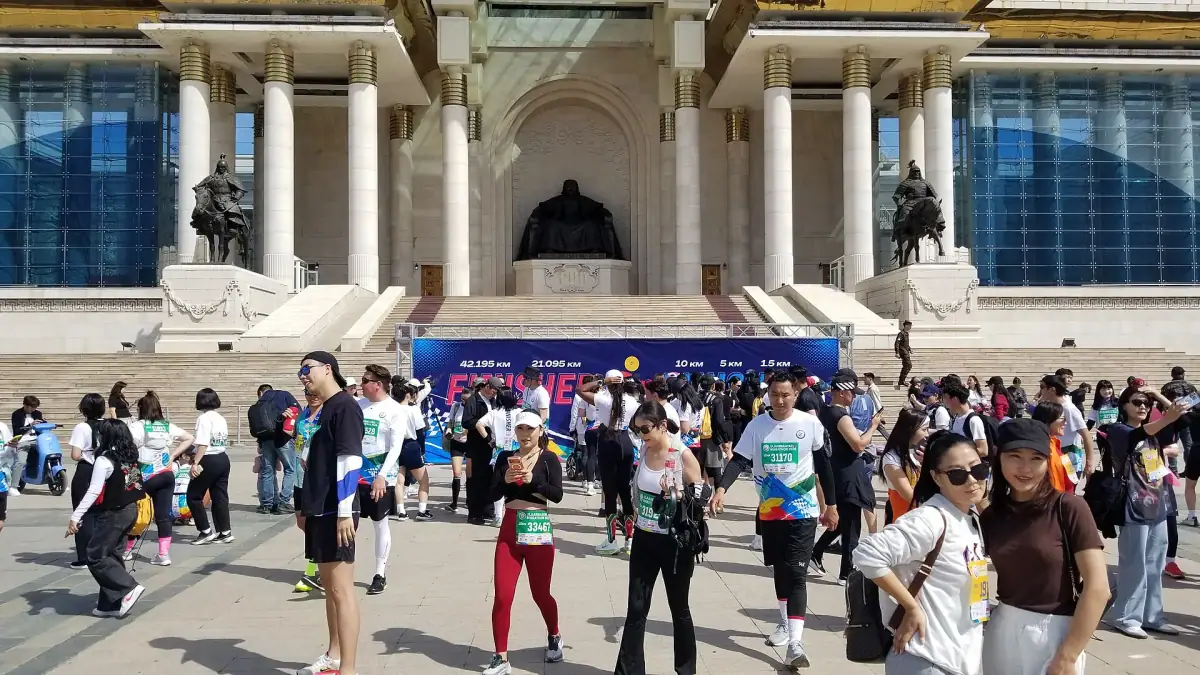
The symbolic heart of Ulaanbaatar. This large paved square is dominated by the equestrian statue of Damdin Sükhbaatar and by the Government Palace, with its seated Genghis Khan, an imposing neoclassical Soviet-style facade.
To see:
- Sukhbaatar’s tomb: the leader of the 1921 revolution is buried here
- Genghis Khan statue at the center of the Government Palace
- Military parade on the Naadam national holiday (July 11)
- Daily life: students, families, tourists, street vendors
National Museum of Mongolian History
One of the best museums in Central Asia. Its collection traces 40,000 years of the country’s history, from the first Homo sapiens to the Soviet era.
Notable collections:
- Reconstructions of a Stone Age hunting camp
- Armor and weapons of Mongol Empire warriors (13th century)
- Collection of deels (traditional garments) of the different Mongolian ethnic groups
- Documents on the Soviet period and the 1990 revolution
Practical info: about €5 to €7 (~$6-8), open during the day; check the closing day and audio guide availability with the museum.
Natural History Museum
For dinosaur and natural science fans, this museum is a highlight. Its collection of Gobi fossils is among the most important in the world.
Highlights:
- Complete skeletons of Tarbosaurus bataar (the Asian T. rex)
- Collection of Gobi dinosaur eggs
- Dioramas of steppe and desert animals
- Minerals and gemstones of Mongolia
Practical info: about €3 to €5 (~$3-6), open during the day (check hours with the museum).
Museum of Mongolian decorative arts
A magnificent collection of traditional Mongolian crafts: Buddhist thangkas (silk paintings), bronze sculptures, silver jewelry, ceremonial costumes. To understand the artistic richness of nomadic culture.
Neighborhoods to explore
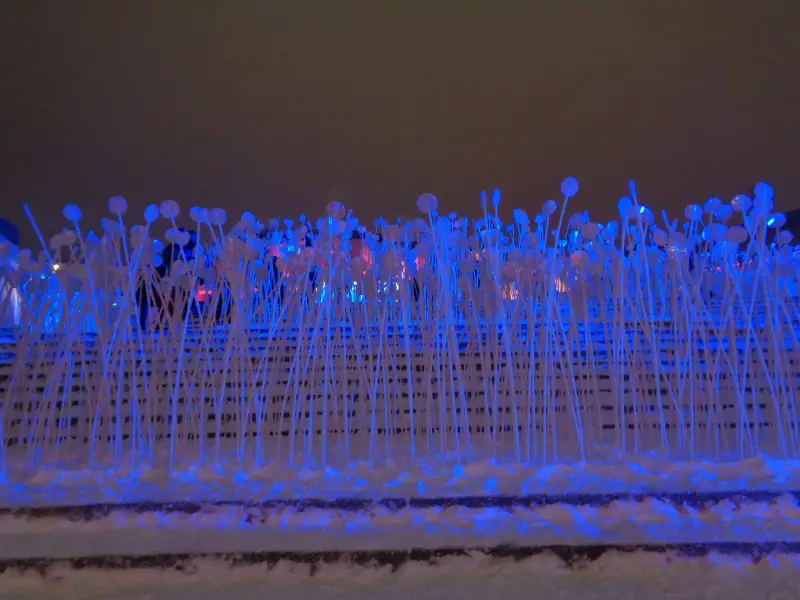
The historic center
The oldest part of the city, around Gandan and Sukhbaatar Square. Craft markets, trendy cafés, art galleries and restaurants of every cuisine sit side by side.
Zaisan and the Soviet memorial
At the top of Zaisan Hill, a circular Soviet monument celebrates Mongolian-Soviet friendship with colorful murals. The panoramic view over Ulaanbaatar and the Tuul valley is worth the climb alone.
The ger districts (outskirts)
The yurt districts spread over the hills to the north, east and west of the center. Hundreds of thousands of Mongolians live there in gers or small brick houses. Life there is intense, colorful and authentic. A walk led by a local guide is a rare human experience.
Shopping and crafts
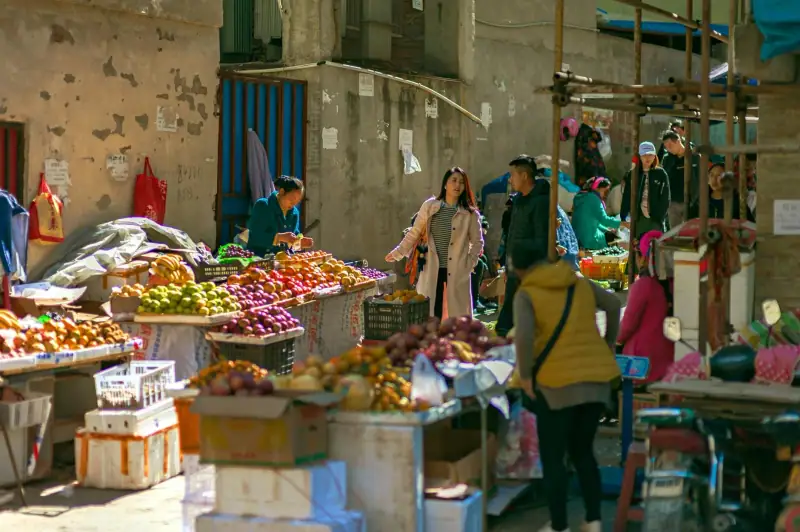
Craft galleries and shops
- State Department Store: the central department store, several floors of cashmere, furs, crafts
- UB Gallery: contemporary Mongolian art, paintings, sculptures
- Nomadic Expeditions Shop: Mongolian outdoor gear
Mongolian cashmere
Mongolia is the world’s second-largest cashmere producer. Prices are clearly lower than those charged abroad.
Recommended brands:
- Gobi Cashmere: the national reference, several shops in town
- Mongolian Cashmere House: large selection, competitive prices
- Artisan brands: sold in the galleries of the center
Narantuul Market (“Black Market”)
The largest market in Mongolia. Across several hectares, you can find everything: horse saddles, yurt parts, textiles, electronics, food. A memorable atmosphere, but watch out for pickpockets.
Practical info: reachable by bus from the center (check the line once there), open during the day.
Hotels in Ulaanbaatar
Well-placed lodging for exploring the capital.
Culture and shows
Traditional music and dance shows
Several venues in Ulaanbaatar offer daily performances of traditional Mongolian music and dance:
Tumen Ekh Ensemble: one of the most renowned companies. A 1.5-hour program including:
- Throat singing (khöömii): a unique vocal technique that produces two sounds at once
- Morin khuur (horsehead fiddle): the national instrument
- Dances in the costumes of the different Mongolian ethnic groups
- Mongolian contortion (byalzuur): a traditional circus art
Price: about €15 to €25 (~$17-29), evening performances, schedules vary by season (check with the troupe).
The National Opera and Ballet Theater
Ulaanbaatar has a national opera house inherited from the Soviet era, with a ballet and opera program of surprising quality. Tickets are very affordable (€5 to €15, ~$6-17).
Excursions from Ulaanbaatar
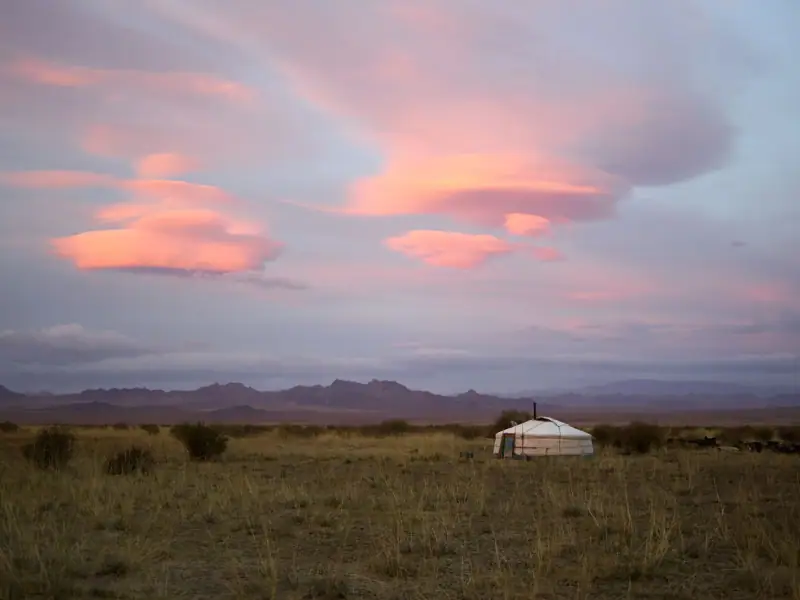
To explore the surroundings without leaving the capital for more than a day:
- Genghis Khan statue at Tsonjin Boldog (54 km / 34 mi): the largest equestrian statue in the world
- Gorkhi-Terelj Park (80 km / 50 mi): wild steppe an hour’s drive away
- Manzushir Monastery (80 km / 50 mi): magnificent ruins in a pine forest
- Hustai Reserve (100 km / 62 mi): watching Przewalski’s horses reintroduced to the wild (see the guide to seeing Przewalski’s horses at Hustai from Ulaanbaatar)
Ulaanbaatar is a city you love or learn to love. Its contradictions, between ultramodernity and thousand-year-old tradition, between ostentatious wealth and visible poverty, reflect a country in full transformation. Take the time to understand it before heading into the wide open spaces: you will leave with a richer outlook.
Frequently asked questions
How many days do you need to visit Ulaanbaatar?
Two full days let you see the essential sites. Three days let you explore the city at your own pace, including markets, local life and an excursion to Terelj or the Genghis Khan statue.
Is Ulaanbaatar a dangerous city?
The city is generally safe for tourists. Pickpockets exist in crowded markets and on public transport. At night, some outlying neighborhoods are best avoided. The historic center remains safe.
What are the museum hours in Ulaanbaatar?
Most museums are open from 9 am to 5 pm, Tuesday to Sunday. Some close on Monday. The National Museum of Mongolian History is open every day in high season.
Can you see Ulaanbaatar on foot?
The historic center (between Sukhbaatar Square and Gandan Monastery) is perfectly walkable. The city is flat at its heart. For more distant sites, take a taxi or the bus.
Is there a tourist bus in Ulaanbaatar?
There is no hop-on hop-off tourist bus in Ulaanbaatar. The most practical solution is a taxi (local app UBCab, cash payment, local number required) or guided tours organized by hotels.
More Mongolia guides
Keep reading
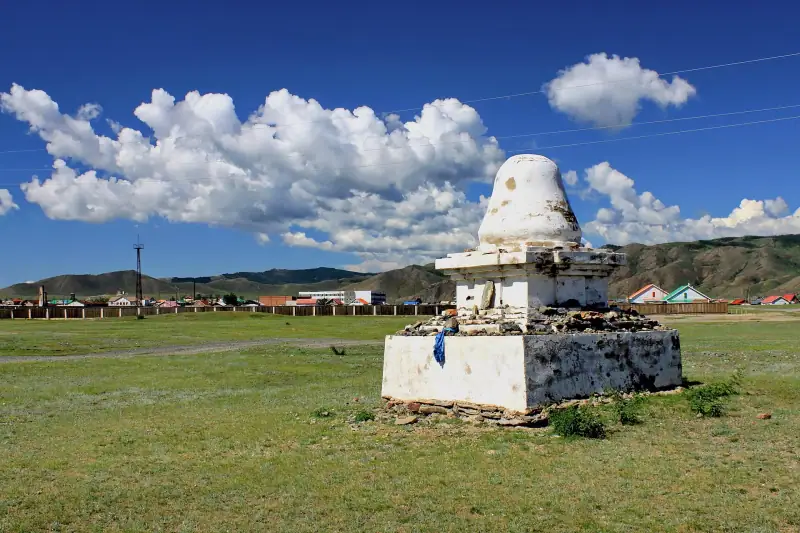
Visiting Karakorum: a complete guide to the ancient Mongol capital
Karakorum, heart of the 13th-century Mongol Empire: ruins, Erdene Zuu Monastery, the Orkhon Valley and practical tips for a memorable stay.
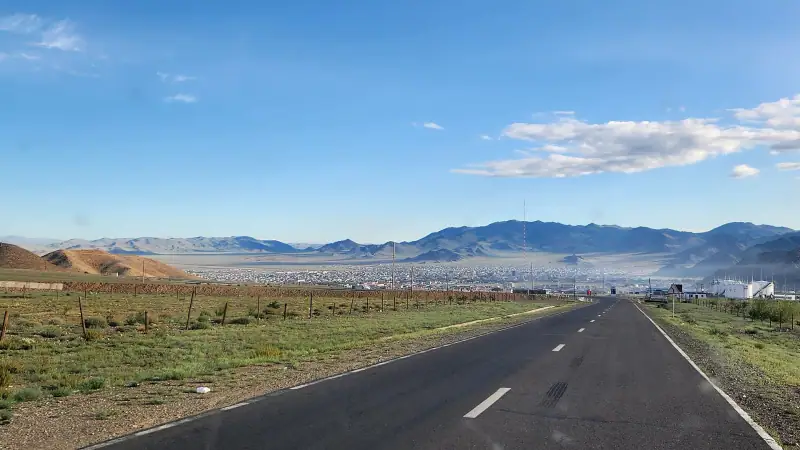
Visiting Ölgii: a complete guide to Mongolia's Kazakh capital
Ölgii, capital of Bayan-Ölgii: eagle hunting, the Golden Eagle Festival, Tavan Bogd, Kazakh culture. A practical guide to western Mongolia.
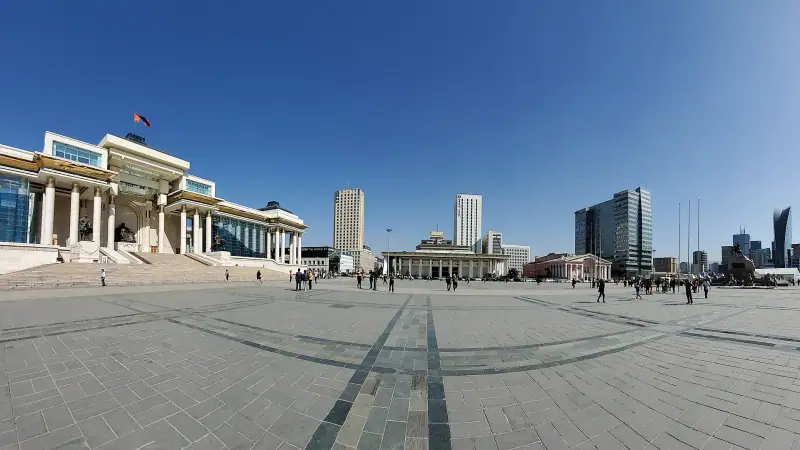
Visiting Ulaanbaatar: a complete guide to the Mongolian capital
What to do in Ulaanbaatar? Sukhbaatar Square, Gandan Monastery, museums, Narantuul Market and day trips. Complete guide to the Mongolian capital.
Ready-made
Mongolia itineraries
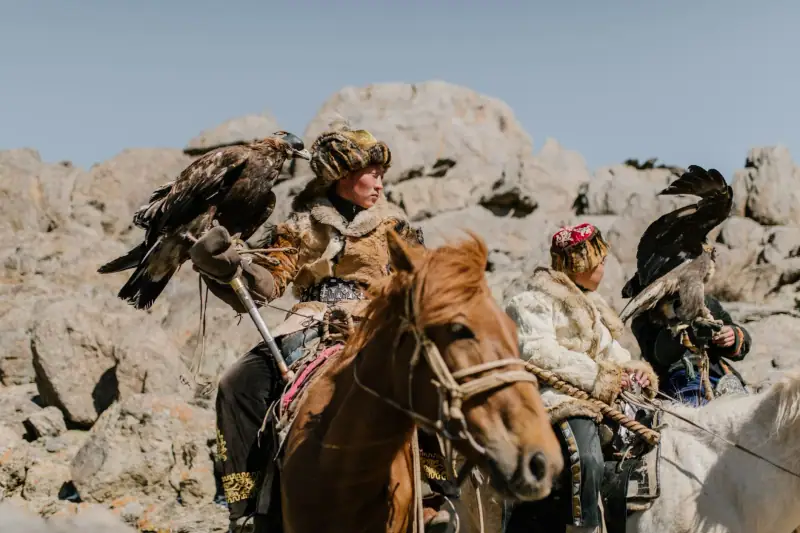
10 days
Western Mongolia in 10 days: Ölgii, the Altai and Kazakh culture
Western Mongolia in 10 days: Ölgii, the Kazakh Altai, eagle hunters, Tavan Bogd National Park. Full itinerary, budget and tips.
7 days
Mongolia in 7 days: a full itinerary around Ulaanbaatar
UlaanbaatarTereljKarakorumUlaanbaatar
14 days
Mongolia road trip: the grand tour in 14 to 21 days
Plan a Mongolia road trip: a 14 and 21-day itinerary through Ulaanbaatar, the Gobi, the steppe, Khövsgöl and the Altai, with logistics and budget.