What to see
Visiting Amman: Complete Guide to Jordan's Capital
We may earn a commission when you book through links on this page, at no extra cost to you. We don't visit or try the places we cover: we summarize published sources. How we work
In short
- Two full days cover the Citadel, the Roman Theater, Rainbow Street and the main neighborhoods; allow 3 to 4 days for museums, souks and day trips.
- Amman has no metro: use taxis, Uber or Careem (taxi rides cost about 2-5 JOD within the city), and a rental car only for day trips.
- Day-trip distances from Amman: Jerash about 50 km (31 mi), Madaba about 35 km (22 mi), Dead Sea about 55 km (34 mi).
- Best seasons are spring (March-May) and autumn (September-November), at 15 to 25 °C (59 to 77 °F).
Amman often surprises those who discover it for the first time. Far from the image of a purely functional capital, the city has a complex personality: ancient and ultramodern, conservative and creative, between the lanes of Downtown and the trendy art galleries of Weibdeh. Originally built on seven hills (the jabals), it now has many more, and its beige stone silhouette stretches over dozens of kilometers. The first point of entry into Jordan for most travelers, Amman deserves some time before you head to Petra or Wadi Rum.
Amman, three millennia of history on seven hills
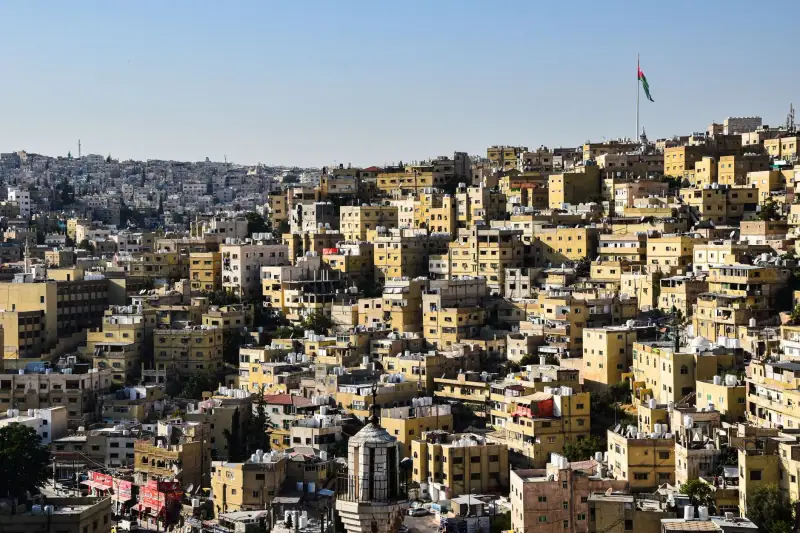
Amman’s history is much longer than its modern facade suggests. The site was already inhabited in the Neolithic. In the Bronze Age, the city was called Rabbath Ammon, capital of the Ammonites, mentioned in the Bible. The Ptolemies renamed it Philadelphia in the 3rd century BC. The Romans made it a prosperous city of the Decapolis, with a theater, a forum and temples. The Umayyads built a palace there in the 8th century. Then the city fell into a long sleep until the 19th century.
It was the settlement of the Circassians, driven from the Caucasus by tsarist Russia in 1878, that restarted the modern city. Emir Abdullah I made it the capital of the Emirate of Transjordan in 1921. Since then, Amman has absorbed several waves of refugees (Palestinian, Iraqi, Syrian), each leaving a culinary, cultural and architectural imprint on the urban fabric.
Today, Amman has about 4 million inhabitants (a third of the Jordanian population) and is the economic, cultural and administrative hub of the country.
The Citadel (Jabal al-Qal’a)
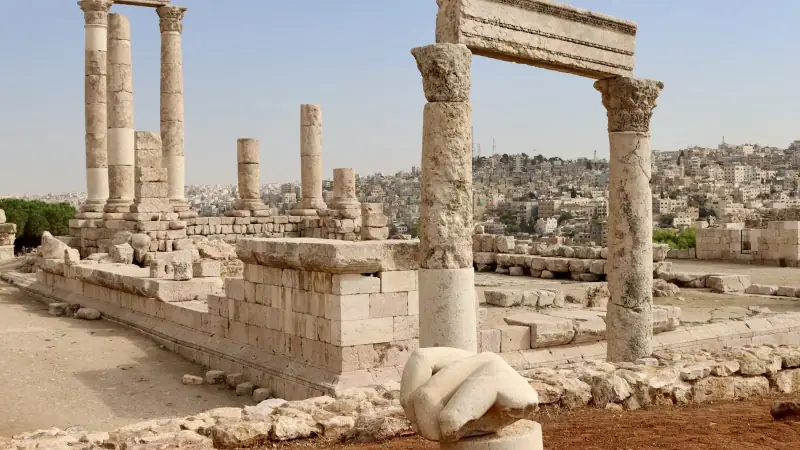
The Citadel is Amman’s most important archaeological site and the essential starting point of any visit. Perched on the highest hill of the city center (about 850 meters / 2,790 ft above sea level), it offers a 360-degree panoramic view of the city and its surrounding hills, a particularly striking sight at golden hour.
The Temple of Hercules
The most visible monument of the Citadel is the Temple of Hercules (1st-2nd century AD), dedicated to the heroic figure of the Greco-Roman pantheon. Only a few Corinthian columns remain standing, but their height (about 13.5 meters / 44 ft) and the quality of their carved decoration impress. A colossal stone thumb found on the site suggests that the temple housed a monumental statue of Hercules. The temple was built under Marcus Aurelius (161-180 AD), during the governorship of Geminius Marcianus (161-166), with no documented imperial visit to Philadelphia.
The Umayyad Palace
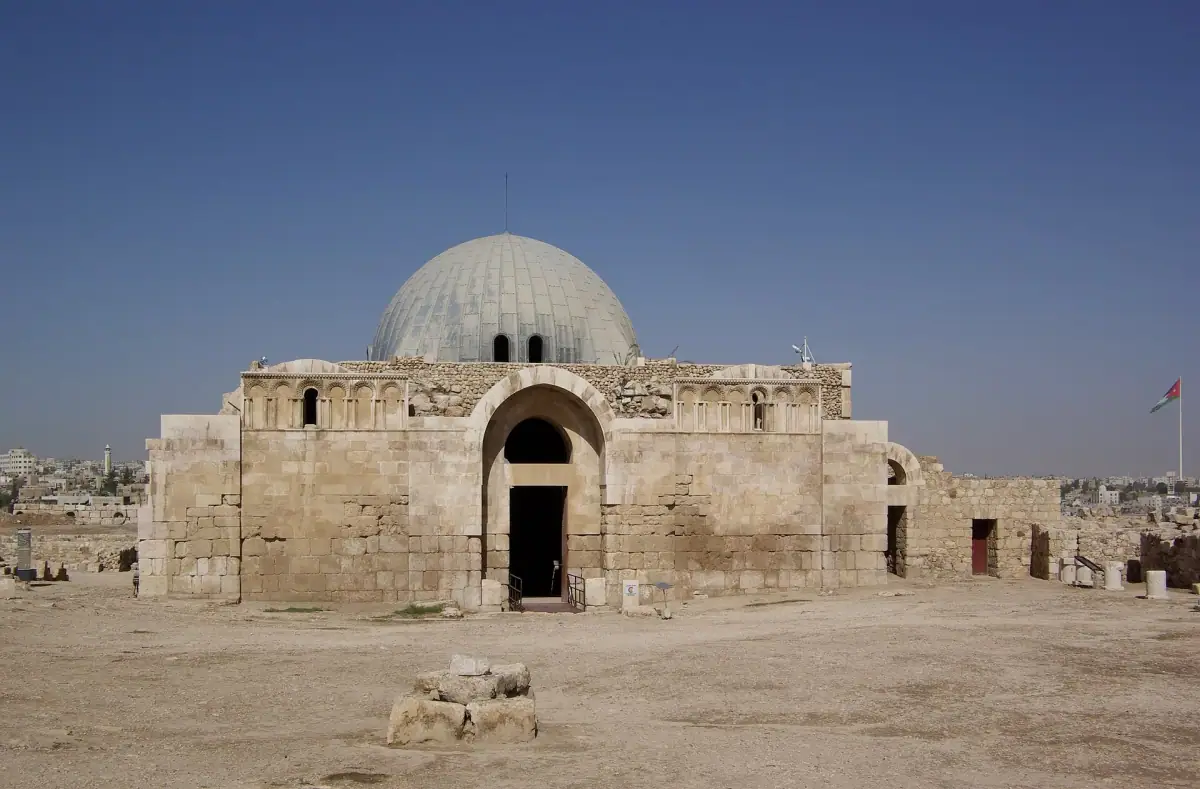
Just behind the Temple of Hercules, the remains of the Umayyad Palace (8th century) testify to another glorious era. The main building, partly restored, housed the Umayyad governor and his court. The round audience hall (qubbah), reconstructed from the original fragments, is architecturally remarkable. Roman cisterns reused by the Umayyads have also been uncovered.
The Jordan Archaeological Museum
In the heart of the Citadel site, the Jordan Archaeological Museum holds a collection that covers the country’s history from prehistory to the Islamic period. The centerpiece is a series of plaster statues from Ain Ghazal (around 7000 BC), among the oldest large human sculptures known in the world. Rooms of ceramics, jewelry and Babylonian cylinder seals complete a dense but accessible tour.
Hours: vary by season, with one weekly closing day (Friday according to several sources); check with the Department of Antiquities or the Jordan Tourism Board before you come. Price: included in the Jordan Pass or a combined Citadel ticket.
The Roman Theater
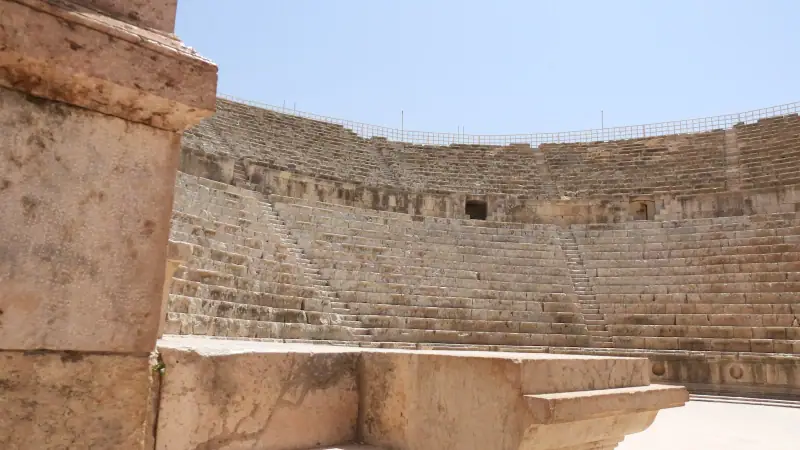
Below the Citadel, in Downtown, the Roman Theater is one of Amman’s best-preserved monuments. Cut directly into the limestone hill in the 2nd century AD under Antoninus Pius, it could hold about 6,000 spectators in its 44 rows of seats.
Today, the theater is still used for cultural performances in the evening. The stage (scaenae frons), partly restored, gives an idea of the building’s original magnificence. The acoustics, which you can test by clapping at the center of the orchestra, remain remarkable two thousand years after its construction.
Next to the Theater, two small museums deserve a stop: the Jordan Folklore Museum and the Museum of Popular Traditions, which present traditional costumes, Bedouin jewelry and reconstructions of scenes of rural Jordanian life.
Hours: generally open from 8 am to 5 pm (winter hours) or 7 pm (summer). Price: about 2 JOD, included in the Jordan Pass.
Neighborhoods to explore
Downtown (the historic center)
Downtown (wast al-balad) is the historic and commercial heart of Amman. This is where the souks beat: Souk Al-Bukharia for spices, Souk Al-Sukkar for sweets, streets overrun with falafel sellers, fresh juice stands and textile merchants. The atmosphere is authentic, noisy and makes no concession to mass tourism.
Hashemite Plaza (Al-Maidan), in front of the Roman Theater, is the rallying point of the center. The Grand Husseini Mosque (Downtown’s main mosque, late 19th century for the current structure) stands nearby. Downtown’s traditional cafes, where Jordanians play dominoes while drinking tea, contrast sharply with the trendy coffee shops of the upper city.
Jabal Amman and Rainbow Street
Going up from the noisy bustle of Downtown to the Jabal Amman neighborhood (1st Circle to 3rd Circle) is like entering another world. The limestone villas of the 1940s-1960s now house art galleries, fusion restaurants, delicatessens and independent bookstores. The main axis is Rainbow Street (Jabal Amman Street), the most photogenic pedestrian street in the capital.
Rainbow Street is the ideal place for a late-afternoon walk: Jordanian craft shops, terrace cafes, pomegranate juice stands and a 180-degree view of Downtown. In the evening, the restaurants and bars (serving alcohol, which is notable) come alive until midnight.
Weibdeh
Adjacent to Jabal Amman, the Weibdeh neighborhood is Amman’s artistic and bohemian quarter. Contemporary art galleries, artists’ studios and museums are concentrated there. The Jordan National Gallery of Fine Arts presents a collection of contemporary art from the Arab and Islamic world. Darat al-Funun (house of the arts, a former villa with terraced gardens) hosts exhibitions and cultural events in an exceptional setting.
Weibdeh’s cafes attract students, artists and expats in a relaxed and tolerant atmosphere.
Hotels in Amman
From hostels to stone boutique hotels in Jabal Amman, all budgets covered.
Abdali and the modern district
To measure Amman’s transformation, head to Abdali (between the 1st and 4th Circles), the capital’s new CBD. The Abdali Boulevard real estate project, delivered gradually since the 2010s, concentrates shopping centers, office skyscrapers and international hotels. Most international brands and chain hotels are here. The atmosphere is resolutely modern, almost interchangeable with other Gulf capitals; it is up to you to decide whether that is what you are looking for.
Food: eating in Amman
Amman is the food capital of Jordan, and even one of the best places to eat in the Middle East. Traditional Jordanian cooking revolves around mansaf (lamb in dried fermented sheep’s-milk yogurt on saffron rice and shrak bread), maqluba (upside-down rice with vegetables and meat), generous mezzes and syrup pastries.
In Downtown, restaurants around the central market serve freshly prepared falafel, shawarma and hummus at very affordable prices (under 2 JOD for a full meal). Rainbow Street, for its part, has restaurants of fusion, Jordanian-Mediterranean or international cuisine, for budgets of 8 to 20 JOD per person.
Jordanian pastry deserves special attention: knafeh (semolina dough, fresh cheese and rose syrup), baklawa, qatayef (walnut-stuffed pancakes). The Downtown pastry shops are the best places to try them.
For a complete food experience, our guide to Amman restaurants presents the best addresses by neighborhood and budget.
Food tours and cooking classes in Amman
Discover culinary Downtown, the central market and Jordanian flavors with a local guide.
Getting around Amman
Amman has neither a metro nor a tram. The transport options are:
Taxis: Yellow taxis are plentiful and relatively cheap. In theory, they use the meter (adad); in practice, in some tourist areas, negotiate the price before getting in (generally 2 to 5 JOD for a trip within the city). White taxis (service taxis) follow fixed routes at fixed prices, very cheap but complicated to use.
Uber and Careem: Both apps work well in Amman. Prices are transparent and often slightly lower than traditional taxis. It is the most practical solution for tourists.
Rental car: Essential if you plan excursions. Jerash is about 50 km (31 mi) north, Madaba about 35 km (22 mi) south, the Dead Sea about 55 km (34 mi). Driving in Amman itself is stressful (heavy traffic, few parking spots in Downtown), so park the car at the hotel and use taxis/ride-hailing to visit the city.
On foot: Downtown, Rainbow Street and Weibdeh are pleasant to visit on foot. The elevation changes between the jabals can be tough in strong heat, so bring good shoes.
Car rental in Jordan
Compare prices to explore Jerash, Madaba and the Dead Sea from Amman at your own pace.
Practical tips
Jordan Pass: essential or not?
If your trip to Jordan includes Petra, the Jordan Pass pays off. It includes Petra (several days), Jerash, the Roman Theater and dozens of other sites. For Amman alone, the advantage is more limited (the Citadel and the Roman Theater cost a few JOD without the pass). Buy it online before you arrive, on the official Jordan Pass site. Whether it also replaces an entry visa depends on your passport: check the official Jordan Pass site and your government’s travel advice before you book (checked November 2026).
Budget in Amman
Amman is cheaper than the big Western capitals but more expensive than other Near Eastern destinations:
- Lodging: 15-25 JOD (hostels), 40-80 JOD (3-4 star hotels), 100 JOD and more (charming boutique hotels)
- Meals: 1-3 JOD (street food), 5-12 JOD (local restaurant), 15-30 JOD (Rainbow Street tourist restaurant)
- Transport: 2-5 JOD per taxi or ride-hailing trip
Our guide to the budget in Jordan details the full cost of a stay.
Dress and customs
Amman is a relatively liberal city for the Middle East, but decent dress remains the rule in public places and religious sites (shoulders and knees covered for women, notably in mosques). Rainbow Street and Weibdeh are more open; Downtown is more conservative. Ramadan transforms the rhythm of the city: restaurants closed by day, lively nights.
Internet and currency
Wi-Fi is available in nearly all hotels and cafes. Local SIM cards (Zain, Orange, Umniah) are cheap and can be bought at the airport; you can also check your carrier’s international plan or use a travel eSIM. The currency is the Jordanian dinar (JOD), about €1.25 (~$1.45). ATMs are plentiful in tourist areas.
Two days in Amman: suggested itinerary
Day 1: Historic Amman
- Morning: Citadel (Temple of Hercules, Umayyad Palace, Archaeological Museum), 2 h 30
- Lunch: hummus and mezzes in Downtown (under 5 JOD)
- Afternoon: Roman Theater, Downtown souks, Duke’s Diwan (19th-century cultural house, free entry)
- Evening: Walk on Rainbow Street, dinner in a Jabal Amman restaurant
Day 2: Excursion and contemporary culture
- Morning: Excursion to Jerash (50 km / 31 mi, 45 min), half day
- Lunch: back in Amman or on the road
- Afternoon: Weibdeh art galleries, Darat al-Funun
- Evening: Dinner in the Shmeisani or Abdali neighborhood
Amman as the base for your Jordan trip
More than a simple stopover, Amman is an ideal strategic base for fanning out across Jordan. From the capital, Jerash can be visited in half a day (read our complete guide to Jerash). Madaba and Mount Nebo are 30-35 km (19-22 mi) away, and the Dead Sea about 55 km (34 mi).
To plan your days beyond the capital, our 7-day itinerary for Jordan puts Amman in a logistical circuit toward Petra and Wadi Rum. If you prefer total independence, the guide to the road trip in Jordan details the stages from Amman by car.
To find your ideal lodging in the capital, see our detailed selection where to stay in Amman.
Amman is not a city you pass through, it is a city you discover. Its contrasts make it one of the most fascinating capitals in the Middle East: between the living noise of Downtown and the silence of the residential hills, between Byzantine mosaics and tech start-ups, between the souk falafel and the fine-dining restaurants of Jabal Amman. Give it the time it deserves and you will not regret it.
Frequently asked questions
How long does it take to visit Amman?
Two full days are enough to see the essentials: the Citadel, the Roman Theater, Rainbow Street and the main neighborhoods. If you want to explore the museums, wander the souks and take day trips to Jerash or the Dead Sea, allow 3 to 4 days. Amman is also an excellent base for all of Jordan.
What is the best neighborhood to stay in Amman?
Jabal Amman (around the 1st to 3rd Circles) and Weibdeh are travelers' favorites: central, bohemian, with varied restaurants and cafes. Downtown is more authentic and cheaper, but livelier at night. Abdali suits business travelers or those looking for modern hotels.
How do you get around Amman?
Amman has no metro. Taxis (often metered or negotiated in advance) and ride-hailing apps such as Uber and Careem are the most practical. Public minibuses are cheap but complicated for non-Arabic speakers. A rental car is recommended to explore the surroundings (Jerash, Dead Sea, Madaba).
Is Amman a safe city for tourists?
Amman is considered one of the safest capitals in the Middle East. Tourists are welcomed and violent incidents are very rare. The usual precautions apply: avoid showing valuables, stay alert in crowded areas. Women traveling alone are generally respected, especially in tourist neighborhoods.
Do you need a visa to visit Jordan?
Entry rules depend on your passport. Check the official travel advice of your government before you book: travel.state.gov (US), GOV.UK (UK), travel.gc.ca (Canada), Smartraveller (Australia) (checked November 2026). The Jordan Pass, bought online before departure (from 70 JOD), includes entry to more than 40 tourist sites including Petra; whether it also covers an entry visa depends on your passport, so check the conditions on the official Jordan Pass site.
What is the best time to visit Amman?
Spring (March-May) and autumn (September-November) are ideal, with temperatures of 15 to 25 °C (59 to 77 °F). Summer (June-August) is very hot (35-40 °C / 95-104 °F) but it is the high tourist season. Winter (December-February) is cool or even cold (5-12 °C / 41-54 °F) and can be rainy, even snowy some years; hotels are cheaper.
Can you visit Amman in one day?
One day covers the main sights: Citadel in the morning, Roman Theater, lunch Downtown, a walk on Rainbow Street in the afternoon. It is doable if you arrive early, but you will miss strolling the neighborhoods. Spending a night in Amman is recommended to enjoy the evening atmosphere.
More Jordan guides
Keep reading
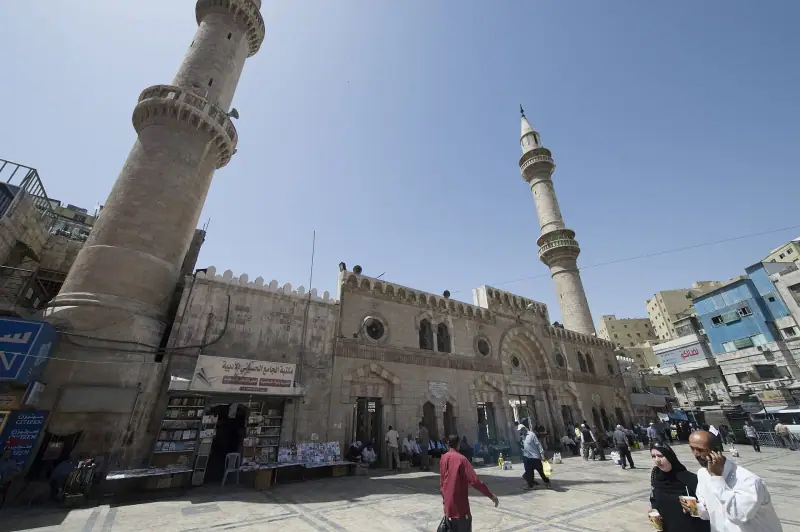
Amman Top Sights: What Not to Miss
The top sights of Amman: Citadel, Roman Theater, Rainbow Street, museums and neighborhoods. All you need to see in Jordan's capital.
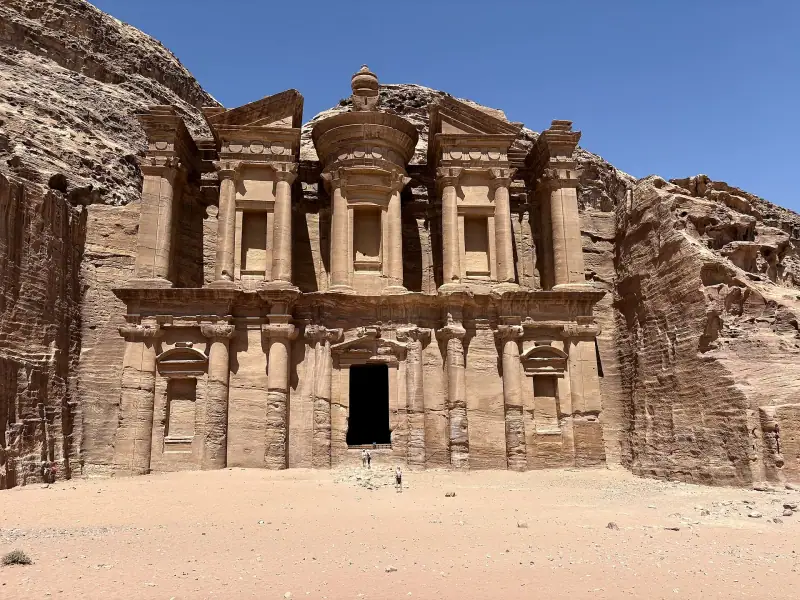
Petra Top Sights: What Not to Miss
The top sights of Petra: the Treasury, the Monastery, the Royal Tombs and the Siq. A guide to visiting Petra in 1, 2 or 3 days.
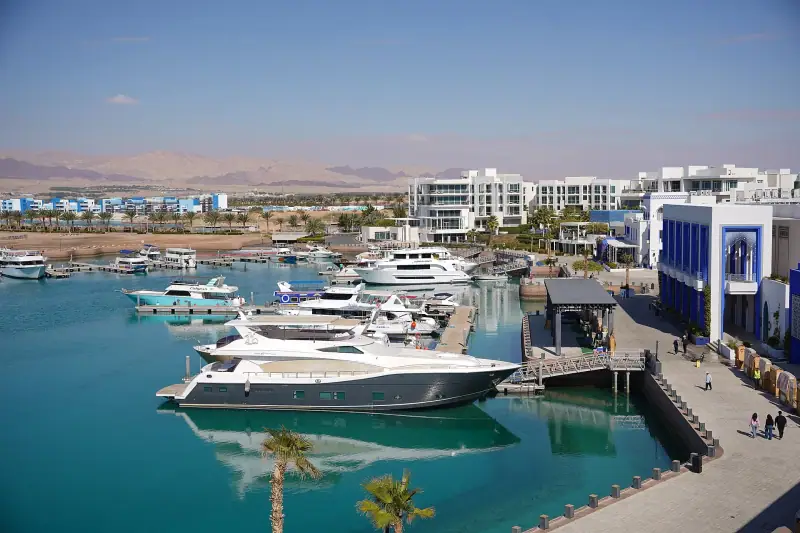
Visiting Aqaba: Complete Guide to Jordan's Red Sea City
A complete guide to visiting Aqaba in Jordan: beaches, diving, historic sites, transport, lodging and practical tips to plan your stay.
Ready-made
Jordan itineraries
3 days
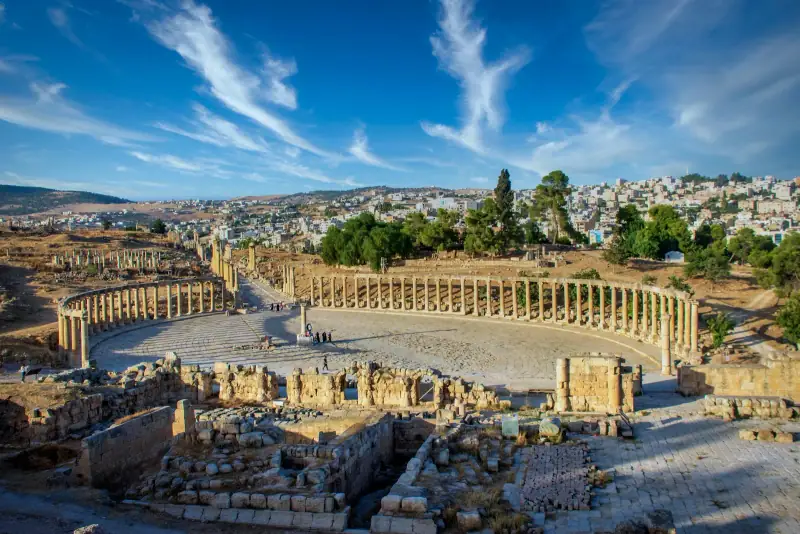
Northern Jordan Road Trip: Amman, Jerash and Ajloun
A complete northern Jordan road trip: Amman, the Roman city of Jerash, Ajloun Castle and Umm Qais in 3 to 4 days.
10 days
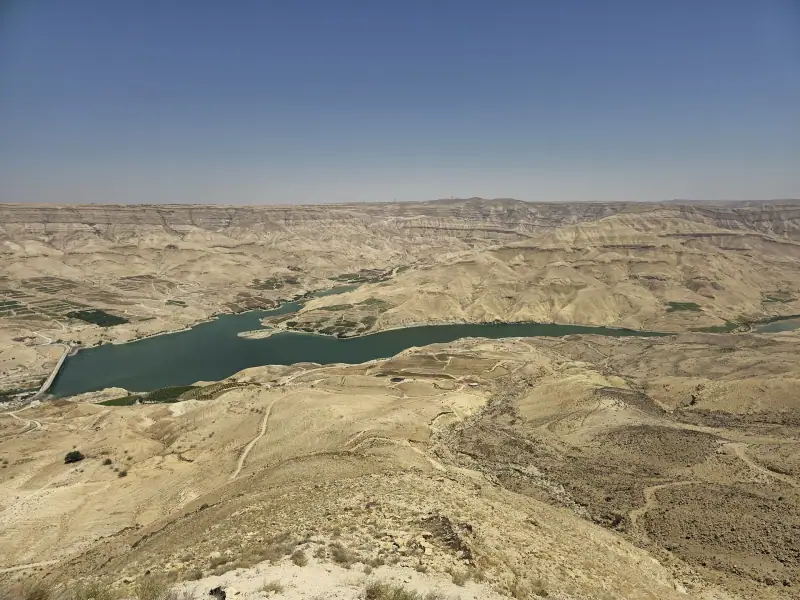
Road Trip in Jordan: The Self-Drive Guide
Plan your Jordan road trip: King's Highway, Desert Highway, Wadi Rum and Aqaba. Itinerary, driving tips and rental car basics.
5 days
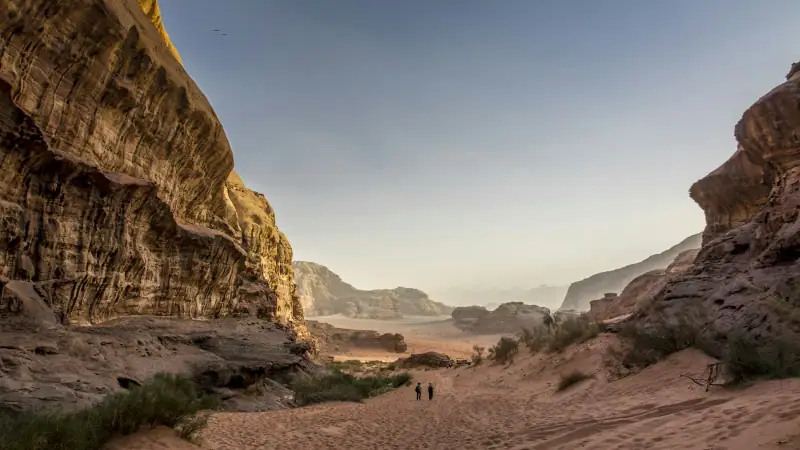
Jordan in 5 Days Without a Car: A Realistic Bus and Taxi Itinerary
Jordan in 5 days without a car: Amman, Petra, Wadi Rum and Aqaba by JETT bus, minibus and taxi. Distances, travel times, schedules and a realistic budget.