What to see
Amman Top Sights: What Not to Miss
We may earn a commission when you book through links on this page, at no extra cost to you. We don't visit or try the places we cover: we summarize published sources. How we work
In short
- The Citadel and the Roman Theater each cost 3 JOD and are included in the Jordan Pass; allow 1 h 30 to 2 h for the Citadel.
- Two days cover the main sights; three days add neighborhood time and day trips to Jerash and Madaba.
- Day trips from Amman: Jerash (45 min), Madaba and Mount Nebo (1 h), Dead Sea (1 h 30), desert castles (2-3 h east).
- Taxis are cheap (3-8 JOD for most trips); the Careem app gives fixed prices and card payment.
Amman is often treated as a simple transit stop before Petra or Wadi Rum. That is a mistake. The Jordanian capital is a fascinating city, built on seven hills, that mixes 7,000 years of history with one of the liveliest cultural and food scenes in the Middle East. Here are the top sights for discovering the best of Amman.
The Citadel (Jabal al-Qal’a)
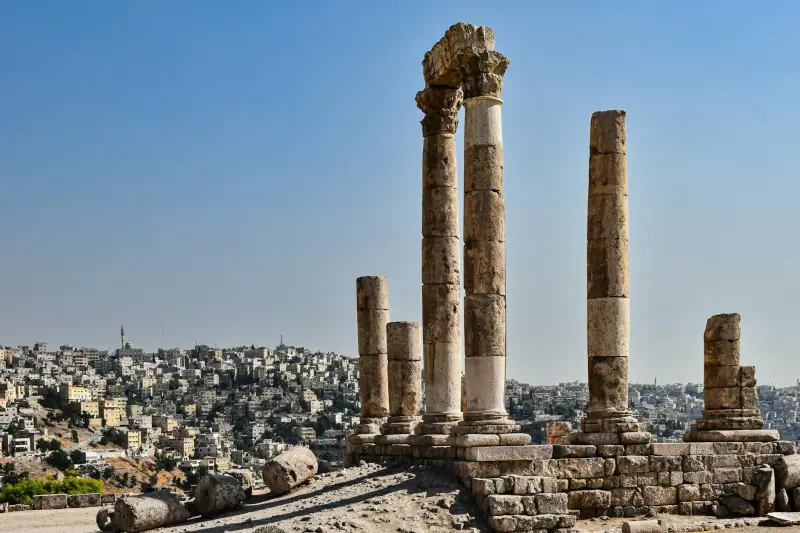
The Amman Citadel, perched on the city’s highest hill (about 850 meters / 2,790 ft above sea level), is the historic heart of the capital. This multi-layered archaeological site holds remains from the Bronze Age to the Islamic period.
The Temple of Hercules: The most visible monument of the Citadel: five Corinthian columns standing against the blue sky. This 2nd-century AD Roman temple, dedicated to Emperor Antoninus Pius, overlooks the whole city. From its base, the panoramic view over Amman is dazzling. You will notice a colossal stone hand, the only preserved fragment of the giant statue of Hercules that must have adorned the temple.
The Umayyad Palace: This 8th-century palace complex is the best-preserved example of Umayyad architecture in Jordan. Its reconstructed central stone dome and its reception halls give an idea of the opulence of the Umayyad court.
The Archaeological Museum: Small but remarkable, this museum holds major pieces of Jordanian archaeology: the Neolithic statuettes of Ain Ghazal (among the oldest human statues in the world, 7,500 BC), Nabataean objects, Byzantine mosaics and inscribed steles.
Practical info:
- Entry: 3 JOD (included in the Jordan Pass)
- Hours: 8 am-7 pm (summer), 8 am-4 pm (winter)
- Allow 1 h 30 to 2 h for the whole site
The Roman Theater
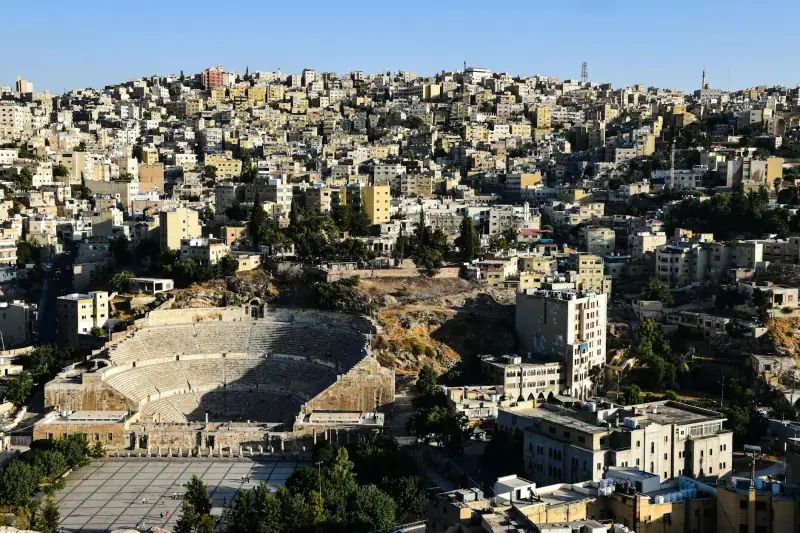
At the foot of the Citadel, in Amman’s historic center, stands the 2nd-century Roman theater. This 6,000-seat theater cut into the hillside is one of the best preserved in the world.
What to see:
- The limestone seating, organized in three sections (cavea) still usable
- The stage (orchestra) with its marble paving
- The view from the top of the seating over Downtown, with the Citadel in the background
- The two small museums inside: the Folklore Museum (traditional crafts, costumes, Bedouin objects) and the Museum of Popular Traditions
Practical info:
- Entry: 3 JOD (included in the Jordan Pass)
- Site open all day
- Shows and concerts are sometimes held there in the evening, so ask during your stay
Rainbow Street and Jabal Amman
Rainbow Street is Amman’s bohemian artery, the neighborhood where the city shows itself at its best: creative restaurants, trendy cafes, art galleries, design shops and independent bookstores.
What to do on Rainbow Street:
- Stroll past the cafes with terraces and views of the hills
- Visit the contemporary Jordanian art galleries
- Taste fusion cuisine at a restaurant (local food reinvented)
- Shop in the quality craft boutiques
- Watch the unique mix of modernity and Jordanian tradition
The Friday market: Every Friday morning, a market of antiques, vintage clothing and miscellaneous items sets up in Jabal Amman. The atmosphere is excellent.
Downtown (Balad) and the souks
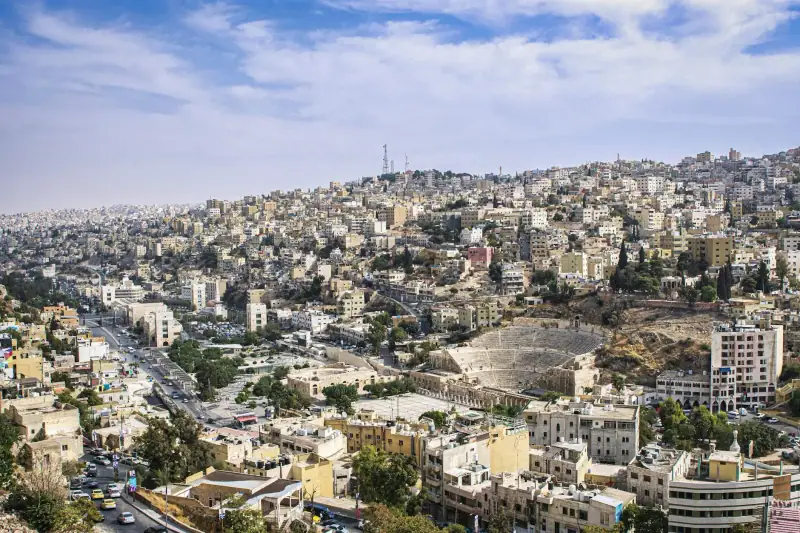
Amman’s historic center, around the Clock Tower, is the commercial, working-class heart of the city. This is where Amman is most Jordanian.
What to see and do in Downtown:
- The souks: Gold souk, spice souk, vegetable souk: a plunge into smells and colors
- Souk Al-Bukharia: Market for spices, textiles and medicinal herbs
- Street restaurants: The best falafel in Amman is eaten in Downtown (Habibah Sweets, Hashem Restaurant, an institution since 1952)
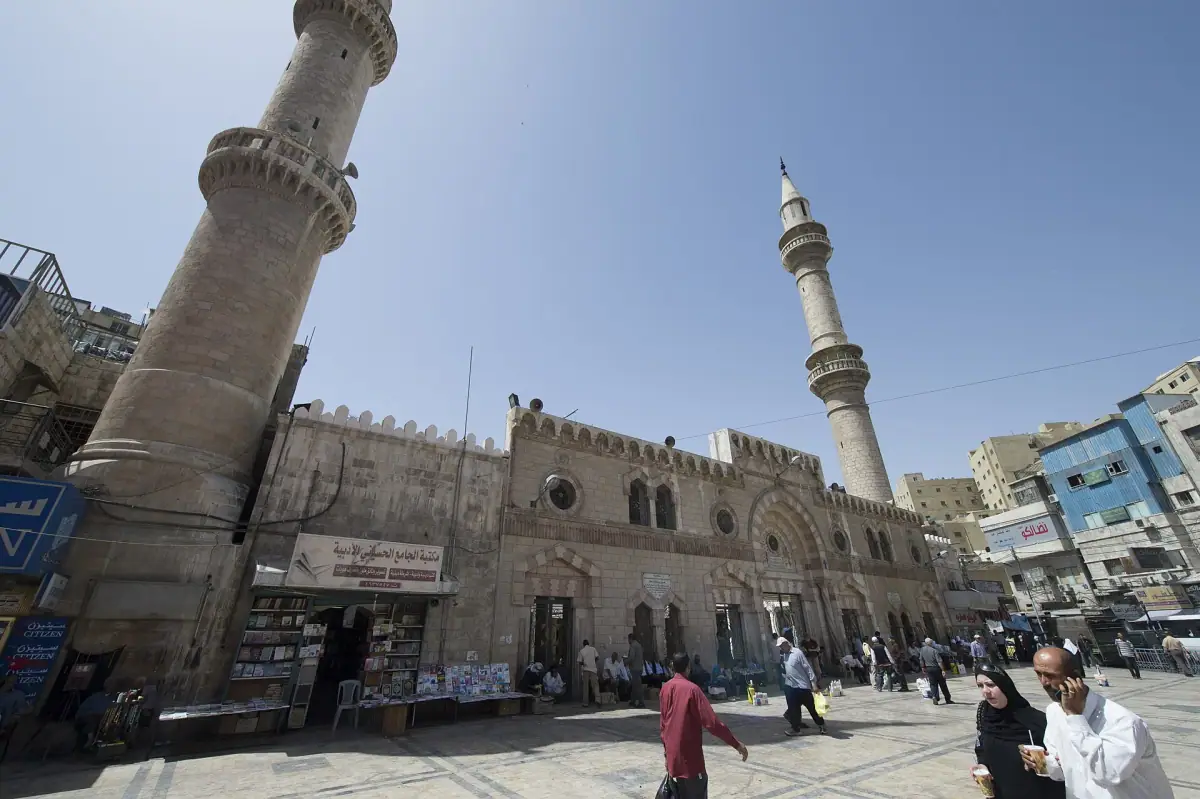
- The King Abdullah I Mosque: Modern architecture (1989), can be visited outside prayer times
Amman’s museums
Jordan Museum: Jordan’s national museum, opened in 2014. An excellent collection tracing 1 million years of human history on Jordanian territory, from the first traces of human presence to the Dead Sea Scrolls (biblical texts of the 1st century).
- Entry: 5 JOD
- Closed: Tuesday
National Museum of Fine Arts: The most important collection of contemporary Arab and Jordanian art, with works from the 20th century to today.
- Entry: 7 JOD for non-Jordanians
- Closed: Friday
Royal Automobile Museum: The collection of royal cars of the Hashemite family, an unusual museum that reveals King Hussein’s passion for cars. More than 70 vehicles from 1916 to today.
Day trips from Amman
Amman is an excellent hub for reaching nearby sites.
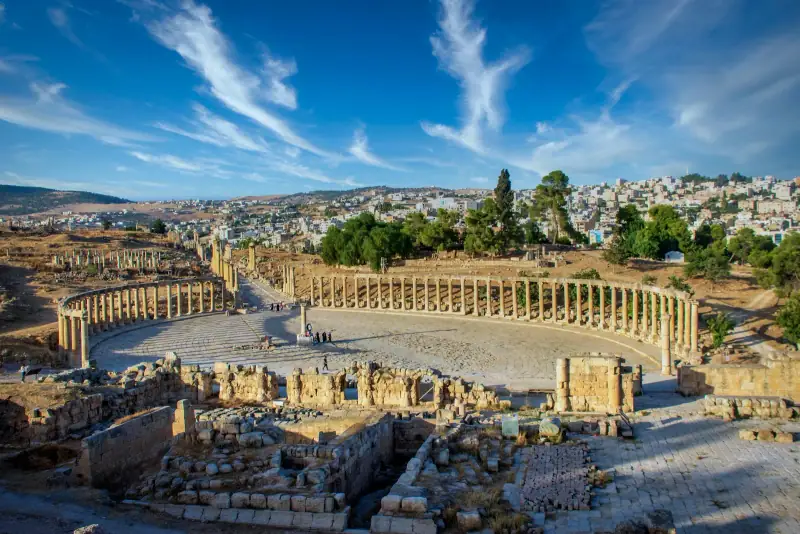
Jerash (45 min): The Rome of the Middle East, one of the best-preserved Roman sites in the world. Colonnade, oval forum, theaters, hippodrome: half a day or a full day. Included in the Jordan Pass.
Madaba and Mount Nebo (1 h): The city of mosaics and the holy place from which Moses is said to have seen the Promised Land. Half a day is enough, and it can be combined with the Dead Sea.
Dead Sea (1 h 30): The experience of floating in hypersaline water. Half a day, or a full day with a resort.
Desert castles (2-3 h east): The Umayyad palaces of the eastern desert (Qasr Amra, Qasr Kharana), little visited and historically fascinating.
Getting around Amman
Amman is a city of hills, hard to explore on foot over long distances. Taxis are plentiful and cheap. The Careem app (similar to Uber) lets you order taxis with fixed prices and card payment, which is very practical.
Allow 3-8 JOD for most trips within the city. Public buses exist but are hard to use without knowing the network.
Amman is a city you have to earn. Those who take the time to wander its neighborhoods, eat in its restaurants and climb to the Citadel at sunset often leave with an unexpected sense of attachment to this city, both modern and ancient.
Frequently asked questions
How many days do you need to visit Amman?
2 days are enough to see Amman's main sights. 3 days let you soak up the atmosphere of the neighborhoods, eat well and take day trips to Jerash and Madaba. Travelers in a hurry can see the essentials in a day, but it would be a shame.
Is Amman a safe city for tourists?
Yes, Amman is one of the safest capitals in the Middle East. The tourist area of Jabal Amman is particularly secure. Tourist police are visible at major sites. As in any big city, stay alert in crowded markets.
What are the most interesting neighborhoods in Amman?
Jabal Amman (bohemian area, restaurants, cafes), Downtown/Balad (markets, Roman theater), Jabal al-Qal'a (Citadel, museum), and Abdoun (upscale restaurants and shops) are the most interesting neighborhoods for visitors.
Is the Amman Citadel included in the Jordan Pass?
Yes, the Amman Citadel (Jabal al-Qal'a) and the Archaeological Museum are included in the Jordan Pass. Without the Jordan Pass, entry costs 3 JOD.
When to visit Amman: morning or afternoon?
The Citadel is beautiful in the morning (light facing the Temple of Hercules) or at sunset. Downtown is liveliest in the late afternoon and evening. Rainbow Street comes alive from 5-6 pm.
More Jordan guides
Keep reading
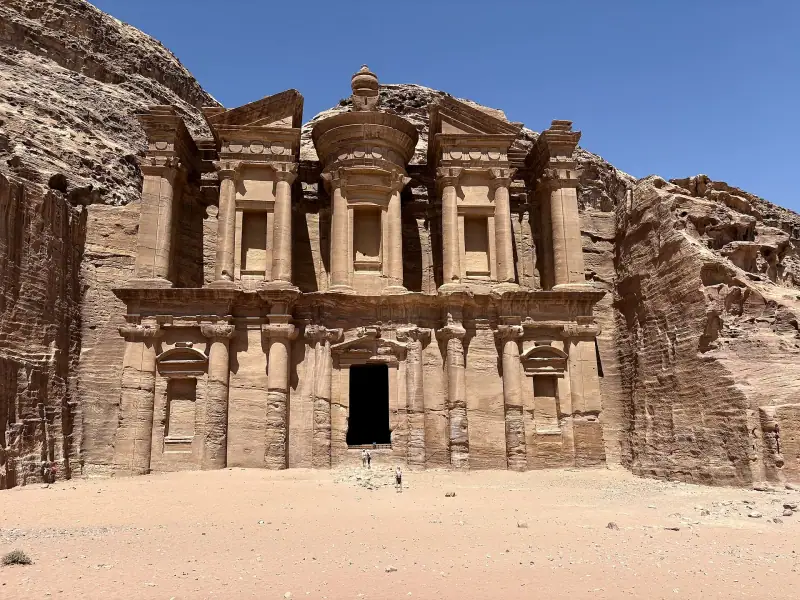
Petra Top Sights: What Not to Miss
The top sights of Petra: the Treasury, the Monastery, the Royal Tombs and the Siq. A guide to visiting Petra in 1, 2 or 3 days.
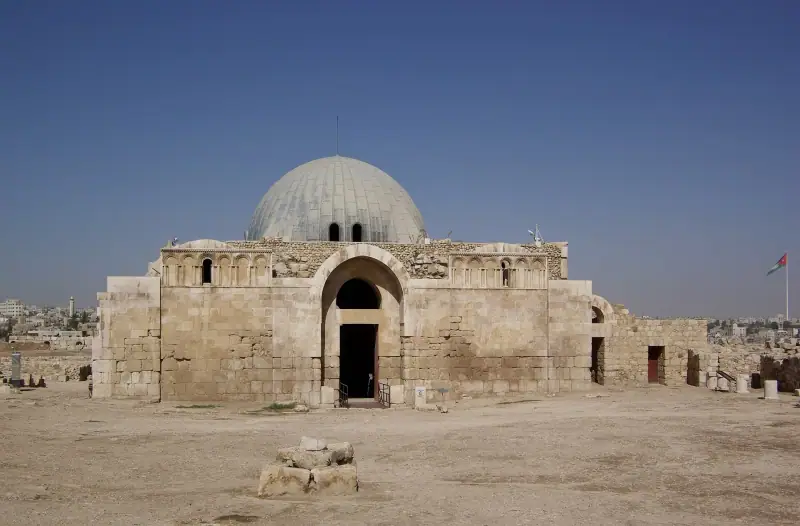
Visiting Amman: Complete Guide to Jordan's Capital
Everything to know to visit Amman: Citadel, Roman Theater, neighborhoods to explore, food, lodging and practical tips.

Visiting Aqaba: Complete Guide to Jordan's Red Sea City
A complete guide to visiting Aqaba in Jordan: beaches, diving, historic sites, transport, lodging and practical tips to plan your stay.
Ready-made
Jordan itineraries
3 days
Northern Jordan Road Trip: Amman, Jerash and Ajloun
A complete northern Jordan road trip: Amman, the Roman city of Jerash, Ajloun Castle and Umm Qais in 3 to 4 days.
10 days
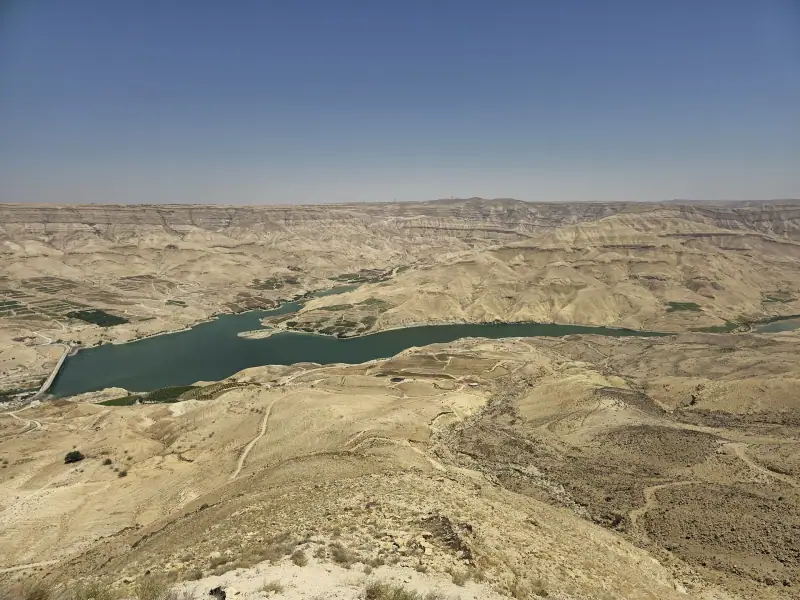
Road Trip in Jordan: The Self-Drive Guide
Plan your Jordan road trip: King's Highway, Desert Highway, Wadi Rum and Aqaba. Itinerary, driving tips and rental car basics.
5 days
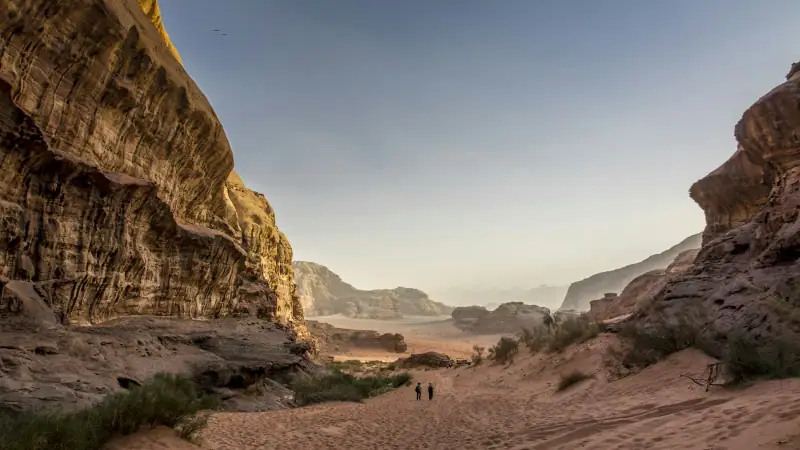
Jordan in 5 Days Without a Car: A Realistic Bus and Taxi Itinerary
Jordan in 5 days without a car: Amman, Petra, Wadi Rum and Aqaba by JETT bus, minibus and taxi. Distances, travel times, schedules and a realistic budget.