What to see
Petra Top Sights: What Not to Miss
We may earn a commission when you book through links on this page, at no extra cost to you. We don't visit or try the places we cover: we summarize published sources. How we work
In short
- Plan at least 2 days for the Siq, Treasury, Royal Tombs and Monastery (800 steps, 30-45 minutes up); with one day, choose between the Monastery and the Royal Tombs.
- The site opens at 6 am; enter at opening to walk the Siq without crowds, since tour buses arrive from 8:30-9 am.
- Petra by Night (Sunday to Thursday, 8:30 pm) costs 30 JOD since May 2025 and is not included in the Jordan Pass; check the evenings on petrabynight.jo.
- Bring 2-3 liters (about 0.5-0.8 gal) of water per person and sturdy shoes; water sold inside costs 3-4 JOD a bottle.
Petra is one of the wonders of the modern world, and it fully deserves the title. This Nabataean city carved into pink sandstone over an area of 850 km² (328 sq mi) is much more than an iconic facade: it is an entire city, labyrinthine, mysterious and absolutely beautiful. This guide helps you make sure you miss nothing.
The history of Petra in brief
Petra was founded by the Nabataeans, an Arab people of traders and builders who controlled the trade routes between Arabia, Egypt and the Mediterranean between the 4th century BC and the 1st century AD. Their wealth came from transit fees on incense, spices, silk and other goods.
The Nabataeans were remarkable hydraulic engineers. In an arid desert, they developed a complex system of channels, reservoirs and pipes that stored millions of liters of water in the cliffs of Petra. Without this mastery of water, the city could not have existed.
After the Roman conquest in 106 AD, Petra was incorporated into the province of Arabia Petraea. The Romans brought their architecture (columns, temples, fountains) to an already majestic city. In the 7th century, Islam spread through the region, and Petra gradually declined. A devastating earthquake in 749 AD accelerated its abandonment. The city remained “forgotten” by the Western world until its rediscovery by the Swiss explorer Johann Ludwig Burckhardt in 1812.
The absolute must-sees
1. The Siq: the mysterious gorge
The Siq (Arabic for “the shaft”) is the natural entrance corridor to Petra. This geological fissure, 1.2 km (0.75 mi) long and 2 to 12 meters (6.5 to 39 ft) wide, with walls sometimes rising 80 meters (260 ft), is one of the most dramatic entrances to an archaeological site in the world.
What to see in the Siq:
- The Nabataean channels cut into the walls (a complex irrigation system)
- The votive niches and sacred square blocks (baetyls)
- The changing colors of the sandstone with the light
- The Roman paving that survives in places
Tip: Enter at 6 am, walk slowly and look up. The play of light in the gorge in the early morning is exceptional.
2. Al-Khazneh: the Treasury
The Treasury (Al-Khazneh in Arabic, “the treasury”) is Petra’s most famous monument. This facade, sculpted into the cliff and 43 meters (141 ft) high, is the climax of the Siq: you turn a last corner, and suddenly it appears in all its majesty.
Architectural details:
- Two-level facade: a base of 6 Corinthian columns, a broken pediment with a tholos (rotunda)
- Carved friezes showing eagles, winged Victories, Amazons and Nabataean deities
- An urn at the top (hence the popular name “Treasury”; legend says a pharaoh hid his treasure there)
- Interior: a large square room (13 x 12 m / 43 x 39 ft) cut into the rock, with three side chambers
Actual function: Probably a royal mausoleum, built in the 1st century BC or the 1st century AD.
3. The Street of Facades
Beyond the Treasury, the gorge widens into a space called the “Outer Siq” where dozens of rock-cut facades line up. These Nabataean tombs, in varied styles (Nabataean “crow-step”, classic Nabataean, Roman), give an idea of the size of Petra’s necropolis.
The most impressive is the Roman Triumphal Gate (Temenos Gate), which marked the entrance to the city’s main sanctuary.
4. The Nabataean Theater
Cut into the living rock, Petra’s theater could hold 3,000 spectators. It dates from after the Roman conquest (1st-2nd century AD) but is Nabataean in design. The spectators looked toward the Siq and the tomb facades, an impressive natural backdrop.
5. The Royal Tombs
The Royal Tombs are a set of four monumental rock-cut facades built for the Nabataean kings. Each has its own architectural style:
- Urn Tomb: The largest, with an immense terrace. Converted into a Byzantine church in 446.
- Silk Tomb: With the colors of the sandstone in multicolored layers, magnificent.
- Corinthian Tomb: Inspired by the Hellenistic architecture of Alexandria.
- Palace Tomb: The most elaborate, with monumental proportions.
The climb to the Royal Tombs (reached by a side staircase) offers the best panoramic viewpoint over the whole Petra valley.
6. The Great Temple
In the center of the city, an immense temple complex (45 x 28 meters / 148 x 92 ft) reveals the urban scale of Petra. American excavations since 1993 have gradually uncovered this monument, with its pink stone columns topped by elephant-head capitals.
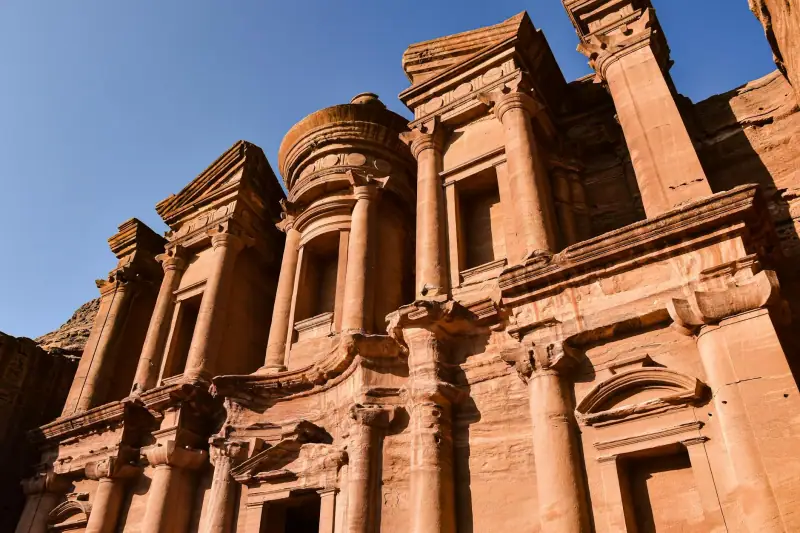
7. Ad-Deir: the Monastery
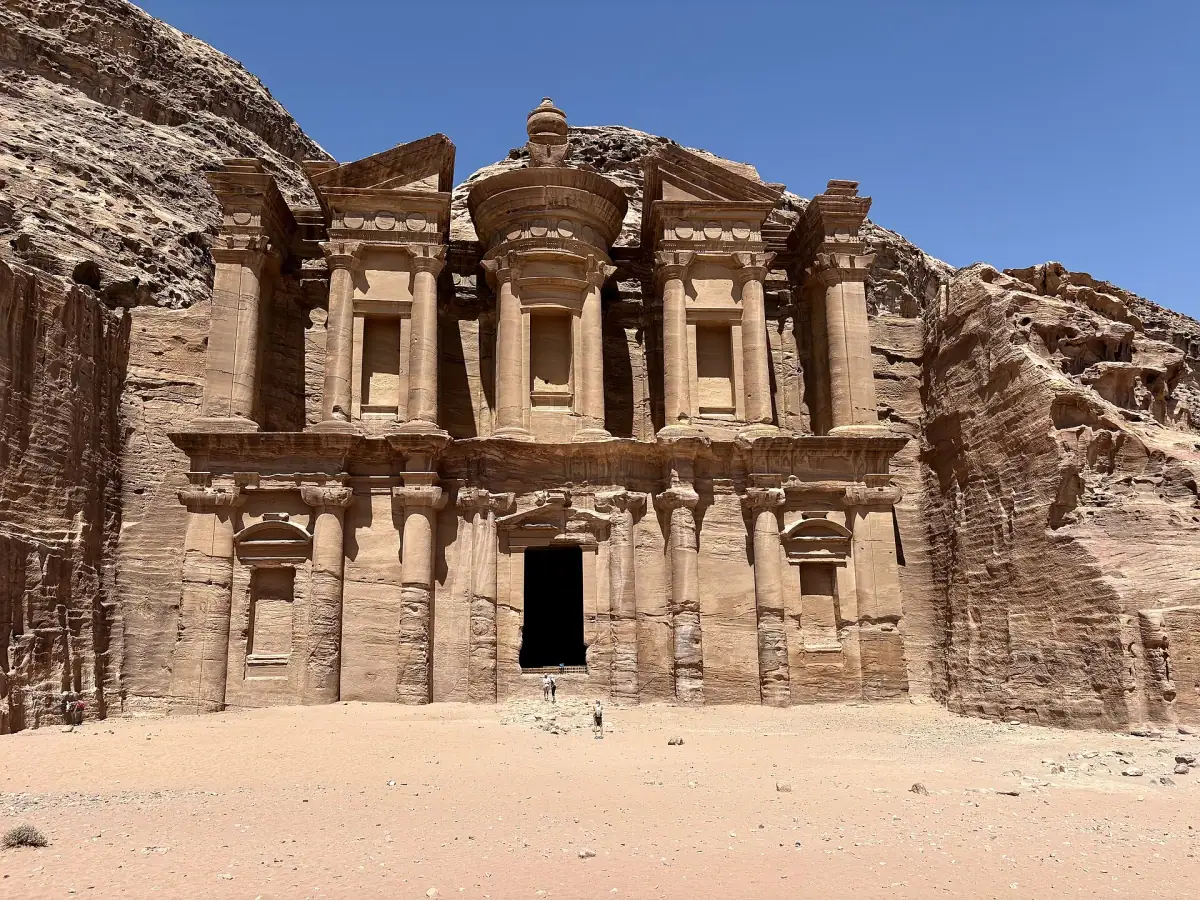
The Monastery is the largest monument in Petra (50 x 45 meters / 164 x 148 ft) and many visitors find it even more beautiful than the Treasury. It was built by the Nabataeans as a royal mausoleum in the 1st century.
The climb to the Monastery: From the bottom of the site, 800 steps cut into the rock lead to the Monastery. The climb takes 30-45 minutes and is steep. It crosses an increasingly wild landscape, with increasingly spectacular views. Once at the top, arriving in front of the Monastery is a second visual shock after the Treasury.
At the summit, small Bedouin cafes serve tea and snacks with a view of the facade. The terrace on the hill opposite gives a head-on view of the whole facade.
Lodging in Petra
Hotels and guesthouses in Wadi Musa for your stay.
Visit plan by length of stay
1 day (if you have no other choice)
Set out at 6 am. Siq → Treasury → Street of Facades → Theater → Royal Tombs (climb) → Great Temple → Monastery (if you have the energy). Back before 6 pm. It is intense but doable.
2 days (recommended)
Day 1: Siq → Treasury → Street of Facades → Theater → Great Temple → Monastery (afternoon) Day 2: Royal Tombs → High Place of Sacrifice (panoramic trail) → less-visited areas + Petra by Night in the evening
3 days (for enthusiasts)
Days 1-2: The 2-day program Day 3: Little Petra (Siq al-Barid) in the morning + Al-Beidha hike → Petra by the north trail in the afternoon
Essential practical tips
Shoes: Essential. All the ground is irregular stones. Avoid sandals, flip-flops or flat shoes without a rigid sole.
Water: Carry 2-3 liters (about 0.5-0.8 gal) per person. Vendors inside the site charge steep prices (3-4 JOD a bottle). Buy in town before entering.
Light: The best light for photos of the Treasury is in the morning (direct light until 10-11 am). In the afternoon, the Treasury is in shadow.
Horses and camels: Locals offer mounts to tired travelers inside the site. Prices are not posted, so negotiate before getting on. Allow 5-10 JOD for a short distance.
Respect: Petra remains a sacred and living site for the local Bedouin communities (Bdul tribe). Follow the signs, do not try to sleep in the caves and do not take any fragment of stone or pottery.
Petra is a transformative experience. Even jaded travelers who think they have “seen it all” leave marked by this city. Take your time, look up, and let yourself be carried away by 2,000 years of history cut into pink rock.
Frequently asked questions
How long does it take to visit Petra?
A minimum of 2 days is recommended to see the essentials (Siq, Treasury, Street of Facades, Royal Tombs, Monastery). With only 1 day, you will have to choose between the Monastery and the Royal Tombs. 3 days allow hikes and less-visited areas.
What time should you enter Petra in the morning?
The site opens at 6 am. Enter at opening to walk the Siq without crowds, one of the most magical moments. Tour buses arrive from 8:30-9 am. Before that, you often have the Siq and the Treasury almost to yourself.
Is the climb to the Monastery a must?
The Monastery (Ad-Deir) is often considered even more beautiful than the Treasury because it is larger and better preserved. The climb of 800 steps takes 30-45 minutes. If you have the legs for it, do not miss it. Donkeys are available for the climb if needed.
Is Petra by Night worth it?
Petra by Night (Sunday to Thursday at 8:30 pm) is a beautiful and unique experience, though very touristy. Hundreds of candles light the Siq and the Treasury. The atmosphere is magical. Some travelers are disappointed by the 'tourist show' side. The ticket has cost 30 JOD since May 2025 (not included in the Jordan Pass): check the evenings on the official site petrabynight.jo before booking.
Are there guides at Petra?
Yes, guides are available at the Petra visitors' office. A certified guide costs 50-80 JOD for a half day. A guide greatly enriches the visit with historical and architectural explanations. Audio guides are also available.
More Jordan guides
Keep reading
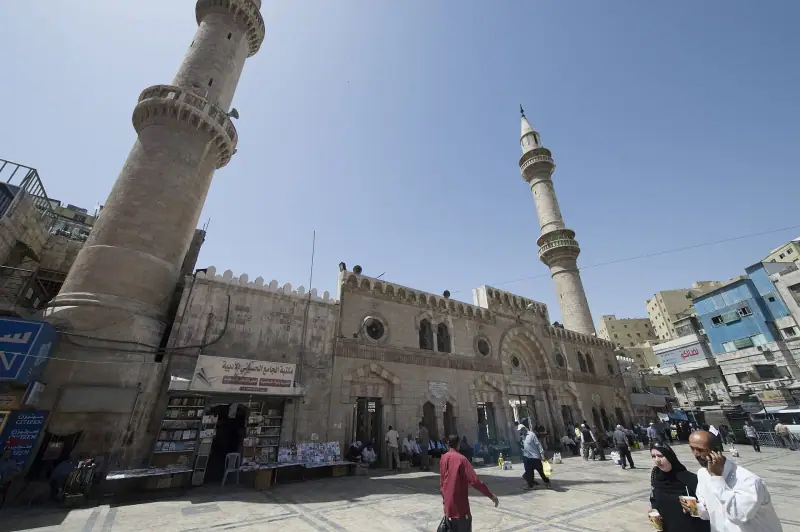
Amman Top Sights: What Not to Miss
The top sights of Amman: Citadel, Roman Theater, Rainbow Street, museums and neighborhoods. All you need to see in Jordan's capital.
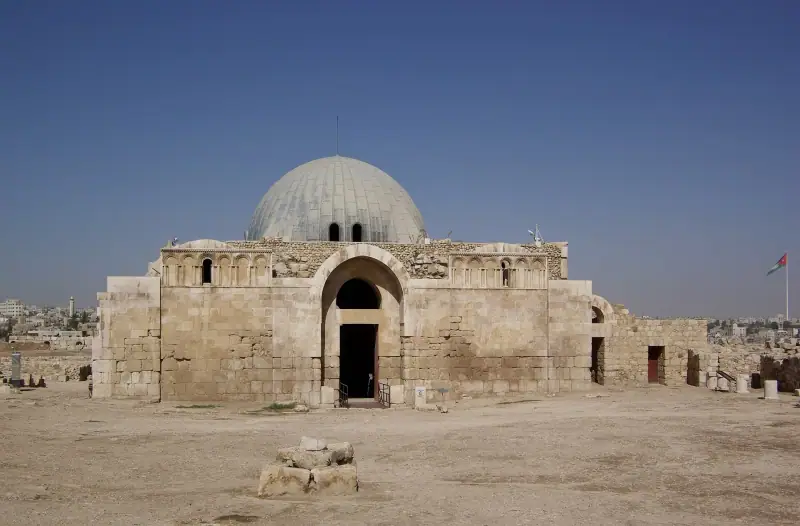
Visiting Amman: Complete Guide to Jordan's Capital
Everything to know to visit Amman: Citadel, Roman Theater, neighborhoods to explore, food, lodging and practical tips.
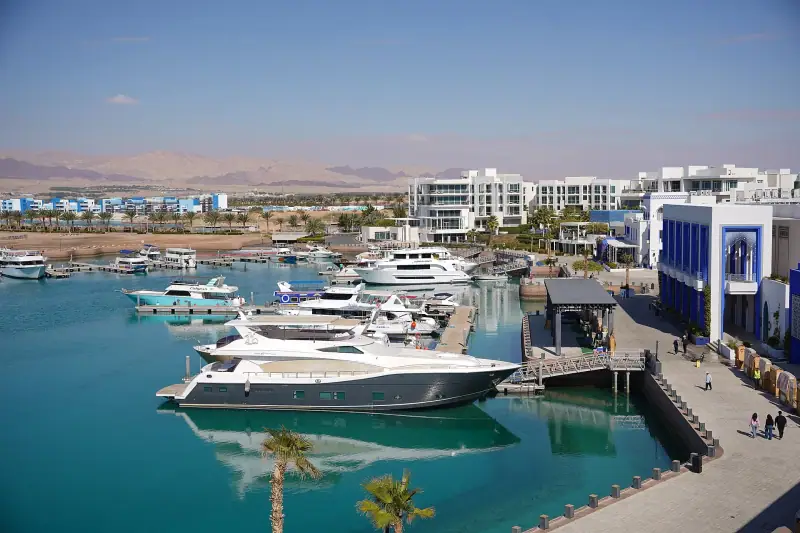
Visiting Aqaba: Complete Guide to Jordan's Red Sea City
A complete guide to visiting Aqaba in Jordan: beaches, diving, historic sites, transport, lodging and practical tips to plan your stay.
Ready-made
Jordan itineraries
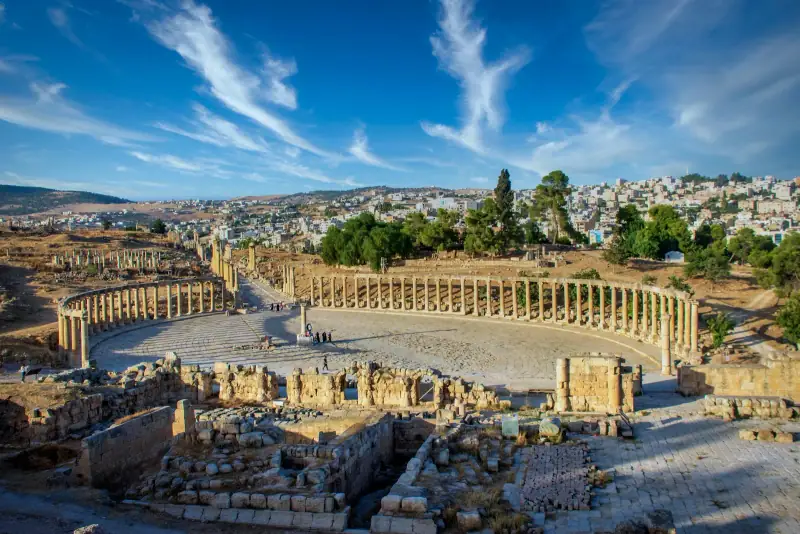
3 days
Northern Jordan Road Trip: Amman, Jerash and Ajloun
A complete northern Jordan road trip: Amman, the Roman city of Jerash, Ajloun Castle and Umm Qais in 3 to 4 days.
10 days
Road Trip in Jordan: The Self-Drive Guide
Plan your Jordan road trip: King's Highway, Desert Highway, Wadi Rum and Aqaba. Itinerary, driving tips and rental car basics.
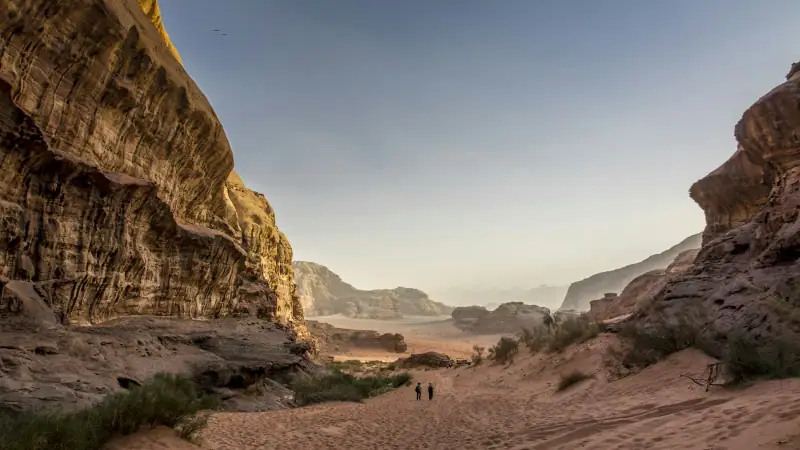
5 days
Jordan in 5 Days Without a Car: A Realistic Bus and Taxi Itinerary
Jordan in 5 days without a car: Amman, Petra, Wadi Rum and Aqaba by JETT bus, minibus and taxi. Distances, travel times, schedules and a realistic budget.