What to see
Visiting Orta San Giulio and San Giulio Island: a Lake Orta guide
We may earn a commission when you book through links on this page, at no extra cost to you. We don't visit or try the places we cover: we summarize published sources. How we work
In short
- Half a day covers the lanes, the central square and San Giulio Island; with the Sacro Monte, plan a day or a night to enjoy the village after the day-trippers leave.
- A water taxi from the central square reaches the island in a few minutes; the Benedictine convent there is not open to visitors.
- By train from Milan, the nearest station is Orta-Miasino, a few kilometers from the village, then bus or taxi; the center is closed to cars.
- From Stresa, Orta is a little over half an hour by car, so the two lakes combine easily.
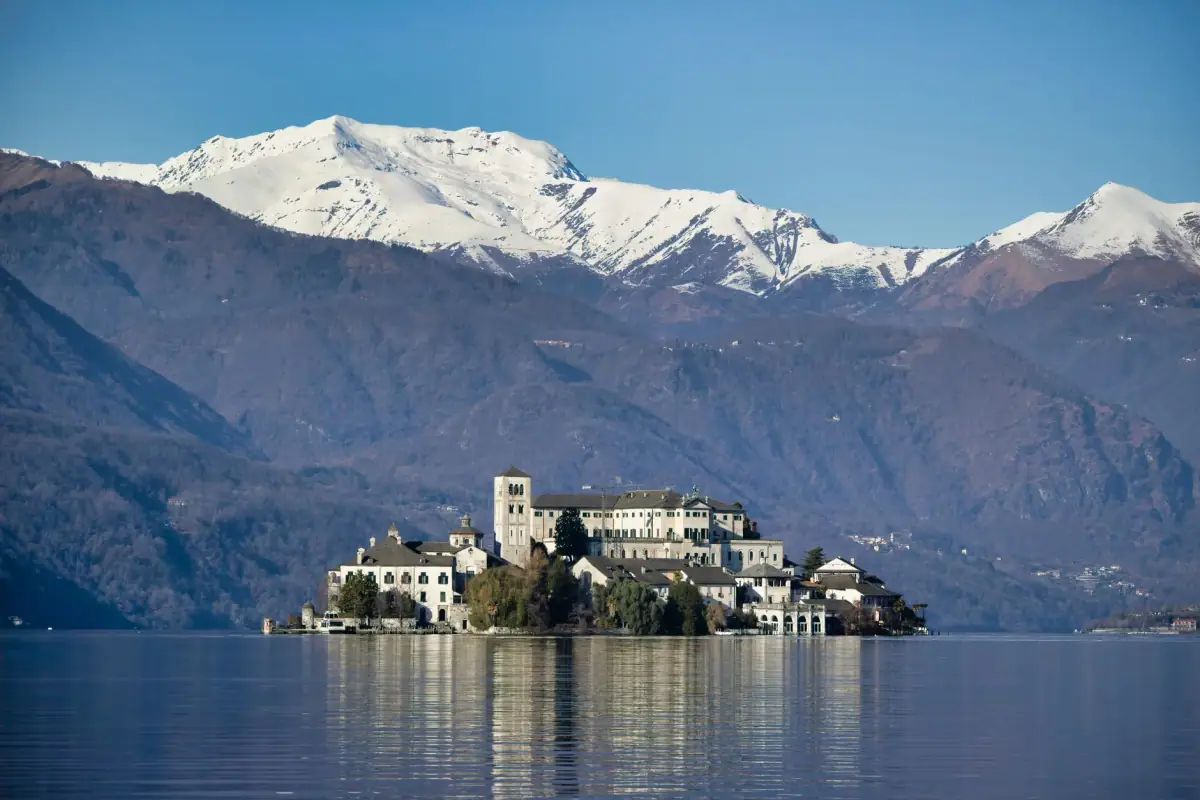
West of Lake Maggiore, a small lake nestled between wooded hills and stone villages keeps an atmosphere that the big lakes have partly lost. Lake Orta is only about thirteen kilometers (8 mi) long, but its flagship village, Orta San Giulio, and San Giulio Island lying just opposite make up one of the most delicate scenes in northern Italy.
This guide covers what to see, how to get there easily and how to combine Orta with neighboring Lake Maggiore. Schedules, prices and opening days change with the season: confirm them on the official sites before you go.
Orta San Giulio: a village of lanes facing the water
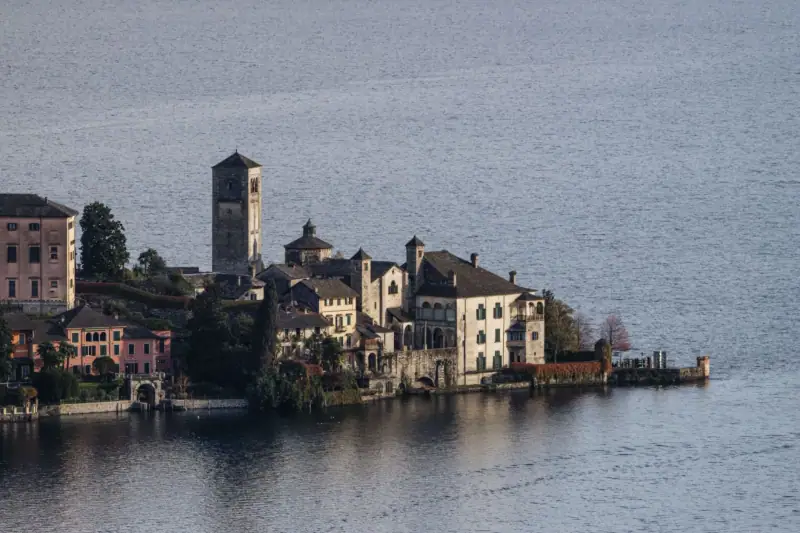
The village stretches over a small peninsula on the eastern shore of the lake, in Piedmont. You explore it on foot, without a car: the center is narrow and cobbled, lined with old houses with colorful façades and wrought-iron balconies. Bring comfortable shoes, as the lanes go up and down.
The heart of the village is Piazza Motta, a square open to the lake, lined with café terraces and dominated by the Palazzo della Comunità, a 16th-century building raised on arcades, decorated with frescoes and with a small outdoor staircase. This is where boats leave for the island, and it is the best place to sit for a while and watch San Giulio Island stand out against the water.
From the square, the lanes of the center rise gently toward the upper village. The side streets hold small craft shops, grocers and workshops, and you mostly meet other walkers. A few fine residences, such as Villa Crespi, eclectic in style with Moorish touches, recall that the area already attracted wealthy families in the late 19th century. It is now a hotel, so it is mostly admired from the outside.
San Giulio Island: basilica and the path of silence
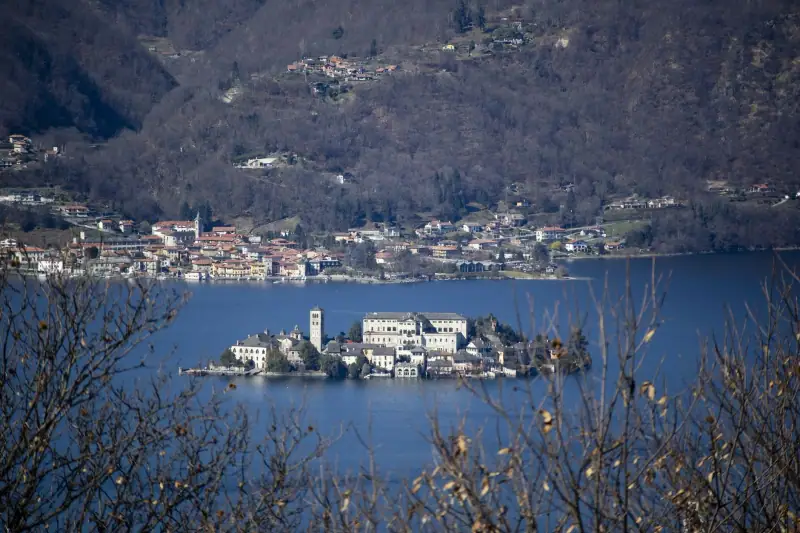
San Giulio Island lies a few hundred meters from the shore: the water-taxi crossing takes only a few minutes. Legend has it that Saint Julius, who came to evangelize the region in late antiquity, drove out the serpents and monsters that infested it before founding a church there. The story is part of the place’s identity and is gladly told to visitors.
The island is tiny: you can walk around it in barely twenty minutes, but you will want to linger longer. The San Giulio Basilica, Romanesque in origin and reworked over the centuries, holds ancient frescoes and a striking carved stone pulpit. Visit quietly and respect the rules of silence.
The most imposing building is the Benedictine convent, occupied by a community of nuns. It is not open to visitors, but its massive silhouette dominates the island and is part of the scenery.
A narrow circular path runs past the houses and gardens: this is the Via del Silenzio (“Street of Silence”), where signs invite you to stay quiet and reflect. The walk works well in either direction, and you see the village of Orta from another angle, from offshore.
Compare hotels, guesthouses and apartments in Orta San Giulio and around the lake: filter by budget, rating and lake view.
The Sacro Monte of Orta: chapels and panorama
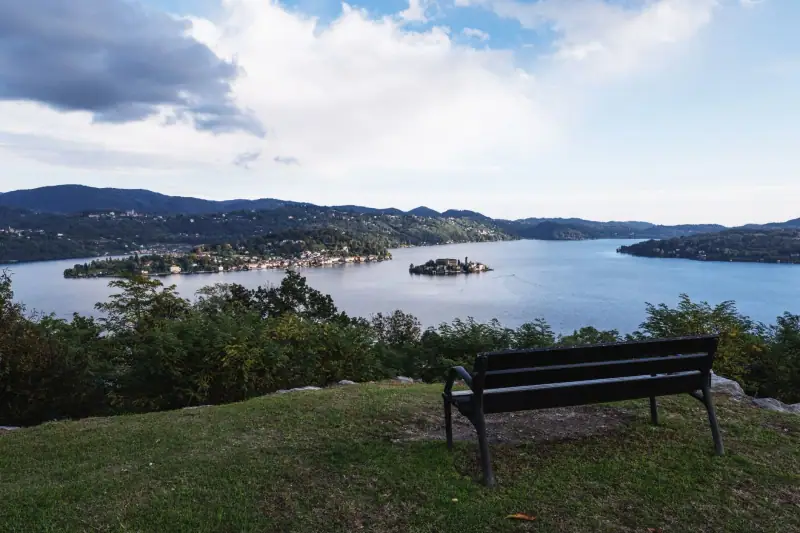
Above the village, a wooded hill holds the Sacro Monte of Orta, a group of chapels scattered along a shaded path and dedicated to the life of Saint Francis of Assisi. Each chapel contains terracotta statues and frescoes, created between the 16th and 17th centuries. The site is one of the “Sacri Monti” of Piedmont and Lombardy, a UNESCO World Heritage site.
You walk up from the village along a path with a steady slope: allow thirty minutes to an hour for the climb depending on your pace, plus time to visit the chapels. The trail is shaded and pleasant in hot weather, with glimpses of the lake.
It is a good activity for late morning or mid-afternoon: the site is quiet, the light is beautiful and you meet far fewer people than on the village square. The chapels can be visited freely, but please be respectful: they are spaces for contemplation.
Going around Lake Orta
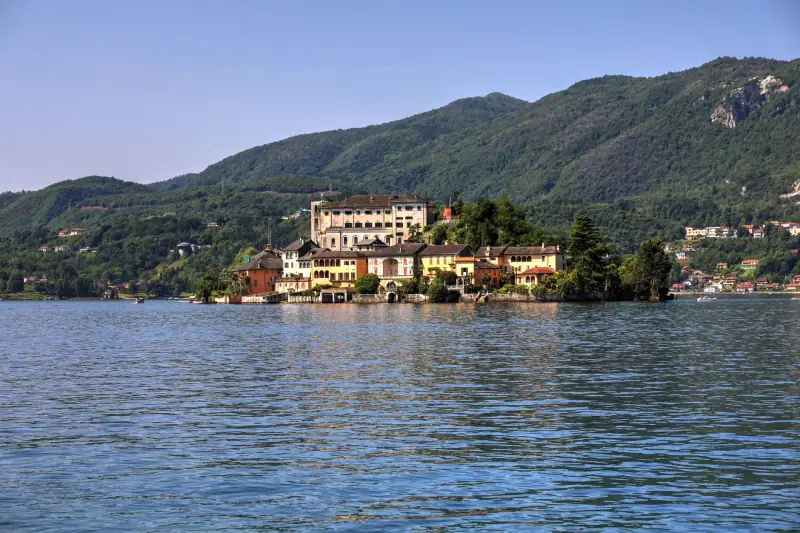
Lake Orta is small enough to go around in a day, by car or by combining bus and boat. The western shore is wilder, dotted with small villages facing the island, and offers a different view of Orta San Giulio. The shores are little developed: mostly small pebble beaches, walkways and a few café terraces.
For an idea of pacing, try:
- Morning: Piazza Motta, the village and San Giulio Island, before the groups arrive;
- Afternoon: the Sacro Monte, then a break on a terrace by the water;
- Late in the day: a walk along the quays, when the light turns the façades golden.
Nature lovers can also explore the small trails in the hills around the lake: the terrain is hilly, well marked in places, and rewards you with views of the water and villages. Ask the local tourist office to help you choose a route suited to your level.
Cruises, guided tours and boat excursions from Stresa and neighboring lakes: compare options and reviews.
What to eat in Orta
Local cooking is Piedmontese and lakeside: risotto, polenta, cured meats, mountain cheeses, freshwater fish, not forgetting the wines of northern Piedmont. The terraces of Piazza Motta are ideal for a break, but they are also the most touristy. A few streets higher, places frequented by locals often have shorter, more authentic menus.
A good habit: choose short menus that change with the seasons, and ask for the specialties of the moment. For a broader look at the region’s dishes, see our guide to what to eat in the Italian lakes.
Getting to Orta San Giulio
From Milan. The simplest is to take the train to Orta-Miasino station, a few kilometers from the village, then continue by bus or taxi. The trip generally involves a change: check schedules before you go. If you arrive via Milan Malpensa airport, the area is about an hour away by car, depending on traffic.
From Stresa and Lake Maggiore. Orta is a little over half an hour away by car, which makes combining the two lakes easy. If you stay in Stresa for the Borromean Islands, an excursion to Orta fits easily into your plans: see our article on the Borromean Islands.
By car. Traffic is restricted in the center of Orta: park in the car parks on the edge of the village and finish on foot. In summer and on weekends, arrive early to find a space. For other means of transport on the lakes, our guide to getting around the Italian lakes covers the options.
For trip planning, Milan Malpensa is the airport closest to Lake Orta.
Compare flights to Milan, the gateway to Lakes Como, Maggiore, Orta and Iseo.
When to come and where to stay
The best time. Spring and early fall are the most pleasant: the light is beautiful, the temperature mild and the village calmer. In midsummer, Piazza Motta is very busy, especially on weekends: arrive early in the morning or stay into the late afternoon. Winter is quiet, but some places close and boats run less often.
Where to stay. Orta is ideal for a night or two. Staying there lets you enjoy the village in the evening and at dawn, when the groups have left. Lodging is mostly small hotels, guesthouses and apartments: book ahead for summer and weekends. If you want a lower budget, neighboring villages on the lake often have cheaper options.
Orta or another lake? If you are torn between several lakes, our comparison of which Italian lake to choose helps you decide. Orta suits travelers who like intimate villages, quiet walks and landscapes without crowds.
Key takeaways
- Half a day to a night is enough for Orta San Giulio, its island and the Sacro Monte.
- Start early to enjoy Piazza Motta and the island before the groups arrive.
- Combine Orta with Stresa and the Borromean Islands for a full stay on two lakes.
- Check boat, bus and opening times before you go.
Frequently asked questions
How long does it take to visit Orta San Giulio?
Half a day is enough for the lanes, the central square and San Giulio Island. With the Sacro Monte and a break by the water, allow a day, or a night there to enjoy the village after the day-trippers leave.
How do you get to San Giulio Island?
A water taxi runs regularly from the landing stage on the central square to the island in a few minutes. Schedules and fares vary with the season: check them locally.
Can you visit Orta San Giulio from Milan by train?
Yes, but not directly to the village: the nearest station, Orta-Miasino, is a few kilometers away, and you need to continue by bus or taxi. The trip from Milan generally involves a change.
Is Orta calmer than Lakes Como or Garda?
Yes. Lake Orta is small, little built up and clearly less visited than its big neighbors, even though it fills up on summer weekends and sunny days.
Can you visit San Giulio Island freely?
You can discover the basilica and walk around the island. The Benedictine convent that occupies part of the island, remains reserved for the religious community, however.
More Italian Lakes guides
Keep reading
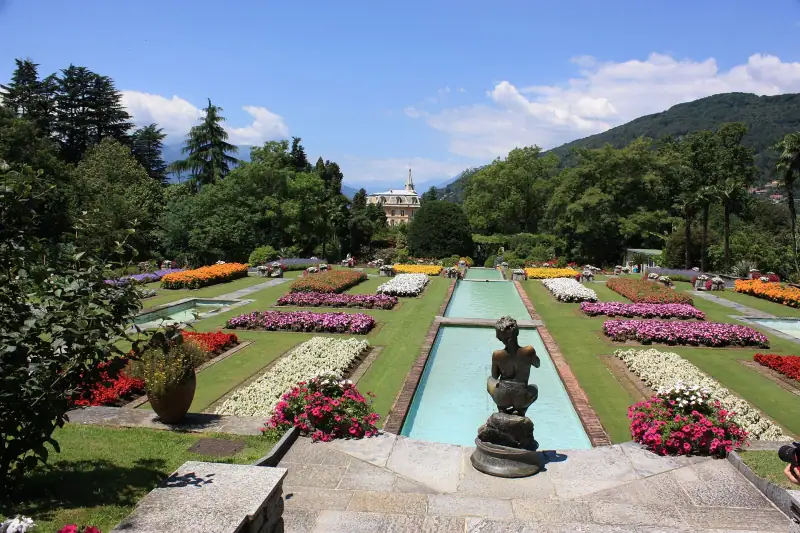
Villa Taranto in Verbania: getting there by boat, what to see and how long to allow
Villa Taranto, the botanical garden of Verbania on Lake Maggiore: boat access from Stresa, visit length, what to see, combined ticket and tips.
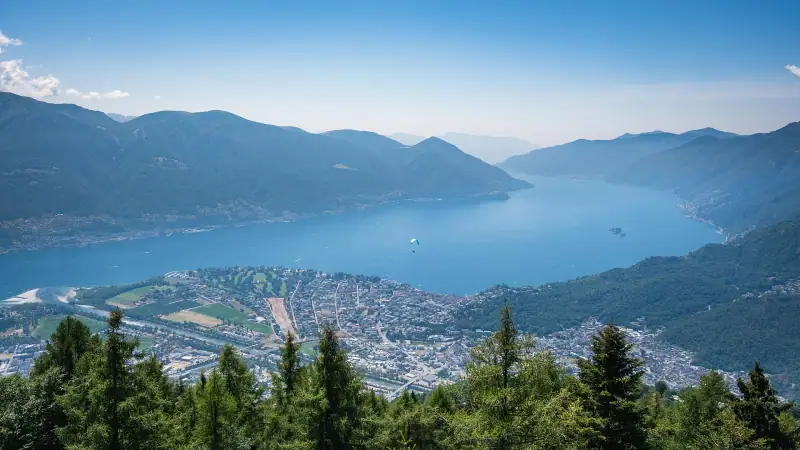
Complete guide to visiting the Italian Lakes: Como, Maggiore, Garda, Orta and Iseo
Everything to visit the Italian Lakes: lakes and towns, highlights, when to go, transport, where to stay and budget. The pillar guide to plan your trip.
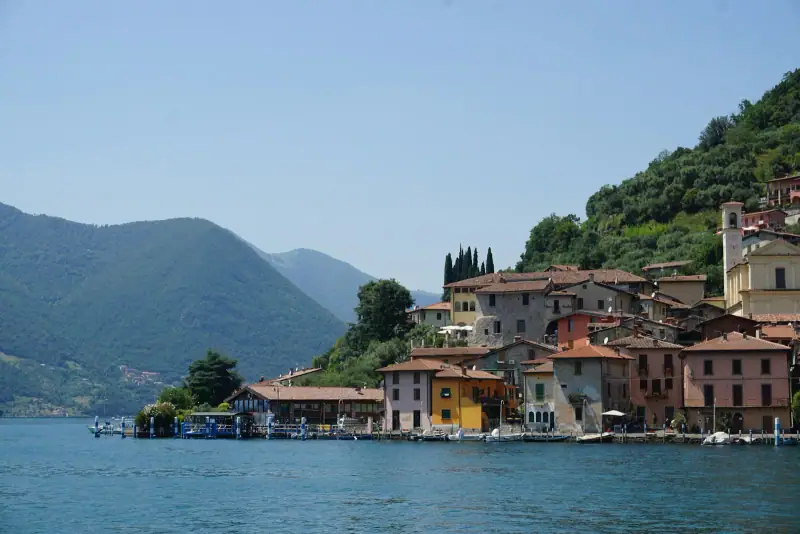
Visiting Lake Iseo: Monte Isola, Lovere and Franciacorta
Visit Lake Iseo, the quietest Lombard lake: car-free Monte Isola, Iseo, Lovere, Pisogne, Franciacorta wines, train access and tips.
Ready-made
Italian Lakes itineraries
3 days
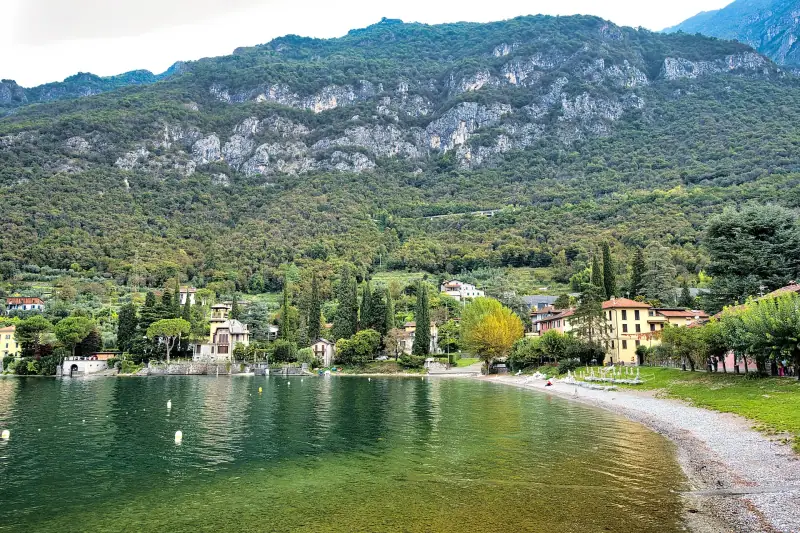
Lake Como in 3 days: Como, Bellagio and Varenna itinerary
What to see on Lake Como in 3 days? A day-by-day plan by boat and on foot: Como, Tremezzina villas, Bellagio and Varenna, no car needed.
5 days
Italian Lakes in 5 days without a car: a realistic train and boat itinerary
ComoVarennaStresaDesenzano del Garda
7 days
7-day Italian Lakes road trip: Maggiore, Como and Garda
A 7-day drive through Lake Maggiore, Lake Orta, Lake Como and Lake Garda: stops, driving times, driving and parking tips.