Food & drink
Lake Garda wines: Lugana, Bardolino, Chiaretto and Custoza
We may earn a commission when you book through links on this page, at no extra cost to you. We don't visit or try the places we cover: we summarize published sources. How we work
In short
- Lugana, a white from the turbiana grape made on the south shore, is the lake's emblematic wine and pairs well with lake fish.
- Bardolino is a light, fruity red from the east shore; its rosé version is Chiaretto, made by a short maceration.
- Valtènesi (west shore) is known for its rosé; Custoza, a lighter white, comes from the hills toward Verona.
- Book tastings ahead, limit yourself to two estates a day and do not drive after tasting.
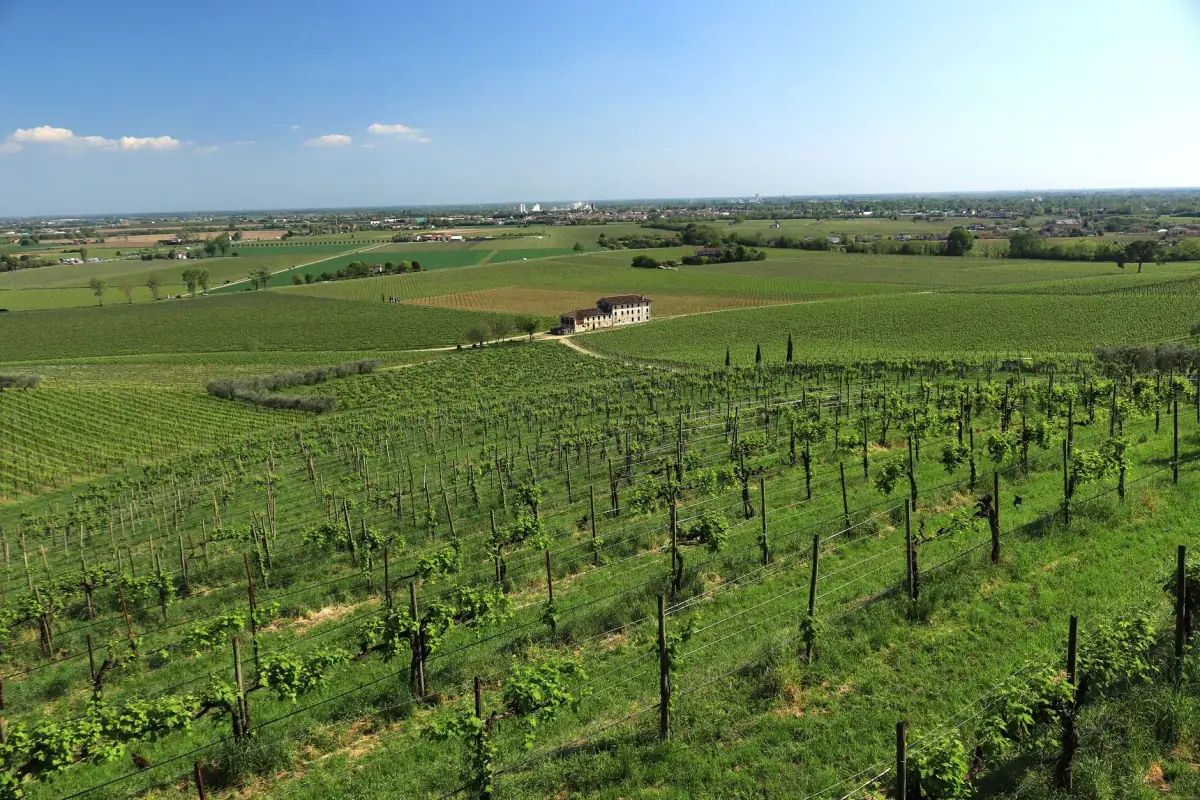
Lake Garda is not just pebble beaches and medieval fortresses. Around its shores, on hills left by ancient glaciers, lies one of the most appealing wine regions of northern Italy. A mineral white, a light red, a lively rosé, a sparkling wine: within a few kilometers, the terroir, the grape and the landscape change.
This guide helps you understand the appellations, choose a tasting area based on where you stay, and pair your bottles with the lake’s dishes. For the rest of the menu, our guide to what to eat in the Italian lakes is a useful complement.
Lake Garda, a terroir shaped by glaciers
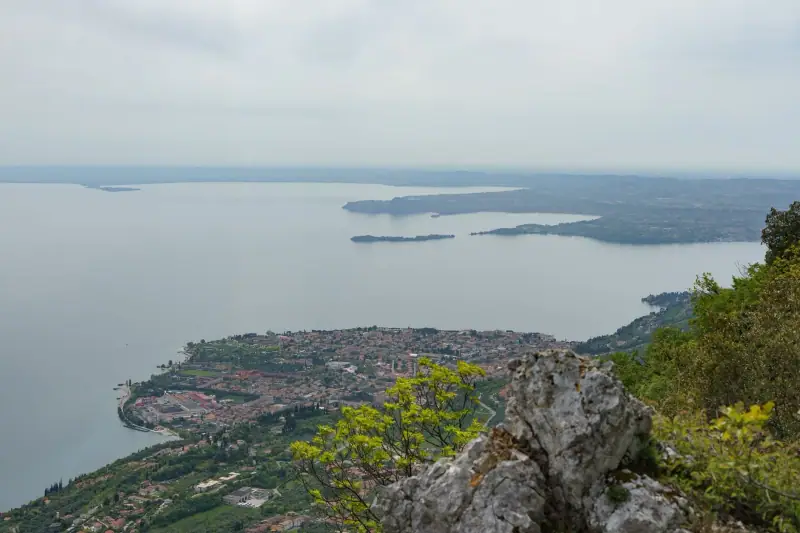
Lake Garda is the biggest of the Italian lakes, and also the one with the mildest climate. The lake water tempers both winters and summers, and the hills to the south and east, formed of moraines deposited by Quaternary glaciers, have well-drained gravel and clay soils. It is this combination, a softened climate, varied soils and a long tradition, that explains the diversity of the wines.
The vineyard is split between three administrative regions: Lombardy (west and southwest shore), Veneto (east shore and the Verona hinterland) and Trentino (northern end, toward Riva del Garda). Each shore therefore has its own appellations, grapes and character. Here is a simple rule of thumb: in the west and south, you find mostly rosés and whites; in the east, light reds and fruity whites; in the north, tauter mountain wines.
Lugana, the great white of the southern lake
It is the star of the region. Lugana is a white wine produced in a narrow zone at the southern end of the lake, straddling Lombardy and Veneto, around villages such as Sirmione, Desenzano del Garda, Lonato or Peschiera del Garda. It is made from a local grape, turbiana, long considered a variant of trebbiano.
In the glass, Lugana is typically a luminous straw yellow, with notes of almond, white flowers and citrus, good freshness and a mineral touch on the finish. It exists in several versions:
- Classic Lugana: the most common, to drink young, ideal with lake fish, starters and light risottos;
- Lugana Superiore: more structured, aged longer, able to stand up to richer dishes;
- Lugana Riserva: rarer, more complex, for exceptional meals;
- Lugana Spumante: a sparkling version, pleasant as an aperitif.
If you stay in Sirmione, you are right in the middle of the zone. Our guide to visiting Sirmione will help you plan the visit to the peninsula, and a glass of Lugana at the end of the day by the lake is almost obligatory. As usual, waterside terraces are more expensive: one street back is enough to pay less for an identical glass.
Bardolino and Chiaretto: the east shore in red and pink
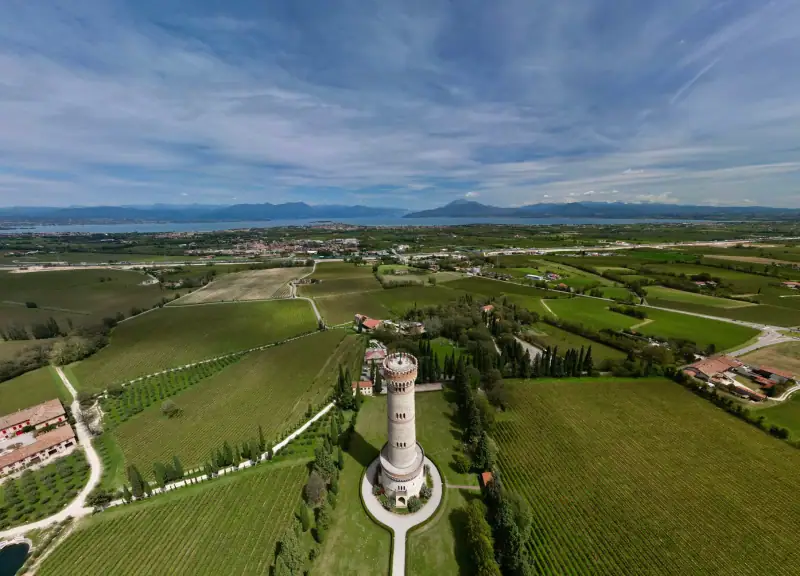
Go up the eastern shore, between Lazise, Bardolino and Garda, and the landscape becomes one of rows of vines among olive trees. Here reigns Bardolino, a light red wine made mainly from corvina, rondinella and molinara, three grapes typical of the Verona region.
Bardolino is nothing like the powerful, tannic reds sometimes associated with northern Italy. It is pale, fruity, with notes of cherry and small red fruits, sometimes a peppery touch, and is often served slightly chilled in summer. It is an easy, convivial table wine that goes as well with a plate of cured meats as with pizza or pasta.
Its rosé cousin, Chiaretto, is probably the east shore’s best ambassador. Obtained by a short maceration of red grapes, it has a pale pink color and good liveliness. It is drunk as an aperitif, or with grilled vegetables, fish or slightly spicy dishes. It also exists in a sparkling version.
Bardolino is a pleasant small town to explore on foot, with its lanes, lakefront and wine cellars. It is a good place for a first tasting without a car: some cellars are near the center, and the village’s enotecas let you taste several labels by the glass.
Valtènesi: the rosé of the west shore
On the other side of the lake, the Lombard side, between Salò, Moniga del Garda and Padenghe sul Garda, lies Valtènesi, a zone less known to the general public but much appreciated by wine enthusiasts. It made its name thanks to a local grape, groppello, and an elegant rosé, often called Valtènesi Chiaretto.
This rosé is generally more structured than that of the east shore, with notes of red fruit and light spices. It is found in many family estates, often modest in size, where the welcome is more intimate than in the big cellars. If you are looking for a more authentic and less crowded experience, it is an excellent choice.
The west shore is also known for its gentle hills and calm villages. It combines easily with a day by the water.
Custoza: the light white of the Verona hinterland
Between the lake and Verona, on the moraine hills bordering the southeast shore, Custoza is produced, a white wine lighter than Lugana, made from a blend of several grapes including garganega, trebbiano toscano and other local varieties.
It stands out for its floral and fruity aromas, sometimes apple or white peach, and its freshness. It is an everyday white, very common on restaurant menus around Verona and Peschiera. It goes well with fresh pasta dishes, such as the tortellini of Valeggio sul Mincio, very popular in this area, or young cheeses.
The Custoza hills are also a good destination for a drive: quiet roads wind among vines, orchards and small hamlets.
The north of the lake: Trentino and mountain wines
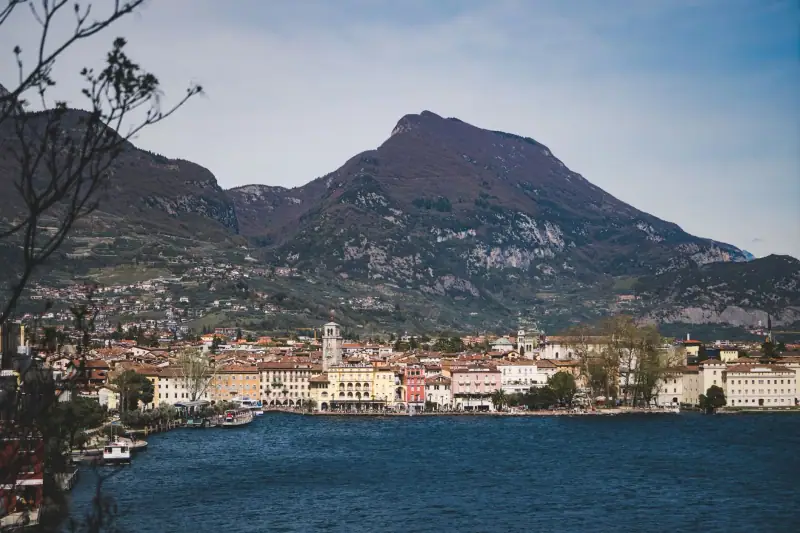
Toward Riva del Garda and Arco, in the north, the climate cools and the wines gain tension. The Trentino region is known for its lively whites, its traditional-method sparkling wines and a few local specialties, including Vino Santo Trentino, a sweet wine made from dried grapes, found in the neighboring valley.
It is also a zone where viticulture mixes with the olive tree, and where you can enjoy mountain scenery. If your stay is focused on sports and nature, our article on the north of Lake Garda between Riva and Malcesine will give you ideas for combining outdoor activities and gourmet breaks.
Staying in the middle of the Lake Garda vineyards
Compare hotels and guesthouses between Sirmione, Bardolino and Lazise to enjoy tastings without getting behind the wheel again.
Which food and wine pairings work on the lake shores?
Lake Garda wines are made to go with local cooking. Here are a few simple pairings to remember:
- Grilled or baked lake fish (tench, whitefish, pike): a classic Lugana, fresh and mineral;
- Risotto: a Lugana Superiore, which has enough body to match the richness of the rice;
- Valeggio tortellini: a Custoza, light and floral;
- Cured meats and cheeses: a Bardolino, fruity and low in tannins;
- Aperitif, grilled vegetables, spicy cooking: a well-chilled Chiaretto;
- Dessert or blue cheese: a sweet wine such as Vino Santo, when you can find it.
A general rule: on the lakes, wine is drunk fresh and without pretension. Don’t hesitate to ask for the “vino della casa”: in an honest trattoria, the open wine is often produced a few kilometers away, and it is much cheaper than a bottle from the list.
Organizing a tasting: practical tips
A tasting day takes a little preparation. Here are the main principles.
Book ahead. Many estates receive visitors by appointment, and hours change with the season. A message a few days ahead avoids unpleasant surprises, especially in high season.
Limit the number of cellars. Two estates in a day is a very good pace: you have time to talk with the winemaker, tour the cellars and have a relaxed lunch. Four or five visits turn the day into a race.
Plan transport. Trips between cellars are easy by car, but alcohol and hill roads do not mix. Choose a designated driver, take a taxi or book an organized excursion. Our guide to getting around the Italian lakes covers boat, train and bus options.
Ask the price first. Some tastings are free, others paid, and the fee is sometimes deducted if you buy. The information is generally given at booking.
Don’t limit yourself to wine. Many estates also produce olive oil, honey or jams, and offer simple meals with farm products.
A guided tasting, without getting behind the wheel
Wine excursions, winery visits and tastings bookable online around Lake Garda, with free cancellation on most activities.
When to go for Lake Garda wines
Spring (April to June) offers mild temperatures, vines in full growth and easily accessible estates. Summer is high season: terraces are full, rosés are at their peak and evenings by the lake are long. The harvest runs from late summer to fall depending on the grapes: it is a lively period, with beautiful landscapes, but winemakers are very busy.
Fall, once the harvest is over, is often an excellent compromise: fewer people, superb colors in the vines and a quieter atmosphere. Note, however, that some cellars and activities reduce their hours in fall, so check before you go. Our article on the best time to visit the Italian lakes covers the climate season by season.
Reaching the wine areas
Lake Garda is served by the Verona and Bergamo airports, and more distantly by Milan and Venice. From Peschiera del Garda station, on the Milan-Verona-Venice line, you can easily reach the villages at the southern end of the lake. To explore the hills, however, a car remains by far the most flexible option.
Renting a car for a day or two is often the best choice: you can combine several areas and stop in any village you like. Remember that in Italy, historic centers are often restricted to residents (ZTL zones): park on the outskirts and walk.
Traveling with peace of mind
A wine trip often involves driving, boat trips and a few surprises. Travel insurance can cover medical costs, cancellation or lost luggage. Compare policies and choose the one that fits your trip.
Compare flights to Verona and Milan
Find a flight to the airport closest to Lake Garda and compare schedules and fares.
Beyond wine: olive oil and local products
Lake Garda is one of the few places at this latitude where olive trees are grown on a large scale, thanks to its microclimate. Garda extra virgin olive oil, fruity and light, has a protected designation. Many mills and estates offer visits and tastings, often at the same places as wine.
Combine an oil and wine tasting in the same day: it is one of the best ways to understand the terroir. You can also buy honey, preserved vegetables or jams, all small souvenirs that are easy to bring home. For more ideas on what to taste, see our general guide to Italian lakes food.
Only passing through? An express itinerary
For a single day, here is a simple plan, to adapt to your pace:
- Morning: visit Sirmione and have a glass of Lugana on a terrace, before the tourist rush;
- Lunch: a meal in a village restaurant in the south of the lake, with lake fish and a house Lugana;
- Afternoon: tasting at an estate, preferably by reservation;
- Late in the day: back by the lake for an aperitivo with a well-chilled Chiaretto.
Keep some slack in your schedule: on the lake roads, traffic can be heavy in summer and distances seem longer than you expect.
Taste the Italian lakes with a guide
Food tours, cooking classes and tastings bookable online, with free cancellation on most activities.
Key takeaways
- Lugana: the mineral white of the south of the lake, perfect with fish.
- Bardolino and Chiaretto: the light red and the lively rosé of the east shore.
- Valtènesi: the elegant rosé of the west shore, Lombard side.
- Custoza: the floral white of the Verona hinterland.
- Trentino: taut whites, sparkling wines and Vino Santo toward Riva del Garda.
- Tips: book, limit yourself to two estates a day and do not drive after tastings.
Whether you spend a day or a week on the shores of Garda, a glass of local wine by the lake is one of the finest memories you can bring back. To choose the lake that suits you before booking, see our comparison of which Italian lake to choose.
Frequently asked questions
What is the best white wine of Lake Garda?
Lugana is the lake's most emblematic white. Made from the turbiana grape and produced on the south shore, it is fresh, savory and pairs very well with lake fish. Custoza, lighter and floral, is a popular alternative for an aperitif.
What is the difference between Bardolino and Chiaretto?
Both come from the same zone, on the east shore of the lake, and rely on the same grapes (corvina, rondinella, molinara). Bardolino is a light, fruity red; Chiaretto is its rosé, obtained by a short maceration, lively and very easy to drink in summer.
Can you visit wineries without a car?
It is possible but more limiting: some estates are close to villages and reachable on foot or by taxi, others are in the hills. Many visitors book an organized excursion or rent a car for the day and choose a driver who does not taste.
Do you need to book a tasting?
Yes, it is strongly advised. Many estates receive visitors by appointment, especially outside the big weekends, and hours vary by season. A message or call a few days ahead avoids closed doors.
What is the best time to taste Lake Garda wines?
From spring to early fall, when terraces and cellars are open. The harvest period, from late August to October depending on the grapes, is particularly lively, but estates are busier then, so it is best to book.
Which wines should you bring back as souvenirs?
A Lugana or a Chiaretto travels well and pleases almost everyone. Lake Garda olive oil is also worth considering, and complements a load of bottles well. Check your airline's baggage rules before buying in quantity.
More Italian Lakes guides
Keep reading
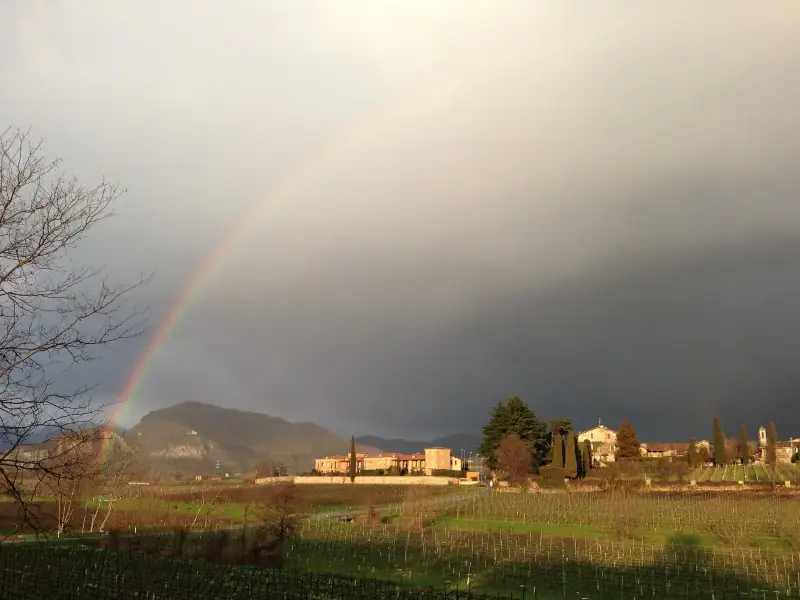
Franciacorta: visiting the vineyards and tasting the bubbles of Lake Iseo
Franciacorta, Satèn, Brut, Rosé: a guide to Lake Iseo's sparkling wines, with labels, villages to visit, food pairings and tasting tips.
Italian Lakes budget: how much a trip costs (3 costed profiles)
How much does a trip to the Italian Lakes cost? Accommodation, boats, meals, activities: three daily budgets with figures and tips to spend less.
Borromean Islands: visiting Isola Bella, Isola Madre and Isola dei Pescatori
Visit the Borromean Islands from Stresa: Isola Bella, Isola Madre and Isola dei Pescatori. Boats, visiting order, duration, tips and best seasons.
Ready-made
Italian Lakes itineraries
3 days
Lake Como in 3 days: Como, Bellagio and Varenna itinerary
What to see on Lake Como in 3 days? A day-by-day plan by boat and on foot: Como, Tremezzina villas, Bellagio and Varenna, no car needed.
5 days
Italian Lakes in 5 days without a car: a realistic train and boat itinerary
ComoVarennaStresaDesenzano del Garda
7 days
7-day Italian Lakes road trip: Maggiore, Como and Garda
A 7-day drive through Lake Maggiore, Lake Orta, Lake Como and Lake Garda: stops, driving times, driving and parking tips.