What to see
Visiting Lake Iseo: Monte Isola, Lovere and Franciacorta
We may earn a commission when you book through links on this page, at no extra cost to you. We don't visit or try the places we cover: we summarize published sources. How we work
In short
- Lake Iseo sits between Como and Garda and is much calmer; Monte Isola, an island where visitors' cars are not allowed, is the highlight and takes a day.
- The island's ring road is about 9 km (5.6 mi), an easy two to three hours on foot; the Madonna della Ceriola sanctuary is a little over an hour's climb.
- Trains run from Brescia to Iseo about once an hour; from Milan you usually change at Brescia.
- Plan two to three days to add Iseo, Lovere and a Franciacorta wine tasting.
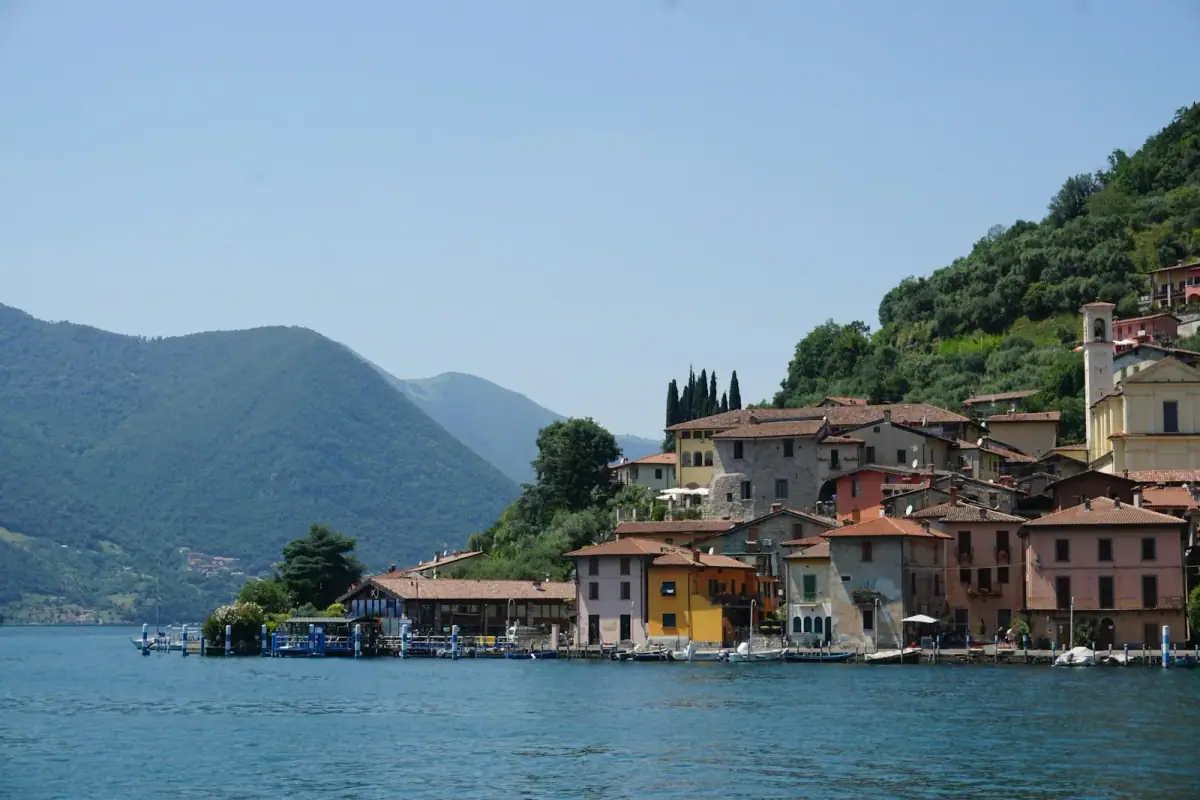
Between Lake Como and Lake Garda, Lake Iseo remains one of the quietest of the big Italian lakes. There are no famous villas or crowds on the quays, just fishing villages, mountains plunging into the water and, in the middle of the lake, Monte Isola, a high, wooded island where visitors’ cars are not allowed.
This guide covers what is worth the detour, how to get around by public transport and how to combine the lake with Franciacorta, the neighboring wine region. Boat and train schedules vary with the season: check them before you go.
Monte Isola, the car-free island
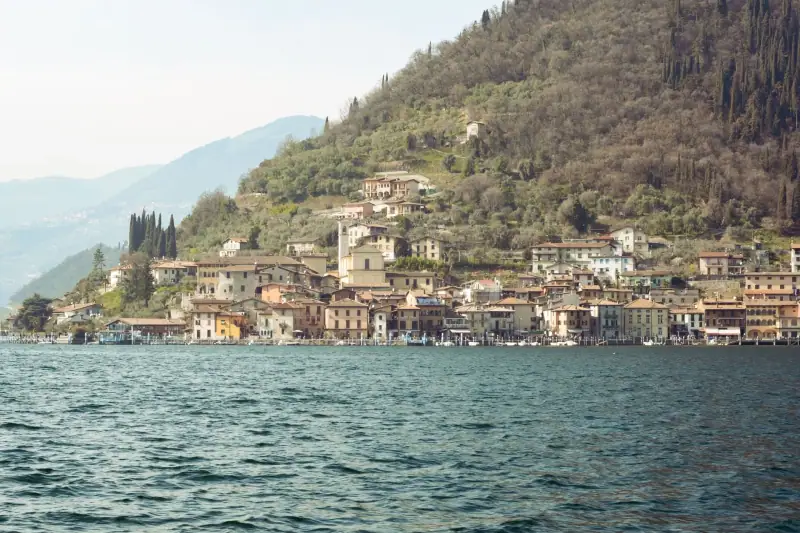
Monte Isola is considered the largest lake island in Italy. It rises as a wooded hill peaking at about 600 meters (1,970 ft), and its fishing villages are strung along the shore. Fishing and net-making long set the rhythm of local life, and lake fish is still dried there in the traditional way.
Visitors cannot bring a vehicle: you leave the car on the shore and board. This explains the island’s peaceful atmosphere; you get around on foot, by bike, by small local bus or by boat.
Two main villages receive the ferries: Peschiera Maraglio, reachable from Sulzano in just a few minutes, and Carzano, linked to Sale Marasino. The first is the most practical for starting the visit.
Going around the island on foot or by bike
A road rings the island for about nine kilometers (5.6 mi). The walk, easy and almost flat, takes two to three hours not counting breaks. A bike, rented there, is a good option if you also want to explore the heights.
The Madonna della Ceriola sanctuary
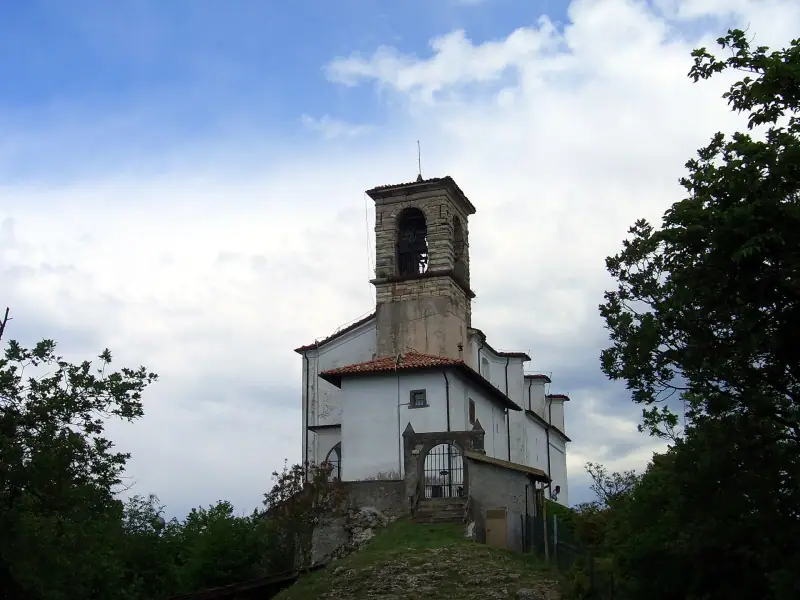
For the view, climb to the Madonna della Ceriola sanctuary, at the top of the island. The path climbs through olive and chestnut trees and small hamlets; bring sturdy shoes, water and a little over an hour for the climb, depending on your pace.
From the summit, the panorama takes in the lake, its shores and the surrounding mountains. It is a very good way to understand the lake’s geography before moving on, and in clear weather it is the finest view in the area.
Compare hotels and guesthouses in Iseo, Sulzano, Lovere or on Monte Isola: budget, rating and lake view.
Iseo, the gateway to the lake
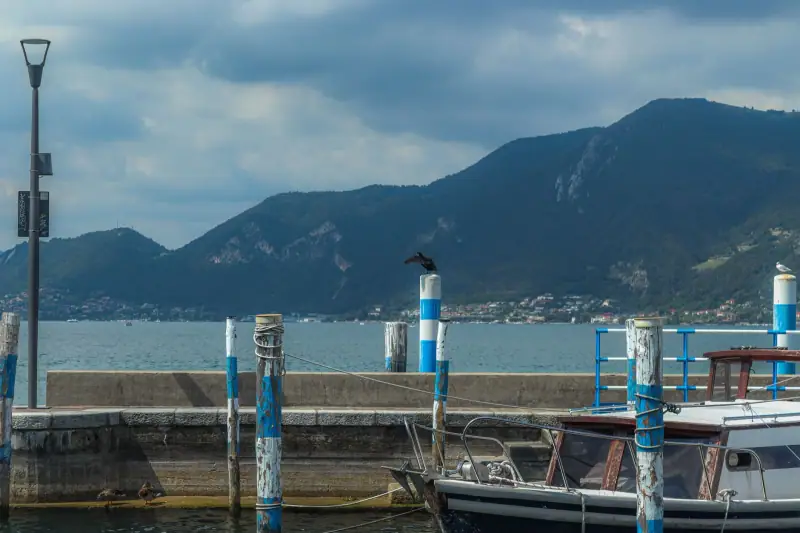
The town of Iseo, on the southeast shore, gives the lake its name. It makes a practical base: station, harbor, restaurants, a waterside promenade and an old center that is pleasant to explore on foot, with quiet lanes, a central square that is lively in the evening and boat departures for Monte Isola and other shores.
Iseo is also an ideal place to stay if you want to go car-free: you are on both the Brescia rail line and the lake’s boat network.
Lovere and Pisogne, at the northern end of the lake
In the north, the lake narrows between the mountains and the atmosphere becomes more alpine.
Lovere is often listed among the most beautiful towns in Italy. Its well-kept lakefront, lanes and civic tower make it a pleasant stop for a walk and a coffee by the water.
Pisogne, at the northeast end, holds the church of Santa Maria della Neve, whose 16th-century frescoes by Romanino are worth the detour on their own for art lovers. It is also a peaceful village, far from the usual routes.
If you like wide open spaces, note that high mountains and alpine hiking are better in the Dolomites.
Franciacorta, vineyards and bubbles
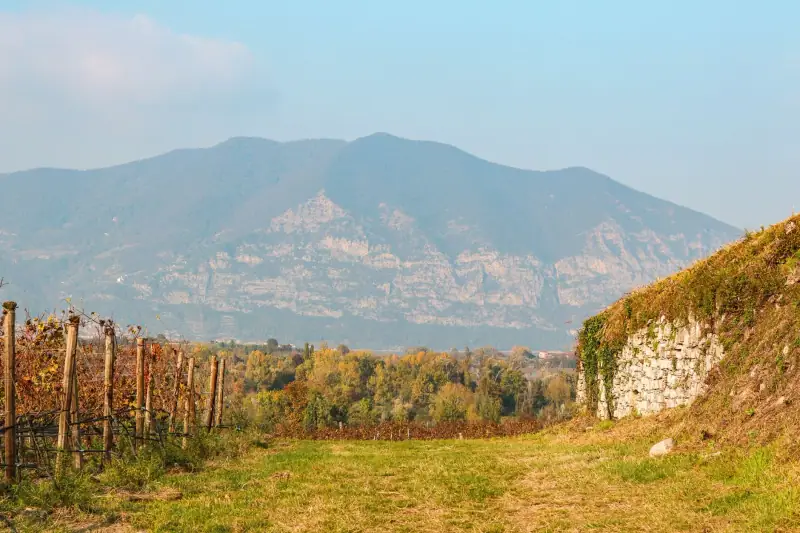
Just south of the lake lie the hills of Franciacorta, famous for its sparkling wines made by the traditional method. Many estates welcome visitors for a cellar visit and tasting, often by reservation.
It is better to organize the day with a designated driver, a guided tour or just one estate at a time, as you should not drive after several glasses. To match these wines with lake dishes, see also our guide to what to eat in the Italian lakes.
Estate visits, sparkling wine tastings and guided excursions around Lake Iseo.
Getting there and getting around
Lake Iseo is well served, which makes it an easy destination without a car:
- Train: the Brescia-Iseo-Edolo line serves Iseo and several villages on the eastern shore, with about one train an hour from Brescia. From Milan, you generally change at Brescia.
- Boat: the boat network links Iseo, Sulzano, Monte Isola, Lovere and other shores. It is the most pleasant way to go from one village to another.
- Car: practical for Franciacorta and for reaching the west shore, but useless on Monte Isola. In high season, park at Sulzano early.
To compare transport options across all the lakes, see our guide to getting around the Italian lakes. If you rent a car for Franciacorta, compare the offers on this page.
Boat tours, guided walks and day trips around Monte Isola and the lake's shores.
When to come and how long to stay
- Spring and early fall: soft light, pleasant temperatures and few people. This is the best time for walking on Monte Isola.
- Summer: swimming and boats, but weekends are busy. Arrive early at Sulzano.
- Duration: one day is enough for Monte Isola; two to three days let you add Iseo, Lovere and Franciacorta.
Where to place Lake Iseo in your trip
The lake is easy to visit as a complement to a stay in Milan, Bergamo or Lake Garda, all reachable by train or car. To decide whether it suits you better than Como or Garda, read our comparison of which Italian lake to choose, and for a more classic destination, the article on visiting Sirmione on Lake Garda.
Less famous than its neighbors, Lake Iseo appeals through its very simplicity: a walk around an island, a view from the sanctuary, a glass of Franciacorta and the feeling of having an Italian lake almost to yourself.
Frequently asked questions
What is there to do on Lake Iseo?
Walk or cycle around Monte Isola, stroll in Iseo and Lovere, see the frescoes of Pisogne, then taste the sparkling wines of Franciacorta, south of the lake.
Can you go to Monte Isola by car?
No, visitors leave their vehicle on the shore. You reach the island by boat, notably from Sulzano; the crossing to Peschiera Maraglio takes only a few minutes.
How do you get to Lake Iseo without a car?
Trains link Brescia to Iseo about once an hour, and the line continues to Pisogne and beyond. From Milan, you generally change at Brescia.
How long should you plan for Lake Iseo?
One day is enough for Monte Isola. With Iseo, Lovere and a tasting in Franciacorta, allow two to three days.
Is Lake Iseo less touristy than Lakes Como and Garda?
Yes, it is clearly calmer, even though Monte Isola and Iseo fill up in summer and on sunny weekends.
More Italian Lakes guides
Keep reading
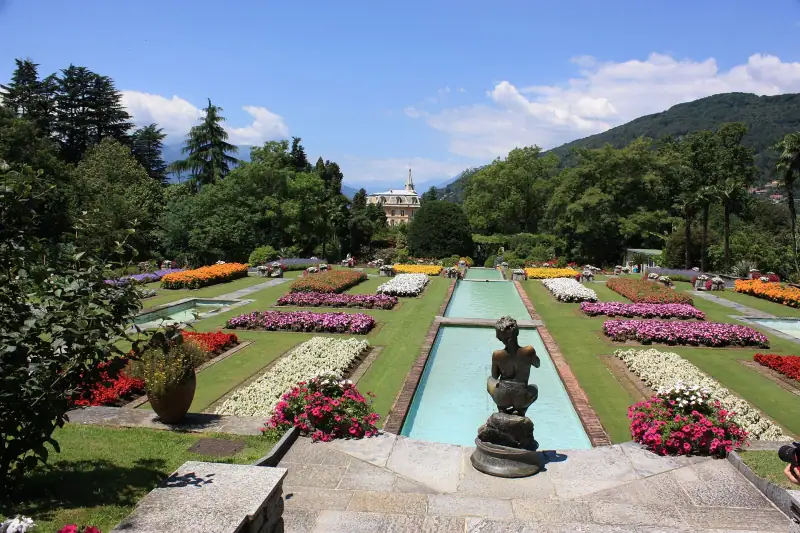
Villa Taranto in Verbania: getting there by boat, what to see and how long to allow
Villa Taranto, the botanical garden of Verbania on Lake Maggiore: boat access from Stresa, visit length, what to see, combined ticket and tips.
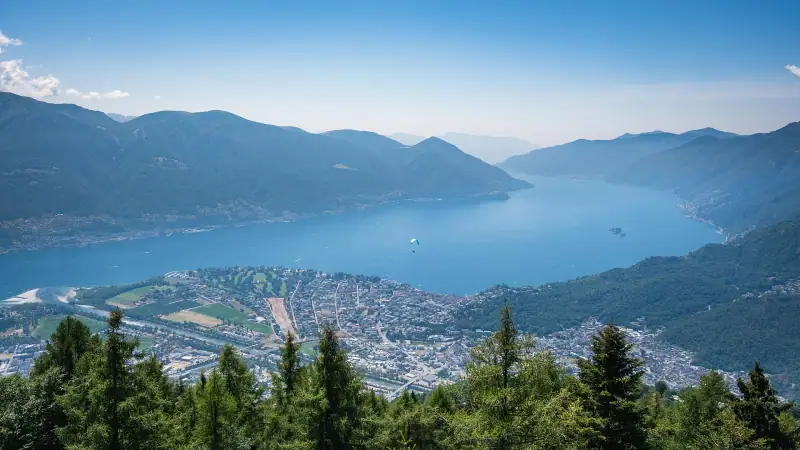
Complete guide to visiting the Italian Lakes: Como, Maggiore, Garda, Orta and Iseo
Everything to visit the Italian Lakes: lakes and towns, highlights, when to go, transport, where to stay and budget. The pillar guide to plan your trip.
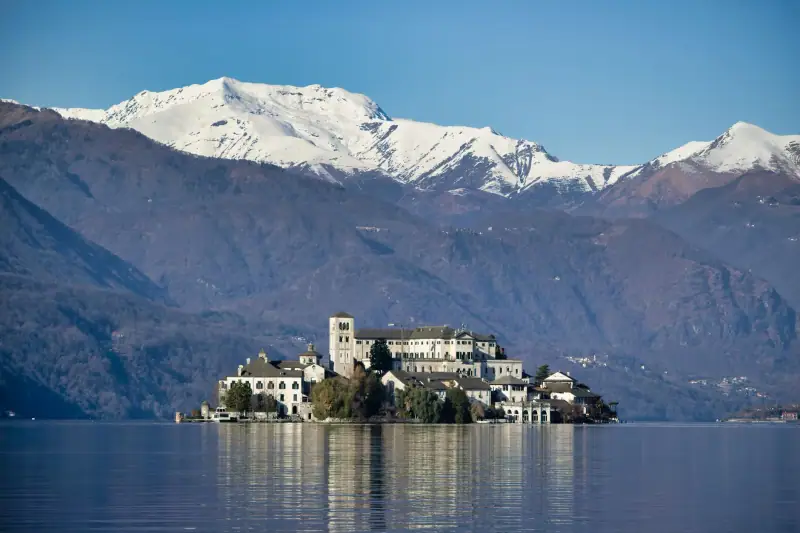
Visiting Orta San Giulio and San Giulio Island: a Lake Orta guide
Visit Orta San Giulio and San Giulio Island on Lake Orta: lanes, Sacro Monte, boat, access from Milan and Stresa, where to stay and when to go.
Ready-made
Italian Lakes itineraries
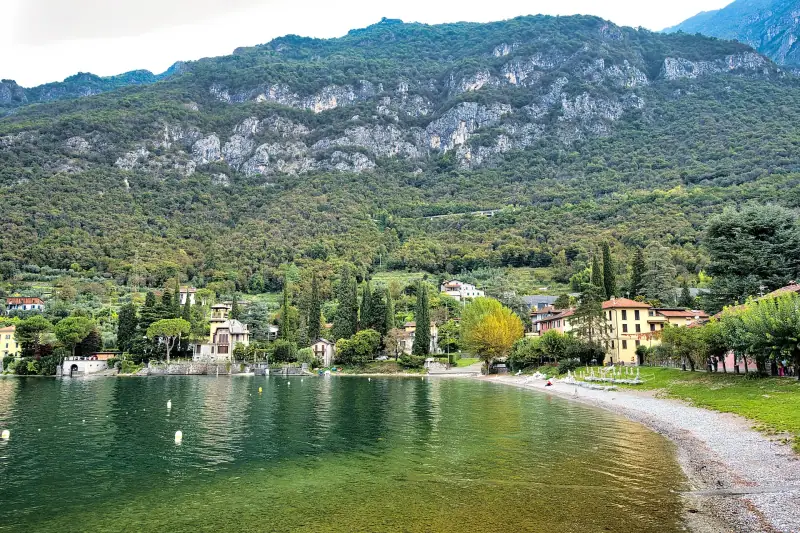
3 days
Lake Como in 3 days: Como, Bellagio and Varenna itinerary
What to see on Lake Como in 3 days? A day-by-day plan by boat and on foot: Como, Tremezzina villas, Bellagio and Varenna, no car needed.
5 days
Italian Lakes in 5 days without a car: a realistic train and boat itinerary
ComoVarennaStresaDesenzano del Garda
7 days
7-day Italian Lakes road trip: Maggiore, Como and Garda
A 7-day drive through Lake Maggiore, Lake Orta, Lake Como and Lake Garda: stops, driving times, driving and parking tips.