Where to stay
Where to stay in Lille: neighborhoods and types of accommodation
We may earn a commission when you book through links on this page, at no extra cost to you. We don't visit or try the places we cover: we summarize published sources. How we work
In short
- Old Lille and the center around the Grand'Place are the most practical and typical for a first stay; the station area suits short stays by train.
- The center is compact: the metro and tram connect the neighborhoods quickly, and a car is more a hindrance than a help in the city.
- Book as early as possible for the Braderie de Lille in early September and for the Christmas market.
- Wazemmes, Fives or the station surroundings are often easier on the budget, with the metro reaching the center in a few minutes.
Lille is a city that is visited on foot, but experienced very differently depending on the neighborhood where you drop your bags. Capital of the Hauts-de-France, it brings together cobbled streets lined with Flemish facades, a big lively square, stations linked to Paris, London and Brussels, lively markets and student districts. Choosing where to stay in Lille is therefore first of all choosing the atmosphere of your stay: refined and historic, practical and central, working-class and lively, or calm and green.
This guide compares the main neighborhoods, explains the types of accommodation (hotel, apartment, bed and breakfast, youth hostel) and gives concrete tips for booking at the right time. We deliberately name no property: the offer changes quickly and is best compared, for your exact dates, on the booking platforms. To know what there is to see once you are settled in, see our weekend in Lille in 2 days.
Understanding Lille’s geography before you book
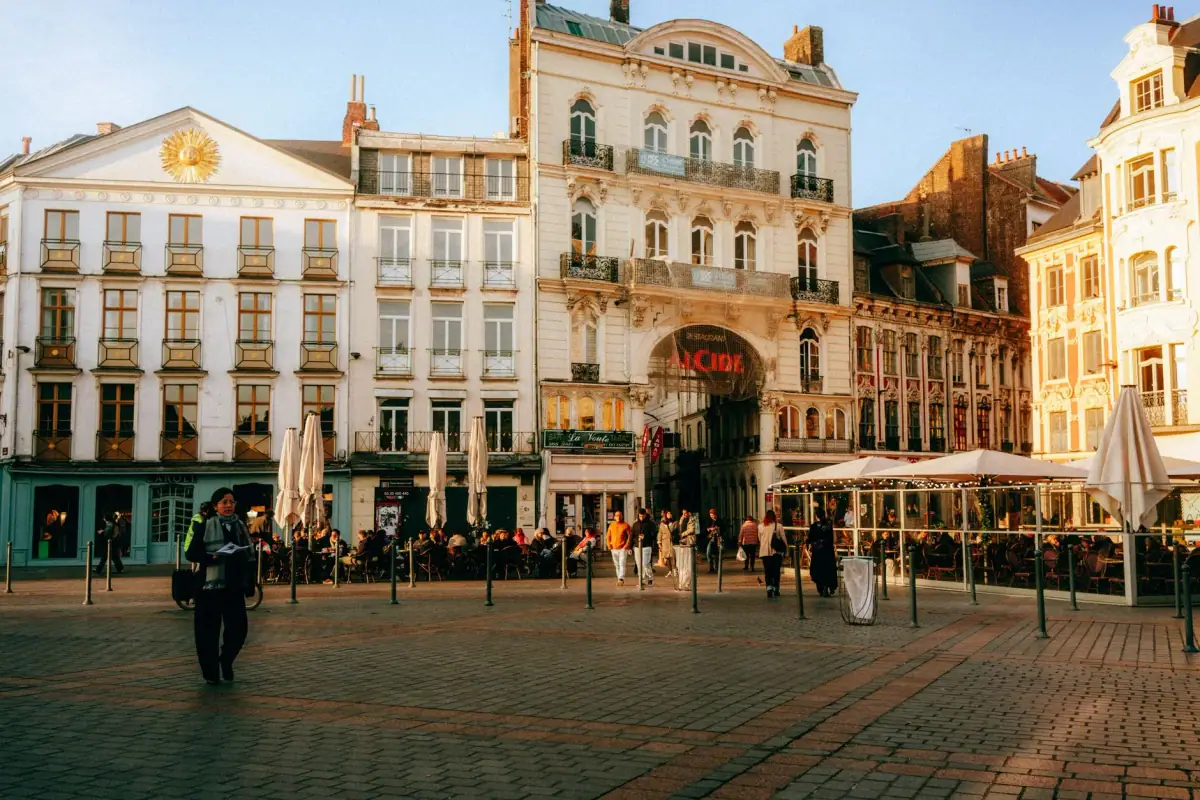
The center of Lille is compact. The historic heart is organized around the Grand’Place, also called Place du Général-de-Gaulle, surrounded by large old buildings, the Opera and the Vieille Bourse. To the northwest stretches Old Lille, with its cobbled lanes. East of the center are the two stations, Lille-Flandres and Lille-Europe, separated by a short walk and extended by the Euralille business district. To the south and west, more residential and working-class neighborhoods such as Wazemmes or Vauban complete the map.
What to remember: within the center, distances are counted in minutes on foot, rarely in hours. Between Old Lille and the stations, allow a walk of about a quarter of an hour, or less depending on where you sleep. And if you are tired or it rains, the metro and tram connect the neighborhoods quickly. In other words, no choice is catastrophic; the real question is atmosphere and budget.
Also keep in mind that the Lille metropolitan area is bigger than the city itself: Roubaix, Tourcoing or Villeneuve-d’Ascq can be reached by public transport, but one rarely sleeps there on a first stay. If these destinations interest you, see our guide to Roubaix and Villeneuve-d’Ascq.
Old Lille: pure charm
Old Lille is the most photogenic quarter of the city. You find cobbled streets, brick and stone facades with the typical gables of Flemish architecture, inner courtyards, designer boutiques, delicatessens, tea rooms and many restaurants. It is the natural choice for a romantic stay, a food-focused getaway or a first weekend where you want to “feel” the city.
Strengths:
- an old-town atmosphere, very pleasant to explore on foot, morning and evening;
- a dense offer of restaurants, bars and shops a stone’s throw away;
- many bed and breakfasts and charming hotels set in old buildings;
- the Grand’Place reachable in a few minutes’ walk.
Drawbacks:
- rates generally higher than in the rest of the city, especially on weekends;
- streets that are lively in the evening at the end of the week: if you are a light sleeper, ask for a courtyard-side room;
- difficult traffic and complicated parking in the lanes;
- a slightly longer distance to the stations, to cover with luggage.
Who is it for? Couples, food lovers, photography fans, a first stay with a bit of budget.
The center and the Grand’Place: the balanced solution
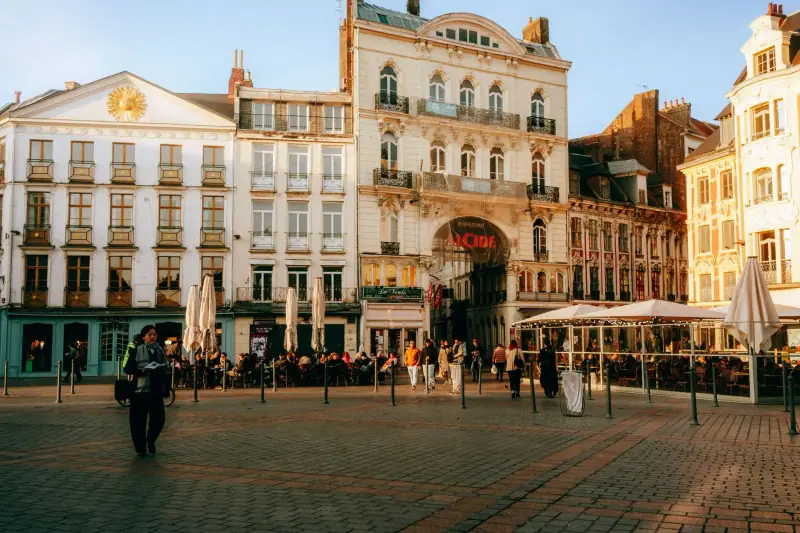
Around the Grand’Place, the Opera and the shopping streets, the center of Lille concentrates most of the activity. It is the most versatile area: it is a few minutes from Old Lille on one side and from the stations on the other, and there is a very wide choice of hotels, from small independent hotels to big brands. Shops, cinemas, theaters and restaurants are all within walking distance.
Strengths:
- a central position ideal for covering the whole city on foot;
- a very varied accommodation offer, hence more chance of finding a suitable rate;
- good metro and tram links to reach the other neighborhoods.
Drawbacks:
- a more commercial and noisier atmosphere than in Old Lille;
- lively evenings, especially at the end of the week, around the squares and bars;
- paid parking that is often full.
Who is it for? A first stay, short weekends, travelers who want to do everything on foot without going too far from the stations.
Compare accommodation in Lille
Hotels, apartments and bed and breakfasts in the heart of Lille: compare for your dates and budget.
The stations and Euralille: the most practical
Lille is a major rail hub: Lille-Flandres and Lille-Europe stations receive trains to Paris, Brussels, London and many cities of the region. Staying nearby is an advantage if you arrive by rail, if your train leaves early or if you stay only a night or two. The nearby Euralille district brings together office towers, a big shopping mall and many chain hotels.
Strengths:
- no trip with luggage: you drop your things and go sightseeing;
- a large hotel offer, often with competitive rates on weekdays;
- fast metro connections to the rest of the urban area;
- Old Lille and the Grand’Place reachable on foot in a few minutes.
Drawbacks:
- a business-district atmosphere, less warm than the old center;
- station surroundings that are sometimes busy late in the evening: check recent reviews for the exact street;
- few restaurants with character in the immediate surroundings of Euralille, especially in the evening and on Sundays.
Who is it for? Travelers by train, short stays, business trips, transit stops toward the coast or Brussels.
Wazemmes: working-class, mixed and affordable
Wazemmes is the working-class, cosmopolitan quarter of Lille. Around its big square and its much-visited market, you discover the atmosphere of a lively neighborhood, with shops from around the world, bars, thrift stores and community venues. It is an excellent choice for anyone who wants to stay off the tourist circuit while remaining within reach of the center by metro or on foot.
Strengths:
- rates often more reasonable than in Old Lille;
- an authentic atmosphere, far from the postcard setting;
- a good offer of world-cuisine restaurants and small shops;
- quick access to the center.
Drawbacks:
- less monumental heritage in the immediate vicinity;
- activity that is sometimes noisy on market days and in the evening;
- a smaller hotel stock: the offer is mostly apartments and small properties.
Who is it for? Curious travelers, tight budgets, stays of a few nights, neighborhood atmosphere fans.
Vauban and the Citadelle: the calm, green side
West of the center, the Vauban quarter is a more residential area, marked by the presence of higher education and by the proximity of the Citadelle, a vast military fortification surrounded by a park much loved for walks. The atmosphere is quieter than in the center, with tree-lined streets and cafes frequented by students.
Strengths:
- a calm setting, ideal for resting after a day of sightseeing;
- the proximity of the Citadelle’s green spaces, handy for running or strolling;
- parking that is often simpler than in the downtown.
Drawbacks:
- less choice of hotels than in the central neighborhoods;
- a greater distance to the stations, requiring the metro or bus;
- reduced activity in the evening.
Who is it for? Families, travelers with a car, longer stays, calm seekers.
Other areas to know
A few other neighborhoods are worth mentioning for particular profiles:
- The République – Palais des Beaux-Arts area: an elegant setting, a big square and a major museum. It is an interesting alternative to the stations, with a more upscale and calmer atmosphere.
- Fives and the former industrial districts: converted wastelands, alternative cultural venues and lower rents. The accommodation offer there is mostly rentals.
- Lille-Sud and Moulins: working-class and student neighborhoods, not very touristy, rather suited to tight budgets and long stays.
- The outskirts (Villeneuve-d’Ascq, Roubaix, Tourcoing): practical if you have a business event or a family tie, or if you want cheaper accommodation linked to the center by metro or tram.
Which type of accommodation to choose in Lille
The hotel: the safe bet
A hotel remains the simplest format for a short stay. Lille has the whole range: budget hotels near the stations, chain hotels in Euralille, charming properties in old buildings of Old Lille and a few upscale addresses. Breakfasts are often offered as an option, and flexible cancellation terms are a valuable asset if your calendar can shift. Always compare rates with and without breakfast: the gap is sometimes large and Lille’s bakeries offer good alternatives.
The apartment: for families and long stays
For three nights or more, or for a family, an apartment with a kitchen is often more economical and more comfortable. It lets you settle in like a local, enjoy the markets and handle the children’s meals. Check the following before booking: the floor and whether there is an elevator (many old buildings have none), the sound insulation, the self check-in arrangements and, if you come by car, whether you can park.
The bed and breakfast: atmosphere as a bonus
In Old Lille and some residential neighborhoods, bed and breakfasts set up in townhouses offer a personal welcome, a unique atmosphere and often a well-prepared breakfast. It is a very good option for a romantic stay or for getting local advice. Plan to confirm the arrival time with the host, since there is generally no reception open at all hours.
Tours and activities in Lille
Guided tours, walks and local experiences: see what is on offer in Lille.
The youth hostel: for tight budgets
Lille hosts a large student population, and the budget accommodation offer reflects it: youth hostels, dorms and private rooms at moderate rates. It is a good solution for solo travelers or groups of young people, with a good social atmosphere as a bonus. Check the location (some are a little away from the center), reception hours and the noise level mentioned in the reviews.
Tourist residences and aparthotels
Between a hotel and an apartment, serviced residences offer equipped studios with hotel services (reception, cleaning). They are often well located, notably near the stations and in Euralille, and suit stays of a few nights with a minimum of independence.
When to book: seasons and events
Lille is not a seaside destination: its crowds depend less on the weather than on events and business travel. A few pointers:
- The Braderie de Lille, the big event of early September, fills the whole city: hotels and rentals are in great demand well in advance. If you want to go, book as soon as the dates are known.
- The Christmas market and the end-of-year holiday period attract many visitors: plan to book several weeks ahead.
- Weekends, long weekends and school holidays are in higher demand and more expensive than weekdays. A midweek night can be noticeably cheaper, but some business hotels are on the contrary fuller then.
- Trade fairs and conferences can push up prices for a single night: if the rate seems surprisingly high, try shifting by a day.
To plan your overall budget (transport, meals, visits), our guide to the budget in the Hauts-de-France gives you useful pointers.
Getting around from your accommodation
One of Lille’s assets is how easy it is to get around without a car. The metro and tram serve the main neighborhoods and link the center to the neighboring towns of the metropolitan area. On foot, you reach Old Lille, the Grand’Place, the stations and most major sights in a few minutes. You can also use the metropolitan bike-sharing system if you want to explore more widely.
The car, for its part, is mostly a drawback: street parking is paid and limited, and underground parking garages are expensive by the day. If you arrive by car, favor accommodation with parking or a less central neighborhood, and leave the vehicle there during your visit. For the rest of the region, the train from Lille is a simple solution for reaching Arras or other cities; see our guide to Arras if you want to make an excursion there.
Which area suits which traveler
- First stay, couple, food-focused weekend: Old Lille, for the atmosphere and cobbled streets.
- Short stay by train, business stop: the surroundings of Lille-Flandres and Lille-Europe stations, or Euralille.
- Tight budget, curious traveler: Wazemmes, with the metro to reach the center.
- Family, stay of several nights: an apartment near République or Vauban, calmer.
- Solo or young traveler: a youth hostel or a budget hotel close to a metro station.
- Stay combined with the coast: sleep in Lille a few nights, then change base on the coast; see our guides where to stay on the Opal Coast and where to stay in the Bay of Somme.
Tips for booking well in Lille
- Choose the atmosphere first, then the budget: they determine the neighborhood.
- Read recent reviews on noise, especially in Old Lille and near the stations.
- Favor a cancellable rate if your plans may change.
- Check access: floor, elevator, narrow stairs, especially with luggage.
- Plan ahead for events: the Braderie, the Christmas market, trade fairs and big soccer matches push prices up.
- Compare breakfasts: sometimes the most affordable hotel becomes less attractive once breakfast is added.
- Measure the real distance to the station and the nearest metro stop on a map before confirming.
Find a hotel near Lille's stations
Ideal for a short stay by train: compare hotels around Lille-Flandres and Lille-Europe.
Whatever you choose, Lille remains a city where getting around is easy and where each neighborhood is a few minutes from another. Well-chosen accommodation will save you time and give you comfort, and leave you free to enjoy the city, its lanes, its estaminets and its markets.
Frequently asked questions
What is the best neighborhood to stay in Lille on a first visit?
Old Lille and the center around the Grand'Place are the most practical: almost everything can be visited on foot, restaurants and shops are nearby and the atmosphere is the most typical. The station area, more functional, suits you very well if you arrive by train and stay only a short time.
Is it better to stay near Lille-Flandres and Lille-Europe stations?
It is an excellent choice for a short stay, a late arrival or an early departure: the two stations are close to each other and the historic center is reachable on foot. In return, the atmosphere is more urban and less picturesque than in Old Lille.
Do you need a car to stay in Lille?
No, the center can be covered on foot and the city has a metro and tram network. A car is even rather a hindrance in the city center, where parking is paid and limited. It only becomes useful for trips out to the Opal Coast or the Bay of Somme.
When should you book a hotel in Lille?
As early as possible for the big events such as the Braderie de Lille in early September and the Christmas market. For weekends and school holidays, booking several weeks ahead is wise. On weekdays and outside events, availability is generally better.
Where can you stay in Lille on a tight budget?
Neighborhoods a little away from the historic heart, such as Wazemmes, Fives or the station surroundings, often have lower rates, as do youth hostels and budget hotels. The metro reaches the center in a few minutes, which makes up for the distance.
Should you choose a hotel, an apartment or a bed and breakfast?
A hotel is the simplest for a short stay, an apartment suits families and stays of at least three or four nights, and a bed and breakfast adds a more personal atmosphere, especially in Old Lille. Check access, parking and cancellation terms in each case.
Can you stay in Lille and visit the Opal Coast or the Bay of Somme?
Yes, for a day trip, since Lille is a good rail and road starting point to the rest of the region. For a stay of several days on the coast, it is more comfortable to change base and sleep there.
More Hauts-de-France guides
Keep reading
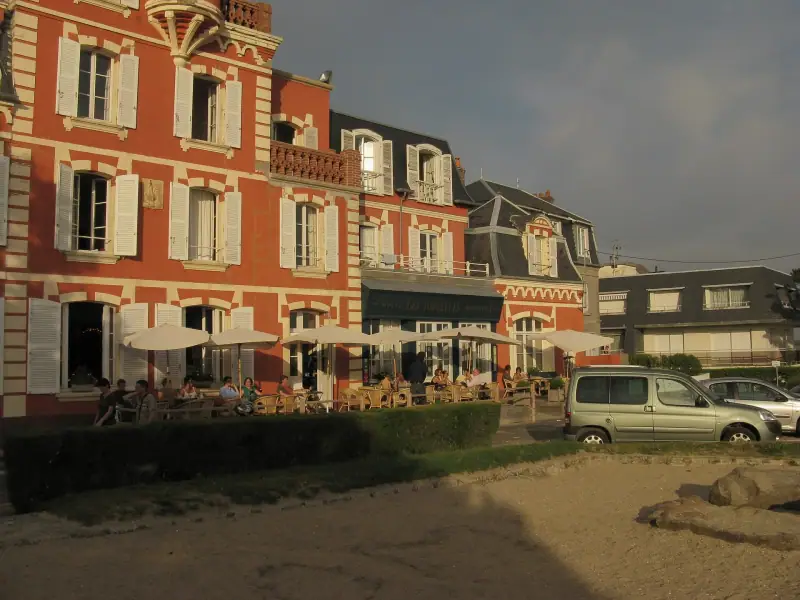
Where to stay in Le Crotoy: neighborhoods and types of accommodation
Where to stay in Le Crotoy? Seafront, town center, harbor, Saint-Firmin: compare neighborhoods and accommodation types for a base on the Bay of Somme.
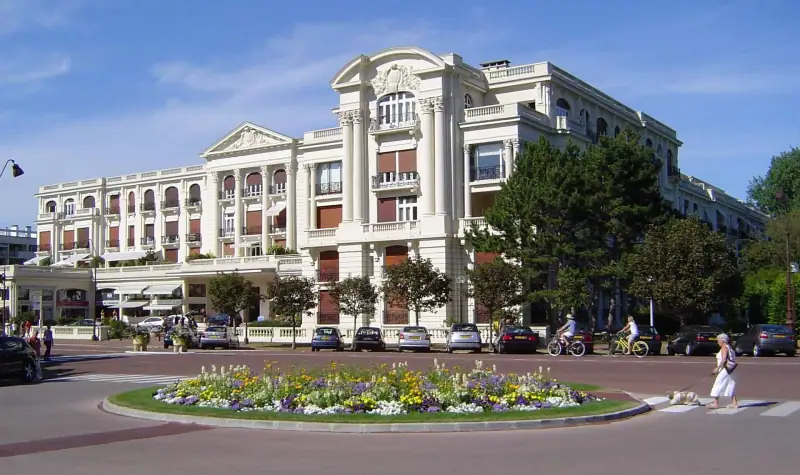
Where to stay in Le Touquet-Paris-Plage: neighborhoods and types of accommodation
Where to stay in Le Touquet-Paris-Plage? Seafront, center, forest, Étaples or Stella-Plage: neighborhoods and accommodation types compared.
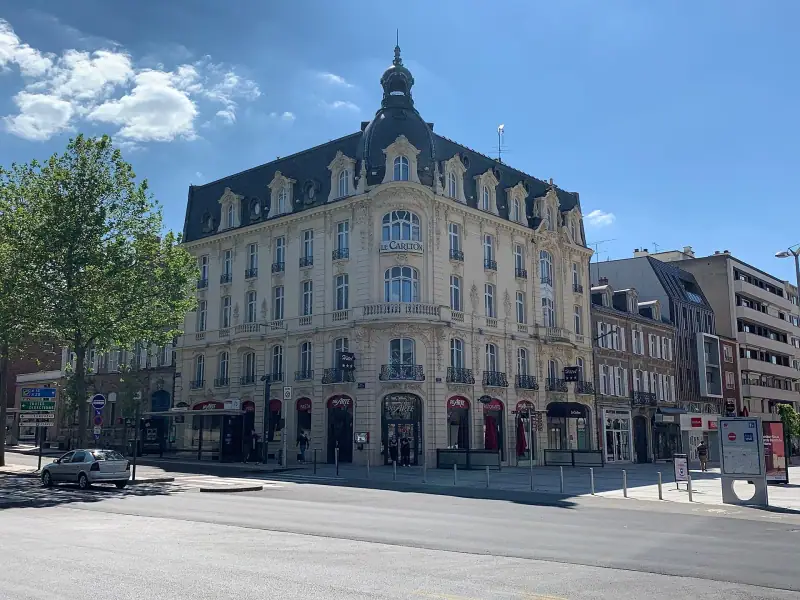
Where to stay in Amiens: neighborhoods and types of accommodation
Where to stay in Amiens? Saint-Leu, cathedral, station, Henriville: neighborhoods and accommodation types compared, with booking tips for every budget.
Ready-made
Hauts-de-France itineraries
2 days
Weekend in Lille: what to see and do in 2 days
A weekend in Lille in 2 days: Old Lille, Grand'Place, Vieille Bourse, museums, the Citadelle, local dishes and practical tips for planning your stay.
2 days
Car-free weekend in the Bay of Somme: train, bike and tourist train
A weekend in the Bay of Somme without a car: arrive by train, stay in Saint-Valery or Le Crotoy, get around by tourist train and bike. Program and tips.
5 days
Hauts-de-France road trip in 5 days: from Lille to the Bay of Somme
CalaisBoulogne-sur-MerLe Touquet-Paris-PlageLe Crotoy
Can be adapted in the planner