Where to stay
Where to stay in Boulogne-sur-Mer: neighborhoods and types of accommodation
We may earn a commission when you book through links on this page, at no extra cost to you. We don't visit or try the places we cover: we summarize published sources. How we work
In short
- For a first stay without a car, choose the lower town near the quays and the Boulogne-Ville station; for atmosphere, the fortified upper town; for families visiting Nausicaá, the seafront.
- The upper town sits on a hill: climbing up is easy on foot but noticeable with luggage, a stroller or a bad knee.
- Wimereux, a few kilometers north, is a calmer seaside alternative; Le Portel to the south is often cheaper.
- Book several weeks ahead for summer weekends, school holidays and spring long weekends.
Boulogne-sur-Mer is one of the main towns of the Opal Coast, and it is often the first base that travelers planning a stay in the North think of. Yet the town is far from uniform: a fortified upper town perched on the hill, a lower town of shops and port, a seafront facing the beach and Nausicaá, not to mention the neighboring towns that offer excellent alternatives. Choosing the right area really changes the experience of the stay.
This guide helps you understand the neighborhoods, compare the types of accommodation (hotels, bed and breakfasts, rentals, campsites) and book at the right time. We deliberately name no property: the offer changes quickly and is best compared against your exact dates. For the visit itself, read our guide to visiting Boulogne-sur-Mer, and to compare with the other bases on the coast, our article where to stay on the Opal Coast.
Understanding Boulogne’s geography before you book
Boulogne-sur-Mer lies at the mouth of the Liane, at the back of a bay open to the Channel. The town reads on three levels:
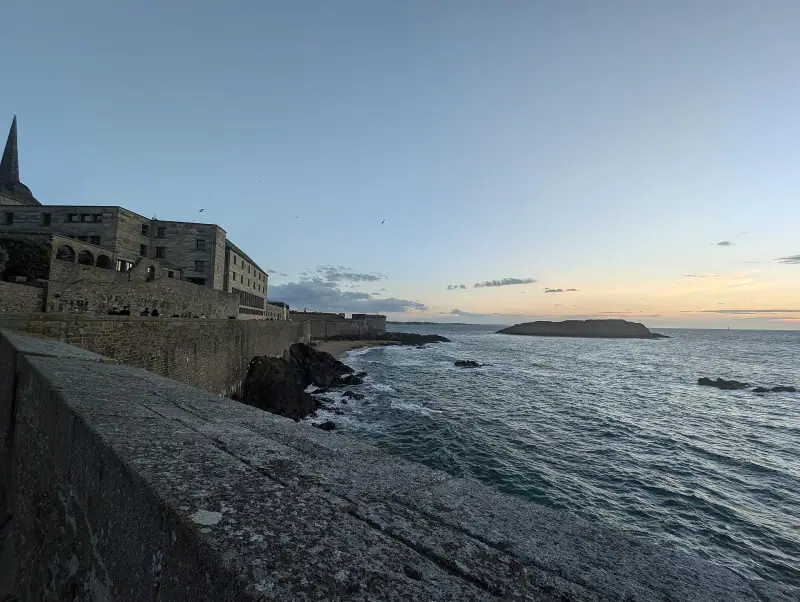
- the upper town, on the hill, surrounded by a medieval wall, with its belfry, its basilica and its cobbled lanes;
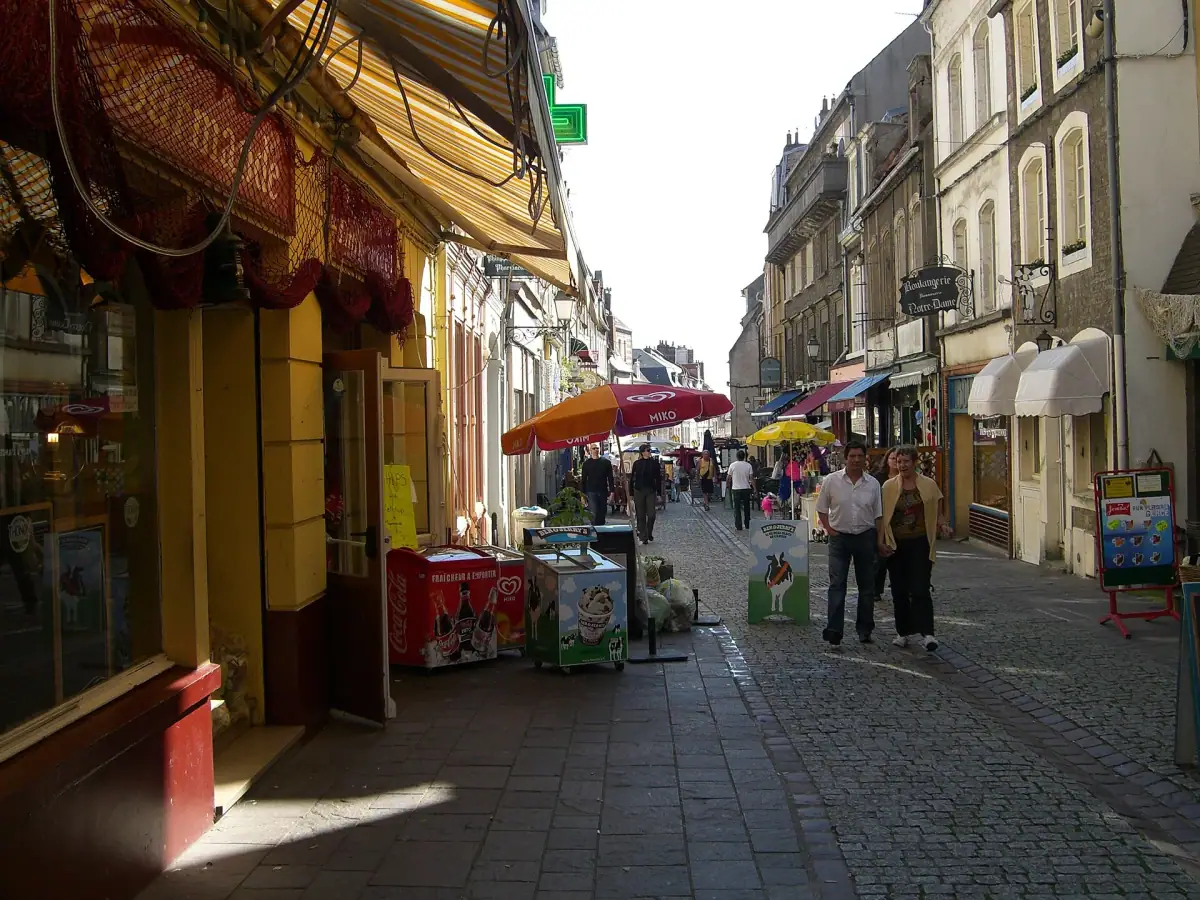
- the lower town, below, which concentrates the station, the shopping streets, the quays of the port and most services;
- the seafront, with the big beach, the promenade and the Nausicaá area.
The difference in height between the upper and lower towns is real: you climb it on foot in a few minutes, but you feel it with a suitcase, a stroller or a bad knee. It is the first criterion to keep in mind, even before the budget. If you travel light and like walking, the upper town is a pleasure. Otherwise, the lower town will be more comfortable day to day.
To place Boulogne within the rest of the coast, note that the town lies roughly halfway between Calais and Le Touquet-Paris-Plage, which makes it a practical base for exploring the area, as we detail in our guide to the Opal Coast.
The upper town: the charm of a fortified city
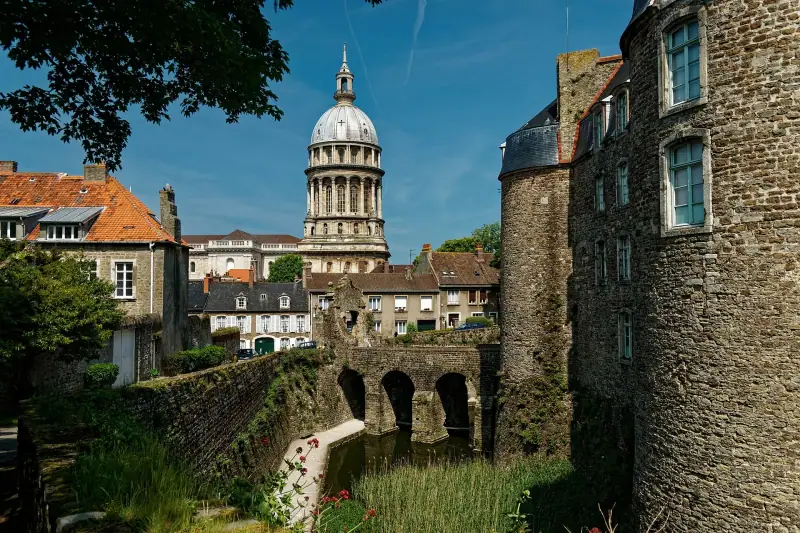
Staying in the upper town means choosing atmosphere. You are inside the ramparts, a stone’s throw from the belfry and the basilica, in quiet streets where you meet few cars in the evening. A walk on the ramparts at sunset, once the day visitors have gone, is one of the best parts of a stay in Boulogne.
Who is it for? Couples, travelers looking for charm, heritage fans, weekend stays.
Strengths:
- a historic setting unique in the whole town;
- bed and breakfasts set in houses with character;
- great tranquility in the evening;
- the main monuments of the upper town on foot.
Limits:
- shops and restaurants are fewer than in the lower town, and many tables close early off season;
- parking is restricted in the old streets;
- the climb from the station or the port takes a little effort with luggage;
- the accommodation offer is limited there: book early for weekends.
If this area appeals to you, ask your host for the car access and parking arrangements before you arrive: some streets are regulated or very narrow.
Where to stay in Boulogne-sur-Mer
Upper town, quays or seafront: compare accommodation for your dates and book early for weekends.
The port and quays: the most practical area
Boulogne is France’s leading fishing port, and the lower town reminds you of it at every corner. The quays area, around Quai Gambetta, gathers outdoor cafes, fish and seafood restaurants and a genuine port-town atmosphere. It is also close to Boulogne-Ville station, which makes it the ideal base for travelers without a car.
Who is it for? A first stay, travelers by train, seafood fans, short stays.
Strengths:
- restaurants, shops and activity within walking distance;
- the station reachable on foot or in a few minutes;
- a good concentration of hotels of all categories;
- a lively atmosphere, even off season.
Limits:
- some streets are noisy on weekend evenings;
- architectural charm is uneven: the lower town was largely rebuilt after the war;
- the port has its smells, normal for a working fishing port, but they can surprise.
Before booking, look at the exact street of the accommodation and recent reviews on noise: a courtyard room or a high floor changes a lot.
The seafront and the Nausicaá area
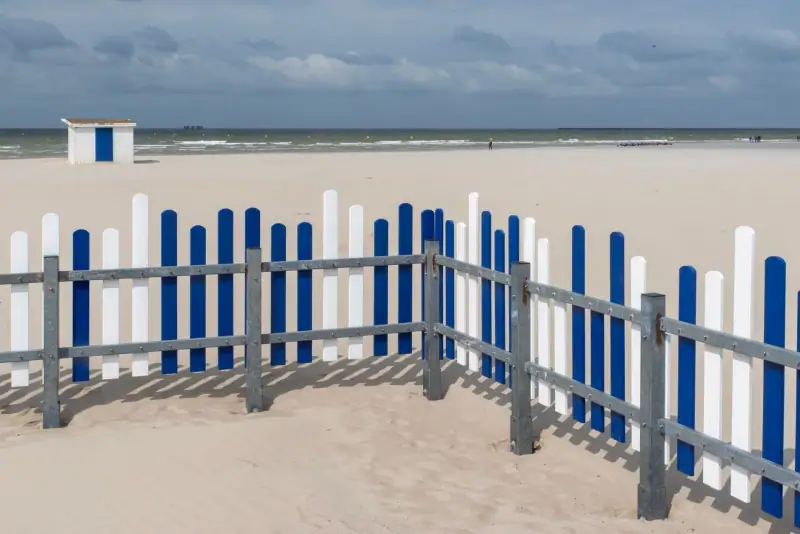
By the beach, the seafront area is the family-friendly one. A big sandy beach, a promenade for walking or cycling and, right next to it, Nausicaá, one of the largest aquariums in Europe. Staying here lets you visit the aquarium without a car and enjoy the beach from the morning, at low tide, when the sand is uncovered.
Who is it for? Families, groups of friends, travelers who come for Nausicaá and the sea.
Strengths:
- the beach and the aquarium on foot;
- sea views from some accommodations;
- a pleasant promenade at the end of the day;
- parking lots easier to find than in the upper town.
Limits:
- wind is frequent and temperatures are cool, even in summer;
- the area is calmer and less lively in the evening;
- the urban beach is not the prettiest on the coast, but it remains very pleasant for a stroll.
If you come mainly for the aquarium, check the ticketing arrangements on the official Nausicaá website and allow half a day to a full day depending on your pace. Our guide to visiting Boulogne-sur-Mer details how to organize a typical day.
Wimereux: the seaside alternative a few minutes away
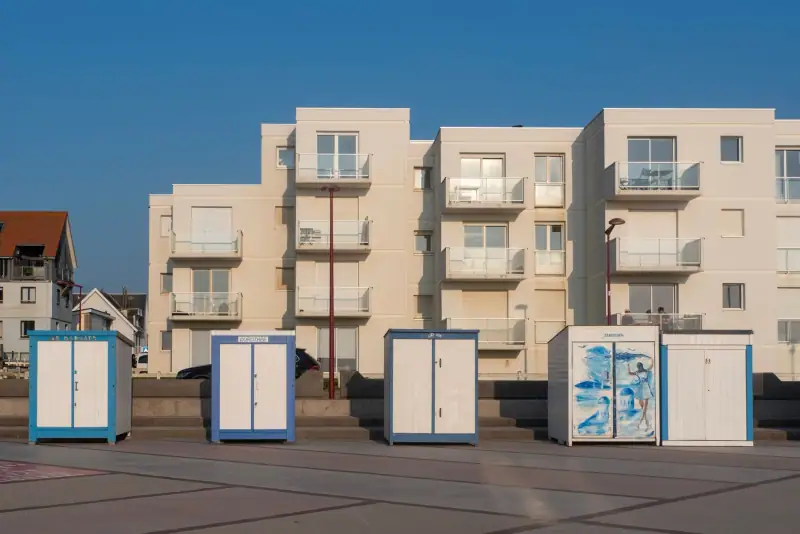
A few kilometers north of Boulogne, Wimereux is a small seaside resort known for its seawall promenade lined with villas. If you want a more peaceful atmosphere than a fishing port, it is probably the best compromise: you stay a few minutes from Boulogne while sleeping in a seaside setting. Our article Visiting Wimereux details what the resort offers.
Who is it for? Couples, travelers with a car, coastal walk fans, relaxing stays.
Strengths:
- a seaside-village atmosphere, calmer than in Boulogne;
- quick access to Cap Gris-Nez and the neighboring villages;
- bed and breakfasts and small charming hotels.
Limits:
- the offer is more limited than in Boulogne, with less choice at the last minute;
- a car is very useful to get to Boulogne in the evening or in bad weather;
- off season, some of the shops slow down.
Le Portel, Équihen-Plage and the neighboring towns
South of Boulogne, Le Portel is a neighboring seaside town, appreciated for its seawall and big beach, with a more working-class character and often lower rates. Further south still, Équihen-Plage is a cliff village of fishermen’s houses, very quiet. These towns suit those who want cheaper accommodation or one closer to the sea, provided they have a vehicle or check the bus links.
Who is it for? Families on a tight budget, week-long stays, travelers with a car.
Limits: fewer tourist services than in Boulogne itself, and a heavier dependence on a car. Always compare the real distance to Boulogne before booking, rather than trusting only the apparent proximity on the map.
Which type of accommodation to choose in Boulogne
Hotels
Hotels are concentrated in the lower town, near the station, the quays and the center, with a few addresses in the upper town and near the seafront. They suit short stays, business trips and anyone who wants breakfast at the hotel. Look carefully at the photos and recent reviews: quality varies greatly from one property to another, and a view of the port or the sea is a criterion you pay for.
Bed and breakfasts
This is the format that best matches the spirit of the upper town and the neighboring towns. Set in houses with character, they offer a personal welcome, often with advice on tides, walks and good addresses. There are few rooms: it is the category that fills up fastest for weekends.
Vacation rentals and apartments
For a week or for a family, an apartment or house offers space and a kitchen, which eases the dining budget. Check the parking space, cleaning fees, the real distance to the beach or the shops and the cancellation terms.
Compare hotels and rentals around Boulogne
Hotels, apartments and bed and breakfasts: filter by budget, neighborhood and dates.
Campsites and outdoor accommodation
The area around Boulogne has several campsites, with pitches and mobile homes, especially popular with families and cyclists in season. The wind can be strong on open sites: bring sturdy tent pegs and favor sheltered pitches. As everywhere on the coast, summer weekends and school holidays are booked far in advance. For a comparison with another part of the region, see our article on camping, gîtes and bed and breakfasts in the Bay of Somme.
Choosing by season
Boulogne-sur-Mer can be visited all year, which is an asset compared with strictly seaside resorts.
- Summer and school holidays: high demand, especially for weekends and for accommodation near the beach. Book long in advance and check parking. Even in summer, bring a windbreaker.
- Spring and fall: often the best value, with beautiful light on the sea and calm beaches. The May long weekends remain in demand.
- Winter: lower rates and a town that is pleasant to visit in gray weather thanks to the museums and the aquarium. The neighboring resorts, Wimereux and Le Portel, run at a slow pace.
For a first idea of the overall budget of a stay in the region, our Hauts-de-France budget guide gives useful pointers.
Getting around from your accommodation
Boulogne-sur-Mer is served by Boulogne-Ville station, with regional connections: check schedules before you leave, they vary by day. From the lower town, most points of interest can be reached on foot, including the upper town for those who accept the climb. For Cap Blanc-Nez and Cap Gris-Nez, the villages of the Boulonnais and the more distant beaches, a car remains the most flexible solution.
If you come by car, ask your host where to park. In the upper town, the old streets are narrow; in the lower town, surface parking is often paid, and some covered parking lots are safer for a night. Accommodation with a reserved space saves you time and avoids unpleasant surprises.
Add an outing to your stay
Guided tours, excursions and activities around Boulogne-sur-Mer and the Opal Coast: compare the offers.
Tips for booking well
- Choose your priority first: charm, practicality, beach, family or budget. It determines the neighborhood.
- Check the elevation: if you travel with heavy luggage, a stroller or reduced mobility, avoid the upper town or ask about suitable access.
- Check the exact street and recent reviews on noise, especially near the quays.
- Ask about parking before booking; it is often the weak point of old accommodation.
- Favor a flexible rate: the weather is changeable on the coast and free cancellation is valuable.
- Book early for weekends, holidays and spring long weekends.
- Think about two bases if you stay more than four days: for example one night in the upper town for the atmosphere, then Wimereux or another part of the coast for variety.
Which area suits which traveler
- First stay, no car: lower town, quays and station area.
- Couple on a getaway: a bed and breakfast in the upper town or in Wimereux.
- Family with children: the seafront, near the beach and Nausicaá.
- Tight budget: Le Portel or the neighboring towns, if you have a car.
- Nature and hiking fans: Wimereux or a village near Cap Gris-Nez, with Boulogne as a day visit.
- Food-focused stay: the quays area, to go out to dinner on foot.
Whatever you choose, Boulogne-sur-Mer remains a versatile base, easy to reach and rich in sights, including in bad weather. Once your accommodation is booked, continue your preparation with our guide to visiting Boulogne-sur-Mer and our article on the Opal Coast to build balanced days between town, beach and cliffs.
Frequently asked questions
What is the best neighborhood to stay in Boulogne-sur-Mer?
It depends on your trip. The upper town charms with its fortified-city atmosphere and its calm in the evening, the port and quays area is practical for fish restaurants and the station, and the seafront suits families visiting Nausicaá. For a first stay without a car, favor the station, quays and center area.
Can you stay in Boulogne-sur-Mer without a car?
Yes, provided you choose accommodation close to Boulogne-Ville station, the quays or the upper town. The center and the main sights can be visited on foot, but the upper town is on a hill: bring good shoes and expect a little climbing. For the capes or neighboring villages, a car or buses with schedules to check remain useful.
Should you stay in the upper town or the lower town?
The upper town offers the charm of the ramparts, cobblestones and bed and breakfasts, with fewer shops and restaurants open late. The lower town concentrates the station, shops, the port and most chain hotels. If you hesitate, stay in the lower town near the quays and walk up to visit the upper town.
Wimereux or Boulogne-sur-Mer: which to choose?
Boulogne-sur-Mer offers more choice of accommodation, restaurants and sights, as well as the station. Wimereux, a few kilometers north, is a quieter small seaside resort, appreciated by couples, with its seawall promenade. The two are linked by road in a few minutes, so you can stay in one and visit the other.
When should you book accommodation in Boulogne-sur-Mer?
Several weeks ahead for summer weekends, school holidays and spring long weekends. Off season and on weekdays, it is generally possible to book later, but the few charming bed and breakfasts go faster.
What accommodation should you choose to visit Nausicaá with a family?
A hotel or apartment in the seafront or port area limits trips with children. Check the real distance to the aquarium, the parking options and whether there is a family room or a kitchen.
Is parking easy for Boulogne-sur-Mer accommodation?
It varies by neighborhood. In the upper town, the old streets are narrow and spaces limited; in the lower town, parking is often paid. Accommodation with a parking lot or a reserved space is an advantage, to ask about before booking.
More Hauts-de-France guides
Keep reading
Where to stay in Le Crotoy: neighborhoods and types of accommodation
Where to stay in Le Crotoy? Seafront, town center, harbor, Saint-Firmin: compare neighborhoods and accommodation types for a base on the Bay of Somme.
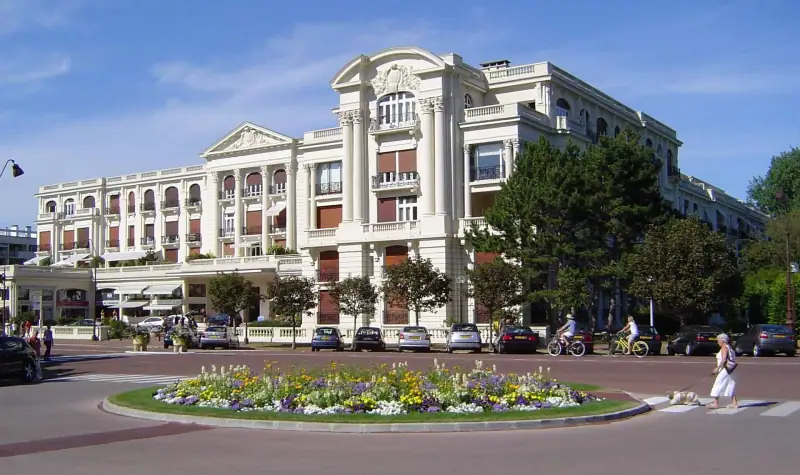
Where to stay in Le Touquet-Paris-Plage: neighborhoods and types of accommodation
Where to stay in Le Touquet-Paris-Plage? Seafront, center, forest, Étaples or Stella-Plage: neighborhoods and accommodation types compared.
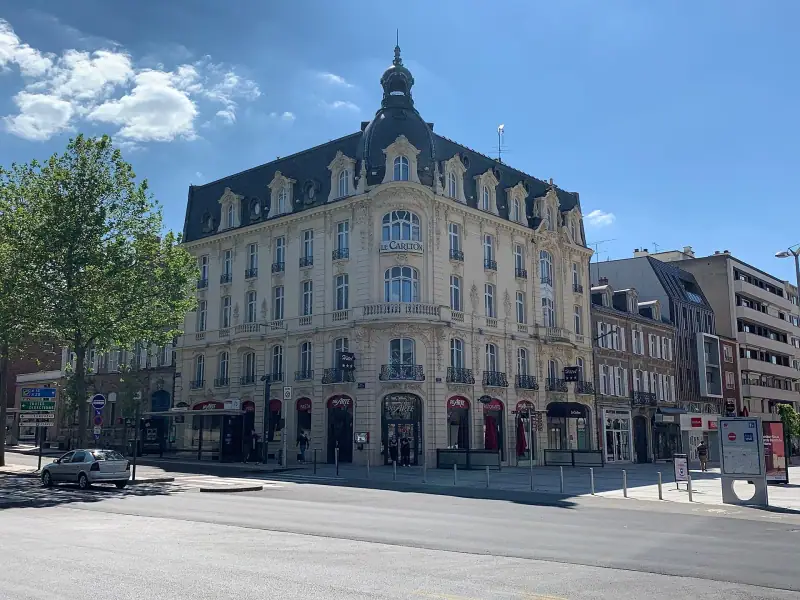
Where to stay in Amiens: neighborhoods and types of accommodation
Where to stay in Amiens? Saint-Leu, cathedral, station, Henriville: neighborhoods and accommodation types compared, with booking tips for every budget.
Ready-made
Hauts-de-France itineraries
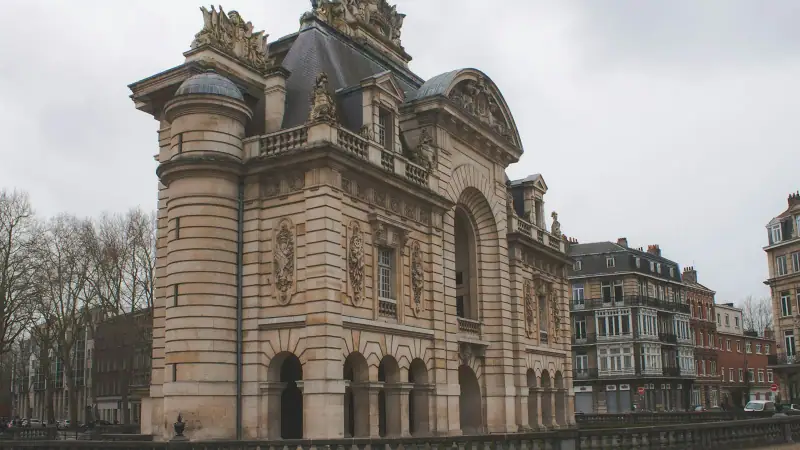
2 days
Weekend in Lille: what to see and do in 2 days
A weekend in Lille in 2 days: Old Lille, Grand'Place, Vieille Bourse, museums, the Citadelle, local dishes and practical tips for planning your stay.
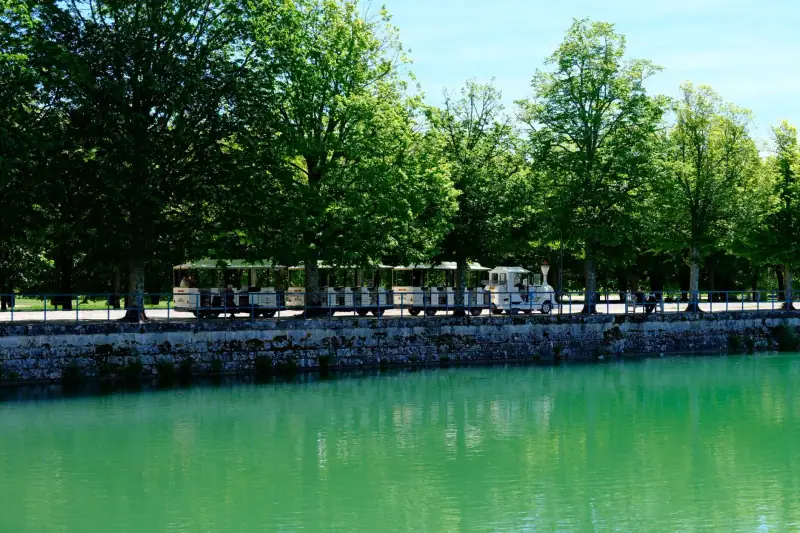
2 days
Car-free weekend in the Bay of Somme: train, bike and tourist train
A weekend in the Bay of Somme without a car: arrive by train, stay in Saint-Valery or Le Crotoy, get around by tourist train and bike. Program and tips.
5 days
Hauts-de-France road trip in 5 days: from Lille to the Bay of Somme
CalaisBoulogne-sur-MerLe Touquet-Paris-PlageLe Crotoy
Can be adapted in the planner