Where to stay
Where to Stay in Santo Domingo: Neighborhoods and Types of Accommodation
We may earn a commission when you book through links on this page, at no extra cost to you. We don't visit or try the places we cover: we summarize published sources. How we work
In short
- The UNESCO-listed Colonial Zone is the obvious base for a first, heritage-focused stay: everything is on foot. Gazcue is a calm, residential compromise nearby.
- Piantini, Naco and Bella Vista suit modern comfort and business trips, with a taxi ride to the Colonial Zone.
- One to two nights are enough for the Colonial Zone and a few museums; plan three nights to add outings around the capital.
- Boca Chica and Juan Dolio, east of the city near the airport, suit early flights or a few beach days.
Santo Domingo is the capital of the Dominican Republic and the oldest permanent European city in the Americas. It is also a noisy, sprawling and lively metropolis, where the choice of neighborhood completely changes the experience: a night in a colonial house on cobblestone streets has nothing in common with a stay in a modern tower near the shopping malls. Many travelers book “in Santo Domingo” without looking at the map, then discover that their hotel is far from what they came to see.
This guide presents the main neighborhoods to stay in, the types of accommodation available, points of attention for safety and transport, and tips for combining the capital with the rest of your trip. To compare the capital with the other regions of the country, start with our guide to where to stay in the Dominican Republic.
Understanding Santo Domingo’s geography
The city spreads along the south coast of the island, between the Caribbean Sea and the interior, on both sides of the Ozama River. The historic part is on the west bank, by the water. Modern and residential neighborhoods stretch to the northwest, while the airport area and the beach resorts of Boca Chica and Juan Dolio are to the east.
Remember one simple idea: the capital is big, and traffic is often heavy, especially at office hours. A trip that looks short on the map can take much longer than expected. That is why the choice of location matters more here than elsewhere. If you come for history, sleep near the Colonial Zone; if you come for business or modern comfort, look at the central-west neighborhoods.
In practice there are four main types of stay: the heritage stay (Colonial Zone and Gazcue), the waterfront stay (Malecón), the modern and business stay (Piantini, Naco, Bella Vista) and the beach or airport stay (Boca Chica, Juan Dolio). Each meets a different need.
The Colonial Zone: sleeping among the historic sights
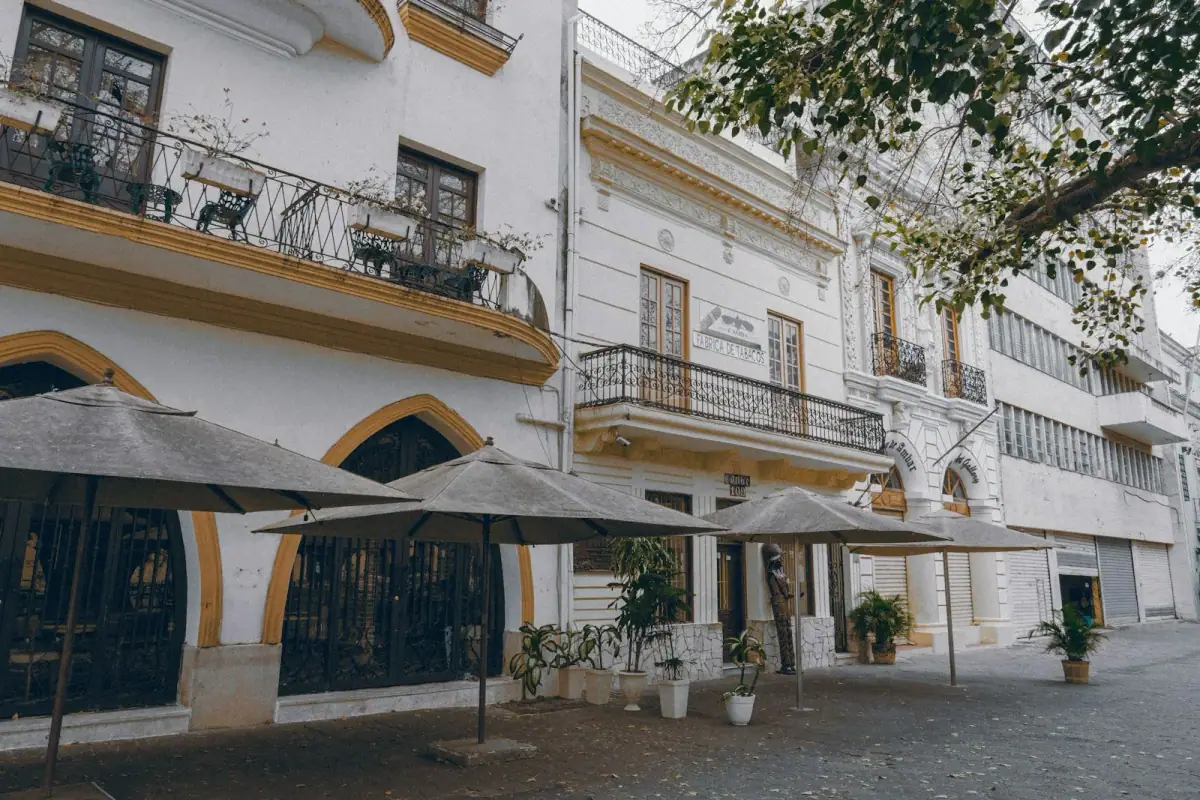
The Colonial Zone is the reference neighborhood for visitors. Listed as a UNESCO World Heritage Site, it gathers within a few streets the cathedral, fortresses, former convents, museums and the famous calle Las Damas. Sleeping here lets you stroll from the morning, before the heat, and walk back after dinner. Our article on visiting the Colonial Zone of Santo Domingo details a full route.
The accommodation offering here is rather small in scale: boutique hotels set in former mansions, guesthouses, hostels and a few apartments. Rooms are often organized around an inner courtyard, with a calm atmosphere once the door is closed. Properties fill up quickly in high season: book ahead if you prefer a specific place.
The advantages are many: everything is accessible on foot, restaurants and outdoor cafés are nearby, and the evening atmosphere is pleasant. There are drawbacks too: rooms in old houses are sometimes small, some streets stay noisy on music nights, and the neighborhood is not suited if you look for big spaces or a resort pool. Ask for a courtyard-side room if you are sensitive to noise.
Stay in the Colonial Zone
Old houses and small boutique hotels around the cobblestone streets.
Budget-wise, the Colonial Zone covers a wide range: budget hostels, mid-range hotels and pricier boutique addresses. Compare recent reviews rather than star ratings alone, because the upkeep of an old building varies greatly from one property to another.
The Malecón: facing the sea
The Malecón is the big avenue along the Caribbean Sea. You find several chain hotels, residential buildings, restaurants and, on weekends, a popular promenade atmosphere. Sleeping here gives a sea view and quick access to the main roads, which can be practical if you plan to move around the city.
This area suits travelers who want an international-style hotel with a pool and services, without being immersed in the historic center. It is less suited to walking, however: the Colonial Zone is reached by car or taxi, and you need to allow for traffic. Do not expect a beach either: the waterfront is not a swimming area.
As everywhere in Santo Domingo, avoid walking alone in the evening in little-frequented areas and prefer a taxi for night trips.
Gazcue: a residential neighborhood close to the center
Gazcue is a residential neighborhood near the Colonial Zone. It is known for its old houses with colorful facades and its quieter atmosphere. It is a good compromise for anyone who wants to be close to the heritage without sleeping in the middle of the action.
Accommodation takes the form of small hotels, guesthouses and apartments. Rates are often lower than those of the Colonial Zone addresses, and there are neighborhood restaurants. The trip to the historic sites is short by taxi; some travelers walk it in the daytime, but it is better to ask the hotel about recommended routes.
Tours and excursions in Santo Domingo
Guided walking tour, food tours and day trips from the capital.
Piantini, Naco and Bella Vista: modern Santo Domingo
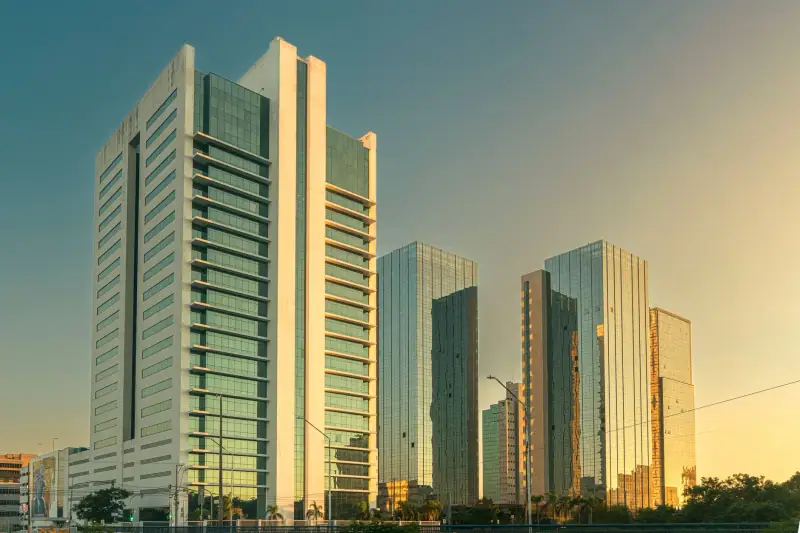
Northwest of the historic center, the Piantini, Naco and Bella Vista neighborhoods form the modern face of the capital: office towers, shopping malls, international hotels, varied restaurants and supermarkets. It is the preferred area of business travelers and of those who appreciate standardized comfort.
You find mostly chain hotels, business hotels and furnished apartments to rent for a few nights. Rooms are generally spacious, services complete (pool, gym, breakfast buffet) and restaurants numerous within walking distance. It is the logical choice if you need an office, a good network or a neighborhood where you easily find everything you need.
The trade-off is obvious: the atmosphere is less exotic, and you need a taxi or car ride to reach the Colonial Zone. If your stay is short, this daily trip eats up time. For a one-night stopover before a flight, or a stay mixing sightseeing and business meetings, these neighborhoods are nonetheless very practical.
Boca Chica, Juan Dolio and the airport: sleeping to the east
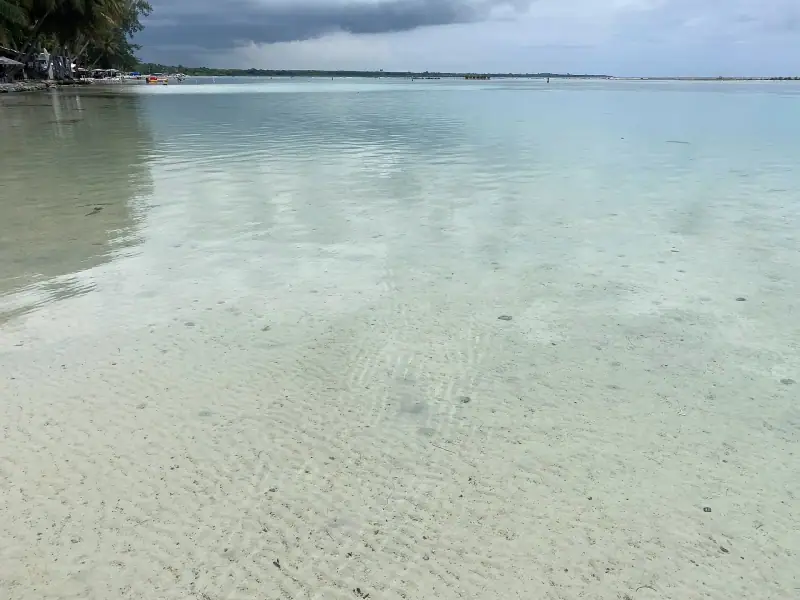
East of the capital are Las Américas International Airport and two beach resorts: Boca Chica and Juan Dolio. Boca Chica is the closest to the airport and has hotels of all levels, seaside restaurants and a popular resort atmosphere. Juan Dolio, a little farther, mixes residences, hotels and a few all-inclusive complexes.
These areas suit two types of travelers: those who arrive or leave early and want to avoid crossing the city, and those who want to combine a visit to the capital with a few beach days without going to Punta Cana. It is also a possible base for day trips to the Colonial Zone, keeping in mind the trip duration depending on traffic.
Pay attention to the state of the beach and crowds, which vary by season and day of the week, and read recent reviews. For more iconic beaches and large-scale resorts, the east coast around Punta Cana remains the reference: see our guide to where to stay in Punta Cana.
Accommodation in Santo Domingo
Compare boutique hotels, business hotels and apartments by your dates.
Which type of accommodation to choose
Boutique hotel in an old house
This is the most typical option in the Colonial Zone. You sleep in a historic building, often restored, with a courtyard, high ceilings and attentive staff. It is the most exotic option, ideal for a one-to-three-night stay focused on heritage.
Chain or business hotel
Found on the Malecón and in the modern neighborhoods, these hotels offer standardized services: pool, restaurant, gym, sometimes a shuttle. They suit families who want familiar landmarks and travelers who look for simplicity.
Hostels and guesthouses
For small budgets, the Colonial Zone has youth hostels and guesthouses with dorms or private rooms. The atmosphere is friendly, with common areas that help you meet people. Read recent reviews on noise, cleanliness and room security.
Apartments and short-term rentals
In the modern neighborhoods and in Gazcue, you find apartments equipped with a kitchen. This is practical for stays of several days or for families. Check for a security system in the building, the reliability of water and electricity as described by previous travelers, and street accessibility.
All-inclusive resorts on the east coast
If you want to sleep near the capital while enjoying an all-inclusive plan, look at Boca Chica and Juan Dolio. The plan is practical but takes you away from city life: book it for the end of a stay rather than for discovering the capital.
How many nights to plan and how to organize your stay
Most travelers make Santo Domingo a one-to-two-night stop, before or after a beach stay. That is enough to walk the Colonial Zone, enter a few museums and have dinner in the historic center. With three nights, you can add a day trip, a visit to a less touristy neighborhood or a discovery of the local food. Our article on Dominican Republic culinary specialties will give you ideas of dishes to try.
For a fuller circuit, Santo Domingo fits well into a multi-region trip: see our 10-day Dominican Republic itinerary, which shows how to combine it with the coast and the Samaná Peninsula.
Transport, safety and good practices
From the airport, the options are a transfer booked in advance by the hotel, a taxi at fares agreed before getting in, and ride-hailing app services. Book a transfer if you arrive late: it is simpler and more reassuring after a long flight.
In the city, taxis are plentiful. Always fix the price before leaving or use an app that displays it. Trips between neighborhoods can be long at rush hour, so allow a margin. If you are considering driving, know that traffic is heavy and rules are applied loosely; if needed, you can compare rental companies, but for an urban visit a car is not essential.
On safety, apply the habits of a big city: keep valuables discreet, use the room safe for passports and cards, avoid empty streets at night and ask your accommodation which areas to avoid. In the Colonial Zone, the presence of visitors and shops is reassuring in the daytime, but stay alert in the evening.
Also think about staying connected: our guide to SIM cards and eSIMs in the Dominican Republic compares the options. And for entry formalities, health and money, read our practical advice.
Budget: what to expect
Prices vary strongly with the season, the neighborhood and the type of property. As a general rule, hostels and small guesthouses are the most affordable, boutique hotels in the Colonial Zone sit in the mid-range, and chain or upscale hotels in the modern neighborhoods climb to the high end. High season, from about December to April, raises rates and reduces availability. See our article on the Dominican Republic budget to place lodging against other spending items, and on when to go to choose your dates.
Tip: comparing several neighborhoods for the same dates often reveals noticeable price gaps. Remember to include the cost of taxis in your comparison: a cheaper hotel far from the Colonial Zone can end up costing more in use.
Tips for booking well
- Check the exact location on a map and the travel time to what you came to see.
- Read the reviews of the last two months, especially on noise, air conditioning and hot water.
- Ask the hotel whether it arranges the airport transfer and at what price.
- In an old house, specify if you prefer a courtyard-side room, which is calmer.
- Check the cancellation terms, especially in high season.
- Plan on travel insurance with medical assistance and cancellation.
Our recommendation
For a first trip, sleep in the Colonial Zone or in Gazcue: that is where Santo Domingo is best experienced, on foot and without a car. Choose Piantini, Naco or Bella Vista if modern comfort and services come before atmosphere. Book in Boca Chica or Juan Dolio if you have an early flight or want to add a few beach days near the capital. Whatever you choose, one to two well-placed nights are worth more than a longer stay in a neighborhood far from what you want to see.
Frequently asked questions
What is the best neighborhood to stay in Santo Domingo?
For a first stay focused on heritage, the Colonial Zone is the obvious choice: everything can be visited on foot. Piantini, Naco and Bella Vista suit those who prefer modern comfort, restaurants and shopping malls. Gazcue offers a calm, residential compromise close to the Colonial Zone.
How many nights should you plan in Santo Domingo?
One to two nights are enough for the Colonial Zone and a few museums. Plan three nights if you want to add outings around the capital or take time to enjoy the local food.
Is Santo Domingo a safe city for tourists?
Tourist neighborhoods are visited in the daytime without particular difficulty, but as in any large capital you should stay alert: avoid showing valuables and walking alone on empty streets at night, and favor taxis ordered by the hotel or through an app. Check the official travel advice of your government before you leave.
Can you stay in Santo Domingo for a stopover before a flight?
Yes. Las Américas International Airport is east of the capital, toward Boca Chica. If your flight leaves early, sleeping in Boca Chica or in a hotel near the airport avoids crossing the city in heavy traffic.
Are there beaches in Santo Domingo?
The city itself is not a beach destination. Swimming is done more to the east, toward Boca Chica and Juan Dolio, or on day trips. Check sea conditions and crowds before going.
Do you need an all-inclusive hotel in Santo Domingo?
It is not the usual format in the city, where you most often book a room with or without breakfast. All-inclusive is found mostly on the coast to the east, toward Juan Dolio and Boca Chica. In the city, it is better to keep the freedom to try local food.
Should you rent a car in Santo Domingo?
It is not necessary if you sleep in the Colonial Zone or Gazcue. Traffic is heavy and driving is demanding. Taxis, ride-hailing apps and arranged transfers are enough for a stay in the city.
More Dominican Republic guides
Keep reading
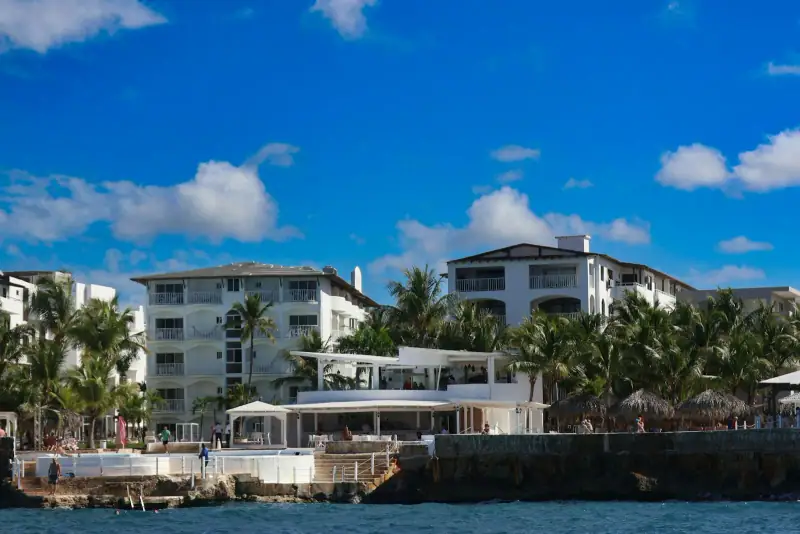
Where to Stay in Bayahibe: Neighborhoods and Types of Accommodation
Bayahibe village, Dominicus beach, all-inclusive resorts or guesthouses: compare the areas and lodging types to choose where to stay in Bayahibe.
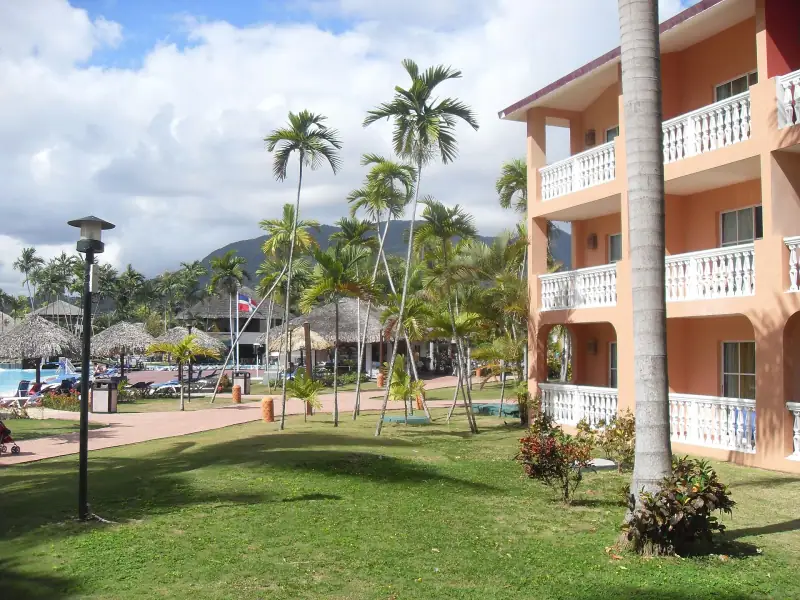
Where to Stay in Puerto Plata: Neighborhoods and Types of Accommodation
Historic center, Playa Dorada, Costambar, Cofresí or Sosúa: compare the areas and lodging types to choose where to stay in Puerto Plata.
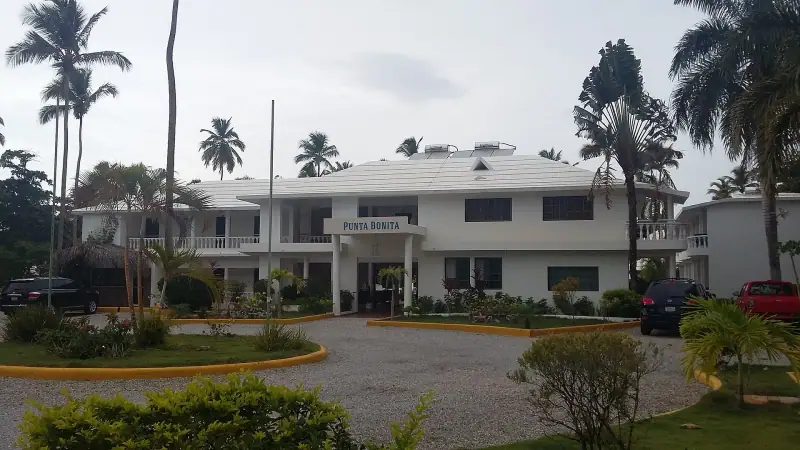
Where to Stay in Las Terrenas: Neighborhoods and Types of Accommodation
Town center, Playa Las Ballenas, Punta Popy, Playa Bonita, Cosón or El Portillo: compare Las Terrenas neighborhoods and lodging to choose well.
Ready-made
Dominican Republic itineraries
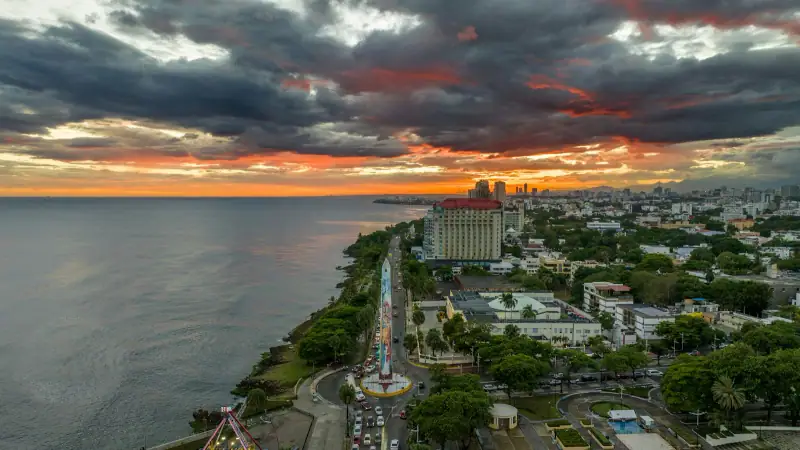
10 days
10-Day Dominican Republic Itinerary: Santo Domingo, Samaná and the East Coast
Santo DomingoSamaná PeninsulaBayahibePunta Cana

7 days
One Week in the Dominican Republic by Car: A Day-by-Day Road Trip from Santo Domingo to Punta Cana
Santo DomingoBayahibePunta Cana
Can be adapted in the planner
7 days
7 Days in the Dominican Republic Without a Car: A Realistic Itinerary by Bus and Transfer
Santo DomingoLas TerrenasBayahibe