What to see
Visiting Hvar: complete guide to the Dalmatian island
We may earn a commission when you book through links on this page, at no extra cost to you. We don't visit or try the places we cover: we summarize published sources. How we work
In short
- From Split, the passenger catamaran reaches Hvar Town in about 1 hour; the Jadrolinija car ferry reaches Stari Grad in about 2 hours. Book car spaces well ahead in July-August.
- Allow 3 to 4 days for Hvar Town, the Pakleni Islands, Stari Grad and Jelsa; 2 days is enough for a relaxed beach stay.
- May-June and September are ideal; lavender blooms in June and early July.
- You can visit without a car: Hvar Town and the Pakleni Islands work on foot and by water taxi, and a rented scooter or e-bike covers the rest.
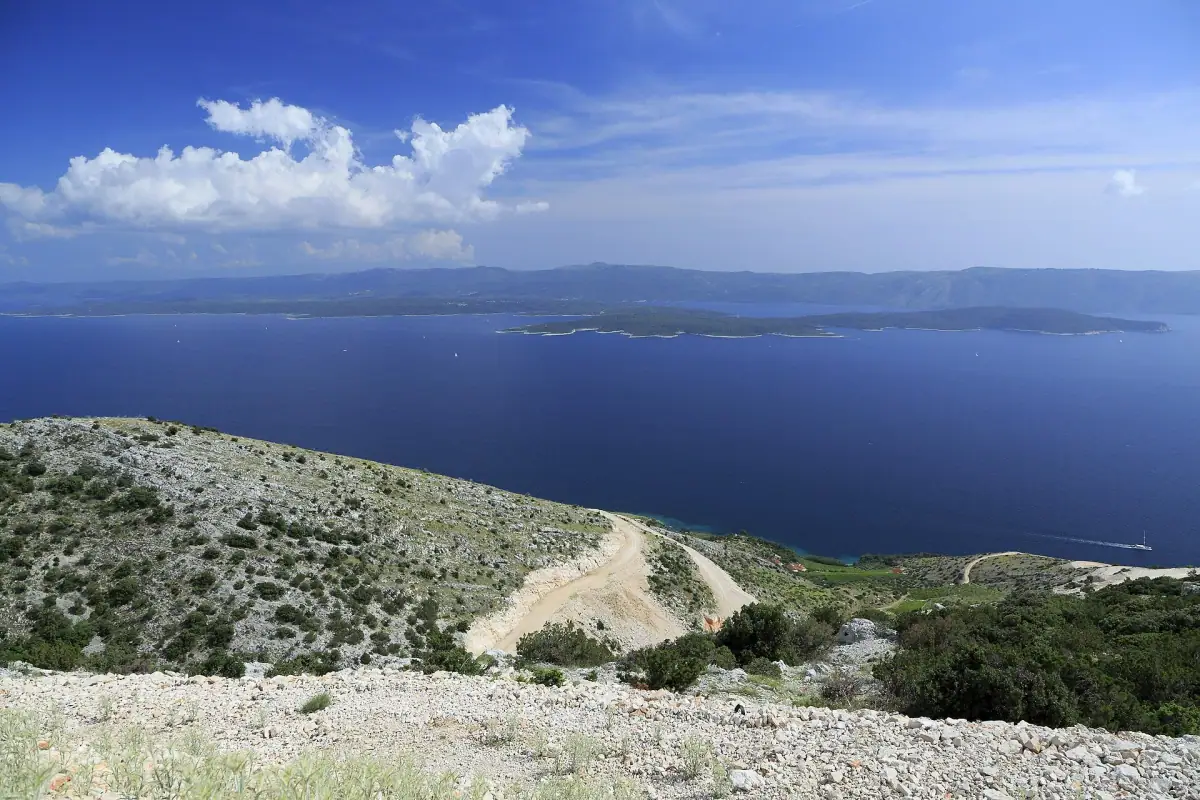
Hvar may be the most captivating island in Croatia. 68 kilometers (42 mi) long, stretched like a spindle off the Dalmatian coast, it combines a rare power of attraction: beaches with absolutely transparent water, a Venetian old town dominated by a 16th-century fortress, the most fragrant lavender fields of the Adriatic, and a reputation as a party destination that has drawn a well-heeled international crowd for two decades. With about 2,700 hours of sunshine a year, Hvar regularly ranks among the sunniest islands in the whole Mediterranean.
But Hvar is not only a party destination. Beneath the shiny surface of its high season lies an island of considerable cultural and natural richness: Stari Grad, the former Pharos founded by the Greeks in the 4th century BC, is a UNESCO World Heritage Site. The Plavac Mali vines covering the limestone slopes yield exceptional red wines. And the Pakleni Islands, just off Hvar Town, form an archipelago of wild coves that whole days are not enough to explore.
How to get to Hvar
The island is reachable only by sea, which is part of its charm. The main departure point is Split, about an hour’s sailing away.
Split to Hvar Town catamaran: the fastest link (about 1 hour) for passengers without a vehicle. Several departures a day in high season from Split harbor. The catamaran arrives right in Hvar Town, facing the main square. The crossing is very pleasant, with views of the Dalmatian coast and the first islands.
Split to Stari Grad ferry: the link with a car. The Jadrolinija ferry links Split to Stari Grad, in the northern part of the island, in about 2 hours. Several daily departures all year, increased in summer. In high season (July-August), it is strongly advised to book car spaces well in advance.
From Dubrovnik: a seasonal catamaran links Dubrovnik to Hvar with a stop at Korčula. Allow about 3-4 hours of sailing. Ideal for including Hvar in an island circuit from southern Dalmatia.
Once on the island, water taxis run constantly between Hvar Town, the Pakleni Islands and the most remote beaches of the coast. It is the most pleasant means of transport and often the most practical for exploring the immediate surroundings of Hvar Town.
Where to stay in Hvar
Hotels, apartments and villas with views of the Adriatic. Book early in high season.
Hvar Town: the Dalmatian pearl
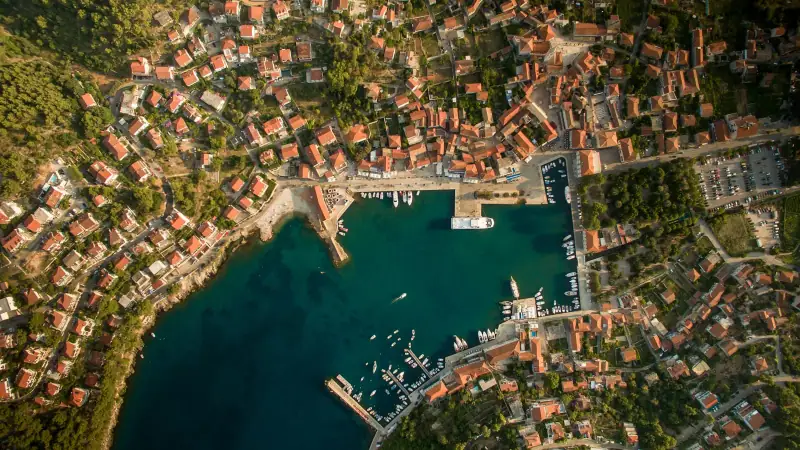
Hvar Town is one of the most beautiful island towns in the whole Mediterranean. Founded by the Venetians, who made it a strategic port for their galleys, it displays an architecture of white limestone palaces around the largest square on the Dalmatian coast, the Trg Svetog Stjepana (St. Stephen’s Square), which slopes gently down to the harbor.
The central square and the cathedral
St. Stephen’s Square is the beating heart of the town. At its north end stands the cathedral of the same name, whose construction began in the 13th century and continued until the 17th. Its slender bell tower is the visual landmark of the whole coast. Opposite, the 16th-century Venetian loggia, with its arsenal and council hall, recalls that Hvar was one of the most important ports of the Republic of Venice in the eastern Adriatic.
The lanes radiating from the square sink into a labyrinth of blond stone houses, shaded stairways and discreet gardens. Getting lost in Hvar Town in the late afternoon, when the low light gilds the facades, is one of the most pleasant walks Croatia has to offer.
The Spanish Fortress (Fortica)
Dominating the town from a rocky spur more than 100 meters (330 ft) above the harbor, the Spanish Fortress (Tvrdava Španjola or Fortica) is Hvar’s most emblematic monument. Built in the 16th century to strengthen Venetian defenses against Ottoman incursions, it was partly rebuilt after an explosive fire in 1579 that destroyed part of the town.
The walk up from the central square takes about 20-25 minutes along a well-marked path. The view from the ramparts is spectacular: the seaside plain of Hvar Town below, the Pakleni Islands stretching offshore, and the silhouette of Vis on the horizon on a clear day. Inside the fortifications, remains of earlier constructions coexist with a terrace where it is pleasant to stop and enjoy the panorama.
Hvar’s municipal theater
A little-known but striking detail: Hvar is home to one of the oldest public theaters in Europe. The Kazalište Hvar, built in 1612, opened its doors to all social classes (nobles, sailors and craftsmen) at a time when theaters everywhere were institutions reserved for the aristocracy. This exceptional fact testifies to a remarkably advanced civic culture for the era.
The restored building is still used today for performances in summer.
The Pakleni Islands: paradise across the water
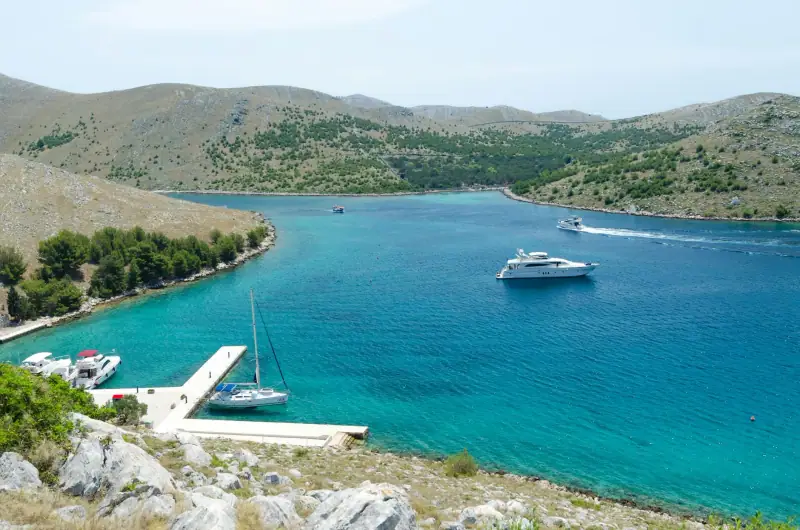
Only a few hundred meters from Hvar Town’s harbor, the Pakleni archipelago (Paklinski otoci) forms a string of about fifteen islands and islets that shelter some of the most beautiful coves on the Adriatic. Their name comes from the Dalmatian word pakal (maritime pine, the resin used to caulk boats), and not from the devil, as is sometimes believed.
Excursions and activities in Hvar
Pakleni cruises, sea kayaking, snorkeling, boat tours and guided visits.
The most visited islands are Sveti Klement (the largest, with a busy beach and fish restaurants), Marinkovac (popular for its wild coves) and Jerolim (known for its naturist areas). Water taxis from Hvar Town’s harbor serve these islands regularly; the crossing to the nearest takes barely 10 minutes.
To explore the archipelago in more depth, several operators offer full-day or half-day excursions by catamaran or sailboat with snorkeling and lunch. The clarity of the water around the Pakleni, protected by the low traffic of large ferries, is exceptional.
Stari Grad: 2,400 years of history
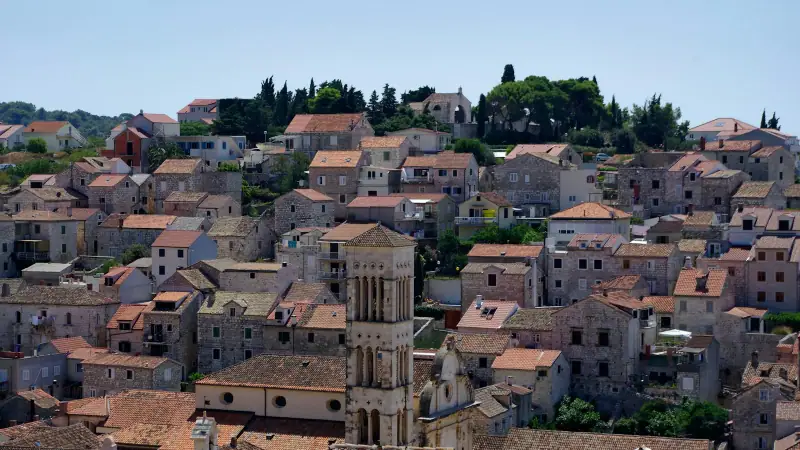
About 20 km (12 mi) east of Hvar Town (30 minutes by road, or by ferry from Split), Stari Grad is one of the oldest towns in Europe. Founded in 385 BC under the name Pharos by Greek settlers from the island of Paros (in the Aegean Sea), it has preserved to this day its Greek land division, an agricultural geometry from Antiquity that divides the Stari Grad plain into a regular grid of plots bounded by dry-stone walls.
This plain, the Starogradsko polje, has been a UNESCO World Heritage Site since 2008, the only site of its kind so well preserved in the Mediterranean. Walking through the plain, among the Plavac Mali vines and the thousand-year-old olive trees, knowing that the same parcel layout was drawn by Greek settlers in the 4th century BC, is an experience of striking time depth.
The town itself deserves a stroll: Tvrdalj Castle, built in the 16th century by the Croatian humanist poet Petar Hektorović, is one of the best-preserved Renaissance residences in Dalmatia. Its inner garden with a fish pond is open to visitors.
Hvar’s lavender
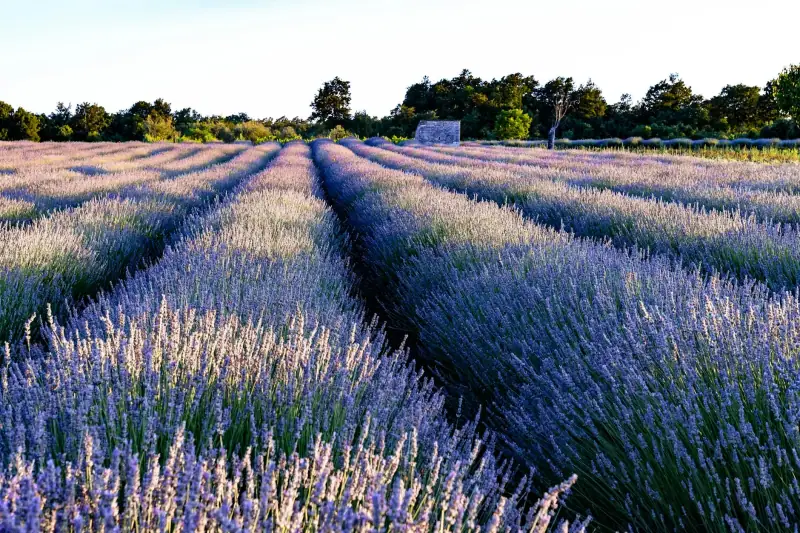
Hvar is nicknamed “the fragrant island” for good reason: the interior of the island is covered with lavender fields, cultivated for centuries by the inhabitants. It blooms in June and early July, the ideal time to see the hills tinted purple and smell the scent that permeates all the vegetation.
The villages of Velo Grablje and Malo Grablje, in the hills between Hvar Town and Stari Grad, are the heart of this ancestral culture. Local cooperatives offer essential oils, hydrosols, soaps and handmade sachets, by far the most authentic souvenirs you can bring back from the island. Outside the blooming season, lavender bushes are still drying in the courtyards of houses and perfume the lanes.
Scooter or car rental in Hvar
Explore the island's interior, the lavender villages and wild coves at your own pace.
Hvar’s beaches
Around Hvar Town
The beaches closest to the center of Hvar Town are mostly rocky and pebble areas with concrete or wooden platforms set up for swimming. The water is perfectly clear, but true sand beaches are rare in town. For the best turquoise water, you have to go to the Pakleni.
Milna and Dubovica
About 8-10 km (5-6 mi) east of Hvar Town, the cove of Dubovica is often cited among the most beautiful beaches in all of Croatia. Framed by white cliffs and dense vegetation, with a 17th-century fisherman’s house as a backdrop, this pebble and rock beach offers absolutely transparent water. It is reached by a mountain road that drops down from the main road, with a few hundred meters of walking from the parking lot.
Milna beach, a little further west, is easier to reach and has a few facilities (showers). It attracts families and sailboats that anchor in the small bay.
Jelsa and its beaches
The town of Jelsa, in the central part of the island, is more family-oriented than Hvar Town. Its beaches set in a well-protected cove suit young children perfectly: shallow, gentle water and a gradual slope. Jelsa also has the quiet charm of a real Dalmatian island town far from the bustle of Hvar Town.
Hvar’s food and wines
Plavac Mali
Hvar’s king grape is Plavac Mali, a red grape with strong tannins that yields full-bodied wines with notes of dark fruit, spice and sometimes Mediterranean scrubland. The vines grow on south-facing limestone terraces, some at altitudes that expose them to intense sunshine and significant summer drought. This water stress concentrates the aromas and produces exceptional wines for aging.
The island’s most reputed appellations, notably around Sveta Nedjelja, a village wedged into a cliff on the south coast, produce Plavac Mali among the best Croatian wines. Family cellars offer tastings in summer.
Local cuisine
Hvar’s cuisine is that of all Dalmatia: dominated by the sea, influenced by Venice, perfumed by the island’s wild herbs. Grilled fish (riba na žaru) with a drizzle of local olive oil is the most common preparation. Octopus (hobotnica) prepared under a metal bell covered with embers (peka) is a particularly tasty Dalmatian specialty, but cooking under the bell takes several hours and you often have to order ahead.
Gregada, a stew of white fish with potatoes and white wine typical of the islands of Kvarner and Dalmatia, is also found in Hvar in slightly different versions depending on the cook.
Where to eat
For restaurants, those in the inner lanes of Hvar Town generally offer better value than those directly on the harbor. In Stari Grad and Jelsa, traditional konobe serve simpler, more authentic food, often cheaper than in Hvar Town.
Where to stay in Hvar
Hvar Town: the most immersive experience, in the middle of the action. Charming Dalmatian stone apartments and boutique hotels are found in the old town. Prices are the highest on the island in high season. Festive atmosphere in the evening: not well suited to early sleepers or to families with young children in July-August.
Stari Grad: calmer, more authentic, with direct access to the Split-Stari Grad ferry. A good base for exploring the island’s interior and the UNESCO plain. Fewer restaurants and bars but a more relaxed atmosphere.
Jelsa: ideal for families. Located in the center of the island, well linked by road to Hvar Town and Stari Grad. Family beaches, a quiet setting, more affordable rates than Hvar Town.
Isolated villas: several villas and vacation homes in the inland hills or on the south coast allow a more intimate stay. A car or scooter then becomes essential.
To compare offers and find the right accommodation for your budget, see also our guide to cheap hotels in Croatia.
Practical info
Money: Croatia has been in the eurozone since January 2023. Bank cards are accepted in the vast majority of shops, restaurants and hotels in Hvar Town. Bring a few euros in cash for small vendors, water taxis and sun lounger rentals on more isolated beaches.
Getting around the island: Buses link Hvar Town to Stari Grad and Jelsa several times a day. The main road crosses the island from west to east and is in good condition. For the inland areas and the secondary roads to the wildest beaches, a scooter is ideal; rentals are available in Hvar Town and Stari Grad.
Internet and phone: Mobile coverage (4G) is good in all the island’s towns. In very remote areas of the interior it can be intermittent. Most accommodation offers Wi-Fi. Check your carrier’s international plan or use a travel eSIM.
Health care: A medical clinic is located in Hvar Town. For emergencies, transport to Split by fast boat is necessary. Plan on good travel insurance covering medical evacuation, especially if you do water sports.
Safety: The island is very safe. The usual caution against pickpockets in the very touristy areas of Hvar Town in high season is enough. For swimming, watch out for sea urchins on the rocks and jellyfish in August.
To prepare your trip to Croatia more broadly, see our complete Croatia guide and our Dalmatian road trip to fit Hvar into a wider circuit including Zadar and Dubrovnik.
Final advice
Hvar is an island with two faces, to be approached without preconceptions. If you come for the party, you will find it easily. If you come for beauty, tranquility and cultural depth, you will find that too, as long as you go a few kilometers beyond Hvar Town’s harbor.
Set aside at least one day for the Pakleni Islands to swim in unreal water, half a day in Stari Grad to touch 24 centuries of history, and a morning in the lavender-scented inland hills. That is where the real Hvar reveals itself, far from the scooters roaring along the quay.
Frequently asked questions
How do you get to Hvar from Split?
Two main options: the fast catamaran linking Split to Hvar Town in about 1 hour (passengers only, several departures a day in high season), and the Jadrolinija ferry linking Split to Stari Grad in about 2 hours (with cars, several times a day). In high season, book ferry tickets ahead for crossings with a car.
How many days do you need to visit Hvar?
Three to four days let you visit Hvar Town, take an excursion to the Pakleni Islands, discover Stari Grad and Jelsa, and explore a few wild beaches. For a relaxing beach stay, two days are enough. A week lets you go at the island's pace, explore the interior and hike.
What is the best time to visit Hvar?
May-June and September are ideal: the sea is swimmable from late May, crowds are far smaller than in July-August, and accommodation prices are noticeably lower. July-August is the absolute high season: very lively, crowded beaches, high prices, but a festive atmosphere. Hvar is one of the sunniest islands in the Mediterranean, with about 2,700 hours of sunshine a year.
Can you visit Hvar without a car?
Yes, absolutely. Hvar Town and its close surroundings (Pakleni Islands, neighboring beaches) are perfectly reachable on foot and by water taxi. To discover the interior of the island, Stari Grad or Jelsa, a scooter or e-bike rented there is ideal. The passenger ferry from Split is often more practical than the car ferry, which is slower and more expensive.
Is Hvar suitable for families with children?
Yes, especially the calm beaches of Stari Grad and Jelsa, quieter than Hvar Town. The Adriatic waters are shallow in several coves around the island and perfectly suited to children. Hvar Town, very festive in the evening in summer, is less ideal for families seeking calm, but the daytime beaches there are pleasant.
Are there lavender fields to visit in Hvar?
Yes, the interior of the island, around Velo Grablje, Malo Grablje and the hills between Hvar Town and Stari Grad, is dotted with lavender fields. It blooms in June-July. Local cooperatives sell essential oils, soaps and handmade lavender sachets. It is one of the island's emblematic products, to bring home as a souvenir.
More Croatia guides
Keep reading
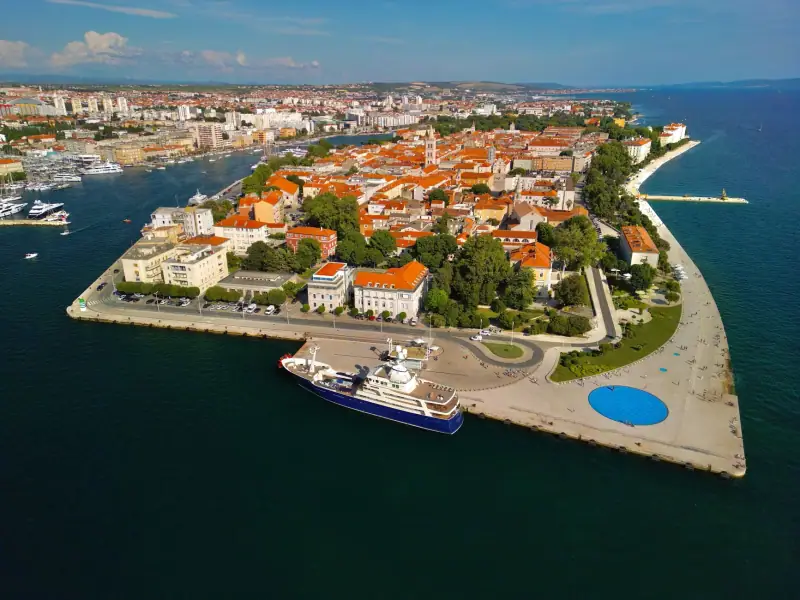
Visiting Zadar: complete guide to the Dalmatian city
Complete guide to visiting Zadar: Sea Organ, Roman old town, beaches, Kornati and Paklenica excursions. Everything for a successful stay in Dalmatia.
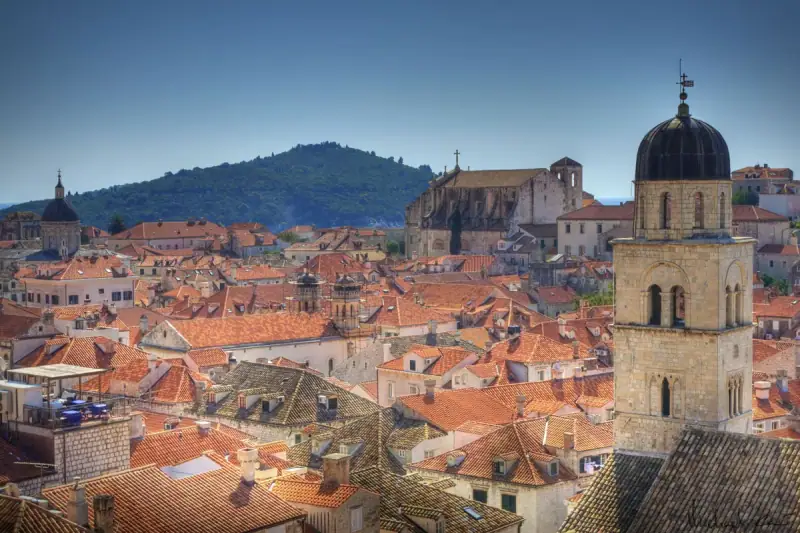
Dubrovnik: the 10 must-see sights
The 10 top sights of Dubrovnik: city walls, Stradun, Sponza Palace, cable car, Lokrum island. Practical guide to visiting Dubrovnik in 1 or 2 days.
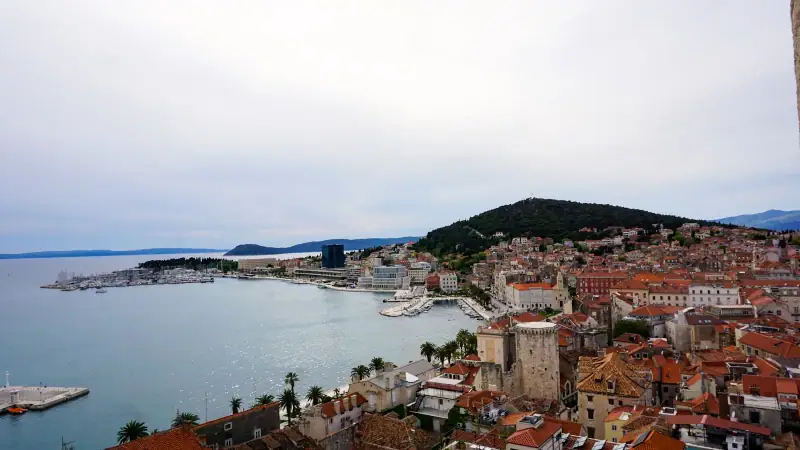
Visiting Split: complete guide to the Dalmatian capital
Complete guide to visiting Split: Diocletian's Palace, Marjan hill, beaches and islands. Everything you need for a successful stay in Dalmatia.
Ready-made
Croatia itineraries
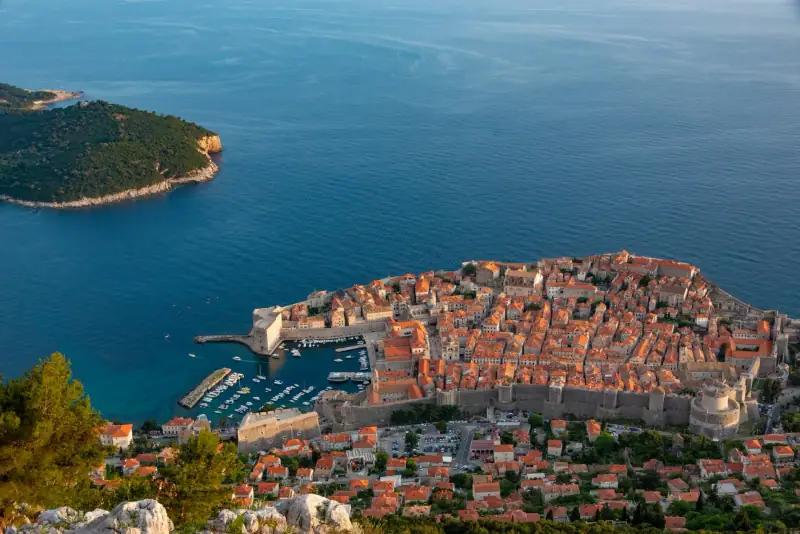
Croatia road trip: the coastal route from Zagreb to Dubrovnik
The ultimate Croatian coastal road trip from Zagreb to Dubrovnik via Split, Zadar and the national parks. 10-14 day route with stops and tips.
7 days
Croatia in 7 days: the perfect one-week itinerary
Detailed itinerary to visit Croatia in 7 days: Split, the Dalmatian islands, Dubrovnik and Plitvice. Day-by-day plan with practical tips.
10 days
Croatia in 10 days without a car: a realistic bus and ferry itinerary
ZagrebZadarSplitHvar TownDubrovnik