Itineraries
Croatia road trip: the coastal route from Zagreb to Dubrovnik
We may earn a commission when you book through links on this page, at no extra cost to you. We don't visit or try the places we cover: we summarize published sources. How we work
In short
- The route runs north to south from Zagreb to Dubrovnik in 10 to 14 days. In 7 days it is possible but more intense, with no detours.
- The A1 motorway (Zagreb-Split) is fast; the D8 coastal road is the most beautiful but slower (4 h instead of 3 h 30 from Split to Dubrovnik).
- Tolls: about €26-30 (~$30-35) from Zagreb to Split on the A1, paid at the toll booths, cards accepted.
- Book your rental car at least 2 months ahead for July and August. The full loop with Istria covers about 1,500 km (932 mi).
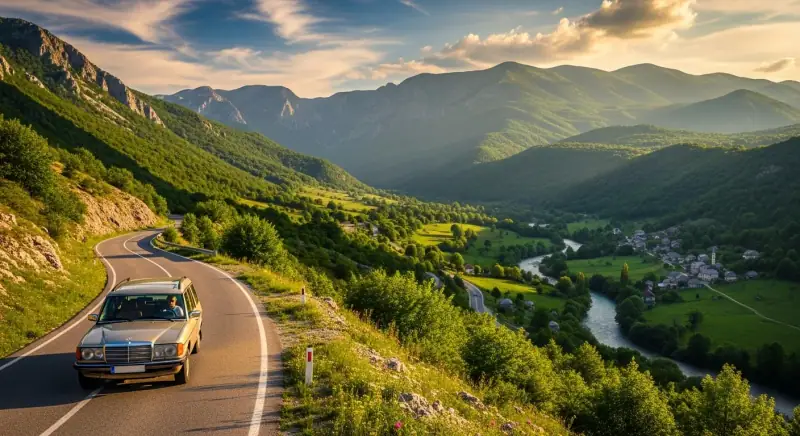
Croatia is a country made for road trips. Its crescent shape, spectacular coastal roads, national parks reachable by road and towns linked to one another all invite you to take the wheel and leave the map open on the passenger seat.
Here is a coastal road trip route for 10 to 14 days, from north to south, from Zagreb to Dubrovnik.
Before you go: Croatian road trip essentials
Renting your car
- Book at least 2 months ahead for July and August (shortages are frequent)
- Compare rental companies online: always cheaper than booking directly at the airport
- Avoid small cars on mountain roads: an SUV or a sedan is more comfortable
- Check the deductible: it can reach €1,000-2,000 (~$1,160-2,320) on some contracts. Supplemental insurance (full CDW) is recommended
Roads to know
- A1: Zagreb-Zadar-Split (motorway, fast and safe)
- D8: the coastal road (Magistrala), from Zadar to Dubrovnik, the most beautiful road in Croatia, sometimes slow
- E65: Rijeka-Split along the Kvarner coast
- Pelješac Bridge (2022): lets you avoid crossing Bosnia on the last section toward Dubrovnik
Driving license
Driving permit rules depend on where your license was issued: check the official travel advice of your government and the conditions of your rental company before you book. Drive on the right. Speed limits are 130 km/h (81 mph) on motorways and 90 km/h (56 mph) on other roads. Blood alcohol limit: 0.50 g/L. For drivers under 24, the limit is 0.0 g/L.
Stage 1: Zagreb (2 days)
Start the road trip in the capital. Zagreb deserves 2 full days.
Day 1: The Upper Town (Gornji Grad): Zagreb Cathedral, St. Mark’s Church with its colorful checkered roof, the Lotrščak Tower (a cannon is fired every day at noon). Museum of Broken Relationships (one of the most original in the world). Dolac Market for lunch.
Day 2: The neoclassical Lower Town, the Mimara Museum, the gardens of King Tomislav Square. Optional excursion to Trakošćan Castle (1 h north) or the Krapina caves (Neanderthal man, 1 h).
Where to stay in Zagreb: see our Croatia accommodation guide.
Stage 2: Rastoke and Plitvice (1-2 days)
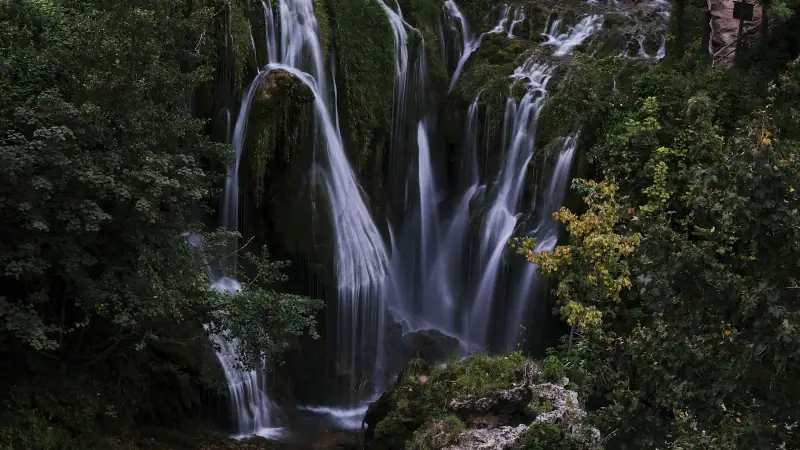
Zagreb to Plitvice: 2 h via the A1 and then the national road.
Rastoke: Just before you reach Plitvice, the village of Rastoke is a wonderful surprise. Its watermills, its houses built over the waterfalls of the Slunjčica River and its footbridges make it one of the most photogenic villages in Croatia. Stop for 1 h.
Plitvice: Book your tickets online (mandatory in high season). Route B (3 h 30) is the best for a first visit: the large lower lakes, the big waterfall, boardwalks over the lakes. If you have two days, Route A the next day covers the less crowded upper lakes.
The colors change with the season: emerald green in summer, turquoise blue in fall, snow white in winter.
Stage 3: Zadar (1-2 days)
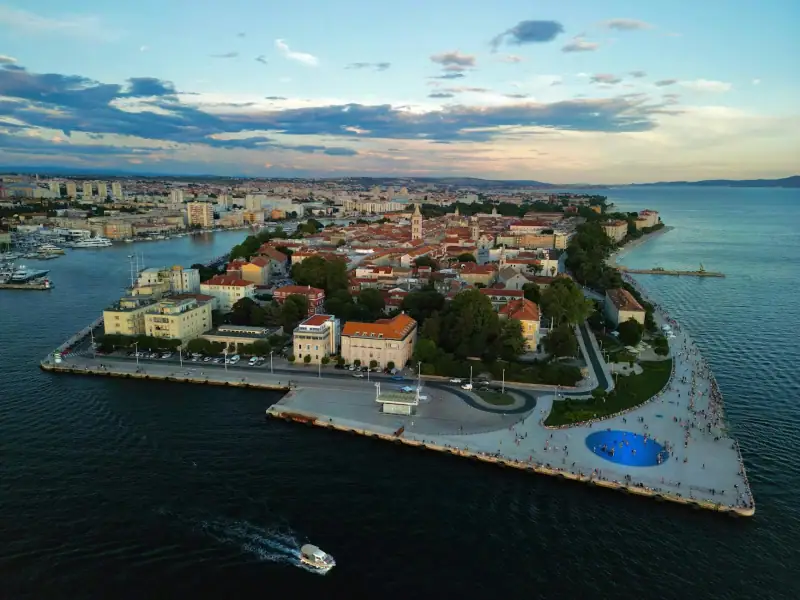
Plitvice to Zadar: 2 h via the D1 and A1.
Zadar is often the biggest “surprise” stop for road trippers. The Roman old town, the Sea Organ playing at night, the collection of the Archaeological Museum: it is a city you have to earn, and it rewards those who stay more than an hour.
What to do in Zadar:
- Roman Forum (free entry)
- St. Anastasia Cathedral (12th century)
- Sea Organ and Greeting to the Sun at sunset
- Excursion to the Kornati archipelago (150 islands, 89 in the national park, must be booked)
- Krka National Park (1 h): the Skradinski Buk waterfalls are splendid
Stage 4: Šibenik (half day)
On the road between Zadar and Split, stop in Šibenik. Its St. James Cathedral (UNESCO), perched on the heights of the old town, is a masterpiece of Dalmatian Renaissance. The medieval quarter is worth 2-3 h.
Stage 5: Split (2-3 days)
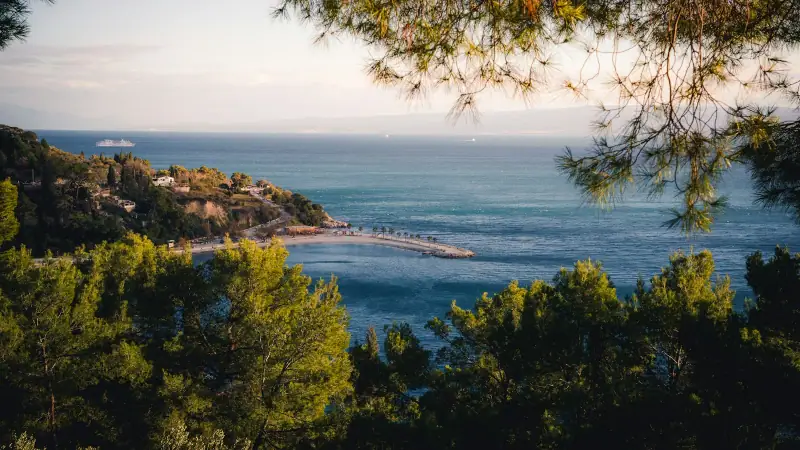
Split is the heart of the Dalmatian road trip. Sleep here and branch out to the islands, Trogir and the surrounding area.
See our 7-day itinerary for the details of the visits in Split.
Options from Split:
- Ferry to Brač (50 min): Zlatni Rat beach, the village of Bol
- Ferry to Hvar (1 h-1 h 30): the most beautiful island in Dalmatia
- Ferry to Vis (2 h 15): the most authentic, the Blue Cave
- Plitvice excursion (3 h each way)
- Klis Fortress (15-20 min)
Stage 6: Makarska Riviera and Pelješac (1 day)
Split to Dubrovnik by the coast (D8): choose this road over the motorway for a road trip. It is slower (4 h instead of 3 h 30) but offers extraordinary views of the sea.
Recommended stops:
- Omiš bay and the Cetina gorges (kayaking available)
- Makarska and its pebble beach
- Pelješac peninsula: Dingač and Pošip vineyards (Plavac Mali, one of the best Croatian wines). A tasting stop is well worth it.
- The village of Ston and its oysters (the best in the Mediterranean) and its 5.5 km (3.4 mi) wall (the longest in Europe)
- Pelješac Bridge (2022): avoids crossing Bosnia
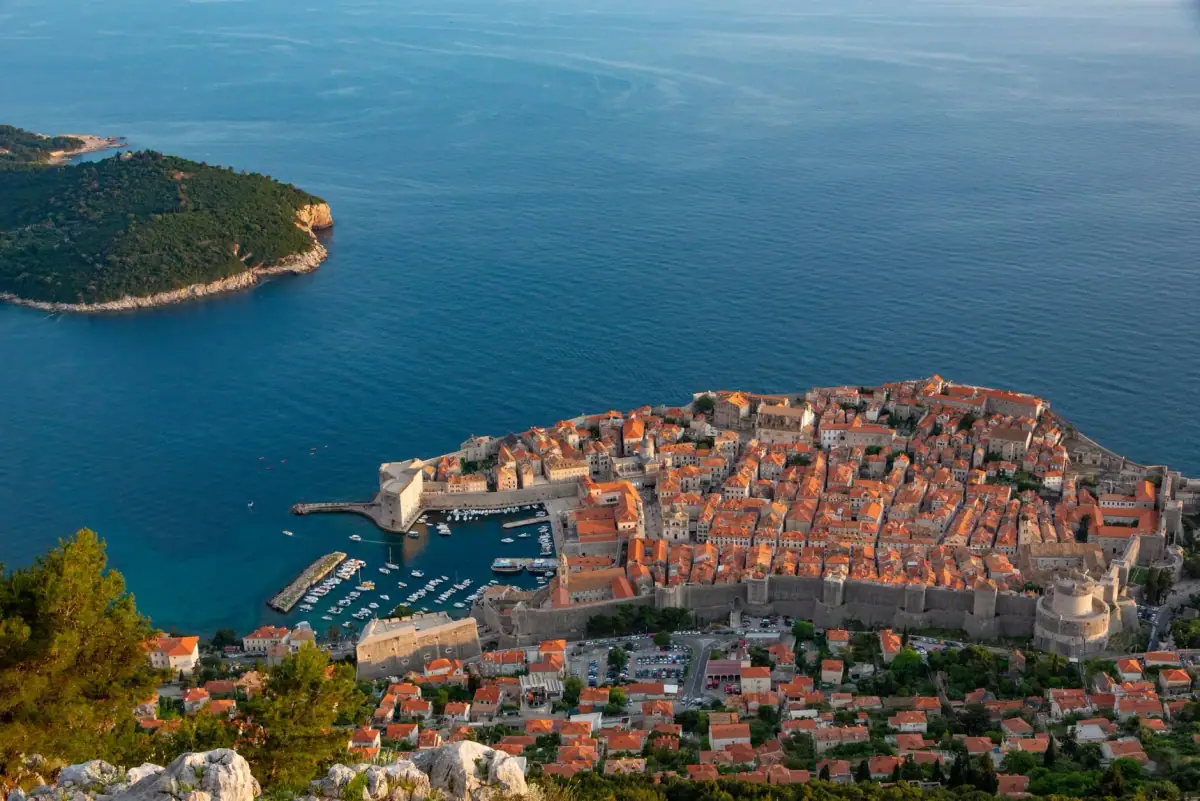
Stage 7: Dubrovnik (2 days)
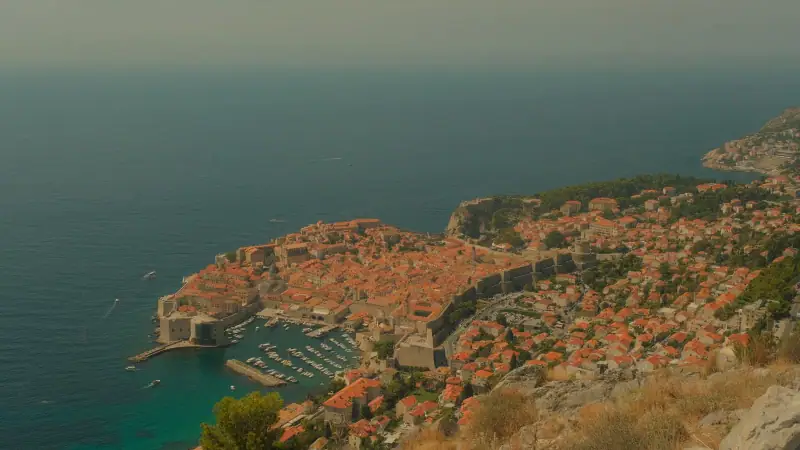
The grand finale of the road trip. See our Dubrovnik highlights guide for the details.
Parking tip: Parking in Dubrovnik is an ordeal. Use the Ilijina Glavica parking lot (15 min on foot from the old town, paid) or park in Gruž and take the bus. In the off season, parking near the Pile Gate is sometimes available.
Option: return via Istria (for a full loop)
If you have 14 days, head back north through Istria after Dubrovnik:
- Korčula → Orebić ferry → road to Rijeka
- Rovinj (2 days): the most picturesque town in Istria
- Pula and its Roman amphitheater
- Poreč and its Byzantine basilica
This full loop covers about 1,500 km (932 mi) and shows the best of Croatia in 14 days.
Practical: fuel and road costs
- Gas price: about €1.50-1.65 per liter (about $6.60-7.25 per gallon); diesel is slightly cheaper
- A1 toll, Zagreb-Split: about €26-30 (~$30-35)
- A1 toll, Zagreb-Zadar: about €18 (~$21) (check rates on hac.hr)
- Motorways: bank cards accepted at all toll booths
- Gas stations: all the major brands are present, and INA (the Croatian national company) is well represented on the coast
Sources
- Hrvatske autoceste (HAC): prices checked November 2026
Frequently asked questions
How long does a full road trip in Croatia take?
10 to 14 days is ideal for a road trip from Zagreb to Dubrovnik with stops at the main places. In 7 days it is doable but more intense and without detours.
Do you need an international driving permit to drive in Croatia?
It depends on where your license was issued. Check the official travel advice of your government and the conditions of your rental company before you book. Some rental companies also set requirements for young drivers.
Are the roads good in Croatia?
The A1 motorway (Zagreb-Split) is excellent. The D8 coastal road is beautiful but sometimes winding and congested in summer. Avoid the D8 on weekends in mid-July: congestion is guaranteed.
Are tolls expensive in Croatia?
Reasonable: Zagreb-Split costs about €26-30 (~$30-35) on the A1 motorway (check rates on hac.hr). There is no annual vignette; everything is paid directly at the toll booths. Bank cards are accepted.
Can you cross Bosnia and Herzegovina in a Croatian rental car?
It is possible, but check with your rental company, as some forbid it. The coastal road passes through the Neum corridor (Bosnia and Herzegovina, 9 km / 5.6 mi) between Split and Dubrovnik. Since the Pelješac Bridge opened in 2022, crossing it is no longer mandatory.
More Croatia guides
Keep reading
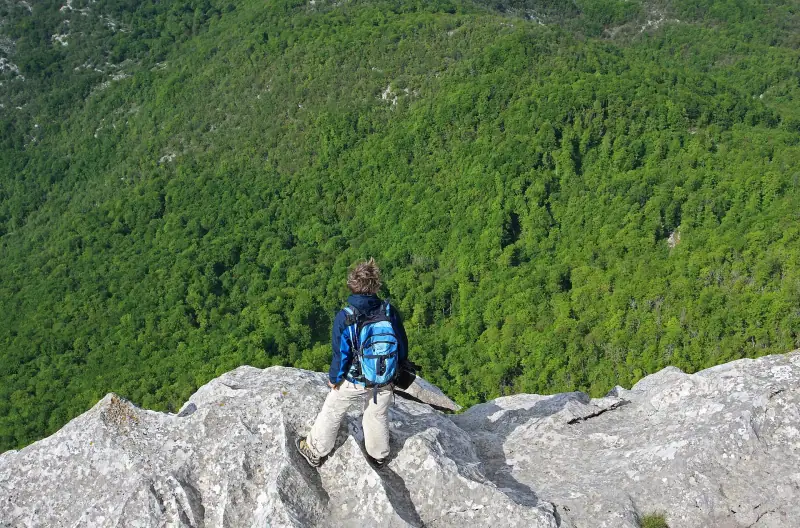
Hiking in Croatia: the best trails from Velebit to Dubrovnik
Hiking in Croatia: Velebit, Paklenica, Biokovo and the island of Hvar. Marked trails, difficulty, best season and practical tips for planning.
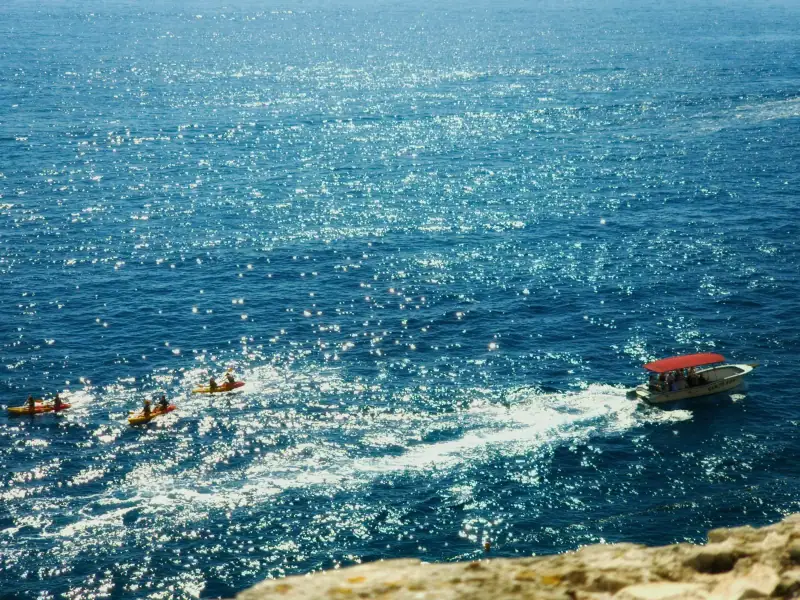
Kayaking in Croatia: the best tours and routes
Guide to kayaking in Croatia: tours from Dubrovnik, Hvar, Split and Rovinj. Sea caves, wild islands and coves reachable only by kayak.
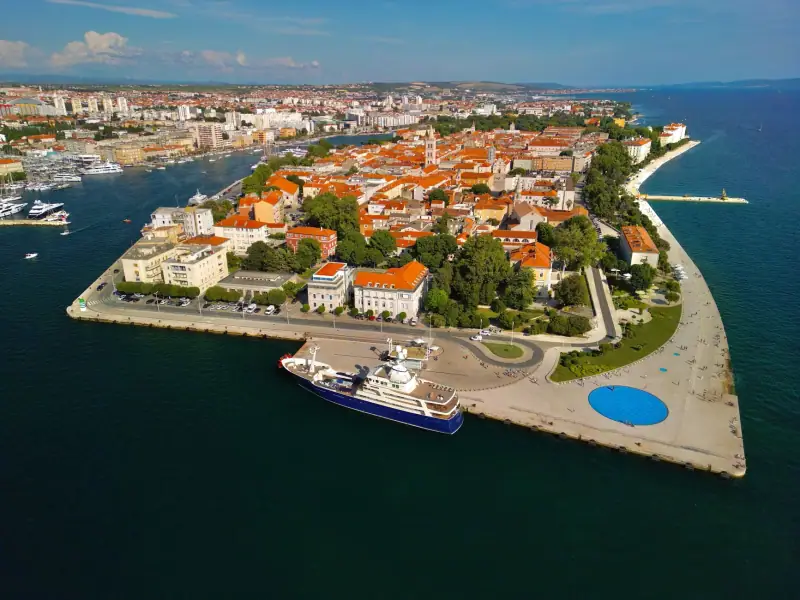
Visiting Zadar: complete guide to the Dalmatian city
Complete guide to visiting Zadar: Sea Organ, Roman old town, beaches, Kornati and Paklenica excursions. Everything for a successful stay in Dalmatia.
Ready-made
Croatia itineraries
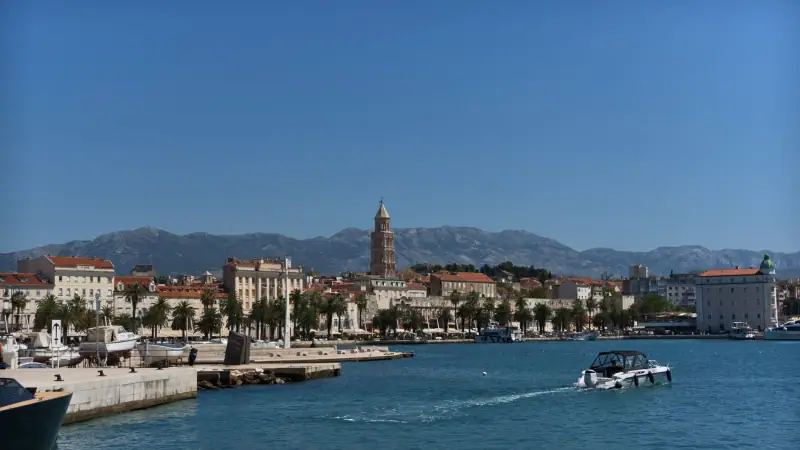
7 days
Croatia in 7 days: the perfect one-week itinerary
Detailed itinerary to visit Croatia in 7 days: Split, the Dalmatian islands, Dubrovnik and Plitvice. Day-by-day plan with practical tips.
10 days
Croatia in 10 days without a car: a realistic bus and ferry itinerary
ZagrebZadarSplitHvar TownDubrovnik