What to see
Dubrovnik: the 10 must-see sights
We may earn a commission when you book through links on this page, at no extra cost to you. We don't visit or try the places we cover: we summarize published sources. How we work
In short
- The 2 km (1.2 mi) city walls are the top sight: €35 (~$40) in high season, €25 (~$29) off season, including Fort Lovrijenac. Arrive at 8 am, before the cruise groups.
- Two full days let you see everything without rushing; one intensive day is possible but tiring.
- The cable car to Mount Srđ costs about €27-30 (~$31-35) round trip; go late afternoon for sunset.
- A day trip from Split takes about 4 h each way by bus; sleeping a night in Dubrovnik is better.
Dubrovnik is one of the most impressive cities in Europe. Its 2 km (1.2 mi) medieval walls, its white marble polished by centuries of footsteps, its turquoise waters: everything makes it an unforgettable experience. Here are the 10 top sights.
1. The medieval city walls
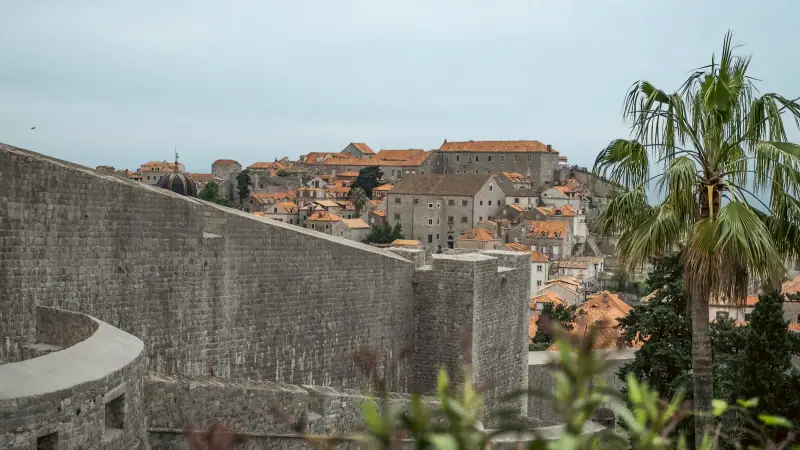
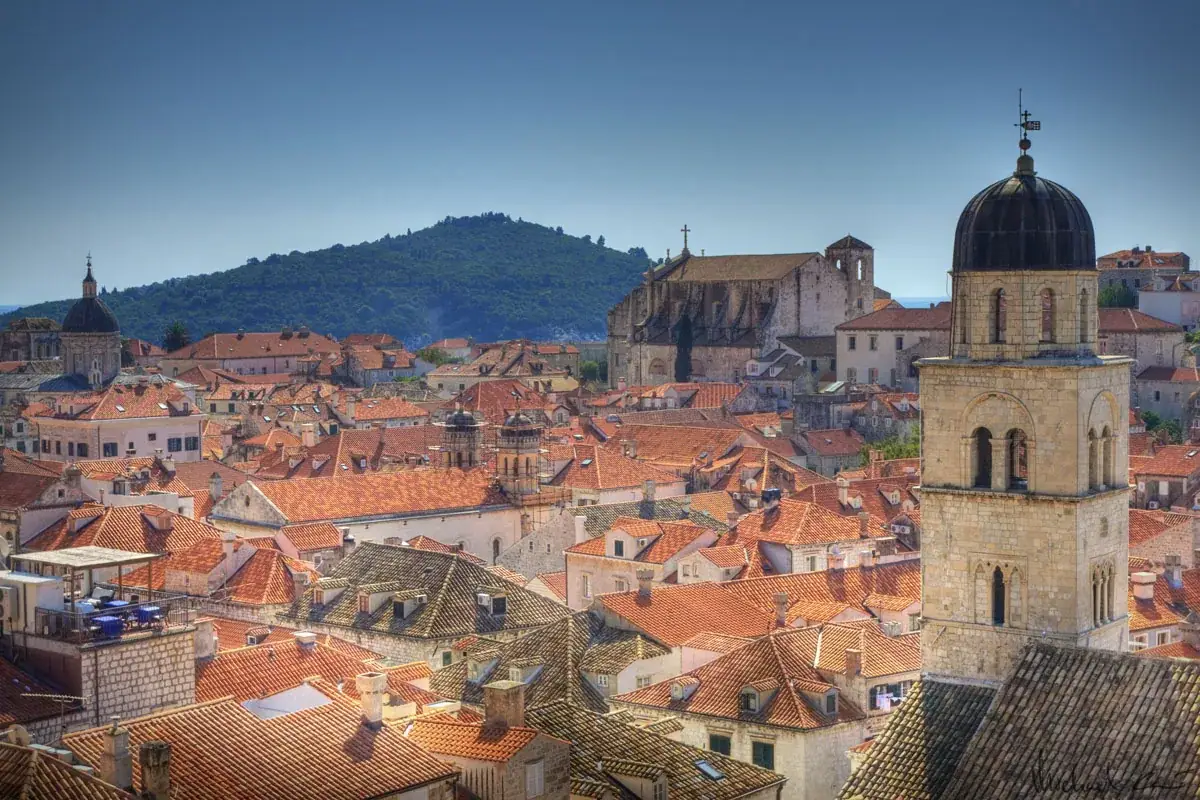
This is experience number 1 in Dubrovnik and one of the most beautiful walks in the Mediterranean. The walls are 2 km (1.2 mi) around and offer constant views of the Adriatic Sea on one side and the orange roofs of the old town on the other.
Practical info:
- Entry: €35 (~$40) (high season), €25 (~$29) (low season)
- Duration: 1 h 30 to 2 h 30 depending on your pace
- Arrive at opening (8 am). By 10 am, cruise groups take over the walls.
- Two entry points: Pile Gate (west) and Ploče Gate (east)
- Great viewpoints from the Minčeta Tower (north) and the Sv. Ivan tower (harbor)
Tip: Going against the flow (clockwise from Pile Gate) is sometimes less crowded.
2. The Stradun (Placa)
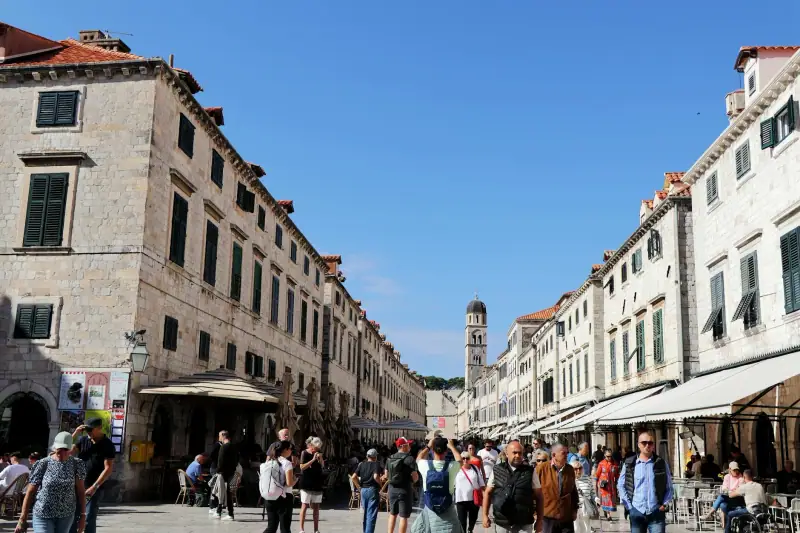
The Stradun is Dubrovnik’s main street: 300 meters (985 ft) of polished marble, framed by Gothic-Baroque palaces, running from the Pile Gate to Onofrio’s Fountain. It is the backbone of the old town.
Early in the morning (before 8 am), the empty Stradun in golden light is one of the most beautiful sights in the whole Mediterranean. At night, lit up and lively, it has a different but equally magical atmosphere.
Free. Stroll, have a coffee at an outdoor café, watch the locals: this is Dubrovnik life.
3. The Cathedral of the Assumption
Rebuilt between the 17th and 18th centuries in the Baroque style after the earthquake of 1667 (completed in 1713), the cathedral houses a polyptych by Titian (the Assumption of the Virgin) and a remarkable treasury of relics, including a relic of St. Blaise and pieces of Byzantine goldsmith work.
Entry: €5 (~$6) for the treasury; the cathedral is free.
4. Sponza Palace and Luža Square
Luža Square is the political and social heart of medieval Dubrovnik. Sponza Palace (16th century, Gothic-Renaissance style, the former customs house) and the City Clock form a magnificent architectural ensemble. This is where Orlando’s Column (a symbol of freedom) has stood since the 15th century.
Free (exterior). The interior of Sponza Palace hosts temporary exhibitions.
5. The Franciscan Monastery and the medieval pharmacy
The cloister of the Franciscan monastery (14th century) is a jewel of serenity in the heart of the old town. Its Romanesque columns and inner garden are remarkably elegant.
The monastery pharmacy, founded in 1317, is one of the oldest pharmacies in Europe still in operation. It still sells cosmetics and remedies based on medieval herbs.
Entry: €5 (~$6)
6. The cable car (Žičara)
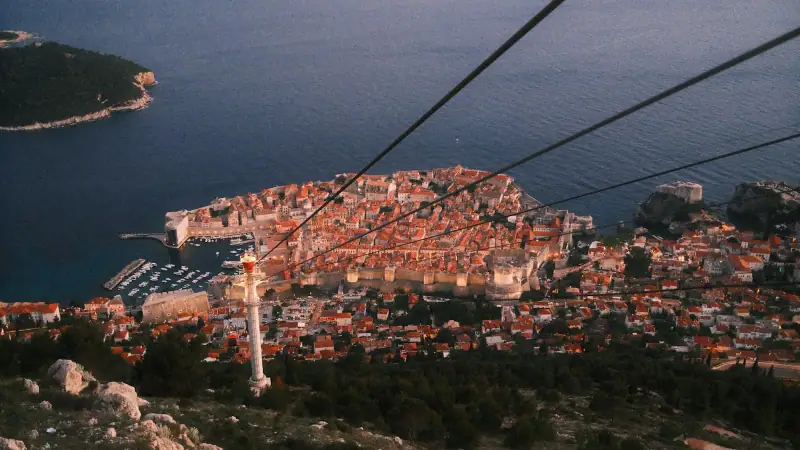
The cable car ride up Mount Srđ (412 m / 1,352 ft) takes 3 minutes and offers a 180° bird’s-eye view of Dubrovnik, its walls, the Elaphiti Islands and the Montenegrin coast. It is the photo of Dubrovnik seen from the sky.
The Imperial Fort at the top (Napoleon, 1806) houses a museum on the history of the city and the war of the 1990s.
Price: about €27 to €30 (~$31-35) per adult round trip (2026, check the current price)
Tip: go up in late afternoon for the sunset; the light on the old town is spectacular.
7. Lokrum Island
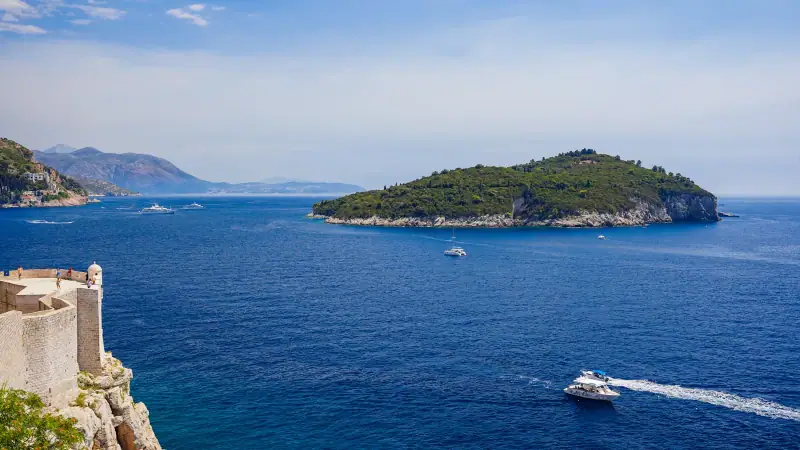
Lokrum Island, 600 m (1,970 ft) from the walls, is a protected nature park reached by boat from the old port (10 min, about €30 / ~$35 round trip including entry to the reserve). Its botanical gardens, ruined Benedictine monastery, lagoon (the Dead Sea, brackish water) and wandering peacocks make it an ideal escape.
Note: according to legend, Lokrum is cursed (anyone who spends the night there is doomed). But day visits are safe.
8. Fort Lovrijenac (St. Lawrence Fortress)
Perched on a rock 37 meters (121 ft) above the sea, west of the walls, Fort Lovrijenac is the fortress that protected Dubrovnik from attacks coming by land. Its impressive architecture and views of the sea and the walls are spectacular.
It is the “Red Keep” of Game of Thrones. Shakespeare plays are staged there in summer.
Included in the city walls ticket. Accessible from the Pile Gate.
9. Banje Beach
Banje Beach, just east of the Ploče Gate (5 min on foot from the walls), is the pebble beach closest to the old town. Clean water, views of the walls from the sea, a lively bar-restaurant. At night, it is one of Dubrovnik’s trendiest clubs.
Access: free (public beach). Paid sun loungers.
10. The old town in the evening
After 6 pm, when the cruise buses have left, Dubrovnik regains an almost medieval atmosphere. The lanes light up, restaurants put out their outdoor tables, and locals take the streets back.
It is the best time for a walk on the lower walls (toward the harbor), a glass of wine in a side lane off the Stradun and dinner at a restaurant that is not on the main street.
Practical organization
In 1 day (intensive)
- 7:30 am: arrive at the Pile Gate
- 8:00 am: the walls open, go up immediately
- 10:00 am: come down from the walls, Stradun, coffee
- 11:00 am: Franciscan Monastery + Sponza Palace
- 1:00 pm: lunch in a side lane
- 2:30 pm: cable car to Mount Srđ
- 4:00 pm: Lokrum Island (boat from the old port)
- 6:30 pm: back, swim at Banje
- 8:00 pm: dinner in the old town
In 2 days (recommended)
Day 1: Walls + Stradun + monastery + cathedral + Fort Lovrijenac
Day 2: Cable car + Lokrum + side neighborhoods + beach + quiet dinner
Key tip: Dubrovnik is physically demanding: the cobblestones, the climbs and the walls add up to a lot of walking. Wear comfortable shoes and drink plenty of water.
Frequently asked questions
How long do you need to visit Dubrovnik?
Two full days let you see all the highlights without rushing. In one intensive day it is possible but tiring. Half a day only lets you see the city walls and the Stradun.
How much does it cost to enter Dubrovnik's city walls?
€35 (~$40) per adult in high season (2026), €25 (~$29) off season. This price also includes access to Fort Lovrijenac. The walls are open from 8 am to 6:30 pm (varies with the season).
Is Dubrovnik really the setting of Game of Thrones?
Yes, Dubrovnik hosted filming mainly for seasons 2 to 5 (the Stradun is the 'King's road', the walls are 'King's Landing'). Themed GoT tours are available.
Can you visit Dubrovnik in a day from Split?
Yes, the bus takes 4 h (round trip: 8 h of travel). You will have 5-6 h there, enough for the walls and the Stradun. It is better to sleep a night there.
Are there guided tours in Dubrovnik?
Yes, guided tours are available through platforms such as GetYourGuide. Expect €25-40 (~$29-46) per person for a 2-hour tour of the old town.
More Croatia guides
Keep reading
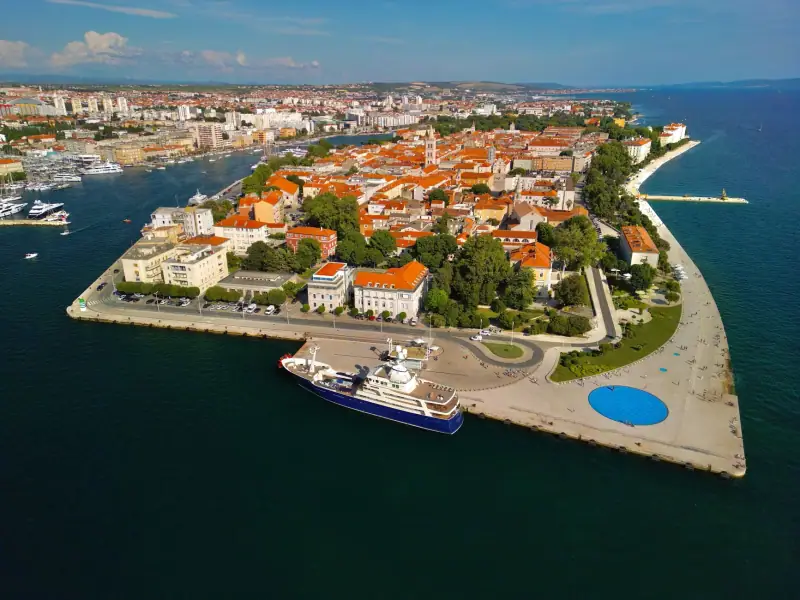
Visiting Zadar: complete guide to the Dalmatian city
Complete guide to visiting Zadar: Sea Organ, Roman old town, beaches, Kornati and Paklenica excursions. Everything for a successful stay in Dalmatia.
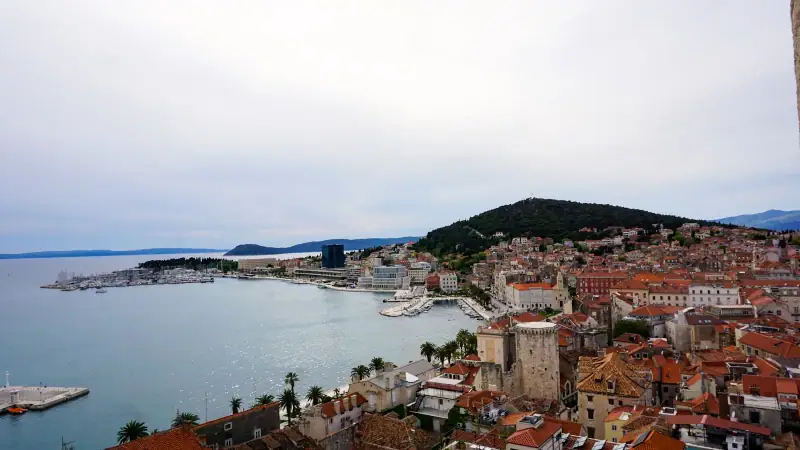
Visiting Split: complete guide to the Dalmatian capital
Complete guide to visiting Split: Diocletian's Palace, Marjan hill, beaches and islands. Everything you need for a successful stay in Dalmatia.
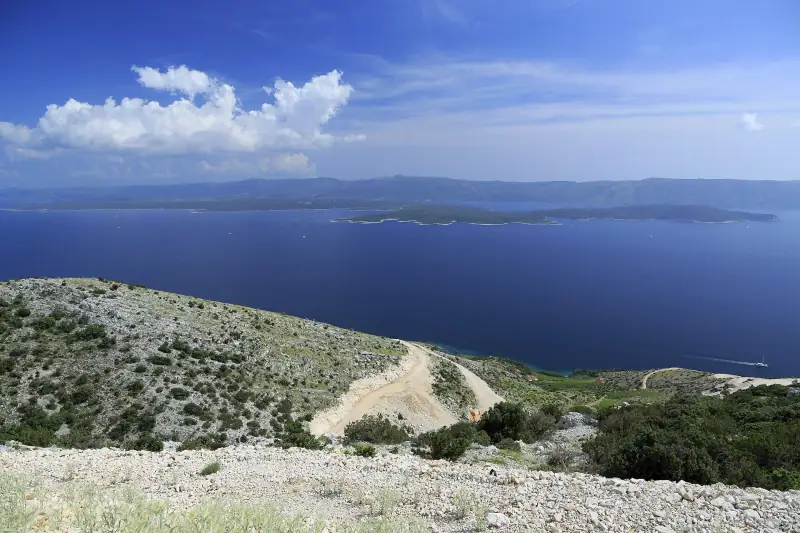
Visiting Hvar: complete guide to the Dalmatian island
Complete guide to visiting Hvar: Hvar Town, Pakleni Islands, Stari Grad, lavender, beaches, wines and the ferry from Split.
Ready-made
Croatia itineraries
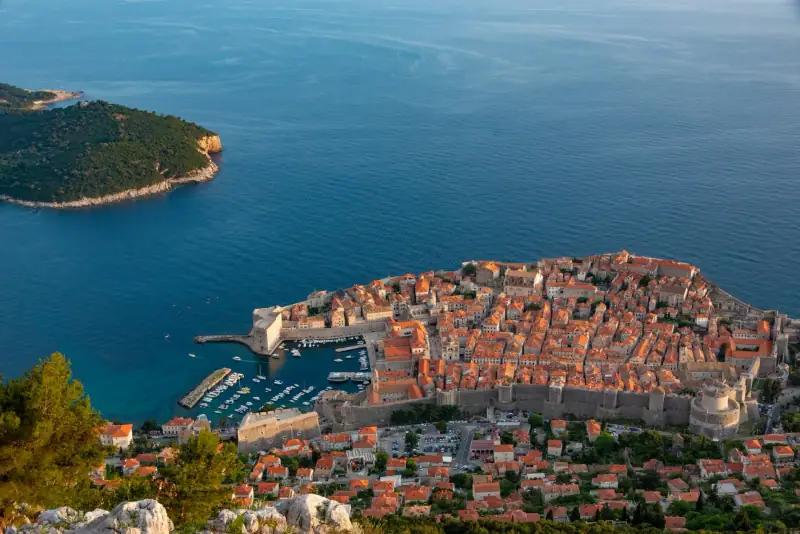
Croatia road trip: the coastal route from Zagreb to Dubrovnik
The ultimate Croatian coastal road trip from Zagreb to Dubrovnik via Split, Zadar and the national parks. 10-14 day route with stops and tips.
7 days
Croatia in 7 days: the perfect one-week itinerary
Detailed itinerary to visit Croatia in 7 days: Split, the Dalmatian islands, Dubrovnik and Plitvice. Day-by-day plan with practical tips.
10 days
Croatia in 10 days without a car: a realistic bus and ferry itinerary
ZagrebZadarSplitHvar TownDubrovnik