What to see
Heraklion: The Top Sights of Crete's Capital
We may earn a commission when you book through links on this page, at no extra cost to you. We don't visit or try the places we cover: we summarize published sources. How we work
In short
- Plan 2 days: the archaeological museum and old town on day one, Knossos on day two; a third day opens up Phaistos, Gortyn and east-coast beaches.
- The archaeological museum costs €20 (about $23) from April to October, €12 (about $14) from November to March; allow 2 to 3 hours.
- The Koules fortress costs €10 (about $12), is closed on Tuesdays, and needs 45 minutes to 1 hour.
- The covered market on 1866 Street is open Monday to Saturday, generally 7 am to 2 pm; Saturday morning is liveliest.
Heraklion is often judged too quickly. Many travelers spend only one night here before heading to Chania, passing by some of the most important sites in the Mediterranean. Give it 2 days and it will reveal its treasures.
The Heraklion Archaeological Museum
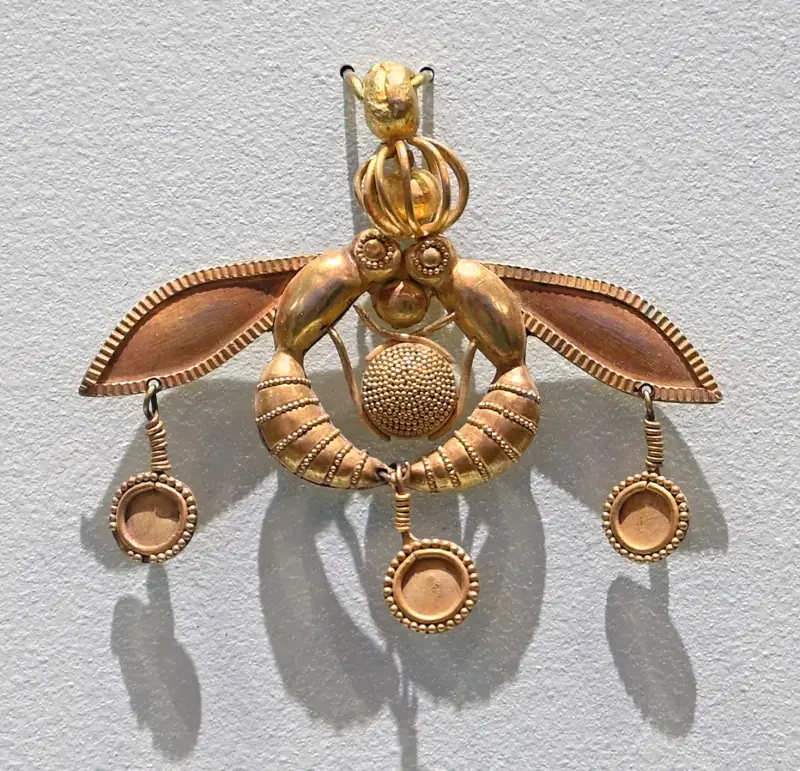
The top sight in Crete. The Heraklion Archaeological Museum (Archaiologiko Mouseio) is one of the most important museums in Greece and one of the best Mediterranean archaeology museums in the world. Its Minoan collection is simply unmatched.
Location: Eleftherias Square, central Heraklion Hours: 8 am-8 pm (April to October), 8:30 am-3:30 pm (November to March); reduced hours on Wednesdays, check before you go Admission: €20 (about $23) from April to October, €12 (about $14) from November to March Recommended time: 2 to 3 hours minimum
What not to miss
Room IX: the frescoes This is the most fascinating room in the museum. The great frescoes from the palace of Knossos are displayed here in their original state (what you will see at Knossos are only copies). The “Bull-Leaping Fresco” shows athletes vaulting over bulls: a funerary rite or a sport? The mystery remains. The “Prince of the Lilies” in majesty. The “Parisienne” with her full lips and painted eyes.
Room IV: the treasure The serpentine bull’s-head rhyton with its rock-crystal eyes and gold horns is one of the masterpieces of ancient goldsmithing. The faience “Snake Goddess” (around 1600 BC) is the museum’s icon.
Room III: the Phaistos Disc This mysterious terracotta disc (17th century BC) is covered in spiral symbols that have still not been deciphered. One of the most enigmatic archaeological objects of antiquity.
Room XVI: the gaming board A faience game board decorated with rock crystal and metal leaf, of astonishing precision and beauty for an object 3,500 years old.
The Koules fortress (Rocca al Mare)
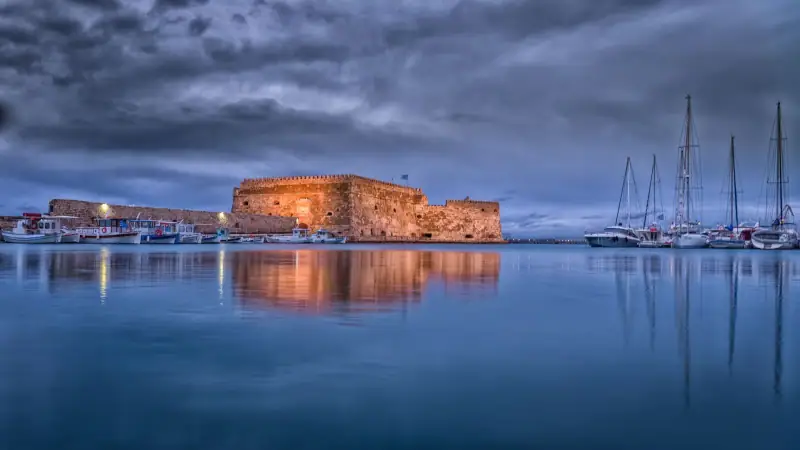
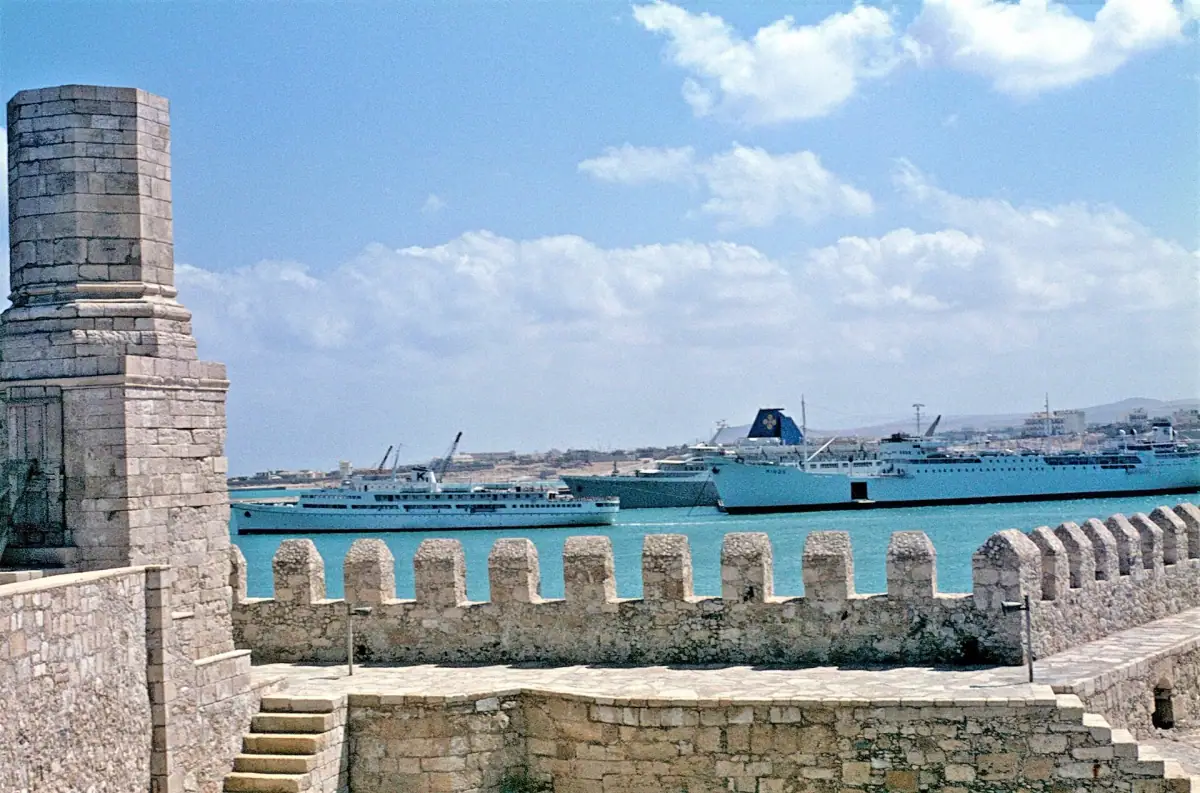
The Venetian fortress that overlooks the entrance to Heraklion’s harbor is the symbol of the city. Built between 1523 and 1540, it once guarded the most important port in the eastern Mediterranean.
Location: Entrance to Heraklion’s Venetian harbor Hours: 8 am-8 pm in summer (8 am-6 pm in October), 8:30 am-3:30 pm from November to March; closed Tuesdays Admission: €10 (about $12) Time needed: 45 minutes to 1 hour
Inside: a vast hall with Venetian anchors and cannons, vaulted galleries, and a panoramic view from the ramparts over the harbor and the sea. The light of the setting sun on the fortress and the harbor is splendid.
The covered market and 1866 Street
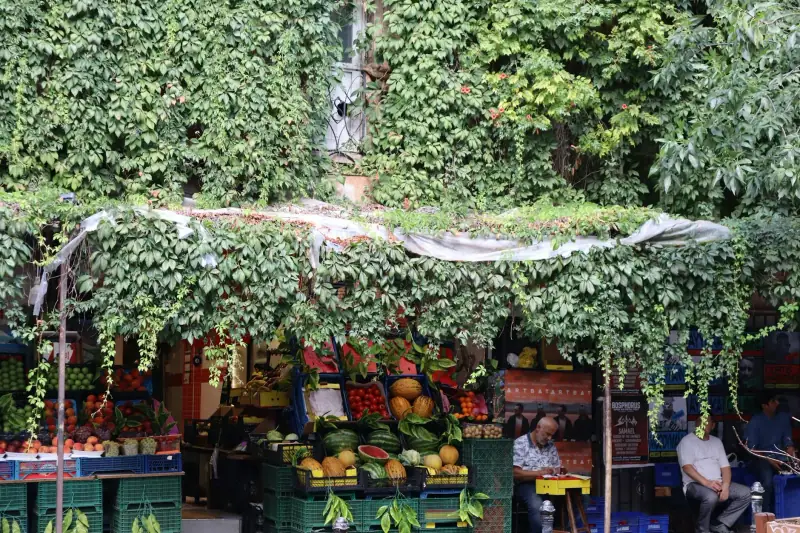
Heraklion’s covered market (Agora) on 1866 Street is one of the liveliest markets in Crete. Open Monday to Saturday (hours vary by stall, check locally), dozens of vendors sell wild herbs, spices, artisanal cheeses, marinated olives, Mount Ida honey, olive oil and seasonal fruit.
It is the perfect place to buy authentic food souvenirs and to see local life. The vendors are welcoming and often happy to let you taste their products.
Specialties to buy:
- Graviera (hard yellow cheese): the Cretan Parmesan
- Mizithra (fresh cheese): mild and creamy
- Wild herbs: thyme, marjoram, dittany (Crete’s medicinal herb)
- Thyme honey from Mount Psiloritis
- Extra-virgin olive oil
- Tsikoudia/raki: the Cretan firewater
The old town on foot
Heraklion’s old town is best discovered on foot. A 2- to 3-hour loop covers the main monuments.
Start: Lion Square (Plateia Venizelou) The 17th-century Morosini Fountain with its sculpted lions is the central landmark of the city. The cafes around the square are packed all day.
Basilica of St. Mark (municipal art gallery) This 13th-century Venetian church houses a municipal art gallery showing works by modern Cretan artists (paintings, photographs) and contemporary artists. Admission is often free.
The Venetian walls The walls built by the Venetians between the 15th and 17th centuries still largely surround the old town. The walk along the southern ramparts (access from the Chania Gate) offers a view over the city and the gardens.
Tomb of Nikos Kazantzakis The author of “Zorba the Greek” and “The Last Temptation of Christ” is buried on the city’s southern ramparts. His grave bears the epitaph he chose himself: “I hope for nothing. I fear nothing. I am free.”
The immediate surroundings
Phaistos (62 km / 39 mi): the second-largest Minoan palace in Crete, less reconstructed than Knossos and so more authentic. The view over the Messara plain from the palace is extraordinary.
Agia Triada (3 km / 2 mi from Phaistos): a Minoan royal villa with exceptional frescoes (the Agia Triada sarcophagus is in the Heraklion museum).
Gortyn (50 km / 31 mi): the ancient Roman capital of Crete. The ruins stretch over several kilometers. The “Gortyn Code” carved in the stones is one of the first written law codes of the Western world.
Hotels in Heraklion
Stay in the center to see everything on foot.
Where to eat in Heraklion
The best tavernas in Heraklion are not the waterfront restaurants (touristy and expensive) but those in the lanes around Korai Square and in the covered market.
The bouioubouki: a traditional raki bar with mezze served free with each glass. The authentic Cretan aperitif.
The restaurants of Kountoura: a shopping street with good tavernas at reasonable prices.
Lion Beer Garden: a craft brewery in the old town, local beers and souvlaki.
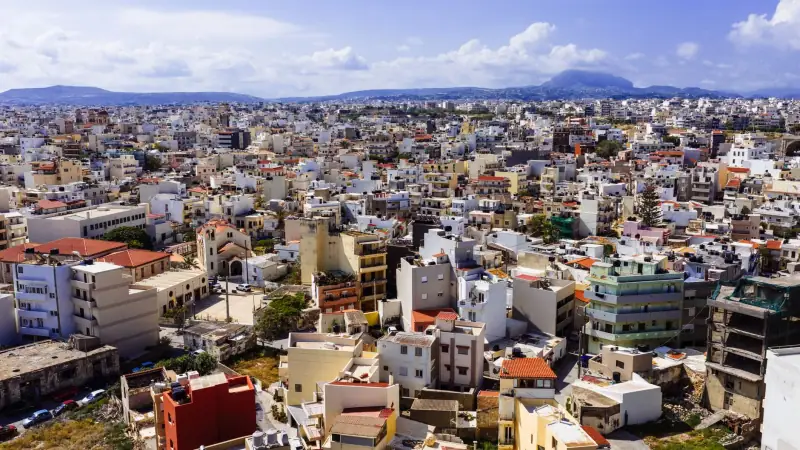
Heraklion surprises those who take the time to explore it. Behind its facade of a busy port city lie archaeological treasures without equal and an authentic neighborhood life that contrasts with the polished tourist areas of Chania.
Frequently asked questions
How long does it take to visit Heraklion?
2 days is ideal to see the highlights: the archaeological museum and the old town on the first day, Knossos on the second. A third day allows excursions to farther sites (Phaistos, Gortyn, east-coast beaches).
What is the best time to visit the Heraklion Archaeological Museum?
Arrive as soon as the museum opens (8 am in summer) to avoid the organized groups that arrive between 10 am and 1 pm. A late-afternoon visit is also quieter (in summer; in winter the museum closes at 3:30 pm). Allow 2 to 3 hours for a full visit.
Is Heraklion's covered market open on weekends?
Heraklion's covered market (1866 Street) is open Monday to Saturday, generally from 7 am to 2 pm. Saturday morning is the liveliest. On Sunday, most stalls are closed.
Is there a tourist pass for Heraklion that includes the sights?
The Heraklion City Pass gives reduced-price access to the archaeological museum, the Koules fortress and other sites. It is available at the tourist office or online. Check with the official sites (hh.gr) whether a combined Knossos + archaeological museum ticket still exists, as its continuation in 2026 is not confirmed.
Is Heraklion dangerous at night?
No, Heraklion is a safe city. Lion Square and the streets of the center stay lively and safe until midnight. As in any city, watch your belongings in busy places and avoid isolated alleys in the middle of the night.
More Crete guides
Keep reading
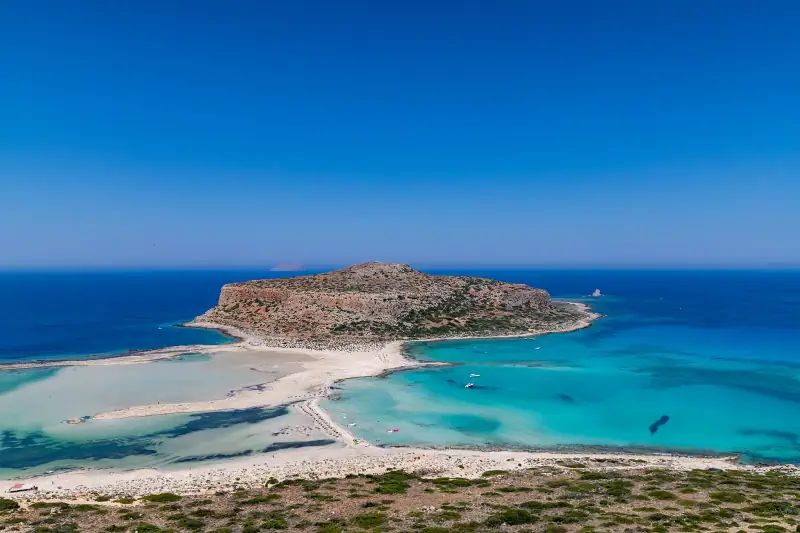
The Best Beaches in Crete, by Region
The best beaches in Crete: Elafonissi, Balos, Falassarna, Vai, Matala... a full selection with access, parking and practical tips.
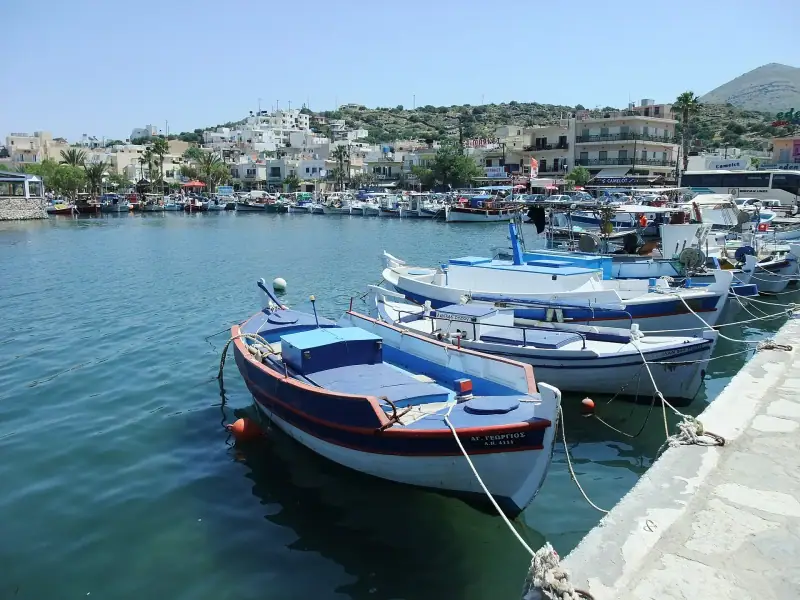
Visiting Elounda: A Complete Guide to the Luxury Resort on the Gulf of Mirabello
Complete guide to Elounda, Crete: clear-water beaches, the trip to Spinalonga, luxury hotels and good places to eat. Practical tips for 2026.
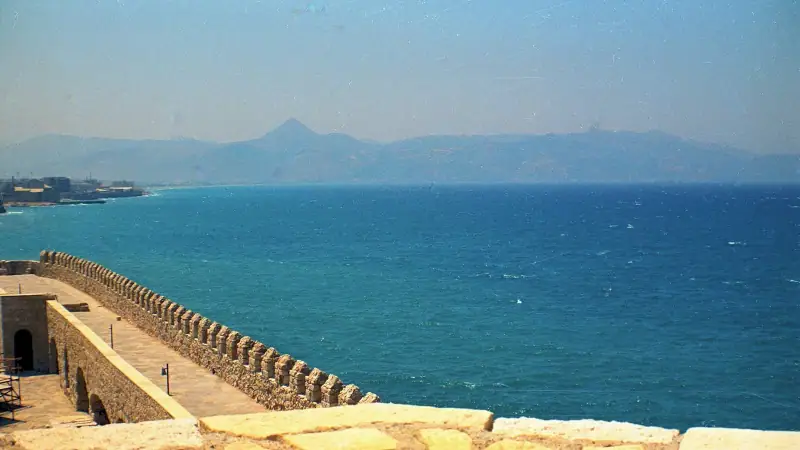
Visiting Heraklion: A Complete Guide to Crete's Capital
Complete guide to Heraklion: Koules fortress, Minoan archaeological museum, Knossos palace, the Venetian old town and practical tips.
Ready-made
Crete itineraries
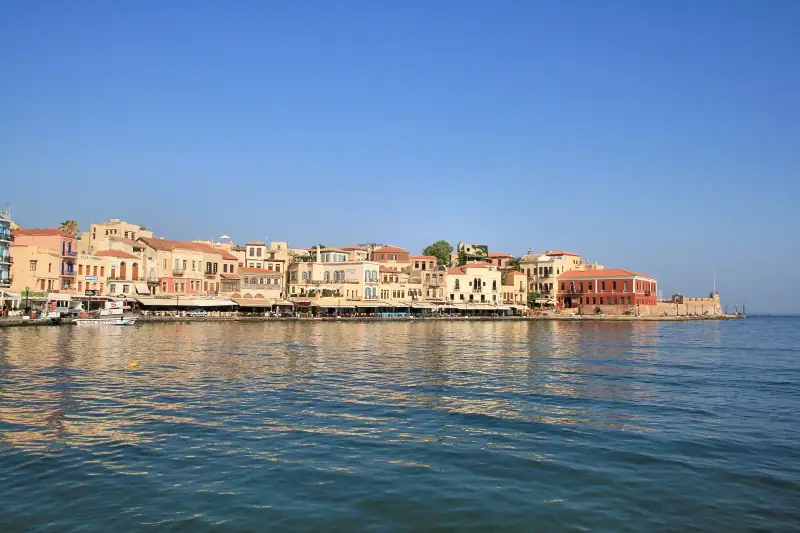
3 days
3 Days in Chania: A Complete Itinerary
3 days in Chania, Crete: Venetian old town, Samaria Gorge, Balos and Elafonissi beaches. Detailed plan and practical tips.
Can be adapted in the planner

10 days
10 Days in Crete: A Complete Itinerary to Discover the Island
HeraklionRethymnoChaniaAgios Nikolaos or Elounda
14 days
Crete Road Trip: The Complete Driving Itinerary
Plan your Crete road trip from end to end: a 10 to 14 day itinerary, scenic roads, lesser-known villages and secluded beaches to reach by car.