Itineraries
Crete Road Trip: The Complete Driving Itinerary
We may earn a commission when you book through links on this page, at no extra cost to you. We don't visit or try the places we cover: we summarize published sources. How we work
Day by day
- Days 1-2Heraklion: archaeological museum, Palace of Knossos, old town
- Days 3-4Malia, Agios Nikolaos, Elounda and ferry to Spinalonga
- Days 5-6Sitia, Vai palm grove, Kato Zakros Minoan site
- Days 7-8Ierapetra, boat to Chrissi Island, Matala, Kommos beach
- Days 9-10Messara plain, Rethymno old town, Anogeia
- Days 11-13Samaria Gorge, Falassarna, Balos, Elafonissi, Sfakia coast
- Day 14Last shopping, flight home
Weather through the year on this route
| Jan | Feb | Mar | Apr | May | Jun | Jul | Aug | Sep | Oct | Nov | Dec | |
|---|---|---|---|---|---|---|---|---|---|---|---|---|
| High °F (°C) | 5614 | 5614 | 6016 | 6418 | 7222 | 7926 | 8329 | 8329 | 7926 | 7323 | 6519 | 6016 |
| Low °F (°C) | 5111 | 5111 | 5312 | 5614 | 6317 | 6921 | 7424 | 7424 | 7122 | 6519 | 6016 | 5513 |
| Rain in (mm) | 3.9100 | 3.285 | 2.255 | 1.130 | 0.615 | 0.25 | 0.15 | 0.25 | 0.720 | 2.155 | 3.180 | 4.1105 |
Normals 1991–2020 at Chania and Heraklion: averages over 30 years, not a forecast. Source: NASA POWER (MERRA-2), grid of about 50 km. Figures computed by us in November 2026.
In short
- The island is about 250 km (155 mi) from east to west. Plan 600 to 900 km (370 to 560 mi) over 10 to 14 days with detours to the south coast.
- A small car is enough for most roads. An SUV or 4x4 helps on the track to Balos and some remote south coast beaches.
- In July and August, book the car and lodging well ahead; rental cars can run out at the airport.
- Avoid driving at night on mountain roads, and carry cash for parking, fishermen and village vendors.
Crete is made for road trips. This island of 250 km (155 mi) from east to west holds hundreds of surprises: perched villages the guidebooks ignore, beaches reachable only by dirt track, gorges, vineyards, medieval monasteries and village markets. A car is the only way to explore them all.
Here is a 10 to 14 day road trip that crosses Crete from west to east, combining the heavily developed north coast with the hidden treasures of the south coast and the mountains.
Preparing the road trip
Renting a car
Book your car online before you leave, ideally 2 to 3 months ahead in high season. Local agencies often offer better prices than the big international chains.
Tips:
- Take full-coverage insurance (including tires and undercarriage)
- Check the car’s condition and photograph it before leaving
- Pick up at Heraklion airport and return at Chania airport (or the reverse) for a convenient one-way rental
Useful apps
- Maps.me: detailed offline maps of Crete, including the tracks
- Google Maps: for travel time estimates
- iOverlander: camping spots and parking areas
- Komoot: for hiking stages
The day-by-day itinerary (10-14 days)
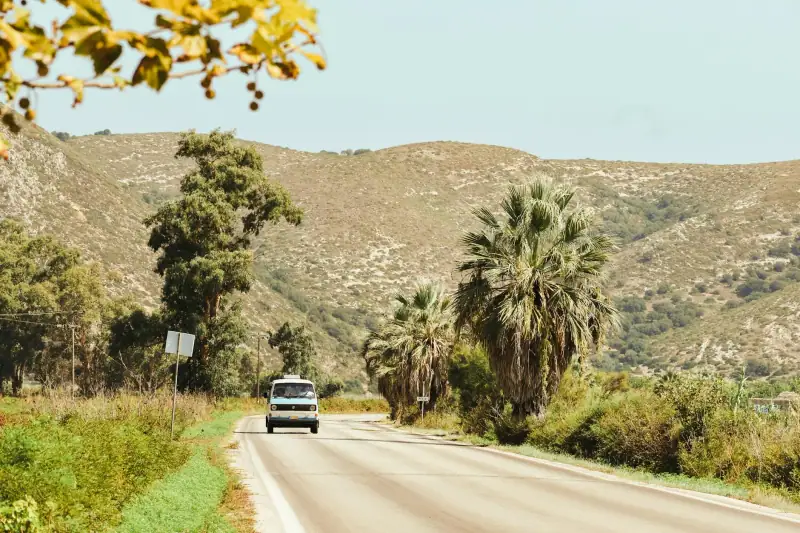
Days 1-2: Heraklion and Knossos
Start with the capital of Crete. Visit the archaeological museum (a must-see), the Palace of Knossos, and wander the old town.
Don’t miss: The Morosini Fountain, the covered market on 1866 Street and the Koules Fortress.
Days 3-4: The east coast and the Lasithi region
Head east on the northern highway. Stop at Malia (Minoan archaeological site plus beach). Continue to Agios Nikolaos: this charming small town in the Lasithi prefecture is built around a mysterious lake linked to the sea by a canal. The morning market in Agios Nikolaos is lively and authentic.
Essential detour: Elounda and the Spinalonga peninsula. Take the small ferry from Elounda (15 to 20 min) to visit the island of Spinalonga, a former Venetian fortress and the last leper colony in Europe (closed in 1957). A striking piece of history.
Overnight: Agios Nikolaos or Elounda
Days 5-6: The far east, Sitia and Vai
Keep going east. The highway gets quieter and prettier. Sitia, a small port town barely touched by tourism, is a delight and feels authentic. The morning market, the octopus drying on lines in front of the tavernas, the colorful fishing boats: this is Crete before mass tourism.
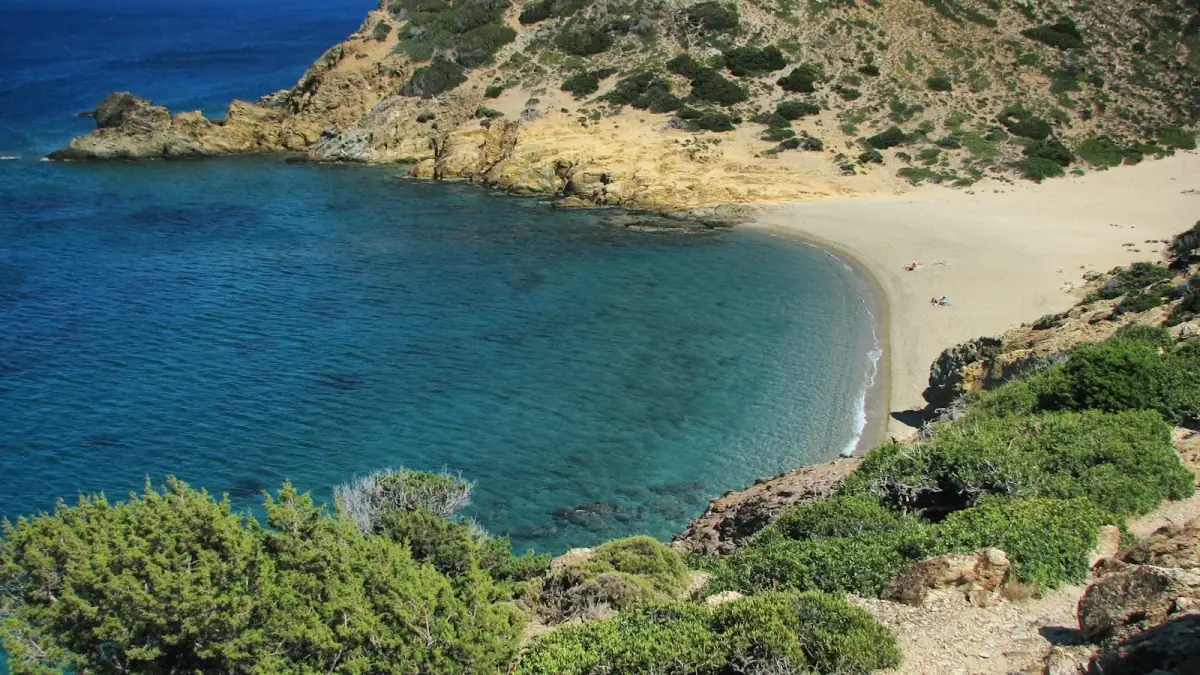
Vai beach: The largest wild palm grove in Europe grows here, a forest of more than 5,000 palm trees (Phoenix theophrasti). The beach is beautiful and the site is unusual.
Kato Zakros site: At the end of a dizzying road, the Minoan site of Kato Zakros is one of the least visited on the island. The fishing village next to it, with its tavernas right at the water’s edge, is a gem.
Days 7-8: The south coast, Ierapetra and Matala
Cross the mountains to the south coast. Ierapetra is the southernmost town in the European Union, known for its greenhouses that produce large quantities of tomatoes and cucumbers in winter for the European market, and for its divers. Take the small boat to Chrissi Island (Donkey Island), a white-sand islet with a juniper forest 200 to 300 years old and translucent water.
Matala: The famous hippie village of the 1960s and 1970s with its prehistoric caves carved into the cliff. Joni Mitchell and Cat Stevens lived here. The bohemian atmosphere remains.
Detour: Kommos beach (an archaeological site on a beach) and the village of Pitsidia with its inexpensive tavernas.
Days 9-10: Rethymno and the Rouvas Gorge
Head north through the Messara plain and the olive groves of central Crete. Rethymno is a magnificent town that people often underestimate. Its Renaissance-Ottoman old town is the best preserved in Crete.
Excursion: The Rouvas Gorge has been closed to access since late February 2026 following bad weather and rockfalls, with no known reopening date at this time: check with the Heraklion municipality or local authorities before going. Before the closure, it offered a hike through a wooded, humid canyon with lush vegetation.
Mountain detour: The village of Anogeia, home of Cretan musicians and craftspeople, on the slopes of Mount Psiloritis (Ida). An essential stop for skewers and raki.
Days 11-13: Chania and its surroundings
The Samaria Gorge deserves a full day. Then explore the spectacular beaches of the west: Falassarna, Balos (reachable by boat from Kissamos) and Elafonissi.
Don’t miss: The Sfakia coast, with villages clinging to the cliffs and reachable only by sea or on foot. Loutro, Hora Sfakion and Agia Roumeli are among the most dramatic places in Crete.
Day 14: Flight home
Depending on your departure airport (Chania or Heraklion), you have one last half day for final shopping: olive oil, wild herbs, raki and Cretan thyme honey.
The most beautiful roads in Crete
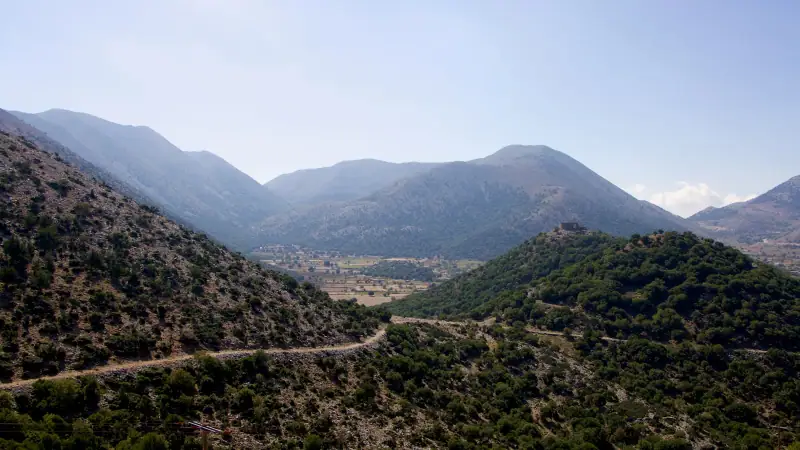
Eparchikos Dromos road (south coast): Especially beautiful from Plakias to Hora Sfakion, with lunar landscapes and cliffs dropping into the Libyan Sea.
Heraklion to Anogeia road: A gradual climb to the Nida plateau beneath Mount Psiloritis. Panoramic views of central Crete.
Sfakia road (north coast to south coast): A dizzying descent to Hora Sfakion from the northern highway. A treat for fans of mountain roads.
Elounda to Sitia coastal road: The highway gets steadily prettier beyond Agios Nikolaos, with views over the gulfs and sleepy fishing villages.
Camping and wild camping
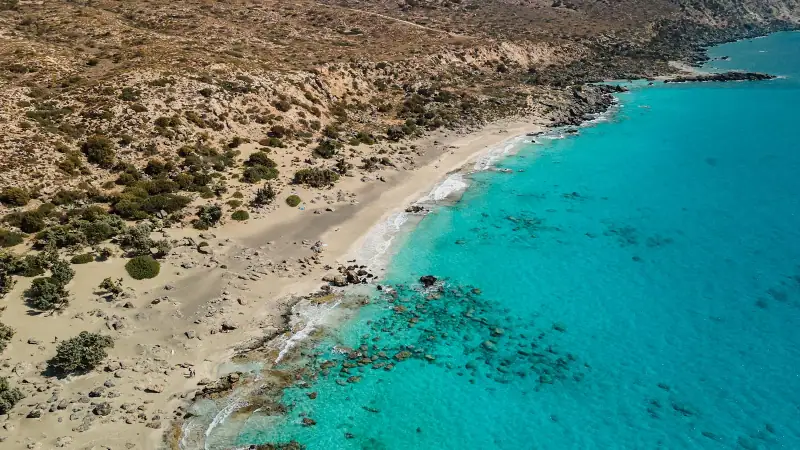
Crete has a few official campgrounds, mainly on the north coast. Wild camping is tolerated in remote areas but not officially permitted. Several campgrounds are well equipped (electricity, showers, kitchen) for €10 to 15 (about $12 to 17) per night.
Lodging along your route
Book your road trip stops ahead for the best deals.
Tips for a successful Crete road trip
- Start early in the morning: roads are empty before 9 am, sites are quiet and markets are alive
- Keep a spare day: surprises (weather, a flat tire, falling for a village) are part of the adventure
- Avoid driving at night: mountain roads are poorly lit and goats roam freely
- Accept detours: the “taverna” or “beach” signs that lead away from your route often lead to the best discoveries
- Carry cash: many parking lots, fishermen and village vendors take only cash
Crete by car is absolute freedom. Every bend can hide an unknown village, an untouched beach or a taverna that serves you homemade raki before even asking what you want to eat.
Frequently asked questions
How many miles is a full road trip around Crete?
A drive from Heraklion to Sitia along the north coast is about 130 km (81 mi), roughly 2 to 2 h 30 of driving. With detours to the south coast, the gorges and mountain villages, plan 600 to 900 km (370 to 560 mi) over 10 to 14 days. Crete is 250 km (155 mi) long from east to west.
What kind of car should I rent for a Crete road trip?
A small car is enough for most roads. An SUV or 4x4 is useful for the tracks to Balos, some remote south coast beaches and mountain roads. Avoid convertibles for unpaved tracks.
Are there tolls in Crete?
For now, the main expressway (E75) linking Heraklion to Chania is free. Tolls are planned on future sections of the new northern road axis (BOAK) under construction, so check before you go. Apart from paid parking lots and sites, you only pay for fuel.
Can you do a Crete road trip without booking ahead?
In the low season (April-May, October) it is possible. In high season (July-August), book your car and lodging ahead. Rental cars can sell out at the airport in July and August.
Which are the most dangerous roads in Crete?
The coastal roads on the south coast are winding and rough in places. The road to Sfakia is particularly dizzying. The track to Balos beach is known for damaging tires. Drive carefully and avoid these roads at night.
More Crete guides
Keep reading
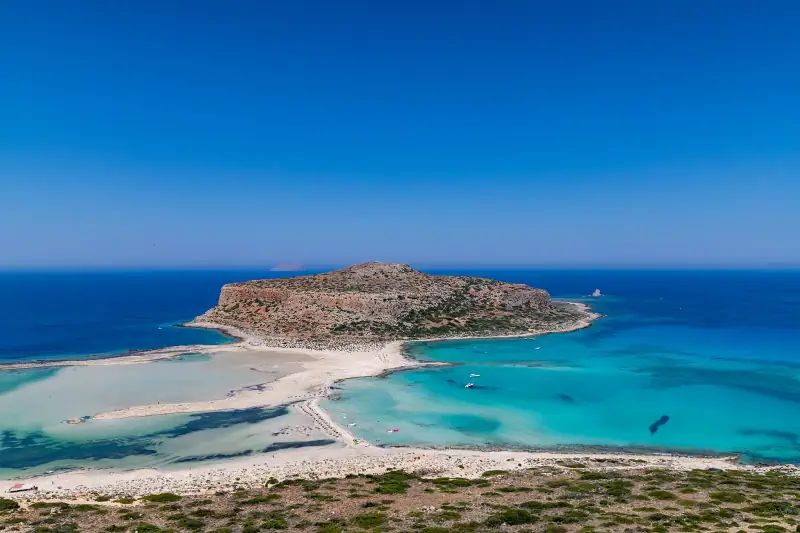
The Best Beaches in Crete, by Region
The best beaches in Crete: Elafonissi, Balos, Falassarna, Vai, Matala... a full selection with access, parking and practical tips.
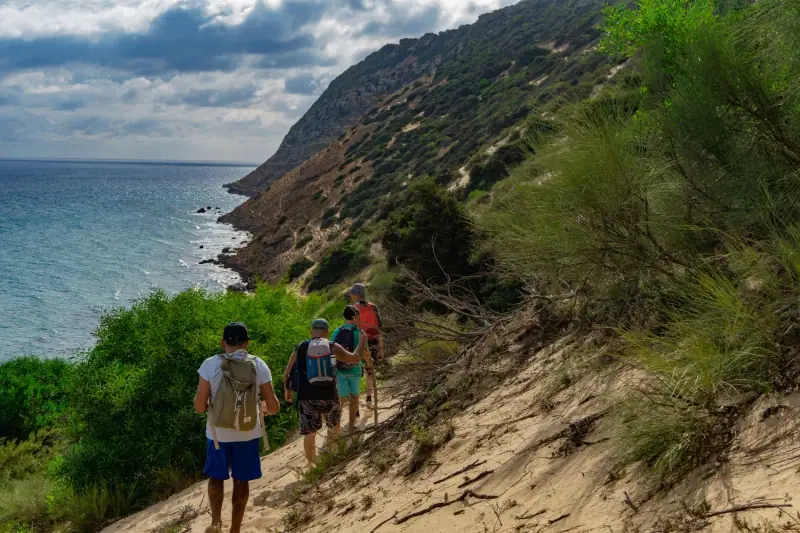
Hiking in Crete: Best Trails and Routes
The best hikes in Crete: Samaria Gorge, the E4 trail, plateaus and coastal paths. A complete guide for all levels with maps and tips.
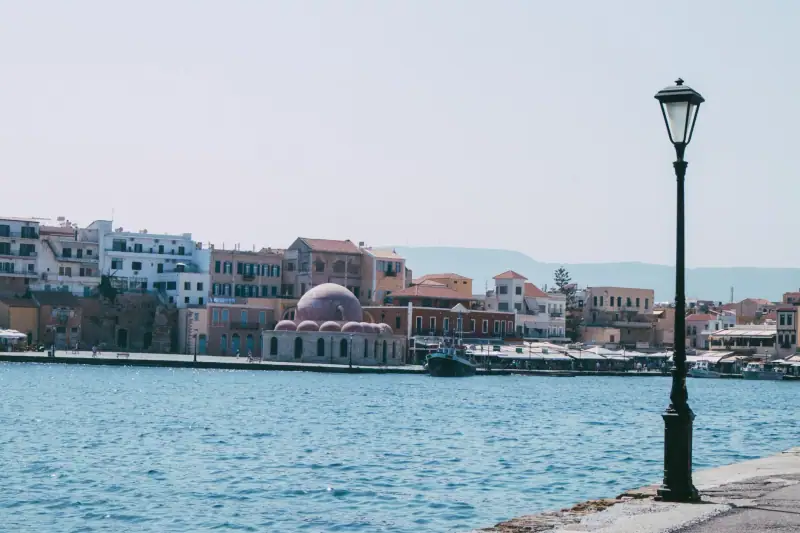
Where to Stay in Chania: The Best Neighborhoods and Hotels
Where to stay in Chania, Crete? old harbor, old town, nearby beaches: a complete guide to the best neighborhoods and hotels for every budget.
Ready-made
Crete itineraries
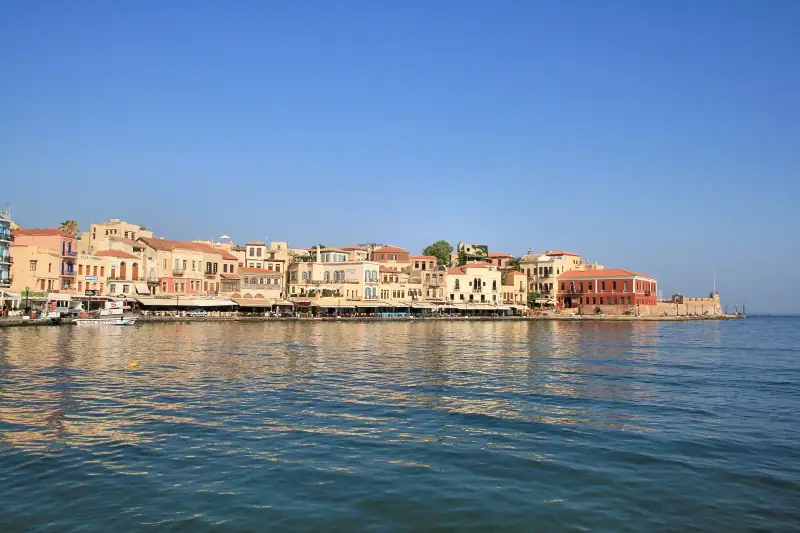
3 days
3 Days in Chania: A Complete Itinerary
3 days in Chania, Crete: Venetian old town, Samaria Gorge, Balos and Elafonissi beaches. Detailed plan and practical tips.
Can be adapted in the planner

10 days
10 Days in Crete: A Complete Itinerary to Discover the Island
HeraklionRethymnoChaniaAgios Nikolaos or Elounda
7 days