Plan your trip
Best Time to Visit Crete: A Month-by-Month Guide
We may earn a commission when you book through links on this page, at no extra cost to you. We don't visit or try the places we cover: we summarize published sources. How we work
In short
- May is the best all-round month for a first trip: sea at 20 to 22 °C (68 to 72 °F), moderate crowds and reasonable prices.
- September is often called the best month for swimming: sea at 25 to 26 °C (77 to 79 °F) and fewer crowds after mid-August.
- July and August are the peak: 30 to 38 °C (86 to 100 °F), maximum prices and crowds, and the meltemi wind can disrupt boat trips.
- October is the best for budget and authenticity; the Samaria Gorge usually opens in early May and closes in autumn.
Choosing the right time to visit Crete can turn an ordinary trip into an unforgettable experience. This Mediterranean island has an exceptional climate, but not every season suits every wish: beach, hiking, culture, a tight budget or authenticity.
Here is a complete month-by-month look to help you decide.
The Cretan climate in brief
Crete has a Mediterranean climate with hot, dry summers and mild, rainy winters. With more than 300 days of sun a year, it is one of the sunniest regions in Europe. Microclimates vary, though: the north coast is drier and windier, the south coast is warmer, and the mountains get snow from December to April.
The meltemi, a strong north wind in July and August, can make the sea rough on the north coast and disrupt boat excursions, but it also brings welcome coolness during heat waves.
Month-by-month analysis
January and February: authentic winter
Temperatures: 12-15 °C (54-59 °F) on the coasts, snow in the mountains Sea: 16-17 °C (61-63 °F) (no swimming) Crowds: very low Prices: lowest of the year
These are the coldest and rainiest months. Most hotels and restaurants close in Elounda, Matala and the small beach resorts. But the larger towns such as Heraklion, Chania and Rethymno stay lively. It is the olive season (the harvest is ending) and the season of bitter oranges.
Who it suits: Travelers on a very tight budget, mountain hikers who like snow, and anyone who wants to experience Crete like the locals.
March: the island wakes up
Temperatures: 13-18 °C (55-64 °F) Sea: 16-17 °C (61-63 °F) Crowds: low Prices: low
March marks the start of renewal. Almond trees and mimosas are in bloom. Rain is still frequent but is becoming less so. A few hotels reopen and local tavernas start to bring the squares back to life. Greece’s national holiday on March 25 is celebrated with pride.
Who it suits: Wildflower fans, photographers and travelers looking for authenticity at a low price.
April: spring beauty
Temperatures: 17-22 °C (63-72 °F) Sea: 17-19 °C (63-66 °F) (swimming possible for the brave) Crowds: low to moderate Prices: low to moderate (watch out for Easter)
April is often called the most beautiful month in Crete. The hills are carpeted with wildflowers, the gorges are still green and the streams are running. Hiking is excellent in this weather. The Samaria Gorge generally opens in May, sometimes later depending on the condition of the trail.
Note: Orthodox Easter (usually in April or May) is the most important holiday in Greece. Around Easter, prices go up and crowds grow. Check the dates before booking.
May: the perfect month
Temperatures: 21-26 °C (70-79 °F) Sea: 20-22 °C (68-72 °F) Crowds: moderate Prices: moderate
May is the ideal month according to many experienced travelers. The sea is already pleasant for swimming, the weather is perfect for every activity, the tourist sites are not yet packed and prices remain reasonable. The Samaria Gorge is open and mountain hikes are possible.
Who it suits: Everyone. It is THE best time for a first trip to Crete.
June: the start of summer
Temperatures: 26-31 °C (79-88 °F) Sea: 23-24 °C (73-75 °F) Crowds: moderate to high Prices: moderate to high
June is still very pleasant. The sea is warm and the sun shines, but the summer crowds have not yet arrived. It is the last “reasonable” month before high season. Local festivals begin to liven up the villages.
Who it suits: Beach lovers who want to avoid the July-August crowds.
July and August: intense high season
Temperatures: 30-38 °C (86-100 °F) (sometimes 40 °C / 104 °F inland) Sea: 25-27 °C (77-81 °F) Crowds: maximum Prices: maximum
This is the absolute peak season. Beaches are packed, roads are congested and prices are at their highest. The meltemi blows hard in July and August, which can disrupt boat trips to Balos or Gramvousa but brings some relief on the north coast.
The afternoon heat makes hiking impossible and visits to archaeological sites a chore. But the evenings are lively, village festivals (panigyri) are plentiful and the beach-resort atmosphere is at its peak.
Pros: lively nightlife, local festivals, great swimming Cons: excessive heat, high prices, packed sites
Who it suits: Families with children on school vacation, partygoers, and anyone with no choice on dates.
September: the perfect month for adults
Temperatures: 28-32 °C (82-90 °F) at the start of the month, 23-27 °C (73-81 °F) at the end Sea: 25-26 °C (77-79 °F) Crowds: moderate and decreasing Prices: moderate and decreasing
September is often called the best month for Crete. The sea is at its warmest, the sun is still strong, but the August crowds are gone. Prices fall quickly after August 15. The grape harvest (trygos) brings the villages to life and wineries offer tastings.
Who it suits: Couples, adult travelers, and anyone who wants warm sea without the crowds.
Hotels in Crete in September
The best rates of the year with warm sea guaranteed.
October: the golden late season
Temperatures: 22-27 °C (72-81 °F) Sea: 23-25 °C (73-77 °F) Crowds: low Prices: low
October is a revelation for those who discover it. The light is golden, the sea is still warm and the tourist sites are almost empty. The olive harvest begins in the villages and markets overflow with local products. Some hotels close at the end of October, but the choice stays wide until about October 15-20.
Who it suits: Retirees, couples without school constraints, and fans of authenticity.
November and December: back to calm
Temperatures: 14-19 °C (57-66 °F) Sea: 20-22 °C (68-72 °F) in November, 17-18 °C (63-64 °F) in December Crowds: very low Prices: very low
November is the rainiest month. Many businesses close for the season. But the lively towns remain interesting and lodging prices reach their lowest level. Christmas in Crete, with no snow on the coasts but snowy mountains as a backdrop, has a special atmosphere.
Summary by type of trip
| Period | Beach | Hiking | Budget | Authenticity |
|---|---|---|---|---|
| April-May | ★★★ | ★★★★★ | ★★★★ | ★★★★ |
| June | ★★★★ | ★★★★ | ★★★ | ★★★ |
| July-Aug | ★★★★★ | ★★ | ★ | ★★ |
| September | ★★★★★ | ★★★★ | ★★★ | ★★★★ |
| October | ★★★★ | ★★★★ | ★★★★★ | ★★★★★ |
Sea temperatures month by month
The Mediterranean around Crete is generally warmer than the Mediterranean average thanks to the island’s southern position:
- January-March: 16-17 °C (61-63 °F)
- April: 17-19 °C (63-66 °F)
- May: 20-22 °C (68-72 °F)
- June: 23-24 °C (73-75 °F)
- July-August: 25-27 °C (77-81 °F)
- September: 25-26 °C (77-79 °F)
- October: 23-25 °C (73-77 °F)
- November: 20-22 °C (68-72 °F)
- December: 18-19 °C (64-66 °F)
Festivals and events
Orthodox Easter (March-May): the most important holiday. Midnight mass with candles, fireworks and a big Easter lamb meal. A unique atmosphere.
Renaissance Festival in Rethymno (in summer, check dates with the municipality): shows and concerts in the Venetian fortress.
Cretan wine tastings in Heraklion (for example the Cretan Wine Gallery, mid-September in 2026): check the dates each year.
Grape harvest (September): in wine villages, some estates welcome visitors.
Olive harvest (October-November): some farm stays offer the chance to join the picking.
Bottom line
For beach and swimming: July-August for die-hard sun lovers, September for those who want warm sea and some peace.
For hiking and the gorges: May or September, when temperatures allow physical effort without the risk of heatstroke.
For budget and authenticity: October is unbeatable. Or April-May for good weather, few people and reasonable prices.
First trip: May is the strongest pick. A month when everything is possible: beach, hiking, cultural visits and food, without the drawbacks of high season.
Frequently asked questions
What is the cheapest month to go to Crete?
April, May, October and November offer the lowest rates, with lodging often much cheaper than in July and August (the gap can reach 30 to 50% depending on the type of lodging). The weather stays excellent, especially in May and October.
Is it too hot in Crete in July and August?
July and August can be stifling, with temperatures regularly above 35 °C (95 °F) and sometimes 40 °C (104 °F) inland. Beaches and coastal areas are more bearable thanks to the sea breeze, but hiking and cultural visits are not advised in the hot hours.
Can you swim in Crete in May and October?
In May the sea reaches 20 to 22 °C (68 to 72 °F), enough for swimming if you are used to cool water. In October the sea is still very pleasant at 23 to 25 °C (73 to 77 °F), ideal for swimming and snorkeling.
When is the Samaria Gorge open?
The Samaria Gorge generally opens in early May (depending on the weather and the condition of the trail; in 2026 it opened on May 19) and closes in autumn. Check the dates on the park's official site before booking. The best time to hike it is May-June or September, when it is not too hot.
Is Crete nice in April?
Yes, April is an excellent time. The landscape is green and flowering, temperatures are mild (17 to 22 °C / 63 to 72 °F), crowds are absent and prices are low. The sea is still cool (17 to 19 °C / 63 to 66 °F) for swimming, but it is perfect for hiking and cultural visits.
More Crete guides
Keep reading

Renting a Car in Crete in 2026: Prices, License, Insurance and Pitfalls to Avoid
Complete guide to renting a car in Crete: license, CDW/SCDW insurance, prices by season, minimum age and where to rent.
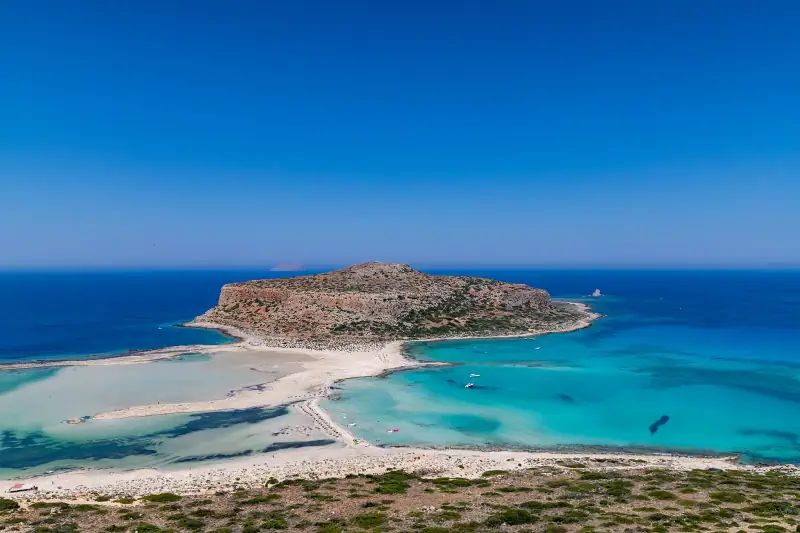
The Best Beaches in Crete, by Region
The best beaches in Crete: Elafonissi, Balos, Falassarna, Vai, Matala... a full selection with access, parking and practical tips.
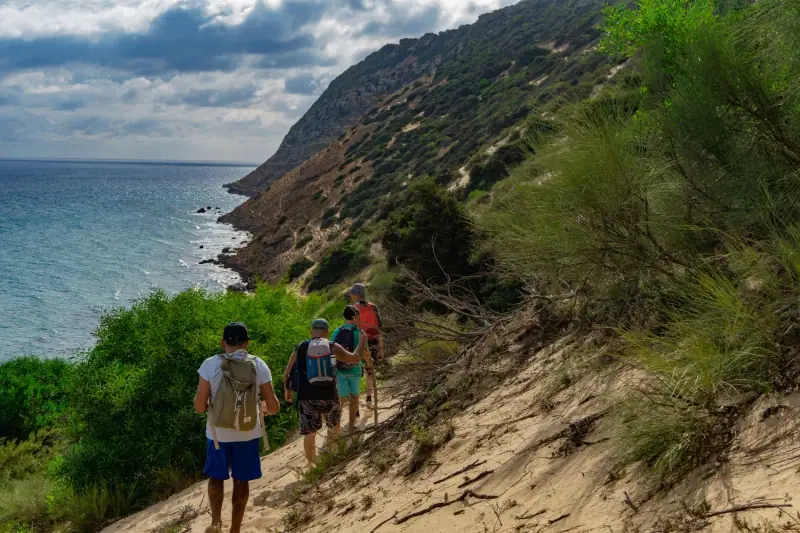
Hiking in Crete: Best Trails and Routes
The best hikes in Crete: Samaria Gorge, the E4 trail, plateaus and coastal paths. A complete guide for all levels with maps and tips.
Ready-made
Crete itineraries
3 days
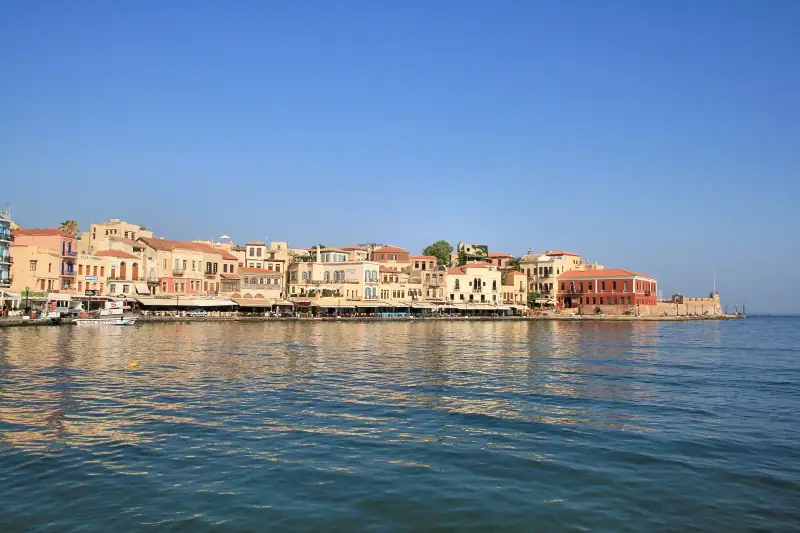
3 Days in Chania: A Complete Itinerary
3 days in Chania, Crete: Venetian old town, Samaria Gorge, Balos and Elafonissi beaches. Detailed plan and practical tips.
Can be adapted in the planner

10 days
10 Days in Crete: A Complete Itinerary to Discover the Island
HeraklionRethymnoChaniaAgios Nikolaos or Elounda
14 days
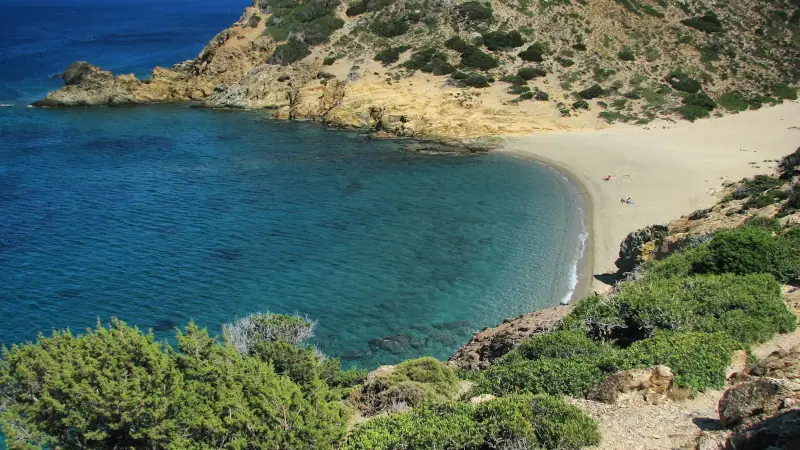
Crete Road Trip: The Complete Driving Itinerary
Plan your Crete road trip from end to end: a 10 to 14 day itinerary, scenic roads, lesser-known villages and secluded beaches to reach by car.