What to see
Visiting Calvi: a complete guide to the pearl of Balagne
We may earn a commission when you book through links on this page, at no extra cost to you. We don't visit or try the places we cover: we summarize published sources. How we work
In short
- Two to three days suit Calvi: citadel and port, then the 4.5 km (2.8 mi) beach and the Revellata peninsula, then an excursion in Balagne or to Calenzana.
- Calvi-Sainte-Catherine airport is about 8 km (5 mi) from the center. There is no regular ferry to Calvi; the nearest ports are L'Île-Rousse (~25 km / 16 mi) and Bastia.
- The Balagne tram runs 21.8 km (13.5 mi) to L'Île-Rousse in 40 to 45 minutes. The GR20 starts at Calenzana, about 13 km (8 mi) away.
- Plan €15 to €25 (~$17 to $29) for a bistro lunch and €70 to €250 (~$81 to $290) a night depending on the season.
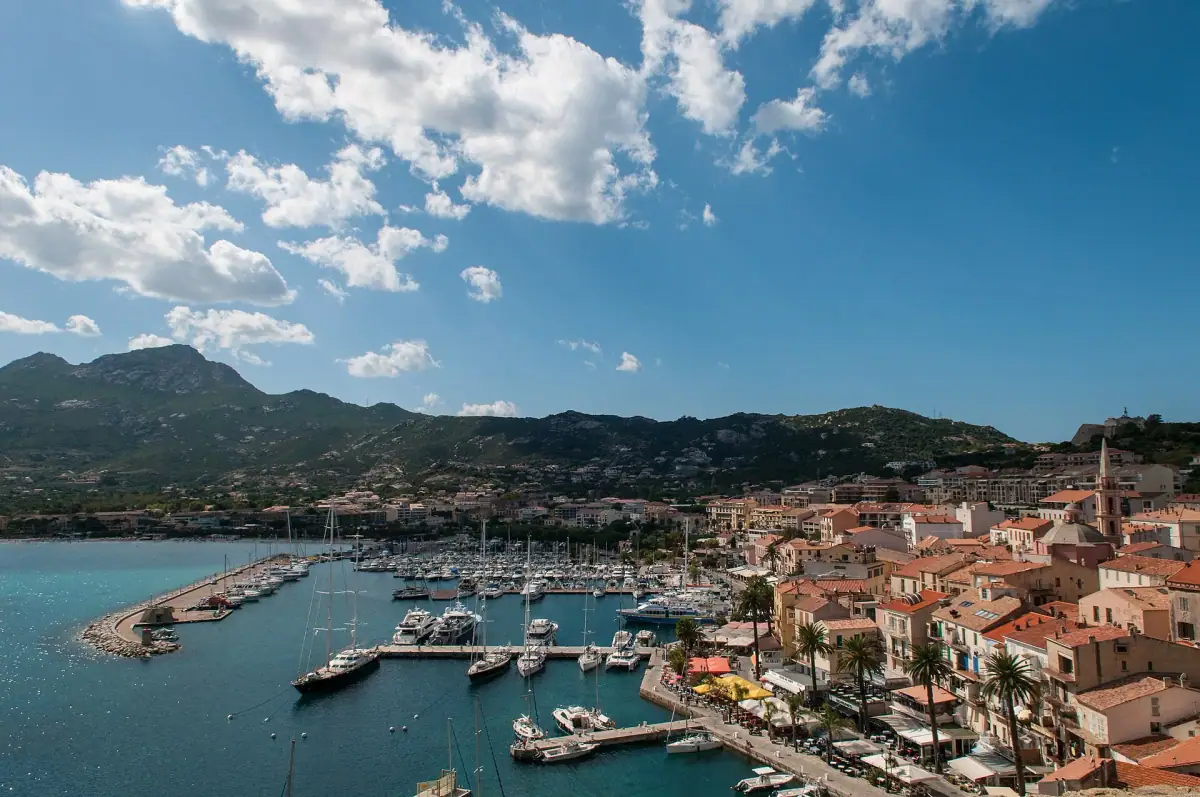
Calvi stands out at first sight. Set at the end of a half-moon bay, its Genoese citadel raises ocher ramparts on a rocky promontory 80 meters (260 ft) above the sea, while a fine sand beach stretches 4.5 kilometers (2.8 mi) at its feet. Behind the town, the peaks of the Cinto massif rise above 2,700 meters (8,860 ft). This layering of sea, medieval stone and mountain gives Calvi a silhouette found nowhere else in Corsica.
Capital of Balagne, this small town of some 5,000 inhabitants lives to the rhythm of the seasons: a lively seaside resort in summer with its internationally renowned festivals, but in the low season Calvi regains the atmosphere of an authentic village where fishermen mend their nets on the quay of the old harbor.
The Genoese Citadel: the heart of historic Calvi
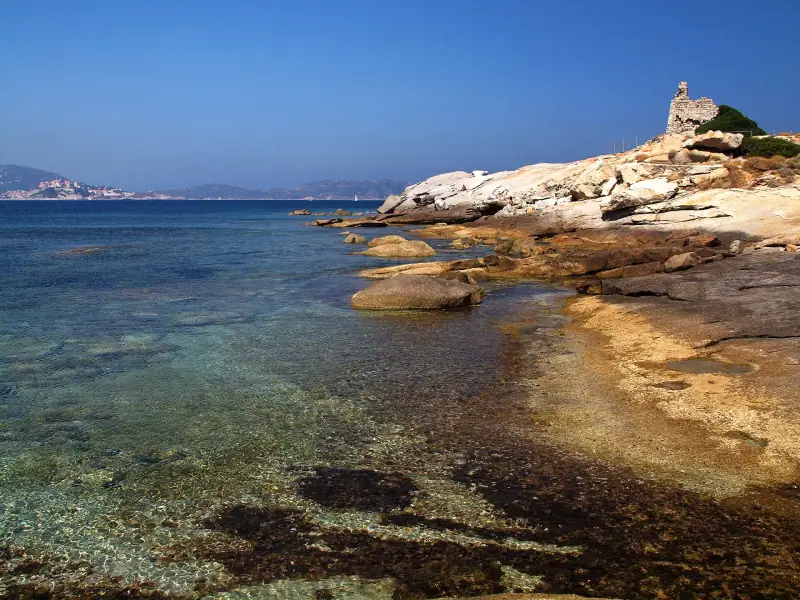
The citadel is the symbol of Calvi. Built and reinforced by the Genoese between the 13th and 15th centuries, it raises its massive ramparts on a limestone spur with a 360° view over the bay, the Mediterranean and the mountains of Balagne. Access is through the main gate from the port district, climbing on foot along a paved path in about ten minutes.
Saint-Jean-Baptiste Cathedral
Inside the citadel, Saint-Jean-Baptiste Cathedral is Calvi’s most emblematic building. Originally built in the 13th century, it was largely reworked after the Franco-Ottoman siege of 1553. Inside is a remarkable ivory Christ of Miracles, the object of very strong local veneration: according to tradition, it was carried in procession during the Franco-Ottoman siege of 1555, putting the attackers to flight. The cathedral is open to visitors during the day; entry is free.
The ramparts and the panoramic view
The walkway around the ramparts is one of the most striking walks in all of Corsica. It overlooks at once the Bay of Calvi with its sand beach, the marina, the Revellata peninsula to the west and, in clear weather, the snowy peaks of the Monte Cinto massif. Allow at least 45 minutes for the full circuit. In the evening, at sunset, the orange light on the ramparts and the sea makes a memorable sight.
The so-called house of Christopher Columbus
A ruined house in the northeast part of the citadel bears a plaque reading “Maison de Christophe Colomb”. The legend of the explorer’s birth in Calvi, with no serious documentary basis, is nonetheless a cultural heritage that the people of Calvi maintain with amused pride. The building itself, a few collapsed walls overgrown with vegetation, is worth more for its atmosphere than for its content.
Guided tours of the Calvi citadel
Discover the secrets of the Genoese citadel with a knowledgeable local guide.
Calvi beach: 4.5 km of fine sand
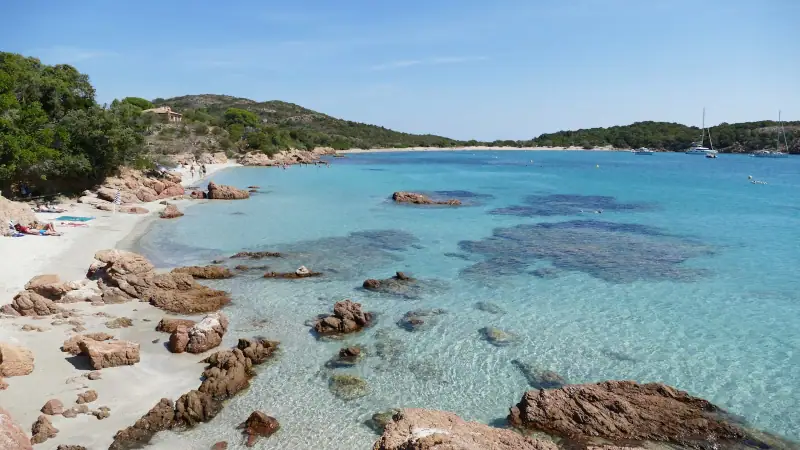
Calvi beach is one of the most beautiful and longest beaches in Corsica. This ribbon of golden sand runs nearly 4.5 kilometers (2.8 mi) between the marina and the Marine de Sant’Ambroggio, alongside the national road and the maritime pine groves that give shade from midday.
Layout of the beach
The liveliest part is in the first kilometers from the port, with several beach establishments renting sun loungers and umbrellas, bars and light food. The further you go east toward Sant’Ambroggio, the quieter, wilder and windier the beach becomes. Families like the calmer central zone; kitesurfers and windsurfers gather at the east end, exposed to the tramontane.
Water quality
The Bay of Calvi has remarkably clear water (check the year’s Blue Flag list to see which sites are labeled). The shallow depth in the first few meters makes it ideal for families with young children. The west part of the bay, near the Revellata, has the clearest water, with visibility that sometimes lets you glimpse rocks and posidonia meadows several meters down.
The Revellata peninsula
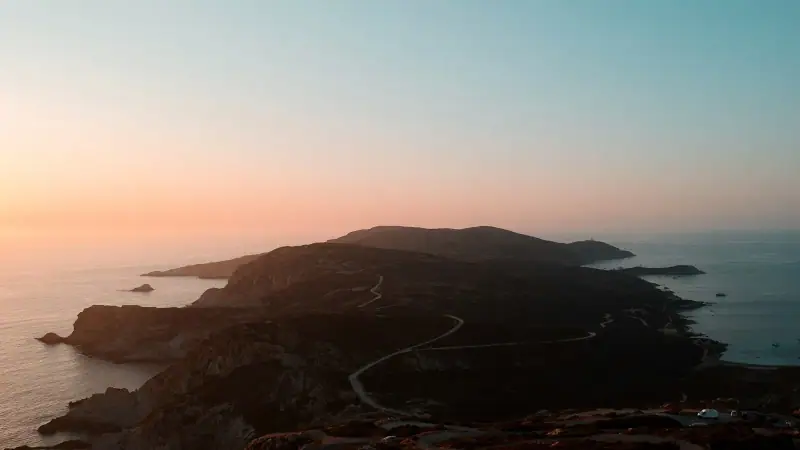
Two kilometers (1.2 mi) west of the center of Calvi, the Revellata peninsula is a wild territory free of construction. Classified as a marine nature reserve, it holds the richest waters of the Balagne coast.
The Revellata lighthouse
The Revellata lighthouse, built between 1838 and 1844 and put into service on December 1, 1844, stands at the end of the peninsula at about 100 meters (330 ft) of altitude. A bumpy track of about 5 km (3 mi) from the roadside leads to it by 4x4 or on foot in 1 h 30. The lighthouse houses a weather station and is not open to the public, but the panorama from the surrounding rocks, with the Bay of Calvi on one side and the wild coast toward Porto on the other, is exceptional.
Scuba diving and snorkeling
The Revellata is considered one of the best dive sites in Corsica. The marine nature reserve has protected the seabed since 1999: red and yellow gorgonians from 15 m (50 ft) depth, groupers, spiny lobsters and gatherings of barracudas are regularly seen. Several dive centers based in Calvi run daily outings to the Revellata for all levels, from beginner to experienced diver.
For snorkeling, the Alga cove, reachable from the coast road 3 km (2 mi) from the center, has translucent water and very dense posidonia meadows, the natural habitat of many Mediterranean species.
The Balagne tram: the classic excursion
The Balagne tram, nicknamed “the beach train”, is one of the most picturesque rail experiences in France. This 21.8 km (13.5 mi) meter-gauge line links Calvi to L’Île-Rousse along the coast with stops on request at all the coves and beaches of coastal Balagne: Algajola, Sant’Ambroggio, Lumio-L’Arinella, Aregno-Plage, Bodri (Corbara).
The full trip takes about 40 to 45 minutes and is an attraction in itself. The train crosses viaducts above the water, runs along deserted beaches inaccessible by car, and offers views of the perched villages of the interior. In summer it is very busy: come early in the morning to get a seat and enjoy the scenery. Service is denser in summer and reduced the rest of the year: check the timetables with the Chemins de Fer de la Corse.
From L’Île-Rousse, you can continue to Bastia on the CFC (Chemins de Fer de la Corse) line by changing at Ponte-Leccia. The whole Calvi-Bastia train journey, passing through Corte, is a majestic crossing of the island’s interior.
Car rental in Calvi
Essential to explore Balagne, its perched villages and the gorges of the interior.
Hiking: the GR20 from Calenzana
Calvi is the natural starting town for hikers about to begin the GR20 from the north. The village of Calenzana, the official start of the trail, is about 13 km (8 mi) from Calvi by the D151. You can reach it by taxi from the town center in under 20 minutes.
Calenzana: north gate of the GR20
Calenzana is a Balagne village of about 1,700 inhabitants, nestled at about 250 meters (820 ft) of altitude in a landscape of maquis and olive trees. This is where the GR20 begins, the long-distance trail ranked among the hardest in Europe with its 179 km (111 mi) and 11,000 meters (36,100 ft) of elevation gain. The first stage, Calenzana-Ortu di u Piobbu, is also one of the most demanding of the route: allow 6 to 8 hours of walking for 1,800 m (5,900 ft) of elevation gain.
For less experienced hikers, the Bonifato forest, reachable from Calenzana by car, offers marked trails in a spectacular mountain cirque with waterfalls and natural pools. A fine alternative to the GR20 for a day of mountain walking.
The perched villages of Balagne
Inland Balagne is full of perched villages among the most beautiful in Corsica: Sant’Antonino (listed among the most beautiful villages of France, about 22 km / 14 mi from Calvi), Pigna (an artisan village known for its luthier and potter workshops), Aregno and Corbara. These villages are best visited by car over half a day from Calvi. The road winds between olive trees, fig orchards and the vine terraces characteristic of Balagne.
Food in Calvi
Calvi offers a good palette of Corsican cuisine in a pleasant setting, between the old harbor terraces and the lanes of the lower town. Here are the specialties to try.
The essentials of the Corsican table
Mountain charcuterie: Coppa, lonzu and prisuttu are the three emblematic cured meats of Corsica. In Calvi, delicatessens and some restaurants offer tasting boards with products from small artisans of the interior. Pair with a glass of red wine from the IGP Île de Beauté or a Corsican muscat as an aperitif.
Brocciu: The fresh sheep or goat whey cheese is the base of many Corsican specialties. In season (roughly November to June), look for fresh brocciu at the market or cheese shop to enjoy with a drizzle of Corsican honey. Off season, you will find brocciu passu (aged), which is stronger.
Fiadone: This cake made of brocciu, lemon zest and eggs is the classic Corsican dessert. Simple, light and fragrant, it is available in every bakery and pastry shop on the island.
Corsican wines: The Balagne vineyard produces wines of character under the Corsican AOC Calvi. Light rosés and lively whites go perfectly with the grilled fish served by the sea.
Where to eat in Calvi
The liveliest restaurants are on the marina quay, facing the sailboats. The lanes of the lower town, between the port and the foot of the citadel, hold quieter addresses. For a typically Corsican meal away from the tourist bustle, the villages of inland Balagne (Belgodère, Speloncato) have small local-cuisine restaurants at prices often lower than by the sea.
In summer, local markets (producers’ markets in Balagne villages in the evening, notably at Sant’Antonino and Pigna) are an opportunity to buy cured meats, cheeses, olive oils and artisan jams directly.
Activities and excursions from Calvi
Diving at the Revellata, hiking in Balagne, an excursion to the Calanques de Piana: book your activities ahead in high season.
Festivals and events in Calvi
Calvi is one of the most culturally active towns in Corsica, with several festivals of national and international renown.
Calvi on the Rocks: An electronic music festival that took over the Bay of Calvi and the citadel ramparts. The 2026 edition was canceled (according to the Calvi-Balagne Intercommunal Tourist Office) and no new date has been announced: check with the tourist office before planning a stay around the event.
Rencontres de Chants Polyphoniques (mid-September): An international festival of vocal and polyphonic music in the citadel. Founded in 1989, it welcomes vocal ensembles from around the world, notably Corsican, Sardinian and Georgian polyphonies. The natural acoustics of the citadel’s lanes are striking.
Jazz in Calvi (late June): Several open-air stages, one facing the sea, host jazz and blues groups. The atmosphere mixes intimate concerts and stage performances in the setting of the old harbor.
Practical information for visiting Calvi
How to get there
By plane: Calvi-Sainte-Catherine airport is about 8 km (5 mi) from the town center. Seasonal scheduled flights operate, with some European connections. Outside May to September, flights are rare and often with connections.
By ferry: Calvi currently has no regular direct ferry link from the mainland (check with the operators). The nearest ports are L’Île-Rousse (~25 km / 16 mi; Corsica Ferries from Nice and Toulon from April to August, Corsica Linea from Marseille all year) and Bastia (~92 km / 57 mi). From L’Île-Rousse, reach Calvi in 30 minutes by road or by the Balagne tram.
By car from Bastia: Two main routes. Via Ponte-Leccia (N193 then RT30): about 145-155 km (90-96 mi), allow ~2 h 15-2 h 30. Via the coast through L’Île-Rousse: about 111 km (69 mi), allow ~1 h 50. The two routes cannot be combined.
Getting around from Calvi
A car is essential to explore Balagne and its inland villages. Rental agencies are well represented at the airport and in the town center. In town, everything is easy on foot: the citadel, the port, the beach and the shops are all reachable in under 15 minutes from any point.
Lodging in Calvi
Calvi has varied lodging, from large seafront hotels to small hotels in the lower town, and guesthouses in inland Balagne. In high season (July-August), prices soar and places are full months ahead. Alternatives in Algajola or L’Île-Rousse (25 km / 16 mi away) give more affordable rates while staying in Balagne. Neighborhoods, budgets and alternatives are detailed in our guide where to stay in Calvi.
Indicative budget
Plan on about €15 to €25 (~$17 to $29) for a bistro lunch (main course + dessert) and €25 to €40 (~$29 to $46) for a terrace dinner at the port in high season. Lodging ranges from €70-100 (~$81-116) a night in low season to €150-250 (~$175-290) in midsummer for a standard room. Visiting the citadel and walking the ramparts are free.
Weather and best time
The Balagne microclimate is one of the mildest in Corsica. Summers are hot and sunny (30-35 °C / 86-95 °F), often cooled by the tramontane blowing from the northeast. Springs and autumns are mild and bright, with especially lush vegetation. Winters are very quiet: most hotels and restaurants close from November to March, and the town returns to a village rhythm.
To compare options between the north and south of the island, see our complete guide to Corsica or our article on 7 days in Corsica. Hikers who want to take on the most mythical trail in the Mediterranean will benefit from our GR20 guide.
Frequently asked questions
How long do you need to visit Calvi?
Two to three days let you enjoy Calvi fully: one day for the citadel and port, one for the beach and the Revellata peninsula, and a third for an excursion in Balagne or to the GR20 start at Calenzana. In a single day you can see the essentials but you will inevitably miss something.
How do you get to Calvi?
Calvi-Sainte-Catherine airport is about 8 km (5 mi) from the center and has scheduled flights, mainly in the summer season. Calvi currently has no regular direct ferry from the mainland (check with the operators). The nearest ports are L'Île-Rousse (Corsica Ferries from Nice and Toulon from April to August, Corsica Linea from Marseille all year) and Bastia.
Is Calvi really worth the detour?
Absolutely. The unique combination of a medieval Genoese citadel above a magnificent bay, a 4.5 km (2.8 mi) fine sand beach and a wild hinterland makes it one of the most complete destinations in Corsica. It attracts those who want history, nature and beach together without having to choose.
What is the best time to visit Calvi?
May-June and September-October are ideal: the sea is warm enough, crowds are much smaller than in midsummer and lodging rates more reasonable. July-August is the high season with the beach atmosphere and festivals, but prices soar and roads are saturated. Off season, Calvi is quiet but authentic.
Can you do the GR20 starting from Calvi?
The GR20 does not start in Calvi itself but in Calenzana, about 13 km (8 mi) away. It is easy to reach Calenzana by taxi or car from Calvi. The village of Calenzana marks the north start of the GR20, the technically hardest section. Plan to spend a night in Calenzana before setting off.
Is there a train or bus from Calvi to L'Île-Rousse?
Yes: the Balagne tram (train des plages) links Calvi to L'Île-Rousse along the coast for about 22 km (14 mi), with stops at all the intermediate coves and beaches. The trip takes about 40 minutes (up to 45-50 min with all the optional stops). It is one of the most picturesque rail journeys in France. In summer, bus shuttles complete the connections.
Was Christopher Columbus really born in Calvi?
It is a deeply rooted local tradition: a ruined house in the citadel carries a plaque reading 'Maison de Christophe Colomb'. Historians in fact agree on a birth in Genoa in 1451. The Calvi legend, with no solid documentary basis, is nonetheless a nice way to tell the historic ties between Calvi and the Republic of Genoa.
More Corsica guides
Keep reading
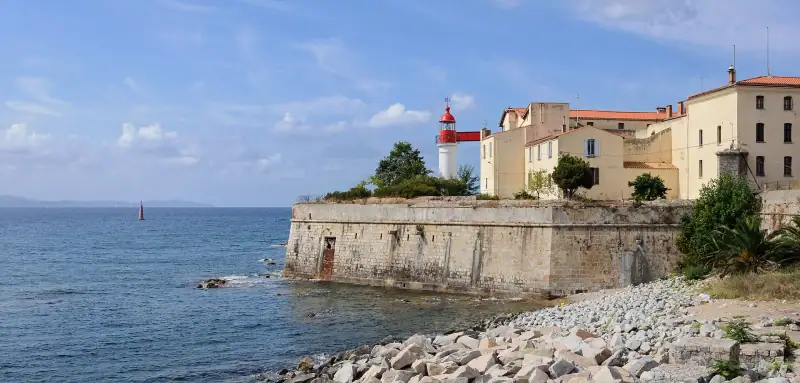
Visiting Ajaccio: a complete guide to the capital of Corsica
Everything to visit Ajaccio: Maison Bonaparte, Fesch Museum, Sanguinaires Islands, old harbor and beaches. A practical guide to Corsica's capital.
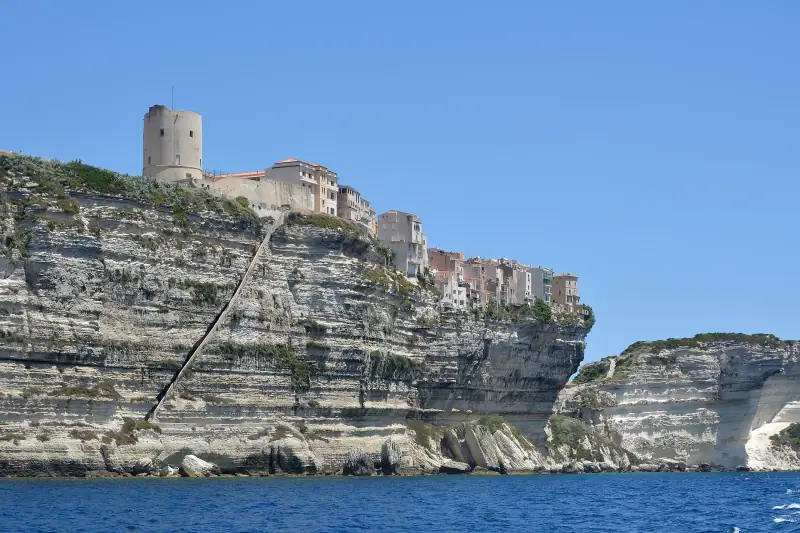
Visiting Bonifacio: a complete guide to the city of the cliffs
Genoese citadel, white cliffs, sea caves and the Lavezzi Islands: a complete guide to visiting Bonifacio, Corsica's most spectacular town.
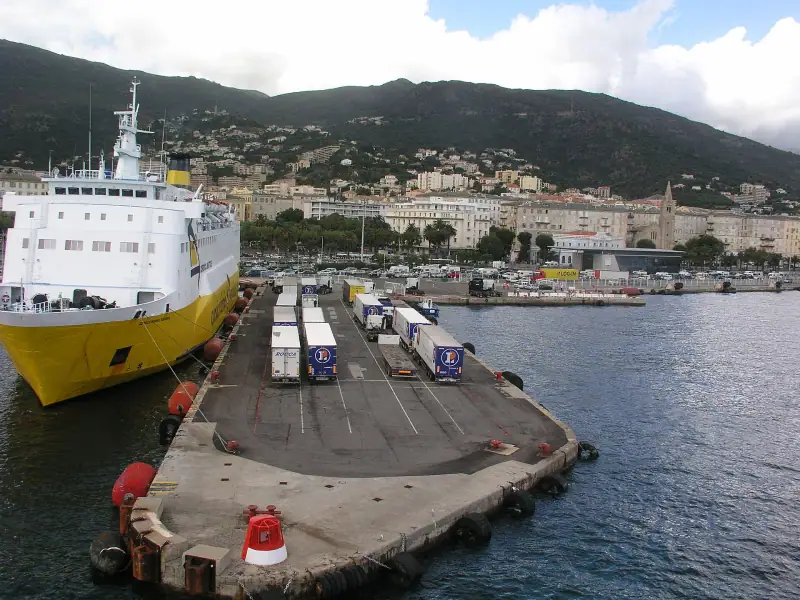
Visiting Bastia: a complete guide to the capital of northern Corsica
Discover Bastia: Old Port, Terra Vecchia, Citadel, Cap Corse, markets and food. A practical guide to visiting Corsica's second city.
Ready-made
Corsica itineraries
5 days
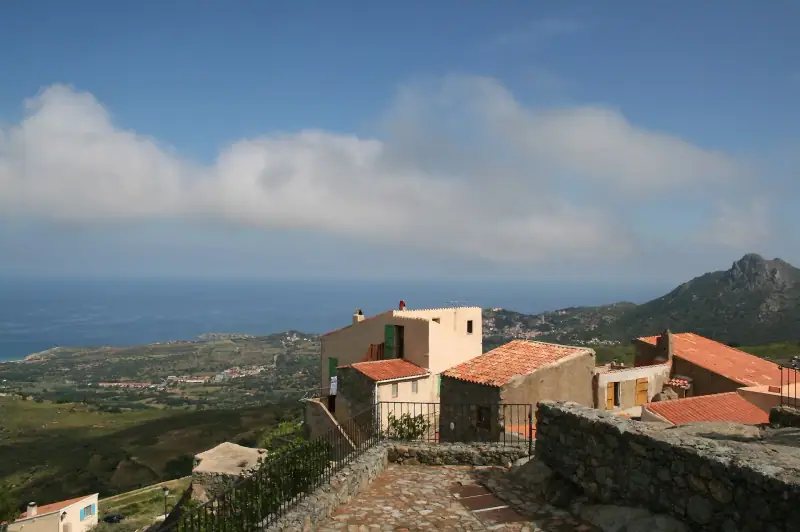
5 days in Balagne: Calvi, L'Île-Rousse and the perched villages
5-day Balagne itinerary: Calvi, L'Île-Rousse, Sant'Antonino, Pigna. Perched villages, beaches, olive oil and the beach train. A complete guide.
10 days
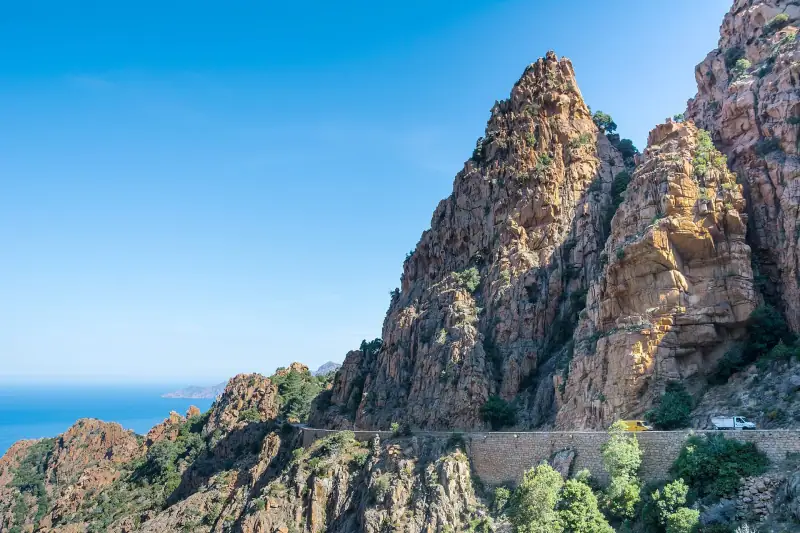
Corsica in 10 days: a complete itinerary around the Island of Beauty
A 10-day Corsica itinerary around the whole island: Bastia, Cap Corse, Balagne, Ajaccio, Bonifacio, Porto-Vecchio and the mountains.
14 days
Corsica road trip: a 10 to 14 day itinerary to see it all
The ultimate Corsica road trip in 10 to 14 days: the best route through the island's beaches, villages, mountains and food.