What to see
Visiting Ajaccio: a complete guide to the capital of Corsica
We may earn a commission when you book through links on this page, at no extra cost to you. We don't visit or try the places we cover: we summarize published sources. How we work
In short
- Two days are ideal: Maison Bonaparte, Fesch Museum, old harbor and market on day one; the Sanguinaires Islands or Porticcio on day two.
- The airport is about 5 km (3 mi) from the center, with a regular bus. Ferries link Ajaccio to Marseille, Nice and Toulon in 8 to 11 hours.
- The best months are May-June and September. Sunset from the Pointe de la Parata, about 12 km (7.5 mi) west, is the classic view.
- Expect €15 to €25 (~$17 to $29) for a bistro meal and €80 to €160 (~$93 to $185) for a decent hotel room in season.
Ajaccio is much more than a transit town. Capital of Corsica and prefecture of Corse-du-Sud, it packs into a few square kilometers an extraordinary history, a Napoleonic heritage unique in the world, a gulf of turquoise water and a cuisine that sums up all the flavors of the island. Founded in 1492 by the Office of Saint George of Genoa on a rocky promontory overlooking the gulf, Ajaccio has come through the centuries while keeping most of its baroque, Mediterranean and resolutely Corsican character.
It is known worldwide as the birthplace of Napoleon Bonaparte, born here on August 15, 1769. But reducing Ajaccio to that label alone would miss a living, commercial and welcoming city, whose busy old harbor, fragrant markets and shaded lanes deserve two good days.
The Maison Bonaparte: Napoleonic history up close
The Maison Bonaparte, on Rue Saint-Charles, is one of the most singular museums in France. This is where Napoleon Bonaparte was born and spent his childhood, in a bourgeois house in the old town that he left at the age of nine to join the military schools of the mainland.
The national museum, run by the Centre des monuments nationaux, occupies the three levels of the family home as it was at the end of the 18th century. You can see apartments recreated with period furniture, portraits of the Bonaparte family (Carlo, Letizia and their eight children), military souvenirs and original documents tracing the meteoric rise of the most famous Corsican in history.
Worth noting: The house was looted by the Paolists in May 1793, forcing the Bonaparte family to flee to the mainland. Requisitioned by the English in 1794-1796 during the occupation of Corsica, it was then restored on the initiative of Joseph Bonaparte in 1796-1797. This troubled history is an integral part of the visit.
Indicative prices: paid visit (ask in season). Closed Monday and some public holidays: check the opening hours before you come.
Guided tours of Ajaccio
Explore the Napoleonic city, the old harbor and the historic district with a passionate guide.
The Fesch Museum: a treasure of Italian painting
The Fesch Museum is one of the most important museums in France outside Paris for its collections of old master painting. It owes its existence to Cardinal Joseph Fesch, Napoleon’s uncle, who built up over his lifetime a prodigious collection of Italian paintings from the 15th to the 19th centuries.
Housed in the Palais Fesch, an imposing 19th-century neoclassical building, the museum today holds more than 1,000 works, a large selection of which is shown on rotation. There are paintings by Botticelli, Titian, Veronese, Bellini and many leading Italian masters, a collection of astonishing richness for a city the size of Ajaccio.
The adjoining Imperial Chapel, where several members of the Bonaparte family rest, is included in the entry ticket and is a moving complement to the visit.
Tip: Allow at least 2 hours to explore the museum calmly. Less crowded than the Maison Bonaparte, it is often the favorite place of visitors who expected it least.
Notre-Dame de l’Assomption Cathedral
A short walk from the Maison Bonaparte, the Cathedral of Notre-Dame de l’Assomption is the parish church where Napoleon Bonaparte was baptized on July 21, 1771, nearly two years after his birth (August 15, 1769). Built between 1583 and 1593 under Genoese rule, it has a sober trompe-l’oeil facade and a richly decorated baroque interior, with several remarkable works including a painting by Delacroix (La Religion en gloire, given by Charles X in 1827).
On the right as you enter, a side chapel holds the statue of Notre-Dame du Sacré-Cœur, patron of Ajaccio, venerated by the inhabitants for centuries. The cathedral is still an active place of worship, and you can attend Mass at the usual times.
The Old Harbor and the fishermen’s district
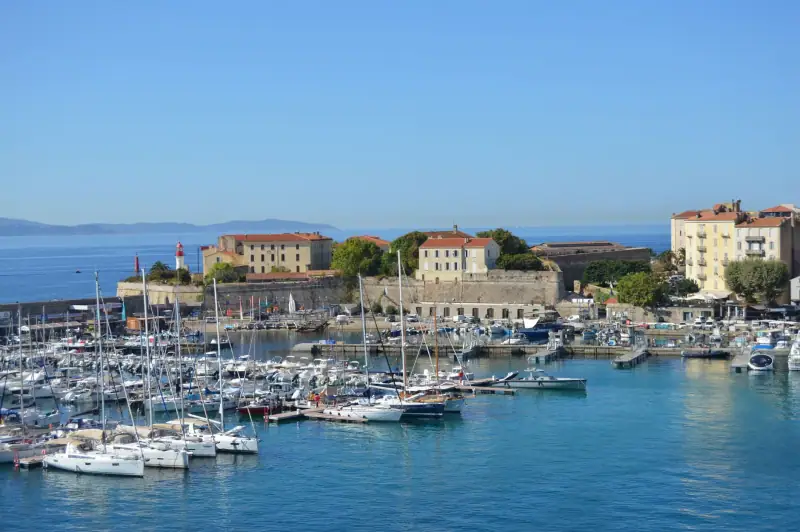
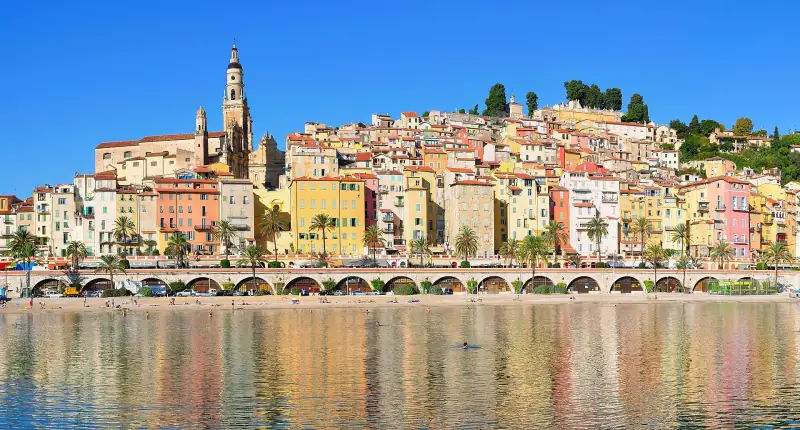
The Old Harbor of Ajaccio is the lungs of the city. The palm-lined quays are busy from morning to night with fishermen, strollers and café terraces. In the morning you can watch the fishing boats unload and buy red mullet, sea bream or spiny lobster directly from the fishermen.
The Cannes district (or fishermen’s district), behind the Old Harbor, is one of the oldest in Ajaccio. Its narrow stepped lanes, low houses with colorful shutters and glazed ceramic madonnas in niches make an authentic setting, preserved from mass tourism. A pleasure to wander, especially early in the morning.
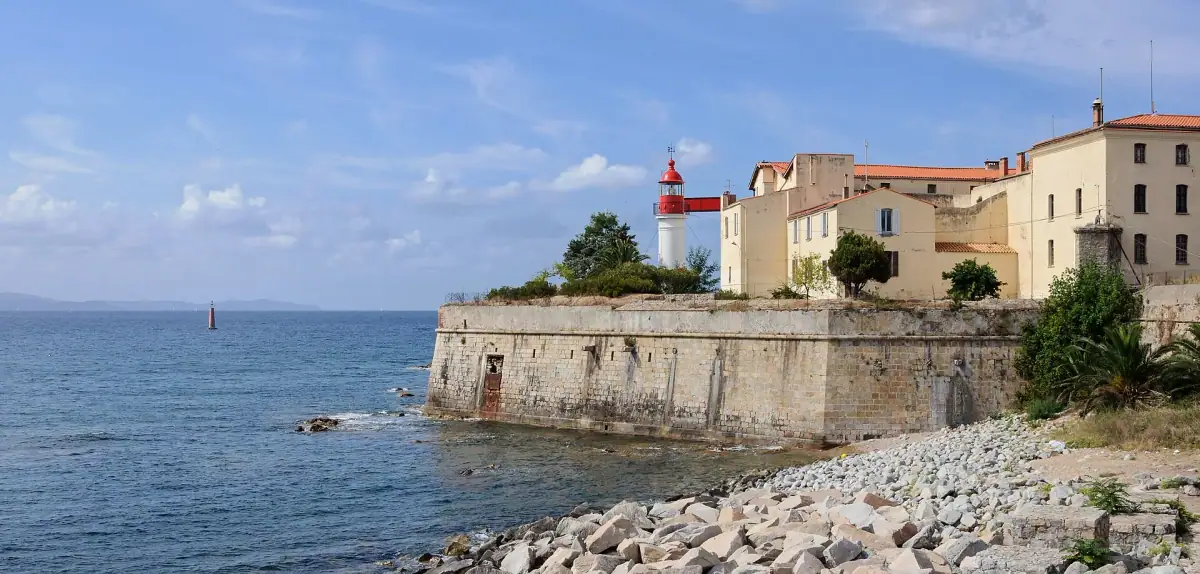
The Citadel dominates the old harbor with its imposing mass. Built by the Genoese in the 16th century on the promontory closing the gulf to the south, and long occupied by the army, it has been partly open to the public since 2021; a redevelopment project is announced for 2026-2030, so ask the tourist office before you come. Its silhouette is part of Ajaccio’s emblematic views.
Hotels in Ajaccio
Stay in the center of the capital to explore everything on foot: harbor, museums, markets and old town.
Ajaccio market: the soul of the city every morning
The covered market of the Old Harbor (Place César Campinchi, in the covered halls) is one of the most colorful and fragrant markets in Corsica. Open every morning (except Monday for some stalls), it gathers artisan cured-meat makers, cheesemongers, market gardeners and fishermen in a din and a smell that sum up the Corsican character.
What you will find there:
- Corsican cured meats: prisuttu (smoked ham), coppa, lonzu, figatellu from artisans of the interior
- Cheeses: fresh brocciu (in season from November to June), aged sheep and goat cheeses from the sheepfolds of the Alta Rocca
- Products of the maquis: chestnut honey, myrtle jams, olive oil from Balagne, Ajaccio AOC wines
- Rockfish: red mullet, sea bream, gilt-head bream, depending on the catch of the gulf’s fishermen
The Place du Marché is also the best spot to enjoy a Corsican coffee while watching local life. Most of what makes Ajaccio charming happens here, between 8 am and 1 pm.
The Sanguinaires Islands: Corsica’s most famous sunset
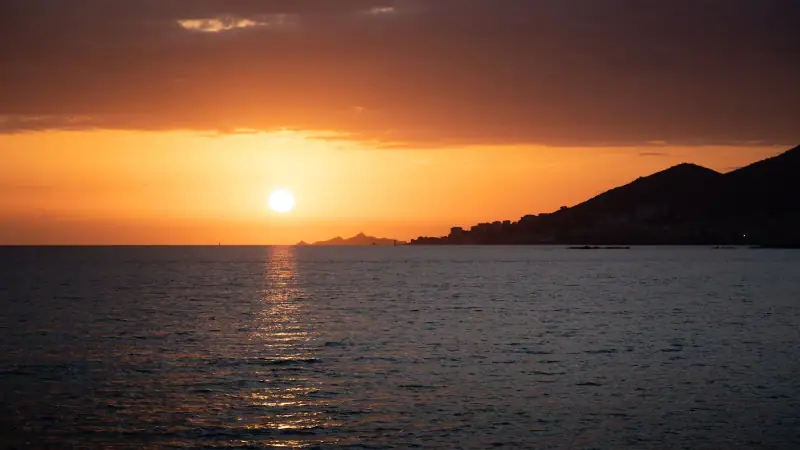
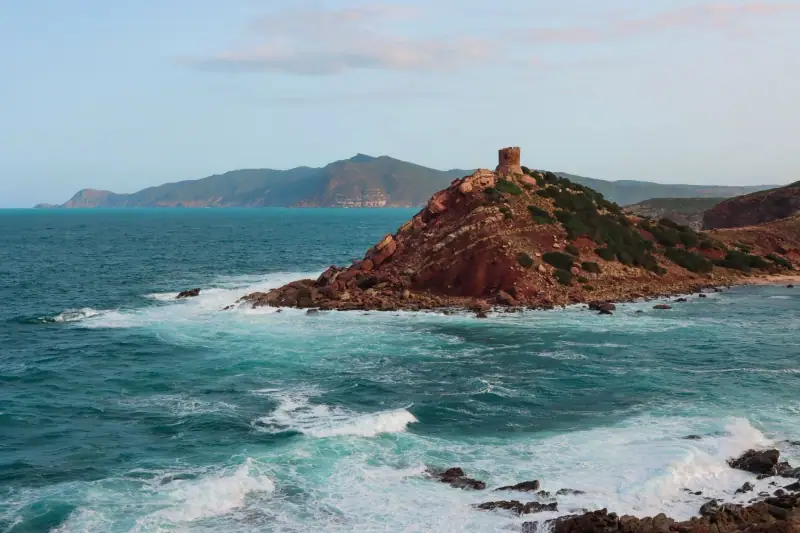
About 12 km (7.5 mi) west of Ajaccio, the Pointe de la Parata and the Sanguinaires Islands archipelago are among the most photographed natural sites on the island. These four islets of dark red porphyry (which gave them their name, sanguine meaning blood-red), covered in maquis vegetation and guarded by a Genoese tower, float on a sea of changing shades.
The site can be reached in two ways:
- By car to the Pointe de la Parata, where a viewpoint lets you admire the archipelago from the shore (parking at the site, free outside the season)
- By boat from the port of Ajaccio in season: shuttles run trips to the Sanguinaires with the chance to swim in the surrounding coves
Tip: Watch the sunset from the Pointe de la Parata. When the golden light lights up the red rocks and the Genoese tower against a violet sea, the spectacle is strikingly beautiful. It is one of the most famous sunsets in the whole Mediterranean.
The Corniche road linking Ajaccio to the Sanguinaires (Route des Sanguinaires, D111) runs along the gulf its whole length and is itself a scenic drive, lined with luxury residences, swimming coves and restaurants with sea views.
The beaches of the Gulf of Ajaccio
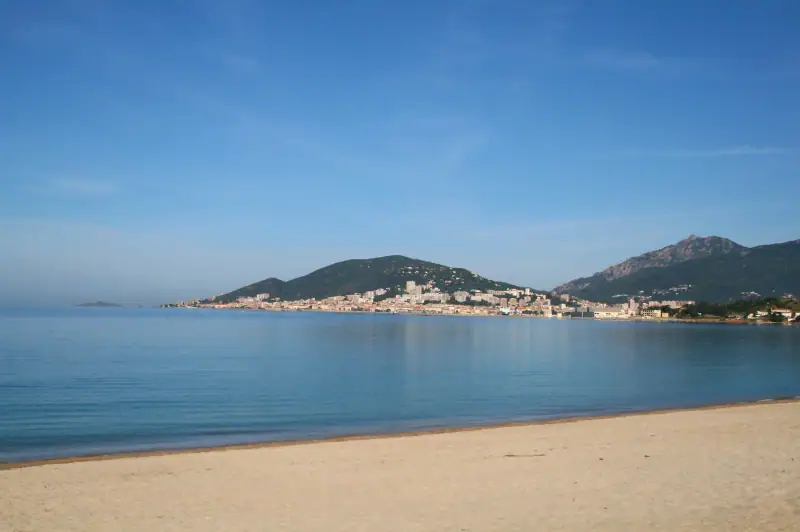
The Gulf of Ajaccio has several beaches that are very accessible from the city, ideal for a swim between two visits.
Marinella beach: The closest to the center (about 3 km / 2 mi), fine sand, clear water, easily reached by bus or bike. Lively in season, with a few beach facilities.
Ricanto beach: About 5 km (3 mi) from the center, toward the airport. Larger and less crowded than Marinella, it has a lovely view of the bay.
Porticcio: The most popular seaside resort of the area, on the south shore of the gulf (about 17-20 km / 11-12 mi by road, 20 minutes by sea shuttle from the port in season). Vast fine sand beaches, many beach establishments and lodging. An ideal excursion for a day of lazing by the water.
Car rental in Ajaccio
Essential to explore the gulf's beaches, the Sanguinaires and Corse-du-Sud.
Food in Ajaccio: what to eat
Ajaccio is a city where you eat very well, with a range of restaurants from authentic harbor bistros to fine-dining tables working with the products of Corse-du-Sud.
Specialties to try
Corsican cured meats: Corsica was the first region of France to obtain PDOs (Protected Designation of Origin, AOP) for its cured meats. Prisuttu (aged smoked ham), coppa (dried pork neck) and lonzu (dried pork loin) are the ones to try. In the Ajaccio markets you will find artisan producers who raise their pigs semi-free in the maquis.
Brocciu: The classic Corsican fresh cheese, made from sheep or goat whey. Available only from November to June (outside the milking season, goat’s milk is used). Try it plain, in fritters (fritelle) or as a dessert with maquis honey.
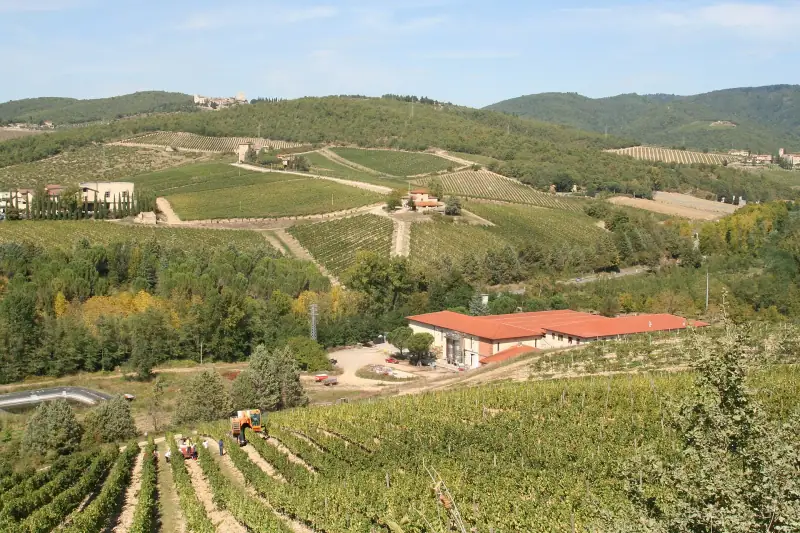
Ajaccio AOC wines: The Ajaccio vineyard, on the granite slopes around the city, produces reds based on Sciaccarello (the flagship grape), with Nielluccio and Barbarossa as complements, as well as Vermentino whites, all classified AOC Ajaccio. The cellars of several estates near the city offer visits and tastings.
Fiadone: The classic Corsican dessert: a light, fragrant brocciu and lemon cake that goes perfectly with a strong Corsican coffee.
Where to eat in Ajaccio
The Old Harbor quays have the greatest density of restaurants. Prefer places set slightly back, frequented by neighborhood regulars, over overly visible addresses with tourist menus. The covered market, besides its stalls, also houses a few quick-bite counters very popular with locals at lunchtime.
For Corsican food as a whole, see our guide to Corsican food with all the island’s specialties.
Excursions from Ajaccio
Ajaccio is an ideal base for exploring Corse-du-Sud and beyond.
Calanques de Piana: About 70 km (43 mi) north by the coast road (D81 via Cargèse), the Calanques de Piana are a UNESCO World Heritage site. These intensely red granite rock formations plunge sheer into a deep blue sea. The road through them is one of the most beautiful in the Mediterranean. Allow about 1 h 30 of driving from Ajaccio.
Prunelli gorges: About thirty kilometers (19 mi) to the east, the Prunelli gorges and the artificial Lake Tolla offer a wild natural setting very easy to reach from the capital. Scenic road and swimming possible in the lake.
Bonifacio: The town perched on its white cliffs in the south of the island is about 130 km (81 mi) from Ajaccio (by the D859 via Propriano). Allow about 2 hours of driving. Ideal for a full-day excursion combined with a stop in Porto-Vecchio (about 130 km / 81 mi from Ajaccio).
Aïtone forest: About 70-75 km (43-47 mi) north (via Évisa), this laricio pine forest is one of the most beautiful in Corsica. In summer, the natural pools of the Porto valley allow swimming in exceptionally cool and clear water.
Events in Ajaccio
Fête Napoléonienne (mid-August, around August 15): The largest Napoleonic gathering in Europe. Several days of festivities, parades in period costume, historical reenactments, fireworks and concerts liven up the city center to commemorate the Emperor’s birth.
Saint George’s Festival (April): A traditional patron saint festival with a procession and entertainment in the Cannes district.
Jazz in Aiacciu and other summer festivals liven up Ajaccio throughout the season, showing a rich cultural scene for a city of this size.
Ajaccio: transport hub for Corse-du-Sud
Ajaccio is the main transport crossroads of Corse-du-Sud.
Plane: Napoleon Bonaparte airport (AJA) is about 5 km (3 mi) from the city center. Scheduled flights operate, more frequent in season. A regular bus links the airport and the center.
Ferry: The port of Ajaccio has regular connections to Marseille, Nice and Toulon with Corsica Linea, La Méridionale and Corsica Ferries (depending on the line and season). Crossings last between 8 and 11 hours depending on the departure and operator.
Train: Ajaccio station is the terminus of the Corsican railway (CFC) line that climbs to Corte (about 2 h) then Bastia (about 3 h 45). A spectacular journey through the mountains and gorges of the Corsican interior, worth doing for the pleasure of it.
Bus: Intercity lines serve Bonifacio, Porto-Vecchio, Sartène, Propriano and other towns of Corse-du-Sud from the Ajaccio bus station.
Car: Essential to explore the gulf’s secluded beaches and the villages of the Alta Rocca. Rental agencies are at the airport, the port and in the city center.
Practical tips for visiting Ajaccio
Recommended stay: 2 nights minimum to enjoy the museums, the market and an excursion to the Sanguinaires or the beaches. 3 nights if you want to head toward the Calanques or Bonifacio.
Weather: Ajaccio enjoys one of the sunniest climates in France, with more than 2,700 hours of sunshine a year. Summers are hot and dry (28-32 °C / 82-90 °F), winters mild (8-14 °C / 46-57 °F). The sea is swimmable from June to October.
Language: Although French is the everyday language, you can still hear Corsican in the markets and among older Ajaccians. A few words of Corsican (bon’sera, grazie, porcuspinu!) are always welcome.
Budget: Ajaccio is a capital city, and prices are slightly higher than in Haute-Corse but lower than in the resorts of Porto-Vecchio or Bonifacio. Plan on €15-25 (~$17-29) for a bistro meal and €80-160 (~$93-185) for a room in season in a decent hotel. To choose your neighborhood, see our guide where to stay in Ajaccio.
Getting around: In the historic center, everything is done on foot. For the beaches and excursions, a car is essential. City buses serve the main districts and the nearby beaches (Route des Sanguinaires).
To plan your full stay on the island, see our complete guide to Corsica, our article on Corse-du-Sud vs Haute-Corse or our Corsica road trip.
Frequently asked questions
How long do you need to visit Ajaccio?
Two days are ideal to discover the essentials: Maison Bonaparte, the Fesch Museum, the old harbor, the market and the historic district on the first day; an excursion to the Sanguinaires Islands or Porticcio on the second. One day is enough for a quick tour of the Napoleonic sites.
How do you get to Ajaccio?
Napoleon Bonaparte airport is about 5 km (3 mi) from the city center, with scheduled flights that are more frequent in season. The port of Ajaccio is linked by ferry to Marseille, Nice and Toulon, with crossings of 8 to 11 hours depending on the operator (Corsica Linea, La Méridionale, Corsica Ferries depending on the line and season).
Is Ajaccio worth the detour?
Absolutely. Capital of Corsica and birthplace of Napoleon Bonaparte, Ajaccio combines exceptional historic heritage, a Mediterranean atmosphere, beaches within reach and a strikingly beautiful gulf. It is also the most convenient gateway to Corse-du-Sud.
When is the best time to visit Ajaccio?
May-June and September are the best periods: maximum sunshine, swimmable sea, moderate crowds. In July-August the city is very lively and the beaches packed. In winter, Ajaccio remains pleasant for museums and strolls in the historic district, with mild temperatures for the season.
Where do you park in Ajaccio?
Parking in the center of Ajaccio is difficult in season. Several paid car parks are available, notably near the port. In summer it is advisable to park in outlying districts (Pietralba, Campo dell'Oro) and reach the center on foot or by bus.
Can you visit the Sanguinaires Islands from Ajaccio in half a day?
Yes, several operators run boat shuttles from the port of Ajaccio to the Sanguinaires archipelago (in the summer season). The crossing takes about twenty minutes. You can also drive to the Pointe de la Parata (about 12 km / 7.5 mi) and admire the archipelago from the shore, especially at sunset.
More Corsica guides
Keep reading
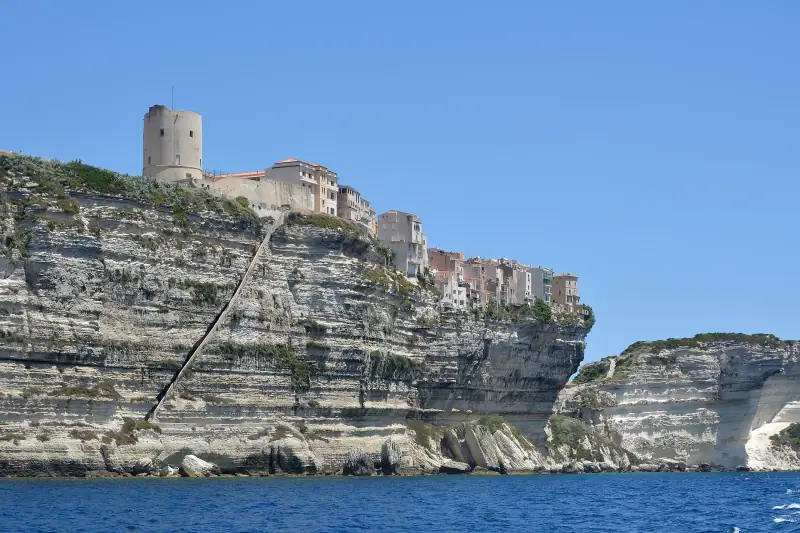
Visiting Bonifacio: a complete guide to the city of the cliffs
Genoese citadel, white cliffs, sea caves and the Lavezzi Islands: a complete guide to visiting Bonifacio, Corsica's most spectacular town.
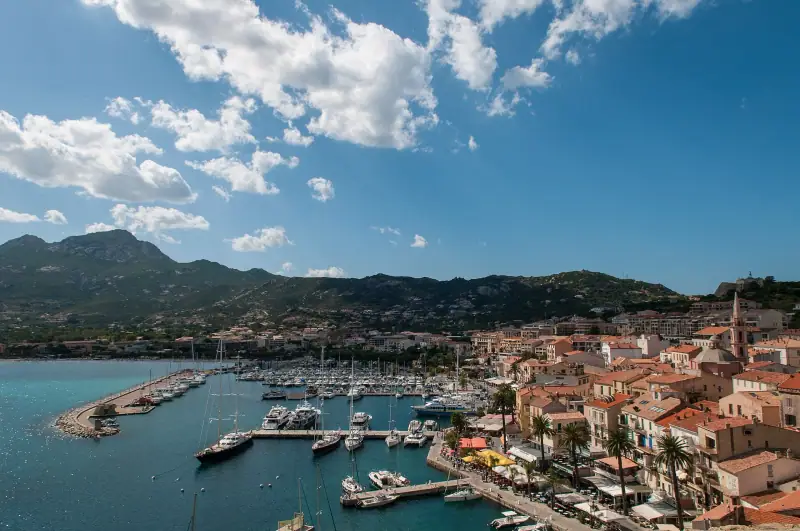
Visiting Calvi: a complete guide to the pearl of Balagne
Visit Calvi: Genoese citadel, 4.5 km beach, Revellata, the beach train and the GR20. A complete practical guide for staying in Calvi, Corsica.
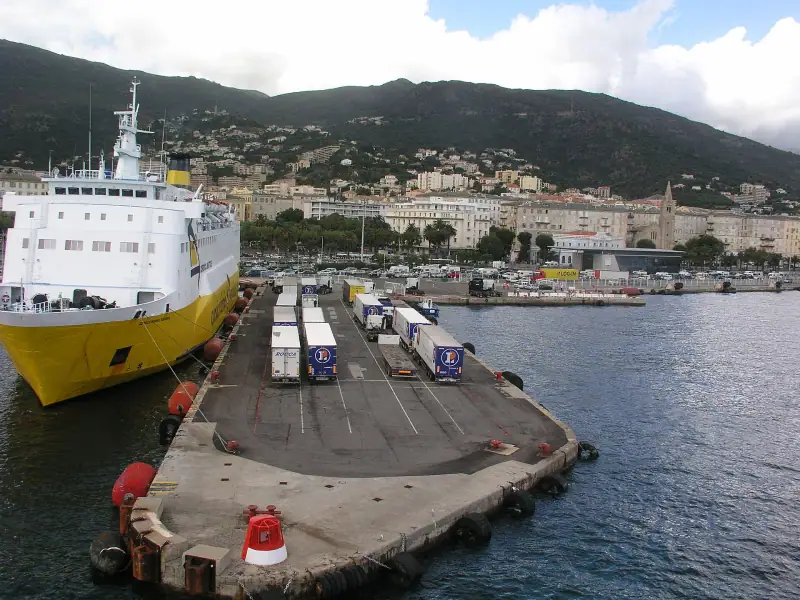
Visiting Bastia: a complete guide to the capital of northern Corsica
Discover Bastia: Old Port, Terra Vecchia, Citadel, Cap Corse, markets and food. A practical guide to visiting Corsica's second city.
Ready-made
Corsica itineraries
5 days
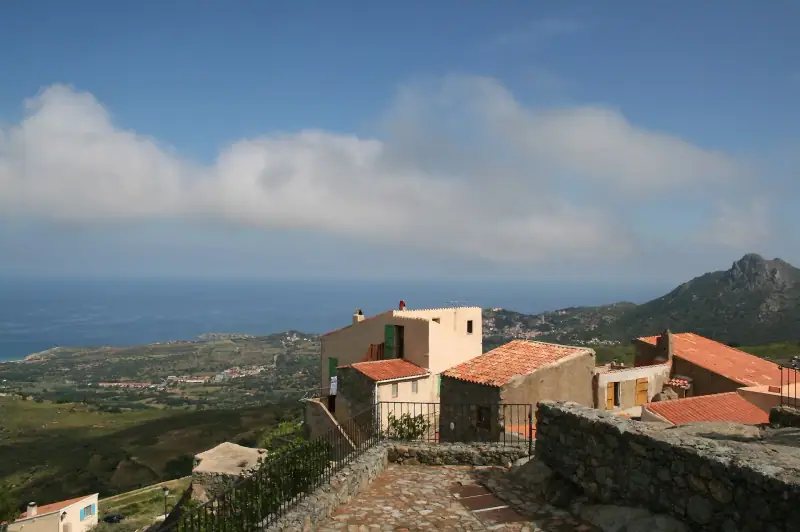
5 days in Balagne: Calvi, L'Île-Rousse and the perched villages
5-day Balagne itinerary: Calvi, L'Île-Rousse, Sant'Antonino, Pigna. Perched villages, beaches, olive oil and the beach train. A complete guide.
10 days
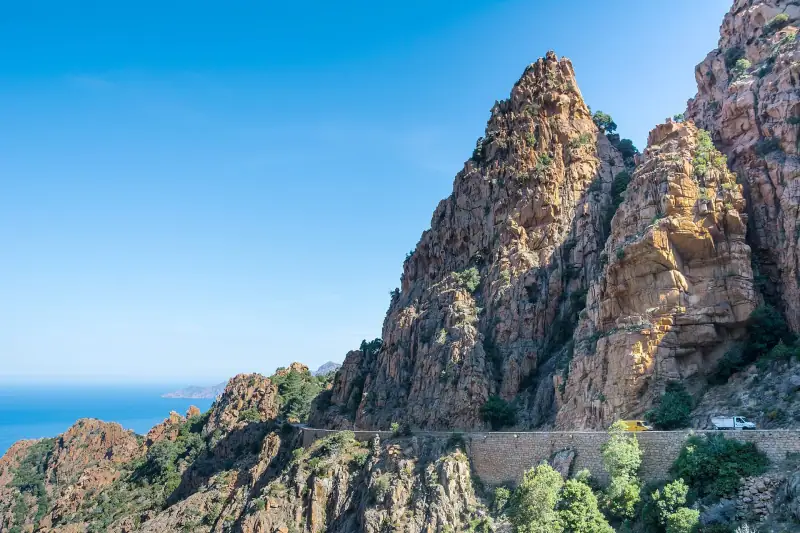
Corsica in 10 days: a complete itinerary around the Island of Beauty
A 10-day Corsica itinerary around the whole island: Bastia, Cap Corse, Balagne, Ajaccio, Bonifacio, Porto-Vecchio and the mountains.
14 days
Corsica road trip: a 10 to 14 day itinerary to see it all
The ultimate Corsica road trip in 10 to 14 days: the best route through the island's beaches, villages, mountains and food.