What to see
Visiting Bastia: a complete guide to the capital of northern Corsica
We may earn a commission when you book through links on this page, at no extra cost to you. We don't visit or try the places we cover: we summarize published sources. How we work
In short
- One full day covers the Old Port, Terra Vecchia, the Citadel and Place Saint-Nicolas; allow two days to add Terra Nova and a Cap Corse excursion.
- Bastia-Poretta airport is 20 km (12 mi) away. The port has ferries from Marseille, Nice and Toulon, and from Livorno, Savona and Genoa.
- The full Cap Corse loop by car is about 120 km (75 mi) and doable in a day if you leave around 8 am.
- Expect €15 to €25 (~$17 to $29) for a bistro meal and €80 to €150 (~$93 to $175) for a decent room in summer.
Bastia is the second city of Corsica, but the first in the eyes of many travelers who arrive there by sea or air. The economic and cultural capital of Haute-Corse, it holds 50,000 inhabitants in a maze of steep lanes, shaded little squares and faded-color facades that give the city a deeply Mediterranean character. Founded by the Genoese in the 14th century, Bastia has kept most of its historic soul while remaining a living city anchored in its present.
Many summer visitors rush through it to reach the beaches of the north or south. This is a mistake this guide will help you avoid.
Terra Vecchia: the historic heart of Bastia
The Old Port
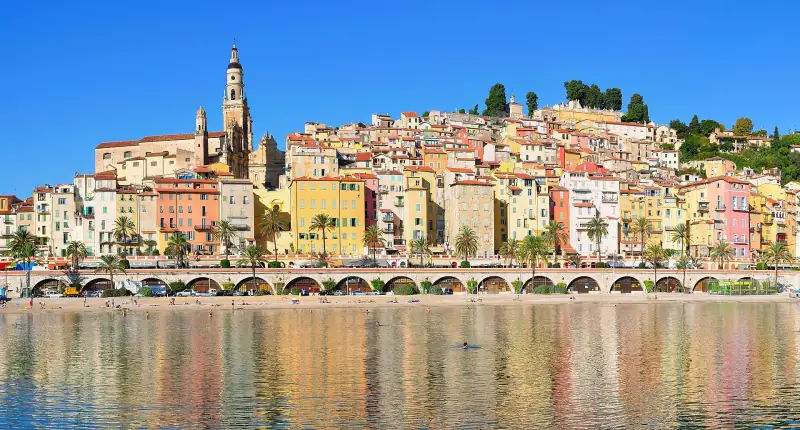
Bastia’s Old Port is the emblematic image of the city. This narrow basin ringed by tall houses in ocher, pink and yellow is one of the most photogenic marinas in the Mediterranean. From the morning, fishermen sell their catch on the quay, and café terraces come alive around a strong espresso.
The north and south quays of the port are lined with restaurants and bars. The buzz peaks in the evening, when the terraces fill and the lights reflect in the calm water of the basin. This is where Bastia’s social heart beats, and an hour sitting here is enough to understand why locals are so attached to it.
What to see at the Old Port:
- The Dragon jetty (at the harbor entrance) for an overview of the facades
- The quai des Martyrs market on Sunday morning (fruit, vegetables, local crafts)
- The atmosphere of the bars at aperitif time (6-8 pm in summer)
The Oratory of the Immaculate Conception
Tucked into a lane of Terra Vecchia, the Oratory of the Immaculate Conception is one of Bastia’s baroque jewels. Built in the 17th century, its interior is a profusion of crimson velvet, gilding, Venetian chandeliers and Flemish paintings. The sacristy holds a copy of Murillo’s Immaculate Virgin and a magnificent collection of sacred silverwork.
Free entry. Open during the day, hours vary.
Saint-Jean-Baptiste Church
Dominating the Old Port with its double baroque facade, Saint-Jean-Baptiste Church is the largest church in Corsica. Built in the 17th-18th centuries, it holds several canvases by Italian masters and a highly expressive 15th-century polychrome Pietà. At night, lit up, it makes one of the most striking views of the Old Port.
Guided tours of Bastia
Discover the secrets of Terra Vecchia and the Citadel with a local guide.
Terra Nova: the Genoese Citadel
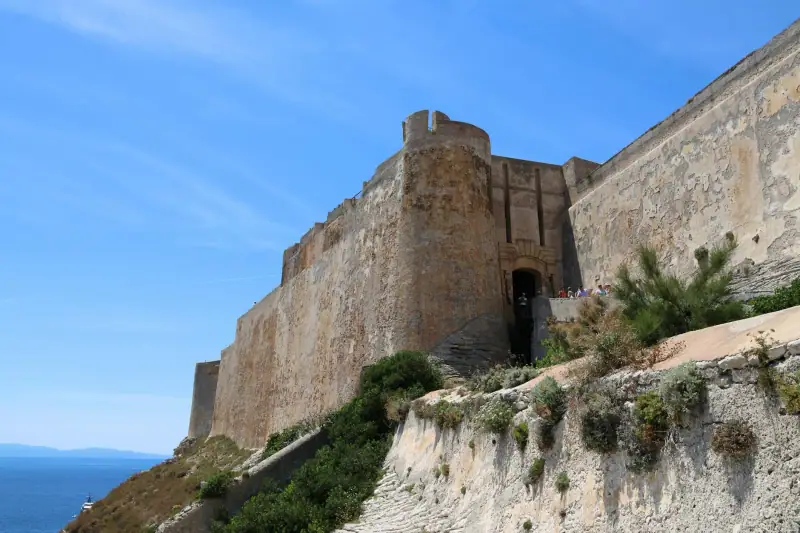
The Terra Nova district, perched on a rocky spur above the Old Port, is the heart of Genoese Bastia. You climb up by a staircase from the harbor quay or by the Montée Saint-Charles, a lovely paved lane lined with hanging gardens.
The Palace of the Genoese Governors
The imposing Governors’ Palace is the architectural symbol of Bastia. Built in the 15th-16th centuries by the Genoese lords, it now houses the Bastia Museum, which traces the history of the city and Haute-Corse. The keep gives a 360° view over the rooftops of the Citadel, the Old Port and the sea.
Museum price: €5 adult / €2.50 reduced (~$6 / ~$3). Closed Monday (and Sunday from October to April); check opening hours before you climb.
The lanes of Terra Nova
The residential district around the palace is a pleasure to wander. The narrow lanes, sometimes covered with flowering bougainvillea, often end on terraces with unexpected views of the sea. The baroque fountains, madonna niches and Genoese facades give Terra Nova an atmosphere no postcard faithfully reproduces.
Highlight: Linger at the viewpoint at the end of the Citadel, facing the sea, one of the best views in Bastia over the Old Port below and the mountains of Haute-Corse on the horizon.
Place Saint-Nicolas
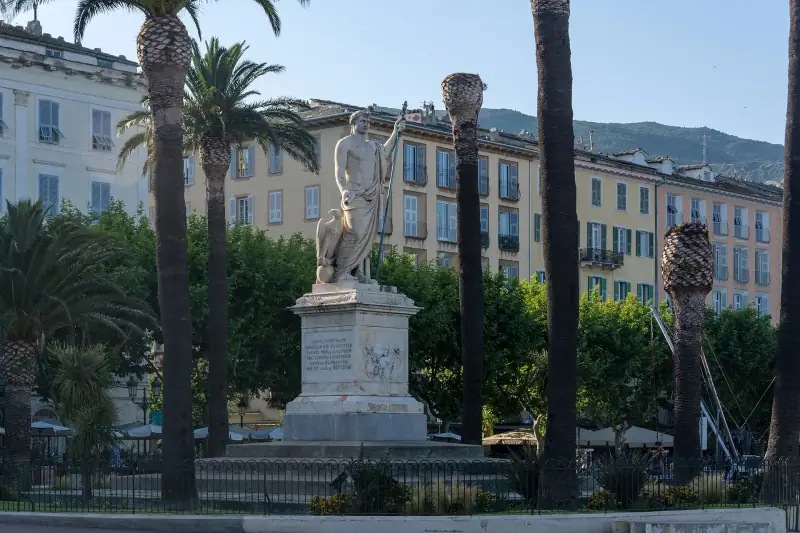
300 meters (985 ft) long, Place Saint-Nicolas is one of the largest squares in France. Shaded by huge plane trees and palms, lined with cafés and brasseries on the sea side, it is the open-air living room of Bastia’s people. Pétanque players take one end, families the other, and the terraces in the middle welcome everyone between the two.
At the center, a statue of Napoleon dressed as a Roman Caesar stands under the trees, a rather astonishing depiction that never fails to surprise visitors.
The Sunday morning market (8 am-1 pm) on Place Saint-Nicolas is one of the most authentic on the island. Flea market, Corsican craft products, maquis herbs and cheeses from local producers mix in a cheerful atmosphere.
Bastia’s markets
Markets are an institution in Bastia. Two daily markets deserve your attention:
Place de l’Hôtel de Ville market (Old Port market)
- Every morning except Monday, from 7 am
- Fresh products: fruit, vegetables, fish caught that morning, cheeses (brocciu, niolo)
- Cured meats: coppa, lonzu, figatellu from mountain artisans
- The most authentic atmosphere: vendors speaking Corsican among themselves, traders established for three generations
Covered market (behind Place de l’Hôtel de Ville)
- Covered halls for bad weather
- Quality butchers, fishmongers and cheesemongers
- Ideal for putting together a picnic before heading up to Cap Corse
Hotels in Bastia
Stay in the center of the city to enjoy the markets and the Old Port on foot.
Food in Bastia: what to eat
Bastia is a city where you eat remarkably well, thanks to a culinary culture rooted in Corsican local products and the Italian influences that have crossed the centuries.
Corsican specialties to discover
Roasted figatellu: The smoked and dried pork liver sausage is the emblematic cured meat of inland Corsica. In Bastia, the market butchers sell artisan versions to grill over embers.
Fresh brocciu: The classic Corsican fresh cheese, made from sheep or goat whey. Enjoy it plain, in fritters (fritelle), or as a dessert with fig jam.
Aziminu: Corsican bouillabaisse, a fish soup enriched with saffron and Mediterranean vegetables, is a specialty of the Old Port restaurants.
Niolu charcuterie: Lonzu, coppa, prisuttu: Bastia’s restaurants showcase the cured meats of artisans from the hinterland. The tasting boards are often generous and come with a glass of Cap Corse muscat.
Recommended restaurants in Bastia
- The Old Port quays: atmosphere guaranteed, quality variable. Prefer places frequented by locals, with discreet entrances
- The Terra Vecchia district: several quality addresses in the lanes around the Oratory
- The Place du Marché: simple, honest tables for a lunch of fresh products
To go further into Corsican food, see our guide to Corsican food with all the island’s specialties.
Excursion from Bastia: the Cap Corse tour
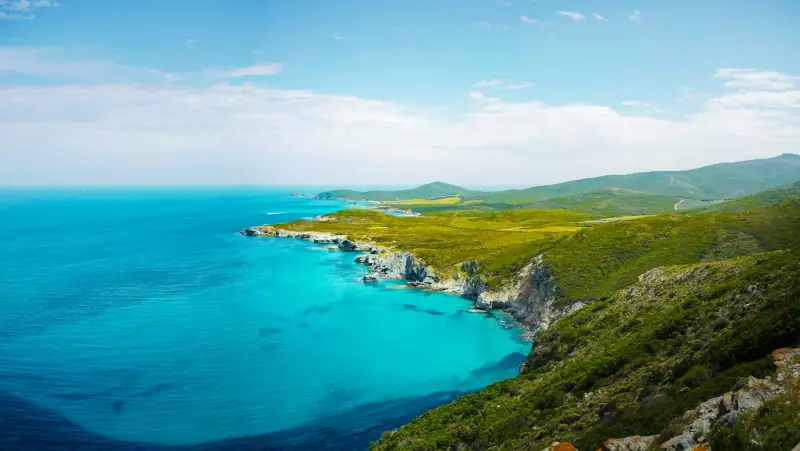
Bastia is the ideal gateway to explore Cap Corse, the peninsula 40 km (25 mi) long that points like a finger toward Tuscany. It is one of the most spectacular roads in the Mediterranean.
One-day itinerary from Bastia
8 am: East coast (D80 road)
Going up the east coast of the Cape from Bastia, the road runs along small, preserved fishing ports: Erbalunga (10 min from Bastia), with its Genoese tower in the sea, then Sisco, San Martino di Lota and fishing villages clinging to the rock.
11 am: Macinaggio A small marina at the tip of the cape, starting point for hikes to the Finocchiarola Islands (a nature reserve with Audouin’s gulls) and the northern Genoese marinas.
1 pm: Lunch at Centuri On the west coast, Centuri is considered the prettiest port of Cap Corse, a tiny basin ringed by houses of green serpentinite, a stone exclusive to this corner of the island. The lobsters of Centuri are famous throughout Corsica.
4 pm: Nonza The village of Nonza is one of the most striking images of the Cape: a dizzying rocky spur overlooking a black pebble beach (residue from a former asbestos mine at Canari, 1948-1965) and an emerald-tinted sea. The Genoese tower at the top gives an extraordinary panoramic view.
6 pm: Back to Bastia via Saint-Florent The road descends to the Saint-Florent plain before rejoining Bastia through the interior (D81).
Car rental in Bastia
Essential to explore Cap Corse and the villages of the interior.
Hikes and activities around Bastia
The customs officers’ path
The Cap Corse customs officers’ path (19 km / 12 mi between Macinaggio and Centuri, about 8 h) is one of the most beautiful coastal hikes in the Mediterranean. It runs along the cliffs and the Finocchiarola Islands (a nature reserve). Accessible to all levels, the trail gives striking views of the turquoise sea and the wild landscape of the Cape.
For hikers who want to explore further, the Mare a Mare Nord (130 km / 81 mi, 10 days) crosses the Corsican interior from Moriani to Cargèse, while the Mare e Monti Nord (122 km / 76 mi) links Calenzana to Cargèse along the summits. These two great classics offer an immersion in the Corsican mountains away from the coastal paths.
The Biguglia Lagoon Nature Reserve
5 km (3 mi) south of Bastia, the Biguglia Lagoon is the largest lagoon in Corsica, 1,450 hectares (3,580 acres) classified as a nature reserve. It is an exceptional site for birdwatching: more than 200 species of migratory birds have been recorded there. Marked trails let you follow the lagoon by bike or on foot.
Beaches north of Bastia
The coast north of Bastia up to Cap Corse has several small-pebble and fine-sand beaches that are little visited even in summer:
- Arinella beach (15 min on foot from the center): the beach most accessible from the city
- Toga beach: calm, popular with Bastia families
- Marine de San Martino: an isolated cove 20 min by car, crystal-clear water
Events and festivals in Bastia
Festivoce (July): A festival of Corsican music and polyphony held at Pigna, in Balagne (near L’Île-Rousse, west of Bastia). The polyphonic songs, listed as UNESCO intangible heritage, resound in the National Center for Musical Creation and around this picturesque little village for four days. A day trip from Bastia.
Saint John’s Festival (June 24): A big popular festival in the historic districts with bonfires, music and traditional dances.
Arte Mare (September-October): A Mediterranean film festival founded in 1982. It is one of the largest film events in Corsica, attracting directors and film lovers from Europe and the Mediterranean rim.
Bastia: transport hub for Haute-Corse
Bastia is the transport hub of Haute-Corse. If you arrive by ferry or plane, here are the available connections:
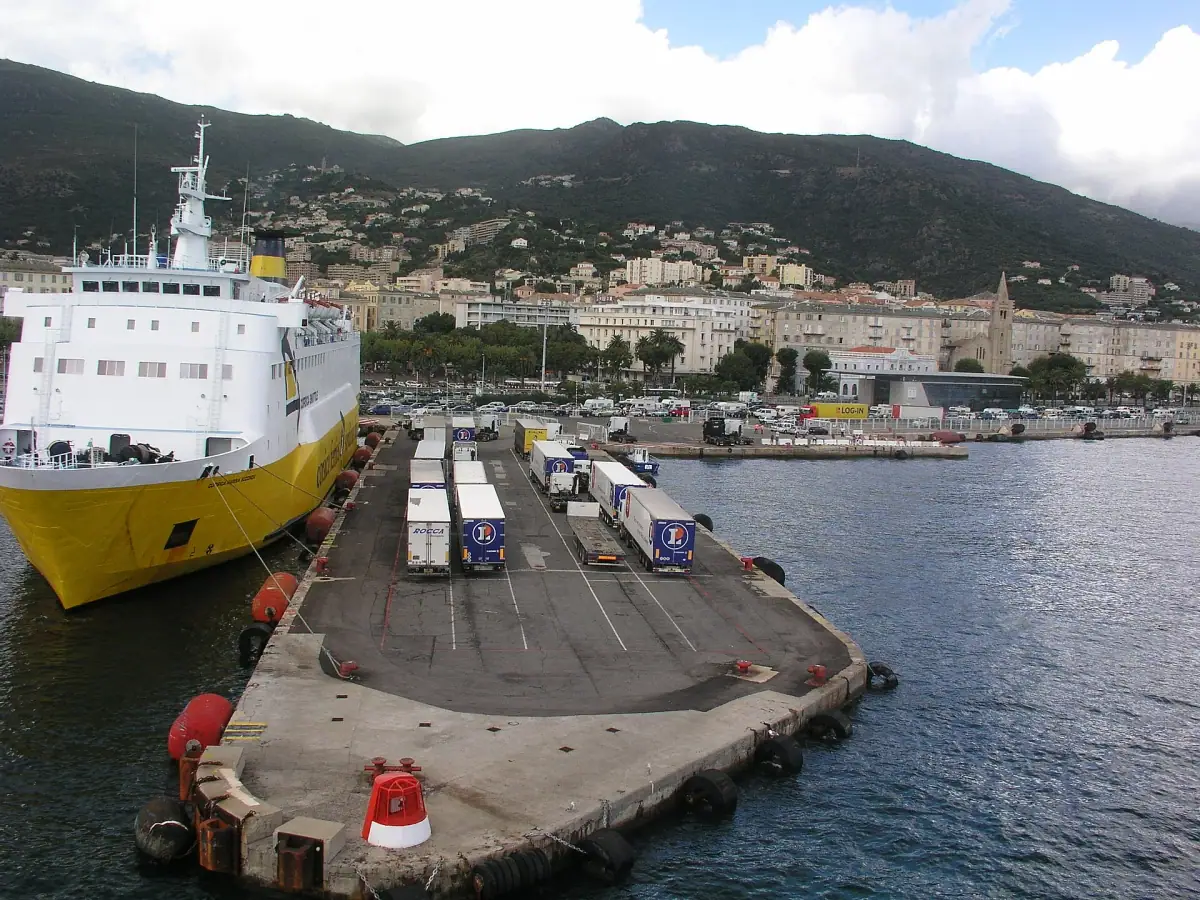
Ferries: The port of Bastia is one of the busiest in the Mediterranean. Regular lines from Marseille (Corsica Linea, about 12 h), Nice (Corsica Ferries, about 6 h 30 to 13 h) and Toulon (Corsica Ferries, in season, about 9 h to 13 h), and from Italy: Livorno (about 4 h), Savona and Genoa (about 6 h). Corsica Linea, Corsica Ferries and Moby Lines serve these routes; schedules vary with the season and the vessel, so check them before booking.
Train: The CFC (Chemins de Fer de la Corse) offers services from Bastia to Ajaccio (3 h) via Corte, and to L’Île-Rousse and Calvi via Ponte-Leccia. A journey in its own right through spectacular mountain landscapes.
Bus: Coach services run to the main towns: Porto-Vecchio, Calvi, Corte. Slower than a car but economical.
Car: Essential to explore Cap Corse and the villages of the interior. Rental agencies are well represented at the airport and the port.
Practical tips for visiting Bastia
Recommended stay: Ideally 2 nights, to visit the city at leisure on the first day and head to Cap Corse on the second.
Weather: Bastia has a slightly milder microclimate than Ajaccio in winter. In summer, the tramontane (north wind) can blow hard and cool the evenings.
Language: The people of Bastia are often the last everyday speakers of Corsican. Hearing someone order a coffee in Corsican in an Old Port bar is still common.
Budget: Restaurant and hotel prices are slightly lower than in Porto-Vecchio or Bonifacio. Plan on €15-25 (~$17-29) for a bistro meal and €80-150 (~$93-175) for a decent room in summer. To choose your neighborhood, see our guide where to stay in Bastia.
To plan the rest of your stay in Corsica, see our complete guide to Corsica or our 7-day Corsica itinerary.
Frequently asked questions
How long do you need to visit Bastia?
One full day is enough for the essentials: the Old Port, Terra Vecchia, the Citadel and Place Saint-Nicolas. Allow two days if you want to explore the Terra Nova district in detail and make an excursion to Cap Corse from the city.
Is Bastia worth the detour?
Absolutely. Bastia is often seen as a transit town, but that is a mistake. Its picturesque Old Port, historic lanes and lively markets make it an authentic city, very different from the beach resorts. The people of Bastia are proud of it, and rightly so.
How do you get to Bastia?
Bastia has an airport (Poretta, 20 km / 12 mi away) with scheduled flights. The port of Bastia is also served by regular ferries from Marseille (Corsica Linea), Nice and Toulon (Corsica Ferries, with Toulon served in season) and from Italy (Livorno and Savona with Corsica Ferries, Livorno and Genoa with Moby Lines in season).
Where do you park in Bastia?
Parking in the center is difficult in summer. The underground car parks at Place de Gaulle and Place Saint-Nicolas are the most convenient. From the port you can leave the car and walk to the center in 10 minutes.
Can you visit Cap Corse from Bastia in one day?
Yes, the full loop of Cap Corse by car from Bastia can be done in a day (about 120 km / 75 mi). Leave early (8 am), go up the west coast via Nonza and Saint-Florent, and come back down the east coast. Plan stops at Centuri, Pino and Tollare.
When is the best time to visit Bastia?
May-June and September-October are the best periods: mild weather, smaller crowds than in midsummer and lively markets. In July-August the city is more touristy but the Old Port terraces have an incomparable festive atmosphere.
More Corsica guides
Keep reading
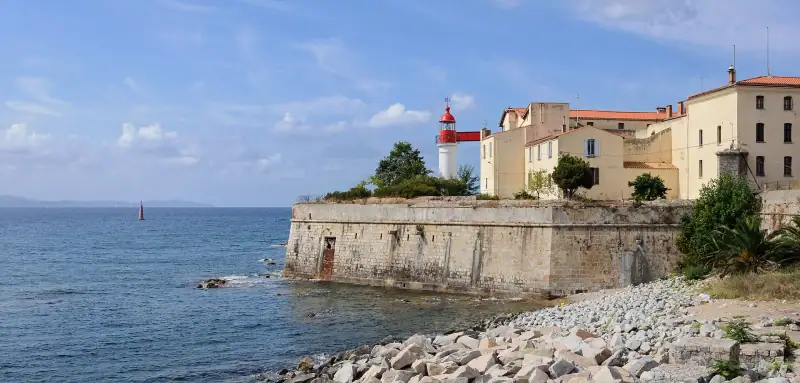
Visiting Ajaccio: a complete guide to the capital of Corsica
Everything to visit Ajaccio: Maison Bonaparte, Fesch Museum, Sanguinaires Islands, old harbor and beaches. A practical guide to Corsica's capital.
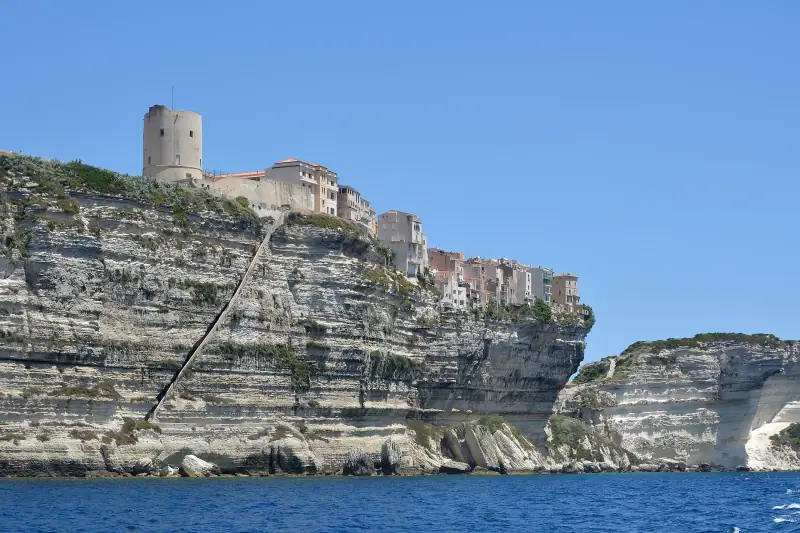
Visiting Bonifacio: a complete guide to the city of the cliffs
Genoese citadel, white cliffs, sea caves and the Lavezzi Islands: a complete guide to visiting Bonifacio, Corsica's most spectacular town.
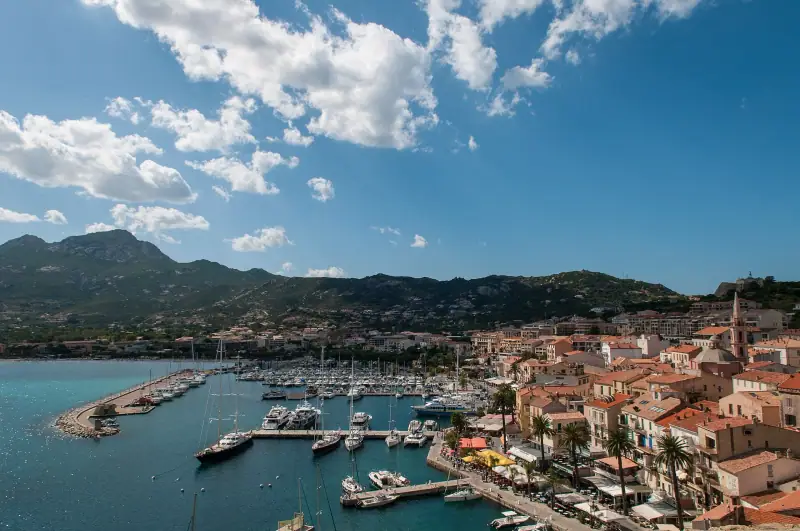
Visiting Calvi: a complete guide to the pearl of Balagne
Visit Calvi: Genoese citadel, 4.5 km beach, Revellata, the beach train and the GR20. A complete practical guide for staying in Calvi, Corsica.
Ready-made
Corsica itineraries
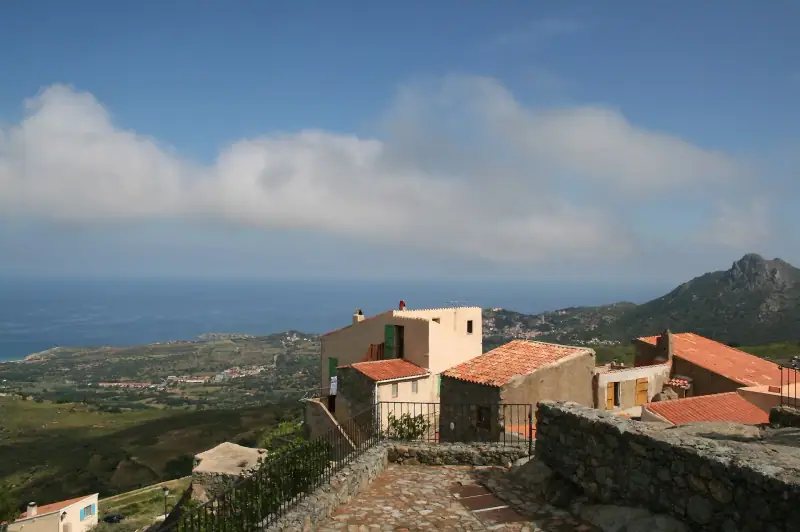
5 days
5 days in Balagne: Calvi, L'Île-Rousse and the perched villages
5-day Balagne itinerary: Calvi, L'Île-Rousse, Sant'Antonino, Pigna. Perched villages, beaches, olive oil and the beach train. A complete guide.
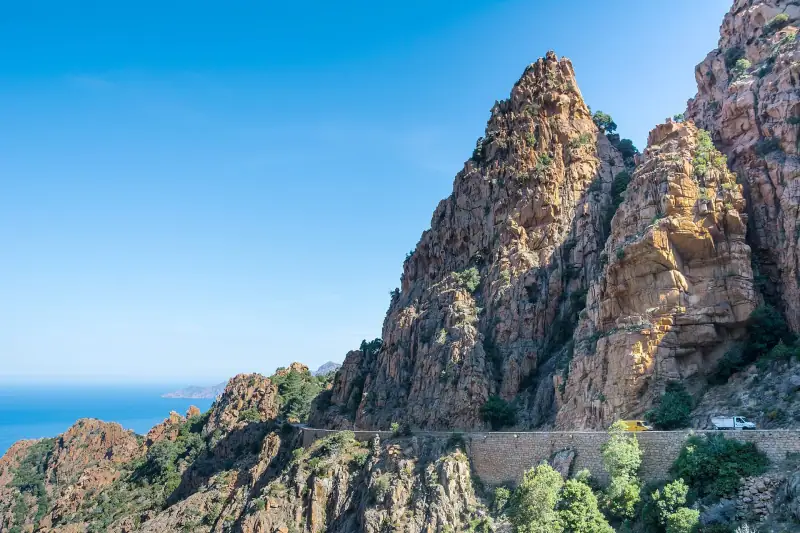
10 days
Corsica in 10 days: a complete itinerary around the Island of Beauty
A 10-day Corsica itinerary around the whole island: Bastia, Cap Corse, Balagne, Ajaccio, Bonifacio, Porto-Vecchio and the mountains.
14 days
Corsica road trip: a 10 to 14 day itinerary to see it all
The ultimate Corsica road trip in 10 to 14 days: the best route through the island's beaches, villages, mountains and food.