Where to stay
Where to Stay in Paleokastritsa and on the West Coast of Corfu
We may earn a commission when you book through links on this page, at no extra cost to you. We don't visit or try the places we cover: we summarize published sources. How we work
In short
- Paleokastritsa is the most picturesque base for coves and boat trips, about an hour by road from Corfu Town in summer traffic.
- Agios Gordios has a long sandy beach about half an hour from Corfu Town; Pelekas is a hillside village for sunsets; Sidari is the lively resort of the northwest.
- The season runs roughly from May to October; June and September offer the best balance of sea, roads and prices.
- For a week, try three nights in Corfu Town, then four on the west coast.
The west coast of Corfu is the postcard coast: cliffs covered in olive and cypress trees, deep blue water, coves reachable on foot or by boat, sunsets over the Ionian Sea. It is also the most varied coast, because each area has its own temperament. Paleokastritsa is the showcase, Agios Gordios unrolls a long beach, Pelekas perches its village on the heights and Sidari attracts fans of lively resorts. This guide helps you choose where to stay, with the advantages, limits and pitfalls of each base. To compare the whole island, start with the guide on where to stay in Corfu.
Paleokastritsa: the most spectacular bay
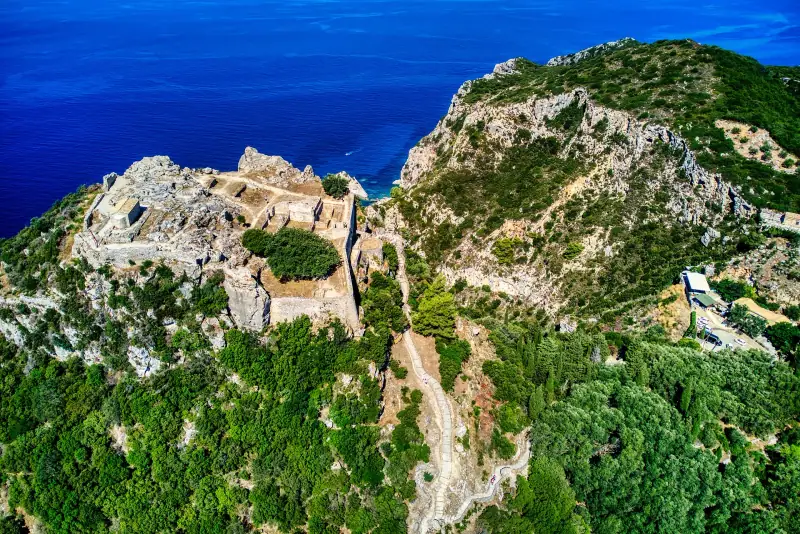
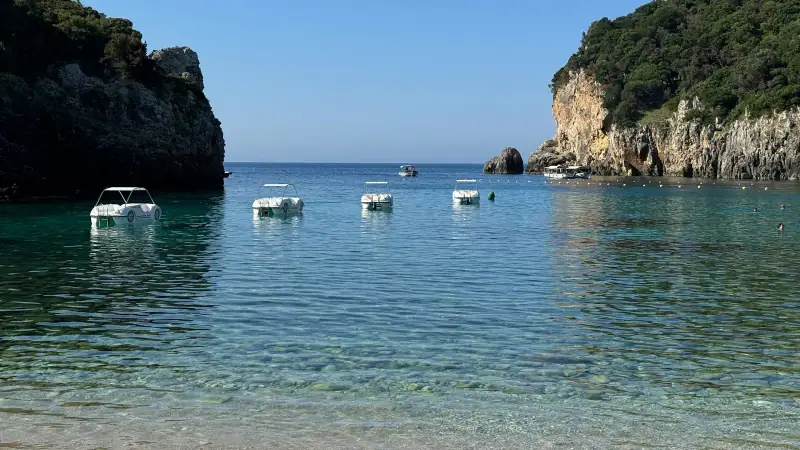
Paleokastritsa spreads around several small bays separated by wooded headlands. It lies on the northwest coast, about an hour by road from Corfu Town once you count summer traffic. The setting is the big draw: clear water, pines, cliffs and a monastery perched on a spur. The Byzantine castle of Angelokastro overlooks the area from the nearby heights and gives a very wide view of the coast.
Sleeping here means waking up a few minutes from the water. Many lodgings are small: family-run hotels, studios and apartments on the slopes, often with a view of the bay. The village itself is compact, with its cafés, tavernas, and boat and kayak rental operators. For details on what to visit, see the article Paleokastritsa: what to do.
Best for: couples, nature lovers, fans of snorkeling and boat trips Atmosphere: picturesque, lively by day, calmer in the evening Good to know: the access road is winding and parking gets complicated in high season. Lodgings on the heights have the best views but involve slopes to climb on foot, which matters if you travel with a stroller or have mobility difficulties.
Waterside or on the heights?
Lodgings near the beach are practical: you go down in flip-flops and come back up for a nap. They are also more exposed to summer bustle and boat noise. On the heights, you gain calm, often a larger balcony and a panoramic view, but you depend more on the car or on sometimes steep walks. Look carefully at the map and traveler reviews before you book, especially for the real distance to the beach.
Hotels in Paleokastritsa
Compare the hotels and apartments of the bay, with sea-view and free-cancellation filters.
Liapades, Lakones and the villages above the bay
If Paleokastritsa feels too touristy, turn to the neighboring villages. Liapades, very close, has a more residential atmosphere and small beaches reached by paths. Lakones, perched higher, is known for its winding road and its panoramic balcony over the coast, often called the “Bella Vista”. Lodgings there are fewer and simpler, but you gain in calm and views.
These villages suit those with a car who appreciate silence and do not mind heading back down to the sea in a few minutes. Nights are cool and starry, and the atmosphere is far more authentic. In return, the choice of restaurants and shops is more limited: plan to do some grocery shopping and to dine in the bay now and then.
Best for: travelers with a car, lovers of calm, long stays Atmosphere: village, rural, very quiet Good to know: secondary roads are narrow; drive carefully, especially at night.
Agios Gordios: the big sandy beach
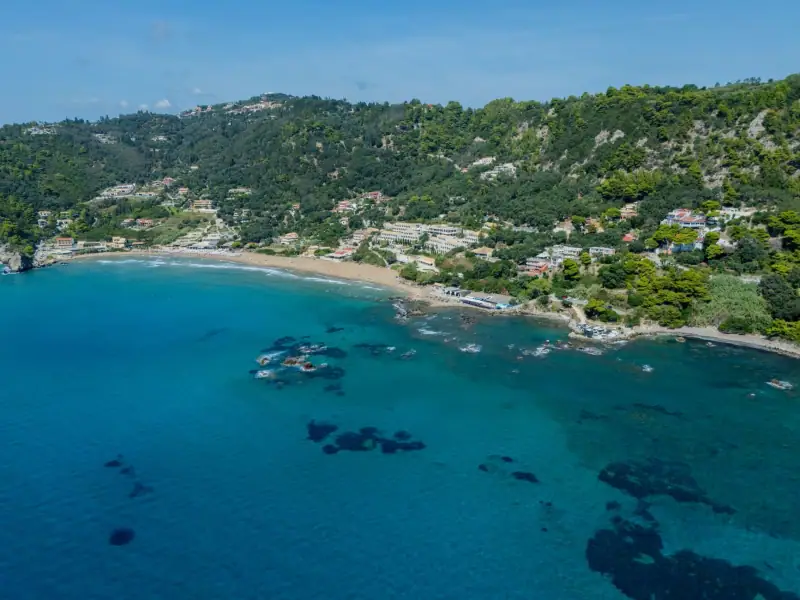
Farther south, Agios Gordios occupies an open bay framed by hills. Its sandy beach, one of the longest in the area, is lined with tavernas, small hotels and studios. The atmosphere is relaxed and fairly family-oriented, with a rock overlooking the end of the bay that serves as a landmark. Sunsets over the sea are superb.
The resort is about half an hour by road from Corfu Town, which makes it a good option if you want a beach without being too far from cultural visits. Lodgings range from a simple studio to a hotel with a pool. It is generally more affordable than Paleokastritsa in high season, with an offer more geared to beach stays than postcard views.
Best for: families, groups of friends, fans of a big beach Atmosphere: beach resort, relaxed, no great luxury Good to know: the sea can be rougher than in the sheltered bays of the east when the wind picks up; check the flags and the weather before swimming. Outside the season, a good share of the shops close.
Pelekas and Glyfada: village and beach
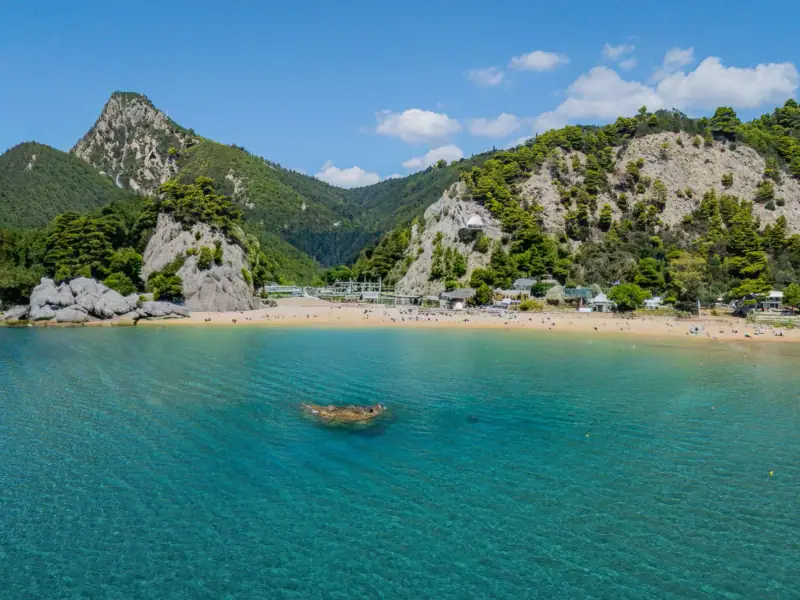
Pelekas is a village perched inland, a few kilometers from the coast, known for its “Kaiser’s Throne” viewpoint, where people come to admire the sunset. The village is lively, with its tavernas, shops and small lodgings. It is a short distance from Pelekas beach, reachable by car or by a path depending on your fitness.
Glyfada, below, is a big, popular sandy beach, with services and larger hotels. The two complement each other: you sleep in the village for the atmosphere and the view, then go down to the beach by day. This combination suits those who want a mix of local life and sea without going through a big resort.
Best for: couples, young travelers, sunset fans Atmosphere: village and festive at the same time Good to know: a car or a two-wheeler is very useful; check the noise level if your lodging is near a bar.
Sidari and the northwest
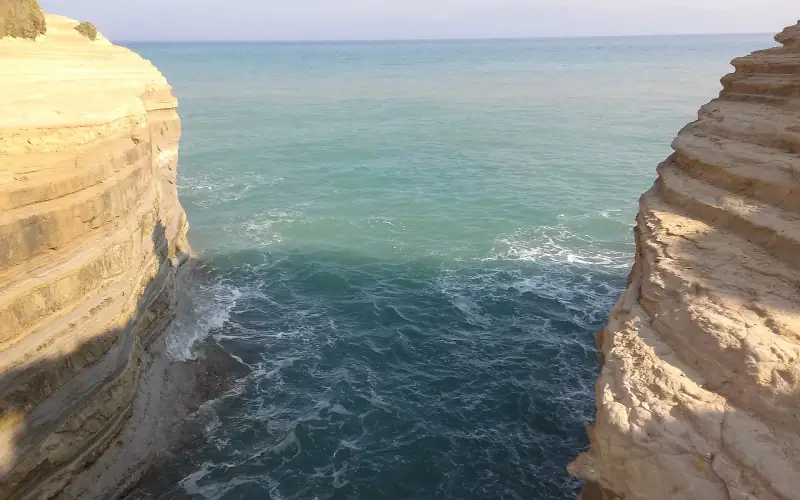
Sidari is the historic beach resort of the northwest. It is known for its sandstone formations sculpted by the sea, including the famous “Canal d’Amour”, and for its beaches lined with hotels and restaurants. The activity there is stronger than on the rest of the west coast, with more bars, shops and services.
There is a wide choice of lodgings, from studios to complexes with a pool, which makes it a good bet for tight budgets and groups. The flip side is a less wild setting and denser crowds in summer. Sidari also serves as a starting point toward the north of the island, up to Kassiopi and Mount Pantokrator.
Best for: families, groups, travelers who want activity Atmosphere: touristy, lively, very holiday-oriented Good to know: if you want calm, choose a lodging a little set back from the main street.
Hotels in Agios Gordios
Sandy beach, studios and hotels with a pool: compare the offers in the southwest.
Getting around from the west coast
The main pitfall of the west coast is logistics. The roads are beautiful but winding, distances in kilometers are deceptive and travel times are measured in minutes of bends. To reach Corfu Town from Paleokastritsa, allow about three quarters of an hour to an hour depending on traffic. Between two resorts on the coast, it quickly takes twenty to forty minutes.
If you plan to see several areas, a car is by far the most flexible solution. The guide on renting a car in Corfu covers the points to watch: excess, narrow roads, parking, fuel. Without a car, buses link the coast to town, but with limited schedules; they remain useful for a single base and a few outings, less so for a packed program.
Parking is something to check when you book. In Paleokastritsa in particular, space is tight in high season: a lodging with private parking saves time and avoids awkward maneuvers on narrow roads.
When to stay on the west coast
The season broadly runs from May to October. July and August are the hottest, most expensive and most crowded. June and September offer a very good balance: pleasant sea, lighter traffic, falling rates. At the start of the season and in late fall, some businesses have not yet opened or have already closed. The guide on when to go to Corfu details these nuances month by month.
Off-season, the west coast is more exposed to wind and rain, and the sea no longer invites swimming. For a winter or early-spring stay, Corfu Town remains a better choice, because it lives all year round.
Budget and booking tips
Prices vary mainly by season, distance to the sea and type of lodging. Studios and small apartments remain the cheapest option, especially for groups. Hotels with a pool and sea view need a bigger budget, particularly in Paleokastritsa in midsummer. For an overview of spending, see the budget for Corfu.
A few tips for booking with peace of mind:
- Book early for July and August, especially seafront lodgings or those with a view.
- Choose free cancellation when possible, to stay flexible.
- Check the air conditioning, almost essential in summer, and whether it is included or paid extra.
- Check access: steps, slope, walking distance to the beach, parking.
- Read recent reviews and filter for the period of your stay, because the condition of properties can vary.
- Look at the map rather than the name of the resort: some lodgings advertised “in Paleokastritsa” are several kilometers from the bay.
Excursions around Paleokastritsa
Boat trips, guided visits and activities to book in advance.
Which base to choose for your profile?
| Your priority | Recommended base |
|---|---|
| Coves, boats, scenery | Paleokastritsa |
| Calm and authenticity | Liapades, Lakones |
| Big sandy beach, family | Agios Gordios, Glyfada |
| Village and sunsets | Pelekas |
| Activity and varied budgets | Sidari |
A very effective formula for a week is to split your stay: three nights in Corfu Town for the cultural part, then four nights on the west coast for the sea and the scenery. This limits moves while varying the experience. If you only have a few days, choose a single base and make day trips from it. For outing ideas, the article on the most beautiful beaches in Corfu will help you spread the coves according to your starting point.
In short
The west coast of Corfu is not just one resort. Paleokastritsa charms with its scenery, Agios Gordios with its beach, Pelekas with its village and sunsets, Sidari with its activity. The right choice depends on how you get around, the season and the kind of stay you imagine: swimming and lazing, or discovering the island. Whichever base you pick, take time to check access, orientation and seasonal opening, then book with flexible cancellation. You will then have all the cards in hand to enjoy the most beautiful side of the island.
Frequently asked questions
Where should you stay on the west coast of Corfu?
Paleokastritsa is the most picturesque base for coves and boat trips. Agios Gordios suits those who want a big sandy beach and a relaxed atmosphere, Pelekas those who like a village and sunsets, and Sidari those looking for a lively resort in the northwest.
Do you need a car if you stay in Paleokastritsa?
It is not essential to enjoy the bay, which you explore on foot or by boat. To explore the rest of the island, though, a car is still very useful: buses exist but their frequencies are limited, especially outside the season.
Is the west coast suitable for families?
Yes, depending on the spot. Big, gently sloping sandy beaches, like Agios Gordios or Sidari, are practical with children. The Paleokastritsa coves are superb but rockier and often busy with boats.
Can you stay in Paleokastritsa in October or April?
It is possible, but the choice shrinks: some of the west coast's hotels, shops and restaurants close outside the season, roughly May to October. Check that your property is open before you book.
Where should you stay to see sunsets?
The west coast faces the Ionian Sea: any west-facing lodging, such as those in Pelekas, Agios Gordios or some heights of Paleokastritsa, gets sunsets. Check the orientation of your balcony in the photos and on the map.
How many nights should you plan on the west coast?
Three to four nights are enough to enjoy Paleokastritsa, its coves and a visit to the castle of Angelokastro. With a week on the island, you can combine them with two or three nights in Corfu Town.
More Corfu guides
Keep reading
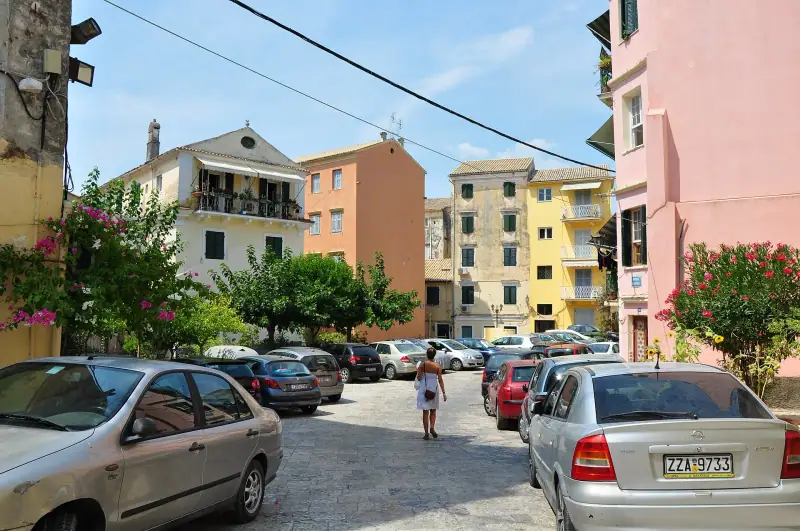
Corfu Town or Benitses: Where to Stay in Corfu Without a Rental Car?
No car in Corfu, where to sleep? Corfu Town, Benitses or Paleokastritsa: buses, airport, walkable beaches and budget compared to choose your base.
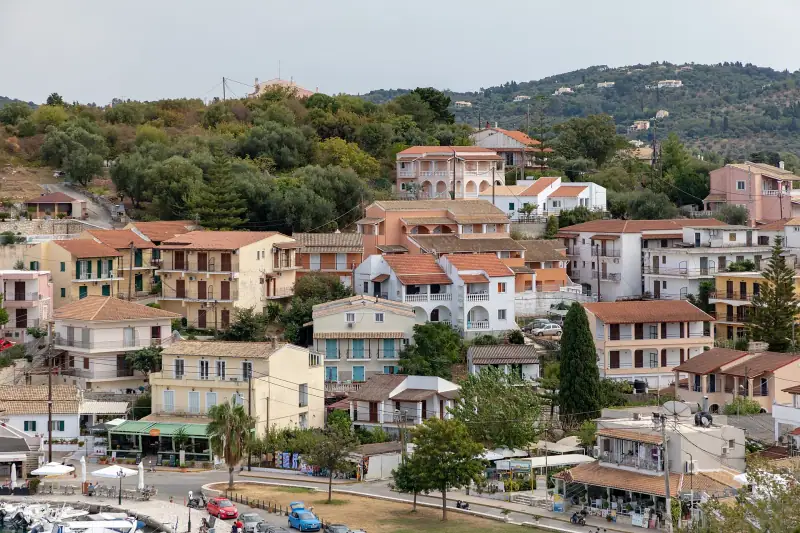
Where to Stay in Kassiopi and Northeast Corfu
Kassiopi, Kalami, Barbati, Nisaki or Ipsos: compare the bases in northeast Corfu, their coves, atmosphere and pitfalls to avoid before booking.
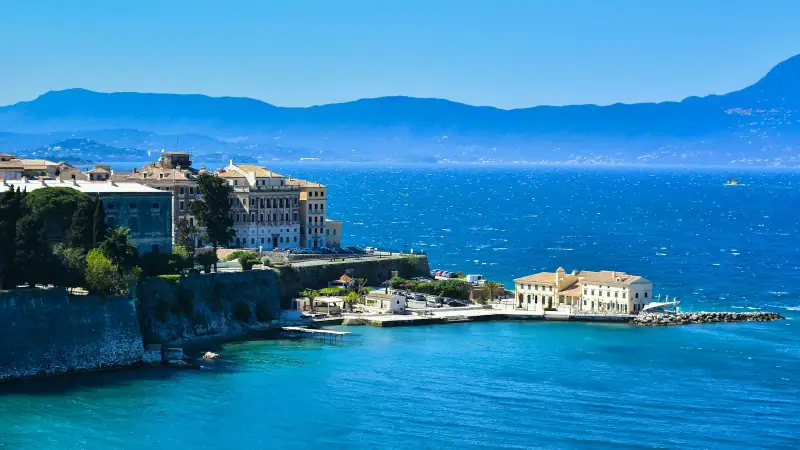
Where to Stay in Corfu: The Best Areas and How to Choose
Where to stay in Corfu: old town, east coast, Paleokastritsa, north or south? A guide to the areas, budgets and tips for booking the right place.
Ready-made
Corfu itineraries
2 days
Corfu in 2 Days: A Realistic Weekend Itinerary, With or Without a Car
Corfu in 2 days: old town, Achilleion and Paleokastritsa with drives in km and minutes, bus or car options, and what to sacrifice to avoid rushing.
3 days
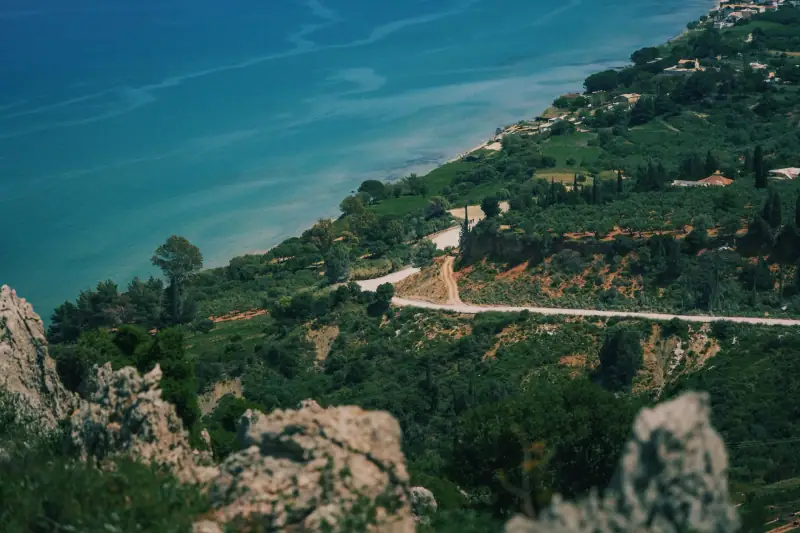
Corfu Road Trip in 3 Days: Around the Island by Car
A 3-day road trip in Corfu: old town and Achilleion, west coast and Paleokastritsa, the north with Kassiopi and Pantokrator. Stops, drives and tips.
7 days
Corfu with Kids: A 7-Day Family Itinerary
A 7-day stay in Corfu with children: sandy beaches, boat trips, the old town, the north and south of the island. Pace, drives and practical tips.