Plan your trip
When to Go to Corfu: Best Time, Weather and Season Month by Month
We may earn a commission when you book through links on this page, at no extra cost to you. We don't visit or try the places we cover: we summarize published sources. How we work
In short
- June and September are generally the best compromise: pleasant sea, long days, and crowds and prices more moderate than in midsummer.
- July and August are the hottest, busiest and most expensive months; book early and visit the old town early in the morning or late in the day.
- Spring (April-May) suits sightseeing and hiking; the sea is still cool. November to March is the wettest period, with many seaside businesses closed.
- Orthodox Holy Week is a special time with processions; dates change each year, so check the Orthodox calendar.
Choosing the right time really changes a stay in Corfu. In summer, the island is hot, bright and lively, perfect for the beach but also the busiest. In spring, it is green and flowering, ideal for walking and sightseeing. In autumn, the sea stays pleasant and the crowds fade, with more changeable weather. This guide details the weather, atmosphere and advantages of each season, so you can choose according to your priorities: swimming, culture, budget or tranquility.
Corfu’s climate in brief
Corfu has a Mediterranean climate: hot, dry summers and mild, wet winters. Located in the Ionian Sea, in northwest Greece, the island gets more rain than the islands of the Aegean Sea. That explains its olive groves, cypresses and green hills, a setting that sets it apart from other, more arid Greek destinations.
Keep three main ideas in mind:
- From June to September: stable, dry weather, very sunny days, pleasant sea.
- In spring and early autumn: mild temperatures, a higher risk of rain or storms, but more beautiful landscapes and less crowded sites.
- From November to March: the wettest period, short days, many tourist businesses closed.
These trends are general: the weather varies from year to year, and the west coast, more exposed to wind, can behave differently from the more sheltered east coast.
Spring (April-May): the green, flowering island
In spring, Corfu is at its greenest. The hills are covered in wildflowers, the trails are pleasant and the heat stays bearable in the middle of the day. It is a very good season for Corfu Town, its fortresses and lanes, as well as for the inland villages and walks around Mount Pantokrator.
Swimming is possible but the sea is still cool, especially in April. Expect a few days of rain or wind, and bring a light jacket for the evenings. Some hotels, restaurants and boat services only reopen during the season: the offer is more limited than in summer, but the atmosphere is more authentic.
Ideal for: cultural visits, hiking, photography, travelers who avoid crowds. Good to know: check the opening days of businesses and sea trips before you book.
Easter in Corfu: a time apart
Orthodox Easter is a big moment of the year in Corfu. The Holy Week processions, accompanied by brass bands, enliven the old town, and the island is known for its Easter traditions, including very spectacular customs on Holy Saturday. The dates are not those of Western Easter every year: check them in the Orthodox calendar before you book.
It is a memorable experience, but also a much sought-after period: lodging and flights are booked early, and some services are reduced during the public holidays.
Hotels in Corfu
Compare availability for your dates, with free cancellation when possible.
Early summer (June): the best compromise
June is often the month recommended first. Days are long, the weather is generally stable, the sea is already pleasant for swimming, and beaches and roads are less crowded than in July and August. Seasonal businesses are mostly open, and rates remain gentler than in midsummer.
It is also a good time to combine beach and sightseeing: temperatures still allow walking in the old town without suffering too much from the heat, especially in the morning. Boat trips, like the Paxos and Antipaxos excursion, run at full capacity.
Ideal for: couples, families without school constraints, mixed beach-and-culture stays. Good to know: book lodging and flights a few months ahead to keep your choice.
Midsummer (July-August): heat and crowds
July and August are the hottest and driest months. The sea is at its most pleasant temperature, beaches are lively, evenings are long and nightlife is at its peak in the resorts. It is the peak season for families tied to school holidays.
In return, the island is busier, lodging and flight prices rise, and coastal roads, like the parking lots near famous beaches, quickly fill up. Visiting the old town is more pleasant early in the morning or late in the day, when the heat eases. For the best-known beaches, arrive early.
Ideal for: school holidays, beach-focused stays, fans of a lively atmosphere. Good to know: book very early, plan serious sun protection and keep the hot hours for the water or a nap. To choose your beach spot, see the guide to the best beaches in Corfu.
Flights to Corfu
Compare flights for your dates: in high season, it is better to start early.
September and early October: late summer
For many travelers, September is the best month of the year in Corfu. The sea has stored the summer’s warmth, the light is softer, crowds diminish after mid-September and prices begin to drop. Boat trips, seaside restaurants and beaches remain easily accessible.
In early October, the weather becomes more changeable: fine days alternate with episodes of rain or storms, and some seasonal businesses close gradually. It is a good choice for a calmer stay, as long as you have a plan B for bad-weather days, such as a visit to the town or a slow meal in a taverna. The guide on what to eat in Corfu can fill those days.
Ideal for: couples, flexible travelers, fans of warm sea without the crowds. Good to know: watch the forecasts and leave margin in your schedule for sea excursions, which can be canceled in wind.
November to March: the island in slow motion
Winter is the wettest season. Rain is frequent, days are short, and many hotels, restaurants and beach services close on the coast. The island becomes very quiet, which may suit those looking for rest or photography without tourists, but swimming is off the table.
Corfu Town stays lively, with its cafés, museums and shopping streets, and the prices of lodging still open are often very low. If you come in winter, stay in town or nearby: you will have more choice of open restaurants and lodging than on the west coast or in the north.
Ideal for: travelers seeking calm and low prices, urban and cultural stays. Good to know: always check that your lodging and activities are open, and favor Corfu Town.
Summary: which period for your priority?
| Your priority | Recommended period |
|---|---|
| Swimming, pleasant sea | June to September |
| Best overall compromise | June, September |
| Sightseeing and hiking | April, May, early October |
| Lowest budget | Shoulder season, winter |
| More activity and nightlife | July and August |
| Traditions and local atmosphere | Orthodox Holy Week |
| Calm and photography | May, late September, winter |
Excursions and tours in Corfu
Boat trips, guided visits and activities to book according to the season.
Tips for choosing your dates
Look for the right area, not just the right month. The east coast is more sheltered and more practical, the west coast more spectacular but more exposed to wind. The guide on where to stay in Corfu helps you choose your base according to your period.
Plan ahead in high season. For July and August, as for Holy Week, book lodging and transport well in advance. In the shoulder season, you can wait longer, but check openings.
Adapt the length. With a week, you can combine town, beaches and excursions. The 5-day Corfu itinerary adapts easily to spring as well as autumn.
Plan a flexible trip off-season. A warm layer, a light raincoat and a fallback plan in case of rain are generally enough to enjoy the island in spring and autumn.
Think about the car. To explore the interior and the west coast off the beaten track, a rental car is very useful, and the roads are quieter outside summer. You can compare rental options before you go.
A day in Albania? From the northeast of the island, day trips to Saranda are offered. Entry rules depend on your passport. Check the official travel advice of your government before you book: travel.state.gov (US), GOV.UK (UK), travel.gc.ca (Canada), Smartraveller (Australia) (checked November 2026).
In short: June and September suit most travelers, July and August school holidays and pure swimming, spring and early October walkers and the curious. Whatever the season, Corfu rewards those who visit without rushing.
Frequently asked questions
What is the best month to go to Corfu?
June and September generally offer the best compromise: pleasant sea, long days, and crowds and prices more moderate than in midsummer. May suits sightseeing and hiking, early October travelers who accept more changeable weather.
Can you swim in Corfu in May and October?
Yes for the hardiest, but the sea is cooler than in summer, especially in May. In October, it keeps some of the summer's warmth, while the air can be more unsettled. Check the forecast before you go.
Is Corfu a rainy island?
Corfu is one of the greenest Greek islands, thanks to heavier rainfall than elsewhere in Greece, mainly from autumn to spring. Summer remains very dry.
Should you avoid July and August?
Not necessarily, but they are the hottest, busiest and most expensive months. If you have to travel then, book early, visit the old town early in the morning or late in the day and keep the hot hours for swimming.
Is there a period to see Corfu in a traditional way?
Orthodox Holy Week is a very special time, with processions and local traditions, notably in the old town. Dates change each year and do not always coincide with Western Easter: check the Orthodox calendar.
Are lodgings open all year?
Many seaside establishments are seasonal and close in winter. Corfu Town stays more active all year. Check that a property is open before you book if you travel off-season.
More Corfu guides
Keep reading
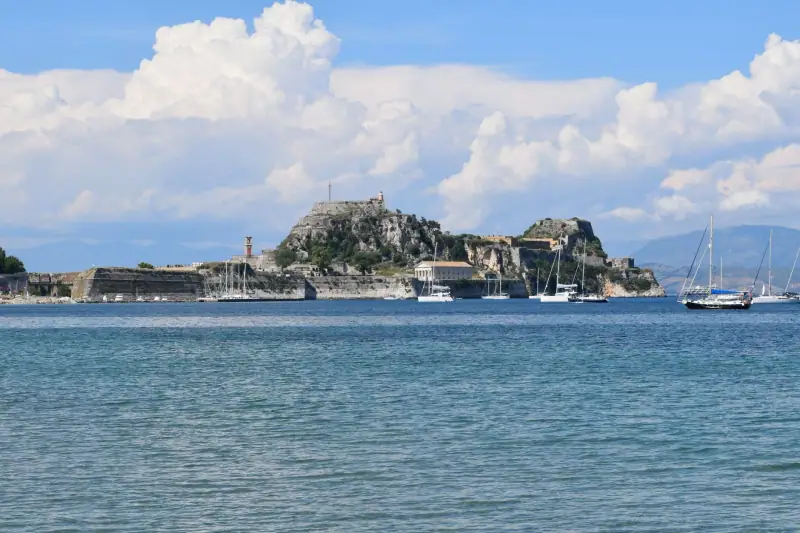
Budget for a Stay in Corfu: Real Costs and 3 Costed Profiles
What budget for Corfu? Real costs by item (lodging, transport, meals, activities), three costed profiles and tips for spending less.
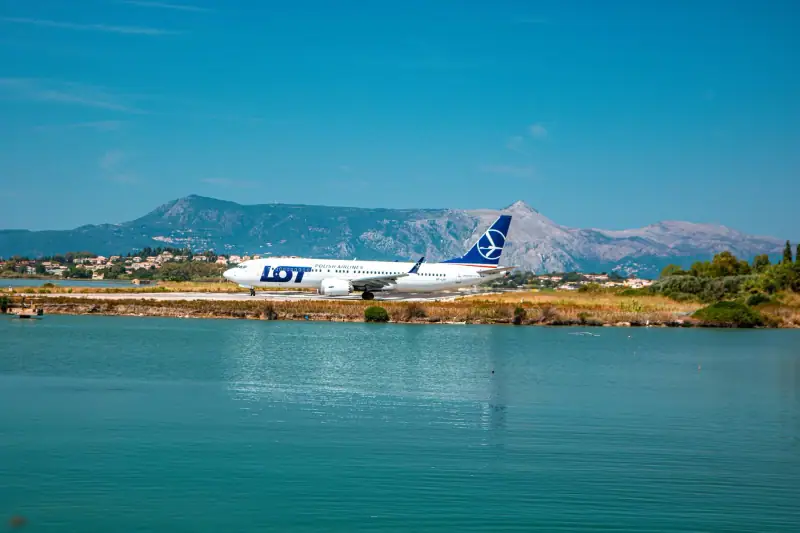
Renting a Car in Corfu: Tips, Roads and Pitfalls to Avoid
Renting a car in Corfu: do you need one, which category, island roads, parking, insurance and common mistakes. The practical guide before you book.

Complete Guide to Visiting Corfu: Regions, Highlights, Budget and Tips
Visiting Corfu: regions, highlights, when to go, how to get there and around, where to stay and budget. The pillar guide to prepare your trip.
Ready-made
Corfu itineraries
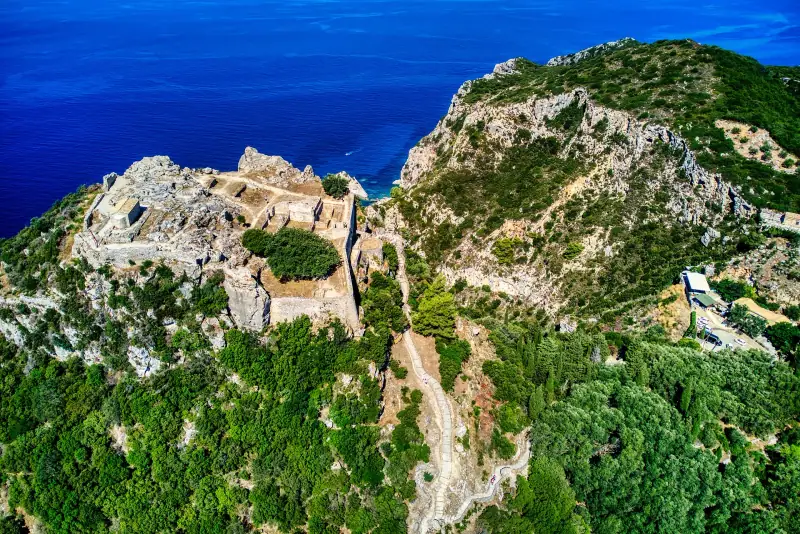
2 days
Corfu in 2 Days: A Realistic Weekend Itinerary, With or Without a Car
Corfu in 2 days: old town, Achilleion and Paleokastritsa with drives in km and minutes, bus or car options, and what to sacrifice to avoid rushing.
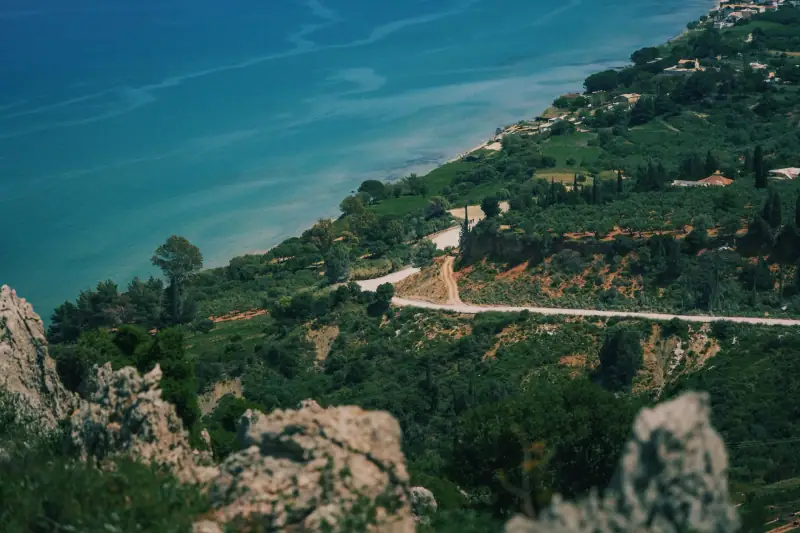
3 days
Corfu Road Trip in 3 Days: Around the Island by Car
A 3-day road trip in Corfu: old town and Achilleion, west coast and Paleokastritsa, the north with Kassiopi and Pantokrator. Stops, drives and tips.
7 days
Corfu with Kids: A 7-Day Family Itinerary
A 7-day stay in Corfu with children: sandy beaches, boat trips, the old town, the north and south of the island. Pace, drives and practical tips.