Where to stay
Where to Stay in Corfu: The Best Areas and How to Choose
We may earn a commission when you book through links on this page, at no extra cost to you. We don't visit or try the places we cover: we summarize published sources. How we work
In short
- Corfu Town suits a culture-focused stay without a car; the west coast around Paleokastritsa suits coves and scenery, but you need a rental car.
- The east coast (Dassia, Ipsos, Benitses) is practical for families and beach stays; the south is the quietest and often the cheapest.
- July and August are the busiest and most expensive months; May, June, September and early October offer better value.
- For a week, try 2 or 3 nights in town, then 4 nights on the west or northeast coast.
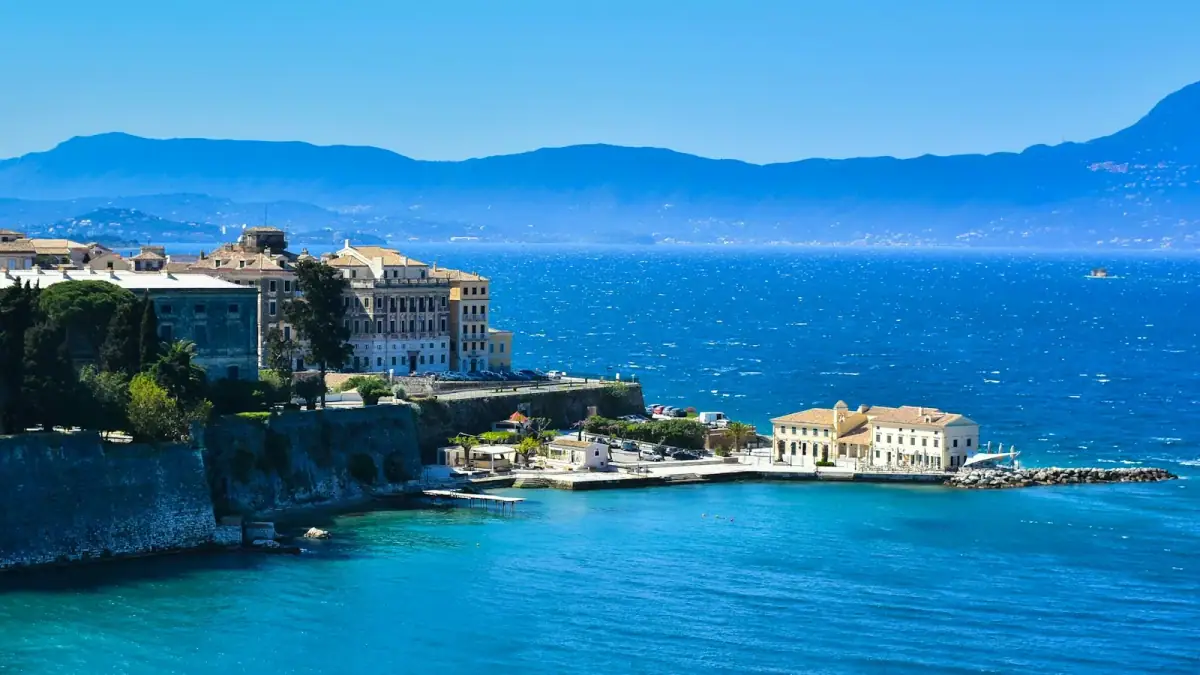
Corfu is a green island stretched from north to south, where each coast has its own personality. The Venetian old town, a UNESCO World Heritage site, concentrates history and street life. The west offers cliffs and coves, the northeast faces the mountains of Albania, and the south stays quieter and wilder. Where you base yourself therefore changes the trip profoundly. This guide compares the main areas, the budgets and the mistakes to avoid before you book.
Corfu Town: sleeping in the old town
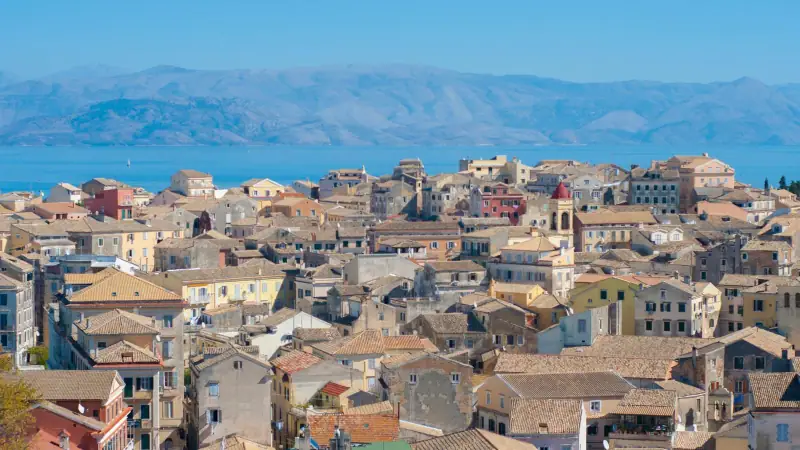
For a culture-focused stay, Corfu Town is the most obvious base. Its historic center, with narrow lanes, colorful facades and Italian-inspired squares, is a UNESCO World Heritage site. Here you will find the Old Fortress, the New Fortress, the esplanade and the arcades of the Liston, inspired by the rue de Rivoli in Paris, along with a very dense choice of restaurants and cafés.
Sleeping here means doing everything on foot: sightseeing in the morning, a break in the shade in the afternoon, dinner in a lane in the evening. Because the airport is very close to town, transfers are short, which is valuable for a late arrival or an early departure. Lodgings range from small charming hotels in old houses to renovated apartments.
Best for: couples, history lovers, travelers without a car, short stays Atmosphere: urban, lively, historic Good to know: the old town streets are pedestrian or very narrow; check car access and parking before you book, and expect a little noise in the evening in summer.
To plan your visits, you can also read the other guides to the island in the see section.
Hotels in Corfu Town
Compare charming hotels and apartments in the historic center.
The east coast: Benitses, Dassia and Ipsos
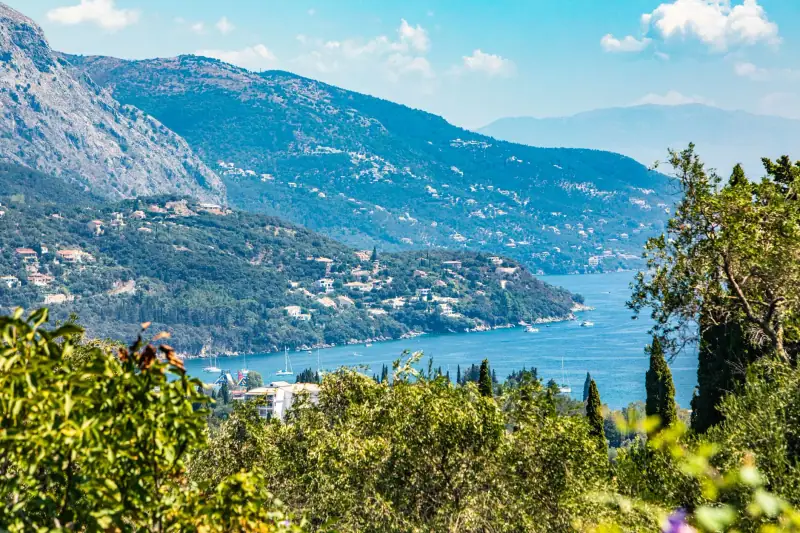
North and south of town, the east coast is a string of seaside resorts on the Ionian Sea. To the south, Benitses is a former fishing village turned resort, about ten kilometers (6 mi) from the center of Corfu. To the north, Dassia and Ipsos stretch along the coastal road, with pebble and sand beaches, seaside tavernas and many hotels with pools.
The advantage is convenience: shops, restaurants and beaches follow one another, and town remains reachable by bus or car. This coast suits a family stay or a first look at the island on a reasonable budget. The downside is that the coastal road can be busy in high season, and the atmosphere is more touristy than authentic.
Best for: families, beach stays, mid-range budgets Atmosphere: beach resort, practical and lively Good to know: beaches are often pebbly, so bring water shoes.
The west coast: Paleokastritsa and Agios Gordios
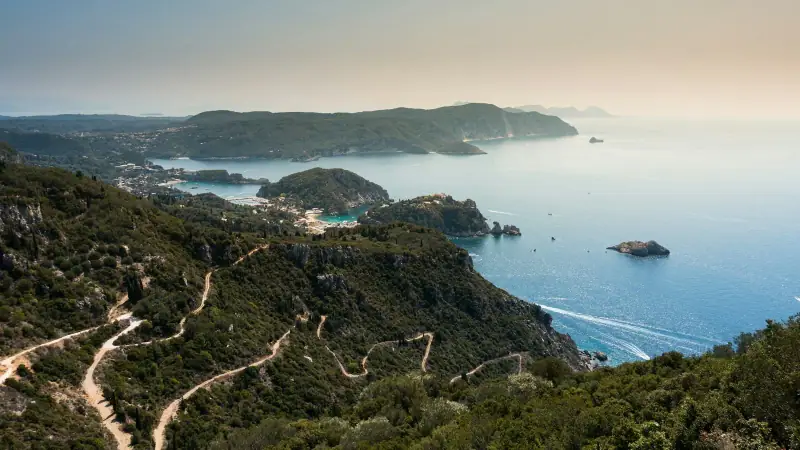
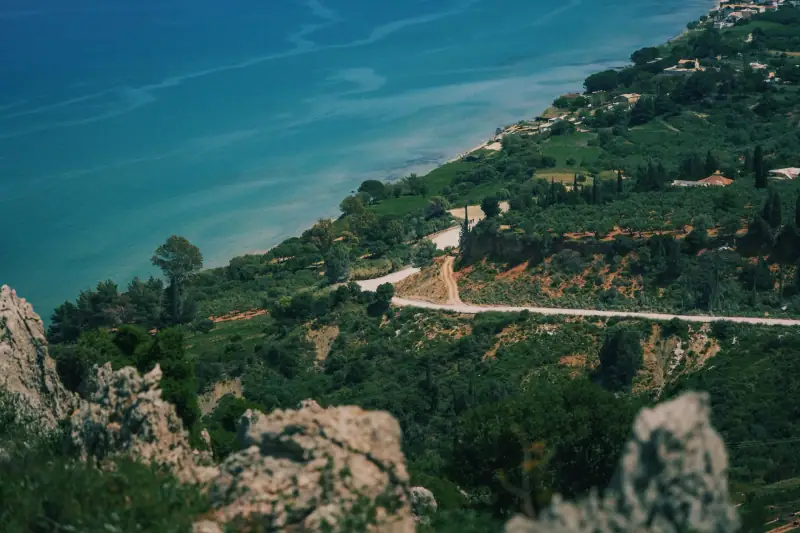
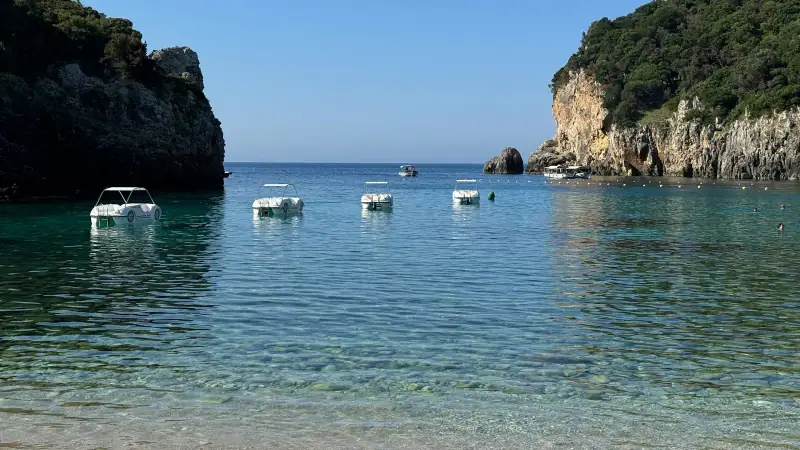
The west coast is the most spectacular on the island. Paleokastritsa, on the northwest coast, is built around several small bays with clear water, overlooked by olive-covered hills and a monastery perched on a headland. It is one of the most photographed places in Corfu. Allow about 40 minutes by road from Corfu Town.
Farther south, Agios Gordios sits on a long sandy bay overlooked by a hill, with a more relaxed resort feel. Staying on this coast means enjoying sunsets and wilder scenery, but also accepting distance from town: a car becomes almost essential for exploring the rest of the island.
Best for: scenery lovers, couples, divers and kayakers Atmosphere: nature, coves, quiet evenings Good to know: secondary roads are narrow and winding; drive carefully and avoid coming back at night on small mountain roads.
Car rental in Corfu
Essential for exploring from the west coast and the north of the island.
The north: Kassiopi and Sidari
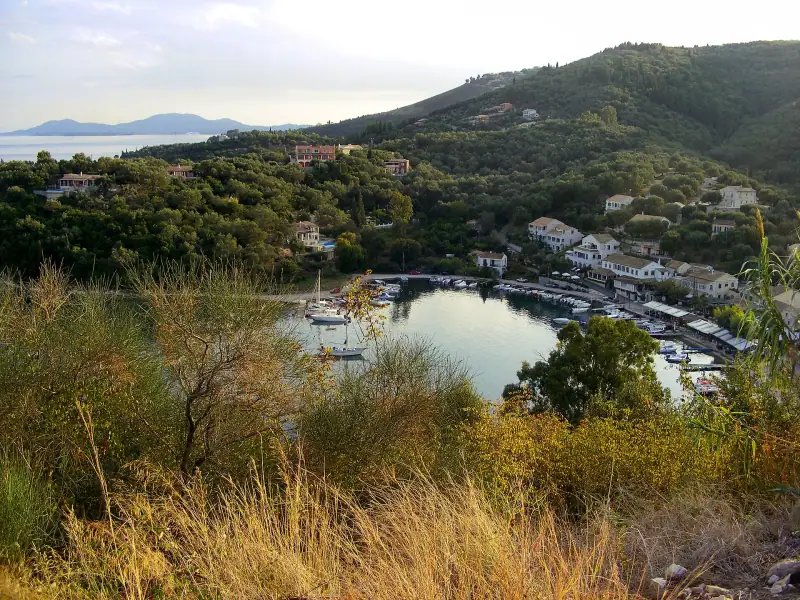
In the northeast, Kassiopi is a harbor village with the ruins of a Byzantine castle, tavernas facing the port and pebble coves nearby. Across the water, the coast of Albania seems within reach. It is a good choice if you want a village atmosphere rather than a resort, with a few beaches close by. Mount Pantokrator, the island’s highest point, rises over the hinterland.
On the north coast, Sidari is better known for its sandstone formations sculpted by erosion and its Canal d’Amour, a natural curiosity that draws many visitors. The atmosphere there is more beach-resort and lively, with many simple, affordable lodgings.
The north suits travelers who like to explore by car and do not mind being far from town. It is also ideal for day trips to the mountain villages of the interior.
Best for: travelers with a car, hikers, fans of small harbors Atmosphere: village (Kassiopi), beach resort (Sidari) Good to know: the road between town and the north is long; allow a good hour of driving, more in high season.
The south: Lefkimmi and around
The south of the island is the quietest and least urbanized area. Around Lefkimmi, the landscape is flatter, covered in fields and olive groves, with long sandy beaches and the Korission lagoon on the west coast. There are fewer lodgings, often simpler, but prices are generally gentler and the atmosphere far more peaceful.
It is a good choice for those who want to switch off, watch birds or enjoy less crowded beaches. On the other hand, expect little nightlife and a considerable distance from the historic sights of the north. A car is strongly recommended.
Best for: travelers seeking calm, families who like sandy beaches, long stays Atmosphere: rural, quiet, authentic Good to know: restaurants and shops are fewer; do your grocery shopping before you reach your lodging.
Budget and type of accommodation
Corfu offers the whole range: hostels and rooms in private homes, family-run hotels, residences with a pool, private villas and luxury resorts. Prices depend mainly on the season, proximity to the sea and the area you choose. Without quoting figures that change from year to year, here are the general trends:
- Tight budget: simple rooms and studios, often away from the waterfront, in the south or at Sidari, with better prices in the shoulder season.
- Mid-range: 3- to 4-star hotels with a pool on the east coast, beachfront residences, small charming hotels in town.
- High comfort: seaside resorts, boutique hotels in the old town, villas with a private pool, especially on the northeast and northwest coasts.
For groups or families, a villa or a large apartment can become very competitive once the price is divided per person. Always check extra fees (cleaning, tourist tax, deposit) before you confirm.
Hotels and villas in Corfu
Pool, sea view, free cancellation: filter by your criteria.
Choosing by type of stay
| Your priority | Recommended area |
|---|---|
| History, strolling, no car | Corfu Town |
| Beach and services, with family | East coast (Dassia, Ipsos, Benitses) |
| Scenery and coves | Paleokastritsa, Agios Gordios |
| Fishing village and hiking | Kassiopi, northeast |
| Calm and sandy beaches | South (Lefkimmi, Korission) |
If you have a week, one combination works well: two or three nights in town for the cultural part, then four nights on the west or northeast coast for the sea. That avoids changing hotels too often while varying the atmosphere. For a short stay of a few days, stay in one place and make day trips.
From the northeast coast, the closeness of Albania makes you want to cross the strait. If you plan a day in Saranda, check in advance which identity documents are required for the crossing.
Tours and activities in Corfu
Boat trips, guided visits and activities to book in advance.
Practical tips before you book
Season: July and August bring the biggest crowds and the highest rates. May, June, September and early October are excellent compromises: pleasant temperatures, less crowded beaches and better deals. In midwinter, many seasonal businesses are closed, especially on the coast.
Air conditioning: it is almost essential in summer. Check that it is included, especially in simple apartments.
Transport: without a car, buses link the town to the main resorts, but with limited frequencies outside high season. Lodging near a bus stop or in town makes life easier. With a car, favor a place with parking.
Cancellation: whenever possible, choose a rate with free cancellation. It lets you book early and adjust your plan if your itinerary changes.
Late arrival: if your flight lands in the evening, a first night in town or near the airport avoids driving at night on unfamiliar roads. You can reach your final lodging the next day, better rested.
Whichever area you choose, Corfu rewards those who take their time: a well-chosen base, a few excursions and slow meals in a local taverna are enough for a great stay.
Frequently asked questions
What is the best place to stay in Corfu for a first visit?
For a first stay, two options stand out. Corfu Town suits you if you like strolling, dining on a terrace and going without a car. The west coast around Paleokastritsa suits you if you want coves and scenery, as long as you rent a vehicle.
Do you need to rent a car in Corfu?
It is advisable as soon as you stay outside Corfu Town. The most beautiful beaches and villages are spread across the island, and buses do not serve every area. If you sleep in the old town, you can do without a car for the first days and rent for just a day or two.
Is Corfu expensive for accommodation?
Prices vary a lot by season. July and August are the most expensive and most in demand. May, June, September and early October offer better value, with a sea that is still pleasant in early autumn.
Where should you stay in Corfu with kids?
Families like the resorts of the east coast and the south, where beaches are often calmer, as well as residences with a pool. Check the distance to the beach, air conditioning and whether there is a kitchen for the kids' meals.
How far is Corfu Town from the airport?
Corfu airport is very close to town, only a few kilometers away, so the taxi ride is short. That is a big advantage if you choose to sleep in town for your first or last night.
When should you book accommodation in Corfu?
For July and August, book several months ahead, especially seafront hotels. In the shoulder seasons, a few weeks is usually enough. Favor free-cancellation rates to stay flexible.
More Corfu guides
Keep reading
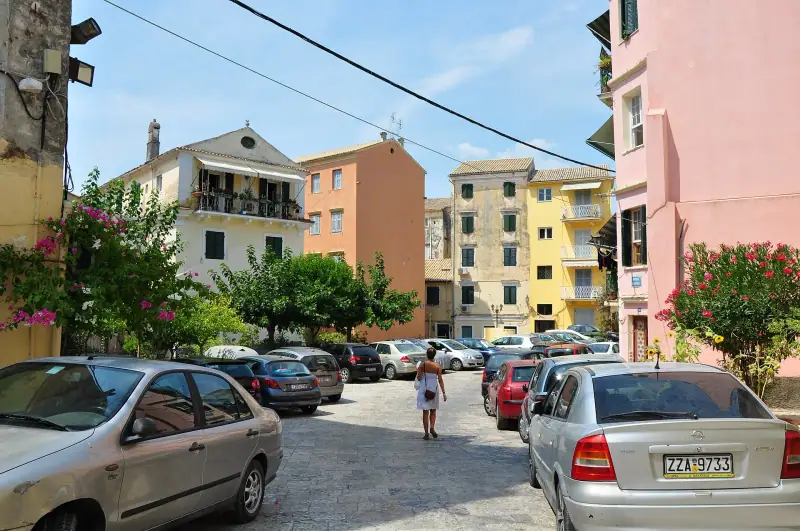
Corfu Town or Benitses: Where to Stay in Corfu Without a Rental Car?
No car in Corfu, where to sleep? Corfu Town, Benitses or Paleokastritsa: buses, airport, walkable beaches and budget compared to choose your base.
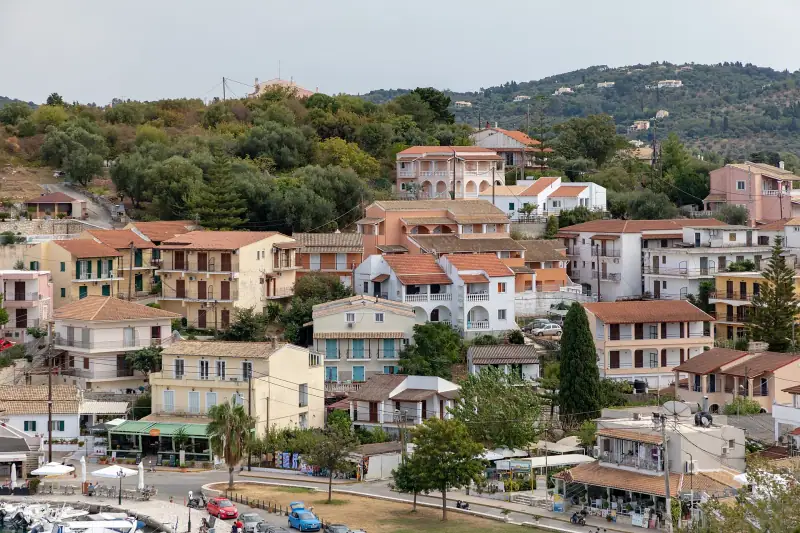
Where to Stay in Kassiopi and Northeast Corfu
Kassiopi, Kalami, Barbati, Nisaki or Ipsos: compare the bases in northeast Corfu, their coves, atmosphere and pitfalls to avoid before booking.
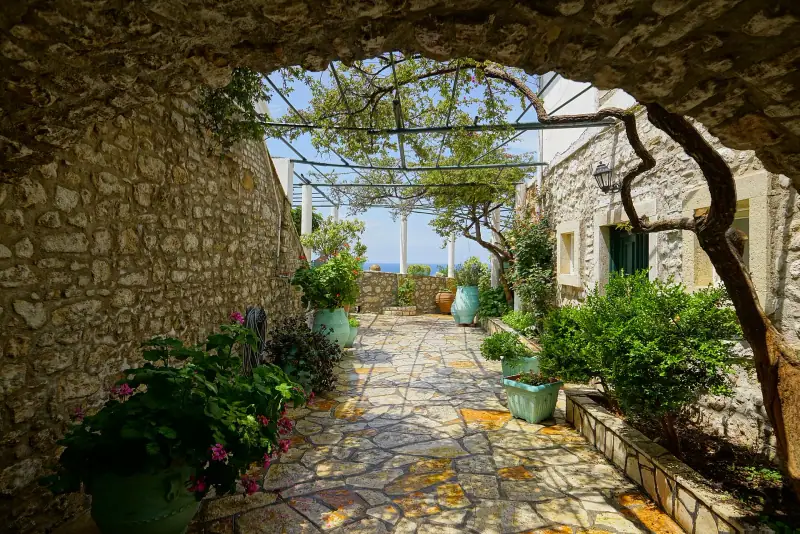
Where to Stay in Paleokastritsa and on the West Coast of Corfu
Paleokastritsa, Liapades, Agios Gordios, Pelekas or Sidari: compare the bases on Corfu's west coast, their atmosphere, pros and pitfalls before booking.
Ready-made
Corfu itineraries
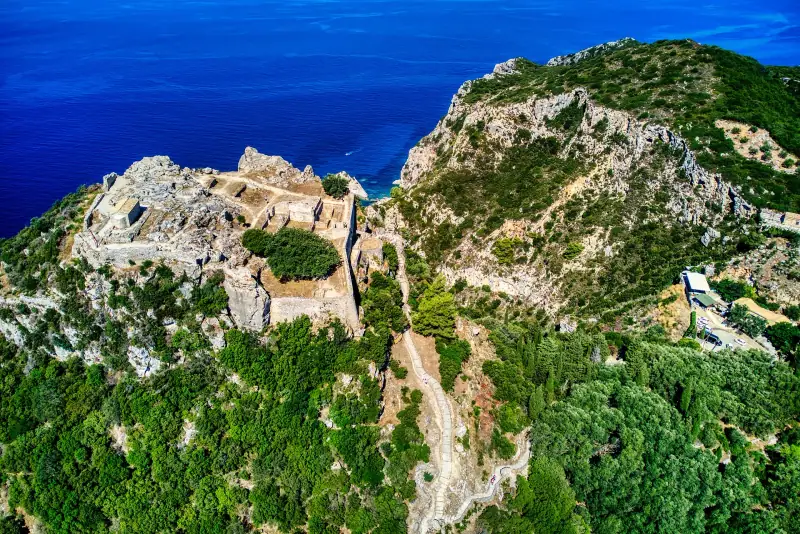
2 days
Corfu in 2 Days: A Realistic Weekend Itinerary, With or Without a Car
Corfu in 2 days: old town, Achilleion and Paleokastritsa with drives in km and minutes, bus or car options, and what to sacrifice to avoid rushing.
3 days
Corfu Road Trip in 3 Days: Around the Island by Car
A 3-day road trip in Corfu: old town and Achilleion, west coast and Paleokastritsa, the north with Kassiopi and Pantokrator. Stops, drives and tips.
7 days
Corfu with Kids: A 7-Day Family Itinerary
A 7-day stay in Corfu with children: sandy beaches, boat trips, the old town, the north and south of the island. Pace, drives and practical tips.